On a quiet residential street in Munich's Haidhausen district, Sushi Cent addresses the city's appetite for Japanese counter dining at a neighbourhood scale. The address on Schneckenburgerstraße places it outside the city's premium dining corridor, positioning it as an accessible alternative to the upper-bracket omakase format that has taken hold in German cities. A focused sushi operation in a city still building its Japanese dining identity.
Pearl is the En Primeur Club membership app — saves, bookings, and concierge access live there. Same editors, same standards.
- Address
- Schneckenburgerstraße 31, 81675 München, Germany
- Phone
- +494989475834
- Website
- sushi-muenchen.net
- Directions
- Get directions
 Saves & bookings on Pearl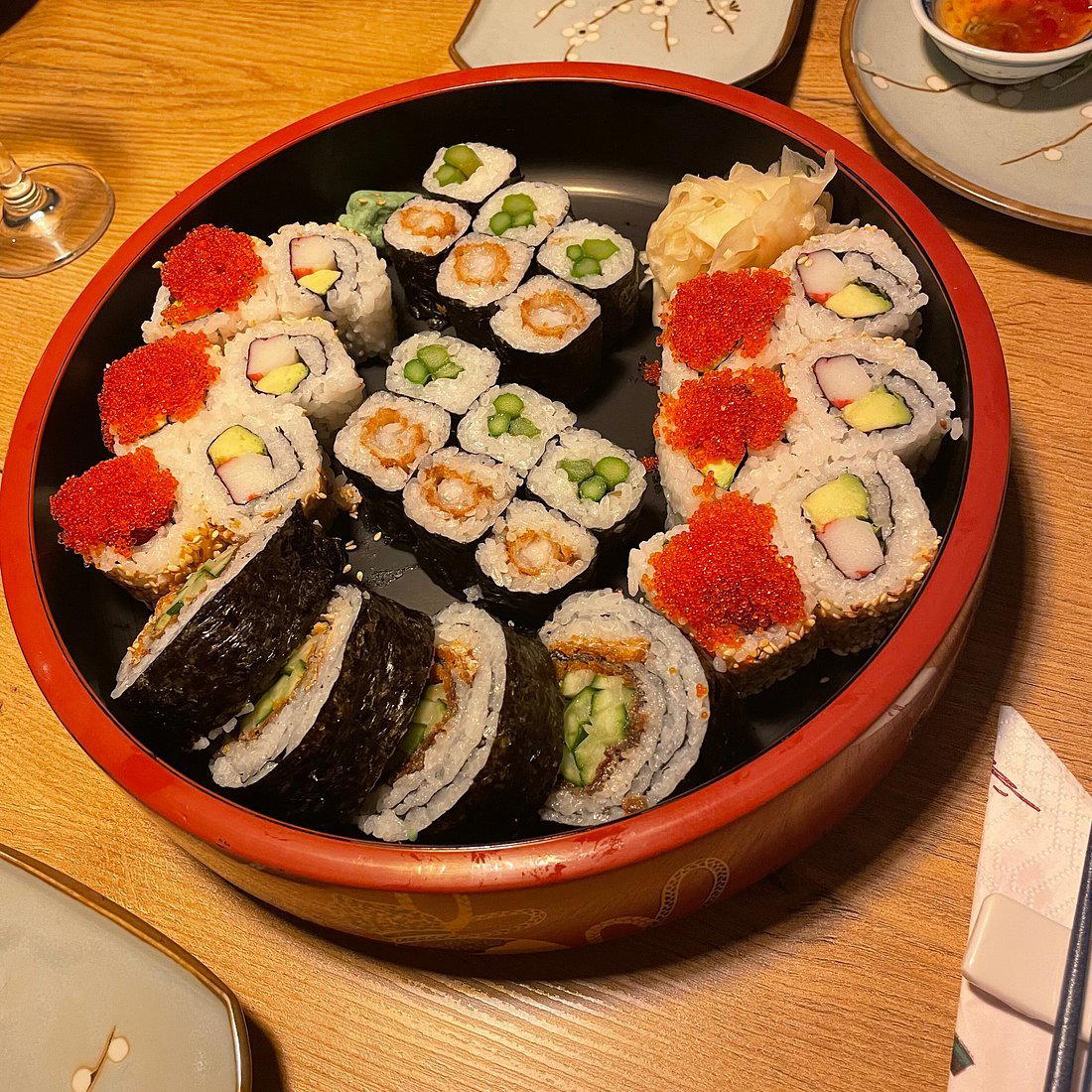
Where Munich's Japanese Dining Scene Finds Its Ground Level
Munich's relationship with Japanese cuisine has developed unevenly. The city's upper-end dining rooms, places like Tohru in der Schreiberei with its Modern German-Japanese framework, demonstrate how seriously the city takes cross-cultural culinary dialogue at the €€€€ tier. But the conversation between Munich and Japan does not begin and end at that level. Sushi Cent, on Schneckenburgerstraße 31 in Haidhausen, is a casual Japanese sushi restaurant in Munich with.
Haidhausen has historically been one of Munich's more grounded inner-city neighbourhoods, less manicured than Bogenhausen to the north and less tourist-facing than the centre. A sushi operation here is not competing with the city's Michelin-registered rooms. It is serving a local population and an informed dining public looking for Japanese food outside the formal tasting-menu format. That distinction matters when reading what Sushi Cent represents within Munich's broader food ecosystem.
The Arc of a Japanese Meal at Neighbourhood Scale
The logic of Japanese counter dining, whether it runs to a full omakase sequence or a shorter selection, follows a progression that is worth understanding before arriving at any sushi address. In Japan, the structure of the meal is itself a form of communication: cold before warm, delicate before rich, raw before cooked, with vinegared rice as the pivot point around which the experience rotates. Premium counter addresses in cities like Tokyo and, increasingly, in European capitals, have exported that structure intact. The leading omakase programs in Germany, including operations in cities with deeper Japanese dining histories than Munich, hold to that progression rigorously.
At neighbourhood sushi operations, the same logic applies in compressed form. A well-run à la carte or set-format Japanese meal at this tier should still reflect seasonal ingredient thinking, proper rice temperature and seasoning, and a sense that the sequence of dishes has been considered rather than assembled at random. These are not abstract ideals. They are the baseline by which Japanese food is evaluated in any city with a serious dining public, from Atomix in New York, where Korean fine dining has redefined what tasting-progression discipline looks like, to the more approachable neighbourhood tier that serves the same city's everyday appetite for Japanese food.
Munich has not yet produced the density of Japanese dining addresses that Hamburg or Berlin can offer. CODA Dessert Dining in Berlin illustrates how German cities beyond Munich have pushed specialist format thinking into highly refined territory. Munich's Japanese dining scene is younger and thinner by comparison, which means each address operating in that space carries more representative weight than it might in a city with twenty serious sushi rooms.
Reading the Address
Schneckenburgerstraße 31 is a specific coordinate in a residential part of Munich that does not generate significant foot traffic from tourists or from the city's business dining circuit. Addresses in this part of Haidhausen tend to survive on repeat custom and neighbourhood loyalty rather than on passing trade or review-cycle momentum. That context shapes what a venue here can and should be: consistent, accessible, and attentive to a local regular base rather than to the one-off visitor seeking a trophy booking.
For comparison, the city's most-discussed fine dining rooms occupy different geography. Tantris operates in Schwabing, with decades of institutional weight behind its Modern French positioning. Atelier and Alois - Dallmayr Fine Dining anchor themselves in the city's central premium corridor. JAN has built its creative reputation in a different part of the city's dining map. None of these are natural comparators for a neighbourhood sushi address in Haidhausen. The relevant comparable set is defined by format, price tier, and catchment area, not by award status.
Germany's decorated dining rooms in other cities, from Aqua in Wolfsburg to Schwarzwaldstube in Baiersbronn, Vendôme in Bergisch Gladbach, Waldhotel Sonnora in Dreis, Victor's Fine Dining by Christian Bau in Perl, Schanz in Piesport, Bagatelle in Trier, Restaurant Haerlin in Hamburg, and ES:SENZ in Grassau, demonstrate how seriously German dining takes its Michelin-tier operations. The neighbourhood sushi format exists at a different register entirely, answering a different question: where does the city eat well on a Tuesday without a three-month lead time?
In cities where Japanese dining is mature, like New York, where Le Bernardin exemplifies how seafood discipline at the summit tier sets a standard that filters down through the broader ecosystem, neighbourhood sushi addresses benefit from a deep surrounding culture of Japanese ingredient sourcing, trained staff, and an educated dining public. Munich is still building that ecosystem. An address like Sushi Cent functions as part of that infrastructure, not as a destination in the way a high-end counter might be, but as a regular fixture in a neighbourhood where Japanese food remains less common than it is in the city's centre.
Planning Your Visit
Practical details are direct. Address: Schneckenburgerstraße 31, 81675 München. Getting there: Haidhausen is served by the S-Bahn and several tram lines; the neighbourhood is walkable from Max-Weber-Platz. Booking is recommended, and hours run Monday to Friday from 11:30 AM to 2:30 PM and 5:30 PM to 10 PM, with Saturday and Sunday dinner service from 5:30 PM to 10 PM. Broadly, Munich's dining options range from neighbourhood addresses to decorated fine dining rooms.
Fast Comparison
Comparable venues nearby, for context on price, style, and recognition.
| Venue | Cuisine | Price | Notes |
|---|---|---|---|
| Sushi CentThis venue — the venue you are viewing | Japanese Sushi | $$ | Not listed |
| Hako Ramen | Authentic Japanese Ramen | $$ | Isarvorstadt |
| Geisha | Modern Pan-Asian Sushi | $$ | Isarvorstadt |
| Restaurant Kaito | Authentic Japanese Sushi | $$$ | Neuhausen |
| Azuki | Japanese-Vietnamese Fusion | $$$ | Lehel |
| Restaurant Merhaba | Traditional Turkish | $$ | Haidhausen |
At a Glance
- Cozy
- Casual Hangout
- Family
- Sake Program
Current opening hours
- Monday
- 11:30 AM–2:30 PM, 5:30–10 PM
- Tuesday
- 11:30 AM–2:30 PM, 5:30–10 PM
- Wednesday
- 11:30 AM–2:30 PM, 5:30–10 PM
- Thursday
- 11:30 AM–2:30 PM, 5:30–10 PM
- Friday
- 11:30 AM–2:30 PM, 5:30–10 PM
- Saturday
- 5:30–10 PM
- Sunday
- 5:30–10 PM
Hours can change for holidays and private events. Last verified .
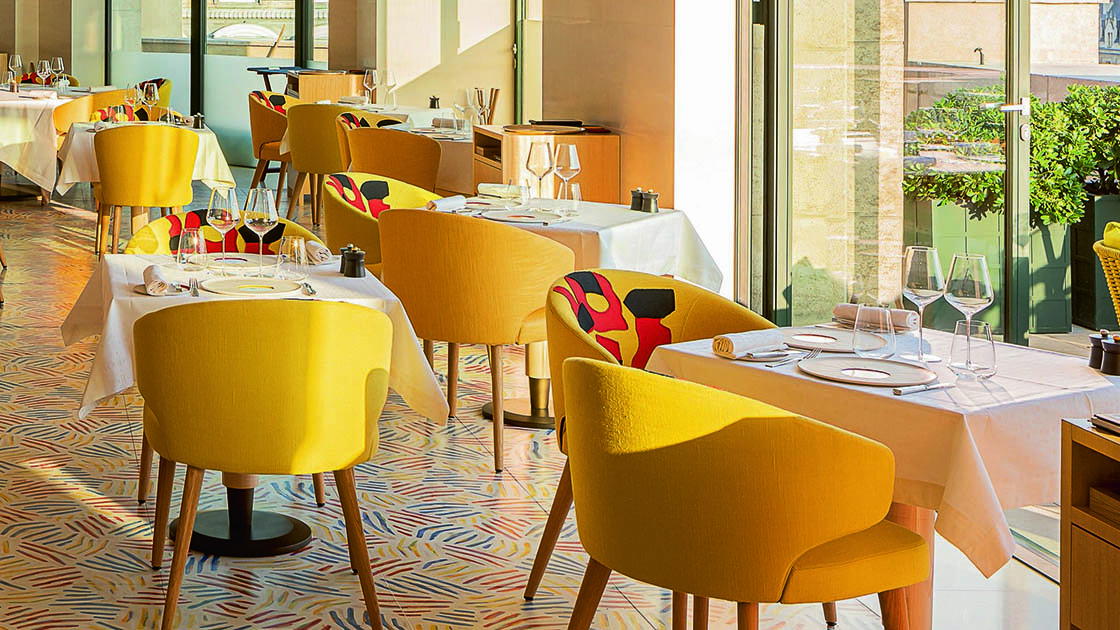
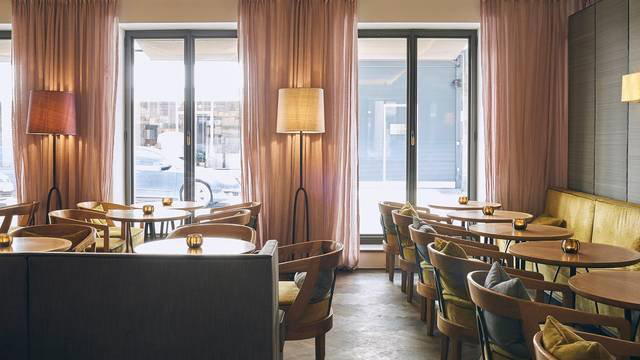
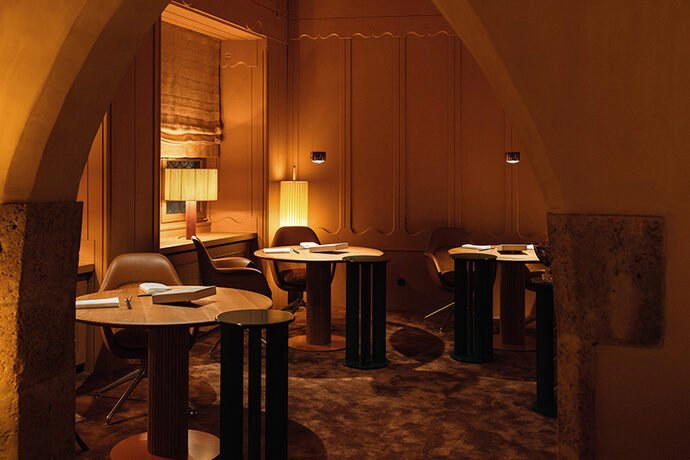
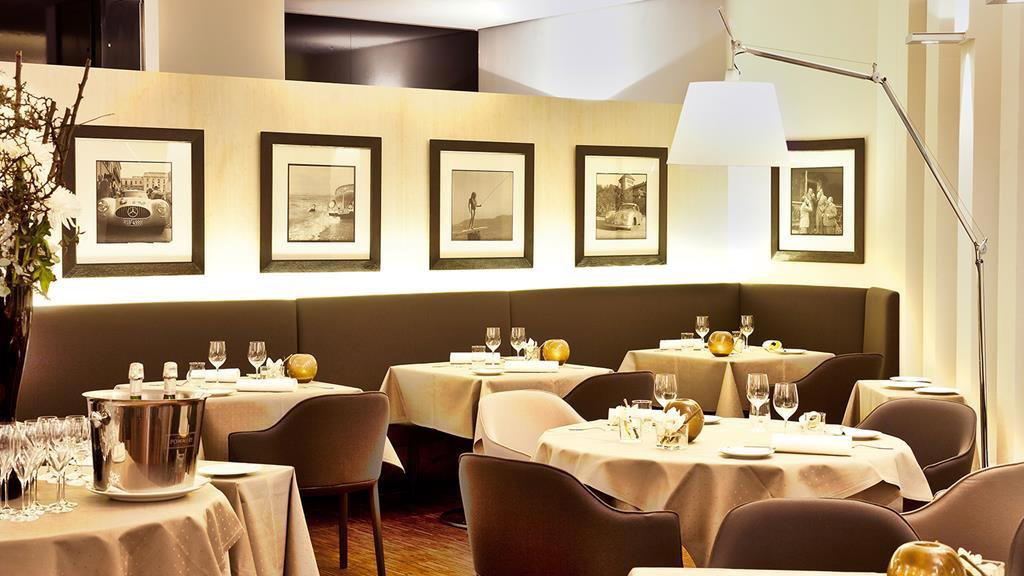
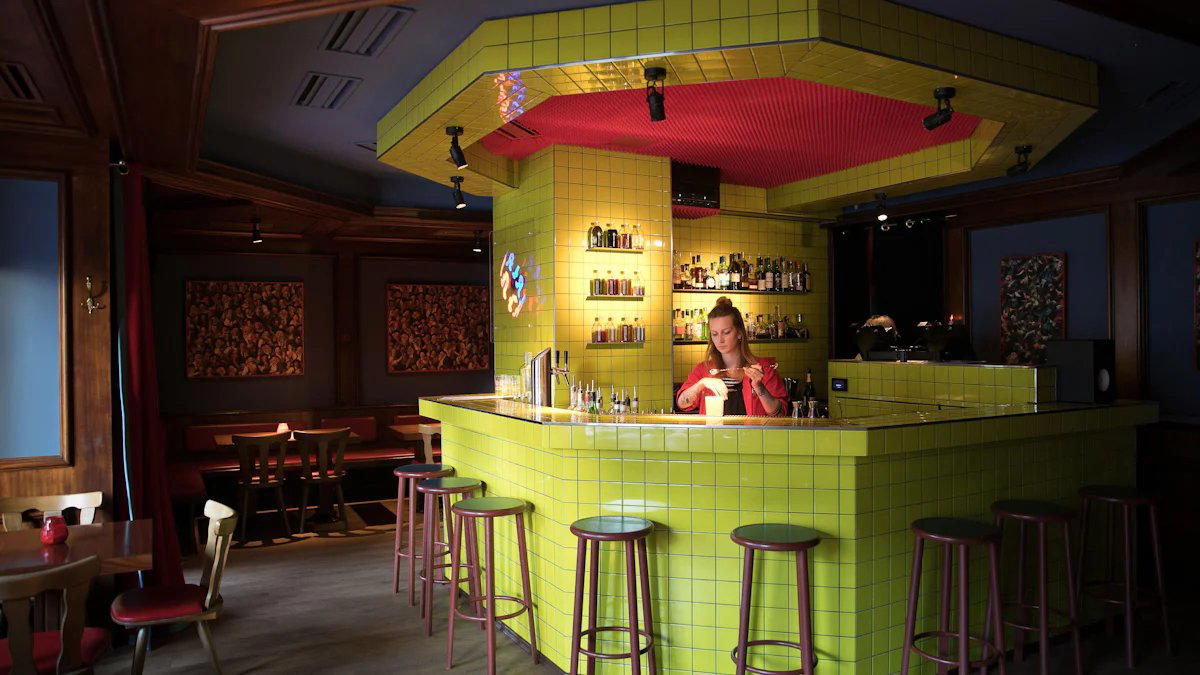
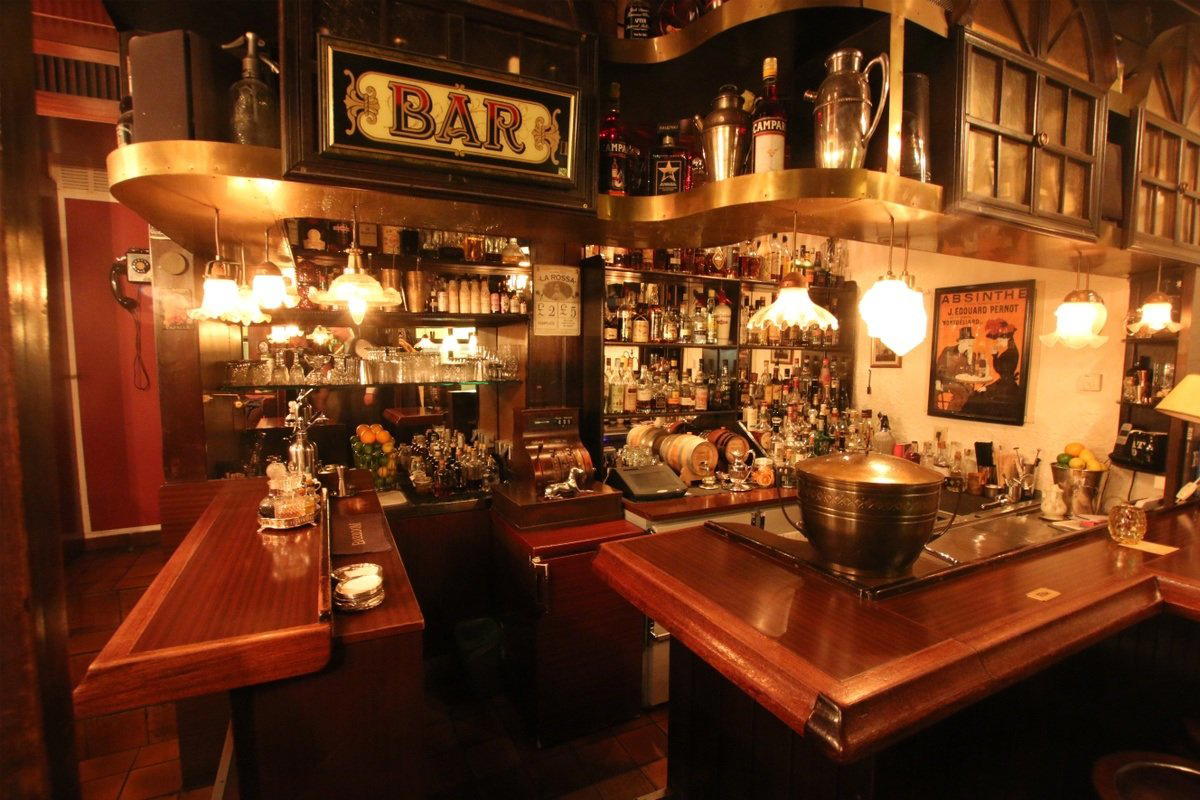
Cozy and quiet atmosphere with simple, non-fancy decor focused on food quality.