Dahoam Restaurant on Paul-Heyse-Straße sits in Munich's Ludwigsvorstadt district, where the city's appetite for grounded, neighbourhood-scale dining runs parallel to its Michelin-heavy fine dining circuit. The name itself, Bavarian dialect for 'at home', signals an intent toward familiarity over formality, placing it in a different register from the city's marquee tasting-menu rooms.
Pearl is the En Primeur Club membership app — saves, bookings, and concierge access live there. Same editors, same standards.
- Address
- Paul-Heyse-Straße 24, 80336 München, Germany
- Phone
- +494989514900
- Website
- melia.com
- Directions
- Get directions
 Saves & bookings on Pearl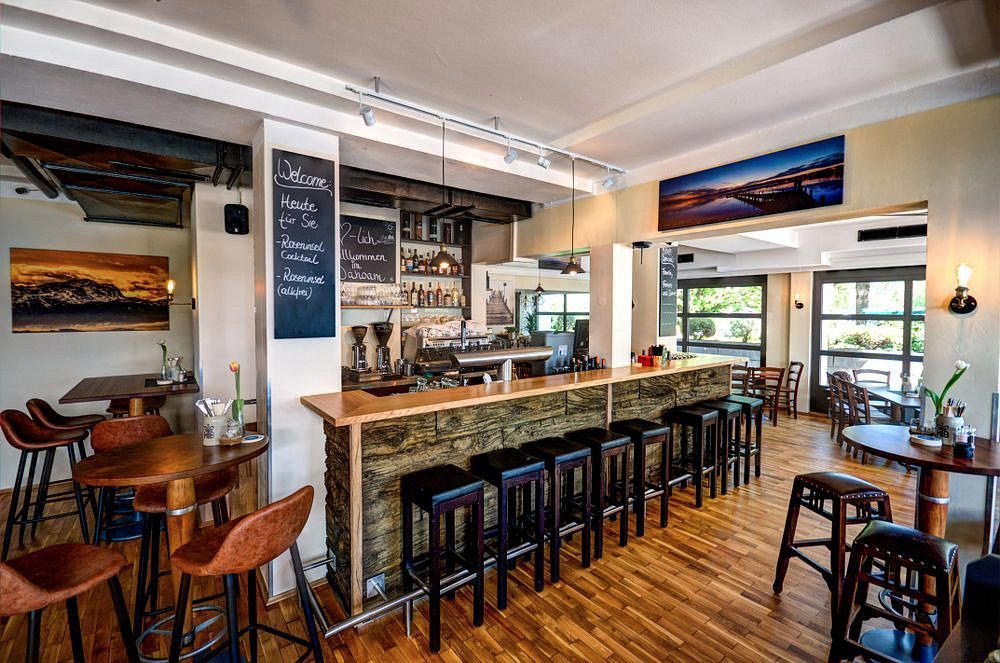
The Pull of the Regular at Paul-Heyse-Straße
Munich has a particular kind of restaurant that functions less as a destination and more as a rhythm. You don't plan for it weeks out; you find your way back to it. Dahoam Restaurant, at Paul-Heyse-Straße 24 in Ludwigsvorstadt, occupies that slot for a certain stripe of Munich diner, the kind who returns not because a critic told them to, but because the restaurant has become part of how they measure a good week. The name, Bavarian dialect for 'at home,' is a positioning statement as much as a label, placing it deliberately outside the city's formal dining register.
Ludwigsvorstadt is a neighbourhood that rewards this kind of establishment. Sandwiched between the Hauptbahnhof's transit flux and the quieter residential streets running south toward Sendling, the area has historically been where Munich's working population ate and drank without ceremony. That character hasn't disappeared under recent gentrification pressure so much as it has layered, craft coffee, small-format wine bars, and neighbourhood restaurants with real culinary ambition have settled alongside older Bavarian staples. A restaurant called Dahoam, at this address, is making a claim about which layer it belongs to.
What Brings People Back
The regulars' logic for any neighbourhood restaurant follows a consistent pattern: the place has to work on a Tuesday. Not just on a Saturday when you've booked ahead and dressed for the occasion, but on an ordinary evening when the decision to go out was made an hour earlier and the expectation is reliability rather than revelation. Munich's fine dining circuit, which includes the multi-starred rooms at Tantris, the Franco-creative tasting menus at Atelier, and the precision cooking at Alois - Dallmayr Fine Dining, serves a different function. Those are rooms built for occasion. The restaurant at Paul-Heyse-Straße appears positioned for frequency.
This distinction matters in how a restaurant earns its regulars. The unwritten menu, the thing you order without looking, the dish that arrives the way you want it without annotation, is a currency that builds slowly and only through repeated visits. It requires a degree of consistency that high-concept tasting menus, which rotate seasonally or weekly, structurally cannot offer. The trade-off is that the ceiling is lower; you're not going to read about this kitchen in the same breath as Tohru in der Schreiberei or JAN. But the floor, if the kitchen holds it, is more durable.
Munich's Neighbourhood Dining in Context
Germany's restaurant scene, when viewed from outside its Michelin tier, is richer and more varied than the award circuit suggests. The country has a strong tradition of the Stammlokal, the regular haunt, the place where the table in the corner is yours by unspoken agreement. Bavaria amplifies this through its food culture: the Brotzeit tradition, the seasonal calendar of Starkbier and Oktoberfest, and a genuine civic attachment to eating and drinking as social rather than performative acts. The restaurants that earn loyal clientele here tend to operate within that cultural logic rather than against it.
That context is worth holding alongside the city's high-end circuit. Munich's €€€€ tier is genuinely accomplished, the kitchens at the starred rooms are among the more technically serious in Germany, comparable in ambition to places like Schwarzwaldstube in Baiersbronn, Aqua in Wolfsburg, or Vendôme in Bergisch Gladbach. But those rooms don't hold the city's neighbourhood life together. The restaurants that do that work are less photographed and less discussed, and often more structurally sound for it.
Dahoam sits in that less-discussed layer. It operates outside the trust hierarchy that guides visitors toward Michelin-flagged addresses. That absence is, in some cities, a disqualification. In Munich's Ludwigsvorstadt, it can function differently: as a signal that the audience is local, the pricing is for repeat visits, and the incentive structure is loyalty rather than aspiration.
How This Compares to the German Neighbourhood Format
Across Germany, the strongest neighbourhood restaurants share a few structural traits: a menu that doesn't overreach, a room that prioritises comfort over drama, and a pricing logic that makes return visits financially viable. In Berlin, a restaurant like CODA Dessert Dining occupies a specialist niche within the neighbourhood format, acclaimed but still intimate, built for a regular rather than a tourist. The approach differs by city, but the underlying logic of earning loyalty through reliability holds across formats.
In smaller German towns with strong fine dining presences, Schanz in Piesport, Waldhotel Sonnora in Dreis, or Bagatelle in Trier, the neighbourhood restaurant and the destination restaurant occupy different positions in the local ecology. Munich is large enough that both tiers coexist within the same postcode. Paul-Heyse-Straße is roughly ten minutes on foot from the Hauptbahnhof, which means the restaurant sits at the edge of transit-adjacent dining without being subsumed by it. That geography tends to produce a clientele that is more mixed, commuters, local residents, visitors staying nearby, than a purely residential neighbourhood address would generate.
For reference: the calibre of cooking emerging from Germany's leading rooms, places like Victor's Fine Dining by Christian Bau, ES:SENZ in Grassau, or Restaurant Haerlin in Hamburg, raises the overall credibility of the German dining scene, which in turn creates an audience that is more culinarily literate at every tier. A restaurant named Dahoam benefits from that ambient seriousness even without formal recognition of its own.
Planning a Visit
Know Before You Go
- Address: Paul-Heyse-Straße 24, 80336 München, Germany
- Neighbourhood: Ludwigsvorstadt, Munich (approx. 10 min walk from Hauptbahnhof)
- Booking: recommended
- Price range: €25 per person
- Hours: Mon-Sun 6-10 PM
Reputation First
Comparable venues nearby, for context on price, style, and recognition.
| Venue | Cuisine | Price | Notes |
|---|---|---|---|
| Dahoam RestaurantThis venue — the venue you are viewing | Traditional Bavarian | $$ | Not listed |
| Hofbräuhaus München | Traditional Bavarian Beer Hall | $$ | Altstadt |
| Zum Dürnbräu | Traditional Bavarian | $$ | Altstadt |
| Bamberger Haus | Imperial Austrian-German Court Cuisine | $$ | Milbertshofen |
| Schneider Weisse Bräuhaus | Traditional Bavarian Brewery Tavern | $$ | Zamdorf |
| Pretty Bun | Premium Hot Dogs | $$ | Neuhausen |
At a Glance
- Cozy
- Rustic
- Classic
- Casual Hangout
- Family
- Group Dining
- Standalone
- Local Sourcing
Current opening hours
- Monday
- 6–10 PM
- Tuesday
- 6–10 PM
- Wednesday
- 6–10 PM
- Thursday
- 6–10 PM
- Friday
- 6–10 PM
- Saturday
- 6–10 PM
- Sunday
- 6–10 PM
Hours can change for holidays and private events. Last verified .
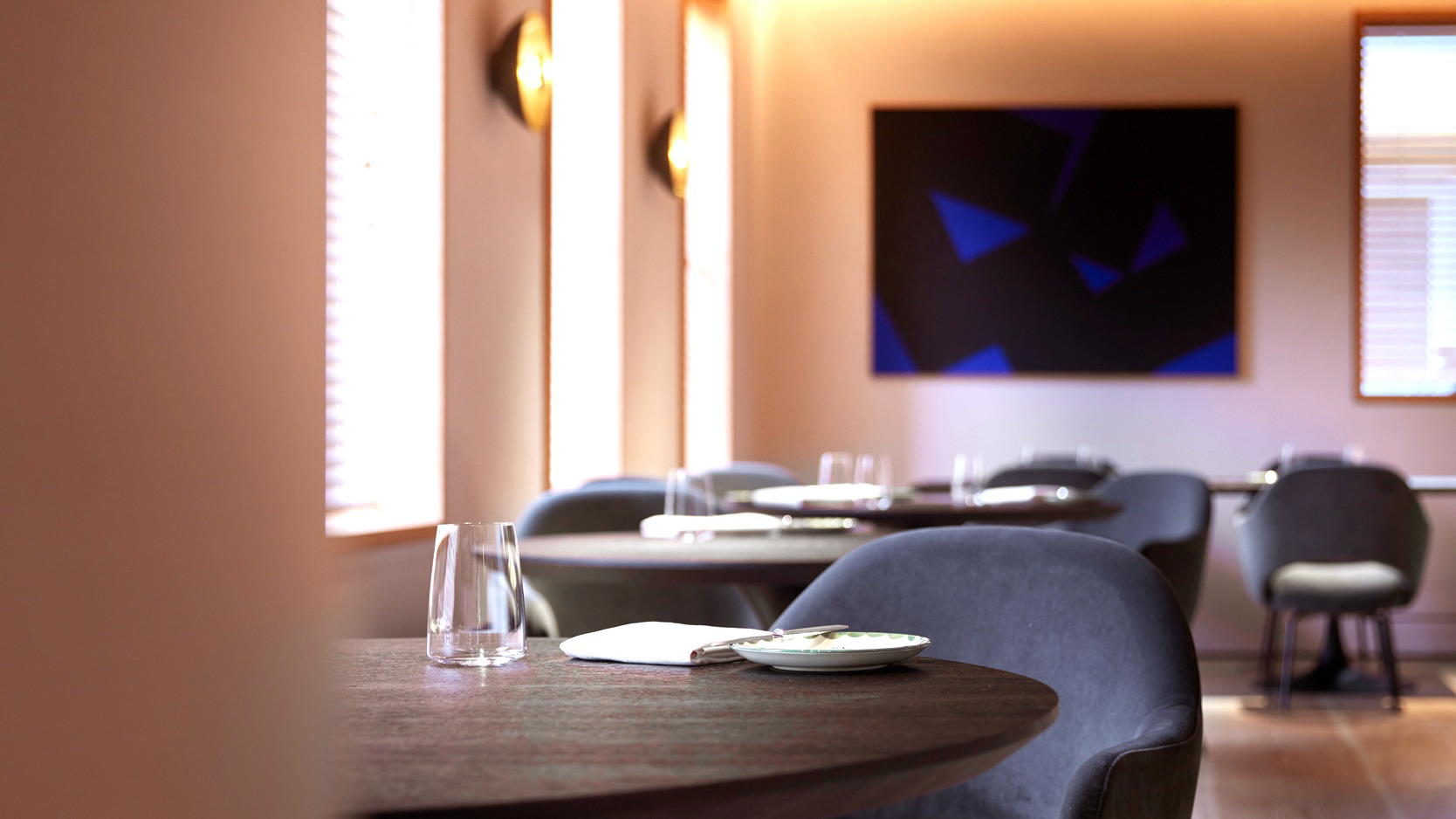
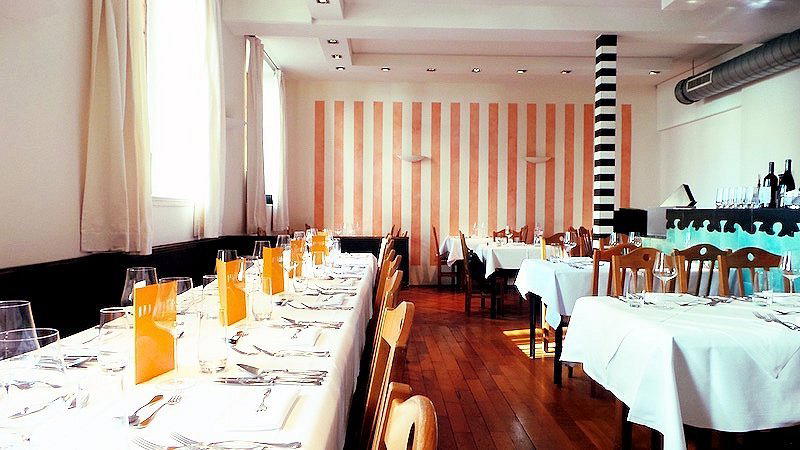
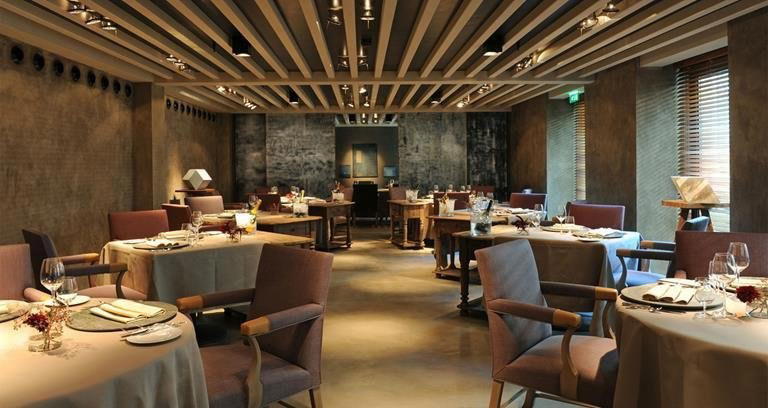
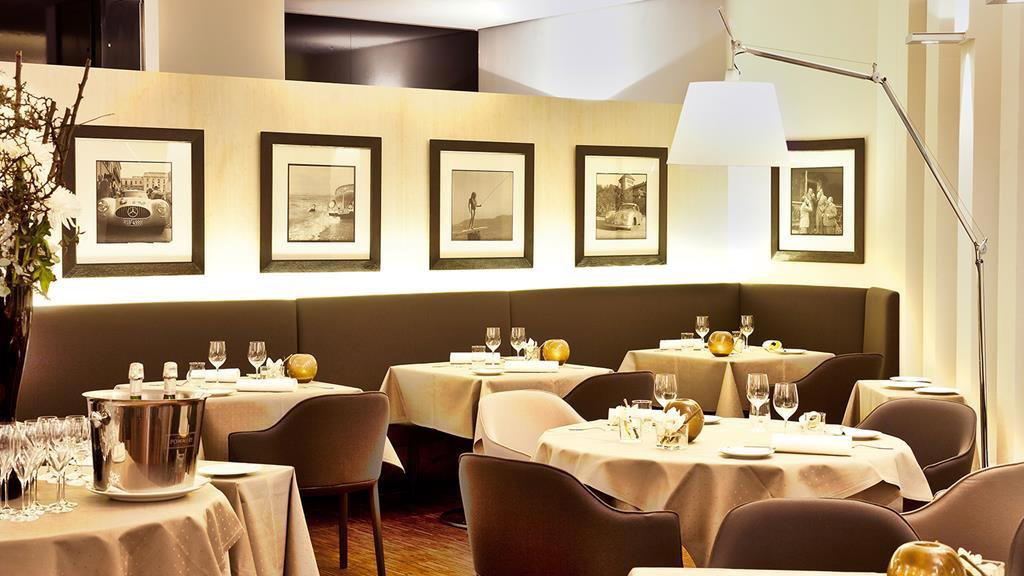
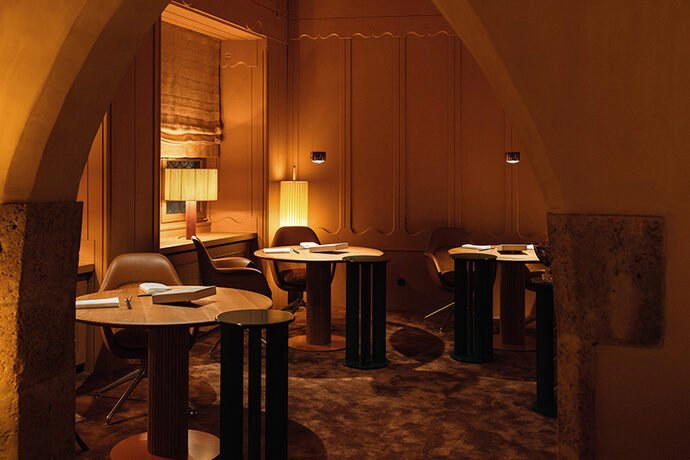
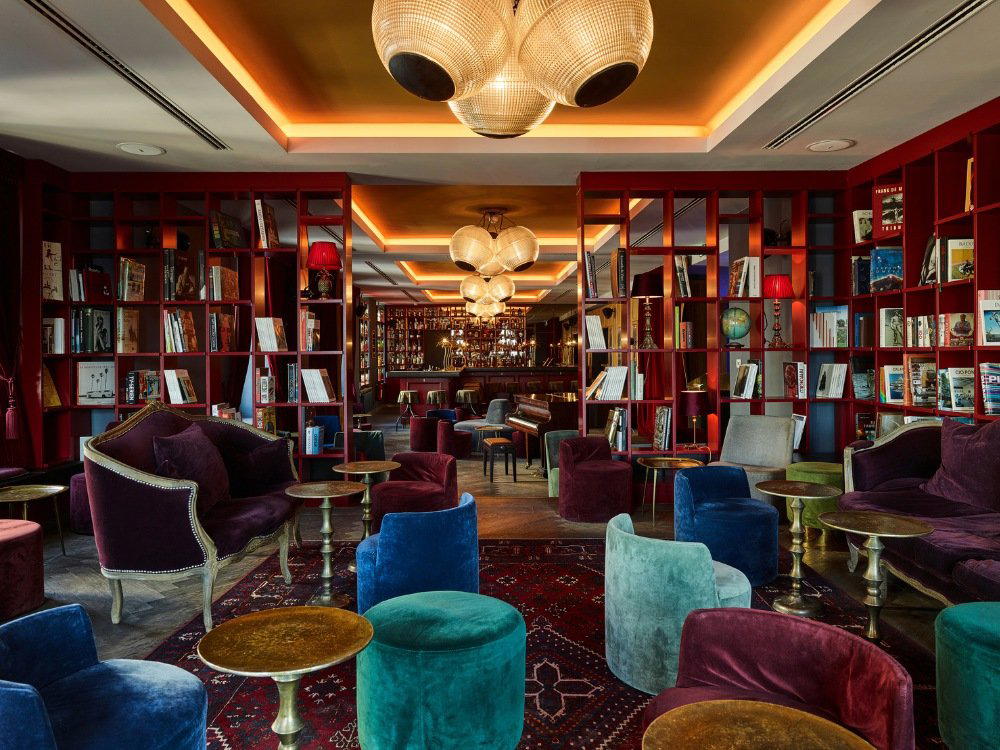
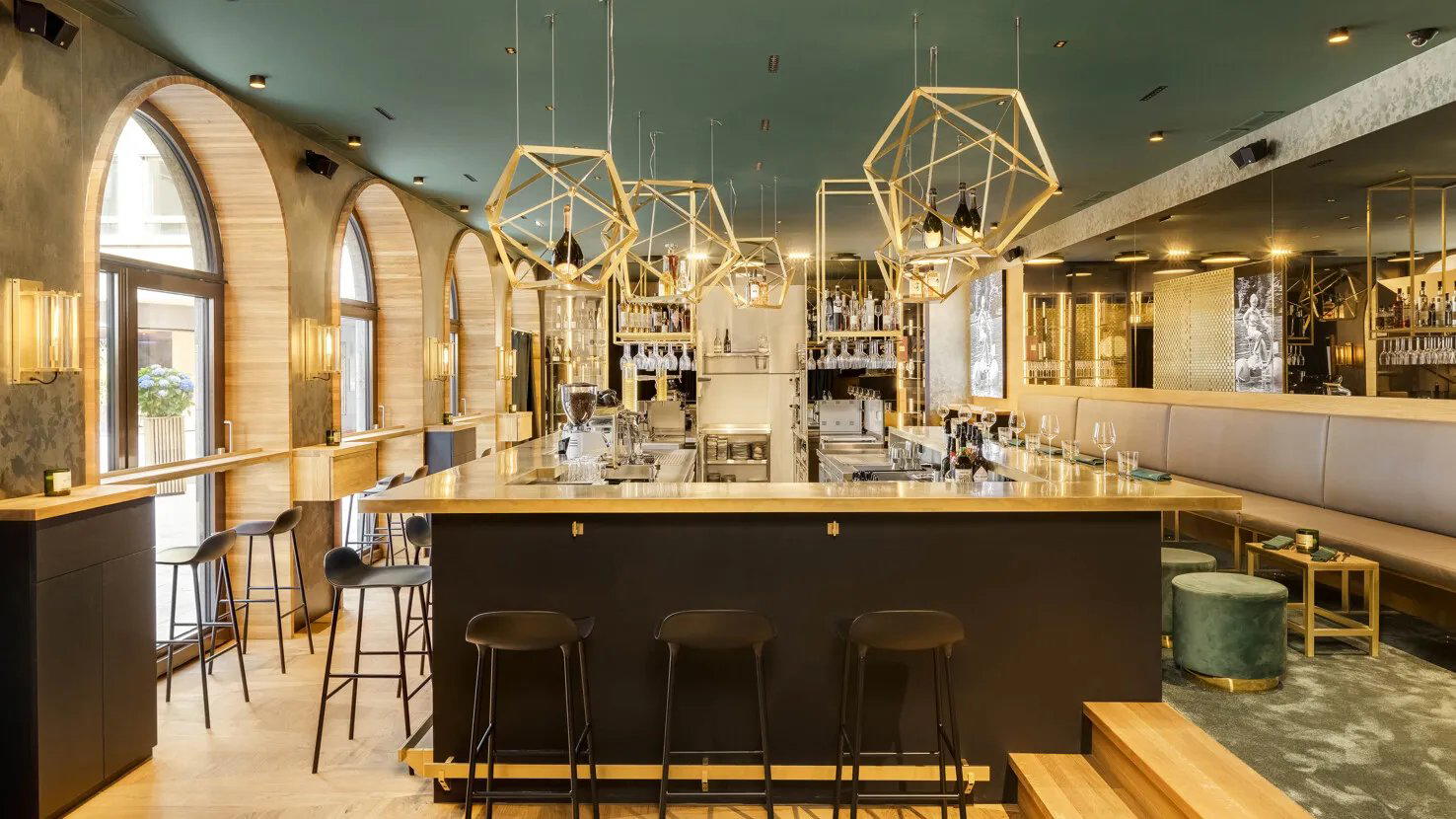
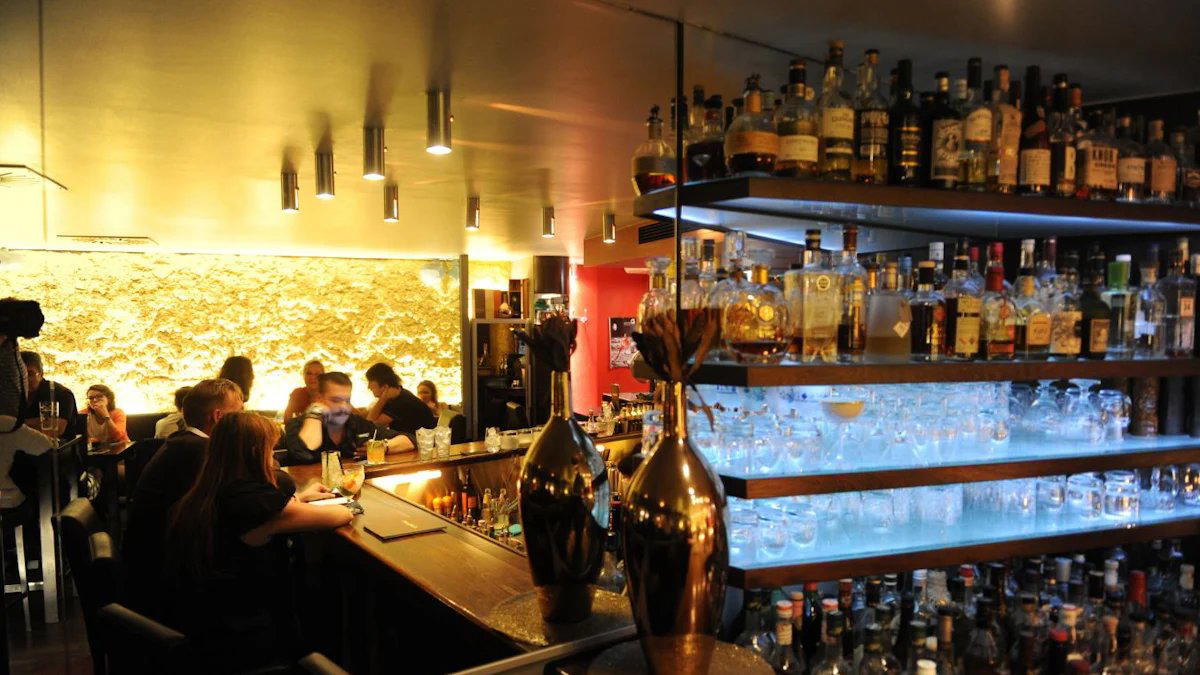
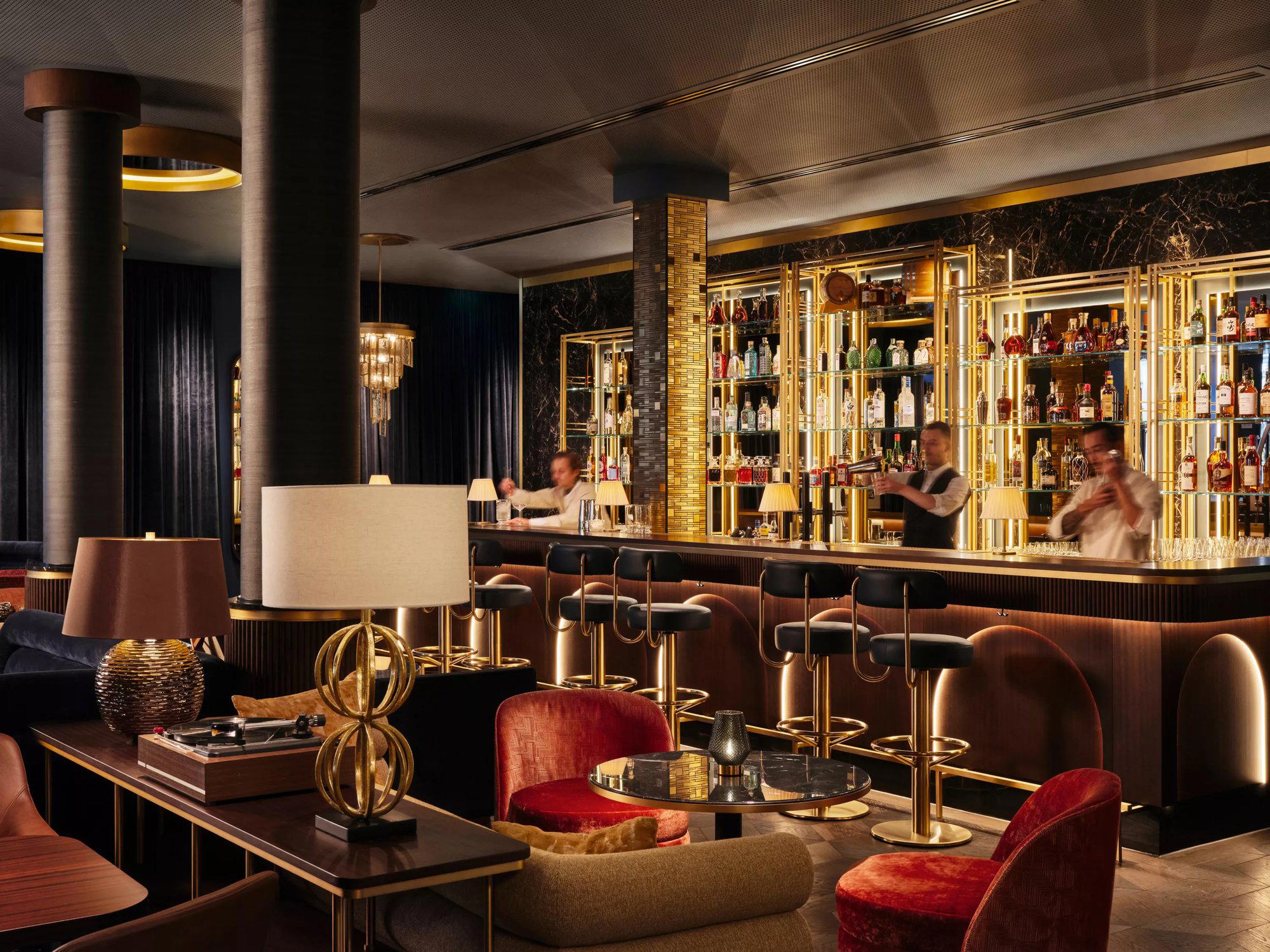
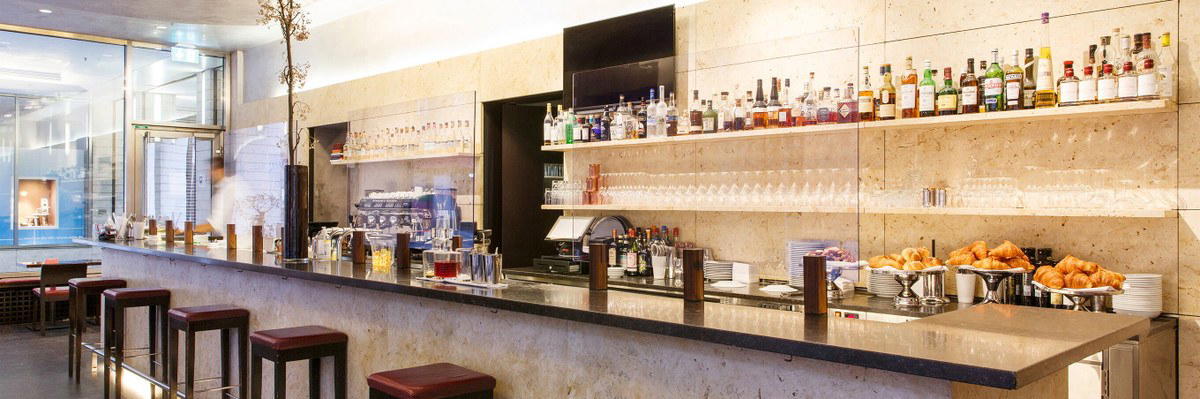
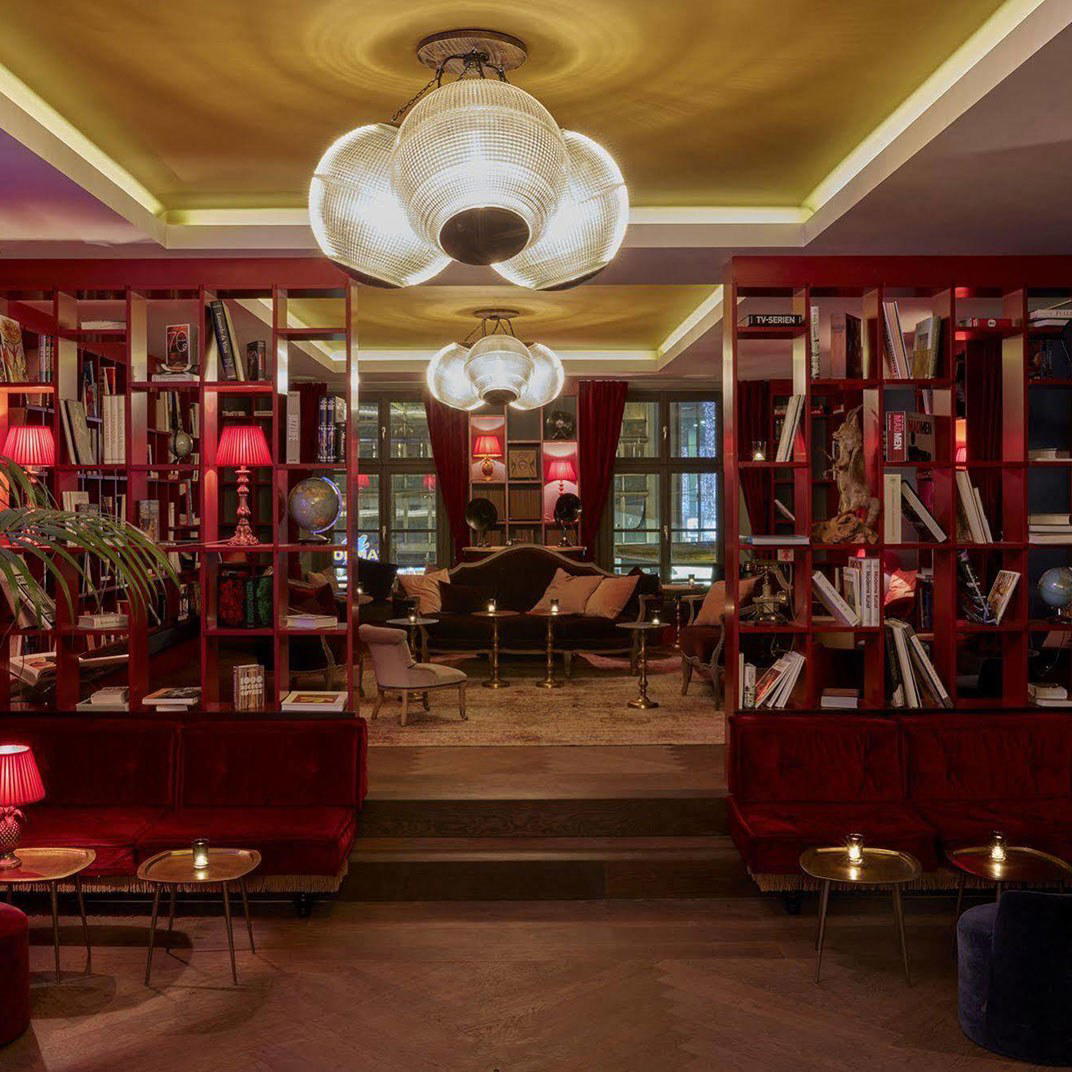
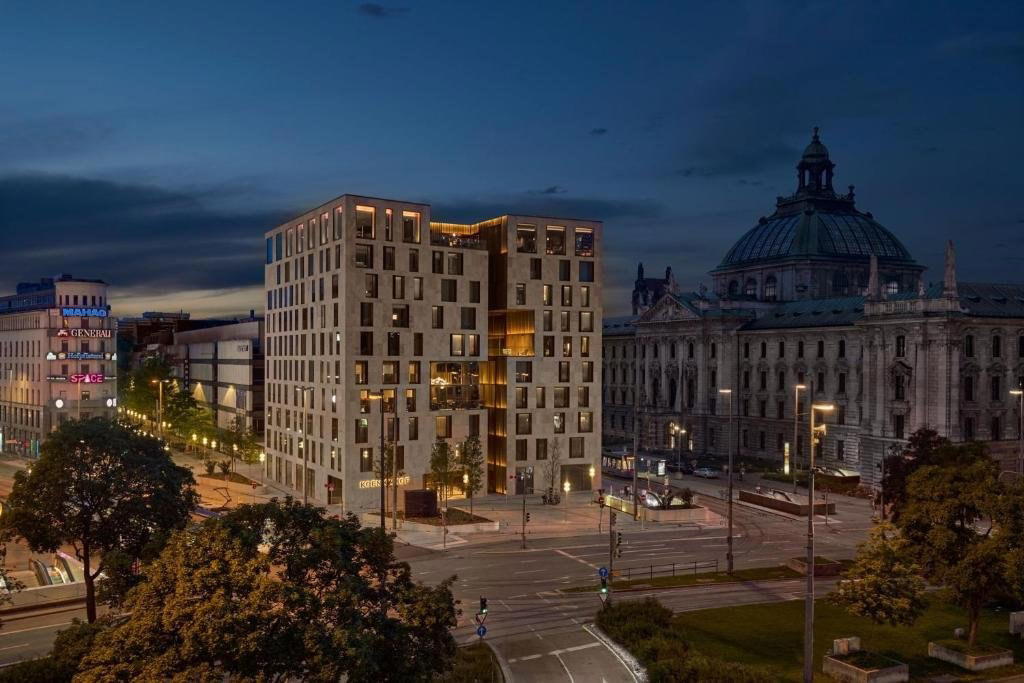
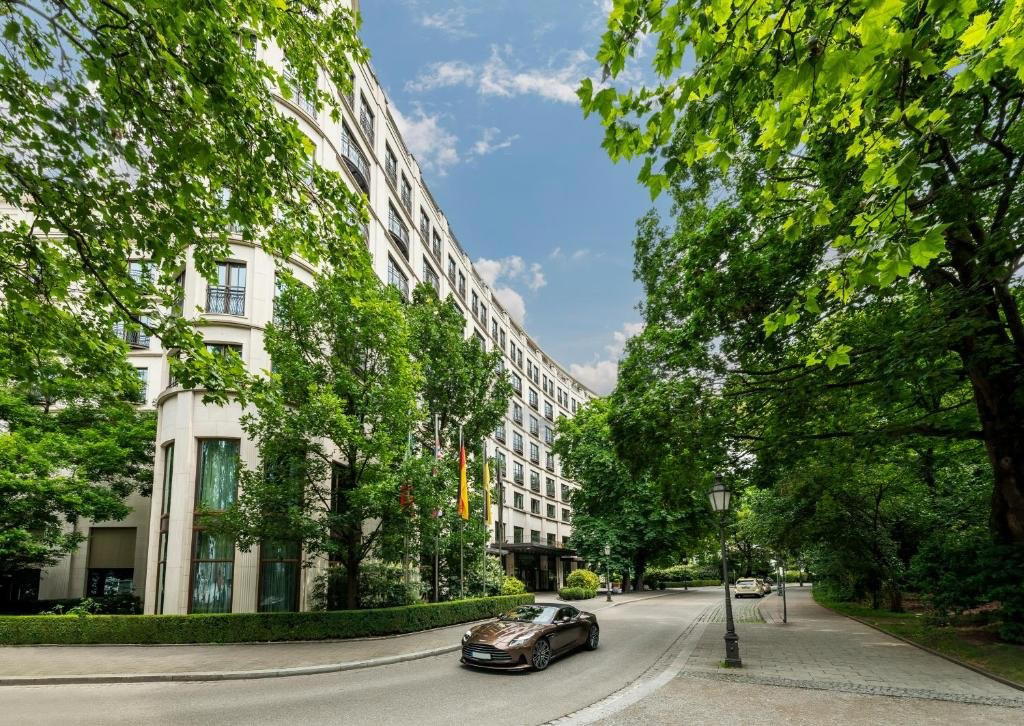
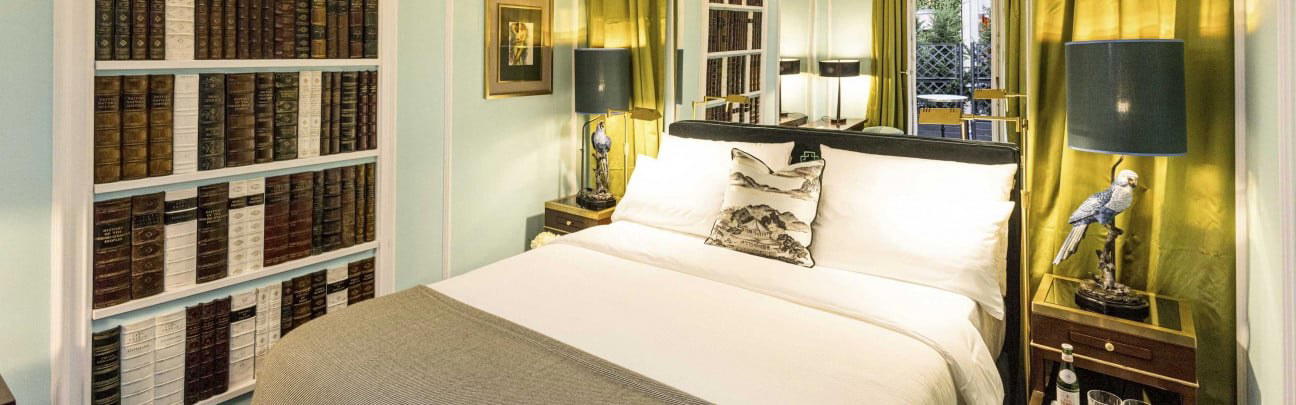
Warm and inviting with a traditional Bavarian aesthetic; described as relaxed and homey with an emphasis on comfort and hospitality.