
Katsuretsu Tei Shinishigai honten is a Kumamoto tonkatsu address with a Tabelog 100 Tonkatsu 2026 selection and roots dating to 1975. The appeal is cultural as much as practical: pork cutlet here belongs to Japan’s democratic dining canon, where a crisp fry, rice, cabbage, and sauce can carry the authority of a specialist kitchen without moving into luxury pricing.
Pearl is the En Primeur Club membership app — saves, bookings, and concierge access live there. Same editors, same standards.
- Address
- 8-18 Shinshigai, Chuo Ward, Kumamoto, 860-0803, Japan
- Phone
- +81 96-322-8771
- Website
- hayashi-sangyo.jp
 Saves & bookings on Pearl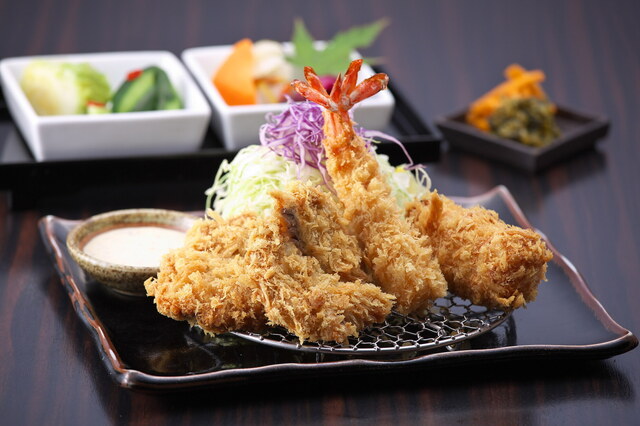
Shinshigai is Kumamoto at street level: arcades, tram traffic, casual counters, family tables, and restaurants built for repeat local use rather than destination theatre. Tonkatsu fits that rhythm. It is one of Japan’s great everyday restaurant forms, descended from yōshoku but absorbed so completely into the national dining language that the format now feels native: cutlet, rice, shredded cabbage, miso soup, pickles, sauce, and a room that turns quickly without making the meal feel rushed.
Katsuretsu Tei Shinishigai honten belongs to that tradition rather than the chef-counter economy. Its Tabelog 100 Tonkatsu 2026 selection places it in a national specialist category, not merely a Kumamoto comfort-food register. That distinction matters because tonkatsu is often judged by small technical margins: pork sourcing, breading, oil management, resting time, and the balance between crust and meat. The restaurant’s public identity also points to black pork and Rokuhaku Kurobuta, which situates it within Kyushu’s broader pork culture rather than treating tonkatsu as a generic fried dish.
Tonkatsu as Kumamoto comfort food, judged by specialist standards
Kumamoto’s dining scene tends to reward clarity. The city has serious regional cooking, izakaya culture, horse-meat traditions, ramen, tempura, and a growing spread of international formats, but the restaurants that travel well for visitors are often the ones that explain themselves quickly. Tonkatsu does exactly that. It gives the diner a familiar structure, then asks whether the kitchen can execute with discipline.
That is why a Tabelog 100 Tonkatsu listing carries a different kind of signal from a broad restaurant award. It measures a narrow field, where a pork cutlet house is assessed against other pork cutlet houses rather than against fine dining, sushi, or kaiseki. In Kumamoto, that makes Katsuretsu Tei Shinishigai honten useful for a traveller who wants a meal rooted in Japanese daily dining but still filtered through a national quality lens.
The format also cuts across occasions. Tonkatsu houses in Japan are not built only for solo diners or office lunches; they are often family rooms, casual date rooms, and dependable group rooms. This one carries that same broad function, with counter seating, table seating, and tatami-room seating listed among its formats. The result is less hushed than a tasting-menu room and more structured than a drinking-first izakaya. It sits in the middle ground where Japan’s restaurant culture is often strongest: specialised, accessible, and resistant to needless ceremony.
Where it sits among Kumamoto's restaurant choices
For a visitor building a Kumamoto itinerary, the useful comparison is not only another pork-cutlet shop. It is the decision between a specialist casual meal and a longer, more expensive dinner. Tsuru Hachi represents the tempura route in the city at a higher dinner spend, while cocina uchida and Mexico Restaurant Toru Tacos sit in different casual-to-midrange lanes. BARON and STEAK HOUSE Baron point toward meat-led dining with another vocabulary altogether. Tonkatsu, by contrast, gives a clear local meal without demanding the time commitment or formality of a multi-course evening.
That position is part of its appeal. Japan’s fried-food traditions are often misunderstood abroad as simple comfort cooking, but the better examples operate with the same obsession that defines soba, tempura, yakitori, or sushi: repetition, heat control, ingredient hierarchy, and a narrow menu grammar. A recognised tonkatsu house in Kumamoto says something about the city’s dining culture because it shows how local restaurants can be serious without adopting luxury codes.
Travellers comparing Kumamoto options can use the broader EP Club city coverage for context: Our full Kumamoto restaurants guide maps the dining field, while Our full Kumamoto hotels guide, Our full Kumamoto bars guide, Our full Kumamoto wineries guide, and Our full Kumamoto experiences guide help place a meal in a wider trip. Within the city’s restaurant mix, nearby or relevant Kumamoto pages include .know, Amakusa Daiou Senmon Ten Tosaka, antica locanda MIYAMOTO, BARON, and China Sichuan Togen.
A low-ceremony room with national tonkatsu credentials
The key editorial read is simple: this is not a place to approach as a grand occasion restaurant. It is better understood as a high-functioning specialist in a Japanese category where restraint shows through repetition rather than spectacle. The long operating history, dating to 1975, gives it generational weight, and the national tonkatsu recognition gives the claim external support. Those two signals are more persuasive than florid description.
The room’s scale also changes expectations. A restaurant with counter, table, and tatami seating can absorb mixed dining needs in a way a small chef-led counter cannot. That matters in Kumamoto, where travellers may be moving between castle-area sightseeing, tram rides, shopping arcades, and evening drinking. A tonkatsu meal here can work as a central meal of the day or as a grounded pause before a more bar-focused night.
For readers tracking Japanese casual dining beyond Kumamoto, EP Club’s wider Japan and international restaurant pages offer useful contrasts in format: -Grilled beef Sukiyaki- KAMAKURA TANUKIAN 鎌倉 たぬき庵 in Kamakura. 鮪と炭火焼き うお炭 秋葉原店 in Tokyo.cafe in Osaka, (Shoku) Vietnam in Kawasaki, [Curry Senmon Ten] Maruyama Kyoju. in Sapporo, [ki:] in Kyoto, Jōdo Saké Bar in Los Angeles, and Onigiri Time in Pasadena. Read against those formats, Kumamoto tonkatsu looks less like a quick fallback and more like a precise expression of everyday Japanese dining: specialised enough to merit attention, informal enough to stay useful.
- Thick Fried Loin Cutlet
- Super Premium Thick Rokuhaku Kurobuta Pork Cutlet
- Mixed Fry Platter
- Special Large Fried Shrimp
- Katsu-don
- Bento Boxes
Price Lens
Comparable venues by cuisine and price in the same metro.
| Venue | Cuisine | Price | Notes |
|---|---|---|---|
| Katsuretsu Tei Shinishigai honten | Not listed | $$ | Shinshigai, Chuo Ward, Traditional Kumamoto Tonkatsu Restaurant |
| Yoshoku no Mise Hashimoto | Not listed | $$ | Kamitori-cho, Chuo Ward, Japanese-style Western Cuisine (Yoshoku) |
| Sekka Sanbo | Not listed | $$ | Chuo Ward, Kamidori / Kaminoura-dori area, Handmade Soba & Sake |
| Hi no Kuni Bunryu Souhonten | Higashi Ward, Kumamoto Tonkotsu Ramen | $ | Not listed |
| Tsuru Hachi | Karashimacho, Traditional Tempura | $$$ | Not listed |
| Sanroku | Not listed | $$ | Kahokumachi Shiimochi, Yamaga, Traditional Japanese Robatayaki Chicken |
Recognition history
Dated appearances from independent guides and award organizations, with the underlying list record or original source where available.
Tabelog 100 #71 · No. 71
Tabelog · Tabelog 100 - Tonkatsu - 2026

At a Glance
- Lively
- Classic
- Cozy
- Well Known
- Family
- Group Dining
- Casual Hangout
- Solo
- After Work
- Celebration
- Standalone
- Local Sourcing
Current opening hours
- Monday
- 11 AM–9:30 PM
- Tuesday
- 11 AM–9:30 PM
- Wednesday
- 11 AM–9:30 PM
- Thursday
- 11 AM–9:30 PM
- Friday
- 11 AM–9:30 PM
- Saturday
- 11 AM–9:30 PM
- Sunday
- 11 AM–9:30 PM
Hours can change for holidays and private events. Last verified .
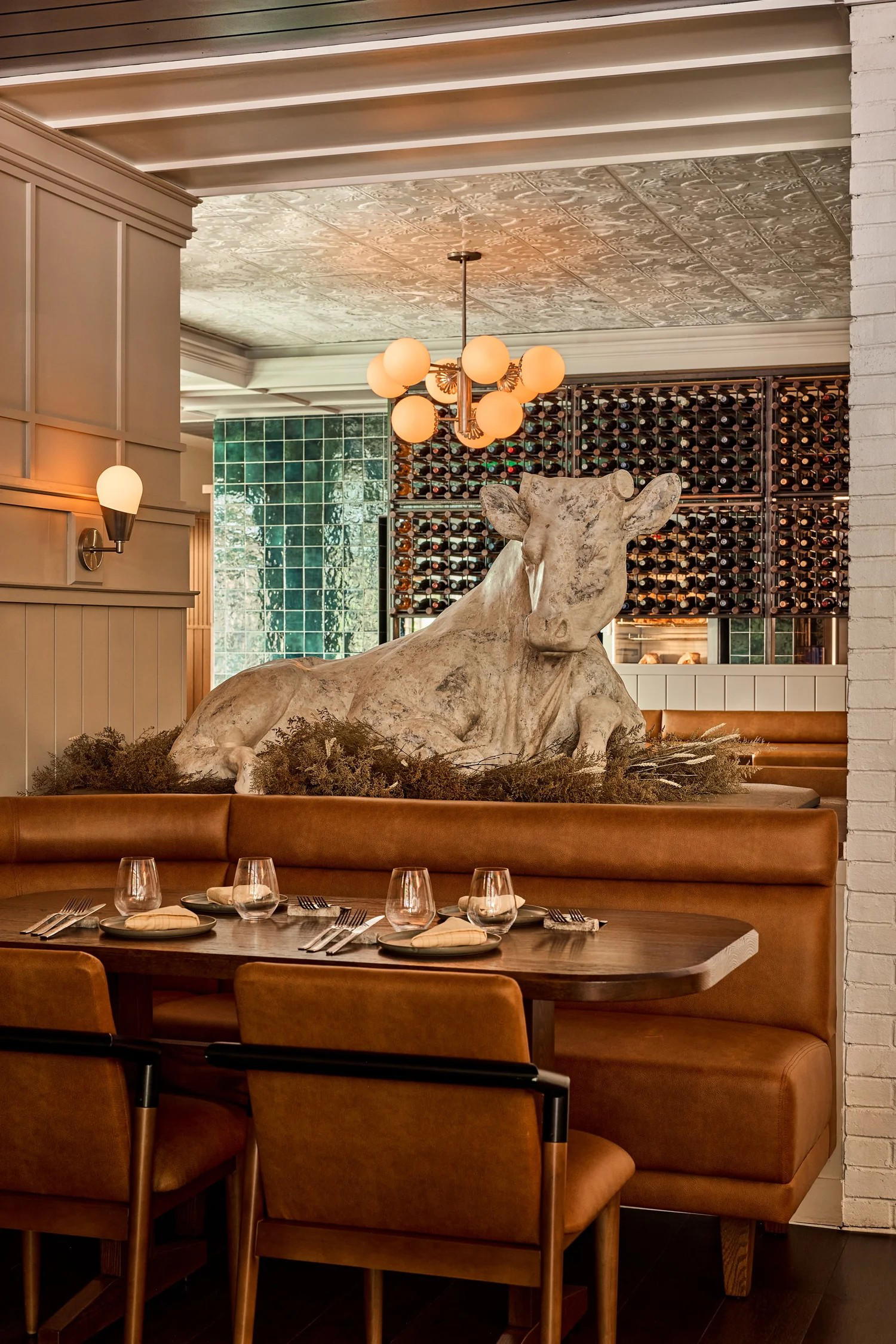
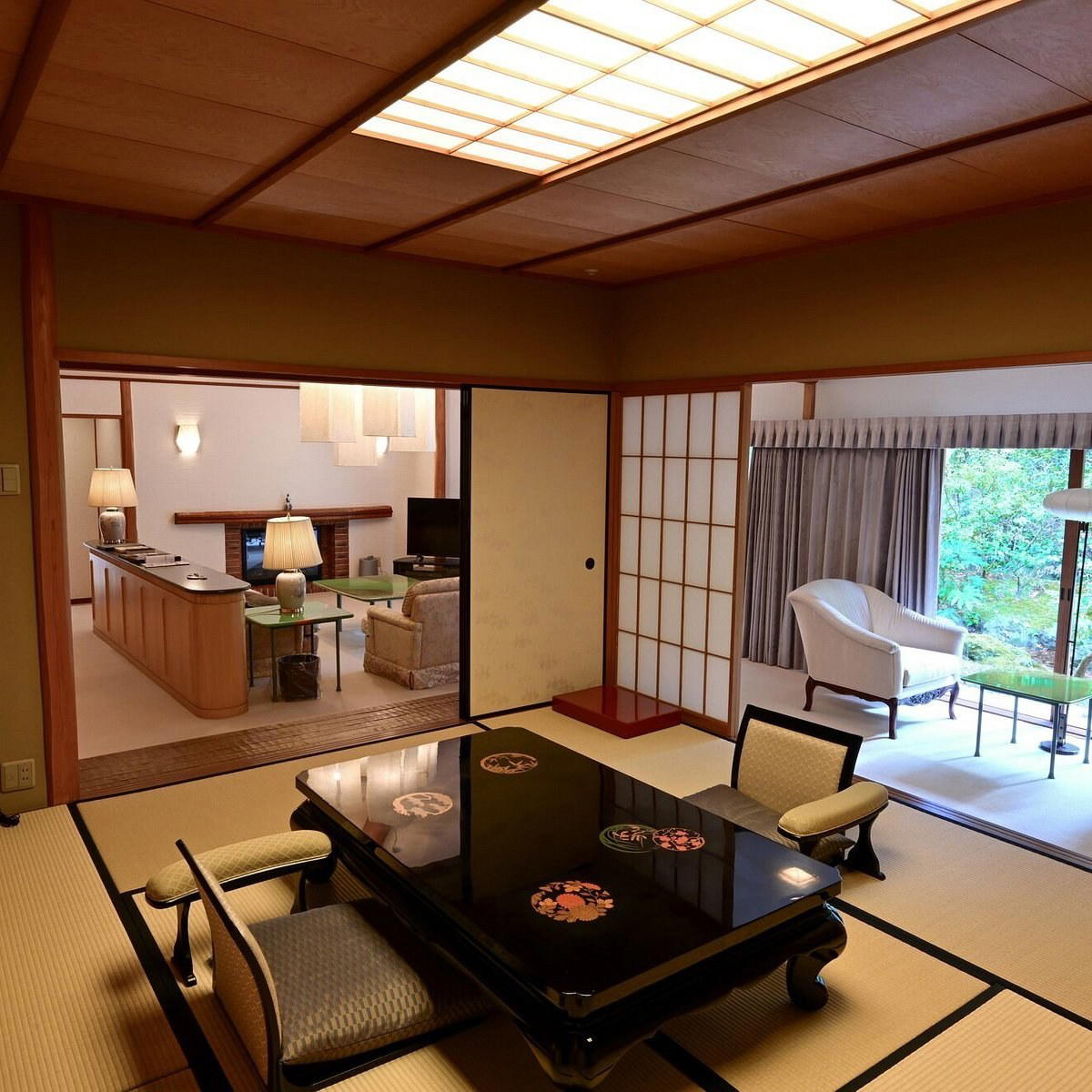
Bustling, casual tonkatsu house atmosphere in a long‑established setting, with a classic Japanese feel, bright lighting, and efficient, friendly service geared to high turnover and families.