Kasteel De Vanenburg
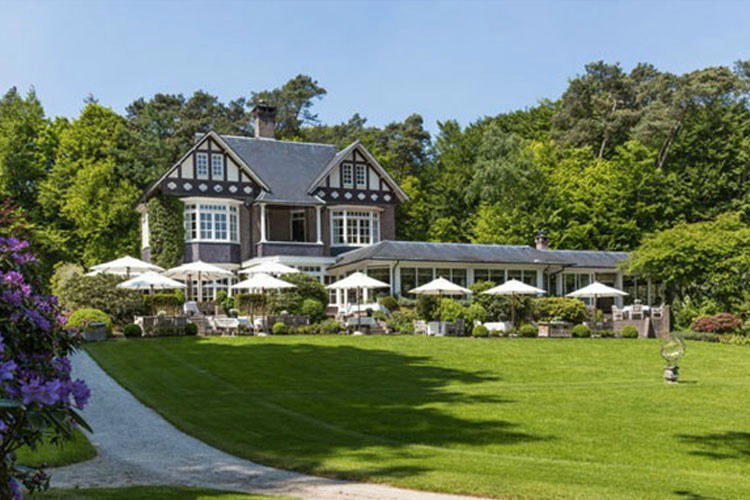
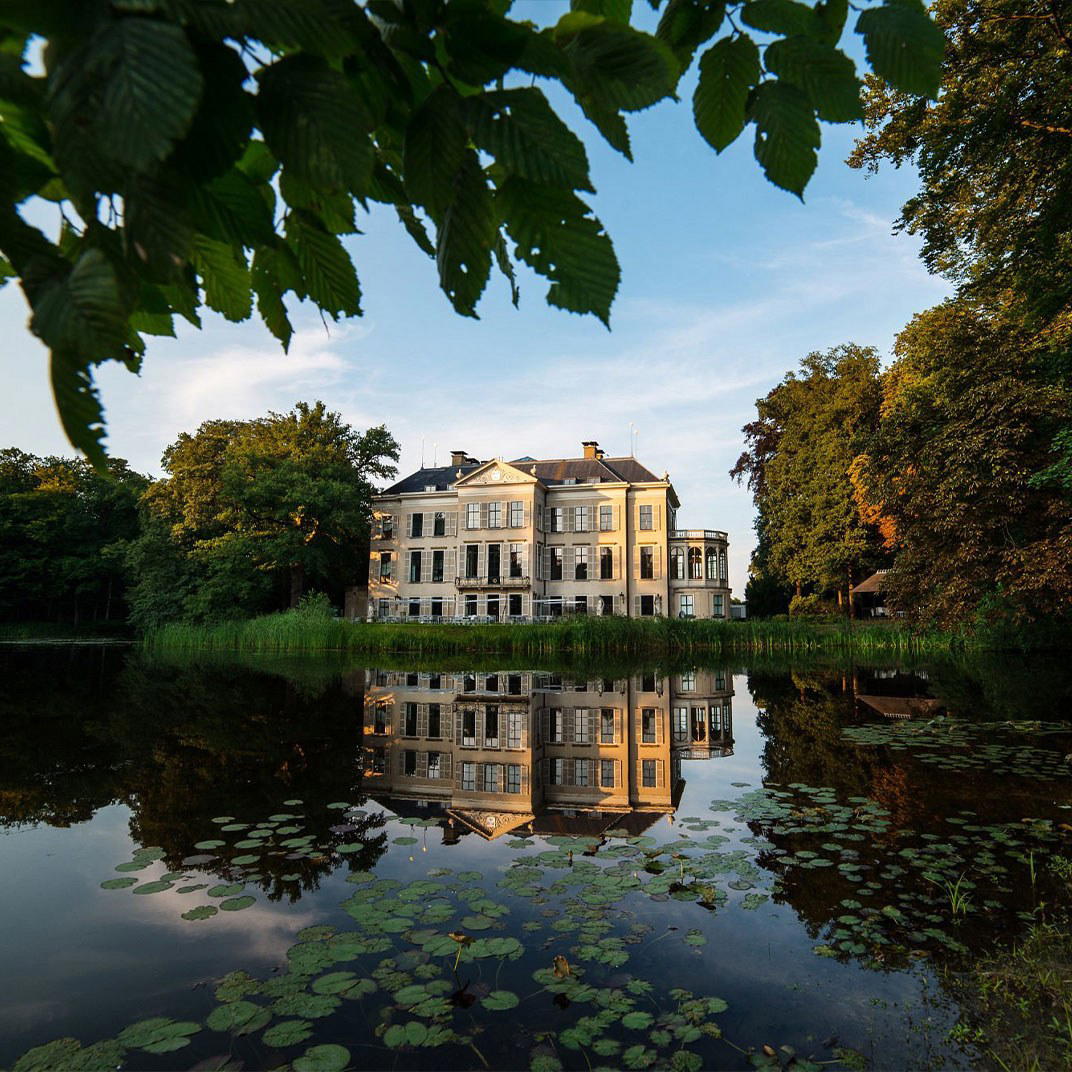
Kasteel De Vanenburg occupies a historic castle estate in Putten, on the edge of the Veluwe — one of the Netherlands' most ecologically significant forested regions. The setting places it among a small tier of Dutch country-house restaurants where the provenance of ingredients and the character of the surrounding landscape are as much a part of the proposition as the plate. For diners travelling from Amsterdam or Arnhem, it represents a deliberate departure from urban dining.
Pearl is the En Primeur Club membership app — saves, bookings, and concierge access live there. Same editors, same standards.
- Address
- Vanenburgerallee 13, 3882 RH Putten, Netherlands
- Phone
- +31341375454
- Website
- kasteeldevanenburg.nl
- Directions
- Get directions
 Saves & bookings on Pearl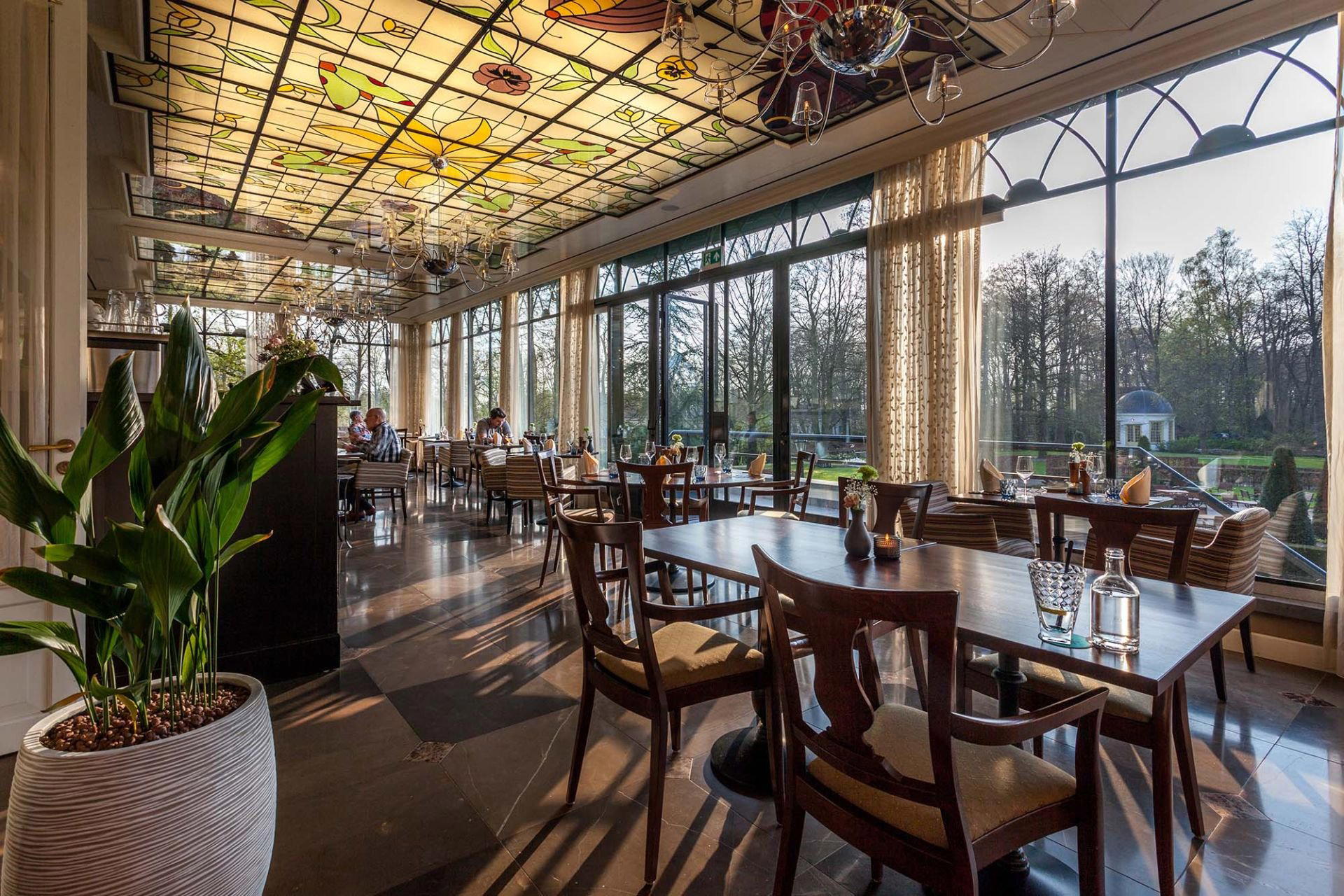
A Castle in the Veluwe, and What That Means for the Plate
The approach to Kasteel De Vanenburg tells you something before you reach the door. The Vanenburgerallee runs through the kind of dense, managed woodland that defines the Veluwe — the largest continuous nature reserve in the Netherlands, covering roughly 100,000 hectares of heathland, forest, and sand drift. Restaurants that operate in this kind of environment carry an implicit editorial burden: when the landscape outside is that specific, the food inside is expected to respond to it. The most compelling country-house dining in the Netherlands has learned to treat the surrounding ecology as a supply chain, not just a backdrop.
That dynamic has become increasingly central to how premium Dutch dining positions itself. Across the country, the defining creative tension at the leading end is between technique-led modernism — typified by counters in Amsterdam and Rotterdam, and a quieter, more place-rooted approach that draws its authority from what grows or grazes nearby. De Nieuwe Winkel in Nijmegen, for instance, has made an explicit argument for plant-forward sourcing from its surrounding region. Kasteel De Vanenburg operates in comparable geographic logic, even if its register is more classical in its castle-estate format.
The Sourcing Argument in Dutch Country Cooking
The Veluwe is not incidental to what ends up on plates in this part of the Netherlands. The region produces wild game, foraged ingredients, and livestock raised at a remove from industrial-scale agriculture. For restaurants that choose to engage with it seriously, the estate-and-forest combination offers a sourcing argument that is geographically coherent in a way that urban fine dining cannot replicate. It is the same logic that has made rural French maisons de campagne compelling to serious eaters for decades: when the chef can draw on what surrounds the building, the menu has an internal consistency that a city restaurant, importing everything, has to construct more artificially.
This is the competitive set Kasteel De Vanenburg belongs to, not the Michelin-heavy urban counters of Amsterdam's canal belt, but the smaller cohort of Dutch country properties where the estate itself functions as a sourcing credential. Compare this to De Lindenhof in Giethoorn or De Groene Lantaarn in Staphorst, which similarly draw part of their identity from the character of the Dutch rural interior rather than from metropolitan culinary positioning. Further south, De Treeswijkhoeve in Waalre and Tribeca in Heeze operate in the same broad category of destination-restaurant-in-landscape, each building a case for why the drive matters.
The Castle Setting as a Dining Format
Country-house dining in a genuine historic property creates expectations that a converted farmhouse or purpose-built restaurant does not. The architecture of a Dutch castle, thick walls, period detailing, the particular quality of light through older windows, produces a different social atmosphere than a modernist dining room. The formality is built into the stone before service begins. This is not a minor point. At establishments like Inter Scaldes in Kruiningen or De Bokkedoorns in Overveen, the physical setting establishes a register that shapes what kind of meal is possible, and what kind of diner is likely to make the journey. Kasteel De Vanenburg sits in that same tier of destination properties where the building itself is part of the argument.
For reference, the upper tier of Dutch fine dining, De Librije in Zwolle, Ciel Bleu in Amsterdam, FG - François Geurds in Rotterdam, operates at price points and recognition levels that define the national ceiling. Estate restaurants in rural settings typically occupy a different bracket, where the draw is the occasion and the place rather than culinary competition at the very best of the national rankings. That is not a criticism; it is a different value proposition, and one that a growing number of serious diners actively prefer. The meal is inseparable from the drive, the landscape, and the room.
Planning a Visit
Putten sits roughly 70 kilometres east of Amsterdam, accessible via the A28 motorway and positioned at the edge of the Veluwe. The journey from Utrecht takes under an hour by car, making the castle a plausible destination for a long lunch or dinner without an overnight stay, though the surrounding region has accommodation options for those who want to extend the trip into Veluwe walking or cycling country. For travellers already exploring Gelderland or planning visits to nearby De Nieuwe Winkel in Nijmegen or 't Nonnetje in Harderwijk, De Vanenburg falls naturally on the route. As with most castle-format restaurants in the Netherlands, the atmosphere is formal enough to reward considered dress, and the occasion warrants advance planning rather than a spontaneous visit. See our full Putten restaurants guide for broader context on dining in this part of Gelderland.
Where Kasteel De Vanenburg Sits in the Broader Picture
Dutch fine dining has diversified significantly over the past decade. The Michelin-anchored urban tier, represented internationally by the ambition of places like Aan de Poel in Amstelveen or De Lindehof in Nuenen, runs in parallel with a quieter current of regional, place-specific cooking that has found its own audience. Internationally, the movement toward sourcing transparency and ingredient provenance has reshaped expectations at every price point; what Le Bernardin in New York City has done for seafood sourcing or what Atomix in New York City signals about ingredient integrity in a tasting menu context reflects a global shift in how serious diners evaluate value. In the Dutch context, the Veluwe offers one of the country's most coherent sourcing environments for a restaurant that chooses to engage with it, and a castle estate in that landscape is a format with its own logic and appeal.
For diners whose preference runs toward occasion dining in historic settings, with a strong regional ingredient narrative and a journey that is part of the experience, Kasteel De Vanenburg merits consideration as a destination. Those seeking the technical rigour and competitive Michelin positioning of the national top tier should calibrate expectations accordingly: this is country-house dining, with the particular pleasures and registers that come with the category. The comparison with Brut172 in Reijmerstok or 't Amsterdammertje in Loenen aan de Vecht is more instructive than comparison with the urban Michelin circuit.
Comparable Spots, Quickly
| Venue | Cuisine | Price | Awards |
|---|---|---|---|
| Kasteel De VanenburgThis venue — the venue you are viewing | This venue | Not listed | Not listed |
| De Librije | Modern Cuisine | €€€€ | Michelin 3 Star |
| 't Nonnetje | Creative | €€€€ | Michelin 2 Star |
| De Lindehof | Contemporary Dutch, Creative | €€€€ | Michelin 2 Star |
| De Nieuwe Winkel | Organic | €€€€ | Michelin 2 Star |
| Fred | Creative French | €€€€ | Michelin 2 Star |
At a Glance
- Elegant
- Classic
- Scenic
- Sophisticated
- Special Occasion
- Business Dinner
- Celebration
- Historic Building
- Hotel Restaurant
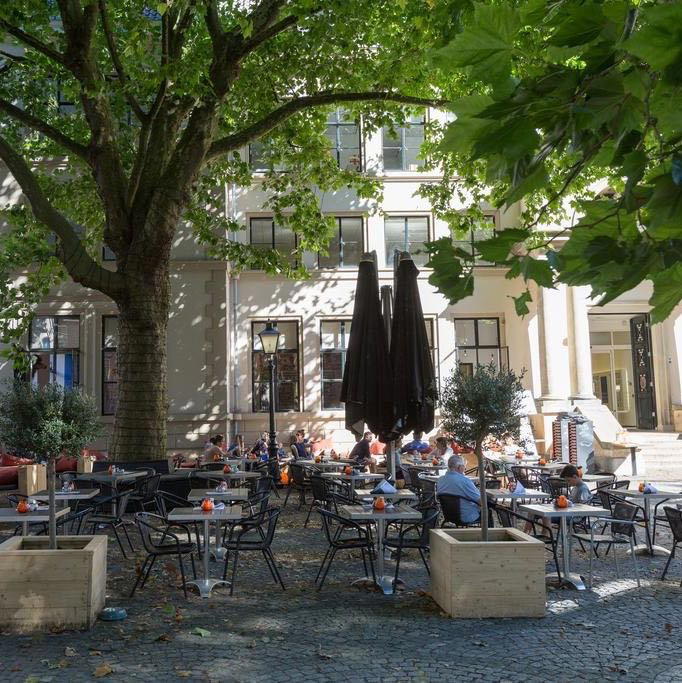
- Garden
- Terrace
- Extensive Wine List
- Local Sourcing
- Garden
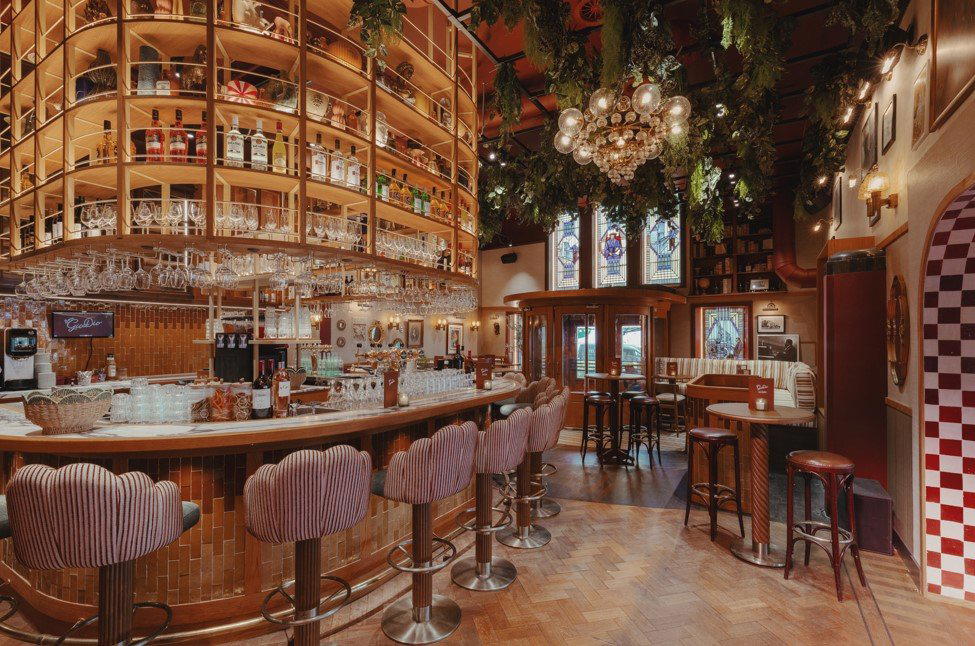
Refined dining room with stone floors, crisp white tablecloths, stained-glass ceiling, and elegant castle atmosphere.
Know Before You Go
- Getting there
- Vanenburgerallee 13, 3882 RH Putten, Netherlands