Bistro Louis
On a narrow street in central Oss, Bistro Louis occupies a position in the Noord-Brabant dining scene that sits between neighbourhood intimacy and genuine culinary seriousness. The format is bistro, but the ambition is not. For a mid-sized Dutch town with limited fine-dining infrastructure, it represents one of the more considered options on the local map.
Pearl is the En Primeur Club membership app — saves, bookings, and concierge access live there. Same editors, same standards.
- Address
- Peperstraat 14A, 5341 CZ Oss, Netherlands
- Phone
- +31412250002
- Website
- bistrolouis.nl
- Directions
- Get directions
 Saves & bookings on Pearl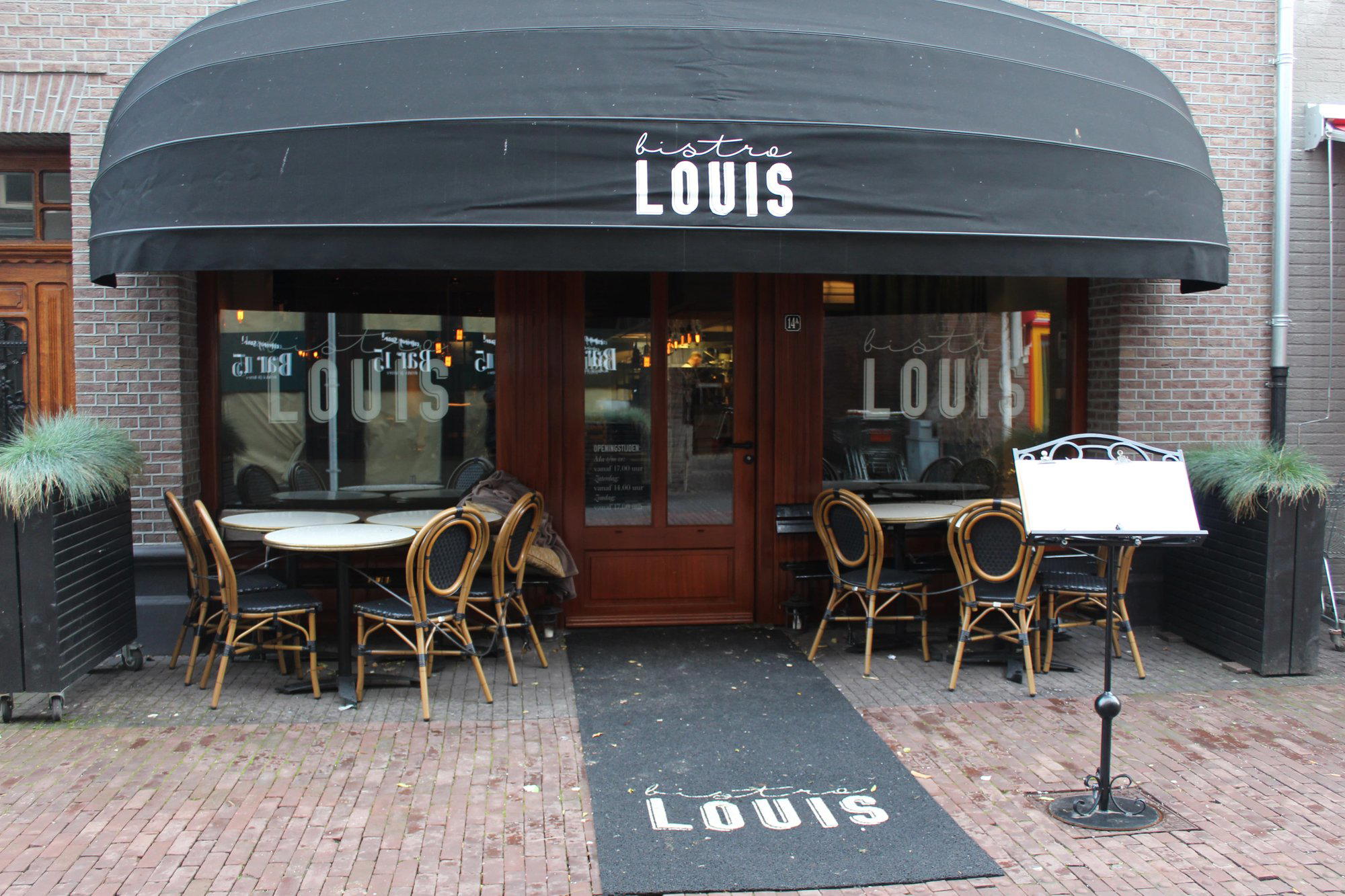
A Street-Level Entry into Brabant's Quieter Dining Scene
Peperstraat is not the kind of address that announces itself. The street sits in the older commercial fabric of Oss, a city of around 95,000 in the Noord-Brabant province that rarely appears in Dutch travel editorial. Bistro Louis occupies number 14A, and the building's street-level presence reflects the broader character of dining in smaller Dutch cities: low-key in setting, frequently serious in intent. In a country where the formal restaurant conversation tends to compress around Amsterdam, Rotterdam, and a handful of destination addresses in the provinces, towns like Oss have learned to produce quality without the platform.
That context matters. Noord-Brabant has quietly developed one of the more coherent regional food cultures in the Netherlands, with proximity to Belgian borders informing both ingredient access and culinary sensibility. The province is home to Tribeca in Heeze and De Treeswijkhoeve in Waalre, restaurants that operate at a decorated level within a regional framework rather than a metropolitan one. Bistro Louis exists within that same spatial logic, though at a less formally positioned tier.
Where the Food Comes From
The bistro format in the Netherlands has gone through a particular evolution over the past decade. What was once a catch-all category, covering everything from French-inflected brasseries to casual neighbourhood plates, has split into more distinct sub-types. One strand has moved toward ingredient-led simplicity: shorter menus, seasonal rhythm, sourcing traceable to named producers or specific regional supply chains. This is the mode that defines the more credible end of Dutch bistro dining, and it's the lens through which Bistro Louis is most usefully read.
Noord-Brabant sits at a geographic crossroads for food supply. The province's agricultural output, including dairy, pork, and horticultural produce, feeds much of the Netherlands and exports into Belgium and Germany. For restaurants in the region, that proximity to primary production is an operational advantage that urban restaurants cannot replicate. A Brabant bistro with a considered sourcing posture can build menus around relationships with growers and processors within a short radius, rather than assembling ingredients through centralised distribution networks. This has a measurable effect on what arrives at the table: produce at closer-to-optimal ripeness, proteins from supply chains with shorter transit, and a natural bias toward what is actually in season rather than what is available year-round through logistics.
The broader Dutch dining scene has been shaped by this logic at its apex. De Nieuwe Winkel in Nijmegen, which operates with a near-total commitment to plant-based and locally sourced ingredients, has demonstrated that the sourcing-first model can hold its own against classical technique at Michelin level. De Librije in Zwolle has built a three-star identity partly on regional ingredient identity. These are the reference points that define what sourcing-serious Dutch cooking can mean at its most developed — and they provide useful coordinates for understanding where a bistro-format operation in a smaller city sits within the same broader movement.
The Bistro Register in a Provincial City
Within Oss itself, the fine-dining and serious bistro tier is sparse. That scarcity concentrates attention on the restaurants that do operate at a higher level of intent. Avenue43 (€€ · Modern French) represents another point on the local map, positioned at a similar price tier with a French-leaning format. Together, they make up a narrow but genuine local offering for residents who want more than chain-format dining without travelling to 's-Hertogenbosch or Eindhoven.
The bistro register, when executed with discipline, carries specific advantages over more formal formats. Smaller menus respond faster to what is available. Lower price points allow more frequent visits, which in turn builds the kind of regular patronage that sustains independent restaurants in smaller cities. The dining room atmosphere, typically less ceremonial than a tasting-menu house, allows a different kind of conversation between kitchen and guest. These are not compromises; they are structural features of the format that, in the right hands, produce a more direct and often more honest expression of what a kitchen believes.
For readers travelling from other Dutch cities or from abroad, the provincial bistro tier is worth understanding on its own terms rather than measuring it against metropolitan benchmarks. Restaurants like Ciel Bleu in Amsterdam or FG in Rotterdam operate in a different competitive register, with the pricing, scale, and resource base that major cities supply. A Brabant bistro is not competing in that space and should not be evaluated as if it were. The relevant comparison is internal: does it do what a good bistro should do, with honesty about ingredients, consistency in execution, and a room that makes the case for returning?
Among decorated provincial addresses that share a regional supply-chain logic, De Lindehof in Nuenen and De Lindenhof in Giethoorn offer useful reference points for what regional Dutch cooking at a higher formal tier can look like. Brut172 in Reijmerstok and De Groene Lantaarn in Staphorst belong to the same map of serious cooking outside the Dutch urban axis.
Planning a Visit
Bistro Louis is located at Peperstraat 14A in central Oss, accessible by train from 's-Hertogenbosch in under twenty minutes, placing it within easy reach for visitors based in that city. Oss station sits a short walk from the centre. Visitors travelling from further afield — including those combining the stop with a visit to Inter Scaldes in Kruiningen or Aan de Poel in Amstelveen on a broader Dutch dining itinerary, should verify current trading status before building a trip around it. For a full picture of eating and drinking in the city, see our full Oss restaurants guide.
How Bistro Louis Oss compares with similar nearby venues.
| Venue | Cuisine | Price |
|---|---|---|
| Avenue43 | Modern French | €€ |
| Versaen | Creative | €€€ |
At a Glance
- Classic
- Elegant
- Romantic
- Cozy
- Date Night
- Special Occasion
- Business Dinner
- Standalone
- Extensive Wine List
Current opening hours
- Monday
- 5–11 PM
- Tuesday
- 5–11 PM
- Wednesday
- 5–11 PM
- Thursday
- 5–11 PM
- Friday
- 5–11 PM
- Saturday
- 5–11 PM
- Sunday
- 5–11 PM
Hours can change for holidays and private events. Last verified .
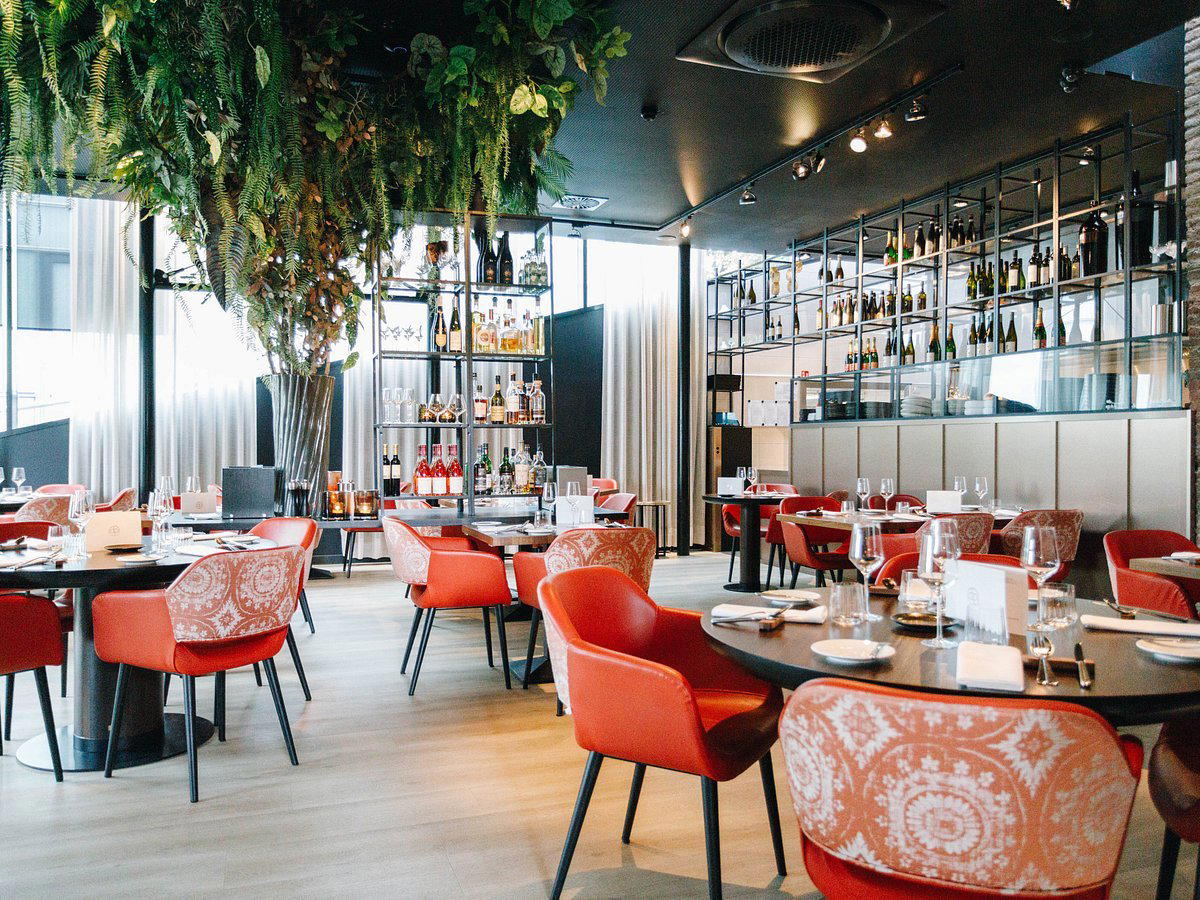
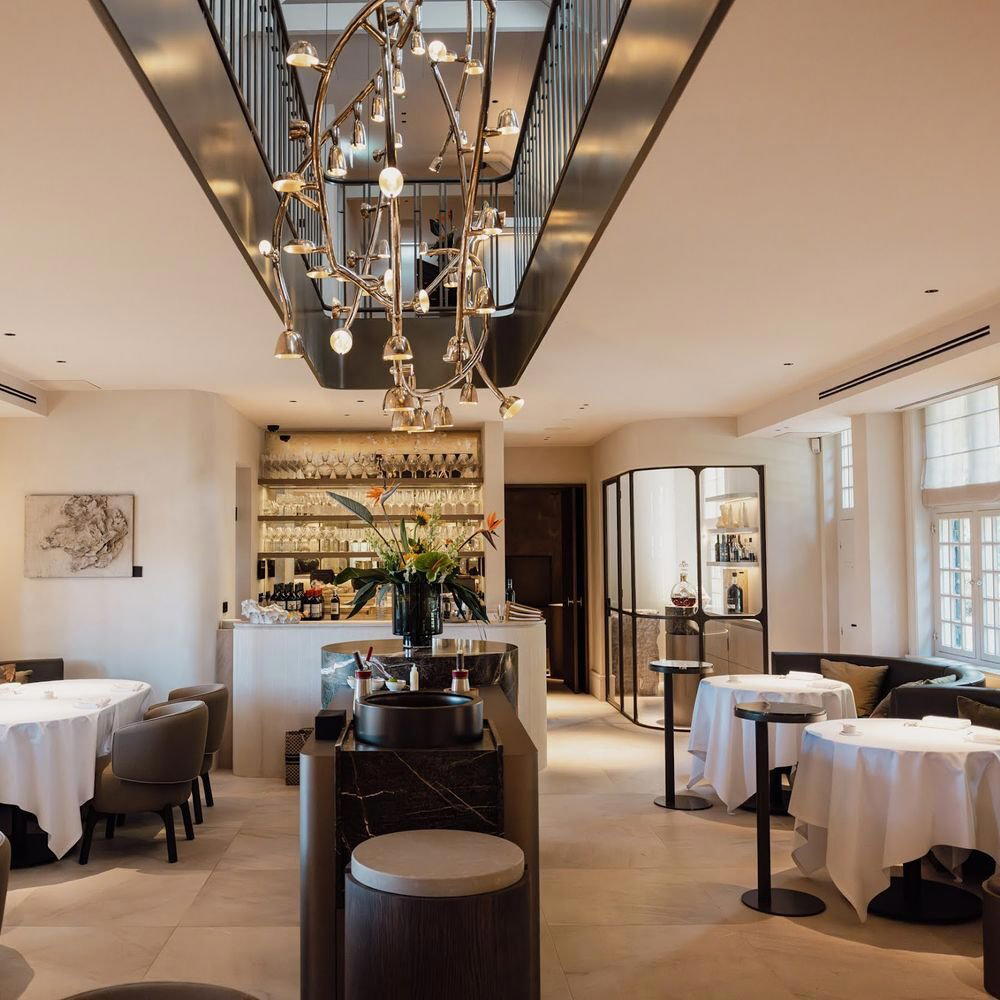
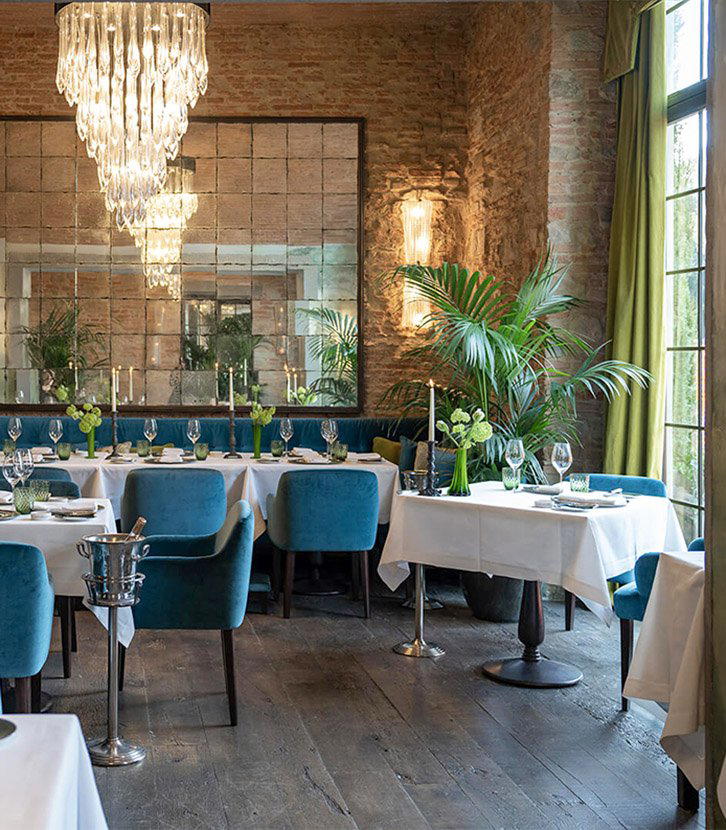
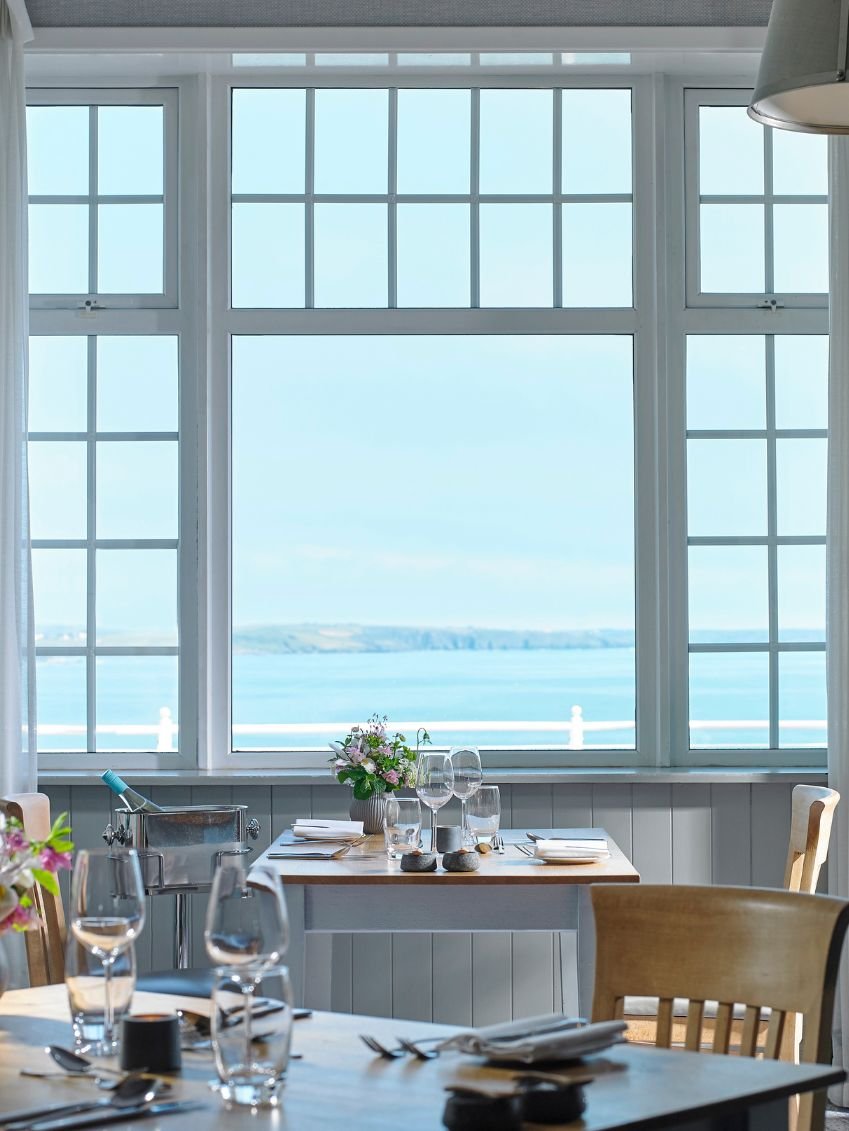
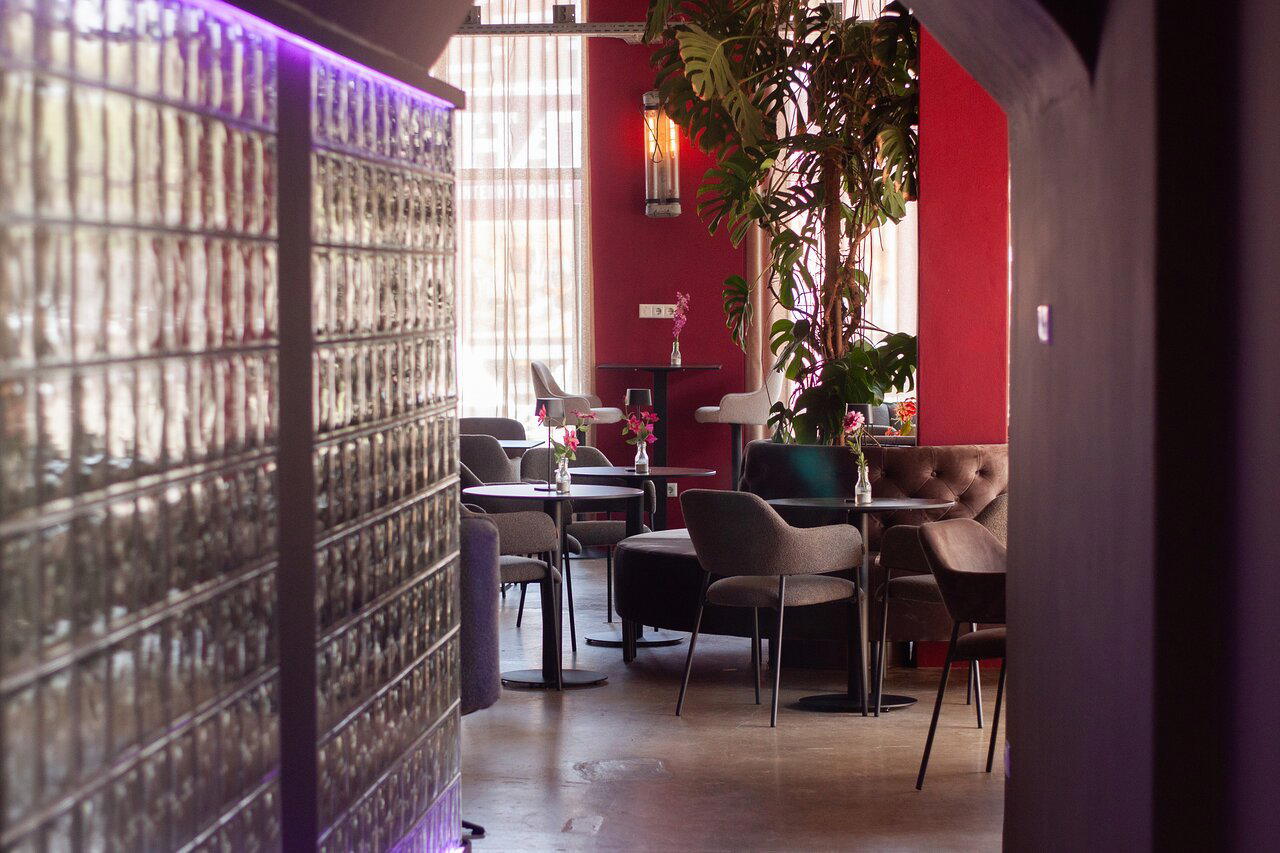
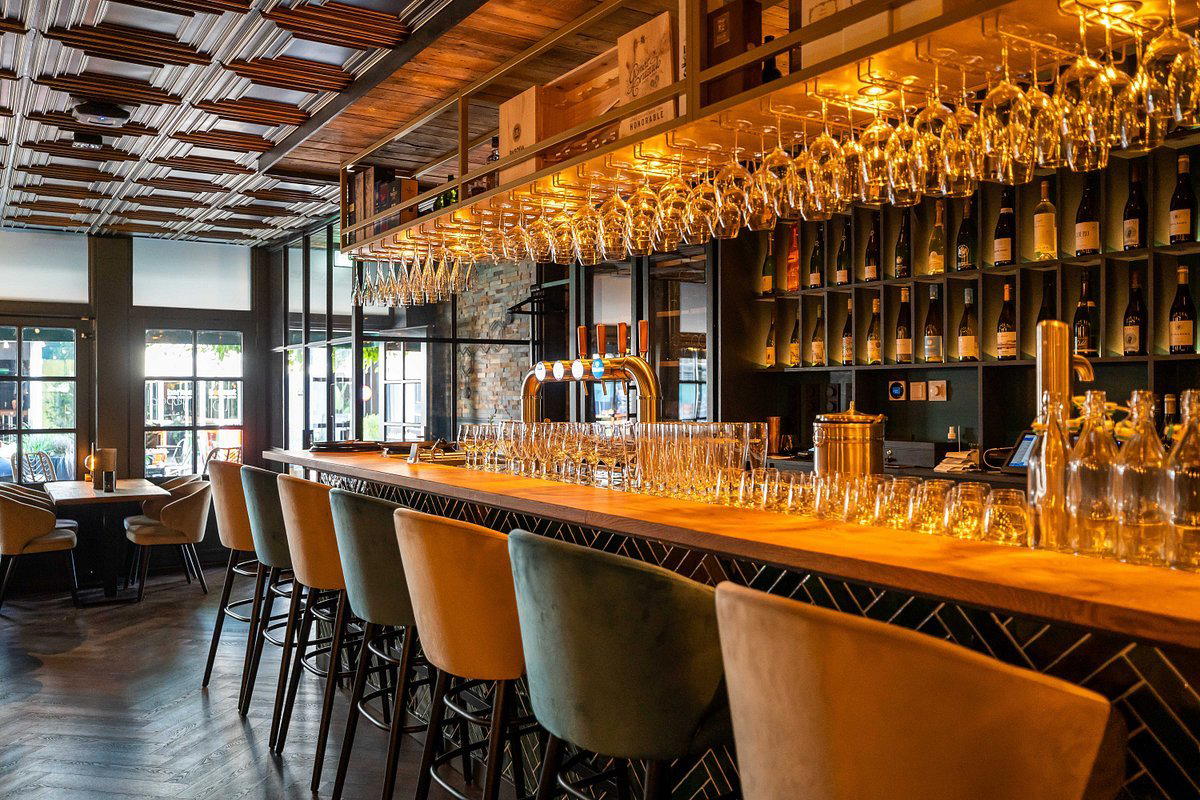
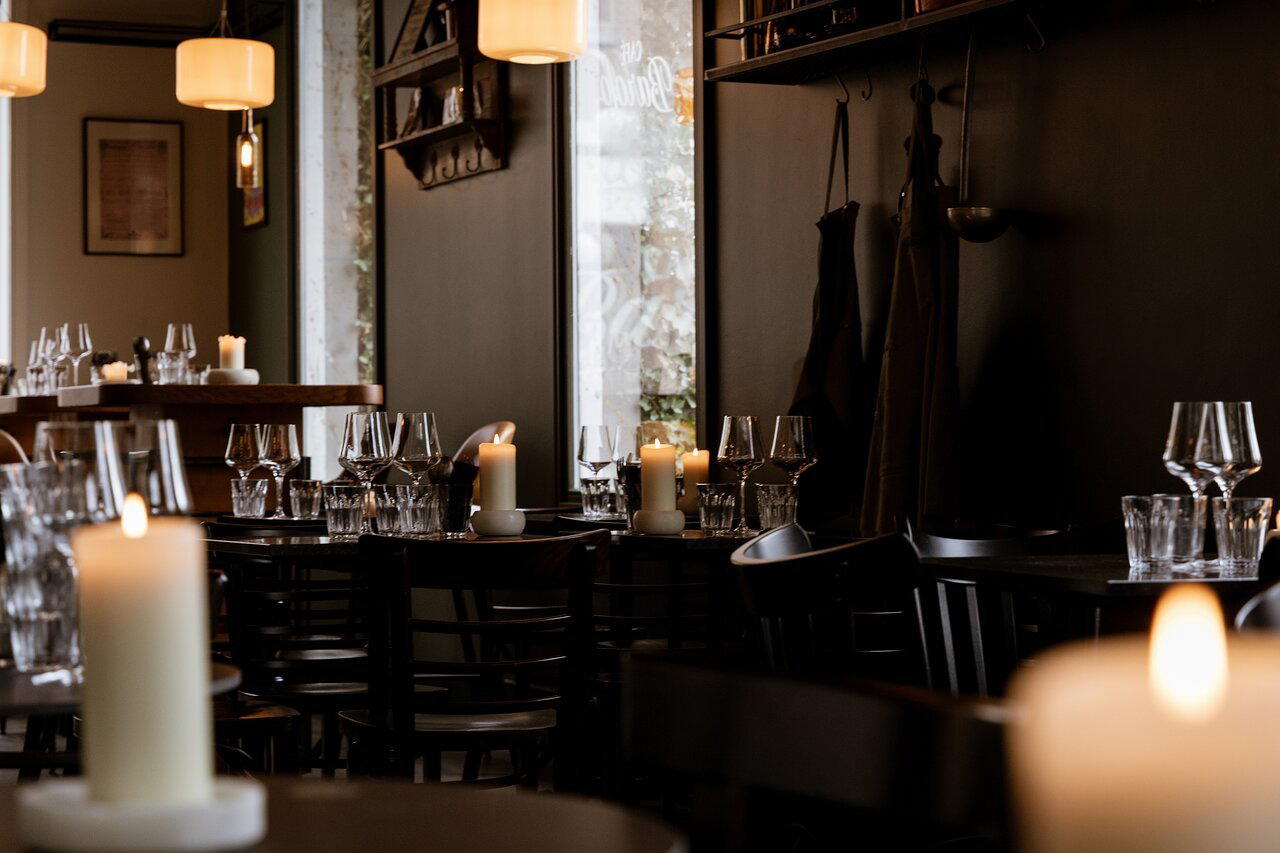
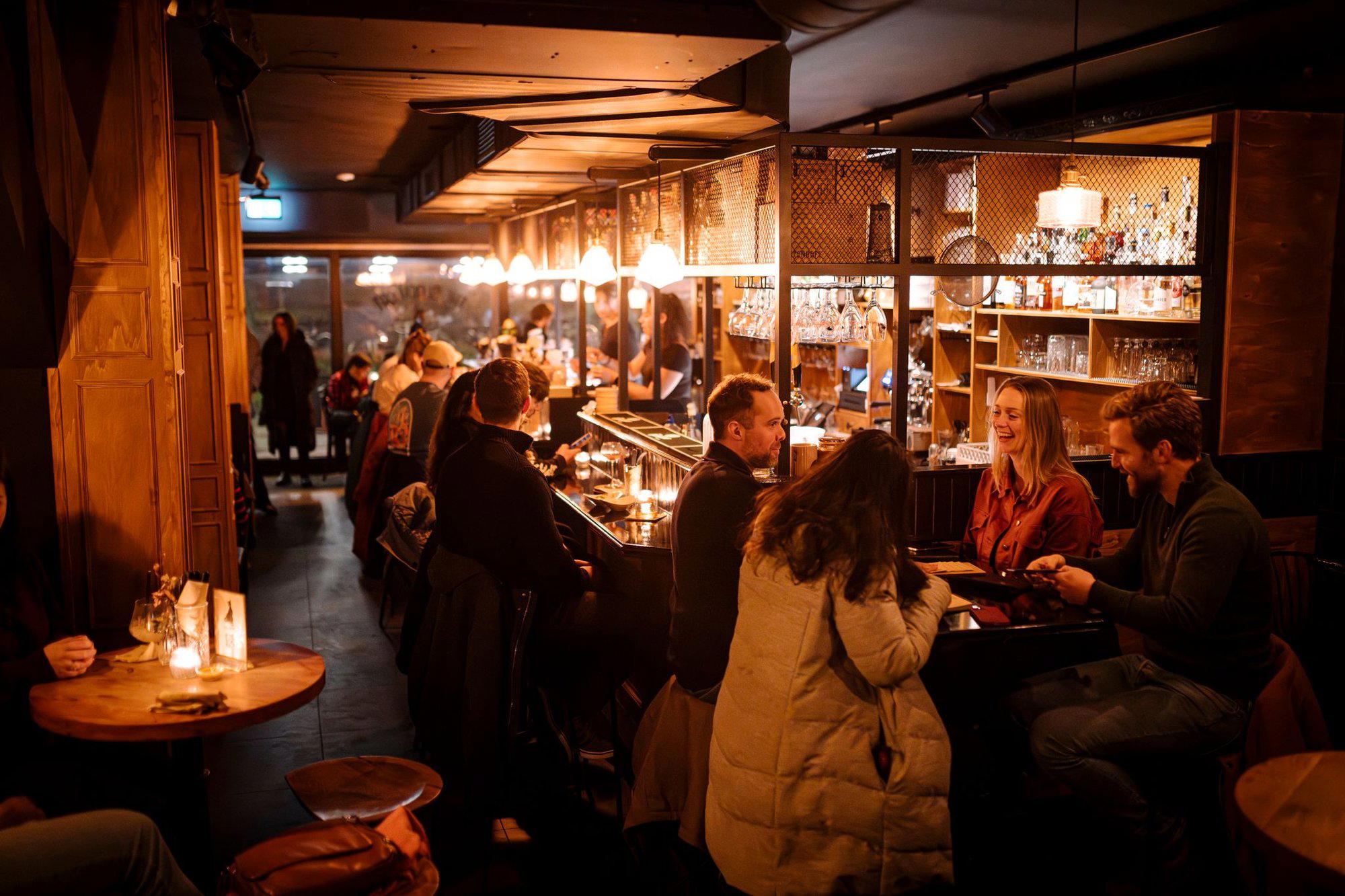
Warm and welcoming French bistro atmosphere with a focus on comfort and enjoyment, featuring traditional French dining aesthetics.
Know Before You Go
- Getting there
- Peperstraat 14A, 5341 CZ Oss, Netherlands