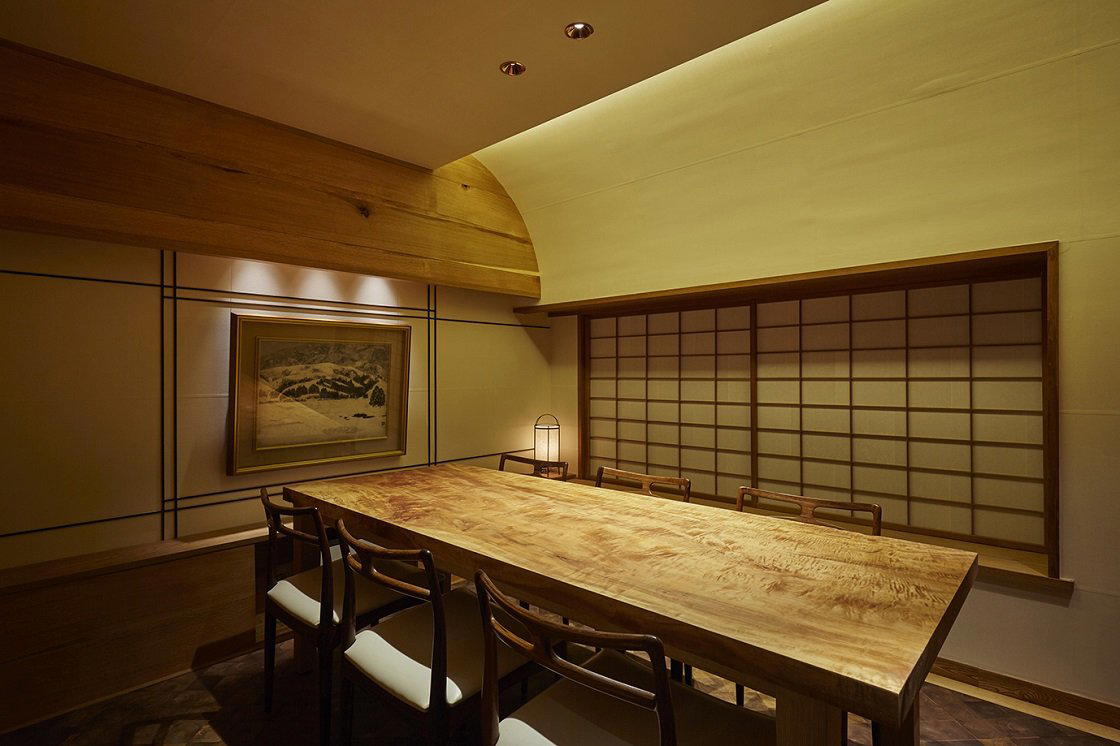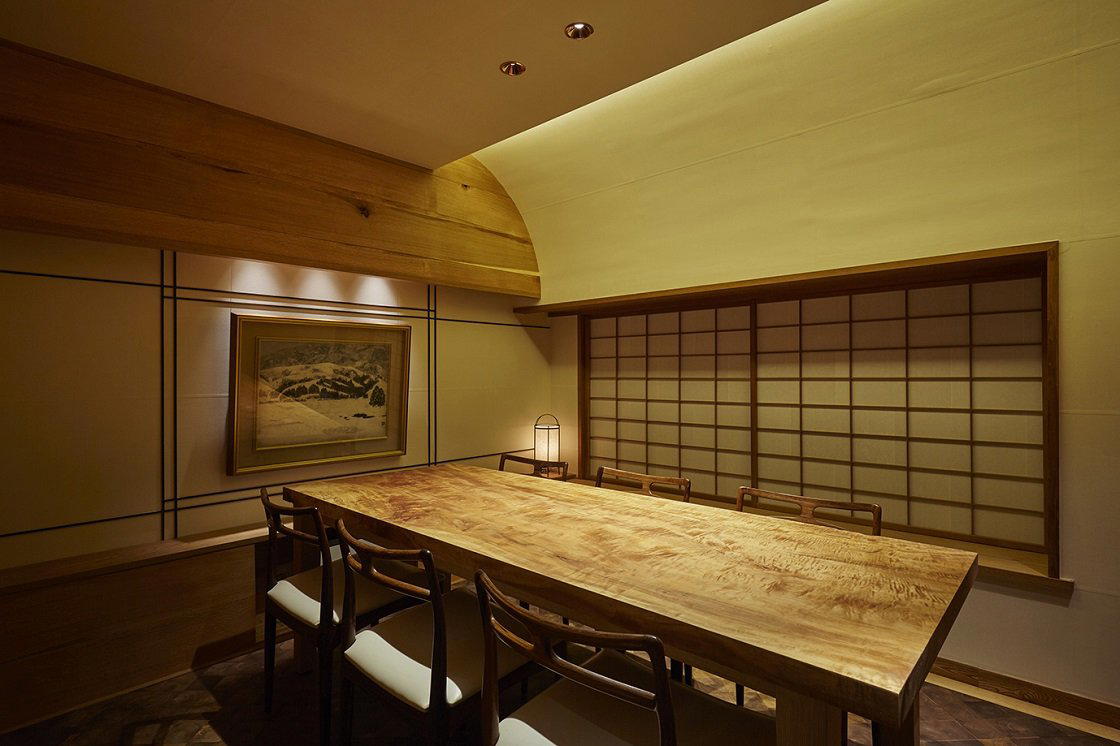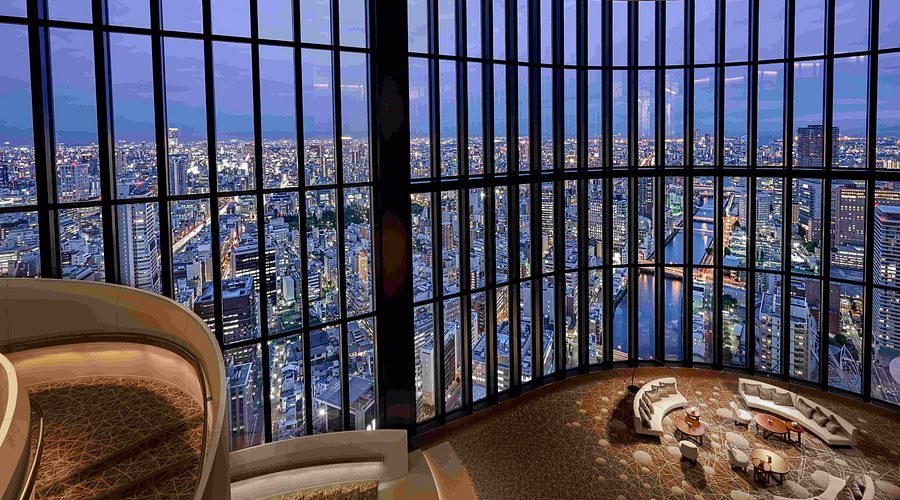

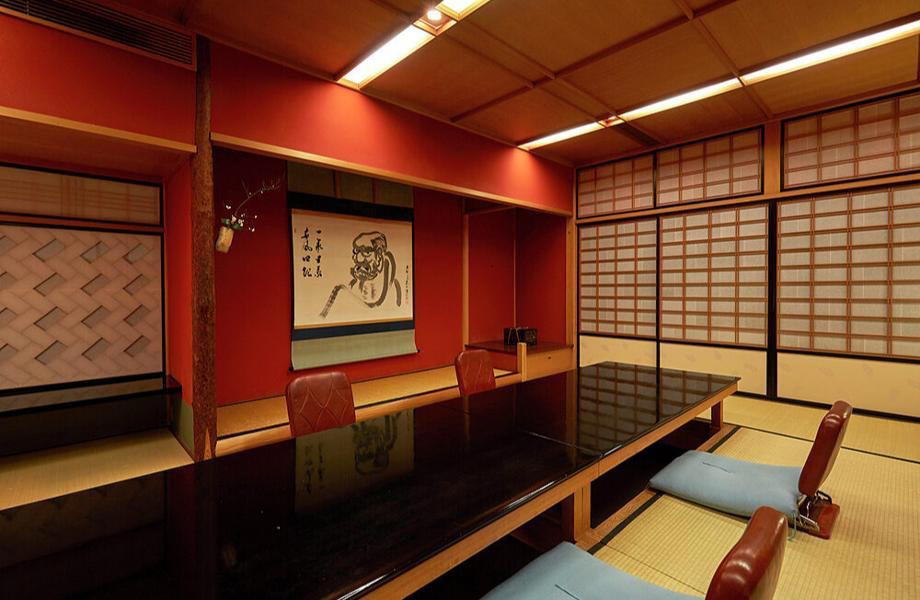
Kashiwaya occupies a quiet residential pocket of Suita, northeast of central Osaka, where kaiseki tradition is practised with a formality that places it among the Kansai region's most closely watched dining addresses. The Senriyamanishi location and its sister presence in Osaka proper together represent one of the city's most considered approaches to seasonal Japanese cuisine, with Michelin recognition at the three-star level underpinning both addresses.
 Discover on Pearl
Pearl is the En Primeur Club membership app — saves, bookings, and concierge access live there. Same editors, same standards.
Suita's Quiet Signal: How Osaka's Kaiseki Tradition Finds Its Most Deliberate Expression
There is a particular quality to dining rooms that sit outside a city's obvious centre. Suita, a residential municipality folded into Greater Osaka's northeastern sprawl, does not advertise itself. Its streets move at a different pace than Shinsaibashi or Namba, and the absence of foot traffic is, for restaurants operating at the level of Kashiwaya, something closer to a design choice than a compromise. Guests arrive with intention. The journey — past low-rise housing, through the particular stillness of Senriyamanishi — frames the meal before a single course appears.
That framing matters in kaiseki. The form is among Japan's most codified, built on a sequence of small courses that tracks seasonal produce from first light to final sweetness, governed by temperature, texture, and visual composition in a way that makes the dining room's atmosphere inseparable from what arrives on the table. Osaka's kaiseki scene has long operated in the shadow of Kyoto's better-publicised addresses, but the city has its own lineage, and Kashiwaya sits near the leading of it.
The Collaborative Architecture of a Kaiseki Room
The editorial angle most often missed when writing about high-level kaiseki is how distributed the authorship actually is. A Michelin three-star kaiseki counter is not a one-person operation dressed in a chef's coat. The service team carries as much of the evening's meaning as the kitchen, because the grammar of kaiseki , the pacing, the explanation of seasonal ingredients, the orchestration of temperature across courses , lives in the exchange between guest and staff. At addresses like Kashiwaya, the front-of-house role functions less as order-taking and more as translation: of season, of region, of technique.
The sommelier's position in this structure has evolved considerably at Japan's leading tables. A decade ago, sake pairing dominated without much debate. Today, the conversation between a sommelier and a kaiseki kitchen is more complex, touching on when a Burgundy-trained palate for acidity and minerality intersects with dashi-forward broths, and when it does not. Osaka's senior kaiseki rooms, operating at the three-star level, have had to think through these pairings with more rigour than their counterparts in less internationally visited cities. Kashiwaya, given its decades of operation and sustained recognition, sits inside that developed conversation rather than at its edges.
For context on how this team dynamic plays out differently in Osaka's French fine-dining tier, HAJIME and La Cime both operate at ¥¥¥¥ with Michelin recognition, but their service grammar is shaped by French brigade tradition rather than kaiseki's guest-facing seasonality ritual. The difference is not merely cultural , it changes what you need from the room.
Where Kashiwaya Sits in the Osaka Fine-Dining Peer Set
Osaka's three-star Michelin addresses make up a small group, and the distinctions between them matter. Taian operates kaiseki at the ¥¥¥ tier and draws consistent recognition. Kashiwaya, across its Suita address and the Senriyama location, represents a different expression of the same tradition: more removed from the city's commercial centre, with a physical environment that emphasises quietude and residential calm over urban accessibility.
The ¥¥¥¥ addresses in Osaka , HAJIME, Fujiya 1935, La Cime , occupy a different register, one shaped by European technique and contemporary innovation. They are not Kashiwaya's direct peers; they compete on different grounds. Kashiwaya's competition, if that word applies, is with kaiseki houses of comparable lineage and Michelin standing: addresses where the product is the seasonal sequence itself, and where the room's character is inseparable from its location.
For readers who move across Japan's fine-dining circuit, Kashiwaya belongs in a mental map that includes Harutaka in Tokyo and Gion Sasaki in Kyoto , each an address where the kitchen's relationship to Japanese seasonal tradition, and the front-of-house's ability to convey that tradition, defines the experience more than any single course.
What the Suita Location Tells You About the Experience
The address at 2-chōme-5-18 Senriyamanishi places Kashiwaya in a part of Osaka that most short-stay visitors do not reach. This is not a criticism of the location; it is a description of what the location signals. Fine-dining rooms that choose residential settings at this level are making a statement about the primacy of the meal over the surrounding urban experience. You are not there for the neighbourhood in the way you might be at a restaurant in Shinsaibashi. You are there for what happens inside.
The practical implication for guests is planning time. Suita is accessible from central Osaka , the Senri-Chuo area connects via the Osaka Monorail and Midosuji Line , but the journey should be factored into the evening's structure. Arriving with ten minutes to spare after a rushed transit connection would misread what the room is asking of you.
For those building a wider Kansai itinerary, pairing Kashiwaya with akordu in Nara or a Kyoto kaiseki address creates a sequence that maps regional Japanese fine dining across its different expressions. Our full Osaka restaurants guide provides broader context on how the city's dining scene is structured across neighbourhoods and price tiers.
Osaka in a Wider Japan Fine-Dining Context
Osaka's reputation as a food city has always leaned on its street-level energy , takoyaki, kushikatsu, the eating culture that the Japanese phrase kuidaore was coined to describe. But the fine-dining tier, less photographed and less discussed in English-language travel media, is where the city's culinary discipline becomes clearest. Kaiseki at the three-star level in Osaka requires a different kind of attention from the guest: the sequence moves slowly, the courses are small, and the pleasure is cumulative rather than immediate.
Visitors who have eaten at Atomix in New York City or Le Bernardin will recognise the shared grammar of high-level tasting-menu service , the pacing, the ingredient-led narrative, the front-of-house fluency , but the underlying philosophy in kaiseki diverges from both. The season is not a theme; it is the literal content. What is available in the market that morning shapes what arrives on the table that evening, and the service team's job is to make that logic legible without over-explaining it.
For readers exploring Japan's broader fine-dining geography, our guides to Goh in Fukuoka, 1000 in Yokohama, and 6 in Okinawa map the range of approaches operating outside Tokyo's fine-dining concentration.
Know Before You Go
- Address: 2-chōme-5-18 Senriyamanishi, Suita, Osaka 565-0851, Japan
- Price tier: Confirm current pricing directly with the restaurant; kaiseki menus at this level typically require advance inquiry
- Booking: Reservations are essential; contact the restaurant or use a concierge service familiar with the address
- Getting there: Accessible via Osaka Monorail to Senri-Chuo or connecting Midosuji Line services from central Osaka
- Also see: Osaka hotels guide | Osaka bars guide | Osaka experiences guide | Osaka wineries guide
What It’s Closest To
Comparable venues for orientation, based on our database fields.
| Venue | Cuisine | Awards | Notes |
|---|---|---|---|
| Kashiwaya | This venue | ||
| HAJIME | French, Innovative | Michelin 3 Star | French, Innovative, ¥¥¥¥ |
| La Cime | French | Michelin 2 Star | French, ¥¥¥¥ |
| Kashiwaya Osaka Senriyama | Japanese | Michelin 3 Star | Japanese, ¥¥¥ |
| Taian | Kaiseki, Japanese | Michelin 3 Star | Kaiseki, Japanese, ¥¥¥ |
| Fujiya 1935 | Innovative | Michelin 2 Star | Innovative, ¥¥¥¥ |
Continue exploring