Google: 4.4 · 192 reviews
Karravaan
.png)
At Karravaan in Washington's Union Market corridor, Chef Sanjay Mandhaiya structures his menu along the arc of the Silk Road, from Levantine eggplant and labneh to harissa-glazed duck and North African tagine. Generous portions and a sharing format define the meal's pacing and sequence. The kitchen draws across Central Asian, Middle Eastern, and North African culinary traditions with consistent technical discipline.
 Discover on Pearl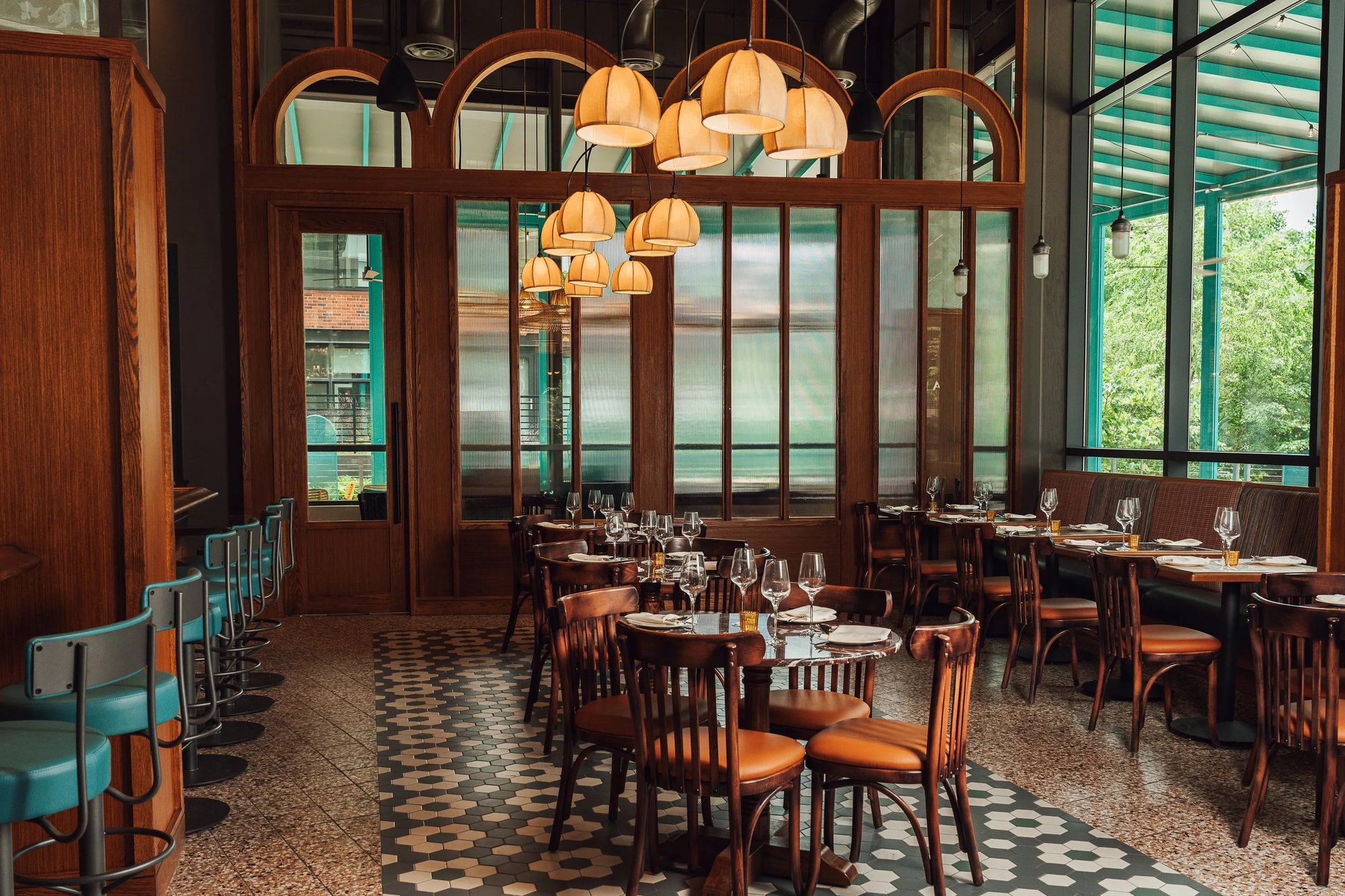
Where the Silk Road Meets the Sharing Table
There is a particular quality of light and anticipation that gathers around a table set for communal eating. Platters arrive in sequence, bread is torn rather than sliced, and the conversation finds its rhythm between courses rather than despite them. At Karravaan, located on Morse Street NE in Washington's Union Market district, that ritual is the organizing principle of the entire meal. The restaurant takes the ancient trade corridor between Central Asia, the Middle East, and the Mediterranean as its thematic spine, and Chef Sanjay Mandhaiya translates that geography into a format built for sharing, pacing, and the kind of gradual accumulation of flavors that rewards a table that isn't in a hurry.
The Logic of the Silk Road Menu
Washington's dining scene has grown considerably more confident in cuisines that sit outside the European fine-dining tradition. The city now hosts a range of restaurants drawing on West African, Southeast Asian, and Middle Eastern cooking, and venues like Elmina and PhoXotic demonstrate how seriously the capital takes culinary traditions beyond its old French-continental comfort zone. Karravaan fits inside that shift, though its ambition is notably wide-ranging: rather than anchoring to a single national cuisine, the menu draws across the full arc of the Silk Road, from the smoky eggplant preparations familiar in the Levant to the tagine formats of North Africa.
That breadth is both the menu's asset and the standard it must meet. Wide-ranging menus succeed when technique is consistent across traditions, not merely when the geography is broad. From the available record, Karravaan appears to clear that bar: the duck breast preparation, glazed with harissa honey and served over forbidden rice at medium-rare, requires genuine kitchen discipline to execute. Harissa is an assertive ingredient that can overwhelm a protein if the balance tips even slightly, and medium-rare duck demands temperature precision. That the dish is described as particularly skillful is significant, not as praise but as an indicator of where the kitchen is placing its technical effort.
How the Meal Unfolds
The Silk Road as a dining ritual is not designed for solo eating, and Karravaan's format reflects that honestly. Generous portions and a sharing orientation mean the meal is structured to move in waves rather than in the linear procession of a conventional tasting menu. The correct approach is to begin with the smoky eggplant dip, which layers labneh with pureed Italian eggplant, caramelized onions, and pomegranate seeds. Spread onto house-made flatbread served hot from the kitchen, it operates as both an introduction to the flavor register of the meal and a practical vehicle for the more composed dishes that follow.
The pomegranate seeds in that opening dip are worth pausing on. Pomegranate appears across Persian, Levantine, and Caucasian cooking as both a sweetener and a souring agent, and its presence alongside the earthiness of eggplant and the tang of labneh signals that the kitchen is working with layered acidity rather than simple heat. That is a more sophisticated approach than the chili-forward shorthand that some Silk Road-adjacent restaurants default to.
Tagine course, jasmine rice with seasonal vegetables presented in a colorful vessel, functions as the table's centerpiece in both the visual and structural sense. The tagine format in Moroccan cooking is as much about the theater of presentation as the cooking method, and arriving at the table in its vessel rather than plated individually reinforces the communal logic of the meal. The seasonal vegetable specification also means the dish shifts with the calendar, which in a city with distinct seasons gives it genuine variation across the year.
Union Market and the Northeast Quadrant
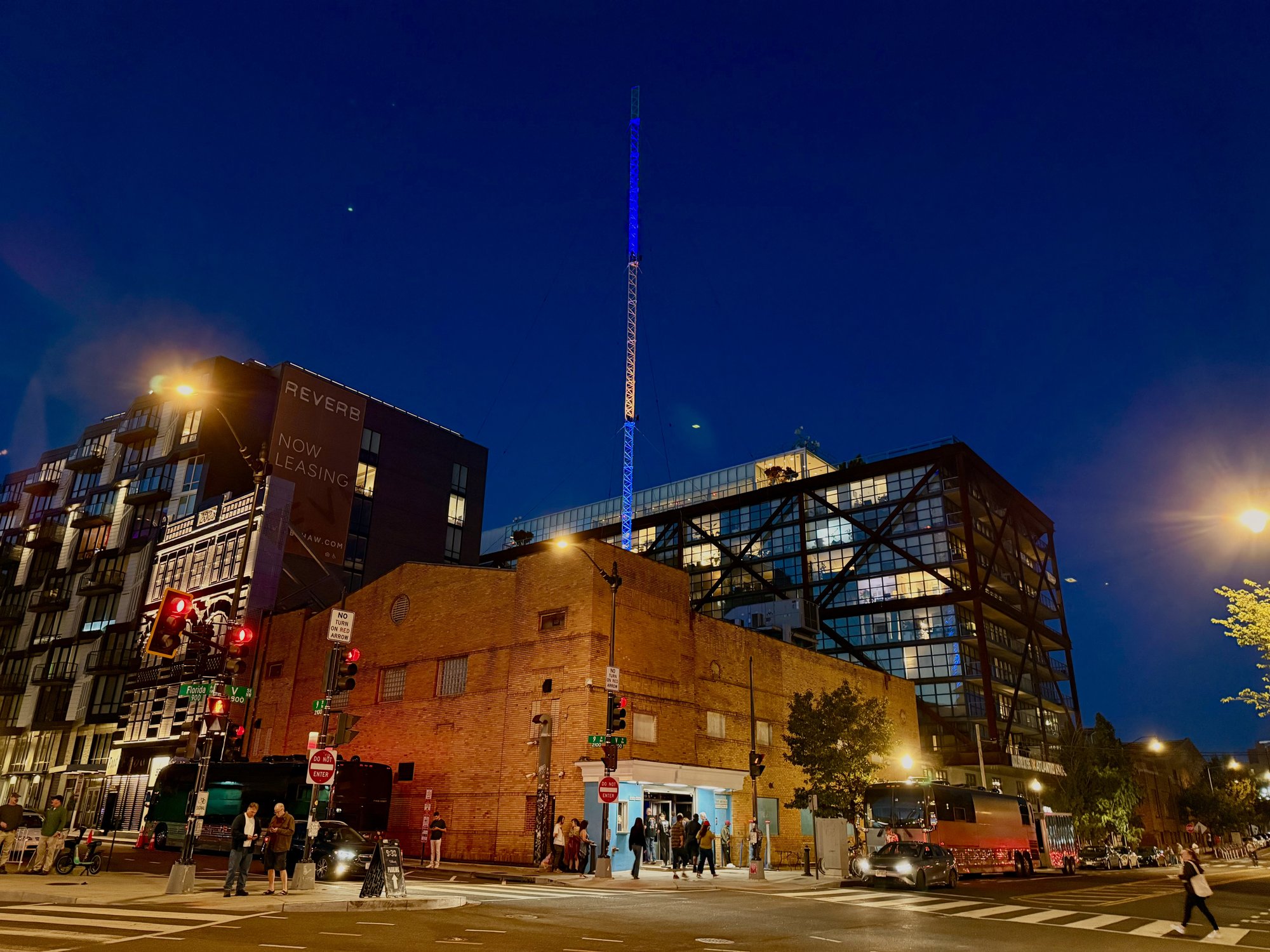
Morse Street address places Karravaan in Washington's Union Market corridor, a northeast quadrant neighborhood that has accumulated a concentration of independent food and beverage operators over the past decade. The area's industrial bones have attracted restaurants that operate outside the conventional power-dining circuits of Penn Quarter or Georgetown, and that geography has created room for more format-experimental and cuisine-specific operations to build audiences without competing directly against the capital's established fine-dining tier. For context on that upper tier, which includes venues like The Inn at Little Washington with its Michelin three-star standing, Karravaan operates in a different register entirely: it is not chasing that kind of recognition, and its sharing-format, bold-flavors approach is aimed at a different kind of evening.
That clarity of purpose is useful for the reader. Comparing Karravaan to New American tasting-menu restaurants, whether in Washington or at venues like Lazy Bear in San Francisco, Alinea in Chicago, or The French Laundry in Napa, would miss the point. The more relevant comparison set is restaurants that treat sharing and bold seasoning as structural commitments, not stylistic flourishes. Providencia, elsewhere in the Washington scene, offers a point of contrast in how the city's independent restaurants are approaching global flavor with local audiences in mind.
Reading the Menu as a Map
The Silk Road framing is worth taking literally as an organizational tool when ordering. The trade routes ran from East Asia through Central Asia, Persia, the Levant, and into North Africa and the Mediterranean, and the menu appears to follow that arc. Beginning with the Levantine-inflected eggplant and labneh, moving through the harissa-touched duck, and arriving at the North African tagine traces a rough westward trajectory. That sequence has culinary logic: the flavors become progressively richer and more structurally complex, which is how a well-considered sharing menu should build. Ordering against that sequence, starting heavy and ending light, works against the kitchen's evident intent.
For those exploring Washington's broader dining scene beyond a single evening, our full Washington restaurants guide maps the capital's range across cuisines and formats. The city's bars, hotels, and experience operators are similarly covered in our Washington bars guide, our Washington hotels guide, and our Washington experiences guide.
Planning the Visit
Karravaan sits at 325 Morse Street NE, within walking distance of the Union Market food hall. The sharing format means tables of two to four generally work leading, as the generous portions are calibrated for communal eating rather than individual plating. Specific booking method, hours, and pricing are not confirmed in our database record; contacting the restaurant directly before visiting is the reliable way to confirm availability. Washington's independent restaurant sector runs at high occupancy on Thursday through Saturday evenings, so advance planning for weekend visits to any northeast quadrant restaurant is sensible. Gerard's Place and other nearby operators in the district follow similar patterns.
Cuisine Context
These are the closest comparables we have in our database for quick context.
| Venue | Cuisine | Awards | Notes |
|---|---|---|---|
| Karravaan | Chef Sanjay Mandhaiya takes diners on a journey along the Silk Road at Karravaan… | This venue | |
| The Inn at Little Washington | New American | Michelin 3 Star | New American |
| Elmina | |||
| PhoXotic | |||
| Providencia | |||
| Raw Omakase |
Continue exploring
More in Washington
Restaurants in Washington
Browse all →
Bars in Washington
Browse all →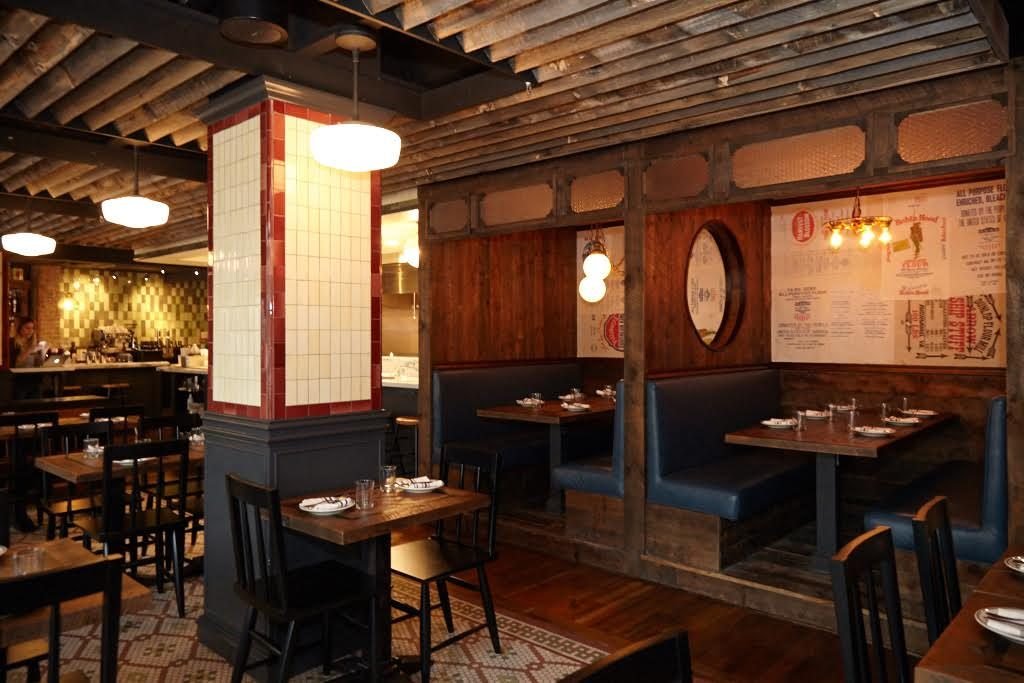
Hotels in Washington
Browse all →
At a Glance
- Cozy
- Modern
- Elegant
- Trendy
- Date Night
- Group Dining
- Special Occasion
- Celebration
- Open Kitchen
- Design Destination
- Standalone
- Extensive Wine List
- Natural Wine
- Local Sourcing
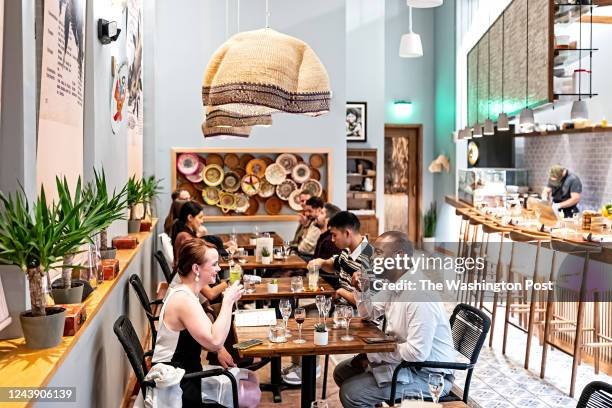
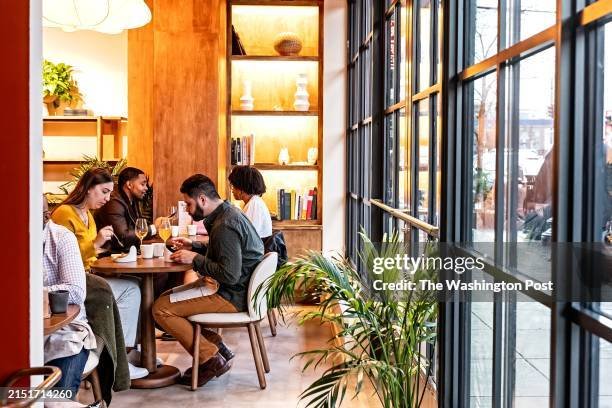
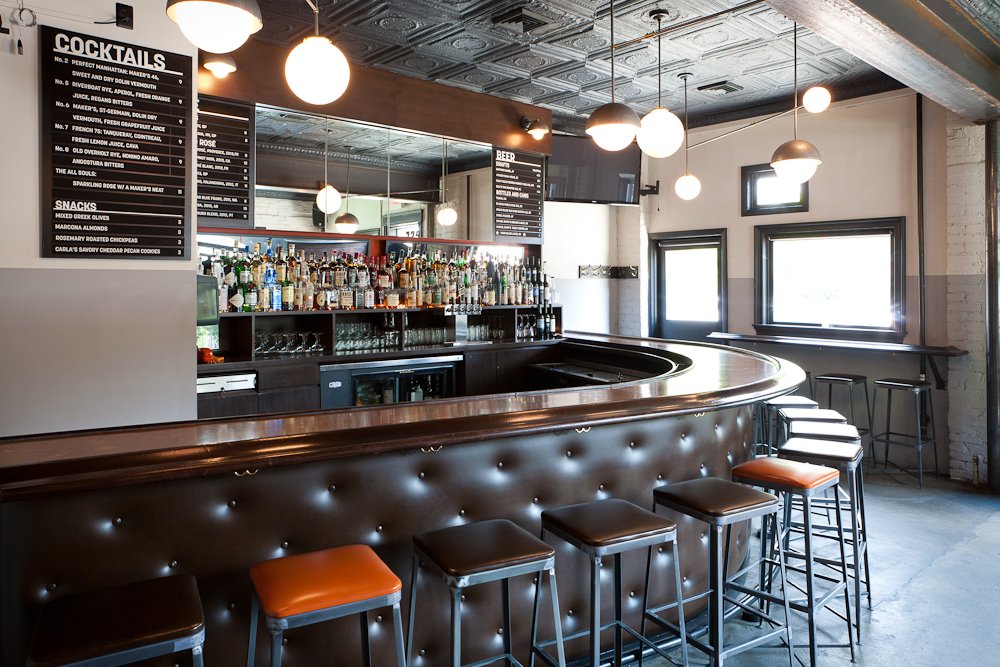
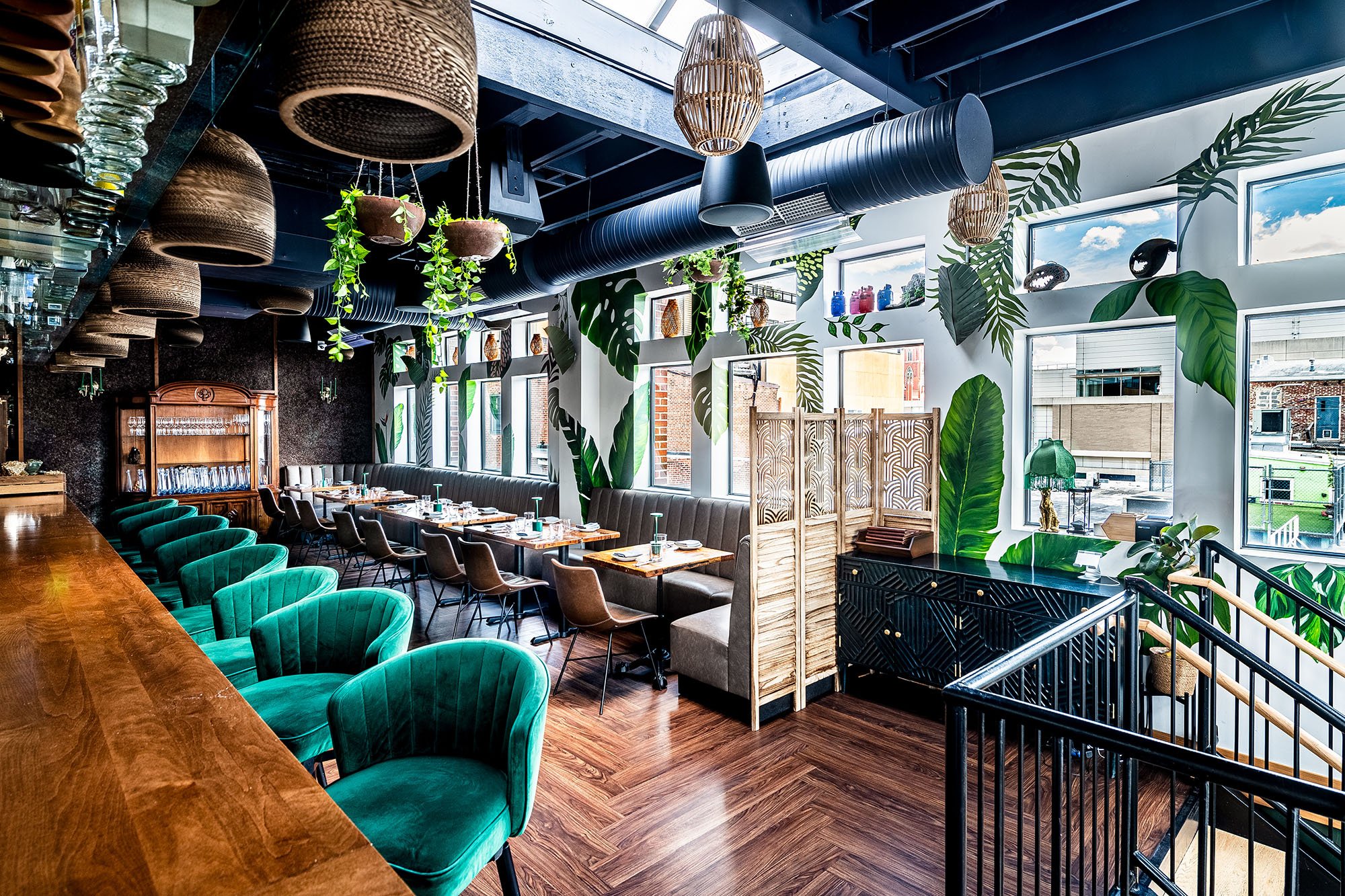
Warm and welcoming atmosphere with train-inspired design elements including a kitchen designed like a train car, a giant station clock, and vintage train station footrest at the bar.