Gerards Place
Gerard's Place sits at 203 Olds Station Road in Wenatchee, Washington, operating in a region where the Columbia Valley wine corridor and Pacific Northwest ingredient culture intersect. The restaurant draws on the culinary traditions of its setting, placing it within a broader conversation about serious dining beyond Washington DC's metropolitan core. Full details on cuisine type, pricing, and booking are best confirmed directly with the venue.
Pearl is the En Primeur Club membership app — saves, bookings, and concierge access live there. Same editors, same standards.
- Address
- 203 Olds Station Rd, Wenatchee, WA 98801
- Phone
- +1 (202) 737 4445
- Website
- chelanpud.org
- Directions
- Get directions
 Saves & bookings on Pearl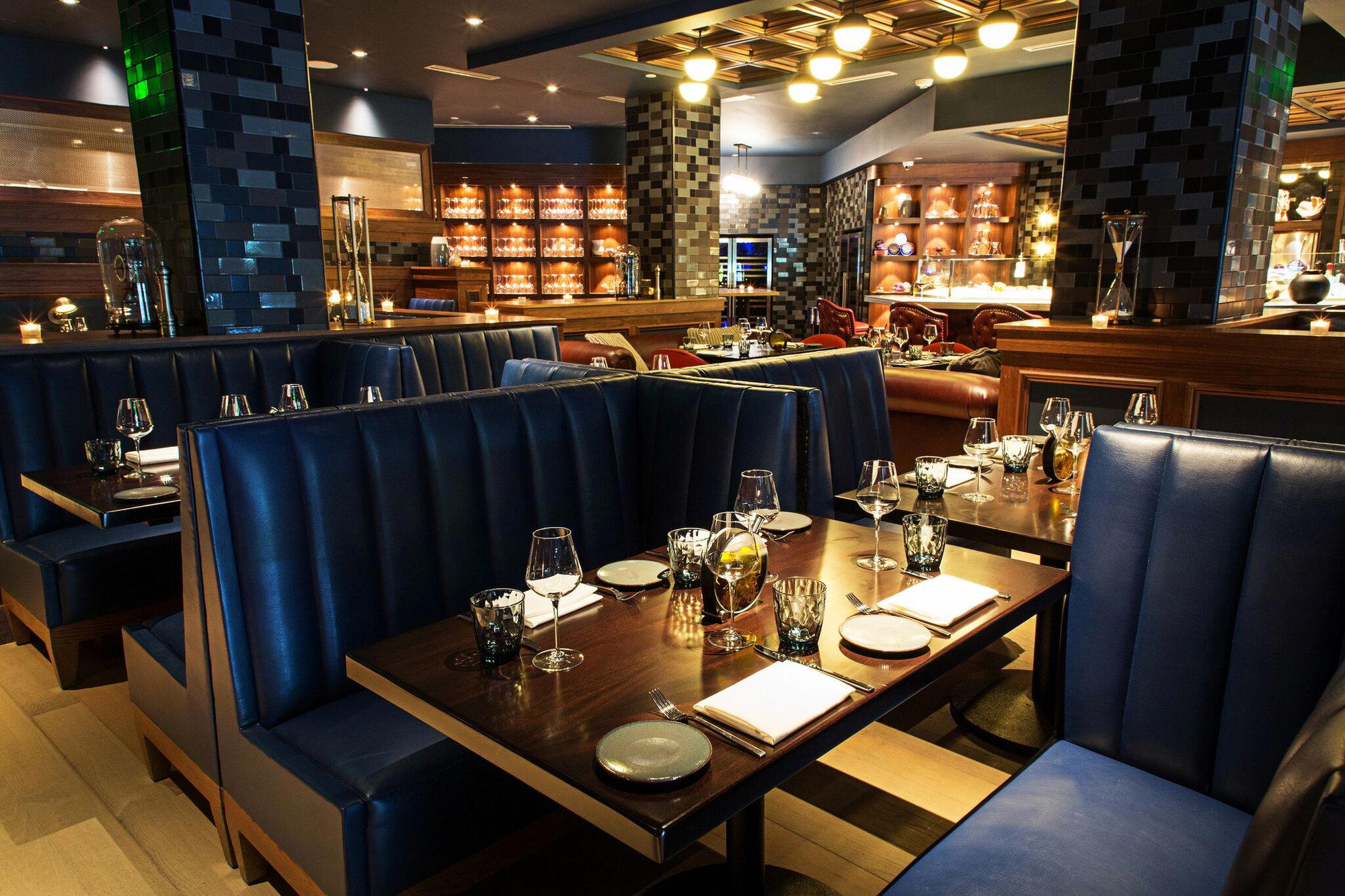
Dining at the Edge of the Cascade Corridor
The stretch of Washington State between the Cascades and the Columbia River Basin is not where most food-focused travelers look first. That instinct is worth reconsidering. Wenatchee sits at the intersection of two distinct forces that shape serious dining in the American West: the agricultural density of the Okanogan Highlands and Columbia Valley, and the growing ambition of mid-sized Pacific Northwest towns to build restaurant culture that does not merely imitate Seattle or Portland but answers to its own landscape. Gerard's Place, addressed at 203 Olds Station Road, occupies that context whether it intends to or not.
Pacific Northwest cuisine as a category has always carried a dual identity. On one side, the white-tablecloth version, refined tasting menus drawing on hyper-local produce, Columbia River fish, and wine pairings from the Columbia Valley AVA, the kind of format you find at destination properties like Single Thread Farm in Healdsburg or, on the grandest scale, The French Laundry in Napa. On the other, a more grounded, produce-driven tradition that treats the region's orchards, ranches, and river systems as the actual subject of cooking rather than a supporting detail. Wenatchee, as the apple capital of the American West, leans toward that second tradition by default.
What the Region Brings to the Table
To understand what a restaurant in Wenatchee is working with, it helps to understand the Columbia Valley as a culinary and agricultural zone. The valley produces roughly half of the country's apple and pear crop, alongside significant volumes of stone fruit, hops, and wine grapes across more than a dozen AVA sub-appellations. This concentration of ingredient supply shapes the leading local kitchens in the same way that the Rhône Valley shapes cooking in Lyon, or the Willamette Valley shapes Portland's farm-to-table commitments: the sourcing story is not a marketing angle, it is a practical reality of proximity.
That proximity also connects Wenatchee dining to Washington State's wine scene in ways that matter to serious diners. Wineries across Washington State have built a reputation for Syrah, Cabernet Franc, and Bordeaux-style blends that travel well beyond regional recognition, and a restaurant positioned near those producers sits in a different competitive conversation than one relying on national distribution for its list. For reference on what that kind of regional integration looks like at the highest level, The Inn at Little Washington in Washington DC demonstrates how a three-Michelin-star property can build an identity around regional sourcing and local wine culture simultaneously.
The Broader Washington Dining Context
Washington State's restaurant scene divides roughly into three tiers. Seattle and its suburbs command critical attention, with James Beard recognition and national press coverage concentrated there. A second tier of mid-sized cities, Spokane, Bellingham, Olympia, and Wenatchee among them, operates with less national visibility but with genuine culinary ambition shaped by local ingredient access and a smaller, more loyal dining public. A third tier of rural destination restaurants, often attached to farms, wineries, or inns, operates on entirely different logic, building their identity around the experience of place rather than the competitive signals of urban dining.
Gerard's Place sits in that second tier's geography, in a city where the dining public is shaped by the rhythms of the agricultural calendar and the wine-touring circuit rather than by the weekend-reservation culture of a major metropolitan market. That context rewards restaurants that build relationships with local producers and price accordingly for a local audience, a different calculus than what drives destination dining in Chicago or New York City.
For travelers passing through central Washington on a Columbia Valley wine itinerary or a Cascades road circuit, the relevant peer references extend beyond Washington State. The farm-to-table integration that defines stronger examples from this region echoes what you find at community-driven formats like Lazy Bear in San Francisco, where the relationship between producer and kitchen is the editorial point of the meal. At the technically ambitious end of that spectrum, Le Bernardin in New York City demonstrates how rigorous sourcing and technique can coexist, though the register there is categorically different from what central Washington restaurants are building.
Washington's Wider Table
Wenatchee is not an isolated dining destination. It sits within a state that has produced serious culinary ambition across multiple traditions. The immigrant-driven cuisine corridors of the Yakima Valley have produced Vietnamese, Mexican, and Central American cooking with the kind of depth that comes from community rather than trend, a tradition represented in the EP Club Washington list by venues like PhoXotic and Providencia. African and Middle Eastern dining traditions have also built a footprint in Washington State's urban centers, visible in venues like Elmina and Karravaan. That diversity matters as context: Washington's restaurant culture is not a monolith, and a restaurant in Wenatchee operates within a state that takes culinary plurality seriously.
International comparison points are also relevant for travelers calibrating expectations. The kind of technically precise, ingredient-focused cooking that the Pacific Northwest does at its leading has genuine parallels in Hong Kong's high-end European-leaning sector, where venues like 8½ Otto e Mezzo Bombana demonstrate how imported culinary tradition can achieve serious local identity. Closer to home, the New Orleans tradition visible at Emeril's shows how a regional food culture can absorb and transform outside influences without losing its geographic specificity, a useful model for thinking about what ambitious cooking in a smaller American city is trying to do.
Planning a Visit
Wenatchee's position on the US-2 corridor and its proximity to Leavenworth and the Lake Chelan wine region make it a natural stop on a central Washington circuit that combines winery visits, accommodation across the state, and curated experiences from the Cascades to the Columbia River.
Booking and Cost Snapshot
Comparable venues nearby, for context on price, style, and recognition.
| Venue | Cuisine | Price | Notes |
|---|---|---|---|
| Gerards PlaceThis venue — the venue you are viewing | Dupont Circle, Global Fusion | $$ | Not listed |
| Marination Ma Kai | Not listed | $$ | West Industrial District, Hawaiian-Korean Fusion |
| Lupe's Situ Tacos | Adams, Mexican-Lebanese Fusion Tacos | $$ | Not listed |
| Wild Ginger Downtown | Not listed | $$ | Central Business District, Southeast Asian Fusion |
| Citrus International Tapas And Grill Lounge | West Seattle, Moroccan and Spanish Tapas | $$ | Not listed |
| 8564 Greenwood Ave N | Greenwood, Asian-Fusion Brewery Food | $$ | Not listed |
Continue exploring
More in Wenatchee
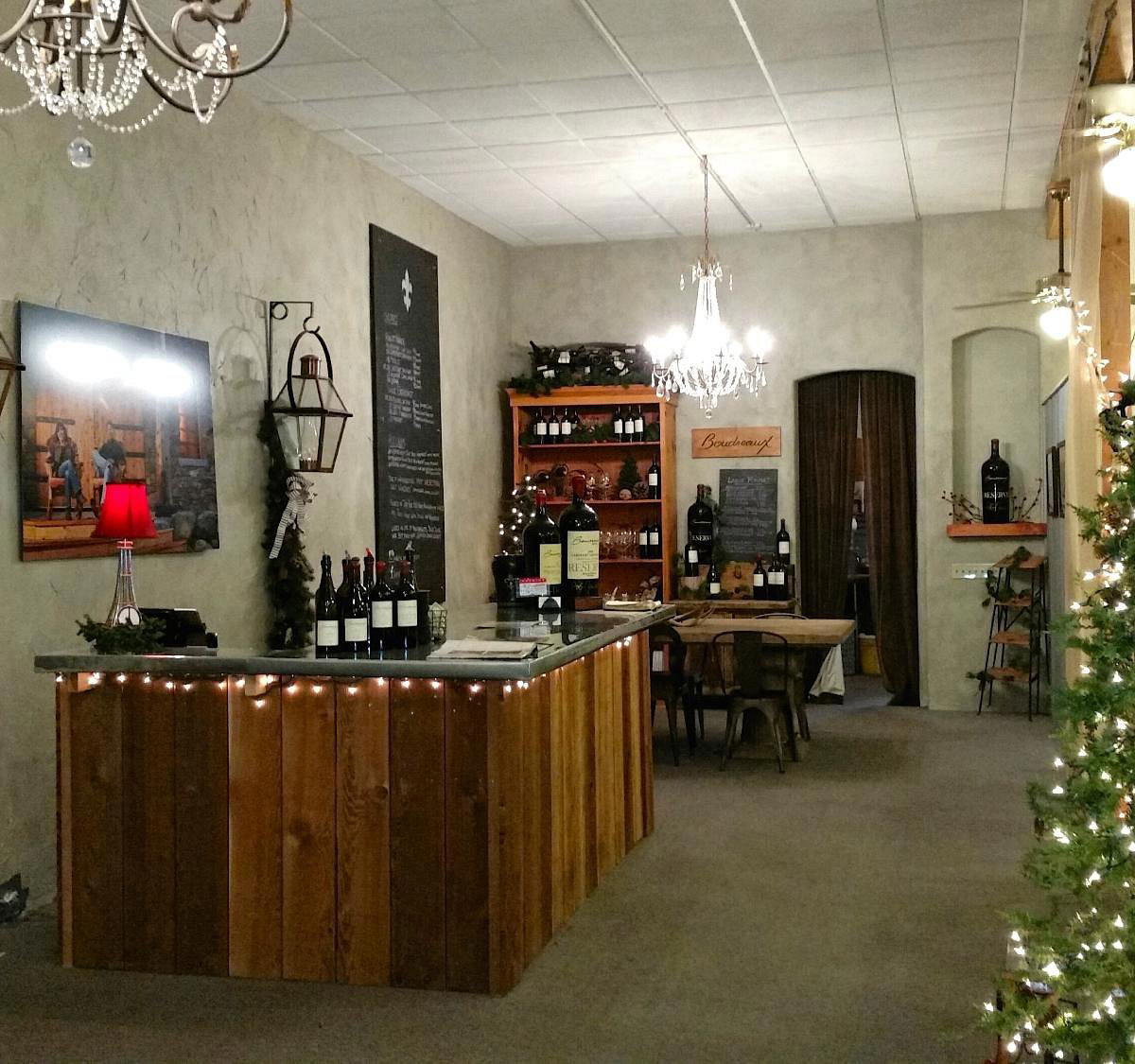
Restaurants in Wenatchee
Browse all →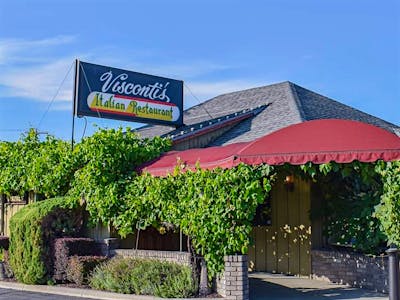
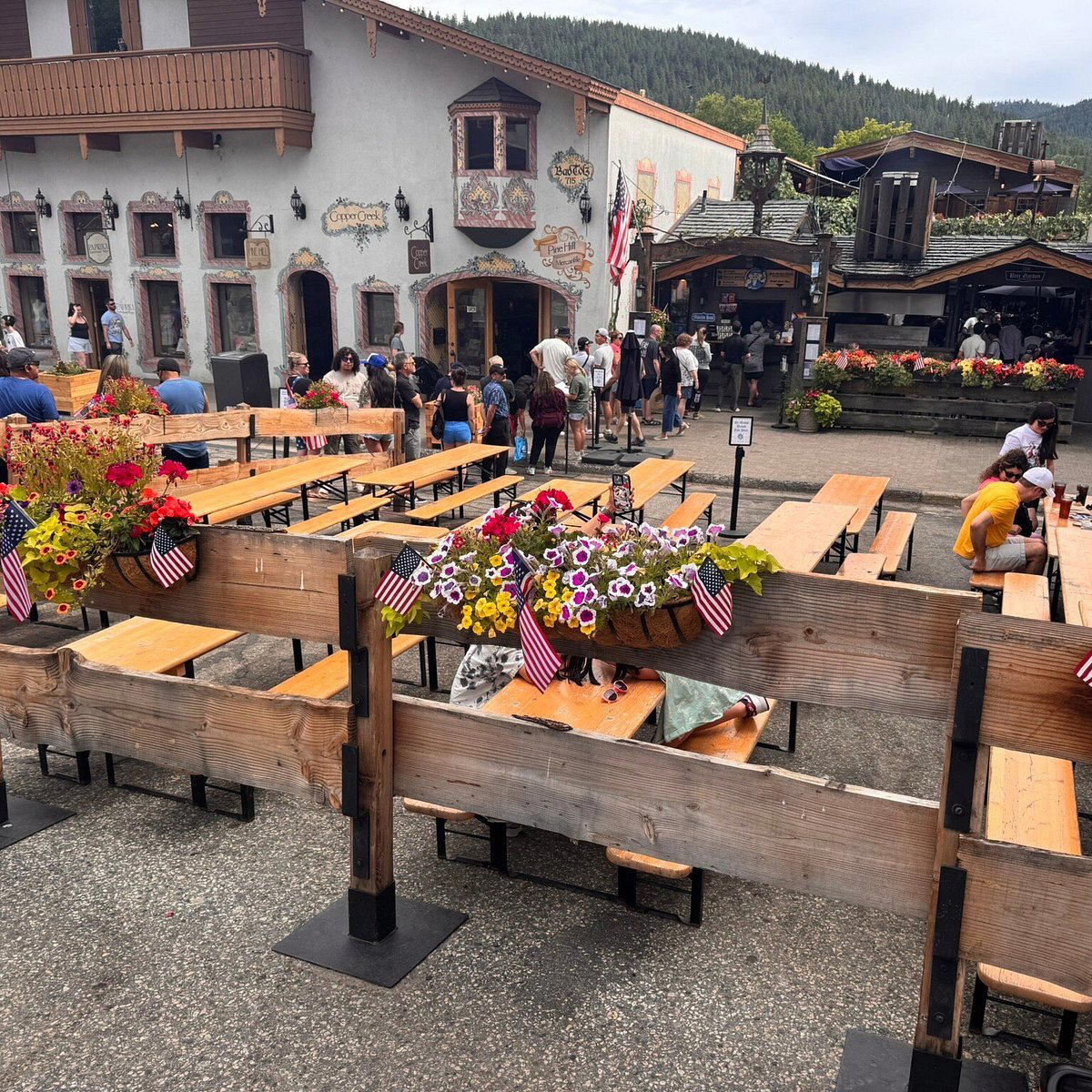

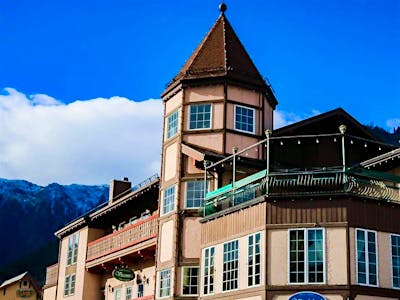
Hotels in Wenatchee
Browse all →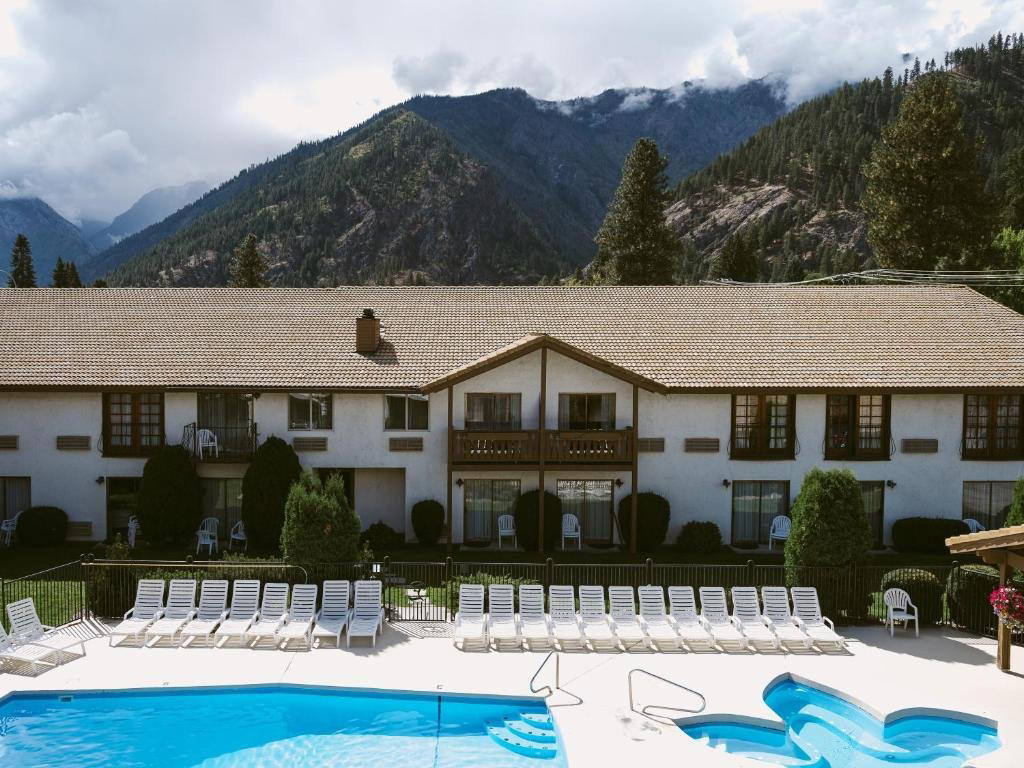
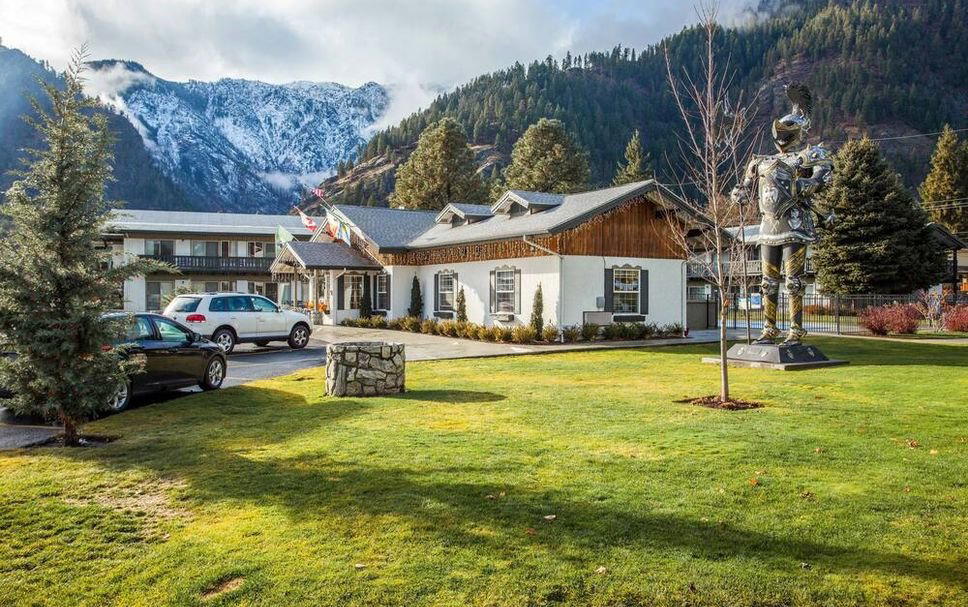
At a Glance
- Elegant
- Intimate
- Cozy
- Date Night
- Special Occasion
- Family
- Hotel Restaurant
- Craft Cocktails
Current opening hours
- Monday
- 7 AM–2:30 PM
- Tuesday
- 7 AM–2:30 PM
- Wednesday
- 7 AM–2:30 PM
- Thursday
- 7 AM–2:30 PM
- Friday
- 7 AM–2:30 PM
- Saturday
- Closed
- Sunday
- Closed
Hours can change for holidays and private events. Last verified .
Welcoming and elegant atmosphere with sophisticated design and intimate spaces, chic yet cozy.