Elmina
.png)
Chef Eric Adjepong's modern West African cooking gives Washington's 14th Street corridor one of its most considered dining options. Choose between a multicourse tasting menu rooted in Ghanaian tradition and an à la carte bar menu modeled on Ghana's chop-bar culture. The format suits both committed diners and those who want to graze on okra fries and pork belly at the counter.
 Discover on Pearl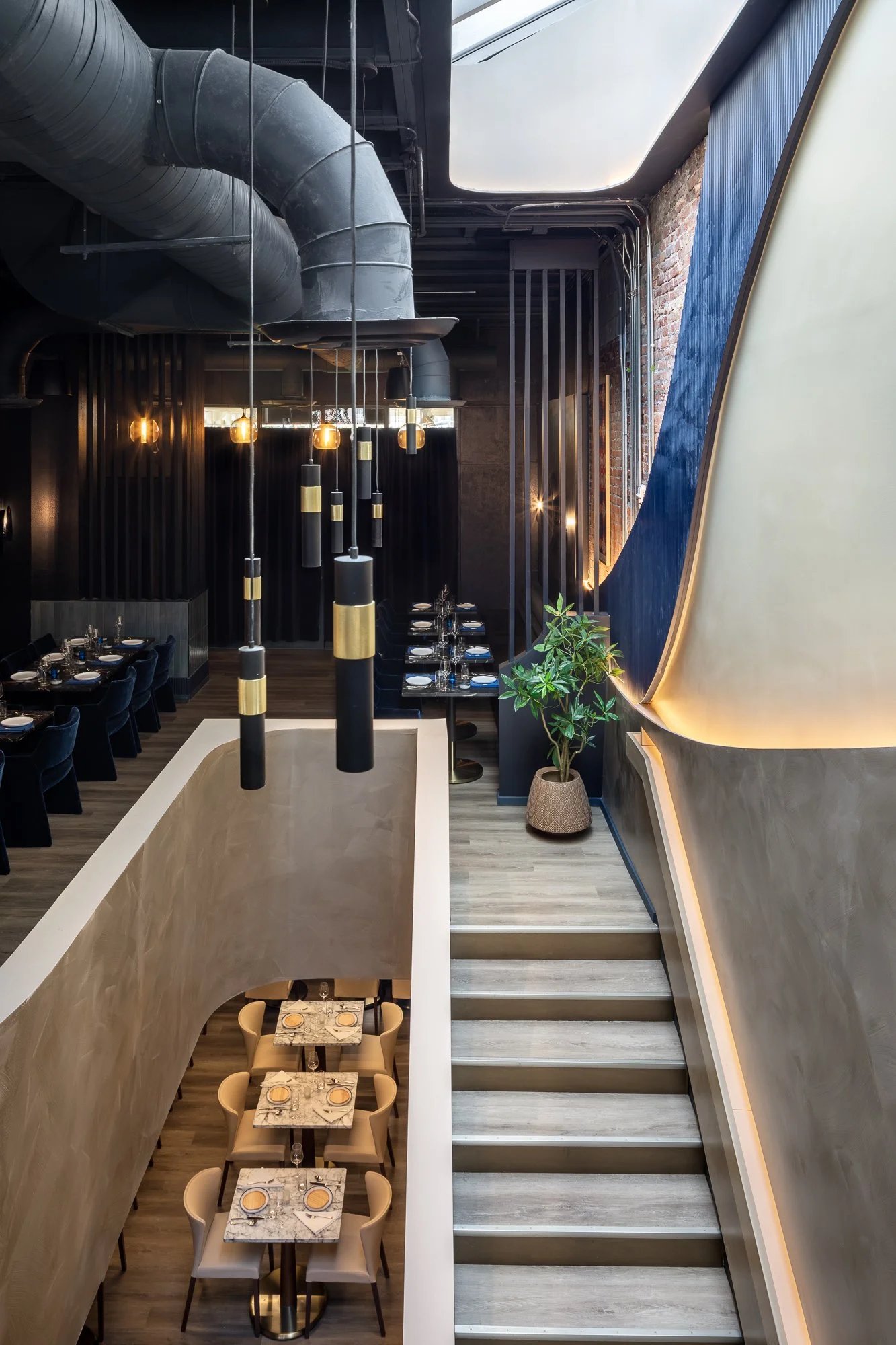
West African Cooking, Rooted in Source
On 14th Street NW, a stretch of Washington DC that has absorbed wave after wave of new restaurant openings over the past decade, Elmina occupies a position that most of its neighbors do not: it is built around a specific culinary tradition with a clear geographic origin. The cooking here draws on Ghanaian ingredients and technique, and the menu makes that provenance central rather than incidental. In a city where many restaurants gesture toward a "global" pantry without committing to any single tradition, that specificity carries weight.
Modern West African cooking remains underrepresented at the tasting-menu tier in American dining. Cities like New York and London have seen a broader wave of West African-influenced restaurants earn serious critical attention, and Washington is now part of that conversation. Elmina sits alongside a small peer group of DC restaurants pushing ingredient-driven, diaspora-rooted formats, in contrast to the French-lineage fine dining represented by venues like Gerards Place or the New American benchmark set by The Inn at Little Washington.
The Room and What It Signals
The interior at 2208 14th St NW reads as contemporary and deliberately unhurried. The decor is stylish without being austere, and the atmosphere is designed to encourage long evenings rather than efficient turnover. That physical tone matters here because Elmina operates two distinct formats under the same roof, and the environment needs to support both. The bar area, which runs its own à la carte menu, has the feel of a place where you might arrive without a reservation and work through several dishes over an hour. The main dining room, where the multicourse tasting menu is served, calls for a different pace.
The dual-format model is itself a statement about how the kitchen sees its role. The bar menu is framed as a chop bar, drawing directly from Ghana's popular counter-service eating culture where snacks and small plates are the currency. The tasting menu, by contrast, is a more formal expression of the same ingredient set. Running both simultaneously is a structural choice that keeps the restaurant accessible at multiple price points and commitment levels, which is a pattern more common among celebrated kitchens now than it was five years ago.
Ingredients as Argument
Editorial case for Elmina rests substantially on what the kitchen chooses to cook with and how it frames those choices. Ghanaian cooking draws on a pantry that includes cassava, plantain, okra, and deeply spiced stews, ingredients that carry cultural memory and that are difficult to source well outside West Africa and its diaspora networks. When a kitchen commits to those ingredients at the tasting-menu level, as Elmina does, the sourcing decisions become part of the dish's meaning.
Tasting menu features braised goat served with fufu, made here from pounded plantain and cassava. Fufu is one of the foundational preparations in Ghanaian and broader West African cooking, and offering it alongside a tableside pour of nkati nkwan, a creamy, deep orange-red peanut-based sauce, frames the dish as an act of documentation as much as cooking. The scallop crudo with cucumber granita and coconut broth shows a kitchen that moves laterally across technique, pairing a format associated with Japanese and European fine dining with flavors that sit further west on the Atlantic.
On the bar menu, okra fries and pork belly operate as accessible entry points into the same ingredient conversation. Okra is a vegetable that travels well across West African, Southern American, and Caribbean cooking traditions, and serving it in a fried format at a bar counter is both a nod to chop-bar informality and a way of introducing the ingredient to diners who might not order it in a more formal context. The tartare rounds out the snack section with a preparation that any fine-dining audience will recognize, giving the menu a legible anchor without abandoning the kitchen's focus.
Chef Eric Adjepong's background includes significant competition-level exposure through appearances on Leading Chef, which gave the restaurant and its format national visibility before Elmina had been open long enough to accumulate a local track record on its own. That visibility placed it in conversation with a wider set of American fine-dining peers: restaurants like Lazy Bear in San Francisco and Atomix in New York City that operate at the intersection of cultural identity and tasting-menu format. Washington's dining scene, which includes other globally-rooted restaurants such as Karravaan and PhoXotic, provides a context in which ingredient-driven diaspora cooking has an existing audience.
How the Menu Ends
The tasting menu closes with malva pudding cake, a South African baked dessert with a spongy, caramelized texture, served here with pickled apricot and vanilla gelato. Malva pudding appears rarely on American menus, and its presence at Elmina signals a kitchen that is drawing across the full breadth of sub-Saharan African culinary tradition rather than limiting itself to a single national reference. The pickled apricot adds a tartness that prevents the dessert from reading as purely sweet, and the vanilla gelato is the structural element that ties the dish to a fine-dining idiom the diner already knows.
That dessert choice is a small but telling detail about the kitchen's method: it expands the geographic frame without overwhelming the diner with unfamiliarity, and it closes a meal that has moved through raw seafood, braised meat, and bar snacks with a preparation that is both culturally specific and formally coherent.
Planning Your Visit
Elmina is located at 2208 14th St NW in Washington DC's Columbia Heights corridor, a neighborhood with a dense concentration of independent restaurants. For those building a broader Washington itinerary, EP Club's full Washington restaurants guide maps the city's dining scene by format and price tier. If you are also planning accommodation, the Washington hotels guide covers the range of options across the city's distinct neighborhoods. The Washington bars guide, wineries guide, and experiences guide round out the picture for a multi-day stay.
Reservations for the tasting menu are advisable, particularly on weekends when the 14th Street corridor draws significant foot traffic. The bar menu format allows for walk-in dining, which makes Elmina a viable option for diners who plan loosely, though demand for both formats has grown as the restaurant's profile has expanded nationally. For context on how this kind of tasting menu compares at the national level, The French Laundry in Napa and Alinea in Chicago represent the advance-booking discipline that applies at the most sought-after American counters; Elmina operates in a more accessible register but warrants the same forward planning on high-demand evenings.
Beyond Washington, restaurants working at the intersection of diaspora identity and tasting-menu format include Providencia within the city and, at the international level, Le Bernardin in New York City, Emeril's in New Orleans, Single Thread Farm in Healdsburg, and 8 1/2 Otto e Mezzo Bombana in Hong Kong, each of which uses a specific cultural or regional ingredient argument as the organizing principle of its menu.
Comparison Snapshot
A quick peer reference to anchor this venue in its category.
| Venue | Cuisine | Price | Awards | Notes |
|---|---|---|---|---|
| Elmina | Elmina is the kind of place with wide-reaching appeal, where a warm spirit and a… | This venue | ||
| The Inn at Little Washington | New American | Michelin 3 Star | New American | |
| Karravaan | ||||
| PhoXotic | ||||
| Providencia | ||||
| Raw Omakase |
Continue exploring
More in Washington
Restaurants in Washington
Browse all →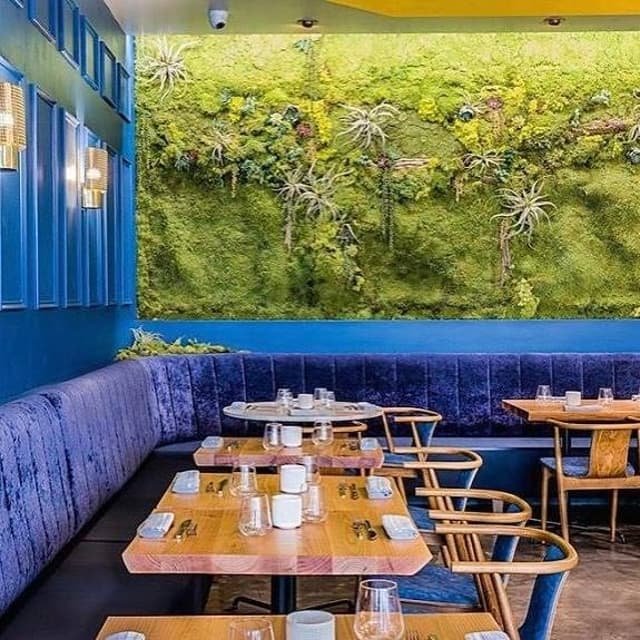
Bars in Washington
Browse all →
Hotels in Washington
Browse all →

At a Glance
- Elegant
- Sophisticated
- Cozy
- Date Night
- Special Occasion
- Brunch
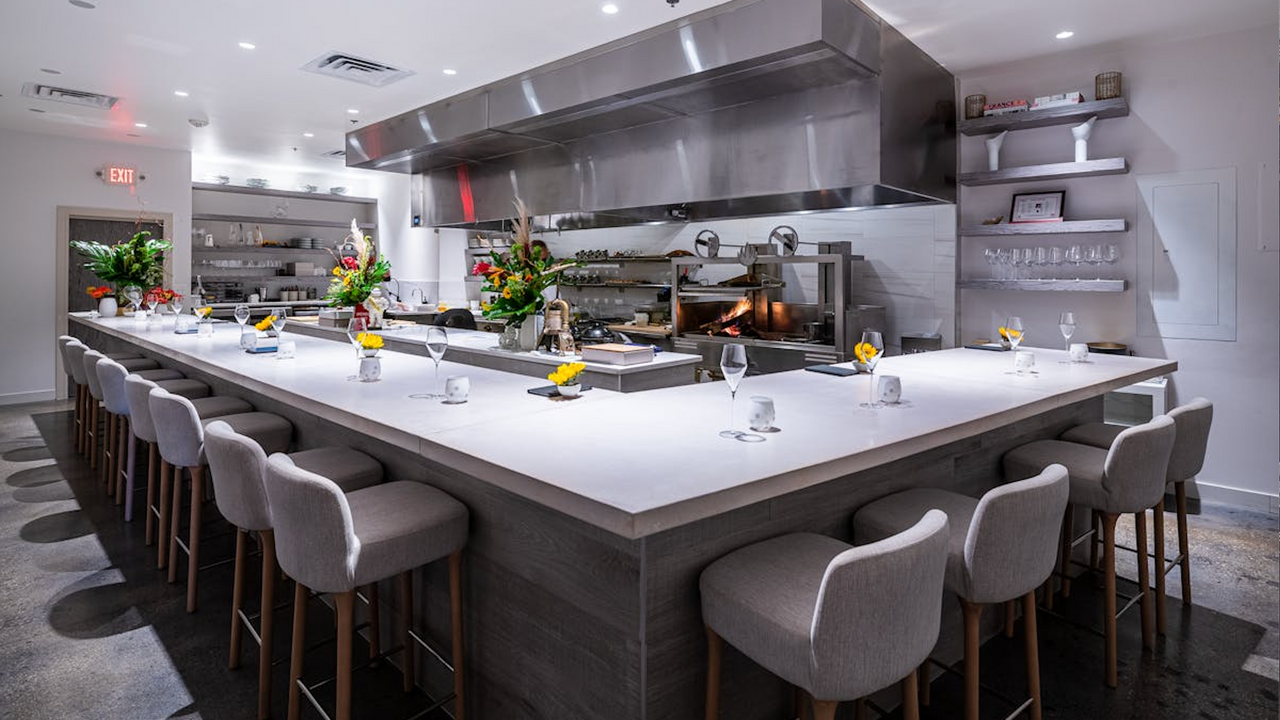
- Open Kitchen
- Craft Cocktails
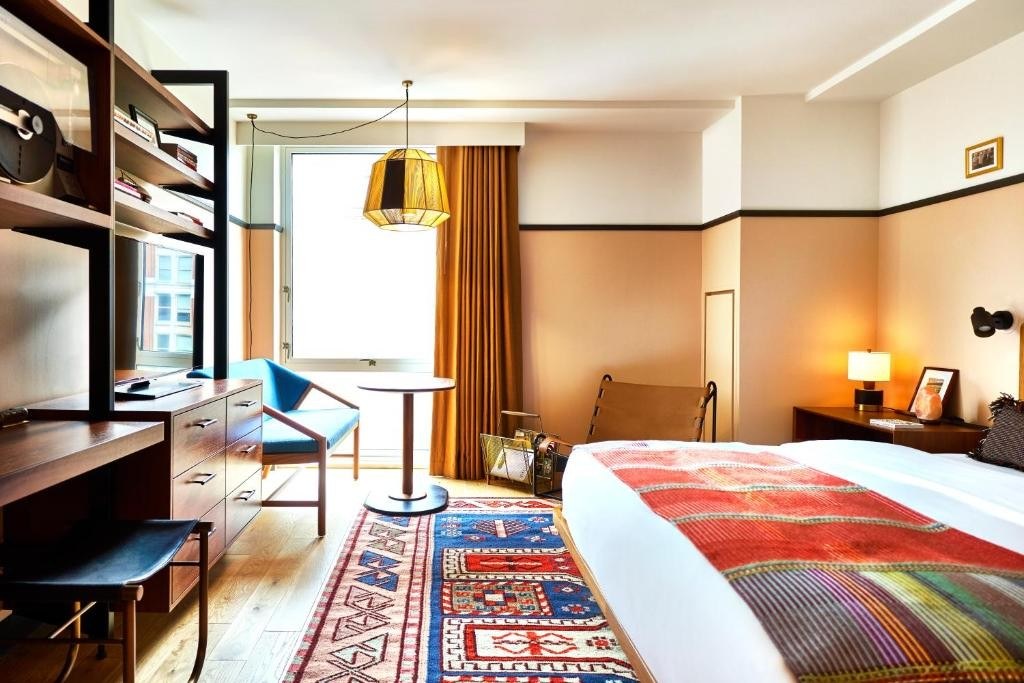
Stylish contemporary decor with vibrant colorful prints and artistic color-washing paint creating a cozy yet elegant and sophisticated atmosphere.