Karazishi Botan
Our verdict
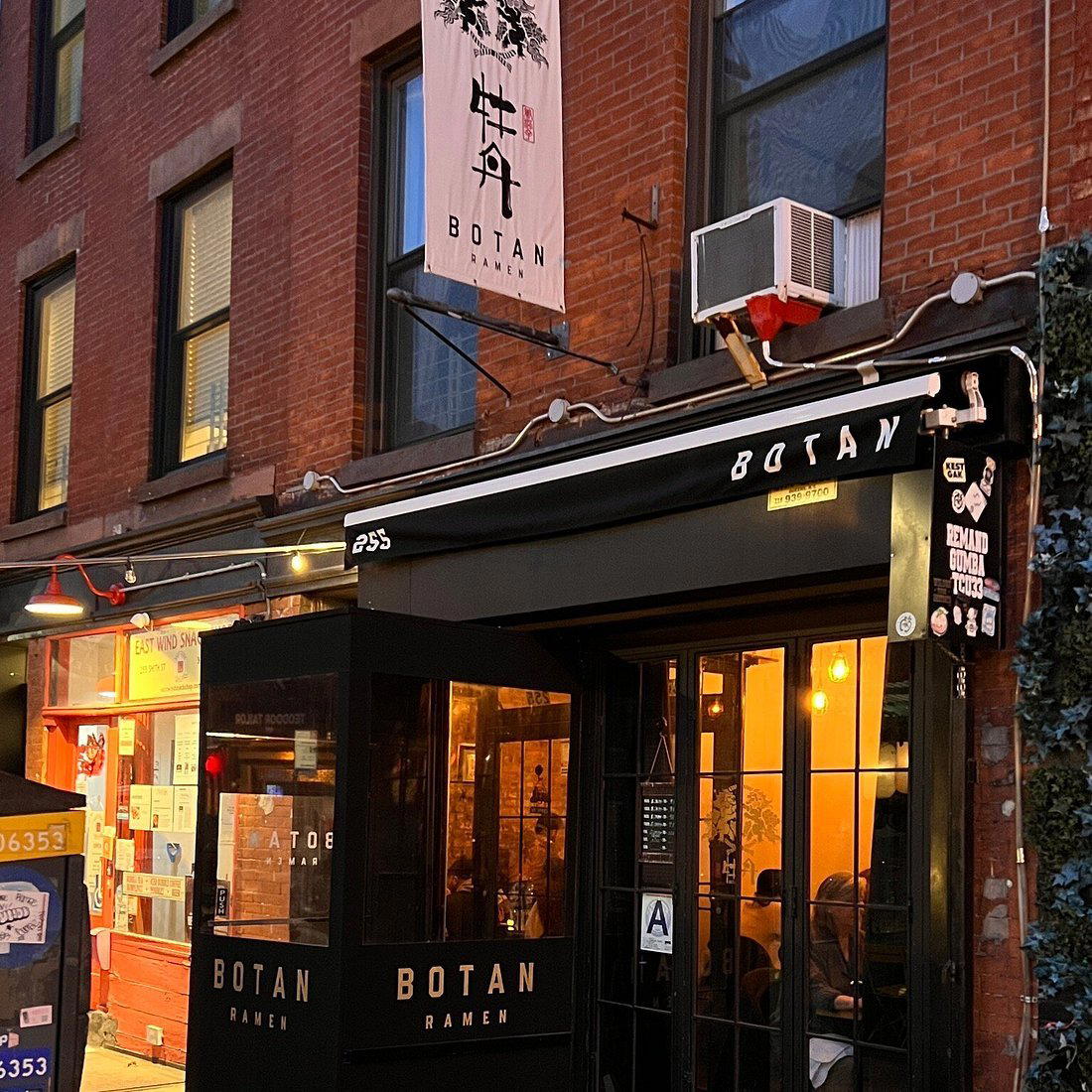
Karazishi Botan sits on Smith Street in Carroll Gardens, Brooklyn, occupying a stretch that has quietly become one of the borough's more considered dining corridors. The address alone signals something about its positioning: away from the density of Manhattan's premium tier, closer to a neighbourhood-scaled intimacy. Exact cuisine type and pricing remain unconfirmed, but the name and address place it in a part of Brooklyn where culinary seriousness rarely announces itself loudly.

Pearl is the En Primeur Club membership app, where members save venues, book tables and use the concierge.
The menu
What to order
- Iron Man IV
- Point Blank Ramen
- Takoyaki
- Magic Balls
Smith Street and the Brooklyn Dining Ritual
Carroll Gardens has spent the better part of a decade resolving a tension familiar to neighbourhoods that border gentrification without fully surrendering to it. Smith Street, which runs through the heart of the area, now holds a range of dining rooms that operate at registers quite different from one another, neighbourhood standbys alongside places that draw guests from across the boroughs. Karazishi Botan, at 255 Smith Street, occupies this corridor without the signage or marketing apparatus that typically surrounds a restaurant trying to announce itself. That restraint is either an aesthetic choice or a confidence signal, and in Brooklyn, the distinction matters.
The name itself carries weight. Karazishi is a term associated with the mythological lion-dog figure found in Japanese temple iconography, a guardian presence, traditionally placed at thresholds. Botan refers to the tree peony, a flower with deep roots in East Asian visual culture and classical poetry. Together, the pairing suggests a Japanese or Japanese-influenced sensibility, though the cuisine type on record remains unconfirmed. What the name communicates, regardless of the exact menu, is an awareness of tradition, the kind of restaurant that names itself with intention.
The Architecture of Eating: Pacing, Ritual, and What Smith Street Demands
In the broader New York dining scene, the ritual of the meal has fractured into competing formats. At the top of the market, counter-seat omakase dominates the Japanese tier, Masa in Midtown sets the ceiling for that format, where the pacing is entirely in the kitchen's hands and the guest surrenders sequencing to the chef. Korean tasting menu operations like Atomix and Jungsik New York have built their own ritual architecture around coursed progression and staff narration. These are meals where the format is the experience.
Carroll Gardens occupies a different register. The dining ritual here tends to be less scripted, more relational, a neighbourhood format where the pacing emerges from conversation rather than kitchen choreography. A restaurant named with the care that Karazishi Botan brings to its own identity is likely working somewhere in that space: enough structure to signal seriousness, enough flexibility to feel like a place rather than a performance. This is the hardest format to execute well, precisely because it lacks the scaffolding of a tasting menu or a counter-seat format to carry the experience.
Nationally, restaurants that occupy this middle register, serious neighbourhood dining with cultural specificity, have become a significant part of how cities define their non-destination dining. Blue Hill at Stone Barns in Tarrytown operates at the opposite extreme of that spectrum, with a full farm-to-table ritual format and considerable production. Lazy Bear in San Francisco built a communal dinner-party ritual into a Michelin-starred operation. Bacchanalia in Atlanta has anchored that city's fine dining identity for years through a format that feels simultaneously personal and precise. What these places share is a meal structure that feels intentional rather than accidental, and that intentionality is the baseline expectation for any restaurant operating with the kind of naming seriousness Karazishi Botan brings to Smith Street.
Brooklyn's Position in the New York Dining Map
The gap between Brooklyn's dining scene and Manhattan's has closed considerably over the past decade, but the two boroughs still produce different kinds of restaurants. Manhattan's premium tier, where Le Bernardin and Per Se operate, is built around expense-account dining, international visitors, and institutions that have accumulated decades of critical recognition. Brooklyn's serious restaurants tend to be more insurgent in character: smaller, more personal, and more likely to be doing something specific rather than something comprehensive.
Carroll Gardens, in particular, sits south of the Cobble Hill and Boerum Hill clusters that have absorbed most of the borough's critical attention. Smith Street's dining identity is less curated than the blocks around Atlantic Avenue or the Columbia Street waterfront, which means restaurants here earn their reputation through the food itself rather than through neighbourhood positioning. A restaurant on Smith Street with a carefully considered name and what appears to be a Japanese or East Asian sensibility is operating in a space where there is real room to define something.
For context on how this kind of cultural-specificity dining plays out at the highest level in New York, see our full New York City restaurants guide, which maps the city's dining tiers from destination counters to neighbourhood anchors.
Comparable Registers Elsewhere
The question of how a restaurant like Karazishi Botan positions itself against the wider American dining field is worth holding. Destination-level restaurants with Japanese or East Asian identities, whether Providence in Los Angeles, which blends Japanese technique with California seafood, or Single Thread Farm in Healdsburg, which applies kaiseki-influenced structure to a farm-driven format, have demonstrated that the American market can sustain highly specific cultural dining rituals outside of the obvious metropolitan nodes. Alinea in Chicago and Addison in San Diego occupy a different register entirely, but both signal how far formal intention can carry a restaurant's identity when the execution follows. Further afield, 8½ Otto e Mezzo Bombana in Hong Kong and Alain Ducasse at Louis XV in Monte Carlo represent the ceiling of ritual formality in dining, useful benchmarks for understanding how much of a meal's meaning is carried by its structure rather than its dishes alone.
Closer to home, Emeril's in New Orleans and The Inn at Little Washington each represent regional dining institutions that built identity through consistency and a clear point of view, a model that neighbourhood-anchored restaurants in Brooklyn are well-positioned to replicate on a smaller scale.
Planning Your Visit
Address: 255 Smith Street, Brooklyn, NY 11231. Getting there: The F and G trains stop at Carroll St, approximately two blocks from the address, making this accessible from most of Manhattan within 25 to 30 minutes. Timing: Carroll Gardens dining rooms tend to fill later on weekends; arriving earlier in the service allows for more relaxed pacing. Reservations: Confirm current booking method directly, as online reservation systems vary by operation. Given the name's specificity and what it signals about culinary intention, this is the kind of restaurant worth building an evening around rather than treating as a spontaneous stop.
Frequently asked questions
How do I find Karazishi Botan?
Karazishi Botan is located at 255 Smith St, Brooklyn, NY 11231, New York City.
Is Karazishi Botan a good option for a special occasion dinner in Brooklyn?
Karazishi Botan's address at 255 Smith Street in Carroll Gardens puts it in a neighbourhood that has built a credible case as Brooklyn's most consistent dining corridor over the past decade. Restaurants with Japanese cultural identities in New York City at this kind of address tend to operate with deliberate pacing and small-format rooms, which suits occasion dining. Confirming current hours and reservation availability directly with the venue is advisable before planning around it.
What should I eat at Karazishi Botan?
The restaurant sits on Smith Street in Carroll Gardens, a block that has consistently rewarded guests who arrive without fixed expectations and let the kitchen lead.
What's the best way to book Karazishi Botan?
For Carroll Gardens restaurants at this level of local attention, Resy and direct contact via the restaurant's own channels are the most reliable starting points. Arriving early for walk-in availability is worth attempting for smaller-format rooms in this neighbourhood.
What's the signature at Karazishi Botan?
What the name and address do establish is a Carroll Gardens operation with a Japanese cultural identity on one of Brooklyn's most food-literate streets. The restaurant's positioning on Smith Street places it in a peer group where the kitchen's point of view tends to carry more weight than any single plate.
Peers You’d Cross-Shop
Comparable venues nearby, for context on price, style, and recognition.
| Venue | Cuisine | Price | Notes |
|---|---|---|---|
| Karazishi BotanThis venue (the venue you are viewing) | New York-Style Ramen Diner | $20–30 | Not listed |
| Hakata TonTon | Hakata-style Japanese Izakaya | $30–50 | Chinatown-Two Bridges |
| Katsuhama | Authentic Japanese Tonkatsu | $20–30 | Midtown-Times Square |
| Amber | Japanese Sushi with Pan-Asian Fusion | Not listed | Upper East Side-Carnegie Hill |
| Fuji Hibachi - Times Square | Hibachi Japanese Grill | $30–50 | Hell's Kitchen |
| Asuka Sushi | Japanese Sushi | $30–50 | Chelsea-Hudson Yards |
Continue exploring
More in New York City
Restaurants in New York City
All restaurants in New York City →
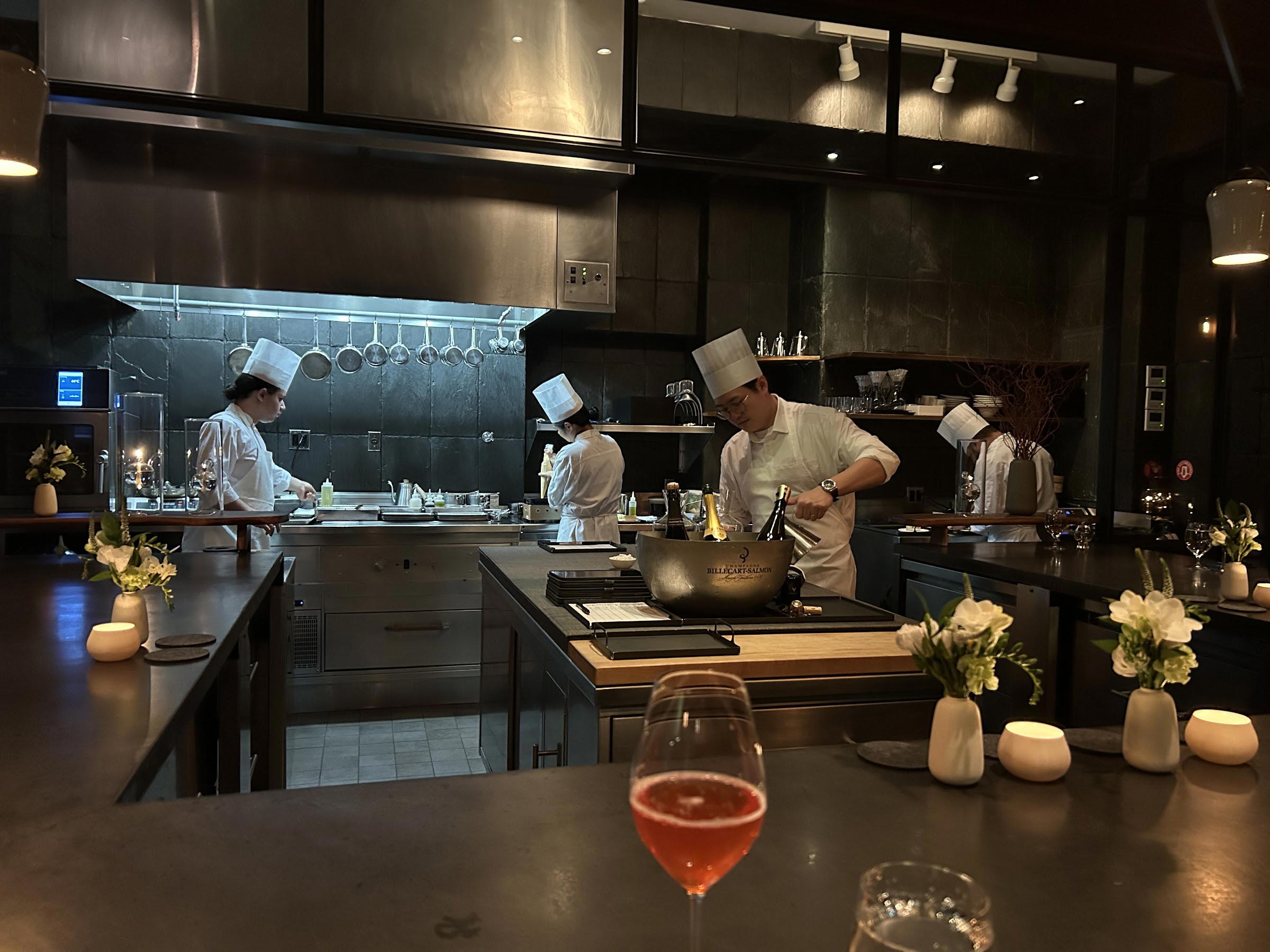
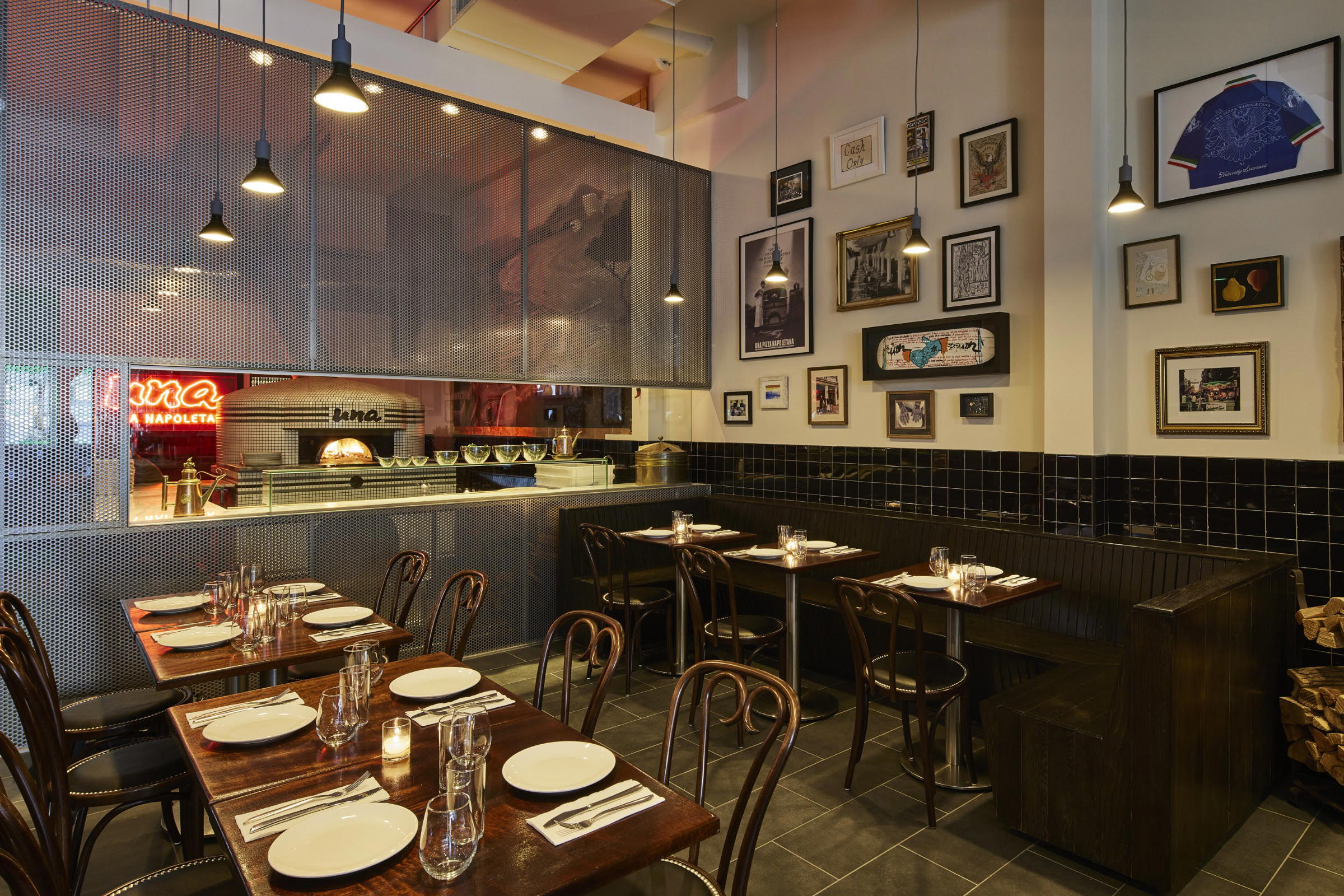
Bars in New York City
All bars in New York City →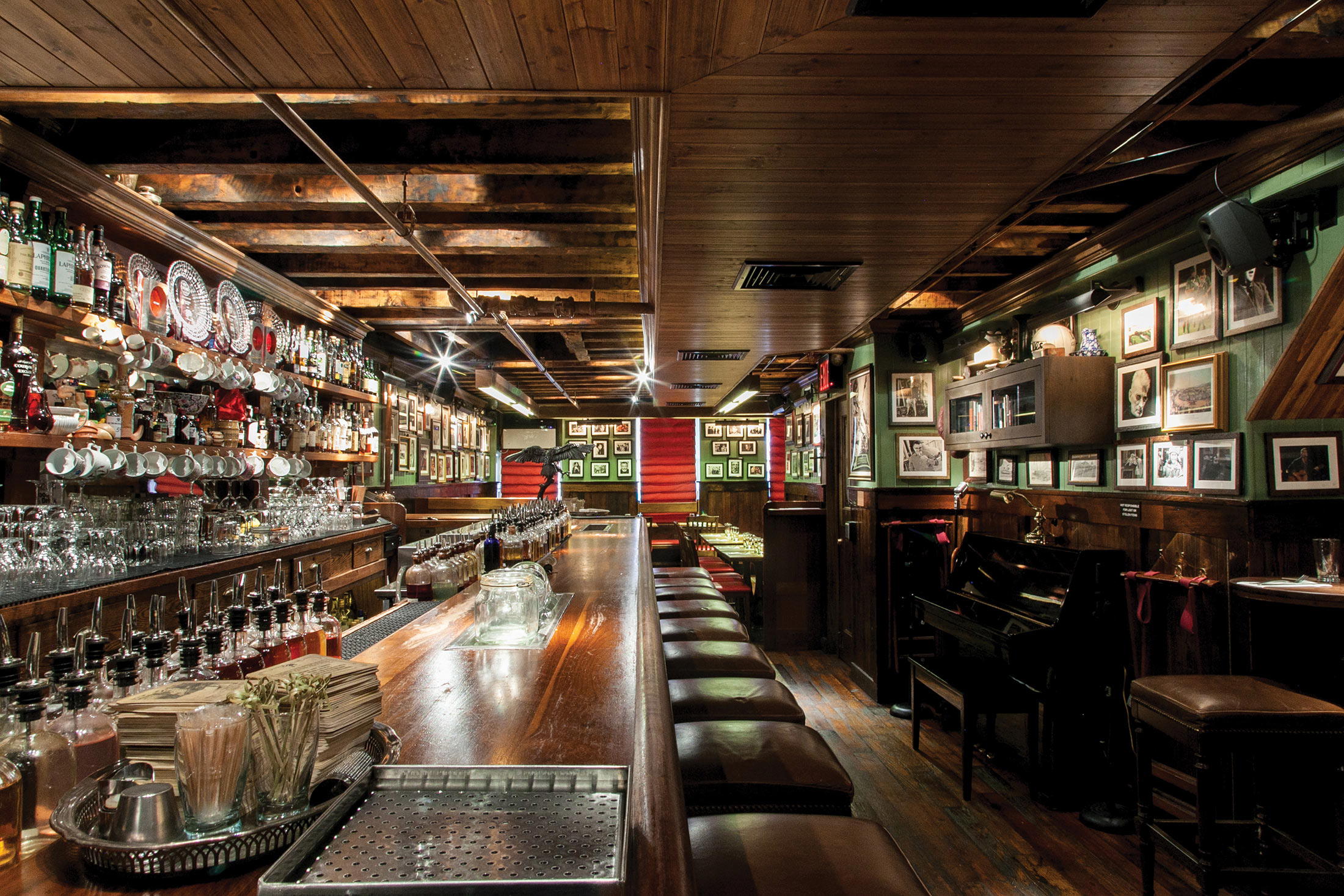
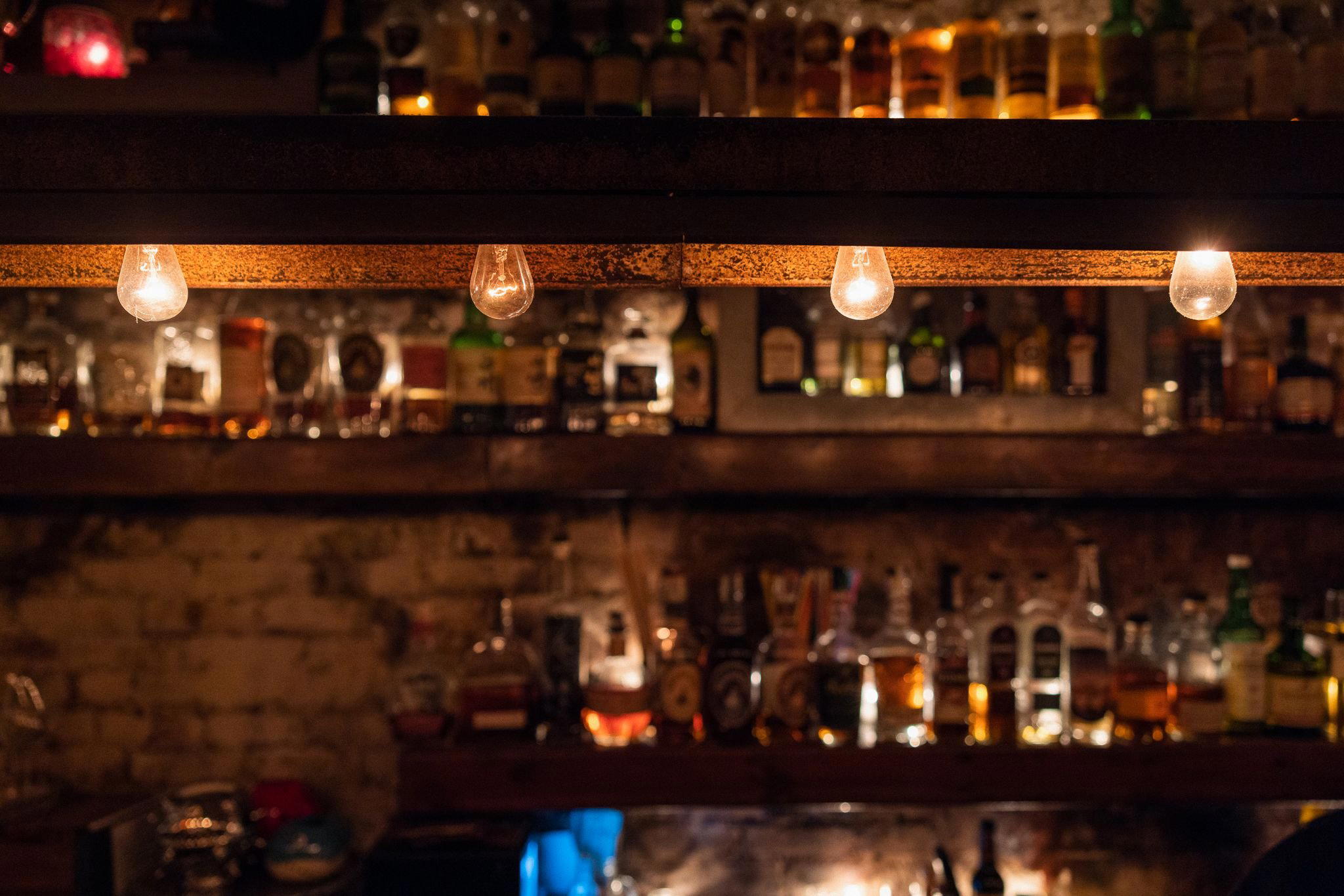
Details
- Trendy
- Lively
- Modern
- Whimsical
- Casual Hangout
- Date Night
- Open Kitchen
- Sake Program
- A La Carte
- Small Plates
- Sake
- Japanese Beers
- Vegan Options
Current opening hours
- Monday
- 5:30–9 PM
- Tuesday
- 5:30–9 PM
- Wednesday
- 5:30–9 PM
- Thursday
- 5:30–9 PM
- Friday
- 5:30–10 PM
- Saturday
- 12–4 PM, 5–10 PM
- Sunday
- 12–4 PM, 5–9 PM
Hours can change for holidays and private events. Hours as of .
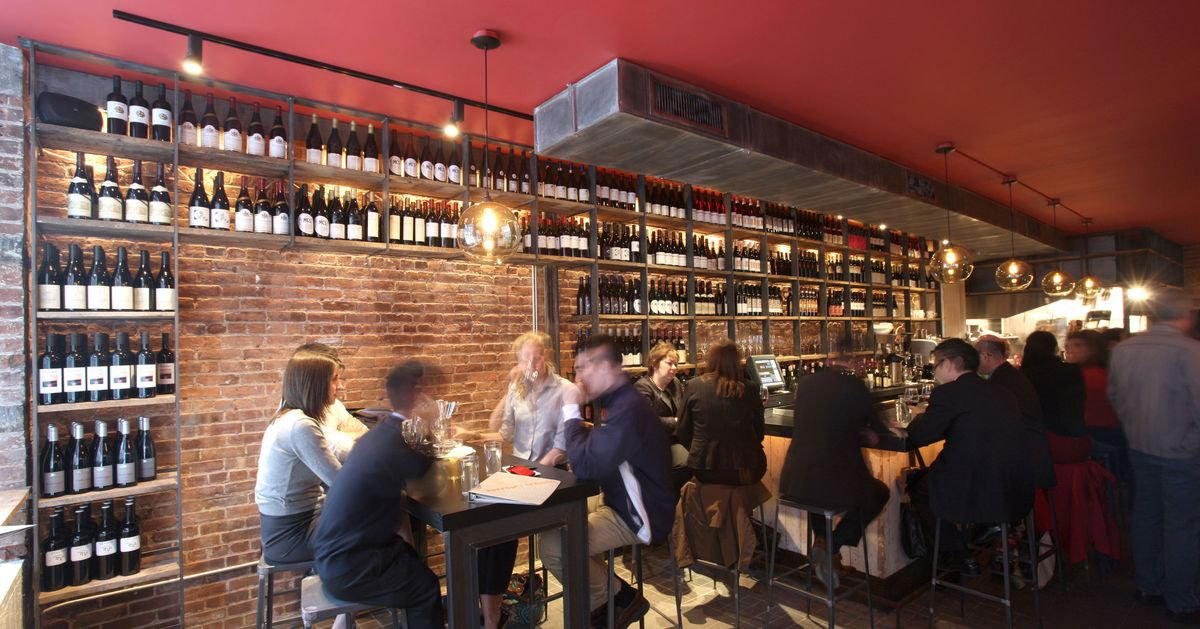
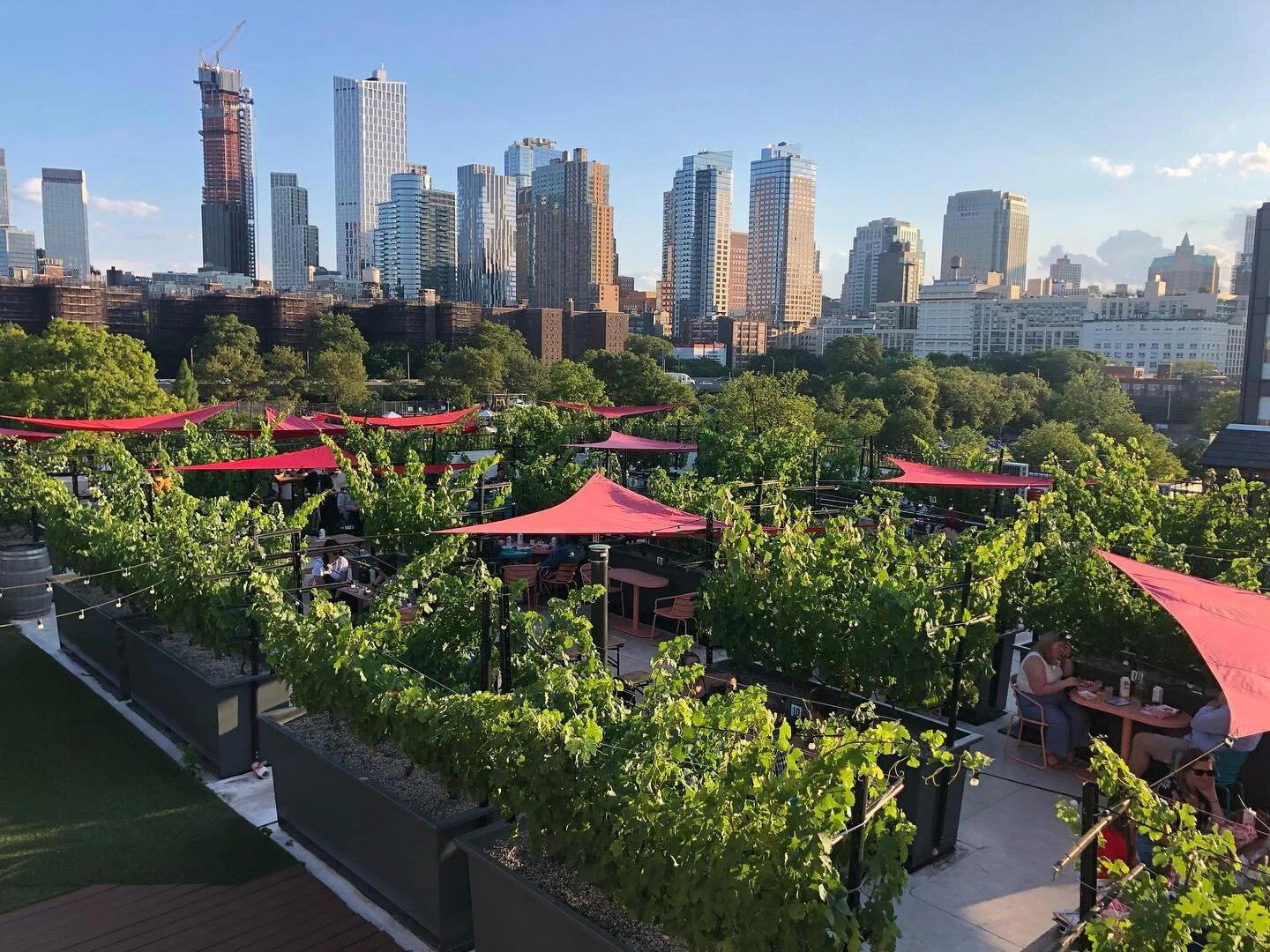
Hip and funky with bustling energy, ACDC playing, menus on oversized LPs, spirited and whimsical atmosphere reflecting Brooklyn's unorthodox vibe.