
Tabelog 100 #45
Our verdict
Kyoto’s wagashi culture rewards small formats, seasonal discipline and purchase-by-piece clarity rather than restaurant theatrics. Kameya Mutsu belongs to that older grammar: a take-out Japanese sweets shop near Kyoto Station, selected for Tabelog’s 2023 Japanese traditional sweets and sweets café WEST 100, with a sub-¥1,000 spend profile that keeps the decision practical rather than ceremonial.

Pearl is the En Primeur Club membership app, where members save venues, book tables and use the concierge.
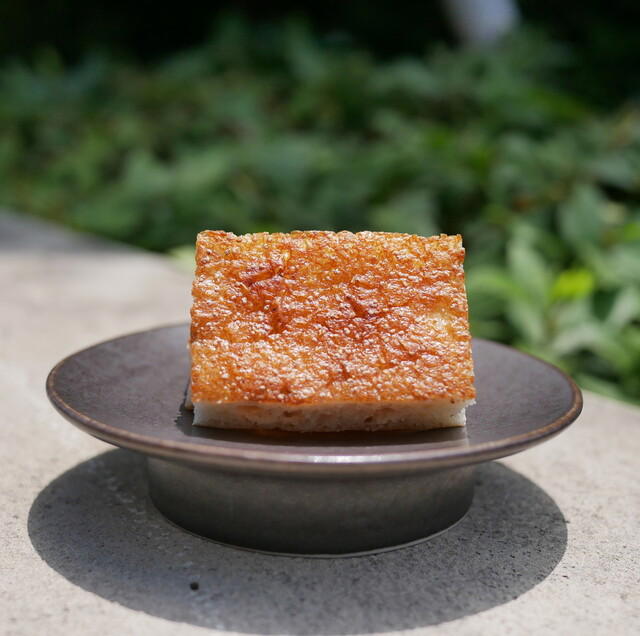
Approaching a Kyoto sweets shop is quieter than entering a restaurant. The cues are modest: careful selection, seasonal display and the expectation that sweets may be bought for the moment, for gifting or for later. In Kyoto, Japanese confectionery is not only dessert but a seasonal language tied to tea, gifting and travel days. Kameya Mutsu sits inside that tradition as a specialist in Japanese traditional sweets, so the experience is about selection, timing and the small architecture of sweets made with Kyoto in mind.
Kyoto sweet shops often show seriousness through format. Some lean toward sit-down service, some toward tea pairing, and some stay close to the merchant counter, where the transaction is brief but the craft is dense. Kameya Mutsu belongs to that broader world of Japanese traditional sweets. Its Tabelog Hyakumeiten recognition in 2023 places it in a regional field of careful counters and specialist sweets shops. In a city of refined dining rooms, this is the other Kyoto: compact, low-spend, specific, and rooted in daily food culture rather than destination dining.
A wagashi format built around choice, not courses
The menu logic of a sweets counter is not restaurant logic. There is no starter-to-main progression, tasting-menu cadence or sommelier-led arc. The structure is modular: individual sweets chosen by appetite, season, gifting need or onward plan. That makes Kyoto confectionery useful for travelers. A sweet can close a walk, accompany tea later, or become a compact edible souvenir without shaping an afternoon around a reservation.
Kameya Mutsu’s category, Japanese traditional sweets, places it in Kyoto’s deep confectionery vocabulary. Specific items change by shop and season, so read the counter structurally rather than item by item. Notice how it separates everyday purchase from occasion purchase, and how Kyoto sweets often favor restraint over the sugar-forward profile of many Western pastries. The craft is in proportion, texture and symbolism, not excess.
That also explains why a low spend profile does not make the shop casual in the usual sense. Serious sweets can sit below restaurant prices because the unit is small. Judge value by precision and cultural weight, not plate size. A visit listed in the under-¥1,000 range can carry more Kyoto specificity than a generic café stop, especially in a city where convenience can sometimes flatten food choices.
Kyoto's practical food culture has more range than quick dining suggests
Kyoto is often treated through the lens of reservations and formal meals, but its food map is layered. Quick meals, hotel restaurants, sweets counters and polished regional formats serve travelers with one open hour between plans. That pressure creates a useful ecology: some venues compress local identity into portable or compact form, while others offer full seated meals for visitors with more time. Kameya Mutsu fits the first kind of role, making it a counterpoint to meals that demand more time or appetite.
Within Kyoto, this sweets format sits apart from lunch- or dinner-focused venues. A traveler comparing options might use other Kyoto dining rooms, counters, cafés or traditional restaurants for different parts of the eating day. The question is not which venue replaces another, but which format suits the hour. Japanese traditional sweets work when appetite is small, luggage is involved, or the day needs a Kyoto-specific purchase rather than another seated course.
The competitive set matters because Kyoto excels at micro-specialization. Focused counters, full-service dining rooms and sweets shops can all be serious while serving different needs. Comparison venues such as MERCY Vegan Factory KYOTO STATION, Kyōto Hyōto Kyōto Ekimae Honten, Kaidashi Men Kitada, L'aparté and Ginjo Ramen Kubota show how Kyoto options can split between speed, comfort, budget and full-meal intent. Kameya Mutsu’s narrower advantage is recognized Japanese traditional sweets with a light commitment.
How to place it in a Kyoto itinerary
The strongest use case is not as a substitute for lunch or dinner. It is a precision stop before or after another plan, after a morning route, or for sweets to pair with tea later. Kyoto rewards this pacing. Its food culture is not only formal dining and difficult reservations; it is also buying one carefully made thing at the right moment. For broader planning, use the surrounding guides by format: Our full Kyoto restaurants guide for meals, Our full Kyoto hotels guide for where to base, Our full Kyoto bars guide for after dark, Our full Kyoto wineries guide for wine-focused planning, and Our full Kyoto experiences guide for culture beyond the table.
For travelers tracing Japanese food across regions, the lesson extends beyond Kyoto. Portable, low-cost formats can carry serious local identity, whether the object is a sweet or another single-subject purchase. Compare that logic generically with tightly focused food stops in other cities, from small counters to specialist sweets shops and compact casual formats. The common thread is not cuisine type but editorial usefulness: tightly defined formats often tell a traveler more than a broad menu trying to please everyone.
The verdict is simple: Kameya Mutsu is for readers who understand that Kyoto’s food intelligence often appears in small units. Its 2023 Tabelog Hyakumeiten recognition gives a clear trust signal, while the low listed spend keeps commitment light. Use it as a Japanese traditional sweets stop, not a restaurant booking, and it makes sense on Kyoto’s own terms.
Frequently asked questions
Is Kameya Mutsu more mid-range or high-end?
Pricing at Kameya Mutsu is listed as - JPY 999 - JPY 999 View spending breakdown.
What are Kameya Mutsu's hours?
Current hours for Kameya Mutsu are not specified here; check directly before visiting.
Where is Kameya Mutsu in Kyoto?
Kyoto.
What is Kameya Mutsu known for?
Kameya Mutsu is known for Japanese traditional sweets in Kyoto.
Same-City Peers
Comparable venues in the metro at similar price points.
| Venue | Cuisine | Price | Awards | Notes |
|---|---|---|---|---|
| Kameya MutsuThis venue (the venue you are viewing) | Traditional Kyoto wagashi (Japanese confectionery) | $10–20 | Tabelog 100 #45 | Not listed |
| MERCY Vegan Factory KYOTO STATION | Vegan Japanese | $30–50 | Not listed | Not listed |
| Kyōto Hyōto Kyōto Ekimae Honten | Kyoto-Style Dashi Shabu-Shabu | $50–100 | Tabelog 100 #81 | Not listed |
| Kaidashi Men Kitada | Shellfish Ramen | $10–20 | Tabelog 100 #5 | JPY 999 - JPY 999 |
| L'aparté | Modern French with Japanese Ingredients | $100–150 | Michelin Plate | French |
| Ginjo Ramen Kubota | Miso Tsukemen & Ramen Shop | $10–20 | Tabelog 100 #10 | JPY 1,000 - JPY 1,999 JPY 1,000 - JPY 1,999 |
Recognition history
Dated appearances from independent guides and award organizations, with the underlying list record or original source where available.
Tabelog 100 #45 · No. 45
Tabelog · Tabelog 100 - Japanese traditional sweets / Japanese sweets cafe - WEST - 2023
Continue exploring
More in Kyoto
Restaurants in Kyoto
All restaurants in Kyoto →


Bars in Kyoto
All bars in Kyoto →

Hotels in Kyoto
All hotels in Kyoto →
Wineries in Kyoto
Browse all →
Details
- Classic
- Quiet
- Cozy
- Solo
- Family
- Casual Hangout
- After Work
- Historic Building
- Standalone
- Local Sourcing
- A La Carte
- Counter Dining
Current opening hours
- Monday
- 8:30 AM–5 PM
- Tuesday
- 8:30 AM–5 PM
- Wednesday
- Closed
- Thursday
- 8:30 AM–5 PM
- Friday
- 8:30 AM–5 PM
- Saturday
- 8:30 AM–5 PM
- Sunday
- 8:30 AM–5 PM
Hours can change for holidays and private events. Last verified .
A traditional Japanese confectionery atmosphere with a small, calm shop interior, classic showcases of neatly arranged sweets, and a serene, old-established feel befitting a centuries‑old wagashi house.