
Kamakiri Udon brings Fukuoka’s casual noodle culture into sharper focus: udon by day, izakaya-adjacent drinking by night, with sake and shochu part of the rhythm. Its Tabelog 100 Udon WEST 2024 selection and compact counter-led room place it in the city’s serious everyday-dining tier rather than the ceremonial tasting-menu bracket.
Pearl is the En Primeur Club membership app — saves, bookings, and concierge access live there. Same editors, same standards.
- Address
- F,Corazón, 1 Chome-7-8 Daimyo, Chuo Ward, Fukuoka, 810-0041, Japan
- Phone
- +81 92-726-6163
- Website
- instagram.com
 Saves & bookings on Pearl
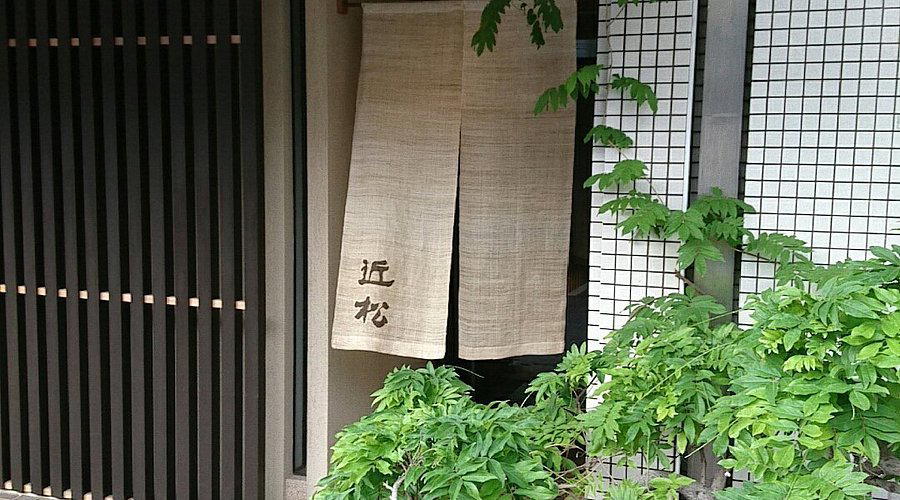
Daimyo’s side streets shift quickly from retail glare to compact dining rooms, and the udon shops that matter in Fukuoka rarely announce themselves with ceremony. The appeal is in compression: a small room, counter seating, quick turnover, and a menu architecture built around wheat noodles rather than a chef’s autobiographical performance. Kamakiri Udon belongs to that Fukuoka category where lunch, early dinner, and a casual drink can occupy the same address without changing the grammar of the meal.
Fukuoka is often reduced to ramen in visitor shorthand, but udon has an older and softer claim on the city’s everyday appetite. Hakata-style udon is generally associated with a gentler noodle than the Sanuki template, and that difference matters. The city’s noodle culture is less about snap and more about comfort, speed, and broth-led familiarity. Kamakiri Udon’s recognition in Tabelog 100 Udon WEST 2024 gives it a useful signal: this is not a luxury room pretending to be humble, but an inexpensive noodle counter operating at a level noticed within western Japan’s udon field.
Udon first, izakaya second, with a menu built for repeat eating
The menu structure tells the story more clearly than any origin myth could. Udon is the anchor, while the izakaya category and drinks list widen the occasion without turning the place into a full drinking den. Sake and shochu sit naturally beside wheat noodles here, which places the restaurant in a Fukuoka pattern that visitors can miss if they only chase reservation-only counters: casual rooms with enough range for a quick bowl, a friend catch-up, or a low-key evening meal.
That architecture is a useful corrective to the city’s higher-spend dining map. In the same Fukuoka orbit, Akasaka Komikan and Oryori Uchiyama operate in far more expensive brackets, while Sabatarou and Daikoro Youha / Tonkatsu Youha sit in different spending and category lanes. Kamakiri Udon’s JPY 1,000 to JPY 1,999 range keeps the decision lighter, closer to everyday urban eating than destination dining. The comparison is not about prestige; it is about how Fukuoka lets serious food exist at multiple speeds.
The Tabelog 100 Udon WEST 2024 selection also helps separate this address from generic noodle convenience. Tabelog’s Hyakumeiten lists are built around category-specific recognition, and an udon selection carries a different meaning from a general restaurant accolade. It points to consistency inside a narrow craft rather than breadth across a long menu. For travellers, that is the useful filter: choose it for udon and the supporting izakaya format, not for a multi-course performance.
A compact Daimyo room rather than a formal dining stage
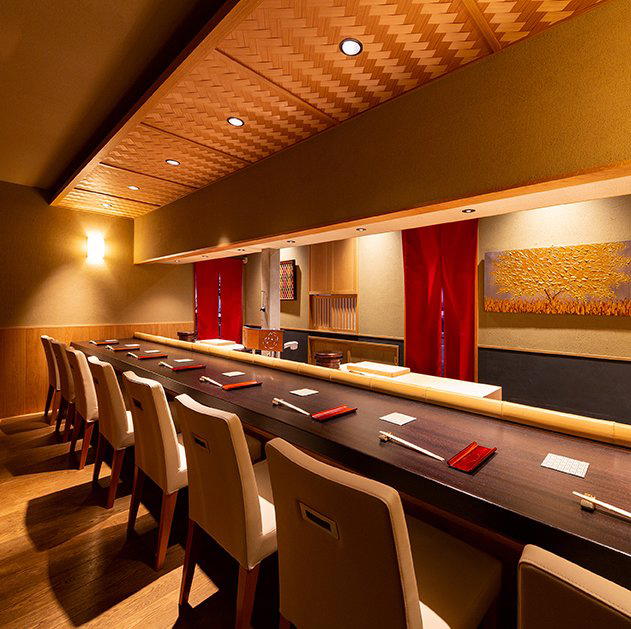
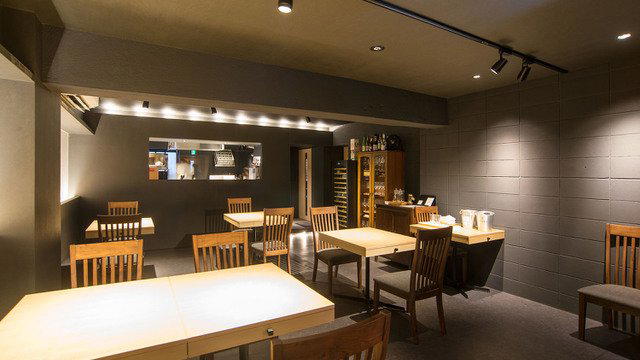
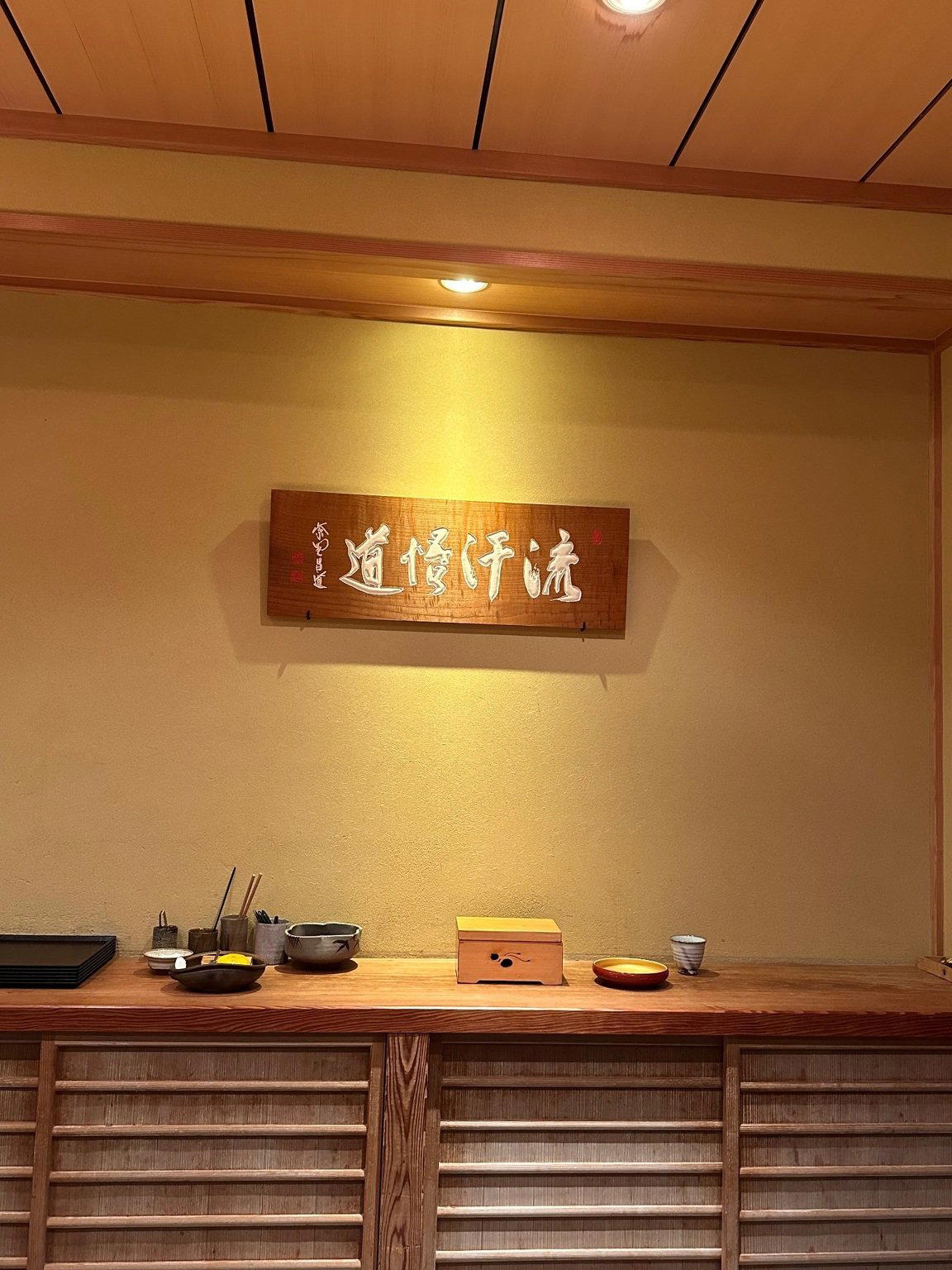
The room is small enough that the experience reads as urban and practical. Counter seating changes the pace: orders move through the room visibly, solo diners do not feel like an exception, and the meal can stay brief without feeling rushed. With 18 seats, the format rewards flexibility more than elaborate planning. That matters in Daimyo, where restaurant-hopping, shopping, and drinking often overlap within a few blocks.
Atmosphere also explains why the restaurant works across the day. A non-smoking room and casual friend-oriented occasion profile make it easier to fold into a Fukuoka itinerary than a place that demands a long reservation ritual. Reservations are unavailable, so the better editorial read is to treat it as a timing play: aim outside the densest lunch and dinner moments if the schedule allows, and keep a backup nearby rather than building an evening around a single bowl.
For broader Fukuoka planning, the useful move is to pair this kind of low-cost, high-specificity noodle stop with a more ambitious dinner elsewhere. Our full Fukuoka restaurants guide maps that wider spread, from casual specialists to higher-spend rooms. Nearby category contrasts help clarify the city’s range: 106 South Indian Fukuoka tenjin ten, Afterglow, Aji Dokoro Taro Gen Sougyou ten, Aji Furai Shokudo Kaba, and Aji no Katsueda all point to different versions of everyday seriousness in the city.
How to place it in a Fukuoka itinerary
The restaurant makes greatest sense as a precision stop rather than the centrepiece of a trip. The address sits in Daimyo, within the Chuo Ward dining belt, and the access pattern is simple for visitors using Akasaka or the Kego-machi bus stop area. The opening span runs from late morning through evening, with last order before closing, which gives travellers more flexibility than lunch-only specialists. Payment also suits modern Japan travel habits, with credit cards, electronic money, and major QR options accepted.
The larger lesson is that Fukuoka dining does not need to escalate in price to become interesting. A bowl-focused meal at this level can carry as much local information as a formal counter: how the city eats between appointments, how casual drinking attaches itself to noodles, and how compact rooms shape the tempo of a meal. For hotels, bars, wineries, and cultural planning around the same city, see our full Fukuoka hotels guide, our full Fukuoka bars guide, our full Fukuoka wineries guide, and our full Fukuoka experiences guide.
Travellers building a wider Japan eating route can use Fukuoka’s noodle culture as a counterpoint to regional specialism elsewhere: -Grilled beef Sukiyaki- KAMAKURA TANUKIAN 鎌倉 たぬき庵 in Kamakura. 鮪と炭火焼き うお炭 秋葉原店 in Tokyo.cafe in Osaka.know in Kumamoto, (Shoku) Vietnam in Kawasaki, and [Curry Senmon Ten] Maruyama Kyoju. in Sapporo show how tightly local context shapes modest formats. Outside Japan, Jōdo Saké Bar in Los Angeles and Onigiri Time in Pasadena offer a diaspora contrast, where Japanese categories are translated for different dining habits.
Same-City Peers
Comparable venues for orientation by cuisine and category.
| Venue | Cuisine | Price | Notes |
|---|---|---|---|
| Kamakiri UdonThis venue — the venue you are viewing | Casual Udon Noodle Bar | $ | Not listed |
| Karo No Uron | Traditional Hakata udon | $ | Hakata |
| LAS VEGAS | Japanese Izakaya | $ | Chūō |
| Umeyama Teppei Shokudo Honten | Casual Japanese fish set-meal canteen | $ | Chūō |
| Udon Taira | Traditional Hakata Udon | $ | Hakata |
| Teuchi Soba Yabukin | Handmade Soba (Japanese Buckwheat Noodles) | $$ | Chūō |
Recognition history
Dated appearances from independent guides and award organizations, with the underlying list record or original source where available.
Tabelog 100 #26 · No. 26
Tabelog · Tabelog 100 - Udon - WEST - 2024
At a Glance
- Solo
- Casual Hangout
- After Work
- Late Night
- Standalone
Current opening hours
- Monday
- 11:30 AM–9 PM
- Tuesday
- 11:30 AM–9 PM
- Wednesday
- 11:30 AM–9 PM
- Thursday
- 11:30 AM–9 PM
- Friday
- 11:30 AM–9 PM
- Saturday
- 11:30 AM–9 PM
- Sunday
- 11:30 AM–9 PM
Hours can change for holidays and private events. Last verified .
Relaxed, functional noodle-shop atmosphere focused on quick, satisfying meals rather than elaborate decor, with a busy flow at peak lunch and dinner times.