
Umeyama Teppei Shokudo Honten belongs to Fukuoka’s practical, fish-led set-meal culture rather than the city’s expensive tasting-menu circuit. The Watanabedori address, 25-seat format, Tabelog 100 Diner 2026 selection, and JPY 1,000–1,999 price band make it a useful counterpoint to Fukuoka’s higher-spend restaurants.
Pearl is the En Primeur Club membership app — saves, bookings, and concierge access live there. Same editors, same standards.
- Address
- 福岡県福岡市中央区渡辺通3-6-1
- Phone
- +81927152344
- Website
- umeyamateppei.com
 Saves & bookings on Pearl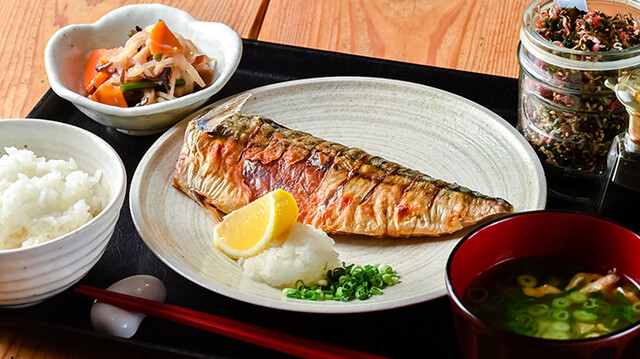
Watanabedori gives Fukuoka dining a different rhythm from the polished rooms around hotel lobbies and late-night counters near Nakasu. The appeal is civic rather than theatrical: office workers, families, solo diners at counters, and visitors who have worked out that the city’s seafood culture is not confined to omakase or celebratory kaiseki. In that setting, Umeyama Teppei Shokudo Honten reads as part of the everyday Fukuoka table: compact, fish-focused, and built around the grammar of shokudo eating.
The shokudo form matters. Japan’s diner tradition is not casual because it lacks discipline; it is casual because the discipline is applied to speed, balance, and value. Rice, miso soup, seafood, small plates, and drinks from sake to shochu sit within a format that can serve lunch, early dinner, and family meals without asking diners to surrender an evening. Fukuoka, with its port identity and appetite for unfussy specialist cooking, gives that format particular force.
A fish-led shokudo in a city that often rewards specialization
Fukuoka’s restaurant conversation can skew toward ramen, yatai, motsunabe, and high-spend counters, but its quieter strength is the middle band: places where a narrow focus is executed with enough consistency to become part of local routine. The listed categories here are cafeteria, kaisen-don, and Japanese cuisine, with a stated emphasis on fish and health-minded menus. That combination places the restaurant closer to daily dining than performance dining, even though its recognition now puts it on a wider map.
The useful comparison is not with French-leaning rooms or beef specialists, but with the city’s range of price and format. Kuwaman and F ridge sit in a JPY 10,000–14,999 bracket, Yama Basque in a JPY 5,000–5,999 bracket, and AKAMIYACOWSI reaches higher dinner pricing with a lower lunch band. Against that spread, Umeyama Teppei Shokudo Honten occupies a leaner lane, where the value proposition is built into the set-meal idiom rather than added through ceremony.
Tabelog’s Diner “Tabelog 100” selection for 2026 gives that lane a measurable signal. The restaurant also appears with prior selections in 2024 and 2021, which matters because shokudo recognition is less about novelty than repeat reliability. In a city with many specialists competing for attention, repeated selection suggests a format that has held local relevance rather than chased a single trend cycle.
The room favors turnover, solo dining, and low-friction meals
The physical scale shapes the experience as much as the food category. The dining room has 25 seats, split between 9 counter seats and 16 table seats, a mix that suits solo diners, pairs, and small family groups without turning the meal into a reservation-driven production. Counter seating is especially important in a shokudo context: it lets the meal remain functional, immediate, and legible to visitors who do not want a multi-course commitment.
The family signals are also unusually concrete for this category. Children are welcome across age groups, strollers are accepted, and a children’s set is listed at 300 yen for smaller diners who cannot finish a full meal. That detail tells experienced travelers more than a vague claim about hospitality would. It marks the place as part of everyday neighborhood infrastructure, not simply a destination restaurant wearing casual clothes.
English menu availability changes the equation for non-Japanese readers. Fukuoka’s value restaurants can be difficult to parse without language confidence, especially when seafood, set meals, and daily choices are involved. A multilingual menu lowers the friction while preserving the local format. Take-out service adds another practical layer, particularly for travelers staying nearby or moving between Tenjin, Watanabedori, and hotel-heavy parts of Chuo-ku.
How to place it in a Fukuoka itinerary
This is the kind of address that works when a trip needs one grounded meal between bigger restaurant commitments. Fukuoka rewards appetite planning: a bowl at lunch, a bar later, a higher-spend counter on another night. For a wider read on the city’s dining range, start with Our full Fukuoka restaurants guide, then use nearby contrasts such as 106 South Indian Fukuoka tenjin ten, Afterglow, Aji Dokoro Taro Gen Sougyou ten, Aji Furai Shokudo Kaba, and Aji no Katsueda to understand how broad the city’s casual and specialist registers can be.
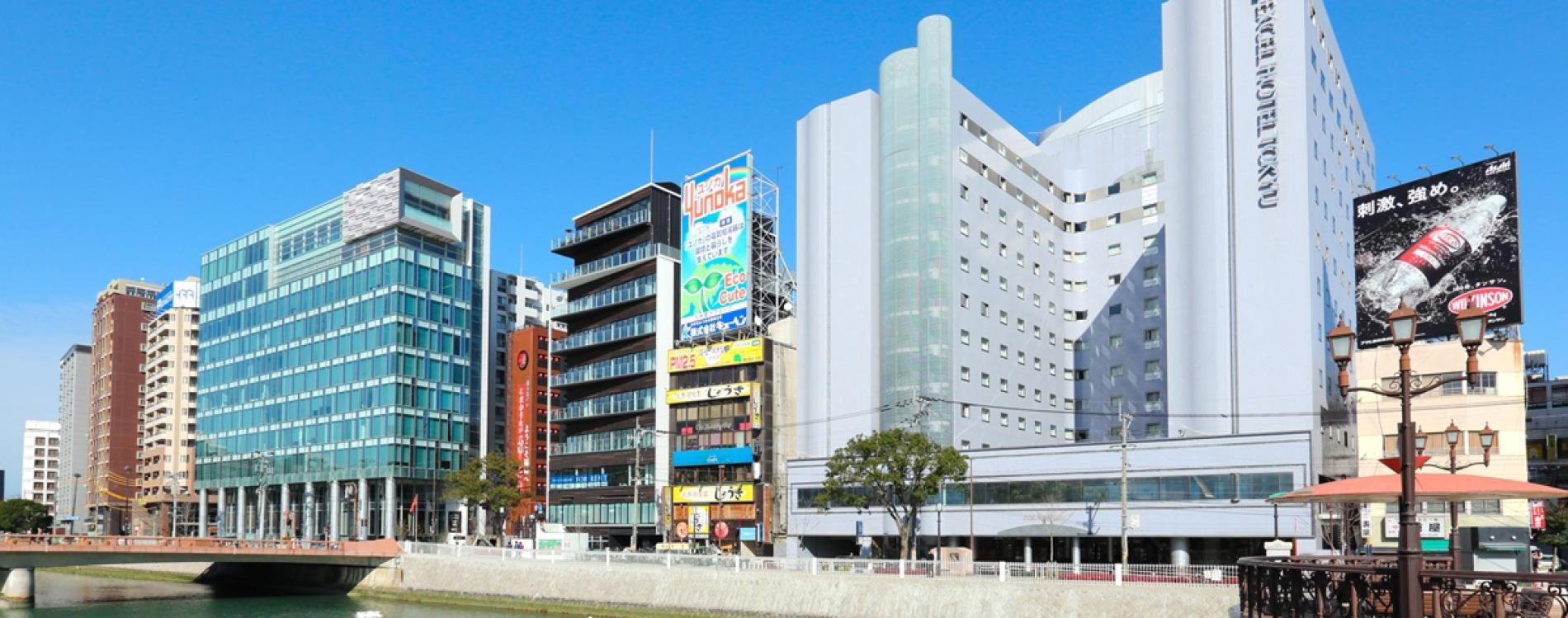
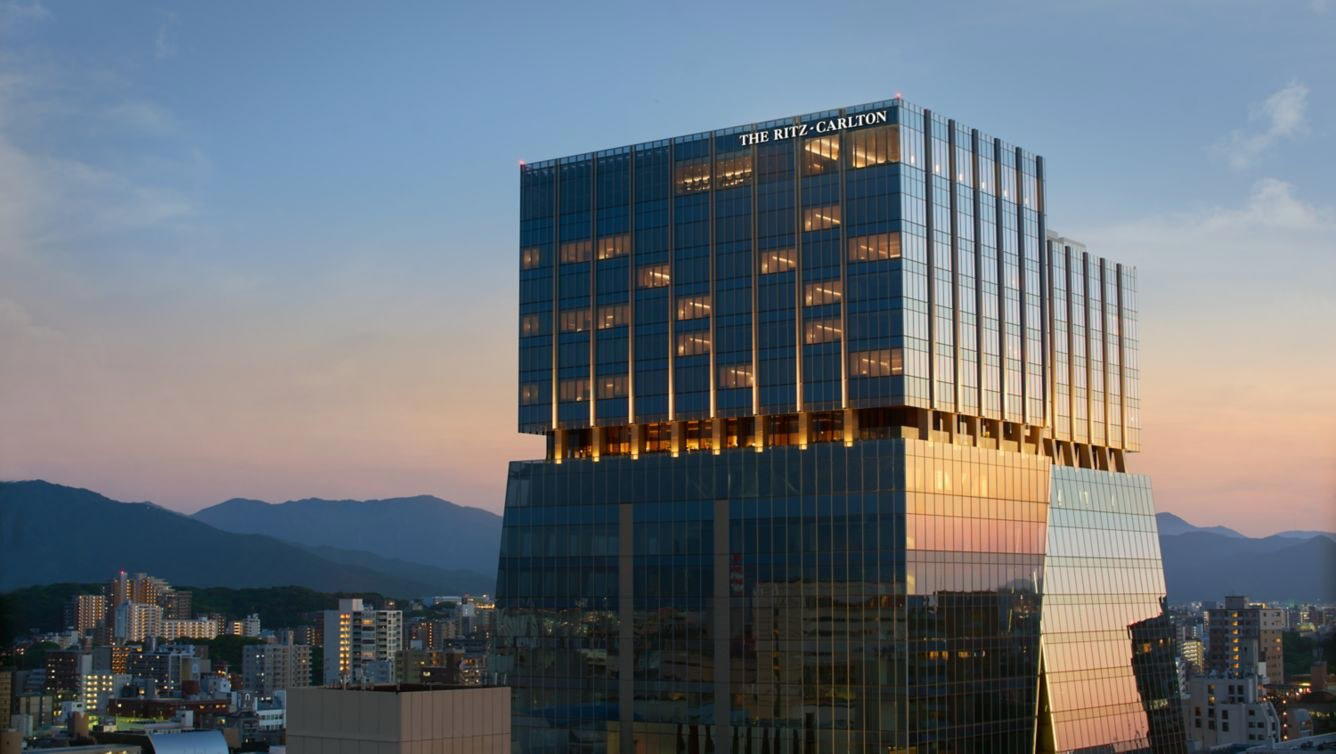
The neighborhood context also helps with trip design. Watanabedori sits within easy reach of Tenjin’s commercial core, which makes this a practical meal before a hotel check-in, after shopping, or between daytime plans and evening drinking. Travelers building a fuller stay can pair restaurant planning with Our full Fukuoka hotels guide, Our full Fukuoka bars guide, Our full Fukuoka wineries guide, and Our full Fukuoka experiences guide.
For readers comparing Japanese casual dining beyond Kyushu, the useful point is format rather than sameness. A set-meal seafood shokudo in Fukuoka has a different logic from -Grilled beef Sukiyaki- KAMAKURA TANUKIAN 鎌倉 たぬき庵 in Kamakura. 鮪と炭火焼き うお炭 秋葉原店 in Tokyo.cafe in Osaka.know in Kumamoto, (Shoku) Vietnam in Kawasaki, and [Curry Senmon Ten] Maruyama Kyoju. in Sapporo. Abroad, Jōdo Saké Bar in Los Angeles and Onigiri Time in Pasadena show how Japanese drinking and snack formats translate outside Japan; Fukuoka’s shokudo culture remains more integrated into daily urban life.
The editorial case is simple: Umeyama Teppei Shokudo Honten is valuable because it explains a side of Fukuoka that luxury dining often misses. It is not asking to be treated as a trophy table. It is a recognized, fish-led diner in a city where the serious meal can be quick, affordable, and deeply local in structure.
Cuisine Lens
Comparable venues for orientation by cuisine and category.
| Venue | Cuisine | Price | Notes |
|---|---|---|---|
| Umeyama Teppei Shokudo HontenThis venue — the venue you are viewing | Casual Japanese fish set-meal canteen | $ | Not listed |
| Bomber Kitchen Yakuin honten | Japanese-style Western set meals (yoshoku) | $ | Chūō |
| Hakata Gion Tetsu Nabe | Hakata izakaya & iron-pan gyoza | $ | Hakata |
| Afterglow | Curry & Cafe | $ | Chūō |
| Aji Furai Shokudo Kaba | Japanese fried mackerel shokudo | $ | Jōnan |
| Kiharu no Gomasaba ya | Mackerel-focused Japanese Izakaya | $$ | Chūō |
Recognition history
Dated appearances from independent guides and award organizations, with the underlying list record or original source where available.
Tabelog 100 #32 · No. 32
Tabelog · Tabelog 100 - Diner - 2026
At a Glance
- Lively
- Cozy
- Classic
- Solo
- Family
- Casual Hangout
- After Work
- Group Dining
- Standalone
- Local Sourcing
- Sustainable Seafood
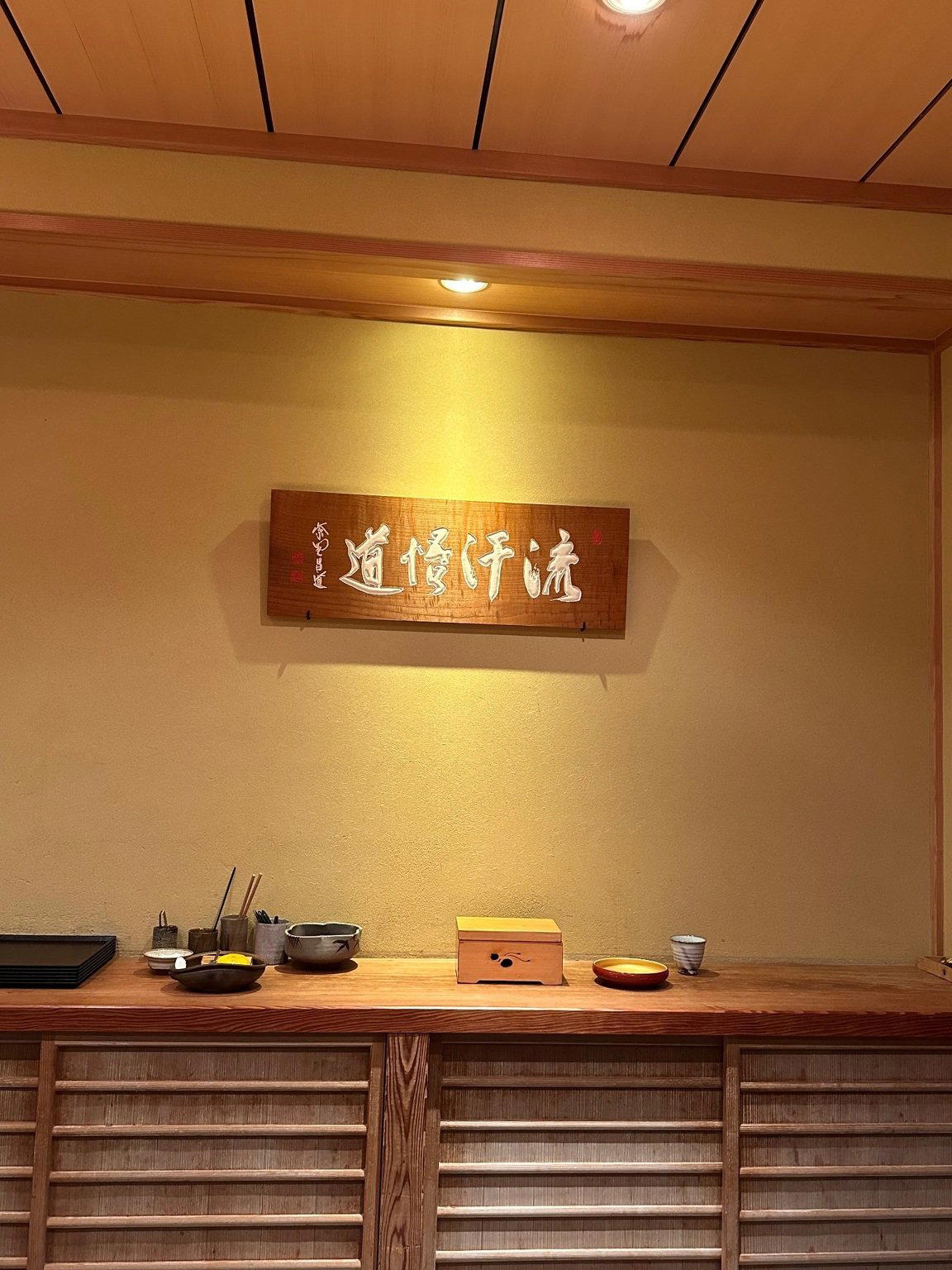
Bright, canteen-style dining room down an alley near Watanabe-dori Station, with a small mix of counter and table seating, a bustling atmosphere at peak times, and a homely everyday feel focused on enjoying fresh fish set meals.