Michelin Plate
Our verdict
A Filipino-Irish kitchen operating out of a basement below Stephen's Green Shopping Centre, Kaldero is easy to walk past and harder to forget. The menu is built for sharing, the open kitchen generates considerable energy, and the cooking draws on Filipino technique and Irish-sourced ingredients. The 'Dynamite Lumpia' alone justifies the detour down King Street South.

Pearl is the En Primeur Club membership app, where members save venues, book tables and use the concierge.
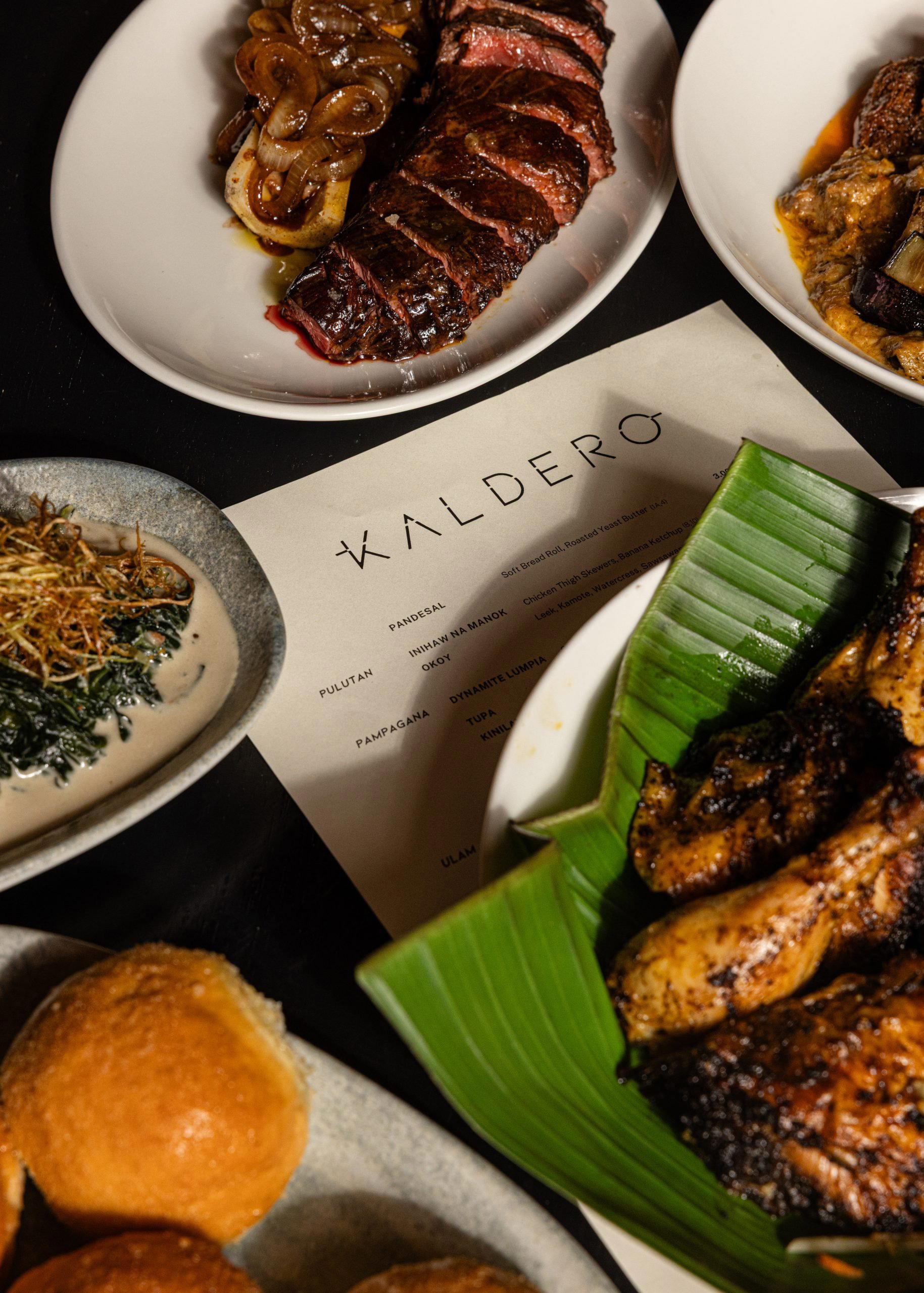
A Basement Worth Finding on King Street South
Dublin's dining conversation tends to orbit Michelin-decorated rooms: the formal French architecture of Patrick Guilbaud, the ingredient-driven precision of Bastible, the ambitious modern menus at Chapter One by Mickael Viljanen. What that conversation can miss is the city's smaller, harder-to-categorise rooms where a different kind of cooking is taking hold. Kaldero sits in that bracket: a Filipino-Irish kitchen tucked into a basement below the Stephen's Green Shopping Centre on King Street South, its entrance discrete enough that most pedestrians walk straight past it.
That obscurity is, in part, structural. Shopping centre dining carries an unfair stigma in European cities, and a basement entrance compounds it. But Filipino cooking in the Irish context is also a relatively recent entrant to Dublin's restaurant scene, arriving later than Korean, Japanese, and Vietnamese cuisines that have already established footholds. What Kaldero represents is the leading edge of that arrival: a kitchen where Filipino technique meets Irish-sourced produce, producing food that doesn't sit neatly in any existing category on the city's map.
Where the Ingredients Come From, and Why That Shapes the Plate
The editorial angle of ingredient sourcing matters more than usual here because Filipino cooking depends on a specific logic of sourcing: fermented condiments, native vinegars, particular cuts of pork, aromatics that define regional dishes. Transposing that logic to an Irish context means making decisions at the level of the larder, not just the recipe. The Filipino-Irish chef at Kaldero operates within that tension, drawing on what Ireland produces well while maintaining the flavour architecture of the source cuisine.
Ireland's strength as a food-producing country lies in its grassland-reared meat, its coastal catch, and its dairy. Filipino cooking's strength lies in fermentation, contrast, and fat-rendered depth. Where those two traditions intersect is genuinely interesting territory. A dish like 'Dynamite Lumpia', chillis stuffed with pork mince and deep-fried, works because the structural logic is Filipino but the pork carries the quality of an island where livestock farming is taken seriously. The result is not fusion in the diluted, mid-2000s sense but something closer to a native-ingredient reinterpretation of a precise culinary tradition.
This is a pattern worth tracking across the Irish restaurant scene more broadly. At dede in Baltimore, Turkish technique meets West Cork produce with similar discipline. At Aniar in Galway, a Michelin-starred kitchen has built its entire identity on the forager's logic of Irish terroir. The question these kitchens collectively raise is whether Irish ingredients are a platform or a constraint, and whether global culinary traditions can retain their integrity when the larder changes. Kaldero's answer, based on the cooking that earns it editorial attention, is yes, provided the sourcing decisions are made with enough specificity.
The Room: Open Kitchen Energy in a Basement Setting
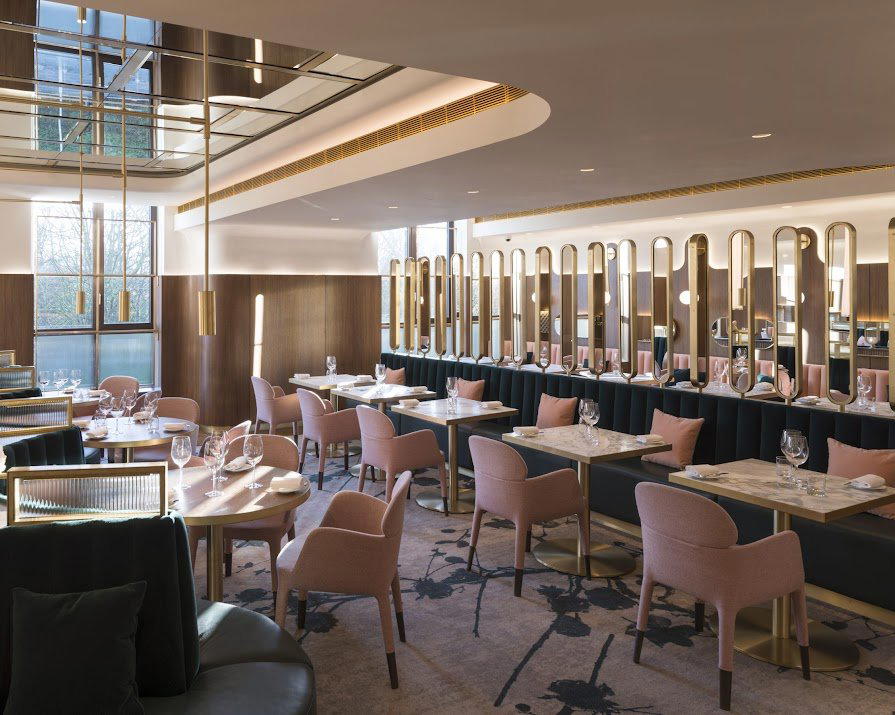
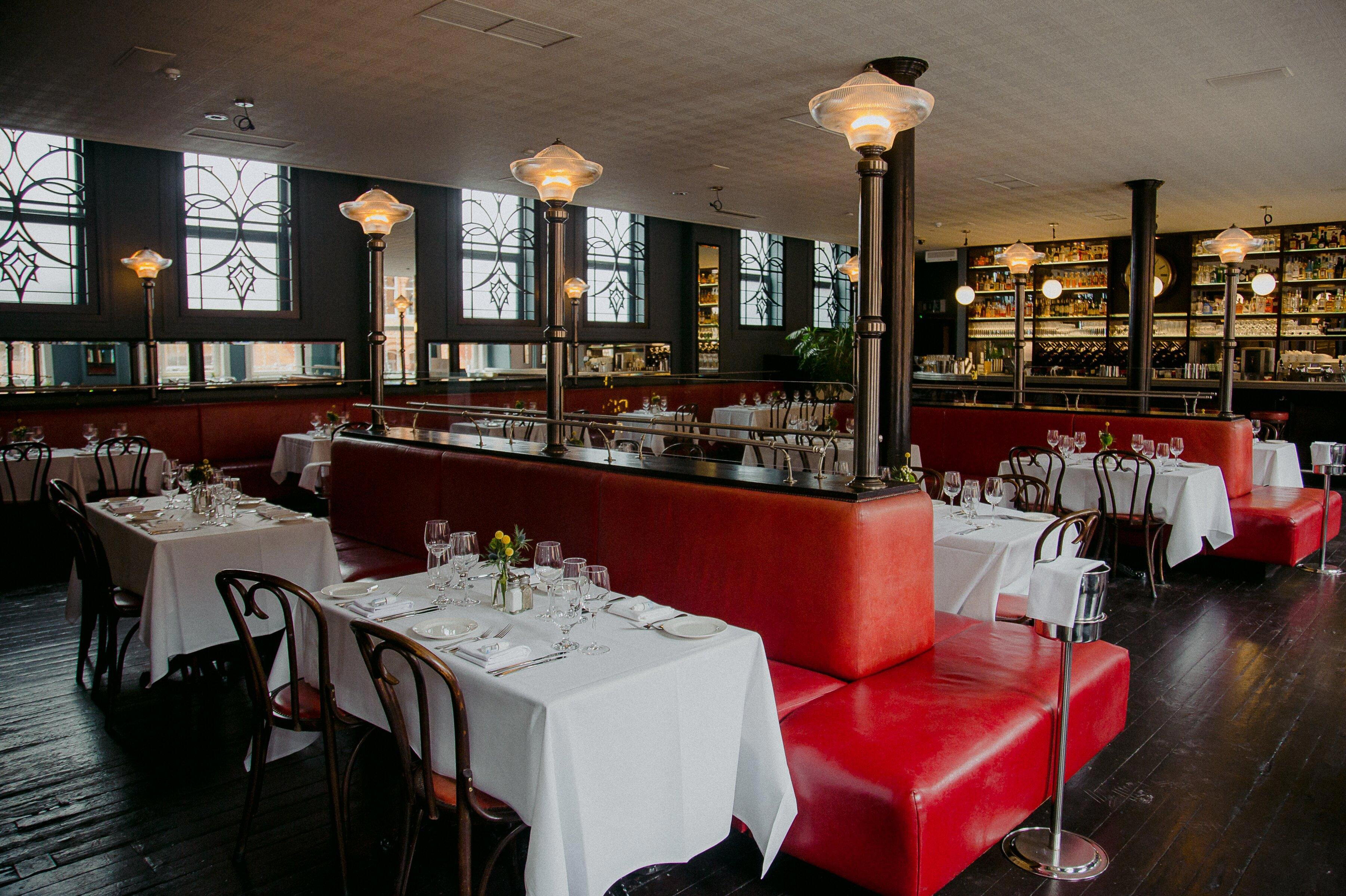
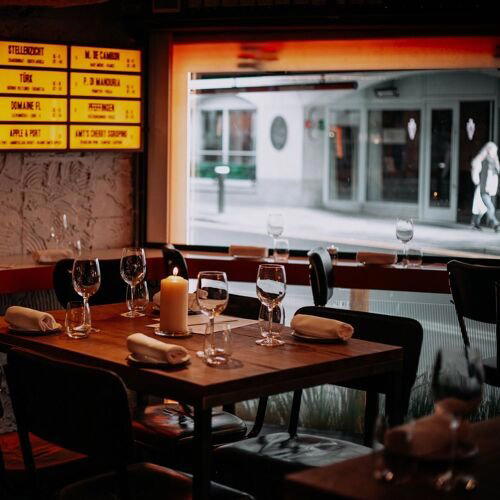
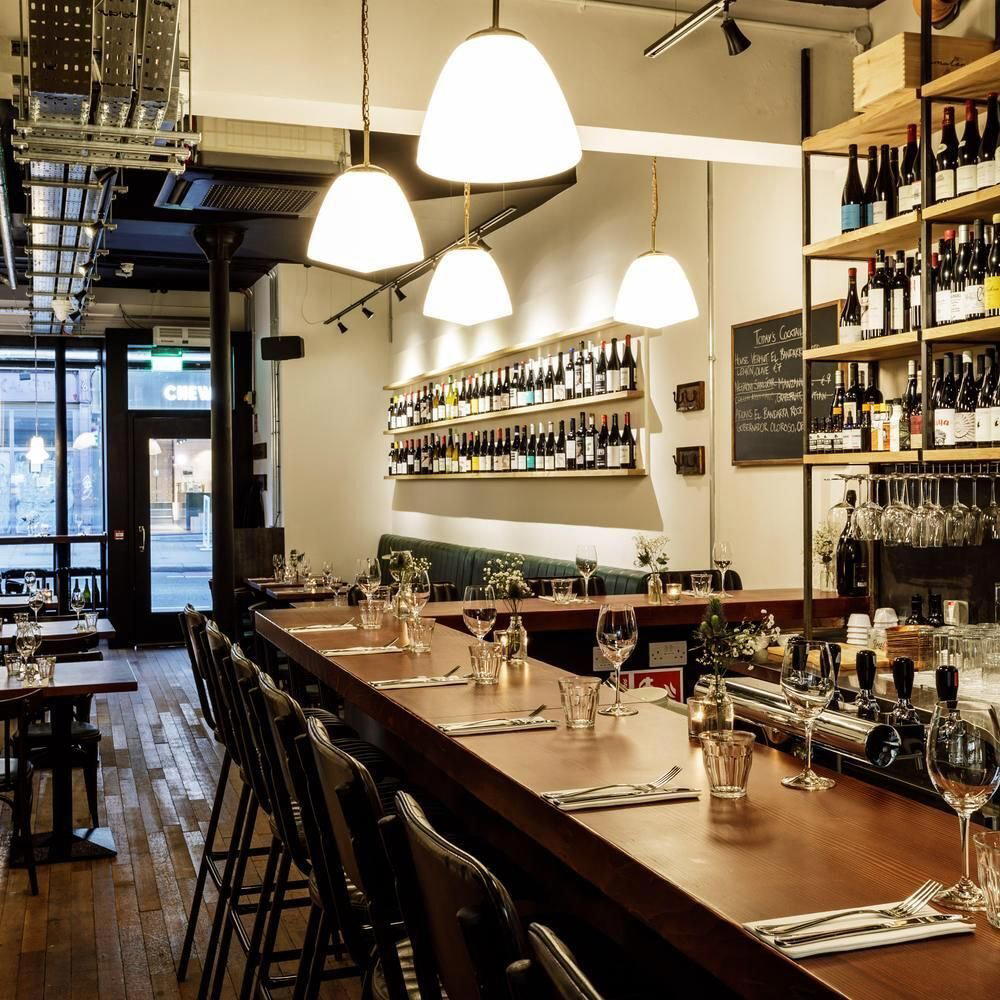
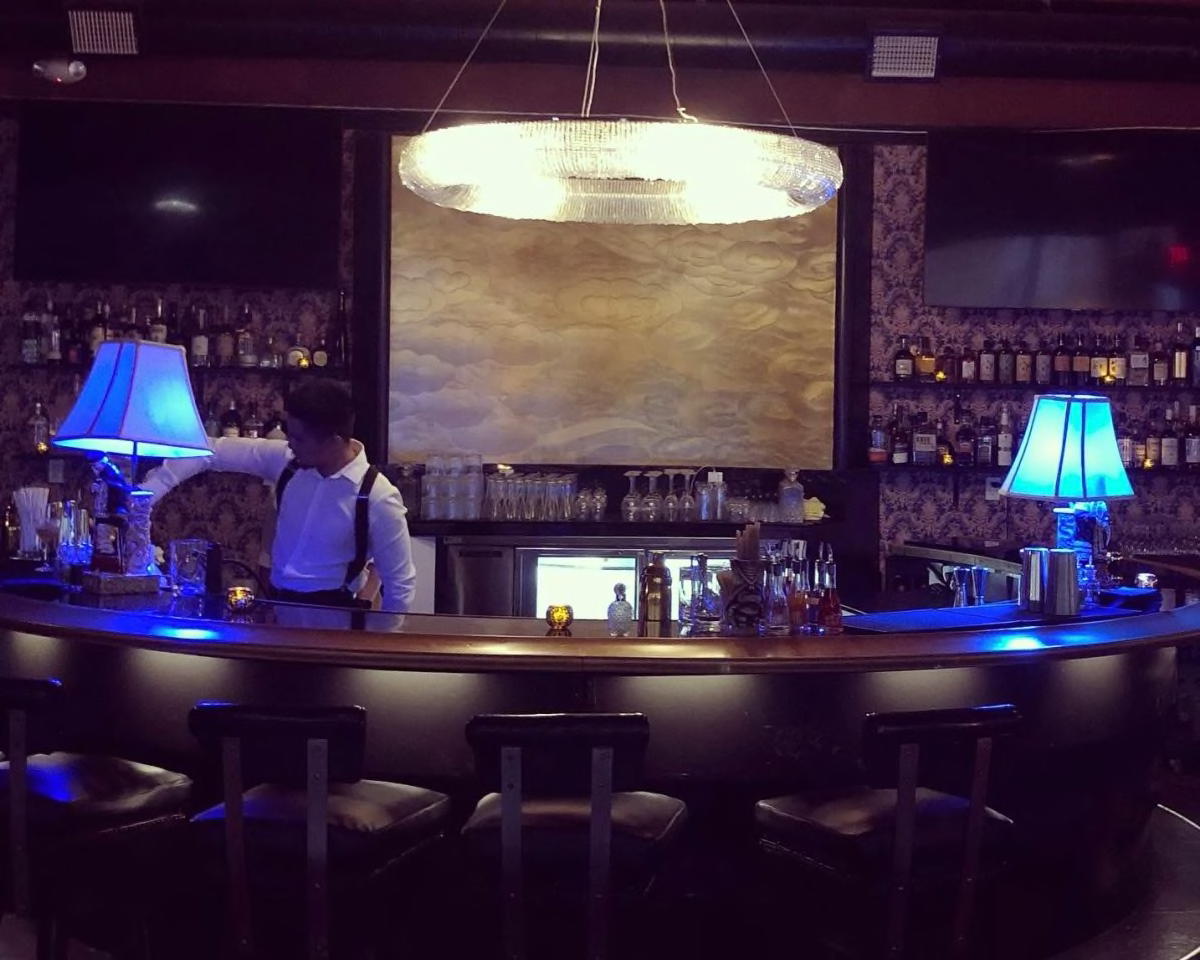
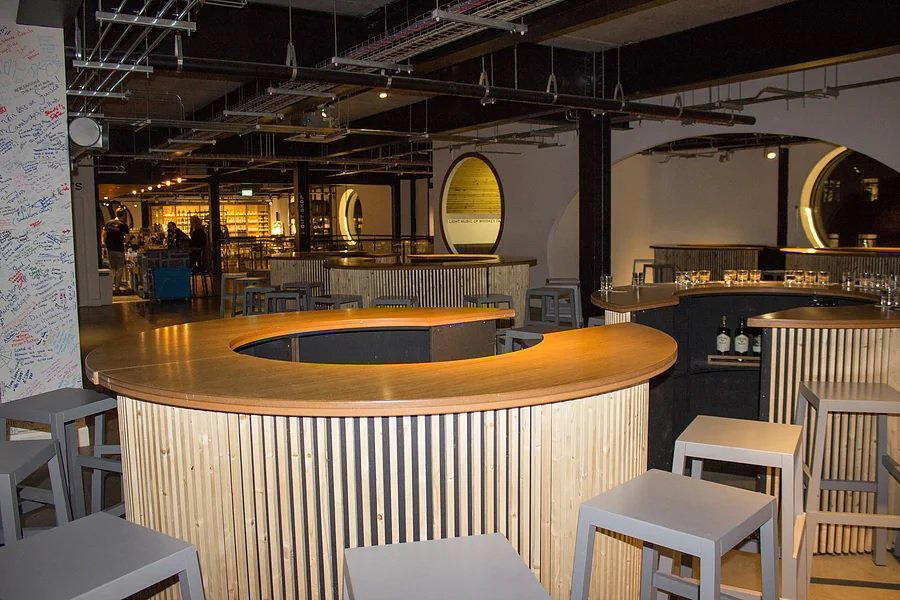
The physical environment at Kaldero is defined less by design than by the proximity of its kitchen. The leading seats in the basement are positioned near the open kitchen, where the activity of the chefs registers as a kind of ambient energy, the room pulling warmth from the cooking rather than from any particular aesthetic intervention. That dynamic is common to counter-dining formats in Tokyo and New York, where the kitchen is the room's primary theatre, but it's less typical in Dublin, where restaurant design still leans toward separation between front and back of house.
The atmosphere described by those who cover Kaldero is warm rather than formal, which places it in a different register from the more ceremonial dining rooms at Glovers Alley or D'Olier Street. That's not a compromise. Dublin's dining culture has historically favoured a certain conviviality, and Kaldero's basement operates in that tradition, amplified by a menu designed for sharing and a kitchen that makes its presence felt across the room.
The Menu Format and What It Asks of the Table
Sharing menus are now a standard format across casual-to-mid-range dining in most European cities, but the format carries different implications depending on the cuisine. In Filipino cooking, the tradition of shared eating, called kamayan at its most communal, is structurally built into the food itself. Dishes are sized and seasoned to sit alongside several others, flavours calibrated for contrast across a spread rather than for solo, sequential consumption. A table ordering widely at Kaldero gets closer to the internal logic of the cuisine than a table ordering narrowly.
The 'Dynamite Lumpia' is the dish most frequently cited in coverage of Kaldero: chillis stuffed with pork mince, the kind of punchy, fat-rich preparation that anchors a sharing table and sets the flavour register for everything around it. It also illustrates the kitchen's approach to sourcing: a deep-fried format that demands quality pork to carry rather than mask the chilli heat. The broader menu follows a similar logic of big, clear flavours built on ingredient quality rather than elaborate technique for its own sake.
This positions Kaldero within a tier of Dublin dining that values directness: less architectural than the tasting-menu rooms, more specific than the casual Filipino-adjacent cooking that exists elsewhere in the city. It occupies a middle ground that Dublin's restaurant scene is still expanding into, as international culinary traditions arrive with enough representation and confidence to stop adapting themselves into familiarity.
Dublin's Expanding Reference Points
The international frame is relevant here. Filipino restaurants operating at a serious level, where the cuisine is treated as a sophisticated and evolving tradition rather than comfort food, remain rare outside major Filipino diaspora cities. In New York, kitchens like Atomix have demonstrated what happens when Korean cooking receives that level of critical attention and investment. The question for Filipino cooking in European cities is whether similar recognition follows. Kaldero's positioning, earning editorial attention in a city where Filipino food has little established competition, suggests it may be ahead of that curve.
Within Ireland, the restaurant scene has generated serious credibility at the fine dining level, from the Michelin-starred rooms of Dublin to destination kitchens like Liath in Blackrock, Terre in Castlemartyr, Bastion in Kinsale, Campagne in Kilkenny, Chestnut in Ballydehob, Homestead Cottage in Doolin, House in Ardmore, and Lady Helen in Thomastown. That credibility gives non-Irish cuisines operating on Irish soil a stronger platform than might exist in markets where local restaurant culture is less developed. A kitchen that can hold its own in that environment is making a meaningful statement about the maturity of its cooking.
For the full picture of where Kaldero sits within Dublin's broader restaurant ecology, see our full Dublin restaurants guide.
Know Before You Go
- Address: Unit 4B, Stephen's Green Shopping Centre, King Street South, Dublin 2
- Entrance: Basement level; look for the discrete entrance on King Street South, easy to miss from the pavement
- Format: Sharing menu, leading approached with three or more diners
- Standout dish: Dynamite Lumpia (chillis stuffed with pork mince)
- Seating: Seats near the open kitchen offer the most atmosphere
Frequently asked questions
Can I bring kids to Kaldero?
The sharing-plate format at Kaldero is well-suited to families who are comfortable ordering across the table together. The basement room has an informal, open-kitchen energy rather than a hushed dining-room atmosphere, which tends to work in favour of younger guests. That said, some dishes, notably the chilli-forward Dynamite Lumpia, carry serious heat, so check the menu for tolerance levels before ordering.
What kind of setting is Kaldero?
Kaldero occupies a basement space beneath the Stephen's Green Shopping Centre on King Street South, Dublin 2, with a discreet street entrance that requires a degree of intention to find. The room's character is shaped primarily by its open kitchen: seating near the pass puts you close to the cooking action and the ambient energy of the team. It reads as casual and communal rather than formal.
Is Kaldero Michelin-listed?
Kaldero has received recognition including: Keep your eye out for this Filipino restaurant’s discrete entrance as you walk down King St South, because to miss its warm atmosphere and flavour-packed cooking would be a crying shame. Situated in a welcoming basement, its best seats are ….
What's the signature dish at Kaldero?
The Dynamite Lumpia, chillies stuffed with pork mince, is the dish most consistently flagged as representative of the kitchen's approach: direct, punchy, and grounded in Filipino technique. The broader menu is designed for sharing, so a single signature somewhat misrepresents how the cooking is meant to be experienced; the point is volume and variety across the table.
Where is Kaldero in Dublin?
Kaldero is located at Unit 4B, Stephen’s Green Shopping Centre, King Street South, Dublin 2, Dublin.
Comparable Venues
Comparable venues nearby, for context on price, style, and recognition.
| Venue | Cuisine | Price | Awards | Notes |
|---|---|---|---|---|
| KalderoThis venue (the venue you are viewing) | Irish-Filipino | $30–50 | Michelin Plate | Not listed |
| Arepas Grill | Authentic Venezuelan Arepas | $20–30 | Not listed | Saint Kevin'S |
| Forêt | French Bistro | $50–100 | Michelin Plate · The Sunday Times Ireland’s 100 Best Restaurants | Pembroke West C |
| BORGO | Contemporary Italian Osteria | $50–100 | Michelin Plate | Arran Quay A |
| Hana Izakaya | Japanese Izakaya | $30–50 | Not listed | North City |
| Gigi | Authentic Italian with Homemade Pasta | Not listed | Not listed | Rathmines East A |
Recognition history
Dated appearances from independent guides and award organizations, with the underlying list record or original source where available.
Michelin Plate
Michelin