Kaiten Sushi Ginza Onodera
Our verdict
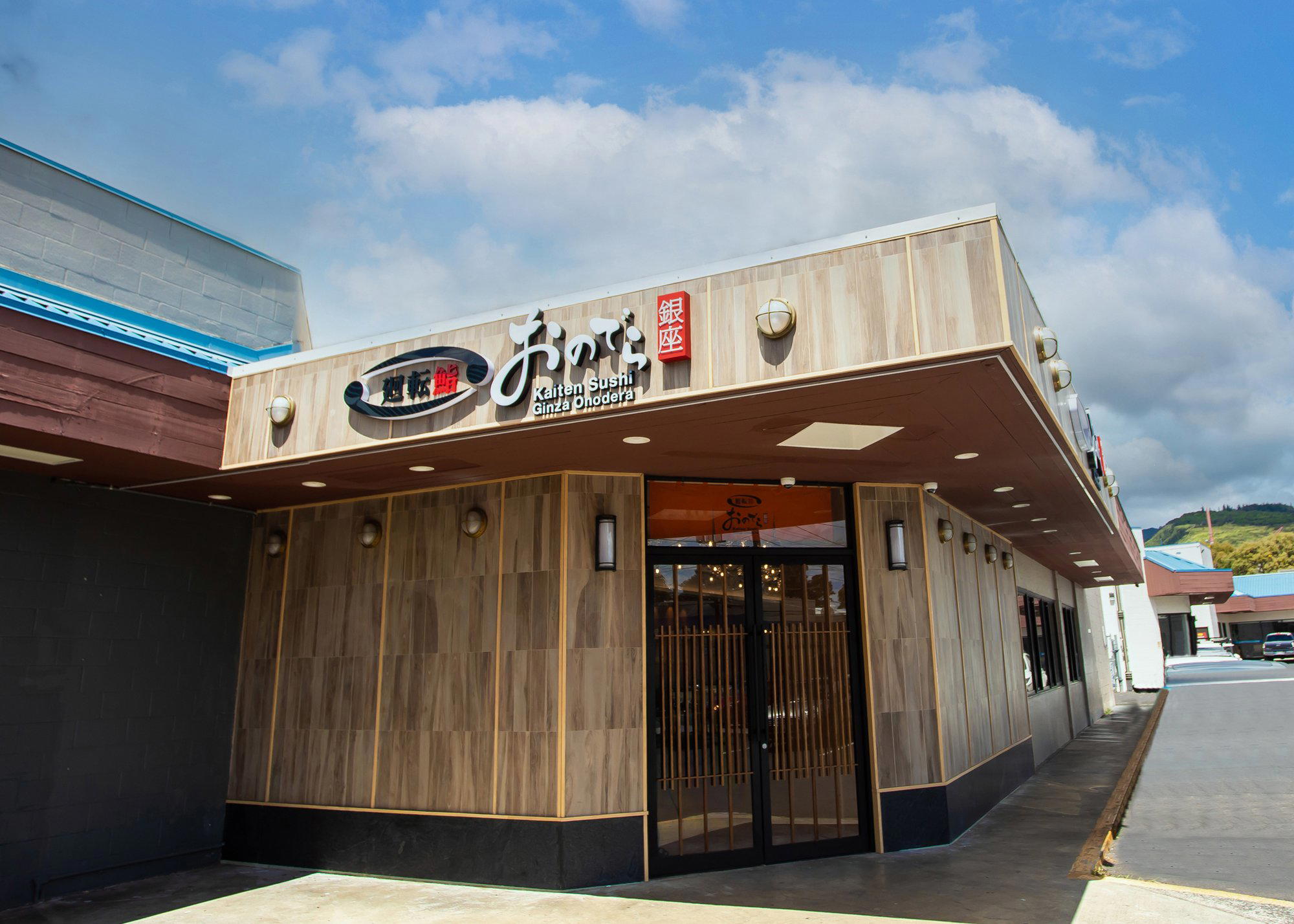
Kaiten Sushi Ginza Onodera brings the conveyor-belt sushi format of Tokyo's Ginza district to Honolulu's Moiliili neighborhood at 2700 S King Street. The concept traces its lineage to the Ginza Onodera group, which operates across multiple cities, and delivers accessible Japanese sushi in a format built around speed, variety, and rotating selection rather than omakase ceremony.

Pearl is the En Primeur Club membership app — saves, bookings, and concierge access live there. Same editors, same standards.
- Address
- 2700 S King St, Honolulu, HI 96826
- Phone
- (808) 691-9020
- Hours
- Daily 11 AM–10 PM
- Website
- sushionodera.com
- Directions
- Get directions
- Booking
- Book on OpenTable
The menu
What to order
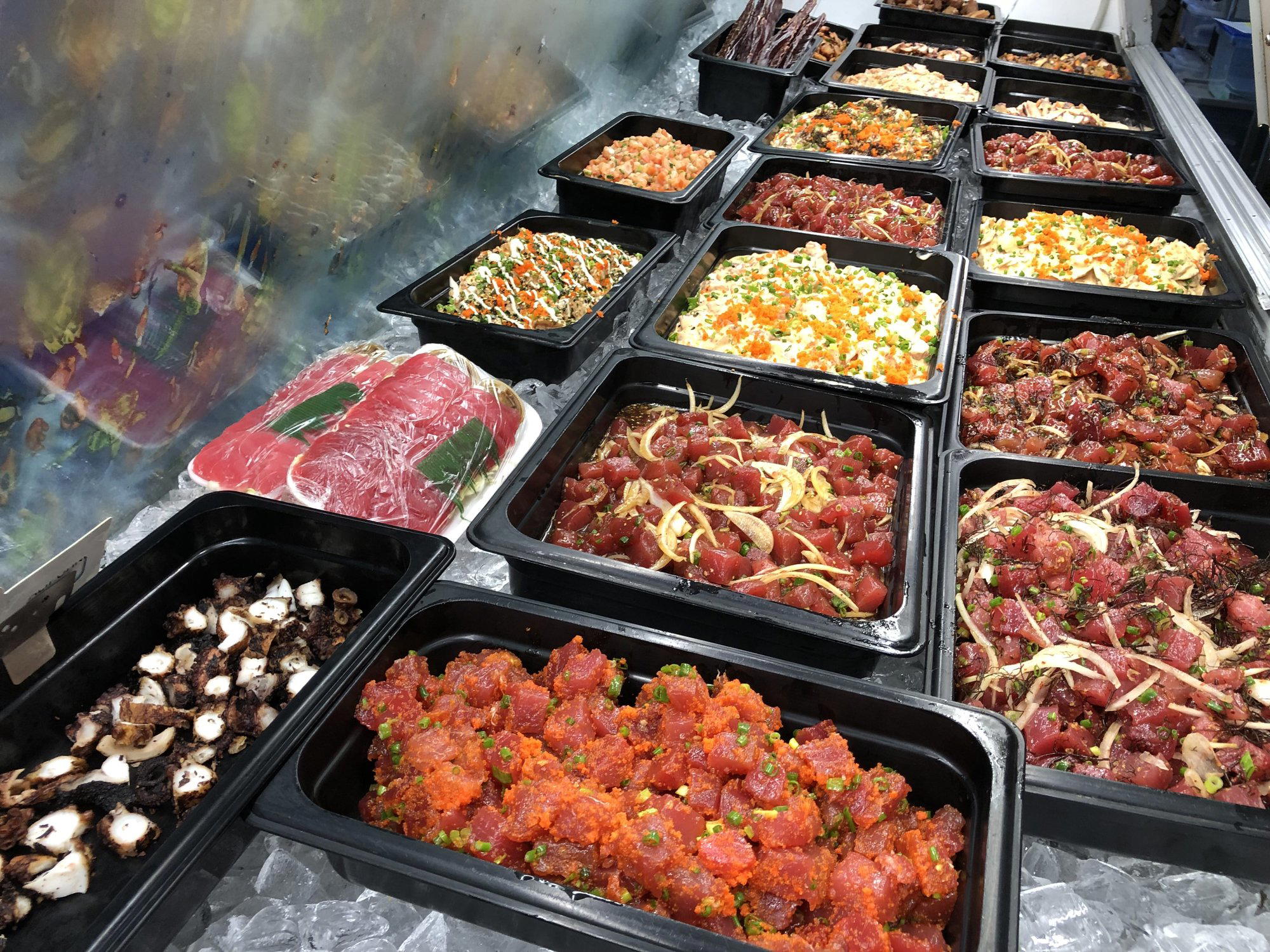
- Akami nigiri
- Chutoro nigiri
- Otoro nigiri
- Mixed bluefin tuna hand roll
Where the Conveyor Belt Meets the Pacific
Kaiten sushi, the rotating-belt format that democratized sushi dining across Japan in the latter half of the twentieth century, has traveled far from its Osaka origins. In Honolulu, a city where Japanese culinary tradition runs deep, the format sits within a dining culture shaped by generations of Japanese-American immigration, plantation-era food history, and a contemporary restaurant scene that ranges from izakayas in Chinatown to fine-dining rooms overlooking Diamond Head. Kaiten Sushi Ginza Onodera, located at 2700 S King Street in the Moiliili district, occupies a specific tier within that range: accessible, high-turnover, and tied to a Tokyo-origin brand identity that carries weight with both Japanese visitors and locals familiar with the Ginza Onodera name.
The Moiliili neighborhood, situated between the University of Hawaii at Manoa campus and the edge of Kapiolani Boulevard, has long functioned as one of Honolulu's more practical dining corridors. It lacks the tourist density of Waikiki and the waterfront drama of Ala Moana, but it holds some of the city's most consistent everyday Japanese and Korean restaurants. A kaiten concept fits the rhythm of the area: affordable enough for student budgets, efficient enough for working lunches, and recognizable enough to draw visitors who know the Ginza Onodera brand from Tokyo or Los Angeles.
The Kaiten Format and What It Means for the Team
The kaiten model places unusual demands on the team behind the counter. Unlike omakase formats, where a single chef controls the narrative of the meal and the front-of-house operates in a slower, more ceremonial register, conveyor-belt service requires coordination across multiple roles simultaneously. The kitchen must maintain a consistent output of small plates onto the belt at a pace calibrated to table turnover and customer flow. Floor staff must monitor the belt, restock, respond to table orders, and manage the efficient movement of guests without the luxury of extended tableside conversation.
This operational structure is its own kind of craft. Japanese kaiten restaurants at the higher end of the format, particularly those with brand affiliations to established groups, typically invest in kitchen systems that allow chefs to work quickly without sacrificing the quality of the rice temperature, the cut of the fish, or the proportion of the nigiri. The Ginza Onodera parent group has operated in premium Japanese dining contexts across several cities, which places expectations on how the kaiten offshoot approaches its sourcing and preparation standards, even within a faster-service model. In that sense, the team dynamic here is less about the single-chef omakase relationship and more about the collective consistency that makes a belt-service operation credible.
For diners accustomed to the ceremony of counters like those reviewed at Atomix in New York City or the structured tasting formats at Alinea in Chicago, the kaiten register is deliberately different. There is no progression, no pairing, no single authorial voice guiding the experience. The meal is self-directed. That is not a limitation so much as a different contract between kitchen and guest.
Honolulu's Japanese Dining Tiers
Understanding where a kaiten concept sits requires mapping the broader Japanese dining spectrum in Honolulu. At the upper end, the city has a number of omakase and prix-fixe Japanese operations that price and book accordingly. Mid-range Japanese in Honolulu includes strong izakaya traditions, ramen counters, and set-lunch formats that benefit from the city's ingredient proximity to both the Pacific and to Japan-facing import channels. At the accessible end, conveyor-belt sushi represents a format that prioritizes volume, variety, and speed over the extended single-chef relationship.
Comparison venues in the Honolulu Japanese segment, such as Ginza Bairin and Fujiyama Texas, operate in adjacent Japanese categories but with different format commitments. The kaiten model at Ginza Onodera is specific enough in its approach that it does not directly compete with sit-down ramen or tonkatsu concepts, but it shares a customer base with anyone in the city seeking Japanese food at a pace and price point that does not require advance planning. For the full range of Honolulu's dining options across categories, the full Honolulu restaurants guide maps the city's broader scene, including New American rooms like Fête, the event-driven format of Ahaaina Luau, and fine-dining institutions like 3660 On the Rise and 53 By The Sea.
The kaiten format also exists in sharp contrast to the structured tasting menus found at US benchmark restaurants such as The French Laundry in Napa, Le Bernardin in New York City, Providence in Los Angeles, Single Thread Farm in Healdsburg, Addison in San Diego, Blue Hill at Stone Barns in Tarrytown, The Inn at Little Washington, Lazy Bear in San Francisco, Emeril's in New Orleans, and international references like 8 1/2 Otto e Mezzo Bombana in Hong Kong. This is not a criticism; it is a clarification of format intent. Kaiten sushi was designed to do something those rooms were not: make quality sushi available without appointment, without commitment to a fixed menu, and without a two-hour minimum.
Planning Your Visit
Kaiten Sushi Ginza Onodera sits at 2700 S King Street, a central Honolulu address accessible from both the University of Hawaii campus and the Ala Moana corridor. The Moiliili location means parking and transit are direct by Honolulu standards, with street and lot options in the immediate vicinity. As with most kaiten operations, the format does not typically require advance reservations in the way that a fixed-menu counter would, though peak meal times, particularly dinner on weekends, can produce wait times at higher-volume concepts. Contacting the venue directly before visiting is advisable for current hours, group arrangements, or allergy-related questions, as specific operational details were not available at time of publication. For comparable accessible dining in the city, 855-ALOHA offers another format within Honolulu's mid-range scene.
Frequently asked questions
What's Kaiten Sushi Ginza Onodera's location?
Kaiten Sushi Ginza Onodera is located at 2700 S King St, Honolulu, HI 96826, Honolulu.
How does Kaiten Sushi Ginza Onodera in Honolulu differ from other Ginza Onodera locations?
The Ginza Onodera group operates across formats internationally, with some locations running full omakase counters rather than the rotating-belt kaiten model. The Honolulu outpost at 2700 S King St specifically applies the kaiten format, making it the more accessible, higher-turnover expression of the brand compared to its higher-ceremony sibling concepts in cities like Tokyo and Los Angeles. For diners familiar with the Onodera name from omakase contexts, the Honolulu kaiten format represents a structurally different dining rhythm from the same culinary lineage.
What's the best thing to order at Kaiten Sushi Ginza Onodera?
The kaiten format at 2700 S King St means the menu rotates through the counter continuously, so your strongest play is arriving early before peak service when selection is broadest. The Ginza Onodera group's wider reputation centers on high-quality nigiri, so pieces featuring local Pacific fish alongside traditional Japanese cuts are where the format's sourcing tends to show. Specific menu details are not published in advance, which is standard for the kaiten model.
Do I need a reservation for Kaiten Sushi Ginza Onodera?
Kaiten sushi restaurants typically operate as walk-in formats by design — the conveyor-belt model was built to serve guests without the booking friction of omakase counters. That said, the S King Street location sits close to both the University of Hawaii campus and Ala Moana, meaning foot traffic during lunch and dinner peaks can be heavy. Checking the venue's current policy directly is advisable, as walk-in availability varies by day and season.
What is Kaiten Sushi Ginza Onodera known for?
The Ginza Onodera name connects this Honolulu location to a Tokyo-origin group with a presence across multiple international markets, bringing a kaiten format associated with Japanese counter precision rather than the budget-end conveyor belt chains that dominate fast-casual sushi globally. In Honolulu's Japanese dining spectrum, it occupies a middle tier: accessible in format and pace, but carrying the sourcing expectations of a brand with Ginza roots. The S King Street address places it in a Honolulu corridor with strong local Japanese dining traffic.
Do they accommodate allergies at Kaiten Sushi Ginza Onodera?
Allergy accommodation at sushi restaurants is ingredient-dependent and varies by kitchen policy; raw fish counters in particular require direct communication about shellfish, soy, and sesame exposure given how frequently those elements appear across nigiri and sauce preparations. The venue's phone and website details are not currently listed in public directories, so visiting in person at 2700 S King St or contacting the Ginza Onodera group through their broader hospitality channels is the most reliable way to confirm specific allergy protocols before arrival.
A Pricing-First Comparison
Comparable venues nearby, for context on price, style, and recognition.
| Venue | Cuisine | Price | Notes |
|---|---|---|---|
| Kaiten Sushi Ginza OnoderaThis venue — the venue you are viewing | Edomae Kaiten Sushi | $100–150 | Not listed |
| Hihimanu Sushi | Omakase Sushi | $200–300 | St. Louis Heights, Omakase Sushi |
| Omakase By Aung | Modern Japanese Omakase | $100–150 | Kapahulu, Modern Japanese Omakase |
| Jimbo Restaurant | Traditional Japanese Udon | Not listed | McCully-Moiliili, Traditional Japanese Udon |
| Tempura Ichika | Tempura & Sushi Omakase | $150–200 | Ala Moana, Tempura & Sushi Omakase |
| Robata JINYA - Honolulu | Japanese Robatayaki Izakaya | Not listed | Ala Moana, Japanese Robatayaki Izakaya |
Details
- Intimate
- Quiet
- Modern
- Sophisticated
- Special Occasion
- Business Dinner
- Family
- Solo
- Chefs Counter
- Open Kitchen
- Sake Program
- Sustainable Seafood
- Counter Dining
- A La Carte
- Sake
- Pescatarian Friendly
Current opening hours
- Monday
- 11 AM–10 PM
- Tuesday
- 11 AM–10 PM
- Wednesday
- 11 AM–10 PM
- Thursday
- 11 AM–10 PM
- Friday
- 11 AM–10 PM
- Saturday
- 11 AM–10 PM
- Sunday
- 11 AM–10 PM
Hours can change for holidays and private events. Last verified .
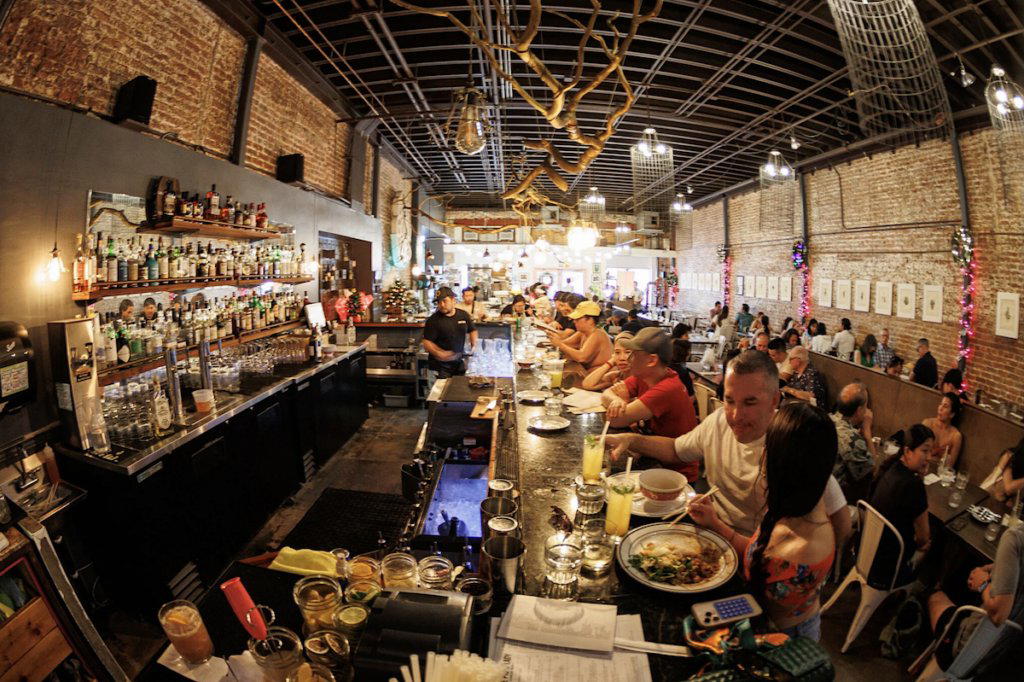
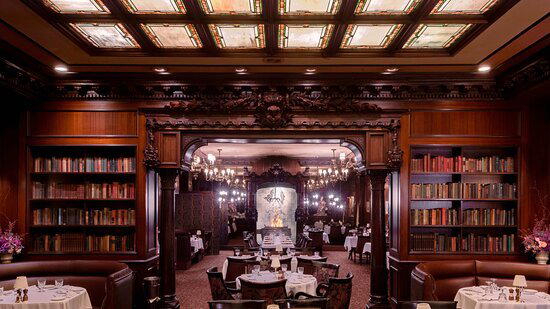
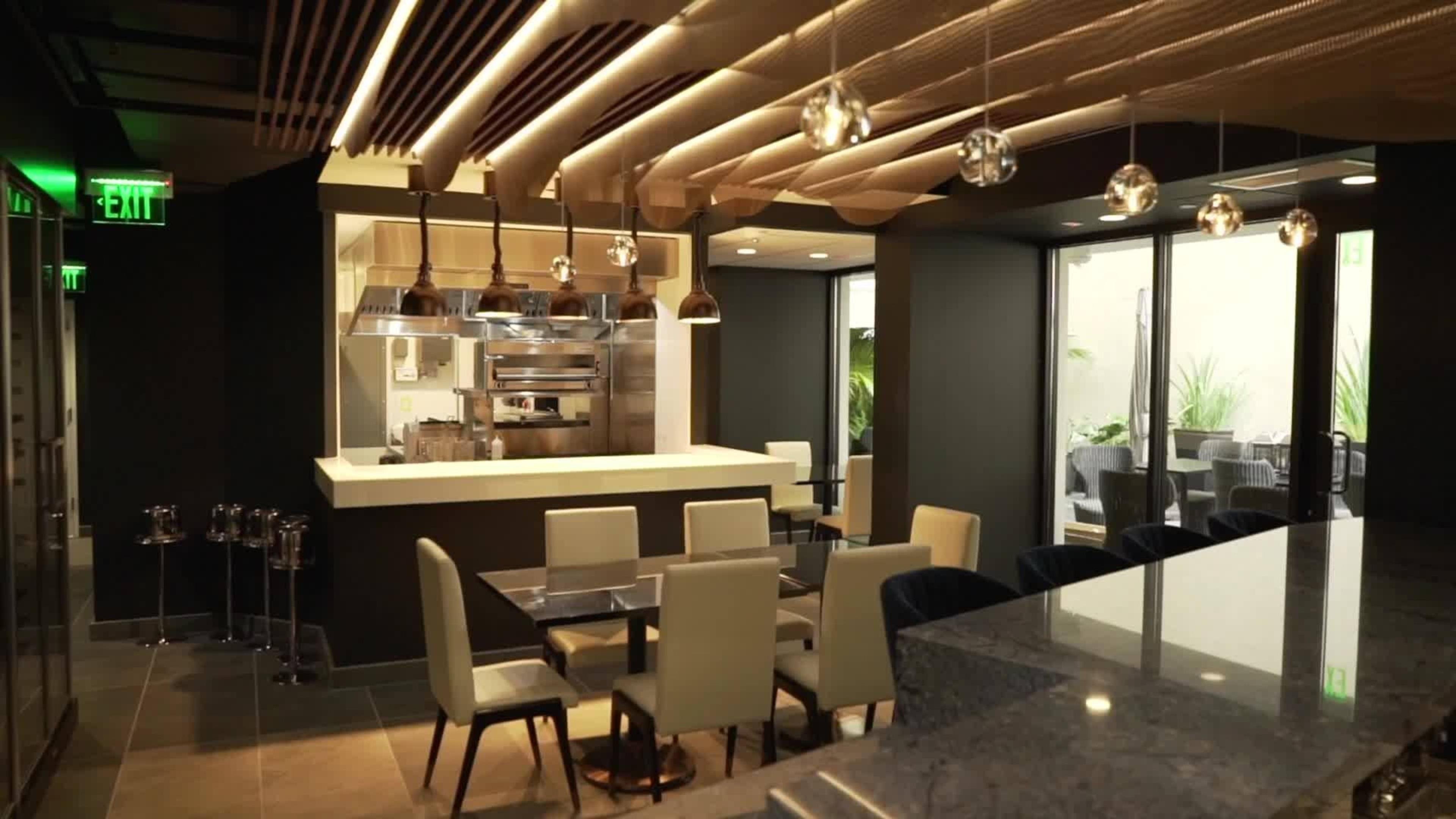
An intimate, clean, Tokyo-like setting with counter seating and a calm, focused atmosphere, balanced by a relaxed family-friendly kaiten sushi experience.