House Without A Key
House Without A Key occupies a distinct position in Honolulu's open-air dining scene, where the boundary between hotel terrace and beach setting dissolves into something closer to a living room at the edge of the Pacific. The menu draws on Hawaii's layered culinary traditions rather than chasing a single register, and the setting on Kālia Road places it within the broader Waikīkī hospitality corridor that defines how visitors and residents alike experience the island's food culture.
Pearl is the En Primeur Club membership app — saves, bookings, and concierge access live there. Same editors, same standards.
- Address
- 2199 Kālia Rd #1936, Honolulu, HI 96815
- Phone
- +18089232311
- Website
- halekulani.com
- Directions
- Get directions
 Saves & bookings on Pearl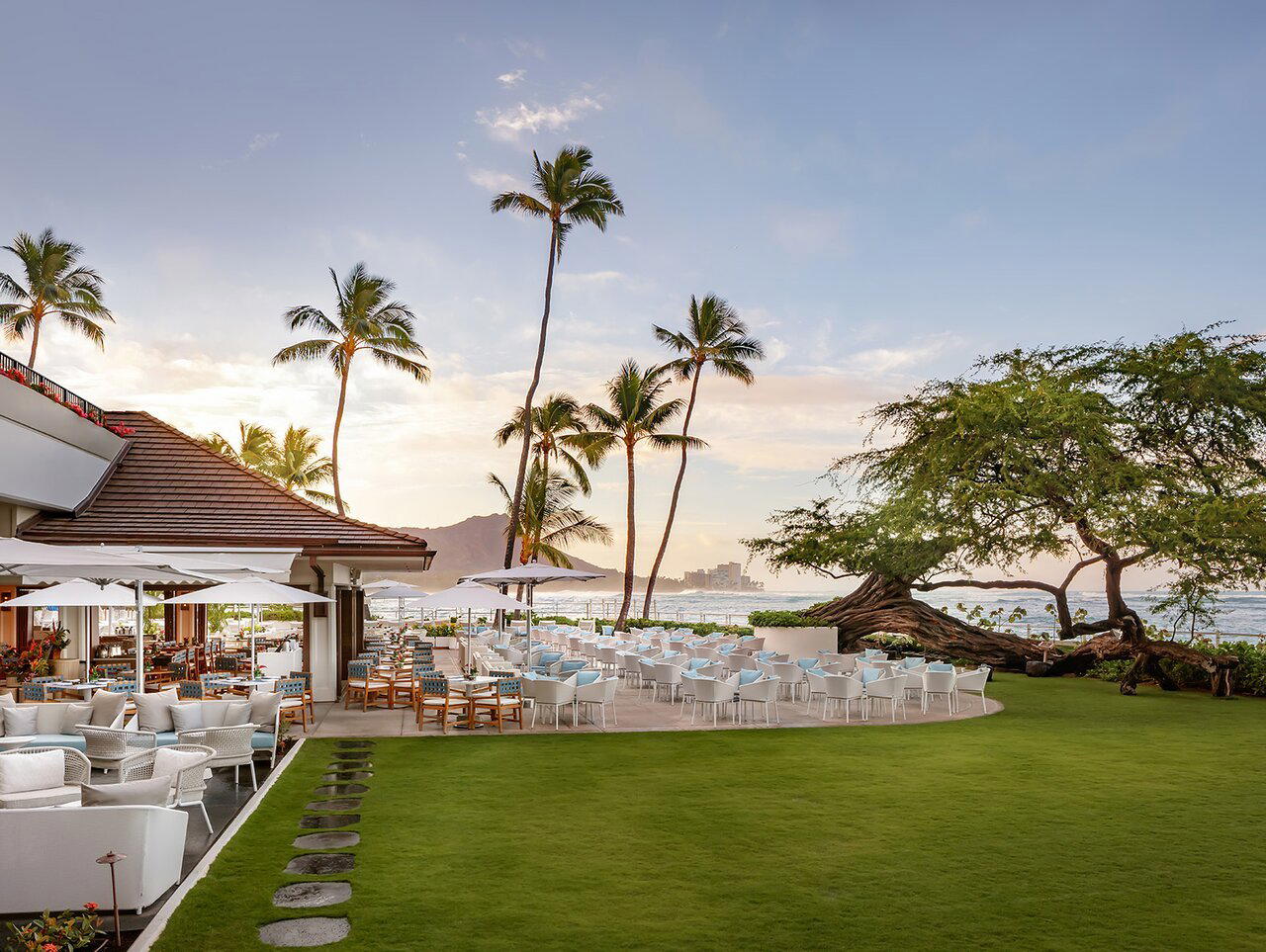
Where the Pacific Becomes the Dining Room
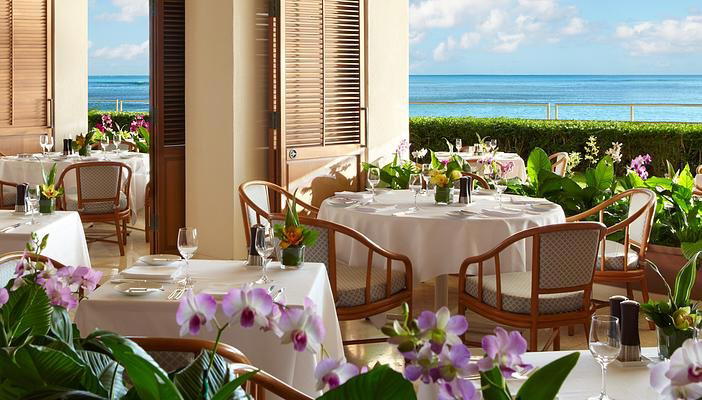
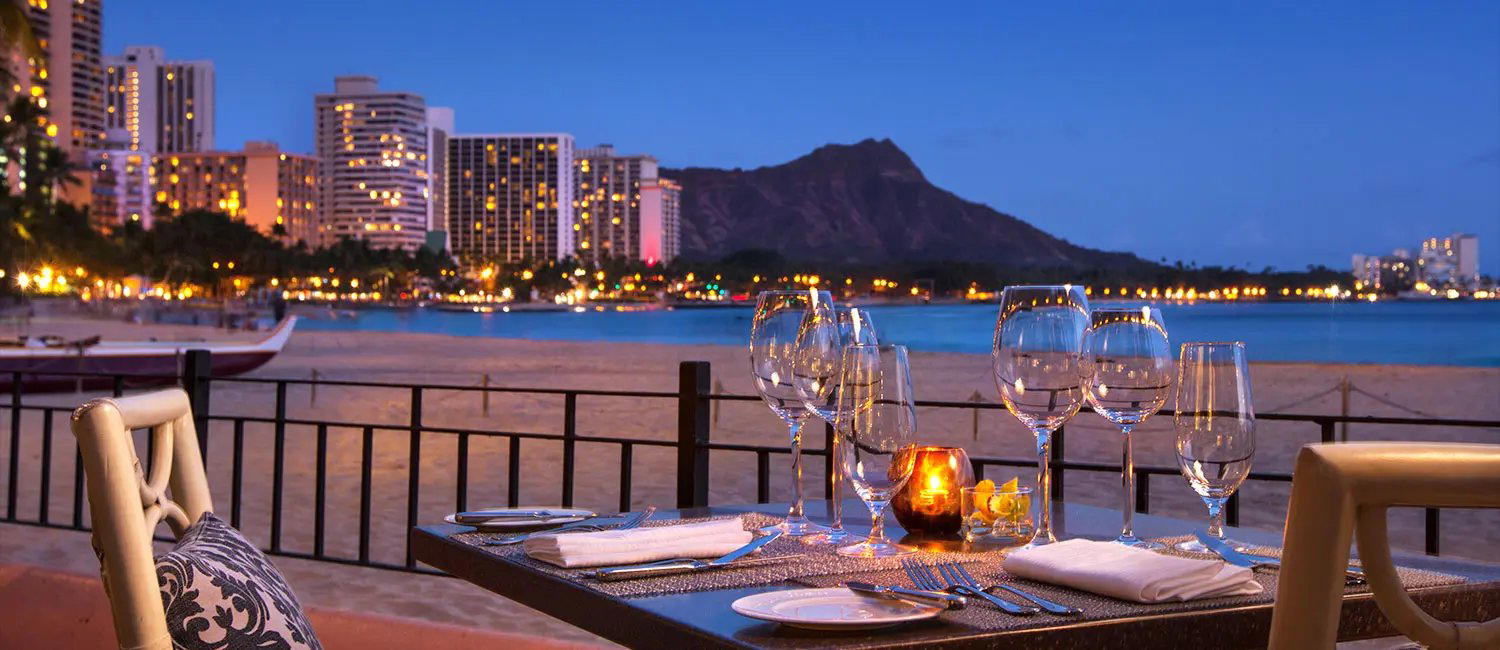
Honolulu's most considered dining experiences tend to share one quality: they resist the impulse to compete with the view. House Without A Key, set along Kālia Road in Waikīkī, operates on exactly that logic. The open-air format, a structural choice rather than an aesthetic one, means the ocean horizon and the outline of Diamond Head are permanent fixtures of the meal. In a city where indoor fine dining and beachside casualness often feel like separate circuits, this venue occupies the ground between them, and that positioning is what gives it lasting relevance in a competitive corridor.
Across Honolulu's restaurant scene, the most interesting venues are rarely those chasing single-minded precision in the manner of, say, Le Bernardin in New York City or Alinea in Chicago. Hawaii's culinary identity is more composite: Japanese, Chinese, Portuguese, and Native Hawaiian influences have been folding into each other for over a century, and the strongest menus in the city treat that layering as a structural fact rather than a marketing theme. House Without A Key participates in that tradition, placing it alongside a broader set of Honolulu venues that prioritize place-rooted cooking over imported formats.
How the Menu Is Built — and What That Signals
The architecture of a menu communicates something about a venue's self-understanding before a single dish arrives. At venues across Honolulu's mid-to-upper tier, the question of how to frame local ingredients is a recurring editorial problem: whether to lead with technique and treat Hawaii produce as raw material, or to let the geographic and cultural logic of the islands determine the structure. House Without A Key's approach leans toward the latter register, which aligns it more closely with the philosophy visible at places like Blue Hill at Stone Barns in Tarrytown than with the precision tasting-counter format of Atomix in New York City.
Within Honolulu specifically, this puts the venue in conversation with establishments such as 3660 On the Rise and Fête (New American), both of which move through the tension between classical training and island-sourced ingredients. The distinction at House Without A Key is the setting: an open-air terrace structure changes the grammar of a meal. Dishes that might read as fine dining in an enclosed room take on a different register when the salt air is part of the experience and the light changes across the course of an evening.
For reference, compare the formats available elsewhere in the city. 53 By The Sea leans into formal occasion dining with ocean views as backdrop; Ahaaina Luau anchors the cultural-performance end of the spectrum; 855-ALOHA operates in a different register entirely. House Without A Key occupies a quieter, less theatrically defined position in that spread, which is where its particular appeal resides.
The Waikīkī Corridor in Context
Waikīkī's dining corridor has shifted considerably over the past decade. The stretch around Kālia Road now contains hotel-anchored dining rooms that range from casual pool-bar formats to serious evening operations, and the competition for the attention of both destination visitors and local regulars has intensified. Hotel F&B programs in this zone operate on different economics than standalone restaurants, with higher foot traffic and more varied arrival times creating menus that need to function across breakfast, lunch, and dinner without losing coherence.
This is a structural challenge that hotels in other major markets have solved in different ways. The approach at Single Thread Farm in Healdsburg integrates hospitality and dining into a single conceptual frame; The Inn at Little Washington in Washington treats the dining room as the primary object and the inn as its extension. In Honolulu, the more common model is to let the physical environment do the conceptual heavy lifting, and House Without A Key benefits from one of the stronger site positions in the corridor for executing that approach.
For visitors building a broader Honolulu itinerary, the venue sits alongside a range of options that span the full spectrum of the city's dining culture. Our full Honolulu restaurants guide maps those options in more detail, including venues in Kaimukī and Downtown that operate outside the Waikīkī hotel circuit altogether.
Placing It Against the Wider American Scene
American destination dining in 2024 has largely bifurcated between high-intensity tasting-counter formats and experiential, place-specific venues where the surrounding environment is integral to the proposition. Lazy Bear in San Francisco, Addison in San Diego, and Providence in Los Angeles all represent the former mode, where the room is controlled and the menu is the total argument. Emeril's in New Orleans represents a different model, where the city's cultural identity shapes the dining proposition as much as the kitchen does.
House Without A Key sits closer to the latter category. The case for visiting it is inseparable from the case for being in Hawaii at all. That is not a weakness; it is a specific kind of editorial honesty about what the venue is and what it is not trying to be. In a market where many hotel dining programs overclaim, that clarity of position is worth noting.
Internationally, the open-air Pacific terrace format has parallels at venues like 8 1/2 Otto e Mezzo Bombana (Hong Kong) in Hong Kong, where the relationship between cityscape and dining room is similarly constructed, though the register is entirely different. The comparison is useful primarily to underscore how much the physical frame of a meal shapes its meaning.
Planning a Visit
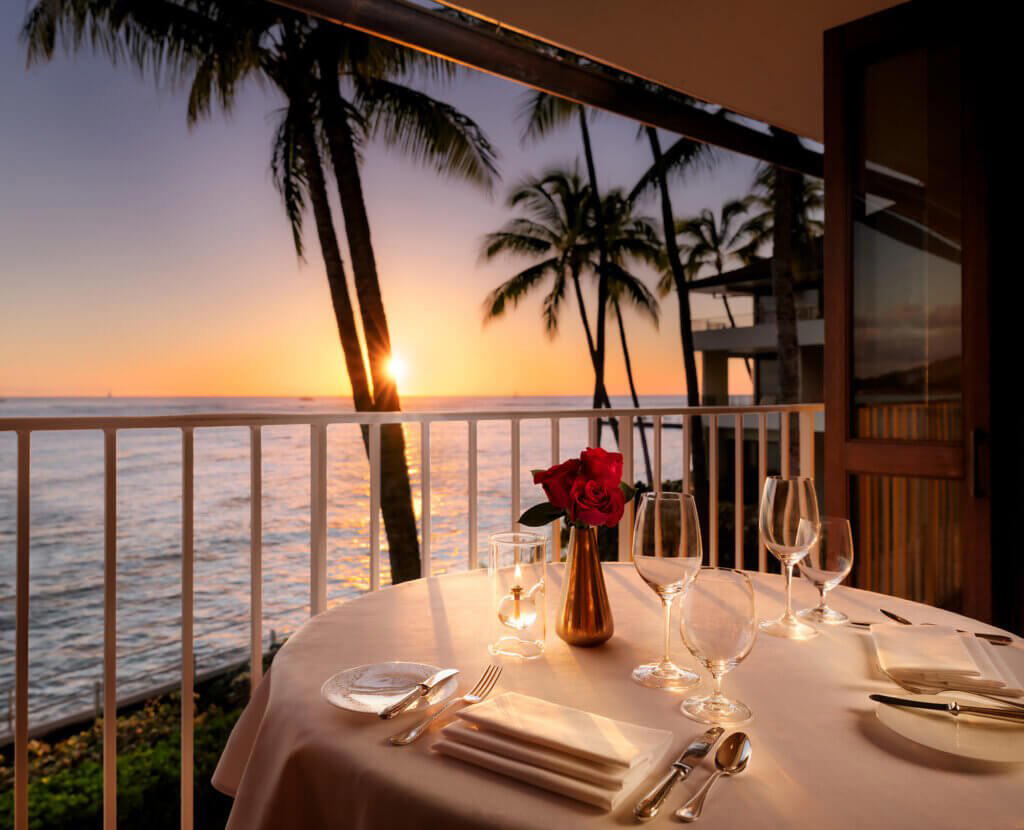
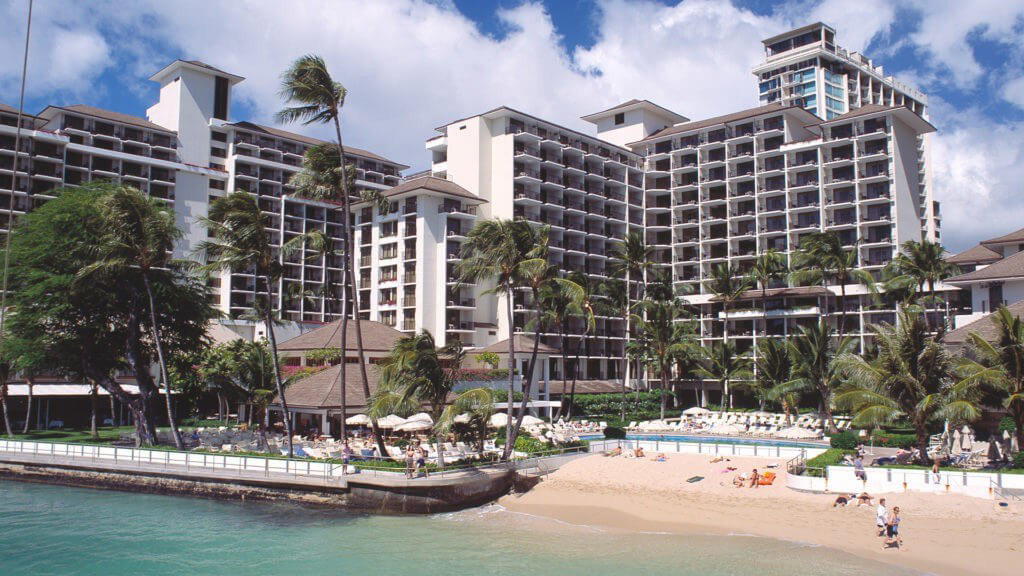
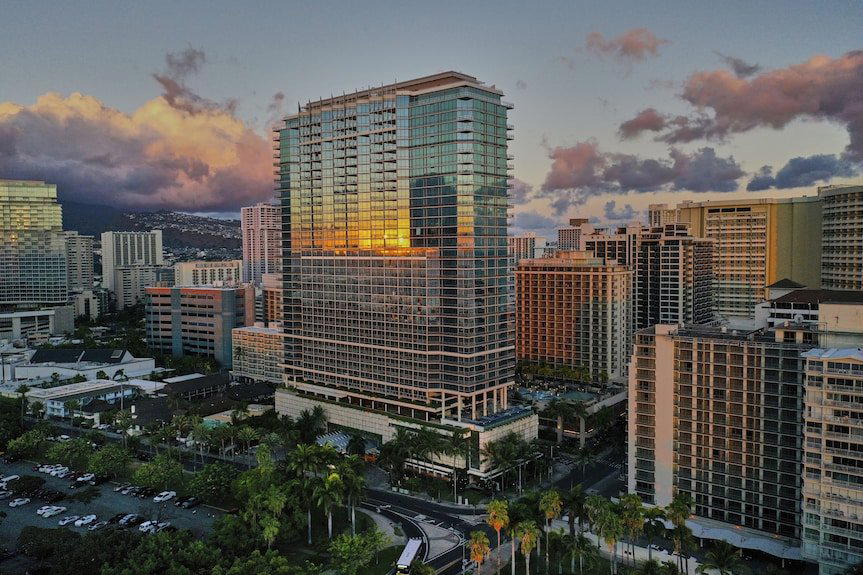
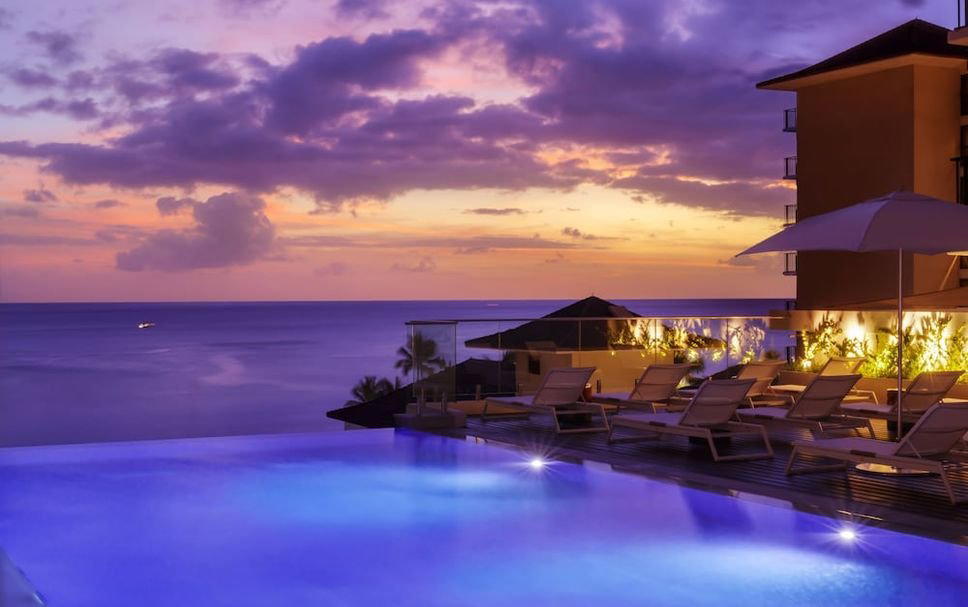
House Without A Key is located at 2199 Kālia Road in Waikīkī, within a hotel property that serves the venue well for guests staying on site and creates a direct access point for those arriving from elsewhere in Honolulu. Sunset timing matters here more than at most city venues: the open-air positioning and Diamond Head sightline mean that early-evening reservations carry a different quality than midday visits, and planning around that window is worth doing. Given the volume of visitors in the Waikīkī corridor, particularly during peak Hawaii travel periods from December through March and again in June through August, securing a time that matches the light is a practical consideration rather than a sentimental one.
At a Glance
- Scenic
- Well Known
- Elegant
- Classic
- Casual Hangout
- Special Occasion
- Brunch
- Live Music
- Waterfront
- Historic Building
- Hotel Restaurant
- Craft Cocktails
- Local Sourcing
- Waterfront
Current opening hours
- Monday
- 7–10:30 AM, 11:30 AM–9 PM
- Tuesday
- 7–10:30 AM, 11:30 AM–9 PM
- Wednesday
- 7–10:30 AM, 11:30 AM–9 PM
- Thursday
- 7–10:30 AM, 11:30 AM–9 PM
- Friday
- 7–10:30 AM, 11:30 AM–9 PM
- Saturday
- 7–10:30 AM, 11:30 AM–9 PM
- Sunday
- 7–10:30 AM, 11:30 AM–9 PM
Hours can change for holidays and private events. Last verified .
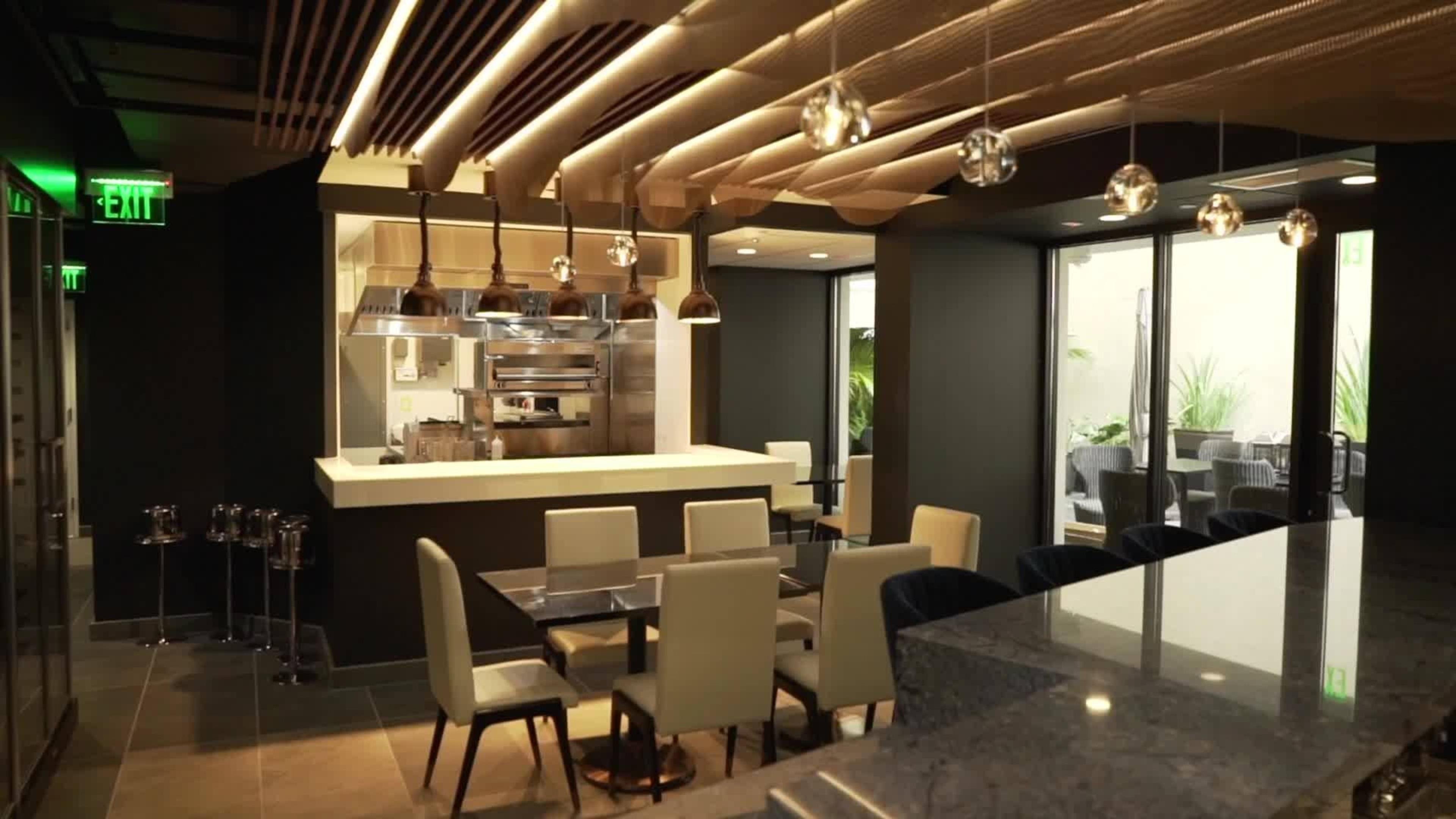
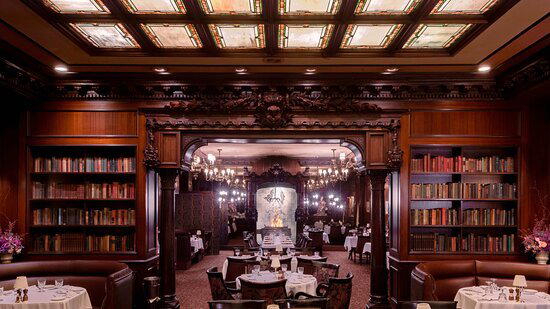
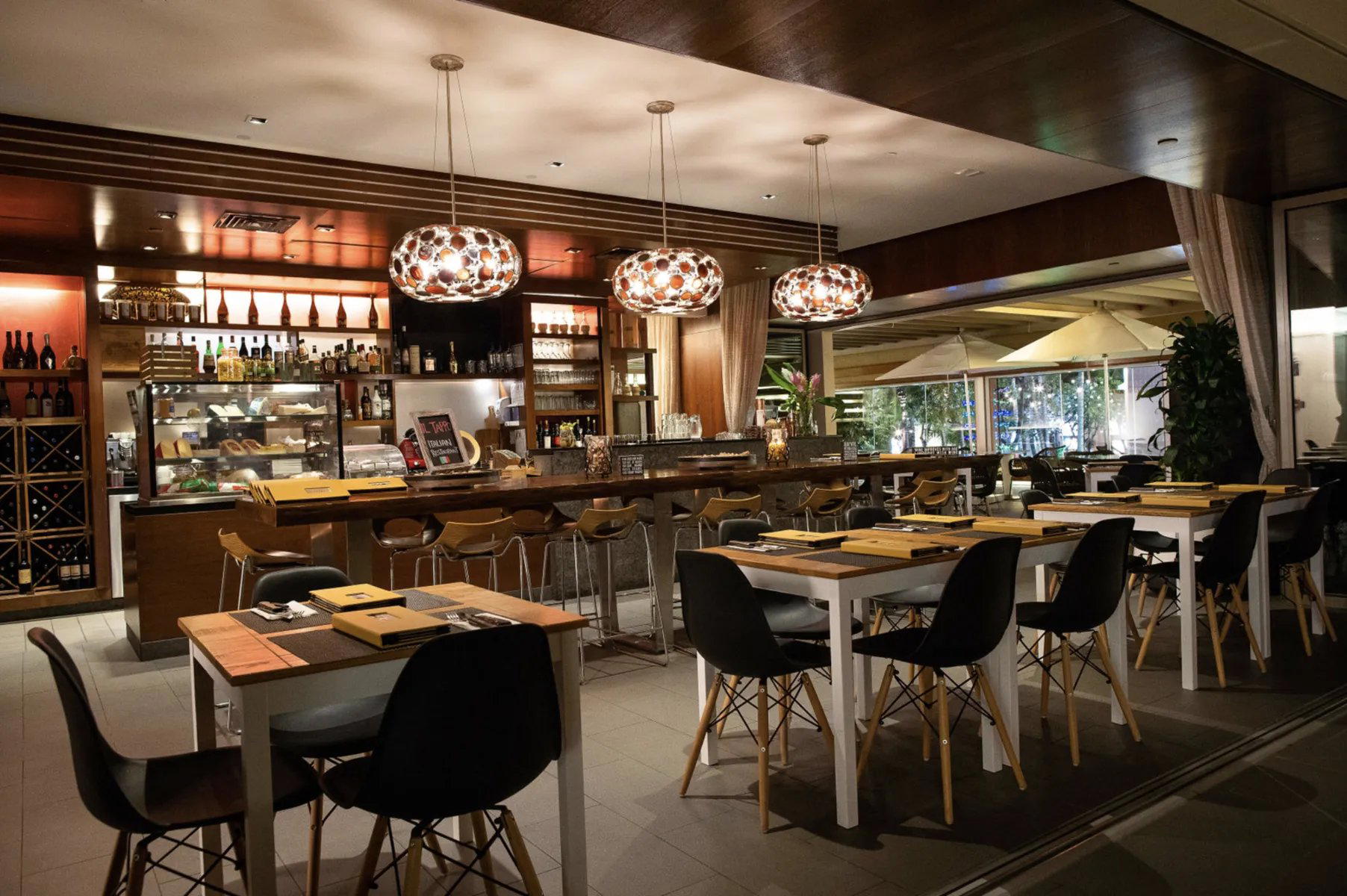
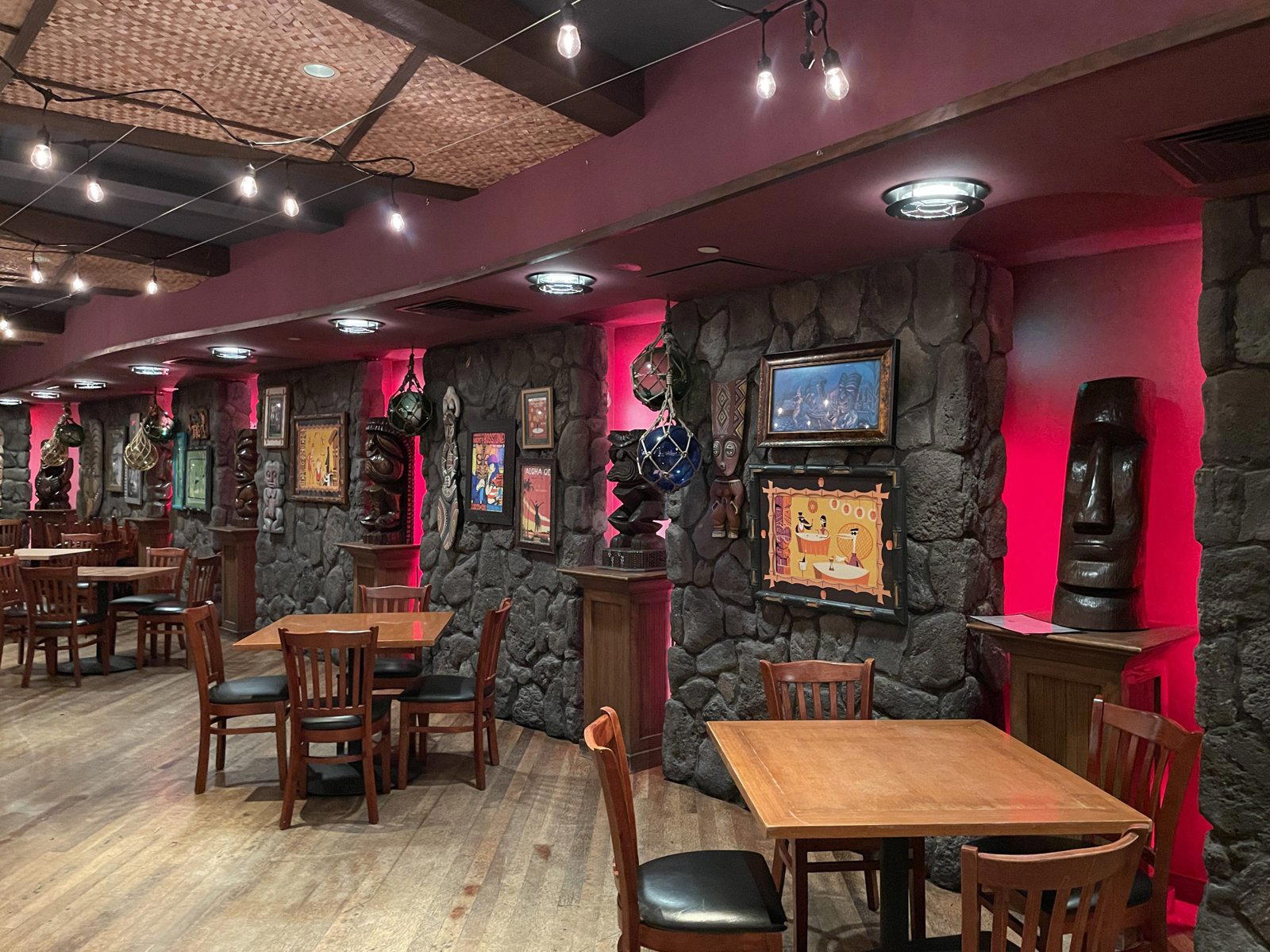
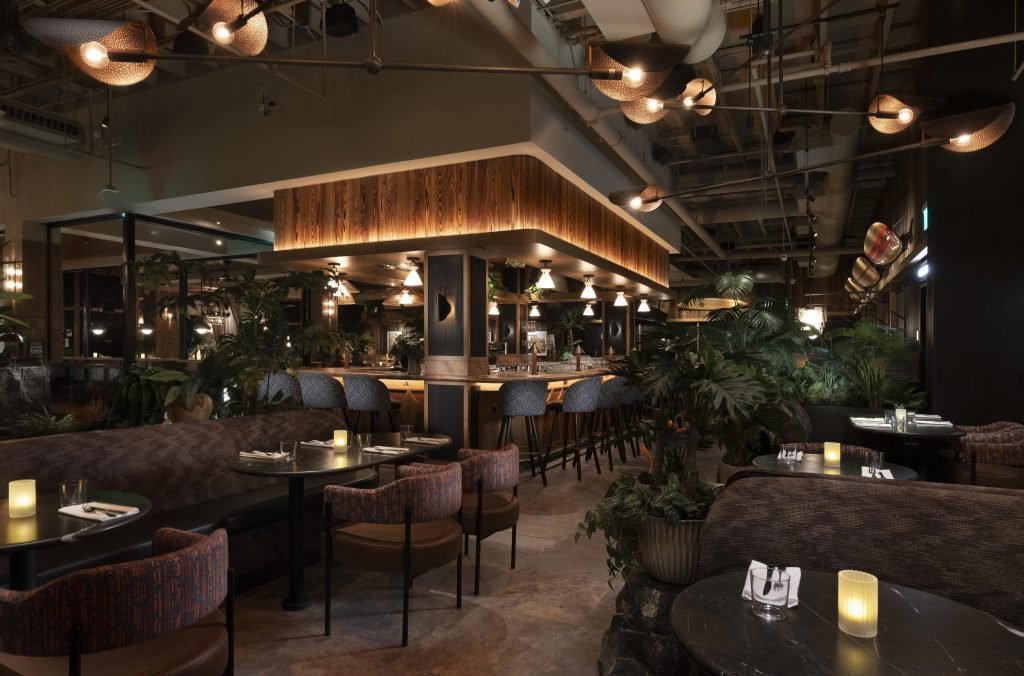
Relaxed open-air atmosphere with ocean breezes, soft lighting under the stars, and live music creating a magical sunset vibe.
Know Before You Go
- Getting there
- 2199 Kālia Rd #1936, Honolulu, HI 96815