Robata JINYA - Honolulu
Robata JINYA brings the live-fire discipline of Japanese robatayaki to Honolulu's Ala Moana corridor, where the charcoal grill format sits at the intersection of izakaya informality and considered technique. The meal unfolds in stages — skewer by skewer, course by course — following a progression logic that distinguishes it from the broader Japanese dining options clustered across the island.
- Address
- 1118 Ala Moana Blvd # 100, Honolulu, HI 96814
- Phone
- +18084808577
- Website
- robatajinya.com
- Directions
- Get directions
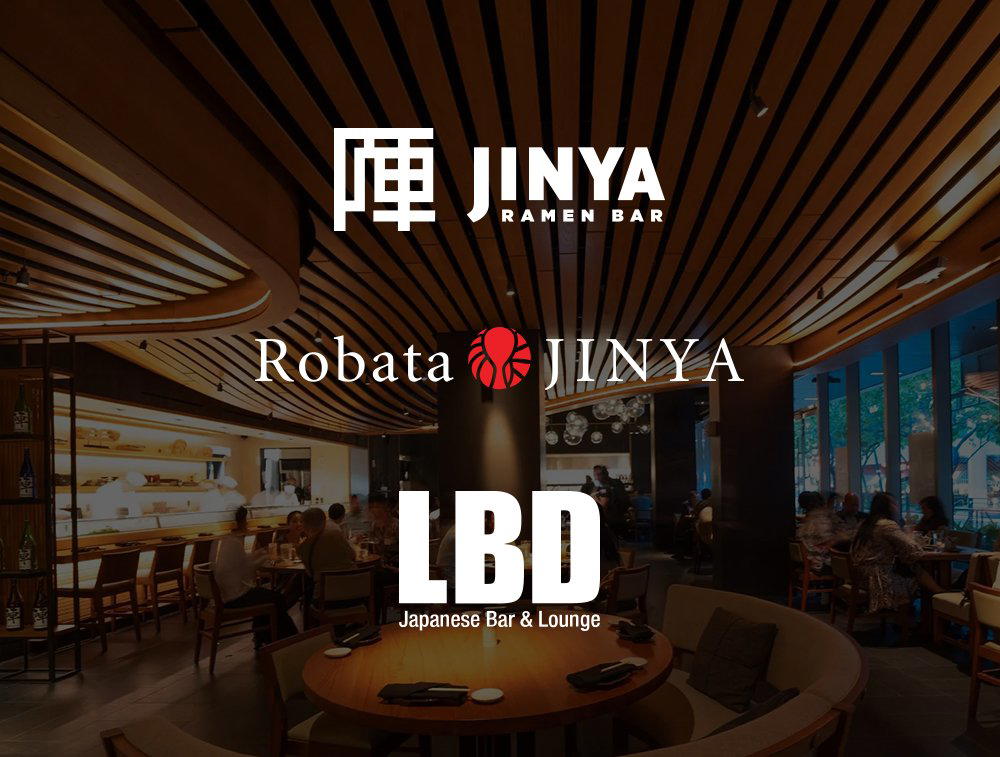
Fire, Sequence, and the Logic of the Robata Counter
Ala Moana Boulevard carries a particular dining energy in Honolulu: the stretch draws both local regulars and visitors arriving from the neighbouring shopping centre, and the restaurants here compete across a wide range of formats and price points. Within that mix, robatayaki occupies a specific and somewhat underrepresented position. The format, rooted in the communal hearth tradition of northern Japan, organises a meal around the grill rather than around a single composed plate — courses arrive in sequence, but the progression is determined by heat, timing, and the rhythm of the fire rather than by a classical Western tasting menu logic. Robata JINYA, at 1118 Ala Moana Blvd, operates in this tradition.
The robatayaki format rewards guests who approach it the way they would an omakase counter: with patience, and with an understanding that the meal has an arc. What arrives first tends to be lighter — vegetables and smaller cuts that take less time over coals, before the sequence builds toward proteins that require longer, more attentive cooking. That progression is not incidental. It reflects a structural logic that has defined the format for decades, and it separates a well-run robata counter from a kitchen that simply operates a charcoal grill.
Where Robata JINYA Sits in Honolulu's Japanese Dining Scene
Honolulu carries one of the most significant Japanese culinary footprints of any American city outside California, shaped by more than a century of Japanese migration to Hawaii and sustained by the island's geographic and cultural proximity to Japan. That depth means the dining options span considerable range: from high-volume sushi chains to specialist counters, from izakaya-style drinking spots to refined kaiseki formats. Robata JINYA enters this scene at a specific register, not the maximalist end, and not the stripped-down conveyor-belt segment, but the middle tier where technique and format discipline matter more than either volume or theatrics.
Comparative context is useful here. Honolulu has venues like Fujiyama Texas and Ginza Bairin representing different corners of the Japanese dining segment, while broader fine dining options such as Fête (New American) and 3660 On the Rise occupy the island's higher-end formal tier. Robata JINYA positions itself neither at the formal end nor as casual izakaya, the grill format implies a level of attention that elevates the experience above quick-service Japanese, while keeping the atmosphere accessible.
On the national stage, American dining has seen significant investment in Japanese-influenced formats. Venues like Atomix in New York City represent the high-concept Korean-Japanese fine dining tier, while the broader progression-focused dinner format has been refined at places like Lazy Bear in San Francisco and Alinea in Chicago. Robata JINYA is not competing in that stratum, but it shares the underlying logic: the meal is designed to move, to build, and to land somewhere more complete than where it started.
The Tasting Progression: How a Robata Meal Builds
The structural appeal of robatayaki as a format lies in its transparency. Unlike a kitchen where cooking happens behind closed doors, the robata grill is the centrepiece. Diners watch the coals, observe the timing, and receive dishes in the sequence that the fire dictates. That visibility creates a different kind of anticipation than a classical tasting menu, where courses are revealed as surprises. Here, the progression is collaborative, guests can see what is coming, ask about timing, and engage with the cook in a way that the format actively encourages.
The arc of a robata meal typically opens with lighter preparations: pickled vegetables, tofu, small seafood items, and delicate cuts that benefit from brief exposure to high heat. The middle section expands into more substantial proteins, chicken, pork, beef, depending on the menu, where the skill lies in managing doneness and smoke without losing moisture. The close of the meal often returns to simplicity: rice, miso, and clean finishes that reset the palate. For diners accustomed to Western tasting menus, this structure will feel familiar in shape but different in texture, less architectural, more elemental.
This is the kind of format that rewards repeat visits more than a fixed tasting menu does. The sequence can shift depending on what is ordered, who is cooking, and how the evening develops. At venues across Japan and in Japanese communities in the United States, regulars often develop a personal ordering logic, a preferred progression that they return to because they have learned, through experience, what works for them in this space.
Ala Moana as Context
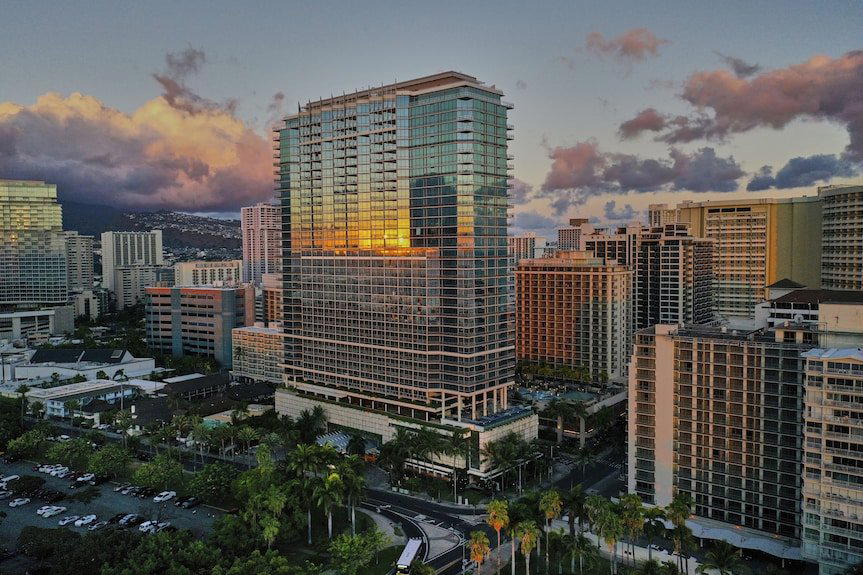
The Ala Moana address places Robata JINYA in one of Honolulu's most commercially active corridors, with the Ala Moana Center, one of the largest open-air shopping centres in the United States, generating consistent foot traffic in the area. That proximity is a practical asset for visitors who are already in the neighbourhood, and it places the restaurant within easy reach of hotels along the waterfront. For a more complete picture of dining options in this part of the island, the full Honolulu restaurants guide maps the broader scene. Venues like 53 By The Sea and 855-ALOHA serve different corners of the Honolulu dining market, while Ahaaina Luau represents the cultural performance end of the spectrum.
For visitors coming from the mainland, Honolulu's Japanese dining scene is worth understanding on its own terms rather than through a mainland lens. The Japanese-Hawaiian culinary synthesis here has its own vocabulary, local preferences, ingredient sourcing influenced by Pacific geography, and a dining culture shaped by generations of community practice rather than imported restaurant fashion. A robata counter in this city is drawing on that deeper context, even when it operates as part of a broader brand concept.
Know Before You Go
- Address: 1118 Ala Moana Blvd #100, Honolulu, HI 96814
- Neighbourhood: Ala Moana corridor, adjacent to Ala Moana Center
- Format: Robatayaki (live-fire grill, progressive ordering)
- Pricing: Mid-range by Honolulu standards; robata formats typically price per skewer or small plate
- Parking: Street parking and Ala Moana Center parking structures nearby
Comparable Spots, Quickly
| Venue | Cuisine | Price |
|---|---|---|
| Robata JINYA - HonoluluThis venue — the venue you are viewing | This venue | Not listed |
| Fête | New American | New American |
| Arancino at The Kahala | Italian | Italian |
| Bar Maze | Cocktail Bar-Omakase | Cocktail Bar-Omakase |
| Fujiyama Texas | Japanese | Japanese |
| Ginza Bairin | Japanese | Japanese |
At a Glance
- Lively
- Trendy
- Modern
- Date Night
- Group Dining
- Special Occasion
- Open Kitchen
- Sake Program
- Beer Program
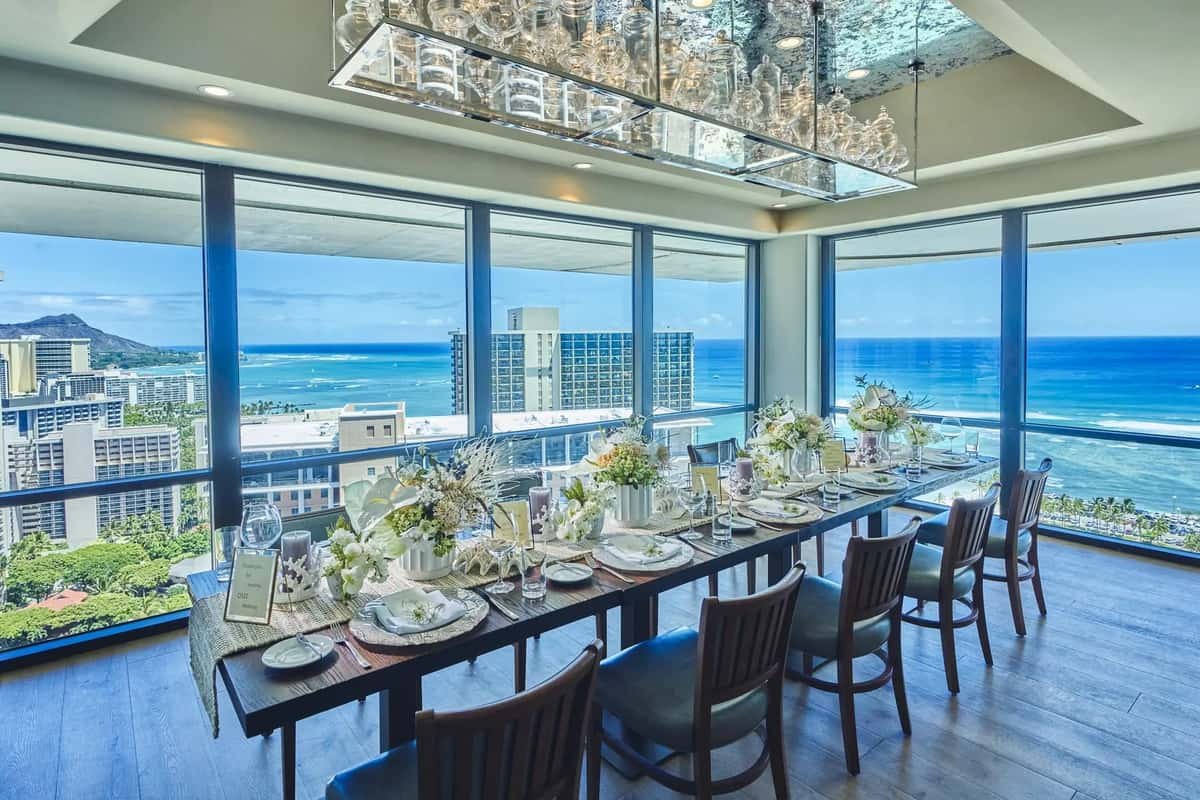
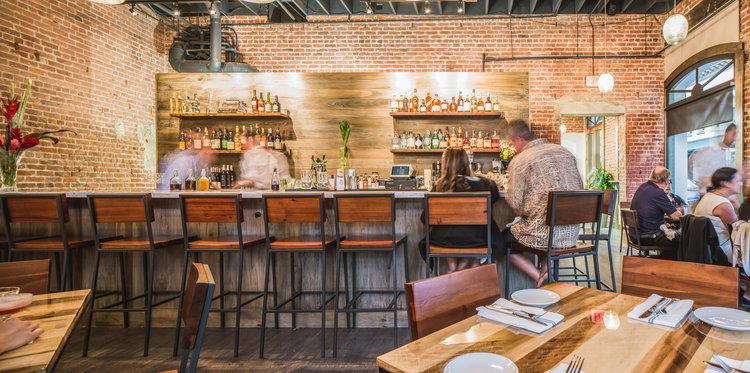
Lively and energetic izakaya-style space encouraging sharing of small plates and conversation amid modern Japanese decor.
Know Before You Go
- Getting there
- 1118 Ala Moana Blvd # 100, Honolulu, HI 96814