Hihimanu Sushi
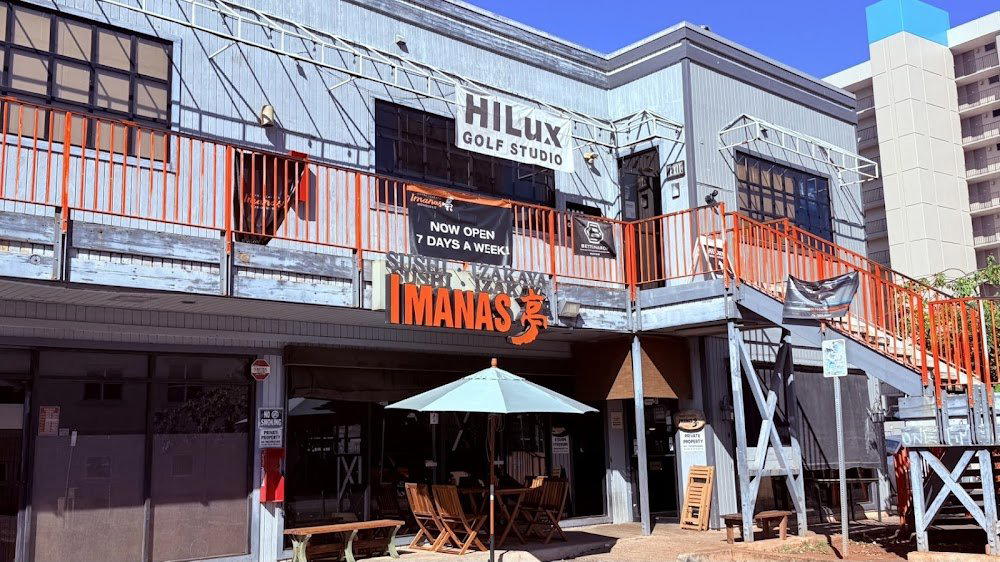
On Waialae Avenue in the Kaimuki district, Hihimanu Sushi occupies a quiet position in one of Honolulu's most food-serious neighbourhoods. The name references a Hawaiian ray — a creature native to these waters — signalling a sourcing sensibility that connects the counter to the Pacific rather than to continental supply chains. Kaimuki's dining corridor has quietly outpaced many higher-profile Honolulu addresses, and Hihimanu sits within that pattern.
Pearl is the En Primeur Club membership app — saves, bookings, and concierge access live there. Same editors, same standards.
- Address
- 3040 Waialae Ave # A2, Honolulu, HI 96816
- Phone
- +18087448491
- Website
- hihimanusushi.com
- Directions
- Get directions
 Saves & bookings on Pearl
Kaimuki and the Question of Where the Fish Comes From
Waialae Avenue in Kaimuki runs through one of Honolulu's most quietly serious dining corridors — a stretch that has accumulated independent restaurants, neighbourhood regulars, and the kind of word-of-mouth credibility that doesn't depend on a beachfront address or a hotel lobby. Hihimanu Sushi sits at 3040 Waialae Ave in that context: a modest exterior number, a district built on returning guests rather than tourist foot traffic, and a cuisine tradition — Japanese sushi, that in Hawaii carries a particular set of expectations about sourcing that you don't encounter in the same way on the mainland.
The name itself is instructive. Hihimanu is the Hawaiian word for the manta ray, a creature that moves through these same Pacific waters. In a city where the distance between ocean and plate can be genuinely short, a name rooted in local marine life is a signal worth reading. The leading sushi counters in Hawaii have long operated with access to fish that mainland restaurants source at a remove, ahi, onaga, hapu'upu'u, and opah are caught in Hawaiian waters and move through local auction systems, most notably the Honolulu Fish Auction, before reaching restaurant kitchens. That proximity changes what's possible at the counter.
Hawaii's Sushi Scene: A Different Supply Logic
To understand what distinguishes sushi in Honolulu from sushi in, say, Los Angeles or New York, the sourcing geography matters more than almost any other factor. Japanese sushi culture, transplanted to Hawaii through decades of immigration and culinary exchange, encountered an archipelago with its own deep-water species and a fishing culture that predates Japanese settlement. The result is a regional sushi tradition that draws on both Japanese technique and Hawaiian catch, a combination that operates differently from the Japan-import-dependent counters you'd find at the premium end of American coastal cities.
At the top of the American fine-dining spectrum, restaurants like Le Bernardin in New York City and Providence in Los Angeles have built reputations around sourcing transparency and supplier relationships as a form of editorial authority. The same logic applies, on a different scale and in a different register, to Honolulu's neighbourhood sushi scene. The counter that knows its fish market relationships, that adjusts its menu to what came off the boat that morning, operates with a kind of seasonal honesty that tasting-menu theatre at places like Alinea in Chicago or The French Laundry in Napa achieves through very different means.
Kaimuki supports this model because its customer base, largely residential, largely repeat, holds restaurants to a different standard than tourist-facing dining rooms. The comparison venues active in Honolulu's Japanese dining scene, including 855-ALOHA and Fujiyama Texas, each occupy a distinct tier and format, from casual to omakase-adjacent. Hihimanu's Waialae Avenue address places it in the neighbourhood tier rather than the hotel-dining tier, which has specific implications for price positioning and regulars-to-tourists ratio.
What the Pacific Brings to the Counter
The ingredient sourcing argument for Hawaiian sushi is not purely romantic. It's structural. The Honolulu Fish Auction, one of the few daily fresh-fish auctions operating in the United States, moves thousands of pounds of Pacific catch each morning. Local restaurants with established relationships at that auction receive fish that has been out of the water for hours rather than days. The difference in texture, temperature behaviour, and flavour concentration is measurable, it's the reason that certain cuts available in Hawaii, particularly the fattier species like kajiki (Pacific blue marlin) or the prized local ahi, read differently than the same species sourced through mainland distribution networks.
This is the supply logic that underlies neighbourhood sushi in Kaimuki at its finest. It also explains why the Honolulu sushi scene, distinct from the island's broader fine-dining circuit, which includes destination restaurants like 53 By The Sea and 3660 On the Rise, maintains a credibility that doesn't require imported Japanese prestige branding to sustain itself. The fish, when it's local and handled well, does the credential work.
For comparison, farm-to-table operations like Blue Hill at Stone Barns in Tarrytown and Single Thread Farm in Healdsburg have made sourcing provenance the central editorial argument of their menus. Hawaiian sushi counters working with the morning's local catch are making the same argument, in a different culinary language, through proximity to a specific ocean rather than a specific farm.
Kaimuki in the Honolulu Dining Order
Honolulu's dining geography has a loose hierarchy that most regulars understand intuitively. Waikiki and the major hotel districts attract the highest-visibility restaurants and the most transient clientele. Chinatown has undergone a decade of independent-bar and restaurant development. And Kaimuki, alongside adjacent McCully and Moiliili, has held its position as the neighbourhood where serious local diners actually eat, week in and week out.
That positioning matters for a restaurant on Waialae Avenue. The area's dining cluster includes new American formats like Fête (New American), which has drawn consistent recognition, and more celebratory formats like Ahaaina Luau that serve a different function in the dining ecology. Hihimanu Sushi, as a neighbourhood sushi counter on this same corridor, competes for a specific kind of loyalty: the diner who wants Japanese technique applied to Hawaiian catch, at a price and format that supports weekly rather than annual visits.
Internationally, the omakase format has expanded from Tokyo's tight counter culture into cities like Seoul, where Atomix in New York City has demonstrated how Korean fine dining adapts the counter model, and Hong Kong, where 8 1/2 Otto e Mezzo Bombana (Hong Kong) shows how European technique embeds in an Asian urban context. Honolulu's neighbourhood sushi counters occupy a different register from all of these: less theatrical, more rooted in daily availability, and more dependent on the regularity of both fishing schedules and returning guests.
Planning Your Visit
Hihimanu Sushi operates from its Kaimuki address at 3040 Waialae Ave, Suite A2. The neighbourhood is accessible by car and relatively direct to reach from central Honolulu; street parking and small lots along Waialae are the norm. As with most neighbourhood sushi counters operating without a large public booking platform or published phone number, the practical advice is to arrive with some flexibility or to contact the restaurant directly through in-person inquiry, the informal booking culture of neighbourhood Japanese dining in Hawaii does not always map onto OpenTable infrastructure. For a broader map of where Hihimanu sits relative to Honolulu's wider restaurant scene, our full Honolulu restaurants guide covers the city's distinct dining districts in detail. Those planning a longer Hawaii dining trip may also consider how Honolulu's neighbourhood sushi scene compares to the destination fine-dining tier, which includes several restaurants that serve a very different function in the island's food culture.
How Hihimanu Sushi Honolulu compares with similar nearby venues.
| Venue | Cuisine |
|---|---|
| Leonard’s Bakery | Portugese Bakery |
| Adez Steakhouse & Lounge | Steakhouse |
At a Glance
- Intimate
- Cozy
- Trendy
- Date Night
- Special Occasion
- Celebration
- Chefs Counter
- Open Kitchen
- Sake Program
Current opening hours
- Monday
- Closed
- Tuesday
- 2–10 PM
- Wednesday
- 2–10 PM
- Thursday
- 2–10 PM
- Friday
- 2–10 PM
- Saturday
- 5–10 PM
- Sunday
- Closed
Hours can change for holidays and private events. Last verified .
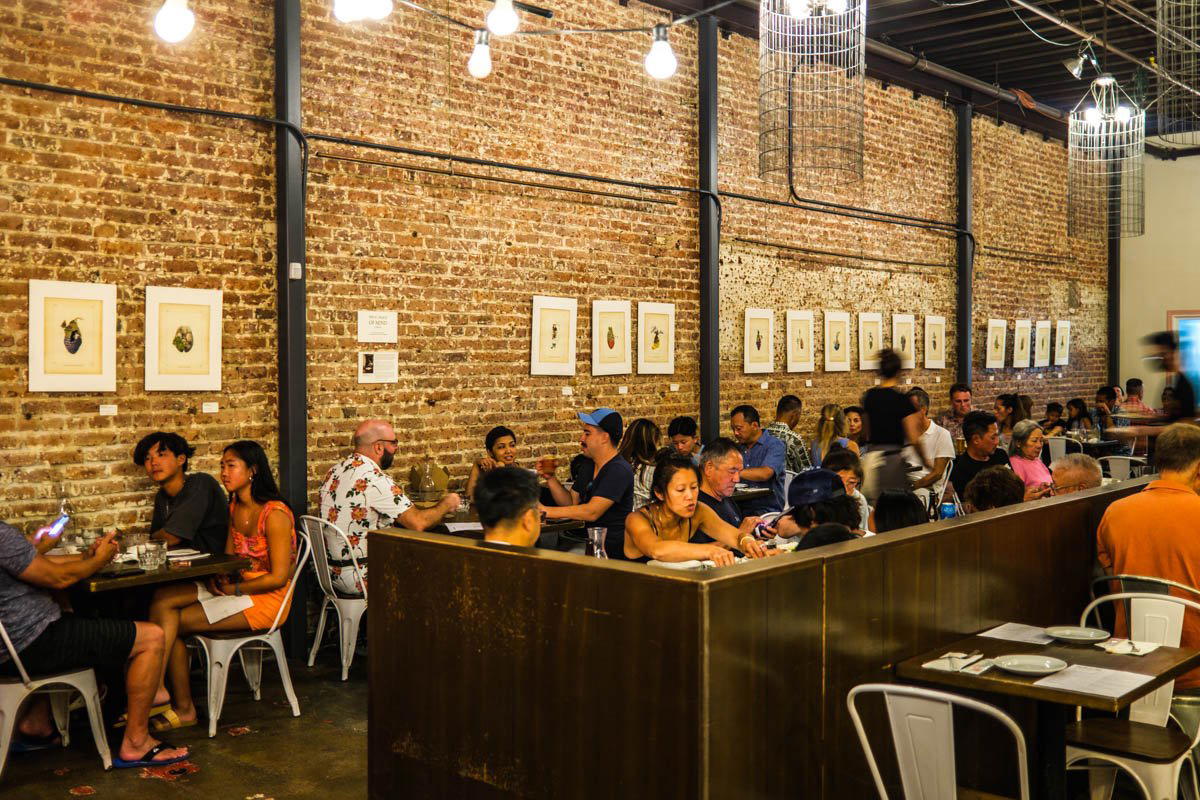
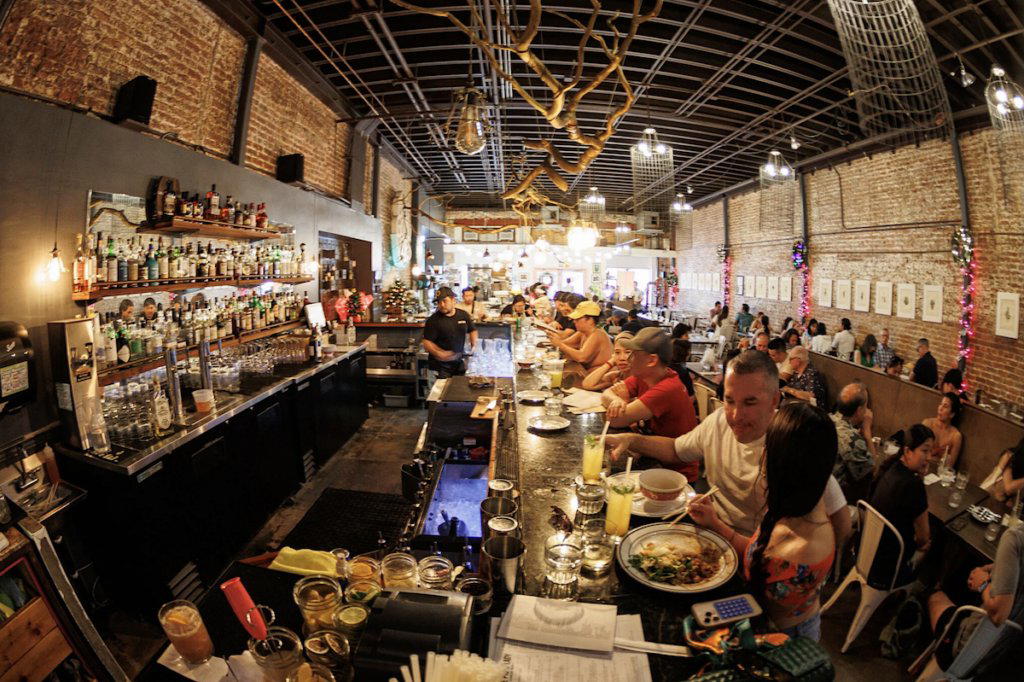
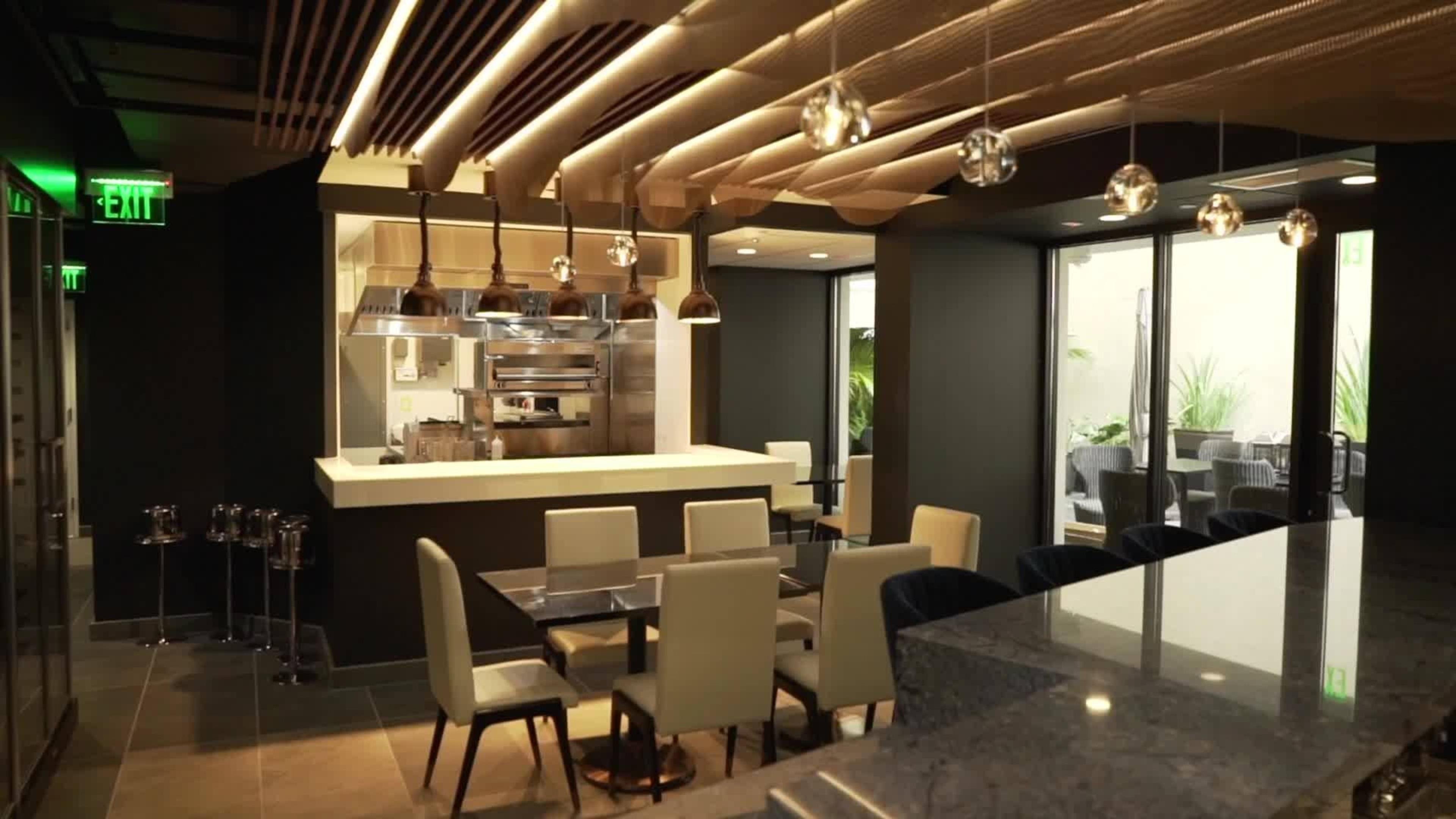
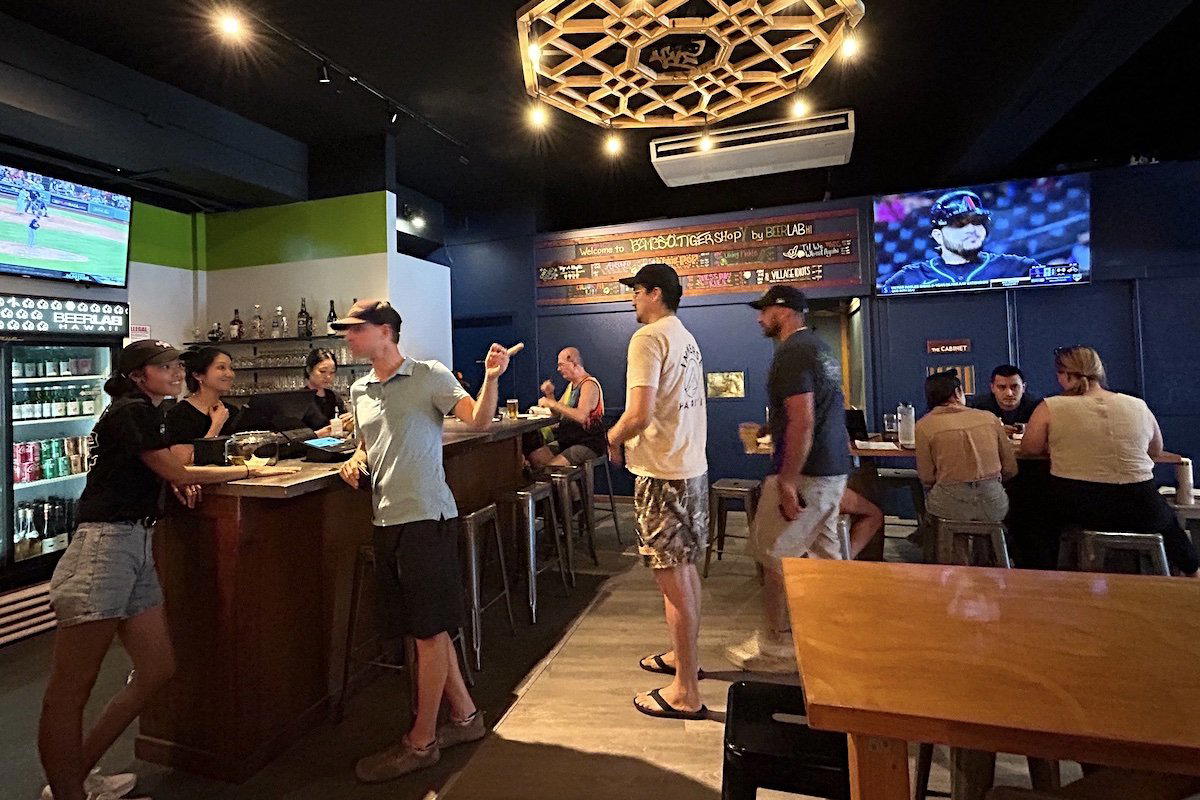
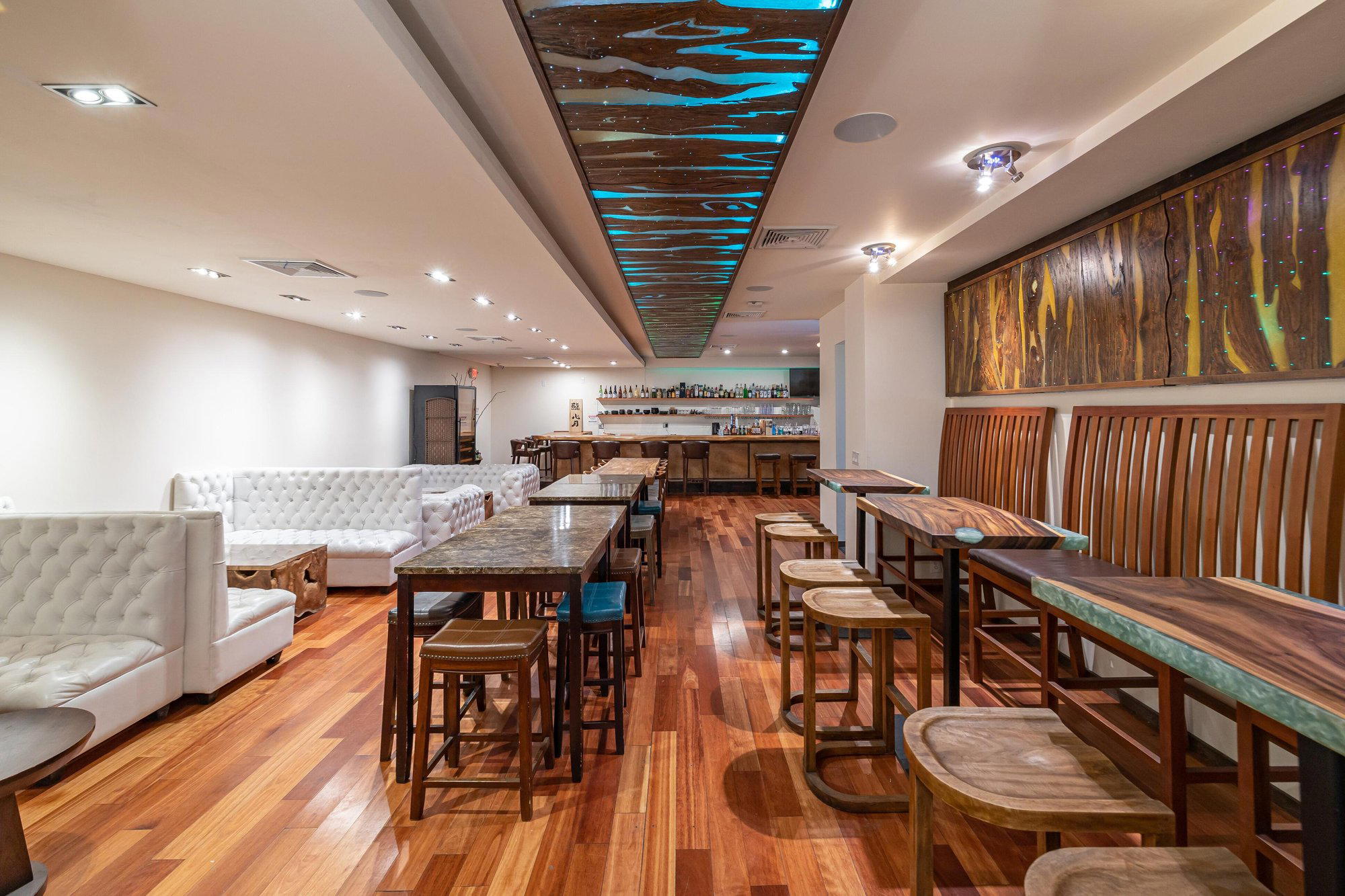
Cozy and eclectic intimate sushi bar with a friendly, home-like atmosphere focused on the chef's live preparation show.
Know Before You Go
- Getting there
- 3040 Waialae Ave # A2, Honolulu, HI 96816