Omakase By Aung
Our verdict
Omakase By Aung occupies a specific niche in Honolulu's evolving fine-dining scene: the chef-driven omakase format transplanted to a Kapahulu Avenue address, away from the resort corridor. The format places it in a growing tier of intimate, counter-style restaurants that compete on craft and sequence rather than setting or scale. For visitors already considering Honolulu's broader premium dining options, this is a distinct data point worth tracking.

Pearl is the En Primeur Club membership app — saves, bookings, and concierge access live there. Same editors, same standards.
- Address
- 567 Kapahulu Ave, Honolulu, HI 96815
- Phone
- (808) 589-8994
- Hours
- Daily 1–3 PM, 5:30–10 PM
- Website
- omakasebyaung.com
- Directions
- Get directions
- Booking
- Book on OpenTable
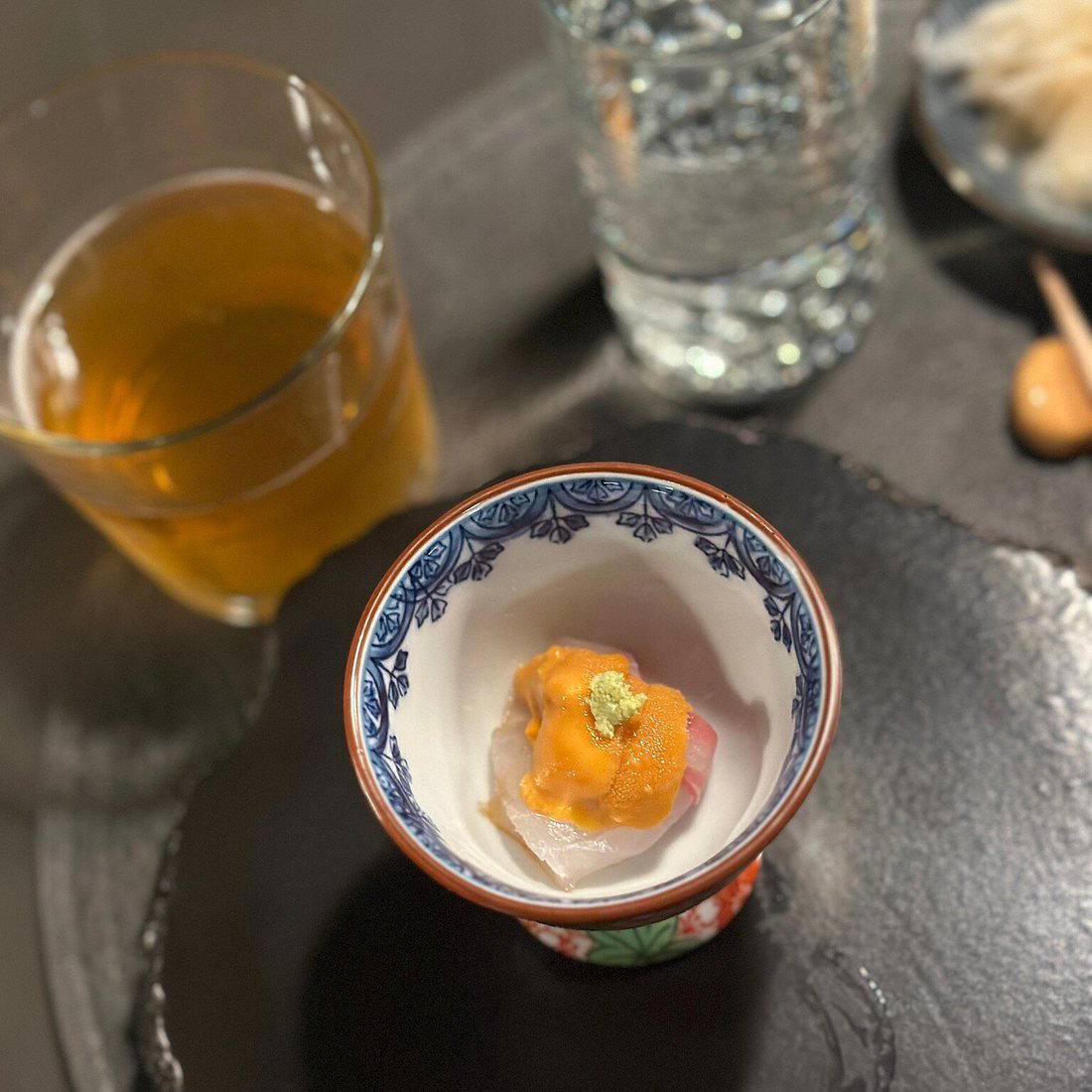
The menu
What to order
- Otoro
- Uni Rice with Ikura
- Cherrywood Smoked Golden Eye Snapper with Caviar
Kapahulu's Counter Format and What It Signals
Honolulu's fine-dining geography has long sorted itself along two axes: the resort strip of Waikiki and Ko Olina on one side, and a smaller cluster of neighbourhood-anchored restaurants on the other. Kapahulu Avenue sits firmly in the second category. The street runs inland from the edge of Waikiki, flanked by plate-lunch counters, ramen shops, and a handful of more considered dining rooms that have built followings outside the tourist circuit. Omakase By Aung, at 567 Kapahulu Ave, lands in that second tier by address alone, which already tells you something about its intended audience and its positioning relative to the resort-facing competition.
The omakase format itself has expanded considerably across American cities over the past decade. What began as a Tokyo-inflected counter experience confined to a few coastal markets now appears in cities as varied as Houston, Nashville, and Honolulu. The format's logic is consistent: a fixed sequence, a small room, and a degree of trust placed in the kitchen's decisions rather than the diner's selections. Where the format varies is in its cultural translation, its price tier, and the culinary lineage it draws on. In a city with established Japanese-American dining traditions, an omakase counter carries different resonance than it might in a landlocked market. Hawaii's access to local Pacific seafood and its deep cultural familiarity with Japanese technique means the format arrives here with more native context than in most U.S. cities.
Lunch and Dinner: Two Different Propositions
The lunch-versus-dinner divide in omakase dining is rarely discussed directly, but it shapes the experience more than most diners anticipate. At the format's stricter end, lunch service at a counter-style restaurant tends to run tighter: fewer courses, a faster pace, and occasionally a reduced price point that makes the format accessible to guests who might not commit to a full evening sequence. Dinner, by contrast, typically expands the arc, adding courses and lengthening the time at the counter in ways that change the social and sensory weight of the meal.
In Honolulu specifically, this divide has practical implications. Daytime dining near Kapahulu draws a different crowd than evening service: residents running errands, professionals on a longer lunch, or visitors who want a serious meal without surrendering the afternoon to a multi-hour dinner. Evening omakase in Honolulu competes against a wider set of options, from the New American formats at places like Fête to the longstanding Hawaii Regional Cuisine tradition represented by 3660 On the Rise. An omakase counter that runs both services is positioning itself as a daily-use destination rather than a special-occasion-only room, which is a deliberate statement about the role it wants to occupy in the neighbourhood.
But the format's address and name signal a counter-focused operation where the sequence and pacing are the primary variables the kitchen controls.
Situating the Format in Honolulu's Wider Scene
Honolulu's premium dining tier is smaller and more concentrated than its peer cities on the U.S. mainland. A market like Los Angeles or San Francisco can sustain multiple competing omakase counters at different price points, from accessible lunch formats to high-end evening sequences that approach the pricing of The French Laundry in Napa or Le Bernardin in New York City. Honolulu's volume of year-round high-spending visitors supports a premium tier, but the resident base that sustains neighbourhood restaurants through the off-season is smaller, which means counters here have to earn loyalty from a more limited local pool.
That context shapes which omakase formats survive. The ones that do tend to have a clear identity that differentiates them from the resort-corridor dining available to the same visitors. A counter like Omakase By Aung, named directly for the omakase format, signals that the format is the product, not a secondary offering attached to a larger menu. That's a tighter bet than a restaurant that offers omakase as one of several formats, and it requires the kitchen to deliver on sequence and craft consistently enough to hold a loyal repeat audience.
For comparison across Honolulu's more established special-occasion options, 53 By The Sea operates in the waterfront special-occasion tier, while formats like 855-ALOHA and Ahaaina Luau occupy entirely different registers of the Honolulu experience spectrum. The counter omakase format sits apart from all of them by design.
On the mainland, the closest analogs in terms of format discipline are operations like Atomix in New York City or Lazy Bear in San Francisco, where a fixed sequence and a small room define the offer rather than supplement it. The scale of ambition is different in those cases, with multiple awards and sustained critical attention behind them, but the structural logic of putting the kitchen sequence at the center of the guest experience is shared. Providence in Los Angeles and Addison in San Diego represent the more formally awarded end of the West Coast fine-dining spectrum for further reference. Closer in spirit to a smaller counter format, Single Thread Farm in Healdsburg demonstrates how tightly controlled sequences and local sourcing can coexist in a Pacific-facing dining culture. Further afield, 8 1/2 Otto e Mezzo Bombana in Hong Kong, Alinea in Chicago, Blue Hill at Stone Barns in Tarrytown, The Inn at Little Washington, and Emeril's in New Orleans each illustrate how fixed-format dining with a strong kitchen identity builds long-term reputation, a trajectory that any counter-format operation is implicitly working toward.
Planning a Visit
Omakase By Aung is located at 567 Kapahulu Ave, Honolulu, HI 96815, placing it in a walkable stretch of Kapahulu that is accessible from Waikiki on foot or by a short drive. Given the counter format and the nature of omakase dining, reservation availability is likely limited and advance booking is advisable. For a broader view of where this fits in Honolulu's dining circuit, the full Honolulu restaurants guide on EP Club maps the full range of options by format and neighbourhood.
Frequently asked questions
at Omakase By Aung?
The omakase format means the kitchen sets the sequence, so there is no à la carte selection. The meal is determined by the chef's decisions for that service, which is central to how the format works.
Is Omakase By Aung reservation-only?
Counter omakase operations in Honolulu, as in most U.S. cities, typically require advance reservations given the small capacity and fixed-sequence format. Walk-in availability at any omakase counter is uncommon.
What do critics highlight about Omakase By Aung?
Published critical coverage of Omakase By Aung has not been confirmed in available data. The venue's placement in the Kapahulu corridor, away from the resort-facing dining strip, and its commitment to the omakase format as a standalone offer are the distinguishing structural features that place it in a specific tier of Honolulu's dining scene. As the counter builds its track record, formal critical attention tends to follow venues that maintain consistency in format and sequence.
How does Omakase By Aung differ from Japanese restaurants elsewhere in Honolulu?
Honolulu has a well-established Japanese dining scene that ranges from casual ramen and izakaya formats to more formal Japanese-influenced restaurants. The omakase counter format, where a single fixed sequence is the entire offer and the room is typically small and counter-focused, occupies a distinct niche within that broader category. Omakase By Aung's address on Kapahulu Avenue places it outside the resort corridor where most visitor-facing Japanese dining is concentrated, which positions it differently from options like Fête or the established neighbourhood dining rooms that have built followings on the same street over many years.
Fast Comparison
Comparable venues nearby, for context on price, style, and recognition.
| Venue | Cuisine | Price | Notes |
|---|---|---|---|
| Omakase By AungThis venue — the venue you are viewing | Modern Japanese Omakase | $100–150 | Not listed |
| Japanese BBQ Yoshi | Japanese Yakiniku | $50–100 | Makiki Ako |
| Restaurant i-naba | Authentic Japanese Soba and Tempura | $30–50 | Moiliili |
| Sushi Gyoshin | Omakase Sushi | $150–200 | Ala Moana |
| Yohei Sushi KAHALA | Japanese-Hawaiian Omakase Sushi | $150–200 | Waialae |
| Hihimanu Sushi | Omakase Sushi | $200–300 | St. Louis Heights |
Details
- Modern
- Intimate
- Trendy
- Lively
- Date Night
- Special Occasion
- Chefs Counter
- Open Kitchen
- Omakase
- Tasting Menu
- Counter Dining
Current opening hours
- Monday
- 1–3 PM, 5:30–10 PM
- Tuesday
- 1–3 PM, 5:30–10 PM
- Wednesday
- 1–3 PM, 5:30–10 PM
- Thursday
- 1–3 PM, 5:30–10 PM
- Friday
- 1–3 PM, 5:30–10 PM
- Saturday
- 1–3 PM, 5:30–10 PM
- Sunday
- 1–3 PM, 5:30–10 PM
Hours can change for holidays and private events. Last verified .
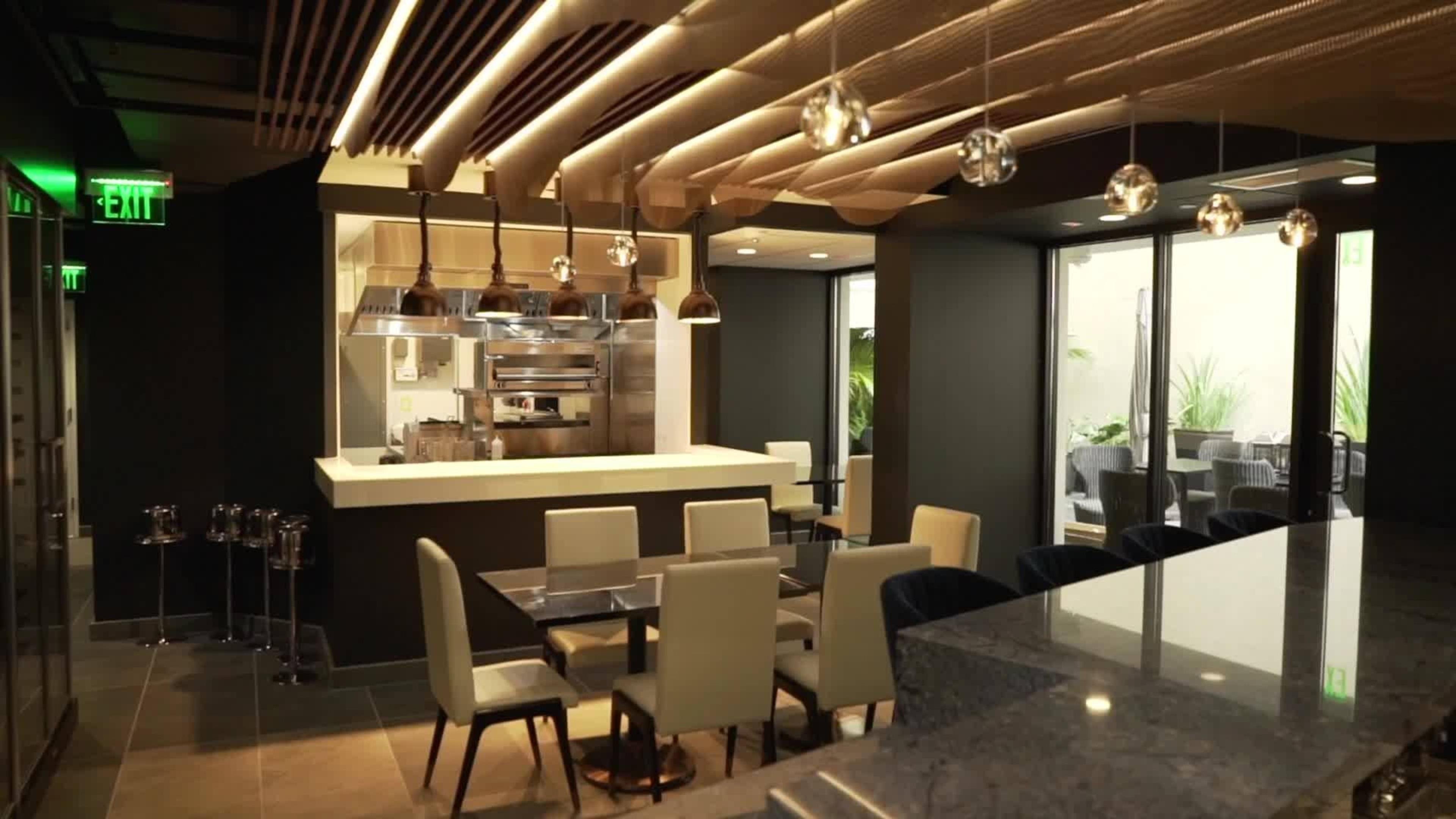
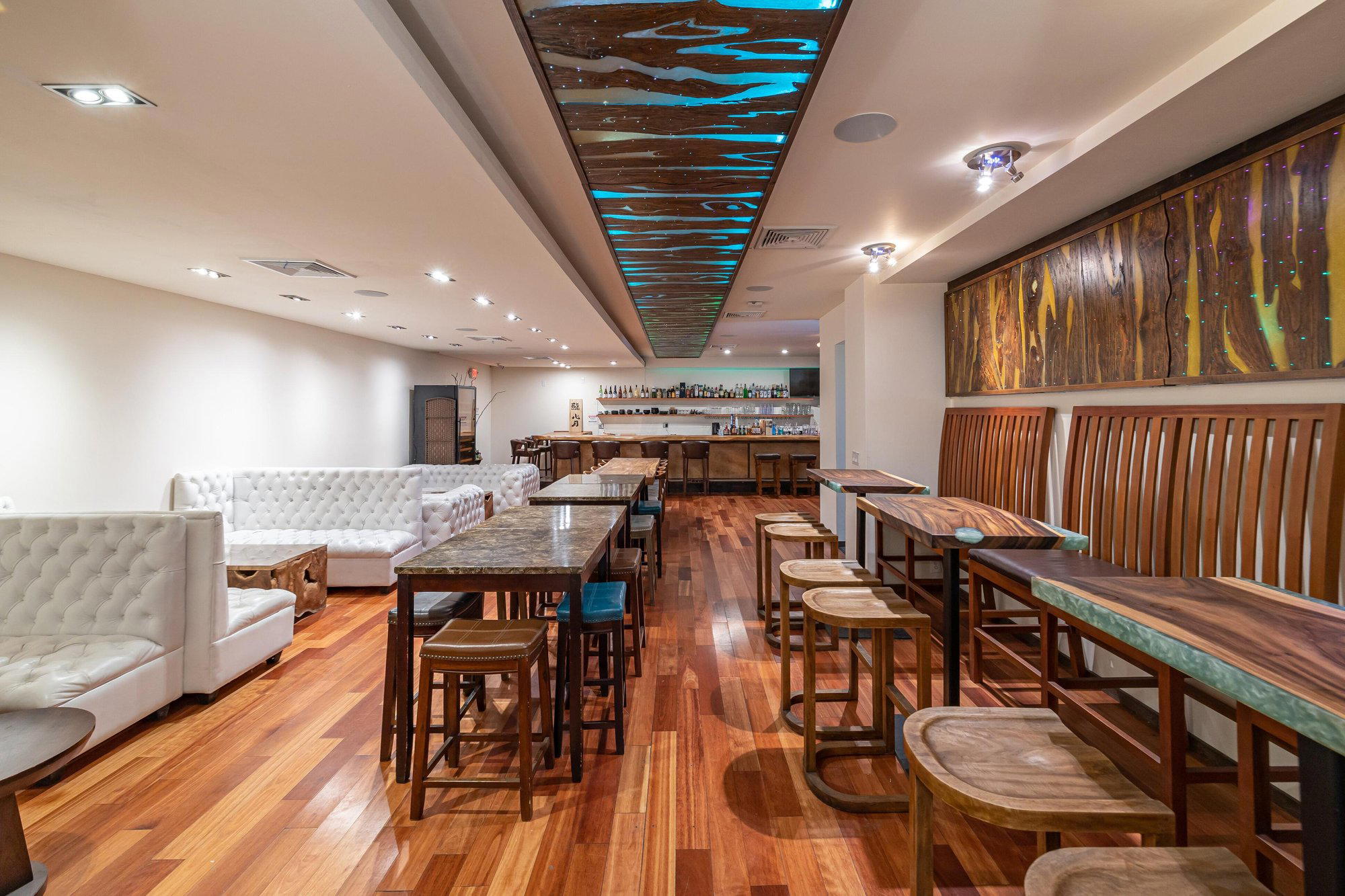
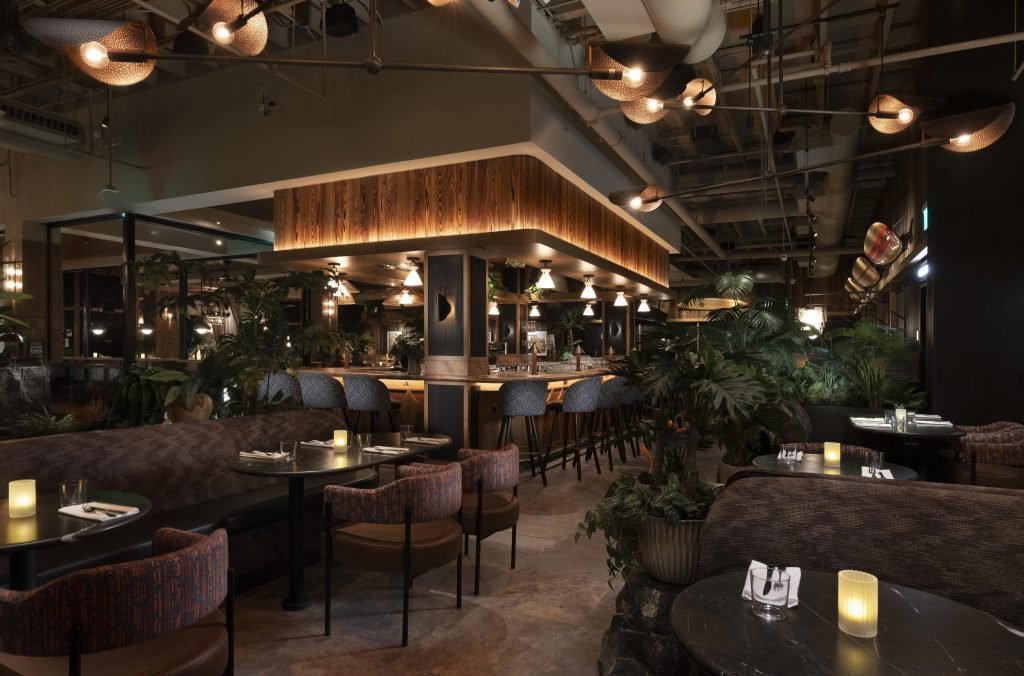
Modern, upbeat atmosphere with open kitchen and interactive long sushi counter fostering a laid-back, fun, and cozy dining experience.