
Sakadachi belongs to Tokyo’s tachinomi tradition, where the ritual is stripped back: standing room, short orders, quick pours, and little tolerance for indecision. Its 2025 Tabelog 100 selection for tachinomi, fish-focused food, and sake-shochu-wine drinking range place it in a casual but serious tier of the city’s after-work drinking culture.
Pearl is the En Primeur Club membership app — saves, bookings, and concierge access live there. Same editors, same standards.
- Address
- 1 Chome-3-10 Shintomi, Chuo City, Tokyo 104-0041, Japan
- Phone
- +81 3-6222-8676
- Website
- instagram.com
 Saves & bookings on Pearl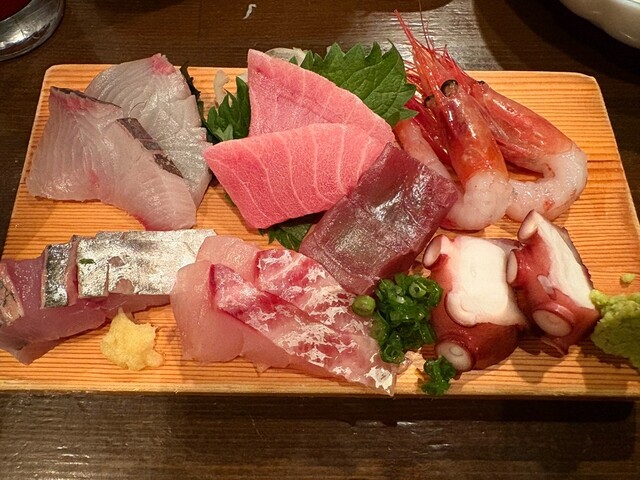
Shintomi is not theatrical Tokyo. The streets east of Ginza thin into offices, small restaurants, and the practical rhythm of commuters moving between Yurakucho, Hibiya, Asakusa, and Keiyo Line stations. In that setting, the stand-up bar remains one of the city’s clearest dining rituals: arrive light, order fast, drink with intent, and do not treat the counter like a long tasting-menu seat.
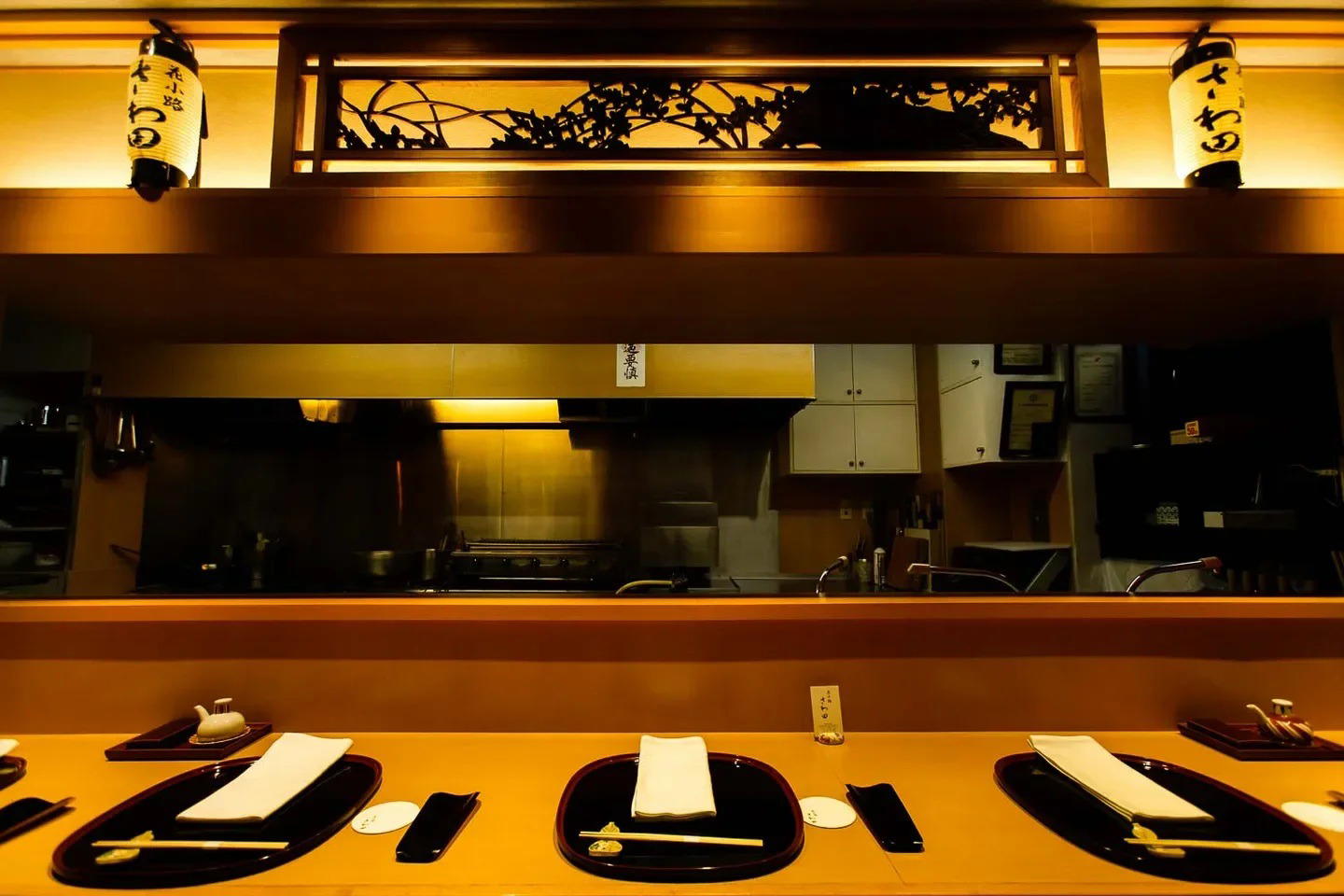
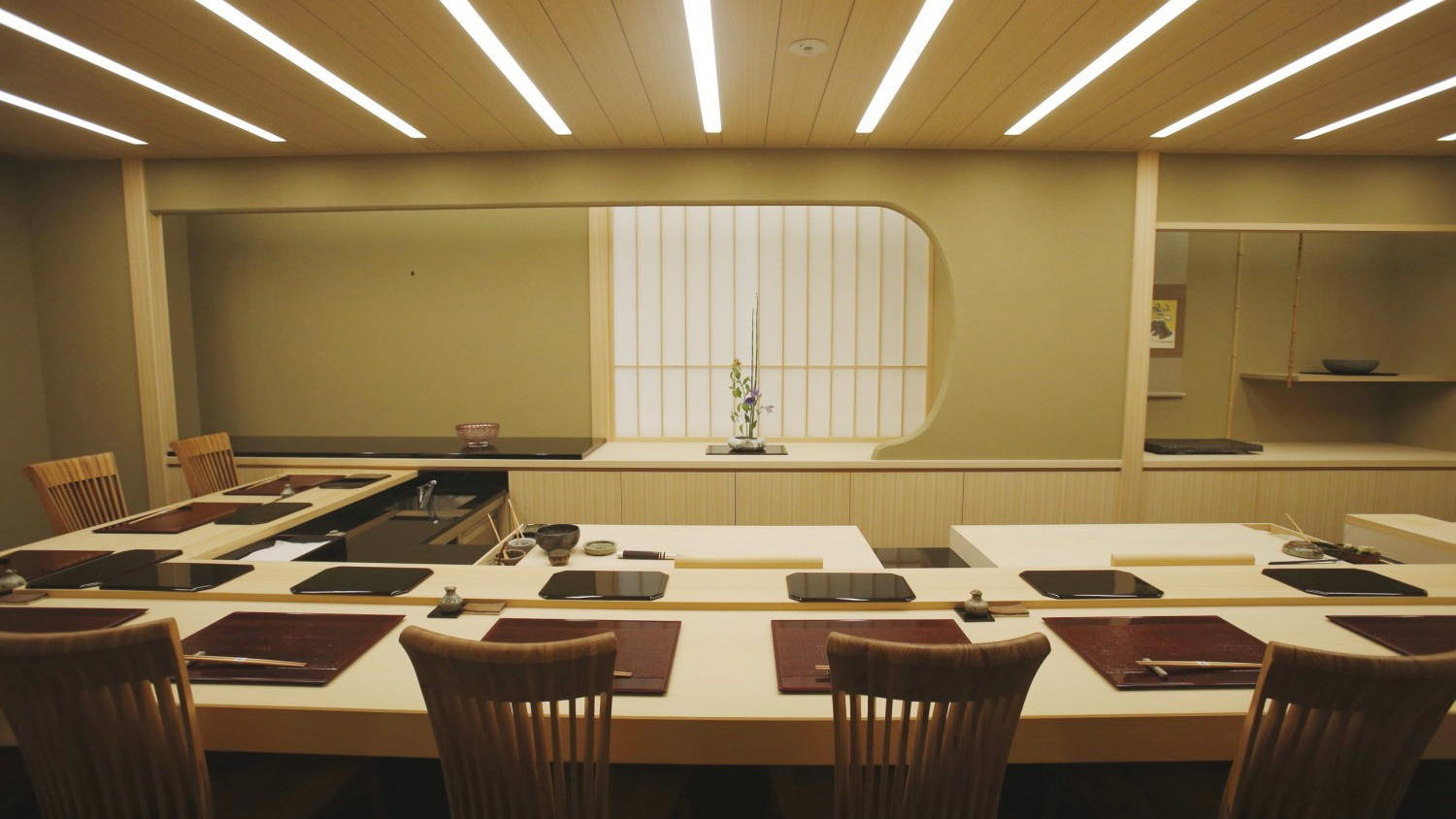
Sakadachi fits that code. The format is tachinomi, all standing, with a no-smoking interior and a reputation built around fish, sake, shochu, and wine rather than a chef-driven narrative. Its selection for Tabelog 100 Tachinomi 2025 matters because this is a category where comfort is not the point. Recognition goes to places that make compact drinking feel disciplined, not merely convenient.
Tokyo tachinomi, read through fish and pace
Tachinomi culture sits between bar, izakaya, and snack counter, but its etiquette is sharper than that hybrid description suggests. The standing format changes the meal. Groups stay smaller, ordering happens in waves, and the room turns on quick decisions rather than lingering ceremony. Fish-focused food gives the ritual a cleaner spine: it suits sake, keeps the table from becoming heavy, and rewards guests who understand that variety matters more than volume.
In Tokyo, this tier occupies a different lane from reservation-led sushi counters such as Sushi Hashimoto or French rooms such as hortensia. Those formats ask for time, advance planning, and a more formal appetite. Tachinomi asks for timing and social fluency. The price band at Sakadachi, JPY 2,000 to JPY 2,999 for dinner, reinforces that distinction: this is not luxury dining dressed down, but a concise drinking meal with recognized execution inside a casual framework.
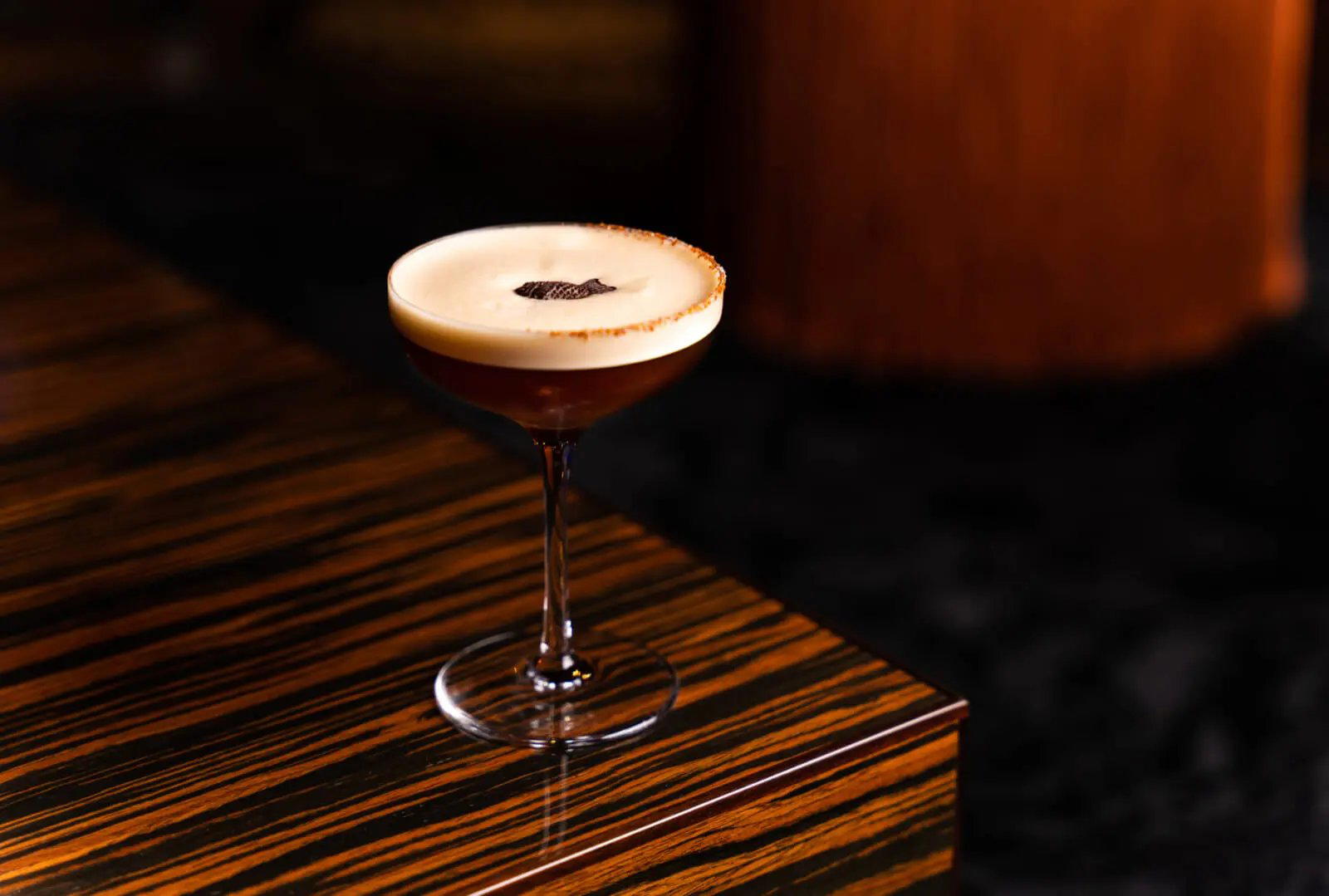
The drink range also says something about contemporary Tokyo. Sake remains the natural center of gravity for fish-led standing bars, but shochu and wine broaden the occasion without turning the room into a cocktail program. That matters in Chuo, where post-work dining can swing from polished omakase to utility drinking within a few blocks. Sakadachi sits in the latter camp, but the Tabelog 100 listing places it above the generic after-office stop.
The ritual is informal, not loose
The mistake with tachinomi is to confuse low ceremony with low standards. Standing bars depend on rhythm: order enough to justify the place at the counter, avoid spreading out, and keep the conversation inside the room’s tempo. The absence of seats is not a quirk; it is the mechanism. It compresses the visit, keeps prices accessible, and gives the food and drink a directness that disappears when the same menu is stretched into a full evening.
That makes Sakadachi more useful for certain Tokyo itineraries than a higher-gloss reservation. It belongs before or after a larger night, with friends rather than clients, and with an appetite tuned to fish and drinks rather than a full-course progression. Compared with similarly priced casual venues such as Kagaribi, its standing-bar identity is the defining signal. Compared with experimental or formal formats such as Treis - τρεῖς or プレニチュード, the appeal is compression: fewer layers, faster pacing, and a clearer relationship between drink and food.
The broader Tokyo lesson is that casual does not mean secondary. The city’s dining hierarchy is often described through sushi, kaiseki, French technique, and hard-to-secure counters, but its daily intelligence is just as visible in formats that manage crowding, price, and quality under pressure. A standing bar with fish, nihonshu, shochu, and wine is a test of ordering discipline. It rewards guests who can read the room.
How to place it in a Tokyo eating day
Sakadachi is strongest as a targeted stop in eastern Chuo, not as a destination that needs a whole evening built around it. The nearest-station cluster is useful: Shintomicho, Takaracho, and Hatchobori put it within easy reach of Ginza, Kyobashi, Tsukiji, and the Tokyo Station side of the city. That geography is part of the appeal. It lets a traveler pair a standing-bar drink with a later reservation, or use it as the main event on a night when formality would feel wrong.
Reservations are unavailable, so the practical decision is about timing rather than booking strategy. The room opens in the evening, closes on Sundays and public holidays, and may close on some Saturdays. Payment is cash-only in practice, with credit cards, electronic money, and QR payments not accepted. Parking is unavailable, which is standard for this part of central Tokyo and another reason to arrive by rail.
For readers mapping a broader trip, Sakadachi belongs in the same mental file as Tokyo’s compact specialist addresses rather than its grand dining rooms. For more structured planning, see Our full Tokyo restaurants guide, then split the rest of the city by mood: Our full Tokyo bars guide for drinking rooms, Our full Tokyo hotels guide for where to base the night, Our full Tokyo experiences guide for cultural scheduling, and Our full Tokyo wineries guide for wine-focused detours.
Tokyo’s casual map is broad enough to reward cross-checking by format. Nearby or contrasting restaurant pages include. 鮪と炭火焼き うお炭 秋葉原店, 12/10 Shinjuku ten, 124. KAGURAZAKA (Yakitori), 2D Cafe, and 3 Chome no Curry Ya San. For a wider Japan comparison, see -Grilled beef Sukiyaki- KAMAKURA TANUKIAN 鎌倉 たぬき庵 in Kamakura.cafe in Osaka.know in Kumamoto, (Shoku) Vietnam in Kawasaki, [Curry Senmon Ten] Maruyama Kyoju. in Sapporo, and [ki:] in Kyoto. Outside Japan, sake-adjacent casual formats can be compared with Jōdo Saké Bar in Los Angeles and Onigiri Time in Pasadena.
The editorial read is simple: come for the tachinomi ritual, not a seated restaurant narrative. Sakadachi has built its reputation on fish-led standing-bar dining, a sake-shochu-wine drinking range, and a 2025 Tabelog 100 Tachinomi selection. That combination makes it a sharp example of how Tokyo’s informal dining culture can be serious without becoming formal.
A Quick Peer Check
Comparable venues at the same tier.
| Venue | Cuisine | Price | Notes |
|---|---|---|---|
| SakadachiThis venue — the venue you are viewing | Standing Japanese izakaya bar | $ | Not listed |
| Kanmidokoro Irie | Traditional Japanese sweets café (kanmidokoro) | $ | Kōtō |
| Masurao | Standing Japanese izakaya bar | $ | Kōtō |
| Kikumaru | Traditional Japanese sweets café (anmitsu & wagashi) | $ | Taitō |
| レベル | Modern Japanese Fine Dining | $ | Shinjuku |
| Chonan Hosono Takashi | Tsukemen & ramen | $ | Nerima |
Recognition history
Dated appearances from independent guides and award organizations, with the underlying list record or original source where available.
Tabelog 100 #90 · No. 90
Tabelog · Tabelog 100 - Tachinomi - 2025





At a Glance
- Lively
- Cozy
- Energetic
- After Work
- Casual Hangout
- Solo
- Late Night
- Standalone
- Sake Program
- Beer Program
Current opening hours
- Monday
- 5–11 PM
- Tuesday
- 5–11 PM
- Wednesday
- 5–11 PM
- Thursday
- 5–11 PM
- Friday
- 5–11 PM
- Saturday
- 5–11 PM
- Sunday
- Closed
Hours can change for holidays and private events. Last verified .
A casual neighborhood tachinomi with a standing counter, close quarters, and a bustling after-work atmosphere focused on drinks and quick small plates rather than long, seated meals.