
Inside Tokyo Station’s Gransta basement, Nihonbashi Nishikihorin Karintou senmonten belongs to the city’s serious wagashi takeaway culture rather than the sit-down dessert-cafe circuit. Its Tabelog 100 selection for Tokyo Japanese traditional sweets and sweets cafes in 2023 gives a clear signal: this is a station purchase with specialist credentials, built around karintou and the commuter-gift economy.
Pearl is the En Primeur Club membership app — saves, bookings, and concierge access live there. Same editors, same standards.
- Address
- JR東日本東京駅構内「グランスタ」内 地下 1階, 1 Chome-9-1 Marunouchi, Chiyoda City, Tokyo 100-0005, Japan
- Phone
- +81 3-3287-8010
- Website
- nishikihorin.com
 Saves & bookings on Pearl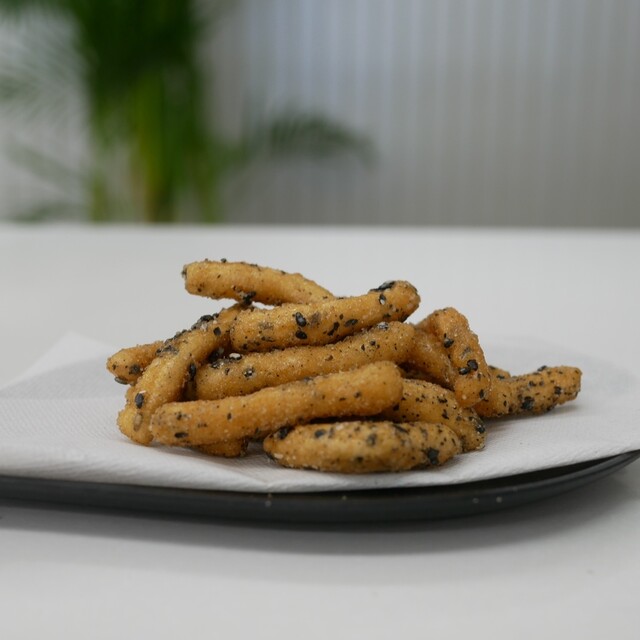
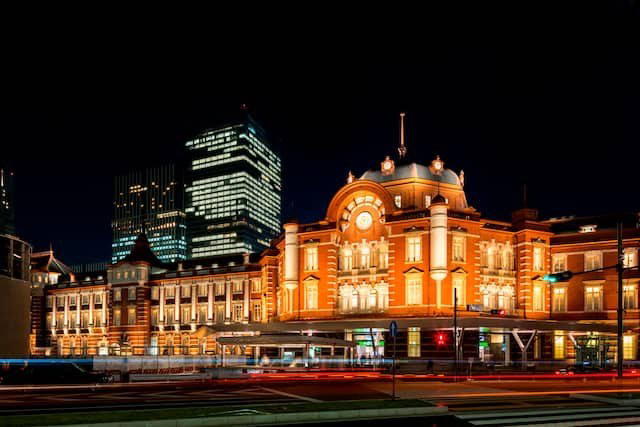
Tokyo Station’s underground food halls operate at a different tempo from the dining rooms above Marunouchi. Suitcases roll past confectionery counters, office workers move with practiced speed, and the strongest shops have seconds, not minutes, to make their case. In that setting, Nihonbashi Nishikihorin Karintou senmonten reads as part of a particular Tokyo tradition: sweets designed for transit, gifting, and immediate recognition, rather than plated dessert performance.
Karintou sits in a compact but resilient corner of Japanese sweets culture. The form is associated with fried dough, sugar coating, and a shelf-stable practicality that made it well suited to hand-carry gifting long before railway retail became as polished as it is now. At Tokyo Station, that tradition meets the city’s gift economy, where packaging, portability, and speed matter as much as a formal tea-room setting. The point is not lingering. The point is choosing well under pressure.
Karintou as Tokyo station culture, not dessert-course theatre
The counter’s value lies in format discipline. This is takeout, not a cafe, and that distinction matters in Tokyo, where wagashi can mean anything from ceremonial seasonal sweets to commuter-friendly confections bought between platforms. A Tabelog 100 selection in the Japanese traditional sweets and Japanese sweets cafe category for Tokyo in 2023 places the shop within a vetted citywide field, but the experience is closer to a precise errand than a destination meal.
That makes it useful for a certain kind of traveller. Tokyo’s luxury dining conversation often drifts toward sushi counters, kaiseki rooms, and reservation-only omakase, yet the city’s edible memory is also carried in smaller purchases: senbei, yokan, dorayaki, castella, and karintou packed for trains, hotels, offices, and hosts. Nishikihorin’s Tokyo Station presence belongs to that second register. It is less about ceremony than about knowing which counter in a high-traffic rail hub has enough specialist recognition to justify stopping.
The lunch-versus-dinner divide here is a daytime-versus-evening station divide. Earlier in the day, Gransta functions as a provisioning zone: commuters buying office gifts, travellers assembling train snacks, and visitors solving the omiyage problem before hotel check-in. In the evening, the same concourse turns more transactional, with after-work passengers and late departures compressing the decision. The product may not need a different menu to feel different; the surrounding pace changes the purchase.
How it compares inside Gransta's grab-and-go hierarchy
Gransta rewards shops that can communicate identity fast. BURDIGALA TOKYO and Zopf Curry Pan Senmon Ten Guransuta ten sit in the low-price station-food bracket, while DEPOT and Kajitsuen Liber Tokyo ten signal a broader cafe or light-meal rhythm. TOYOKEN Toukyou sute-shon moves into a higher spend band. Nishikihorin occupies another lane: traditional sweets, takeaway only, and built around a narrower specialty rather than a general meal occasion.
That narrowness is the editorial reason to care. Tokyo Station can blur into abundance, with too many counters competing through visual density. A specialist karintou shop cuts through that noise because the decision is category-led: buy a Japanese sweet with station practicality, not a bakery item, curry bread, fruit dessert, or plated meal. For readers planning a day across the city, it pairs naturally with a broader Tokyo itinerary rather than replacing a restaurant booking.
For that wider map, EP Club’s Tokyo coverage is useful across formats: Our full Tokyo restaurants guide, Our full Tokyo hotels guide, Our full Tokyo bars guide, Our full Tokyo wineries guide, and Our full Tokyo experiences guide give the station stop a more complete city frame.
Where this fits in a Tokyo eating day
The strongest use case is not a full dining slot. It is a calibrated add-on: a compact Japanese sweet purchase before a train, after a Marunouchi meeting, or between restaurant reservations. That matters in Tokyo, where a day can move from a formal counter lunch to casual evening drinking without leaving much room for a seated sweets break. Karintou works because it travels.
For nearby or same-city planning, contrast the format with restaurant-led stops such as. 鮪と炭火焼き うお炭 秋葉原店, 12/10 Shinjuku ten, 124. KAGURAZAKA (Yakitori), 2D Cafe, and 3 Chome no Curry Ya San. Those are meal or cafe decisions; Nishikihorin is a station-sweets decision with award recognition in a traditional category.
Travellers extending the same logic beyond central Tokyo can read it against regional casual and specialist formats: -Grilled beef Sukiyaki- KAMAKURA TANUKIAN 鎌倉 たぬき庵 in Kamakura.cafe in Osaka.know in Kumamoto, (Shoku) Vietnam in Kawasaki, [Curry Senmon Ten] Maruyama Kyoju. in Sapporo, [ki:] in Kyoto, Jōdo Saké Bar in Los Angeles, and Onigiri Time in Pasadena. The common thread is format clarity: know whether the stop is a meal, a drink, a snack, or a gift, then judge it by that standard.
The critical read is simple. Nihonbashi Nishikihorin Karintou senmonten is compelling because it compresses Tokyo’s traditional-sweets culture into a rail-station purchase without losing category credibility. It is not trying to be a long lunch or an evening dessert room. It belongs to the practical, highly edited side of Tokyo eating: quick, portable, and anchored by a specific wagashi tradition.
Where the Accolades Land
Comparable venues by cuisine and price in the same metro.
| Venue | Cuisine | Price | Notes |
|---|---|---|---|
| Nihonbashi Nishikihorin Karintou senmontenThis venue — the venue you are viewing | Traditional Japanese Karintou Specialty Shop | $ | Not listed |
| Inaniwa Udon to Meshi Kaneko Hannosuke Koredo chuuou nihonbashimuro ten | Inaniwa udon and tempura rice bowls | $ | Chūō |
| American | Classic Ginza kissaten & sandwich café | $ | Chūō |
| KAMAYOSHI | Japanese Udon | $ | Chiyoda |
| Seijuken | Traditional Japanese wagashi & dorayaki shop | $ | Chūō |
| Gyokueido Hikokuro | Traditional Japanese Wagashi & Dorayaki | $ | Chūō |
Recognition history
Dated appearances from independent guides and award organizations, with the underlying list record or original source where available.
Tabelog 100 #69 · No. 69
Tabelog · Tabelog 100 - Japanese traditional sweets / Japanese sweets cafe - TOKYO - 2023








At a Glance
- Classic
- Quiet
- Solo
- Family
- Casual Hangout
- After Work
- Standalone
Current opening hours
- Monday
- 8 AM–10 PM
- Tuesday
- 8 AM–10 PM
- Wednesday
- 8 AM–10 PM
- Thursday
- 8 AM–10 PM
- Friday
- 8 AM–10 PM
- Saturday
- 8 AM–10 PM
- Sunday
- 8 AM–9 PM
Hours can change for holidays and private events. Last verified .
A compact Japanese traditional sweets shop inside Tokyo Station’s GRANSTA basement, with a clean and orderly display of neatly boxed karintou, bright convenience-style lighting, and a calm, gift-focused atmosphere rather than a sit-down cafe vibe.