
A nine-seat soba and tempura specialist in Ginza’s quieter Shintomicho edge, Kobiki Cho Yuzukamiya belongs to Tokyo’s small-format noodle tradition rather than the city’s spectacle dining circuit. Tabelog selected it for the Soba EAST 100 in 2025, with earlier Soba 100 selections in 2024, 2021, 2019, and 2018, giving the room a seriousness that suits low-key milestone meals.
Pearl is the En Primeur Club membership app — saves, bookings, and concierge access live there. Same editors, same standards.
- Address
- 1 Chome-22-14 Ginza, Chuo City, Tokyo 104-0061, Japan
- Phone
- +81335670838
- Website
- tabelog.com
 Saves & bookings on Pearl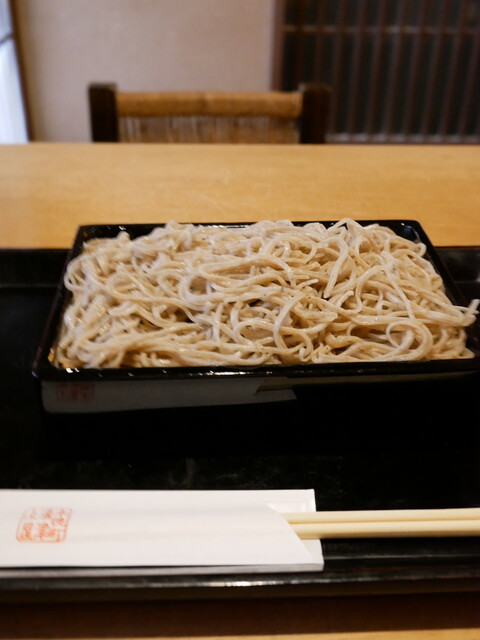
The approach to Ginza’s eastern side changes the mood before the meal begins. Department-store polish gives way to narrower streets around Shintomicho, where Tokyo’s older lunch-counter culture and small specialist rooms survive beside galleries, offices, and quiet residential blocks. In that setting, soba carries a different kind of ceremony from sushi or kaiseki: less theatrical, more exacting, and often more revealing of how Tokyo eats when it is not performing for visitors.
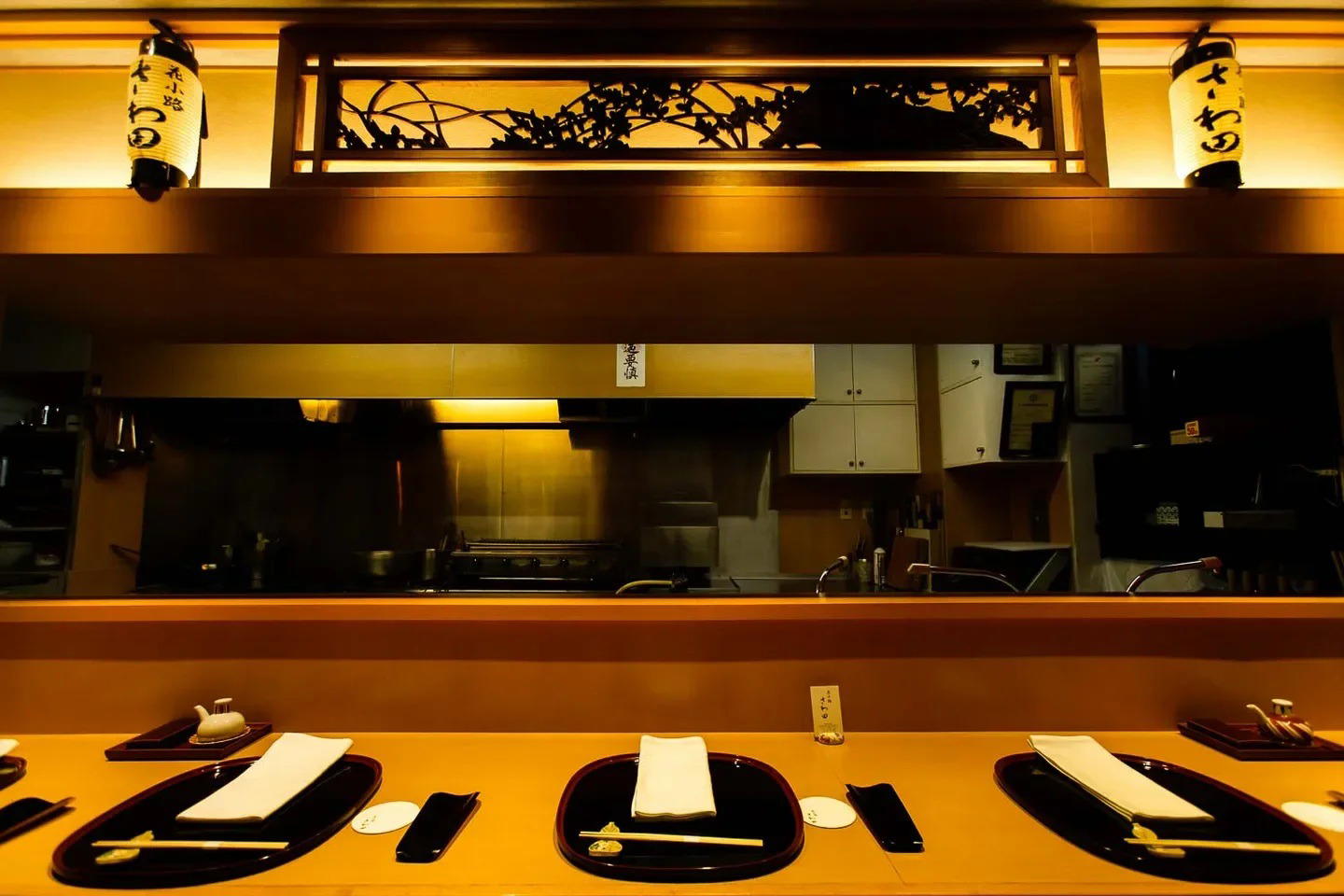
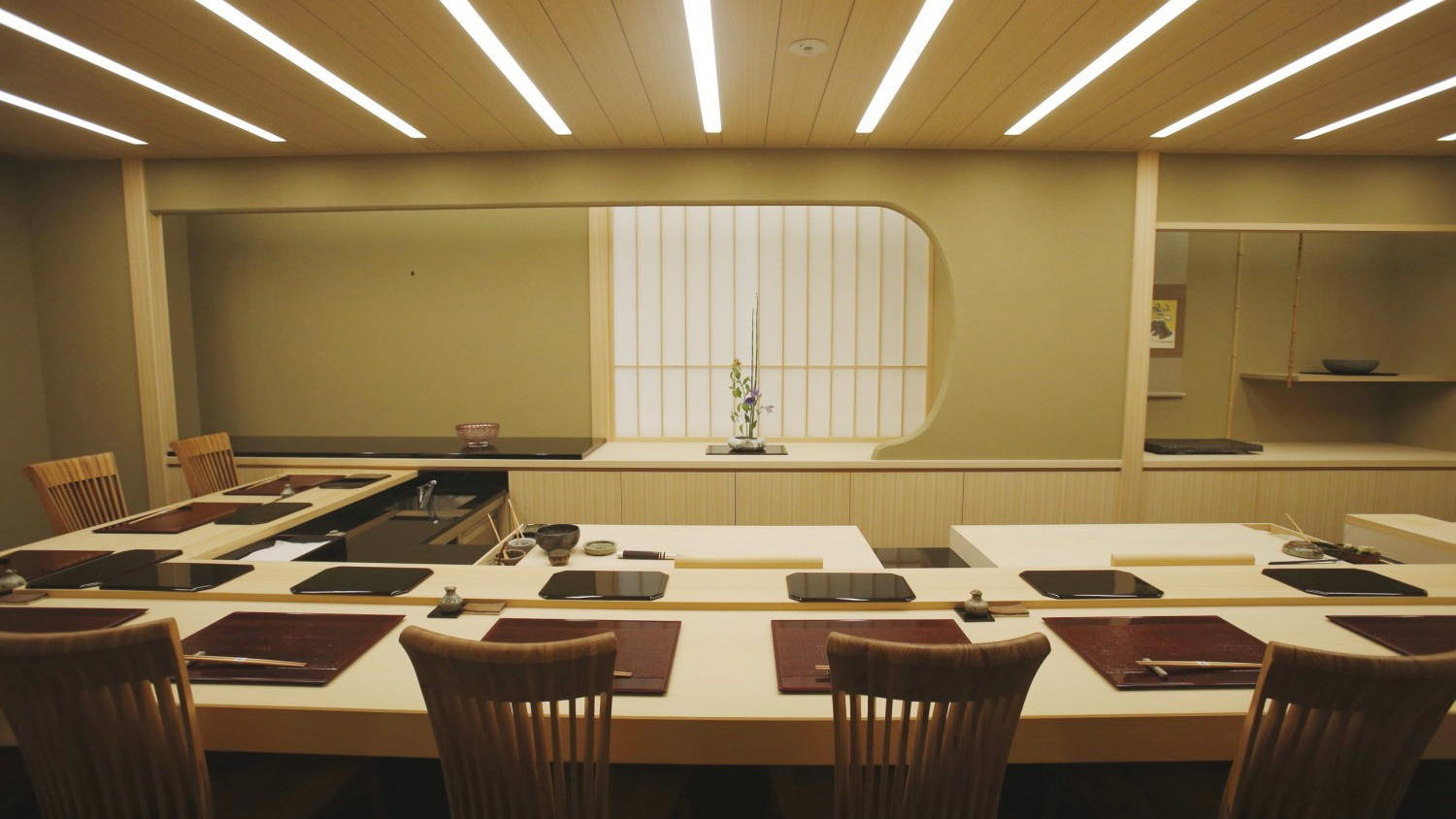
Kobiki Cho Yuzukamiya fits that register. The room is small, with nine seats split between a short counter and two tables, and the cooking is centered on soba with tempura rather than a long tasting-menu arc. For celebrations, that changes the nature of the occasion. This is not a place for a large toast or a banquet mood; it is better suited to two people marking something quietly, or a solo diner choosing craft over ceremony. The appeal lies in compression: limited seats, a focused category, and a neighbourhood where restraint reads as confidence.
Ginza soba without the theatre of Ginza dining
Tokyo’s premium dining reputation is often filtered through omakase counters, French-influenced tasting rooms, and high-polish Ginza addresses. Soba works on a different frequency. The form rewards timing, texture, broth discipline, and the relationship between noodles and small fried accompaniments rather than a procession of luxury ingredients. In a city where celebrations can quickly become expensive and over-scripted, a soba counter offers a sharper alternative: meaningful, compact, and anchored in everyday Japanese food culture.
The distinction matters in Ginza. Nearby high-spend rooms such as Ginza Ichibun operate in a different price and occasion band, while Soba Sasuga shows how soba can also move into a higher evening bracket. Kobiki Cho Yuzukamiya sits closer to the modest, specialist end of that spectrum, but its repeated Tabelog Soba 100 recognition places it inside a serious competitive field. Selection for the Tabelog Soba EAST 100 in 2025, after appearances in 2024, 2021, 2019, and 2018, is a useful signal in a category where local repeat approval tends to matter more than international trophy language.
That recognition should be read carefully. It does not turn the meal into a luxury performance, and it should not be approached as one. The point is the opposite: a narrow format executed with enough consistency to remain visible among eastern Japan’s soba specialists. For diners planning an anniversary lunch, a restrained birthday meal, or a thoughtful pause between Ginza appointments, the room’s scale and focus are the argument.
A small-room occasion for people who prefer precision to ceremony
Celebration dining in Tokyo does not always need a private room, a sommelier-led progression, or a hotel lobby arrival. There is a local grammar to the smaller occasion: arrive on time, keep the party compact, order within the house’s lane, and let the meal’s discipline carry the weight. A nine-seat soba shop makes poor sense for groups that need space, flexibility, or prolonged conversation. It makes strong sense for diners who see a milestone meal as a chance to eat something specific at a serious address without turning the evening into theatre.
The soba-and-tempura pairing also gives the meal a useful rhythm. Soba is direct and seasonal in spirit, even when no seasonal menu is being advertised; tempura adds contrast without forcing the meal into a full kappo format. Drinks lean Japanese, with sake and shochu listed, which keeps the occasion in the same register as the food rather than pushing it toward Western fine-dining habits. The absence of private rooms further clarifies the experience: this is communal small-space dining, not a secluded celebration suite.
For travellers building a Tokyo food itinerary, the useful comparison is not only with other soba rooms. It is with the decision between spectacle and specificity. Akihabara casual dining, yakitori counters, curry specialists, cafés, and Ginza noodle rooms all answer different needs within the same city. Readers mapping that spread can place this address beside . 鮪と炭火焼き うお炭 秋葉原店, 12/10 Shinjuku ten, 124. KAGURAZAKA (Yakitori), 2D Cafe, and 3 Chome no Curry Ya San to understand how varied Tokyo’s specialist dining can be.
How to place it in a Tokyo itinerary
The smarter use of Kobiki Cho Yuzukamiya is as a focused meal rather than a whole-night production. Its location on the Shintomicho side of Ginza makes it easy to pair with gallery time, shopping, or a quieter walk away from the main luxury corridors. The house rules and small footprint also reward diners who prefer minimal fuss: do not treat the room as a photo stop, do not expect hotel-style pacing, and do not bring a party that needs extra accommodation from a compact kitchen.
For occasion dining, the editorial call is clear. Choose it when the milestone is about taste, restraint, and place, not display. Tokyo has many venues built for grand gestures; this one belongs to the category of meals where the seriousness is in the format. The repeated Soba 100 selections, the nine-seat scale, and the Ginza-adjacent address give it enough weight for a meaningful meal while keeping it grounded in the city’s everyday noodle tradition.
For broader planning, use Our full Tokyo restaurants guide alongside Our full Tokyo hotels guide, Our full Tokyo bars guide, Our full Tokyo wineries guide, and Our full Tokyo experiences guide. For a wider Japan and overseas comparison set, see -Grilled beef Sukiyaki- KAMAKURA TANUKIAN 鎌倉 たぬき庵 in Kamakura.cafe in Osaka.know in Kumamoto, (Shoku) Vietnam in Kawasaki, [Curry Senmon Ten] Maruyama Kyoju. in Sapporo, [ki:] in Kyoto, Jōdo Saké Bar in Los Angeles, and Onigiri Time in Pasadena.
Awards and Standing
Comparable venues at similar price and category levels.
| Venue | Cuisine | Price | Notes |
|---|---|---|---|
| Kobiki Cho YuzukamiyaThis venue — the venue you are viewing | Traditional Soba & Tempura | $ | Not listed |
| Sakadachi | Standing Japanese izakaya bar | $ | Chūō |
| Japanese Spice Curry wacca | Japanese spice curry | $ | Chūō |
| Cuit Bonne | Japanese European-style curry & dining bar | $ | Chūō |
| Oniyanma Ningyouchou ten | Standing Udon Noodle Bar | $ | Chūō |
| Caligari Akihabara | Japanese curry house specializing in coconut curry | $ | Chiyoda |
Recognition history
Dated appearances from independent guides and award organizations, with the underlying list record or original source where available.
Tabelog 100 #88 · No. 88
Tabelog · Tabelog 100 - Soba - EAST - 2025







At a Glance
- Cozy
- Quiet
- Classic
- Intimate
- Solo
- After Work
- Casual Hangout
- Standalone
- Sake Program
Current opening hours
- Monday
- Closed
- Tuesday
- 11:30 AM–2 PM
- Wednesday
- 11:30 AM–2 PM, 5–7 PM
- Thursday
- 11:30 AM–2 PM, 5–7 PM
- Friday
- 11:30 AM–2 PM, 5–7 PM
- Saturday
- 11:30 AM–2 PM
- Sunday
- Closed
Hours can change for holidays and private events. Last verified .
A small nine-seat soba shop tucked in a quiet Ginza alley, with a tranquil, traditional atmosphere; counter and small tables create an intimate feel, and the focus is on calm, no-photo dining rather than décor.