
Tabelog 100 #66
Our verdict
Izakaya Toyo sits in Osaka’s tachinomi tradition: stand-up drinking, seafood-led plates, and a social rhythm closer to street culture than formal dining. Its 2025 Tabelog 100 Tachinomi selection, self-service drinks, cash-only setup, and no-reservations format place it firmly in the city’s low-friction, high-turnover izakaya current.

Pearl is the En Primeur Club membership app, where members save venues, book tables and use the concierge.
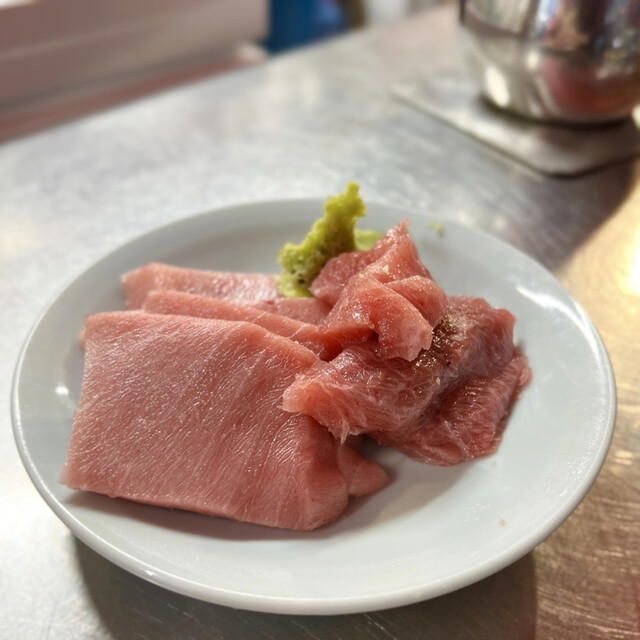
Osaka is a city that works before it poses: rail lines, after-work drinkers, narrow-fronted counters, and the quick choreography of people eating while standing. The tachinomi format belongs to that rhythm. It is not a miniature version of a restaurant; it is a different contract between cook, drinker, and city, built around speed, proximity, and an appetite for directness that does not need linen or ceremony to make its point.
Izakaya Toyo belongs to this lineage, and its inclusion in the 2025 Tabelog 100 Tachinomi list gives the venue a useful signal in a category where reputation often travels faster than formal criticism. Tabelog lists it under stand-up bar, seafood, and izakaya, with a score of 3.55 and a listed budget of JPY 2,000–JPY 2,999 for both lunch and dinner. That combination matters in Osaka, where the drinking table has long been a working instrument rather than a decorative stage: the food must hold up, the format must move, and the room cannot rely on comfort to disguise weak cooking.
Stand-up seafood as Osaka social architecture
Tachinomi culture rewards clarity. Diners are not settling in for a long tasting menu, and the standing-bar structure compresses the experience into decisions made at counter height. Seafood carries the centre of gravity here, a choice that aligns with Osaka’s broader habit of treating casual food with serious attention. The city’s reputation for kuidaore, eating until one drops, is often reduced to famous street foods, but its drinking culture is just as revealing: modest formats, strong turnover, and dishes designed to make another round feel logical.
The useful comparison is not with high-polish sushi counters such as Sushidokoro Hirokawa, or with higher-spend meat rooms such as Yakiniku Horumon Odoru. Those venues ask for a different kind of evening. The closer frame is the city’s standing-bar economy, where recognition comes from repeatability, pace, and the ability to make seafood feel immediate rather than precious. STUN.S sits in another casual-dining bracket; Izakaya Toyo operates in the more compressed zone where a short session can carry the weight of a meal.
That distinction is why the Tabelog Tachinomi citation is more meaningful than a generic popularity marker. It identifies a specific Japanese format, not simply an admired restaurant. In practical terms, it places the venue among specialists in standing drinking culture, where the room, payment habits, alcohol service, and food cadence are part of the evaluation. The listed categories reinforce the point: this is not hospitality as ceremony around the guest, but an Osaka drinking mode in which the customer understands the system and moves with it.
Why Osaka changes the read
City context sharpens the experience. Osaka is not only about the polished face of destination dining; it is also a place of after-work appetite, compact counters, and less formal rooms where tachinomi feels native rather than themed. A standing seafood izakaya here reads differently from the same format in a hotel district or a newly developed dining complex. The energy comes from circulation: regular drinkers, commuting diners, and visitors who have learned that Osaka’s less formal rooms often carry the city’s sharper food intelligence.
That is also why the venue should not be read as a substitute for an omakase or a long izakaya dinner. Its value lies in the compactness of the exchange. The format suits diners looking for a focused Osaka drinking stop more than those seeking a slow, heavily managed meal. The appeal remains close to the public, shoulder-to-shoulder logic of tachinomi, where speed and proximity are part of the frame.
For travellers building an Osaka eating map, this venue fills a different slot from bakery stops, café culture, and international kitchens. A day might move through other Osaka dining rooms, snack counters, and casual specialists before turning toward the city’s standing-bar culture. Izakaya Toyo sits on the drinking-culture side of that itinerary, closer to an urban habit than a conventional dinner reservation.
The decision: go for format, not polish
The editorial case is strongest for travellers who want Osaka at counter level. The stand-up bar category, seafood focus, izakaya identity, and Tabelog 100 Tachinomi 2025 recognition create a narrow but coherent proposition. This is not the venue for a quiet, heavily managed evening; it is for reading how Osaka eats when speed, alcohol, and proximity are part of the pleasure. The Tabelog selection supplies the trust signal, but the format explains the appeal.
Planning should be realistic. The available listing points to a modest budget, with lunch and dinner both shown at JPY 2,000–JPY 2,999, and a phone number published as +81-6-6882-5768. That makes it useful for travellers who want a concise, casual stop rather than a drawn-out destination meal. Treat current operating details as something to confirm close to the visit, especially because casual venues can be less predictable than formal dining rooms.
Use it as a lens on Osaka’s democratic food culture rather than as a trophy meal. The city’s dining range is broad, from casual counters to sushi and grilled meat rooms, and the point here is not luxury by accumulation. It is confidence through constraint: seafood, drinks, standing space, and a crowd that understands the rules without needing them softened.
For wider planning, see Our full Osaka restaurants guide, Our full Osaka hotels guide, Our full Osaka bars guide, Our full Osaka wineries guide, and Our full Osaka experiences guide. Japan-focused readers can also compare formats beyond Osaka through other dining rooms in Japan. For Japanese drinking and comfort-food references outside Japan, unnamed bars and casual counters extend the comparison.
Frequently asked questions
When is Izakaya Toyo open?
Published operating hours are not provided here. Confirm current hours with the venue before visiting.
What does dinner at Izakaya Toyo typically cost?
Pricing at Izakaya Toyo is listed as JPY 2,000 - JPY 2,999, with the same budget range shown for lunch and dinner.
What part of town is Izakaya Toyo in?
Osaka.
What's the signature at Izakaya Toyo?
The clearest draw is the seafood-led tachinomi format, which earned Izakaya Toyo a place in Tabelog 100 Tachinomi 2025. Tabelog lists it under stand-up bar, seafood, and izakaya, so the appeal is the pace and the seafood focus rather than a single plated signature.
Can Izakaya Toyo adjust for dietary needs?
Those details are not published here.
Is Izakaya Toyo good for families?
It is not an obvious family pick if a seated, slow-paced meal is the priority. The listed budget of JPY 2,000–JPY 2,999 makes it accessible, but the tachinomi format is generally better suited to adults comfortable with a compact standing-bar experience.
Pricing, Compared
Comparable venues for cuisine and category context.
| Venue | Cuisine | Price | Awards | Notes |
|---|---|---|---|---|
| Izakaya ToyoThis venue (the venue you are viewing) | Traditional Japanese Izakaya | $20–30 | Tabelog 100 #66 | Not listed |
| Sunshine | Retro Japanese kissaten & coffee shop | $10–20 | Tabelog 100 #24 | Kita, Retro Japanese kissaten & coffee shop |
| yobareya | Japanese Curry | $1–10 | Tabelog 100 #41 | Nishi, Japanese Curry |
| Onomichi Ramen Yamacho | Onomichi-style ramen | $10–20 | Tabelog 100 #59 | Moriguchi, Onomichi-style ramen |
| NAKAGAWA Wazu | Niboshi-focused Ramen Counter | $1–10 | Tabelog 100 #1 | Higashiyodogawa, Niboshi-focused Ramen Counter |
| Udon Yukino | Osaka Udon & Curry Udon Shop | $10–20 | Tabelog 100 #58 | Higashisumiyoshi, Osaka Udon & Curry Udon Shop |
Recognition history
Dated appearances from independent guides and award organizations, with the underlying list record or original source where available.
Tabelog 100 #66 · No. 66
Tabelog · Tabelog 100 - Tachinomi - 2025
Continue exploring
More in Osaka
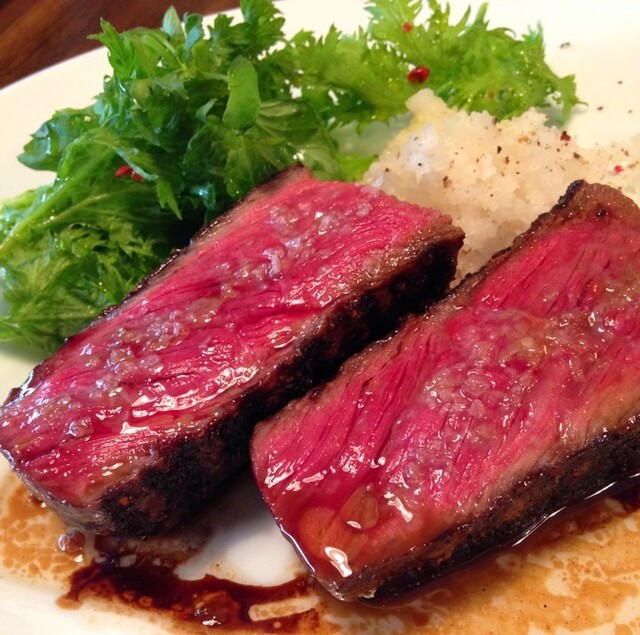
Restaurants in Osaka
All restaurants in Osaka →
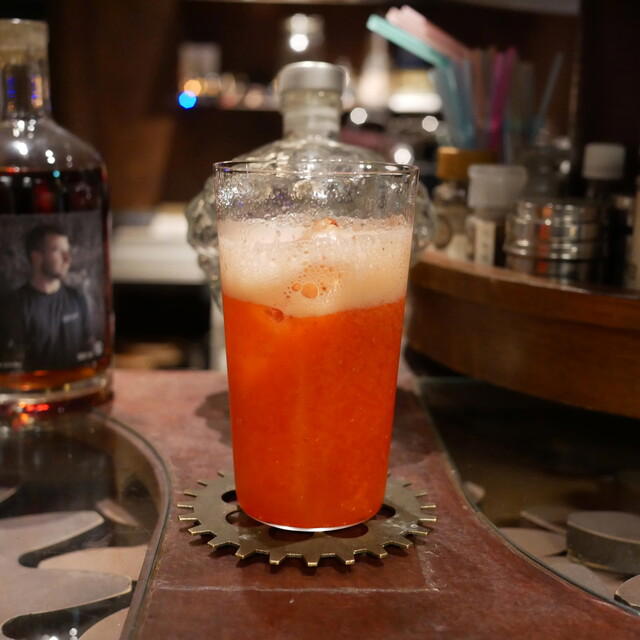
Bars in Osaka
All bars in Osaka →
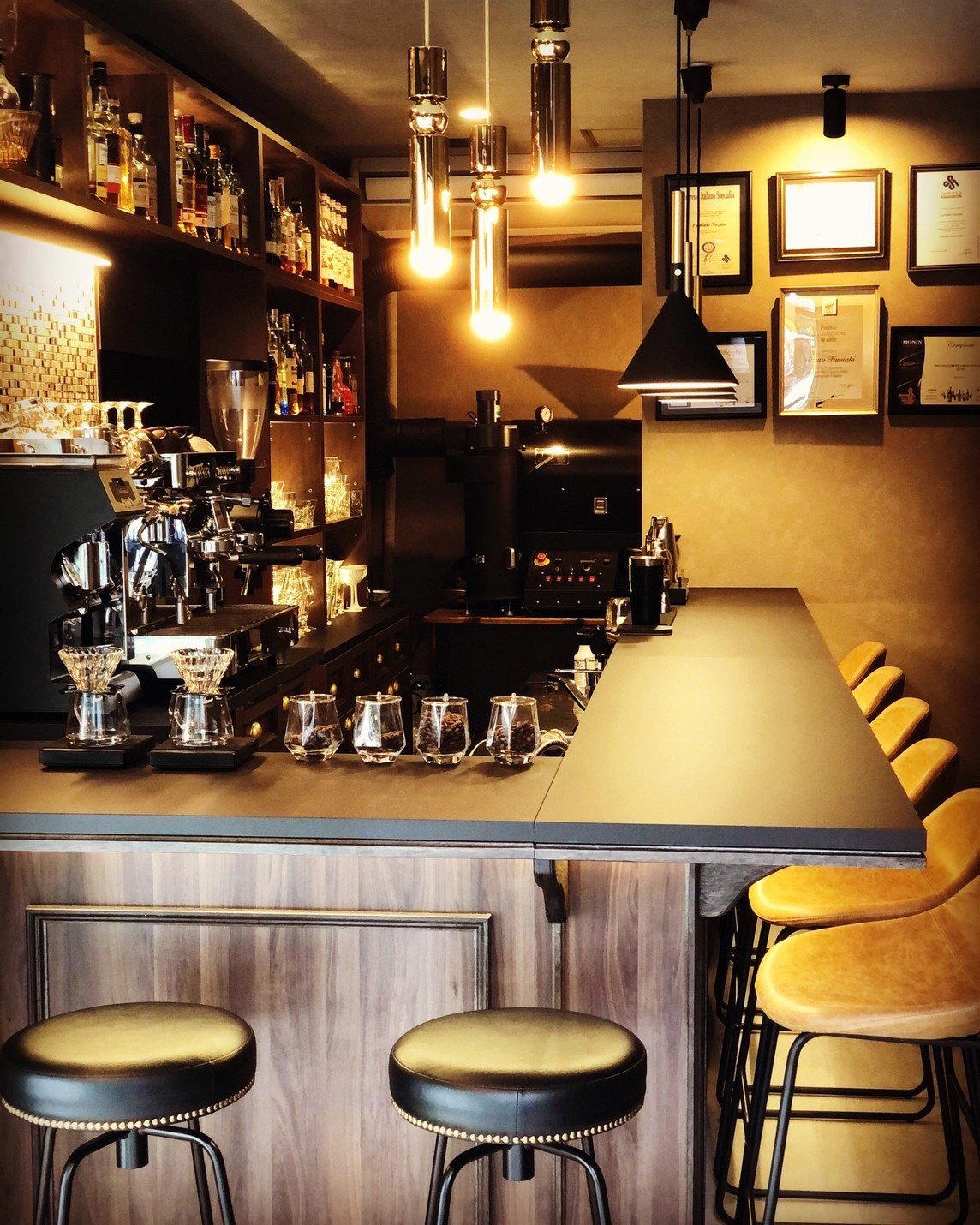
Hotels in Osaka
All hotels in Osaka →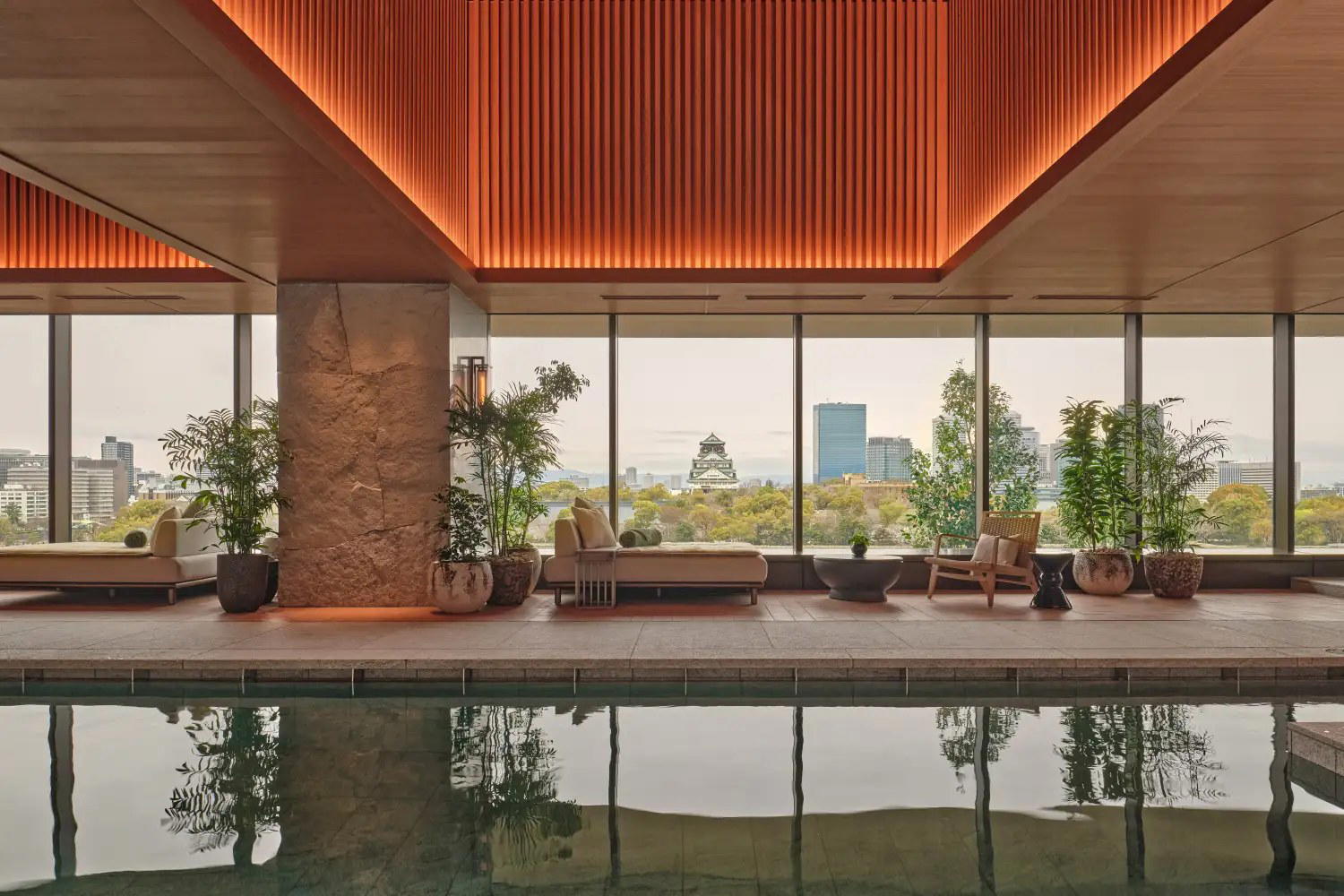
Wineries in Osaka
Browse all →
Details
- Lively
- Rustic
- Well Known
- Casual Hangout
- After Work
- Solo
- Late Night
- Group Dining
- Standalone
- Open Kitchen
- Beer Program
- Sake Program
- Street Scene
- Counter Dining
- A La Carte
- Set Menu
- Beer
- Sake
Current opening hours
- Monday
- Closed
- Tuesday
- 1–5 PM
- Wednesday
- 1–5 PM
- Thursday
- Closed
- Friday
- 1–5 PM
- Saturday
- 12–5 PM
- Sunday
- Closed
Hours can change for holidays and private events. Hours as of .
A casual, bustling, street-side standing bar with a rustic, energetic atmosphere centered on live-fire cooking and drink service.