Junzi Kitchen
Junzi Kitchen on Broadway at 116th Street sits at the intersection of fast-casual format and serious Chinese culinary craft, drawing Columbia University's international community alongside Upper West Side regulars. The kitchen's approach to northern Chinese flavors, hand-pulled noodles, bing wraps, and grain bowls, occupies a distinct tier between neighborhood takeout and full-service Chinese dining in New York City.
Pearl is the En Primeur Club membership app — saves, bookings, and concierge access live there. Same editors, same standards.
- Address
- 2896 Broadway, New York, NY 10025
- Phone
- +19172612497
- Website
- junzi.kitchen
- Directions
- Get directions
 Saves & bookings on Pearl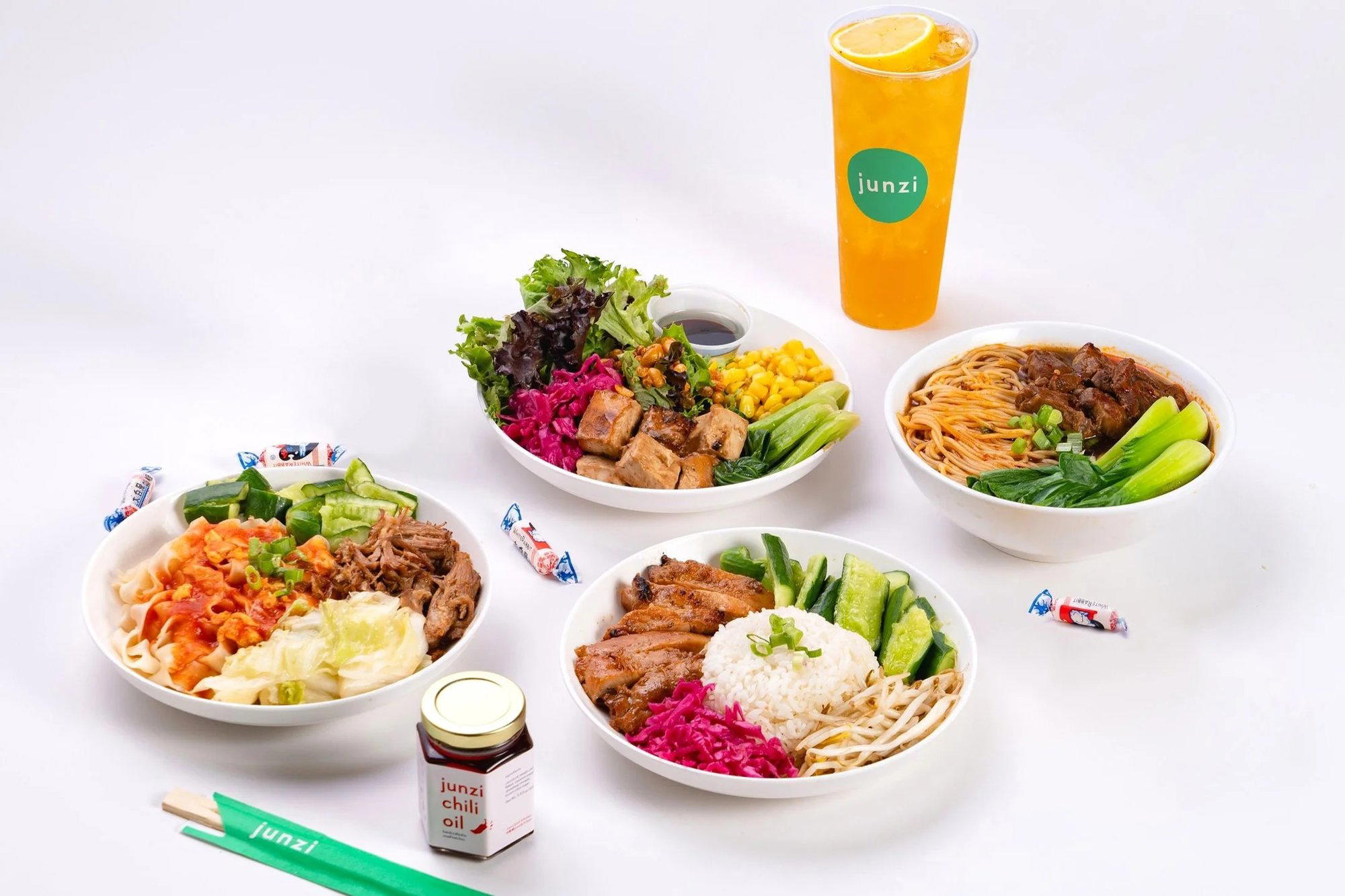
Fast-Casual Chinese Dining and the Upper West Side's Evolving Palate
New York's Chinese restaurant scene has historically concentrated in Flushing and Manhattan's Chinatown, where regional specificity and volume drive the business model. The stretch of Broadway running through Morningside Heights represents a different kind of proving ground: a neighborhood shaped by university culture, high foot traffic, and a diner base that skews international and food-literate without necessarily demanding white-tablecloth formality. Junzi Kitchen, operating from 2896 Broadway, sits squarely inside that context, a fast-casual format built around northern Chinese cooking traditions that have rarely received this kind of focused, stand-alone treatment in the American market.
The broader fast-casual category in American dining has spent the past decade expanding beyond its burger-and-burrito roots, with operators drawing on Korean, Japanese, and South Asian traditions to build quick-service concepts around more complex culinary frameworks. Northern Chinese cooking, with its wheat-forward staples, fermented condiments, and layered sauces, is a natural candidate for this treatment, yet it has arrived later to the format than comparable Asian traditions. That lag makes Junzi Kitchen's positioning at Columbia's doorstep something worth paying attention to, as a signal of where Chinese-American dining's next chapter might be written.
What the Menu Signals About the Format
Northern Chinese cuisine centers on wheat in ways that southern Chinese cooking does not. Hand-pulled noodles, scallion pancakes, and bing, thin flatbreads used as wraps, are the structural anchors of the tradition, and they translate well to a counter-service model without losing the kitchen craft that defines them. At Junzi Kitchen, the menu builds around these formats, presenting a category of Chinese cooking that most New Yorkers encounter only in dedicated noodle houses or in the outer boroughs.
For a meal that marks an occasion, a post-exam celebration, a working lunch that needs to feel considered, or a low-key gathering after a Columbia event, the format offers something that full-service Chinese dining in Midtown cannot always match on timing or accessibility. The price point sits below the $$$$ tier occupied by restaurants like Atomix, Jungsik New York, or Masa, while the culinary seriousness separates it from generic takeout. That middle ground is genuinely useful in a neighborhood where a reservation-driven dinner is not always the right tool for the occasion.
The Morningside Heights Address and What It Means for Occasion Dining
Milestone meals do not always happen in the obvious places. Graduation dinners and anniversary reservations tend toward Midtown or the West Village, where New York's trophy-dining infrastructure concentrates. But for the Columbia community, students, faculty, visiting families, the Upper West Side corridor around 116th Street functions as a genuine dining destination in its own right, and the scarcity of serious, fast-service options at this end of Broadway makes the restaurant's address more consequential than the zip code might suggest to an outsider.
Families visiting for graduation weekend who want a meal that feels considered without the two-hour commitment of a prix-fixe format will find the counter-service structure practical. Graduate students celebrating a defense, or a cohort marking the end of a semester, often need flexibility in timing and group size that traditional restaurants cannot absorb easily. The restaurant's format accommodates those contingencies without sacrificing the culinary specificity that makes the meal feel deliberate rather than default.
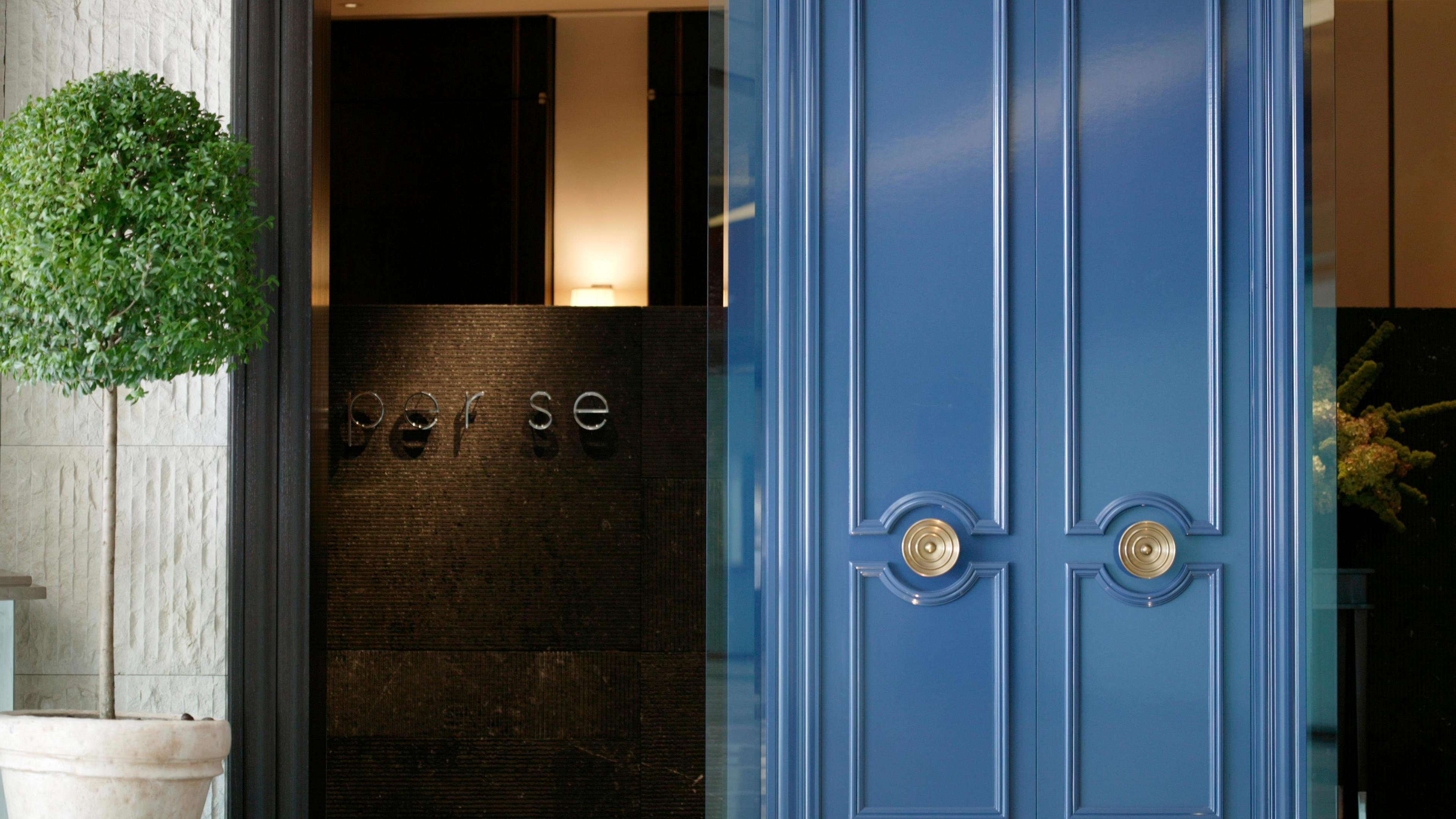
And for readers whose occasions call for the city's most ambitious tasting menus, the comparison set includes Le Bernardin and Per Se, venues operating at an entirely different register of commitment and cost.
How Junzi Fits the Wider Range of Mission-Driven Fast-Casual
Across American cities, a cohort of fast-casual operators has emerged with explicit sourcing commitments and culinary pedigrees that blur the line between quick-service and serious dining. Blue Hill at Stone Barns in Tarrytown represents the farm-to-table argument at its most elaborate end; Lazy Bear in San Francisco demonstrates how format innovation can redefine what a meal occasion means. The restaurant operates with a different set of constraints and a different price tier, but it engages the same underlying question: what does it mean to take a culinary tradition seriously within a format that prioritizes access and speed?
Regionally, the comparison also extends outward. Emeril's in New Orleans, Providence in Los Angeles, and Addison in San Diego each represent full-service commitments to regional and specialized culinary traditions. The restaurant asks a parallel question in fast-casual terms: whether northern Chinese cooking can hold its identity and craft at counter speed, in a neighborhood that has not historically been associated with this kind of Chinese food at all.
That experiment is worth watching, not least because the ingredients are right: a food-literate customer base, a culinary tradition with genuine depth, and a format that removes the friction that keeps many diners from engaging with serious cooking on an ordinary Tuesday. For readers comparing notes with peers at Alinea in Chicago, Single Thread Farm in Healdsburg, or The French Laundry in Napa, the point of reference is different in scale, but the underlying logic of matching format to culinary intent is the same conversation.
Planning Your Visit
The restaurant operates from 2896 Broadway at 116th Street in Morningside Heights, directly adjacent to Columbia University's main campus. The counter-service format makes it accessible for groups with variable arrival times, which is particularly useful for post-event gatherings. For occasion dining that demands a longer reservation and a full-service format, the New York market offers options across every price tier, from the approachable to the architecturally ambitious, as demonstrated by The Inn at Little Washington, Bacchanalia in Atlanta, and international references like 8 1/2 Otto e Mezzo Bombana in Hong Kong or Alain Ducasse's Louis XV in Monte Carlo.
At a Glance
Comparable venues nearby, for context on price, style, and recognition.
| Venue | Cuisine | Price | Notes |
|---|---|---|---|
| Junzi KitchenThis venue — the venue you are viewing | Not listed | $$ | Not listed |
| Tim Ho Wan East Village | East Village, Hong Kong Style Dim Sum | $$ | Not listed |
| Rice Bird NYC | East Village, Cantonese Claypot | $$ | Not listed |
| Floral Restaurant- 繁花 | East Village, Modern Chinese Hotpot | Not listed | Not listed |
| Breeze | Greenpoint, Sichuan with Dim Sum | $$ | Not listed |
| Hey Yuet | Not listed | $$ | Chelsea-Hudson Yards, Traditional Cantonese Dim Sum |
Continue exploring
More in New York City
Restaurants in New York City
Browse all →
Bars in New York City
Browse all →

Hotels in New York City
Browse all →







At a Glance
- Modern
- Trendy
- Casual Hangout
- Open Kitchen
- Beer Program
Current opening hours
- Monday
- 11 AM–10 PM
- Tuesday
- 11 AM–10 PM
- Wednesday
- 11 AM–10 PM
- Thursday
- 11 AM–10 PM
- Friday
- 11 AM–10 PM
- Saturday
- 11 AM–10 PM
- Sunday
- 11 AM–10 PM
Hours can change for holidays and private events. Last verified .
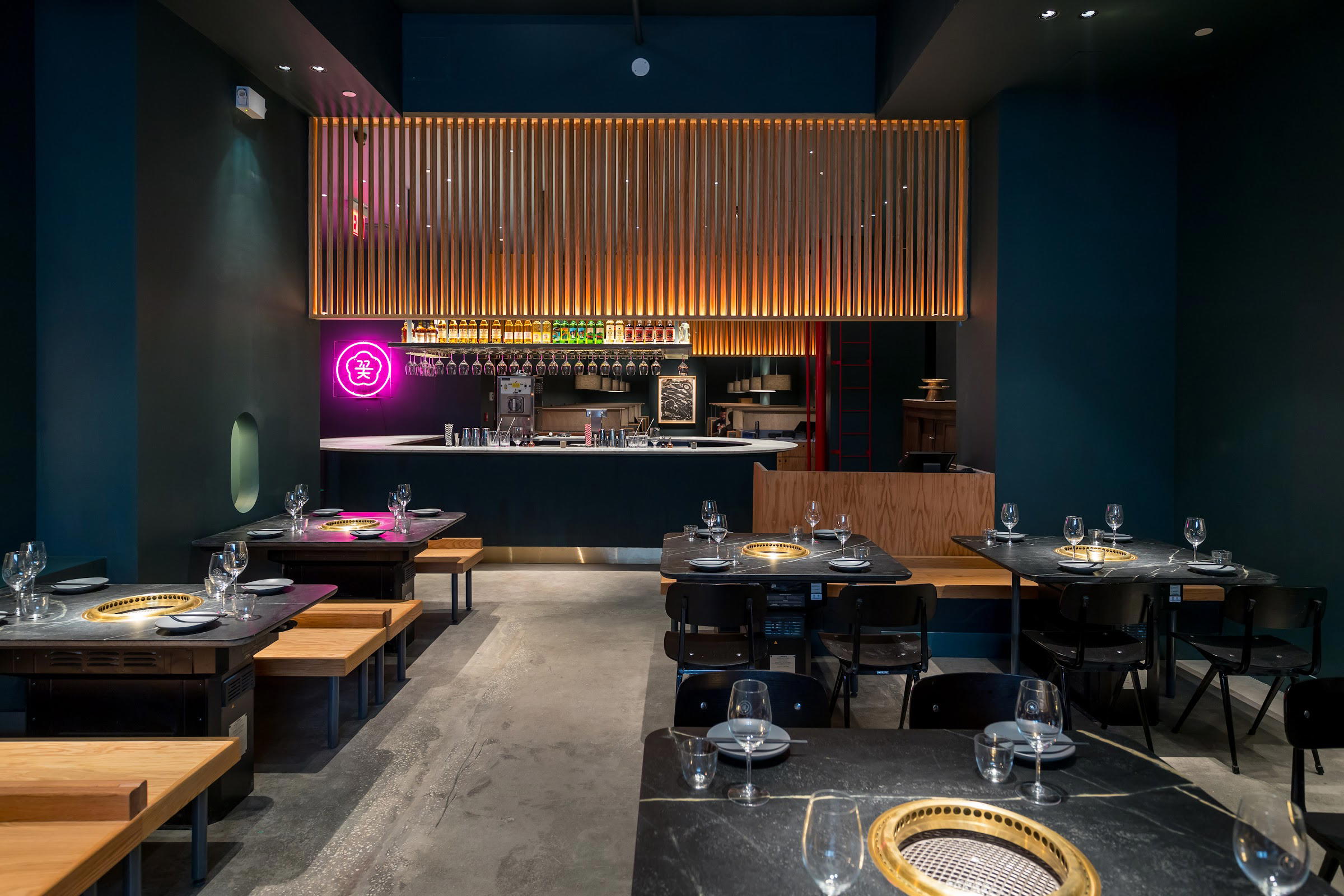
Sleek, modern counter-service space with a bright and energetic atmosphere focused on quick, fresh meals.