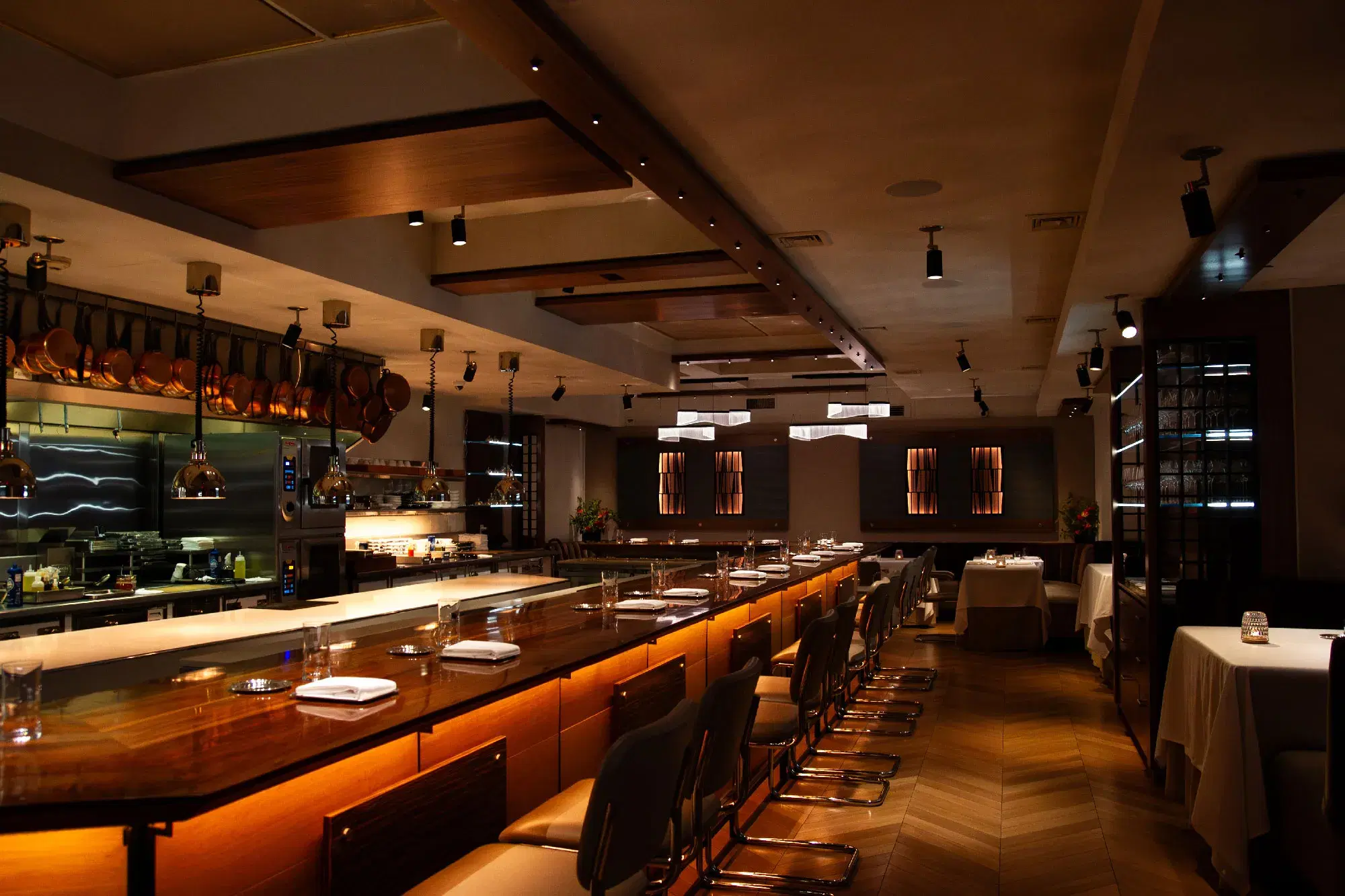
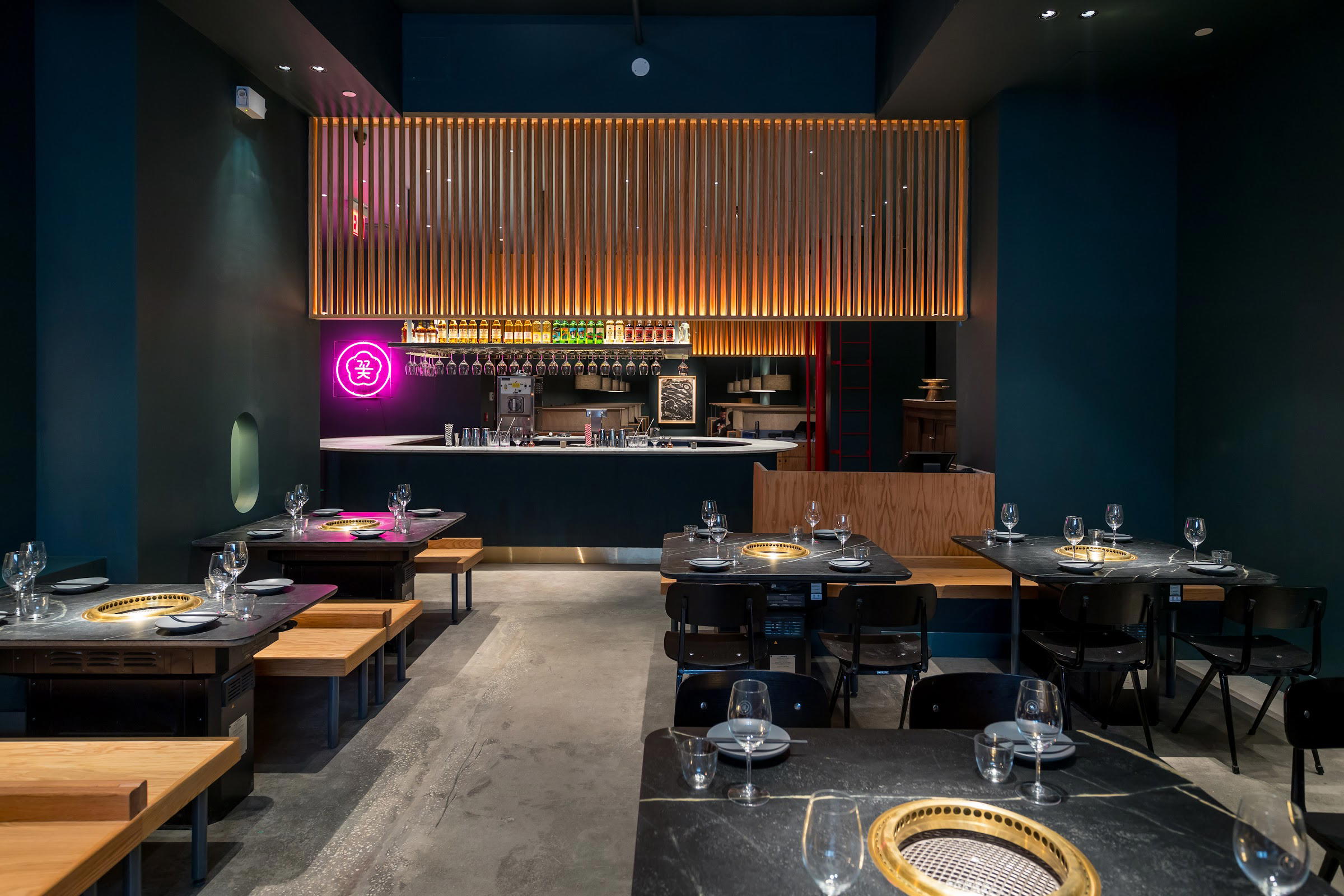
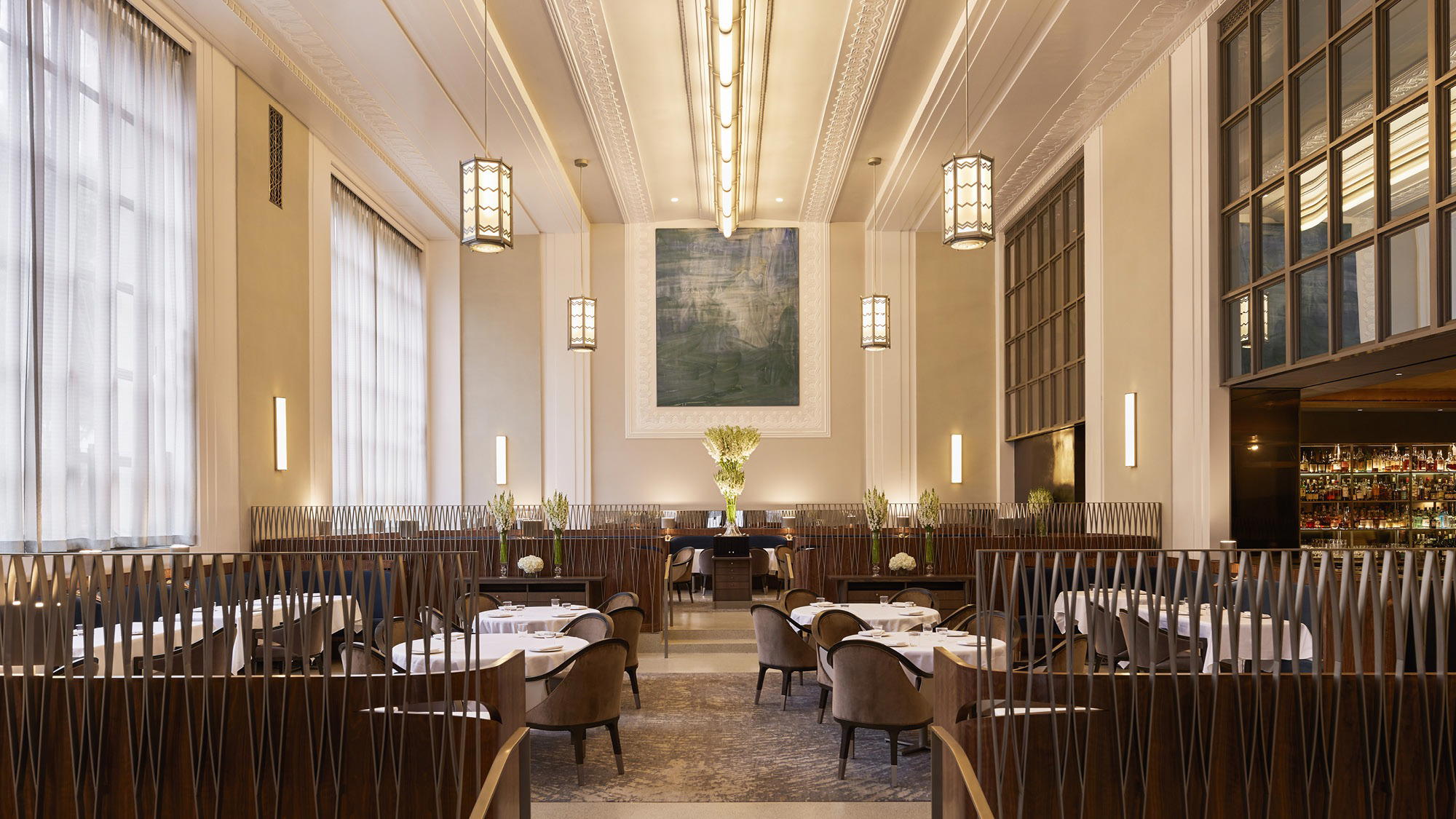
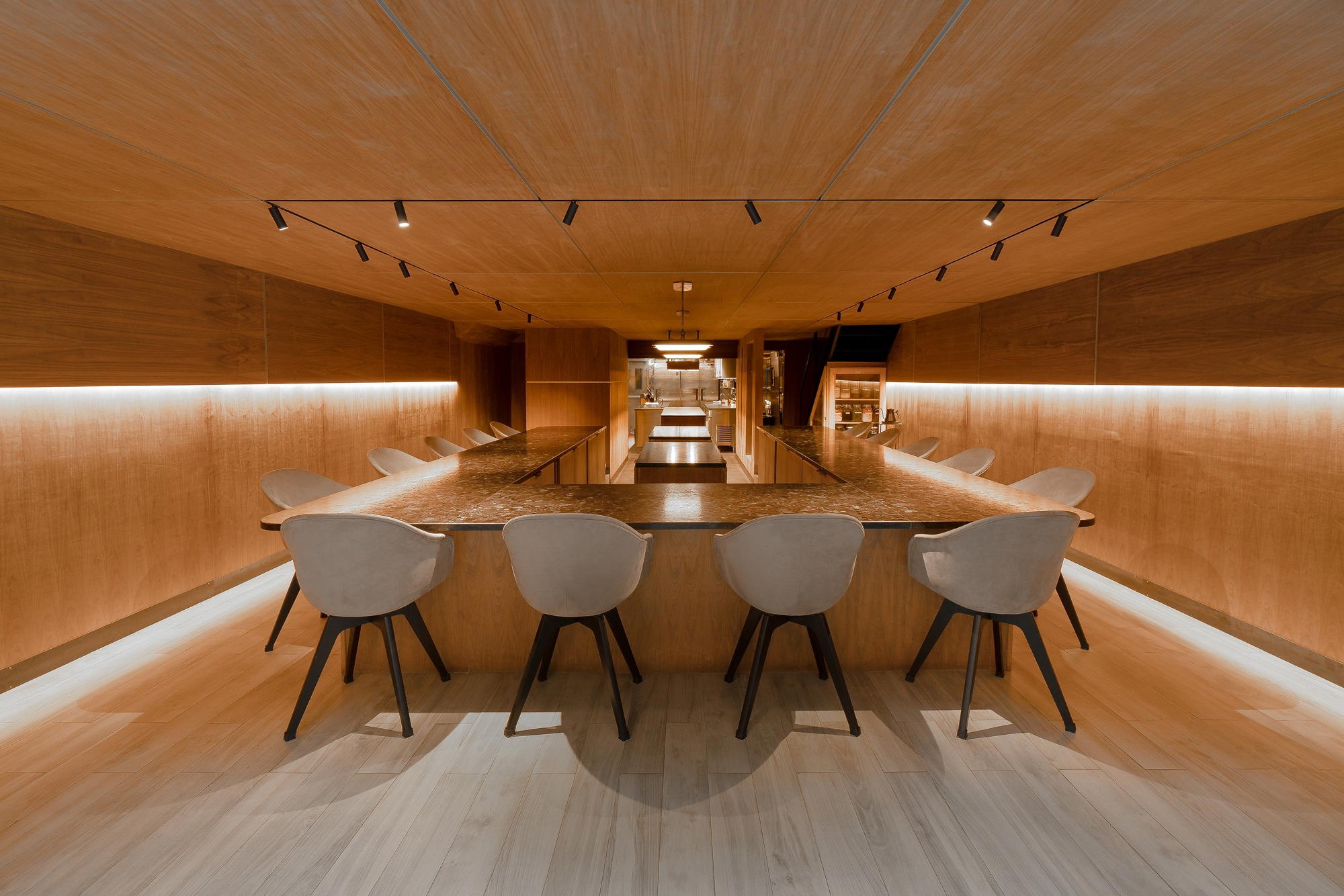
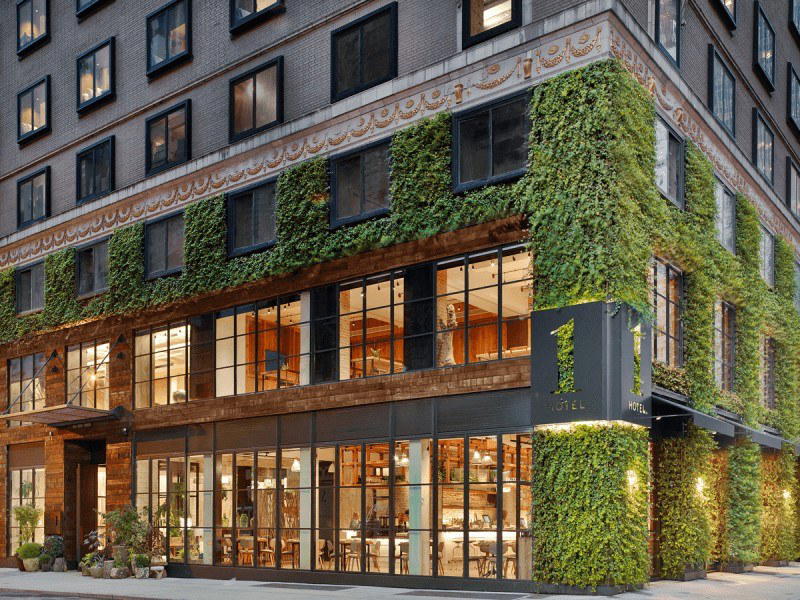
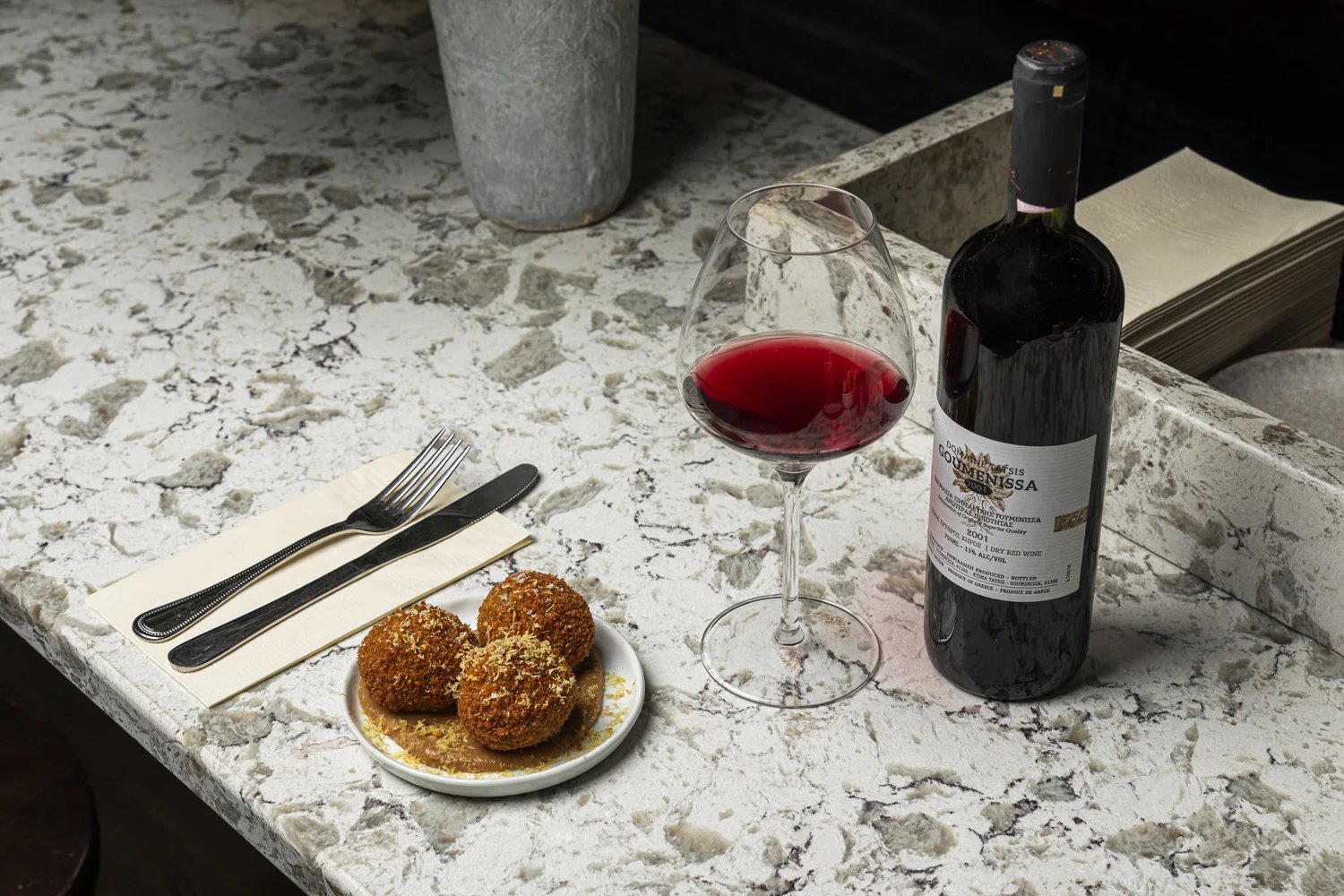
Hey Yuet

Our verdict
Hey Yuet occupies a specific corner of New York's Chinese dining scene, operating from Chelsea's 251 W 26th St with a format that rewards advance planning. The address places it in a neighbourhood better known for art galleries than serious Chinese cooking, which is part of what makes the reservation worth pursuing. Details on menu structure and pricing remain close-held, keeping expectations honest and curiosity high.

Pearl is the En Primeur Club membership app, where members save venues, book tables and use the concierge.
Chelsea's Chinese Dining Shift
For most of the past century, serious Cantonese and regional Chinese cooking in New York meant a trip downtown, to Chinatown's Canal Street blocks or the dense restaurant corridors of Flushing, Queens. Chelsea, the zip code that runs along the west twenties, anchored by galleries and converted warehouses, was not part of that conversation. The arrival of Hey Yuet at 251 W 26th St signals a pattern that has quietly been reshaping where Chinese cooking of ambition chooses to plant itself in Manhattan: further from the traditional nodes, deeper into neighbourhoods whose dining identities were built around different cuisines entirely.
This is not a novelty move. It reflects a broader reorientation in how New York's premium Chinese restaurants position themselves, increasingly choosing to compete on the terms that define the city's wider fine-dining tier rather than on proximity to an ethnic enclave. That conversation now includes addresses in Midtown, the West Village, and the lower Flatiron, and Chelsea, with its foot traffic and gallery-adjacent clientele, is a logical extension of that drift.
What the Address Tells You About the Ambition
Location in New York's restaurant market carries real information. One that plants itself in Chelsea, a neighbourhood where rent competes with art-world real estate and where the dining room must earn its audience from scratch, is making a different and arguably harder argument. The West 26th Street block sits within walking distance of the High Line's southern end and the wholesale flower district's last holdouts, a mixed-use stretch that attracts a varied crowd without the tourist density of Midtown or the regulars-only insularity of some downtown blocks.
For the diner, this means Hey Yuet operates in a context where it must be sought out rather than stumbled upon. That selectivity tends to filter toward guests who have done the research, which in turn tends to shape the room's energy and the kitchen's relationship to its audience.
Menu Architecture as Editorial Statement
In Chinese cooking's most considered contemporary formats, the menu is not simply a list of dishes but a sequenced argument about what the kitchen believes and how it wants those beliefs received. The most instructive recent examples in New York have come from Korean-origin restaurants, Atomix and Jungsik New York both use tasting formats that impose the kitchen's logic on the meal's arc. Japanese counters like Masa do the same through omakase sequencing. The question for any Chinese restaurant working at this level is how to apply similar architectural discipline to a culinary tradition that historically rewards table-side abundance and shared abundance over curated linear progression.
The structure is the thesis statement. At this address and in this neighbourhood, the expectation is that the thesis is considered.
The restaurants that have navigated this most successfully in the American context tend to resist the pressure to be encyclopedic. Le Bernardin built its authority through ruthless category focus; Per Se through rigid format control. Chinese cooking's richness is also its structural challenge at the fine-dining tier: the tradition offers too many directions to pursue all of them credibly. Restraint in scope, when it appears, usually signals maturity in execution.
New York's Chinese Fine-Dining Context
The city's premium Chinese dining options have expanded and diversified considerably over the past decade, moving well beyond the Cantonese seafood houses that defined the top tier for earlier generations. Regional specialisation has driven much of that growth, with Shanghainese, Sichuanese, Hunanese, and Fujianese cooking all producing restaurants operating at price points and service levels that were once associated exclusively with French or Japanese cuisines. The competitive set now includes restaurants that hold or have held recognition from major guides, that run wine programs of genuine depth, and that price tasting menus against, not beneath, their European-origin counterparts.
For reference points outside New York, the ambition level at play in premium Chinese formats across major American cities echoes what operations like Lazy Bear in San Francisco or Alinea in Chicago represent in their respective regional fine-dining contexts: restaurants where format discipline, sourcing transparency, and menu architecture carry as much weight as any individual dish. Internationally, the model of Chinese fine dining operating inside luxury hospitality frameworks, as at 8 1/2 Otto e Mezzo Bombana in Hong Kong, demonstrates how Chinese-adjacent haute cuisine has formalised at the highest tier elsewhere.
Planning a Visit
Chelsea's dining infrastructure has grown but remains thinner than Midtown or the Village. The neighbourhood rewards planning: confirm hours and reservation availability directly with the restaurant before building an itinerary around the address. The 251 W 26th St location sits near the 23rd Street subway stops on the C/E lines, and the area is manageable on foot from the High Line's southern access points.
For a fuller picture of where Hey Yuet sits within New York's broader dining map, including how it relates to the city's French, Japanese, and Korean fine-dining tiers, see our full New York City restaurants guide. Readers planning longer itineraries can cross-reference regional fine-dining contexts at Emeril's in New Orleans, Providence in Los Angeles, Single Thread Farm in Healdsburg, The French Laundry in Napa, Blue Hill at Stone Barns in Tarrytown, Addison in San Diego, The Inn at Little Washington, Bacchanalia in Atlanta, and Alain Ducasse at Louis XV in Monte Carlo for international context on what fine-dining format discipline looks like across different culinary traditions.
Quick reference: Hey Yuet, 251 W 26th St, New York, NY 10001. Confirm hours and booking directly with the restaurant.
Frequently asked questions
What part of town is Hey Yuet in?
Hey Yuet is located at 251 W 26th St, New York, NY 10001, New York City.
Is Hey Yuet in Chelsea different from Chinatown or Flushing Chinese restaurants in New York City?
The address at 251 W 26th St, Chelsea puts Hey Yuet in a different market entirely from the dense, community-anchored dining of Canal Street or Main Street Flushing. Chelsea's restaurant base skews toward occasion dining and destination-driven visits rather than neighbourhood regulars or large-format banquet trade. That separation from New York City's established Chinese dining corridors suggests a kitchen and format calibrated for a different kind of sit-down experience, though confirmed cuisine specifics remain limited in the public record.
What do people recommend at Hey Yuet?
Specific dish recommendations circulating online remain limited, which is partly a function of Hey Yuet's positioning at 251 W 26th St in Chelsea rather than the higher-traffic Chinatown corridor where word-of-mouth spreads faster. The Chelsea address suggests a kitchen oriented toward composed, considered Chinese cooking rather than quick-turn banquet formats. Visiting with an open approach to the full menu is the more useful strategy than arriving with a fixed order in mind.
What's the best way to book Hey Yuet?
Checking Resy, OpenTable, and Tock for current availability is the practical first step, as Chelsea restaurants at this address tier often list across multiple platforms. Calling ahead once a number becomes publicly listed will confirm hours and any walk-in policy.
What makes Hey Yuet worth seeking out?
The restaurant's location at 251 W 26th St places it firmly outside the geography where New York's Chinese dining has historically concentrated, from Chinatown to Flushing to the Midtown Cantonese houses. That positioning is a deliberate signal: Chelsea's dining market runs on destination intent, and a Chinese restaurant here is not relying on foot traffic from an ethnic enclave. For diners tracking how Chinese cooking is establishing itself in new Manhattan contexts, Hey Yuet represents that shift in real time.
At-a-Glance Comparison
Comparable venues nearby, for context on price, style, and recognition.
| Venue | Cuisine | Price | Notes |
|---|---|---|---|
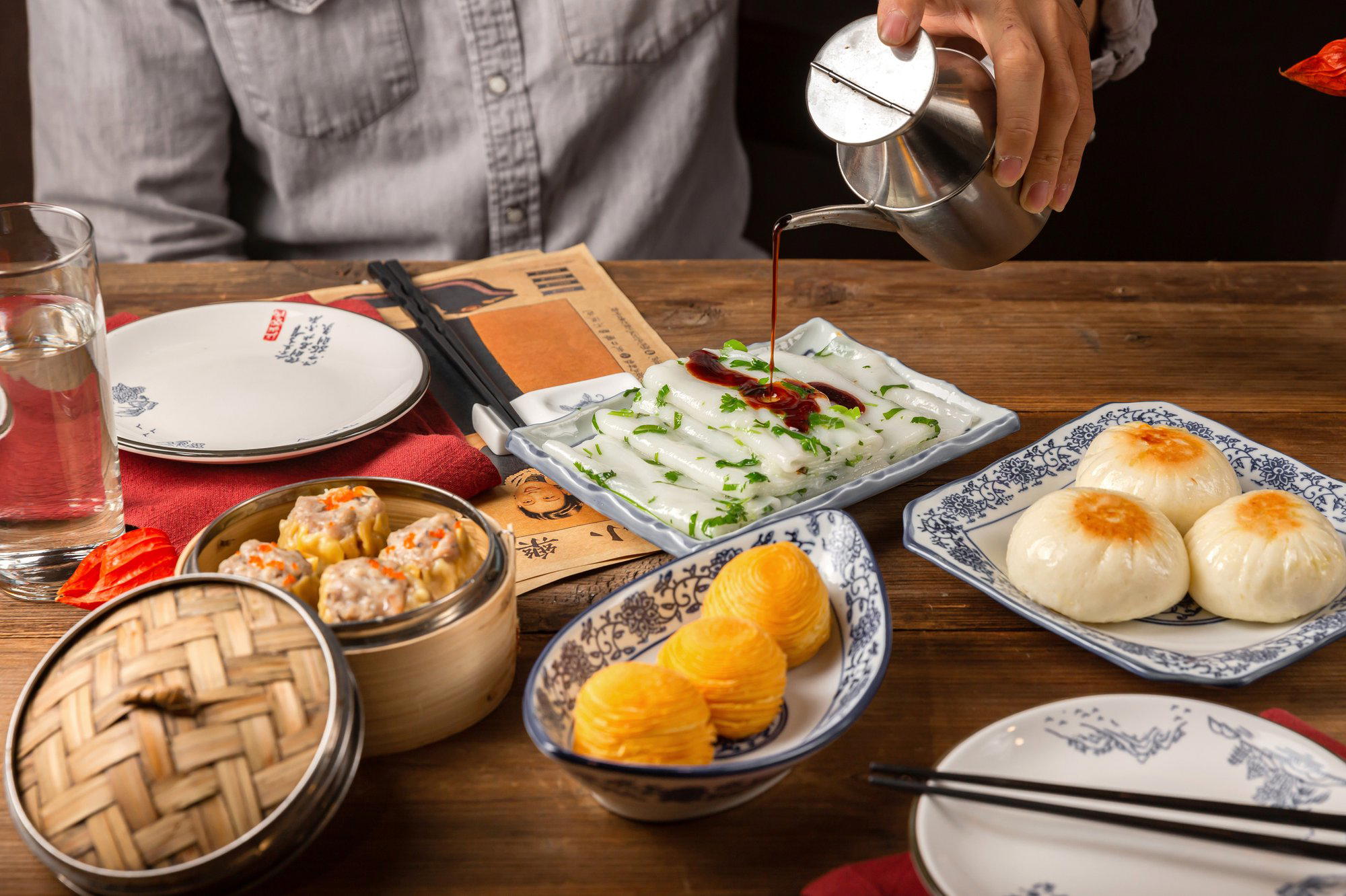
| Hey YuetThis venue (the venue you are viewing) | Traditional Cantonese Dim Sum | $30–50 | Not listed |
| August Gatherings富瑤 | Modern Cantonese | $30–50 | SoHo-Little Italy-Hudson Square |
| Nom Wah Tea Parlor | Hong Kong-Style Dim Sum | $20–30 | Chinatown-Two Bridges |
| Cha Dimsum & Chinese Cuisine | Dim Sum & Chinese Cuisine | $20–30 | Upper East Side-Lenox Hill-Roosevelt Island |
| Chun Vegetarian | Chinese Vegetarian | $10–20 | Bedford-Stuyvesant (West) |
| Golden Lake Pavilion | Cantonese Dim Sum | $20–30 | Queensboro Hill |
Recognition history
Dated appearances from independent guides and award organizations, with the underlying list record or original source where available.
Opinionated About Dining Casual in North America Recommended
Opinionated About Dining