Rice Bird NYC
Rice Bird NYC, on East 9th Street in Manhattan's East Village, sits within a neighbourhood that has long rewarded restaurants willing to source with intention. The address places it among a cluster of small, ingredient-focused operations that have quietly reshaped the block's dining identity. For visitors tracing how sourcing philosophy connects to finished plates in New York, it belongs on the itinerary.
Pearl is the En Primeur Club membership app — saves, bookings, and concierge access live there. Same editors, same standards.
- Address
- 334 E 9th St, New York, NY 10003
- Phone
- +16463701304
- Website
- ricebirdnyc.com
- Directions
- Get directions
 Saves & bookings on Pearl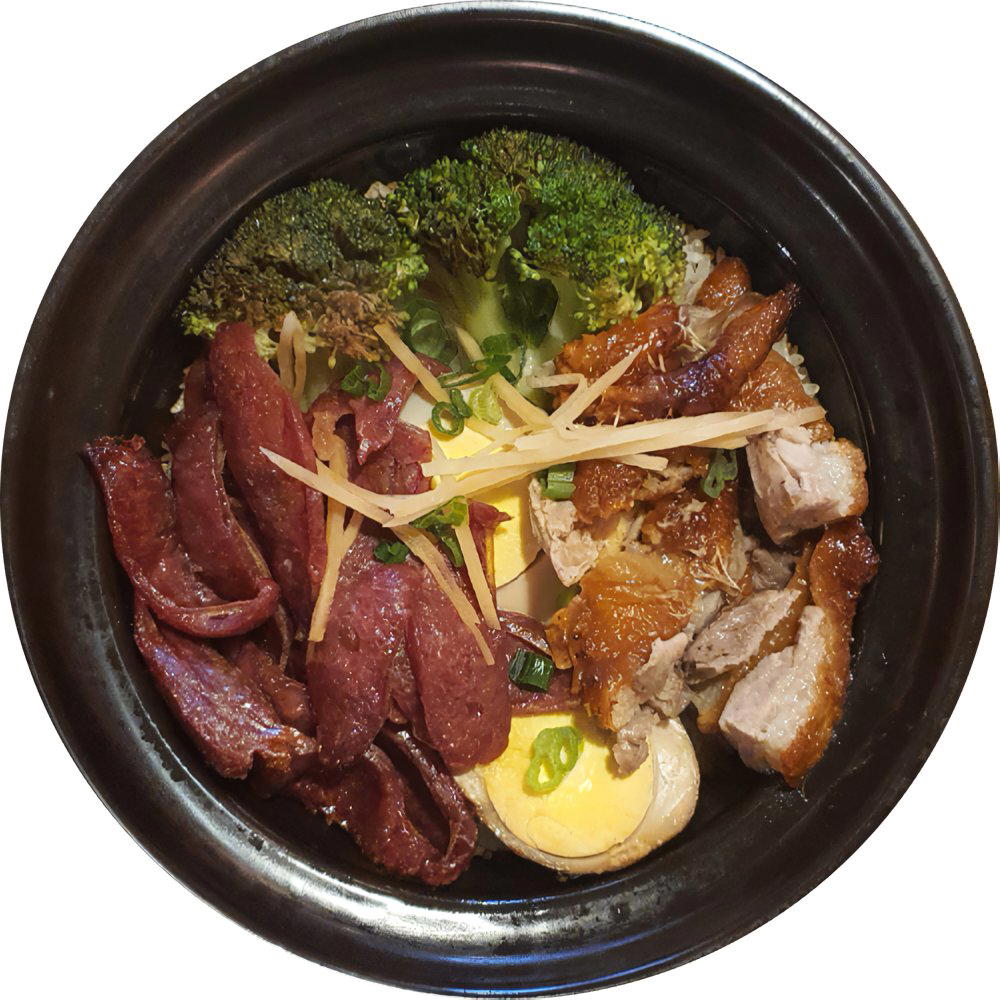
East Village, Ingredient Logic, and the Restaurants That Follow It
The East Village has never been a neighbourhood where restaurants succeed by spectacle. Its dining culture has, for decades, rewarded specificity: operators who know their suppliers by name, menus that shift with what arrives at the back door, and rooms where the food does the explaining. Rice Bird NYC is a restaurant serving Cantonese Claypot at 334 E 9th St in New York City's East Village. Rice Bird NYC, at 334 E 9th Street, occupies that tradition. Its address alone signals what kind of operation it is, a walk-up block in a part of Manhattan where rents are lower than Midtown but expectations, among the neighbourhood's regulars, run high.
Across the American fine dining spectrum, sourcing has become the primary differentiator between restaurants that compete on technique and those that compete on provenance. At one end, operations like Single Thread Farm in Healdsburg and Blue Hill at Stone Barns in Tarrytown have built their reputations almost entirely on the supply chain: farm-to-counter traceability, seasonal rigour, and menus that are essentially real-time agricultural reports. At the other end, destinations like Le Bernardin and Per Se source with equal seriousness but wrap procurement inside formal French frameworks where technique is the visible argument. Rice Bird NYC occupies neither extreme, but it draws from the same foundational question both camps have answered differently: where does this ingredient come from, and what does that choice communicate?
What the Address Tells You About the Format
East 9th Street between First and Second Avenues has historically housed operations on the smaller side, dining rooms where the owner is often in the kitchen and the menu changes frequently enough that printed cards become impractical. This is not the belt of destination fine dining that stretches from Midtown to the West Village. It is, instead, the kind of block where a restaurant earns its regulars through consistency of sourcing rather than consistency of a static menu.
In New York's current dining tier, that positioning matters. The city's leading tasting-menu destinations, Atomix, Masa, Jungsik New York, operate at price points that push dinner into four figures per person and booking windows measured in months. Below that tier, a different category of restaurant has become increasingly relevant: ingredient-centred operations where the sourcing is premium but the format is more immediate, the room is less formal, and the value proposition is about what's on the plate rather than the theatrical architecture around it. The restaurant fits inside that second category, where what arrives in the morning determines what gets served at night.
Sourcing as the Editorial Statement
The shift toward ingredient-first programming in New York restaurants reflects a broader national pattern. Across the country, operations from Providence in Los Angeles to Addison in San Diego and Bacchanalia in Atlanta have embedded sourcing transparency into the dining experience itself, listing farm names on menus, changing dishes mid-service when a better product arrives, building supplier relationships that function as competitive advantages. At the ambitious level, as seen in restaurants like Alinea in Chicago and Lazy Bear in San Francisco, the sourcing narrative has become as constructed as the plating itself.
What distinguishes the East Village tier from those environments is directness. There is less mediation between the ingredient and the diner. The rooms are smaller, the teams leaner, and the supply chain shorter by necessity as much as philosophy. When a restaurant on a walk-up East Village block names itself after a bird associated with rice cultivation, a name that gestures toward agriculture, ecology, and the relationship between land and food, the sourcing frame is embedded in the identity from the outset.
How Rice Bird NYC Sits in the New York Korean-Influenced Dining Conversation
New York's Korean and Korean-influenced dining scene has expanded considerably in the past decade, moving well beyond the Koreatown stretch of 32nd Street into a range of formats across boroughs and price tiers. At the formal end, Atomix and Jungsik New York operate at Michelin two-star level with tasting menus built around Korean technique applied to premium global sourcing. Below that, a cluster of smaller East Village and Lower East Side operations have drawn from Korean pantry logic, fermentation, grain-forward compositions, vegetable-led plates, without anchoring to formal tasting-menu structure.
The restaurant sits within that second group, where the cultural reference is present in the cooking but the format is more casual and the price point more accessible. For diners working from a broader US itinerary that already includes destinations like Emeril's in New Orleans, The French Laundry in Napa, or The Inn at Little Washington, Rice Bird represents a different register entirely, not a counterpoint to the formal, but a separate argument about what makes a meal worth having.
Planning Your Visit
The restaurant operates at 334 E 9th Street in the East Village, accessible from the L train at First Avenue or the 6 train at Astor Place. Specific booking details, current hours, and seating formats are best confirmed directly, as the restaurant's operational specifics are not consistently published. The East Village dining cluster rewards early evening arrivals, neighbourhood walk-ins are more viable before 7pm on weekdays than at peak weekend service windows. For a broader picture of where Rice Bird fits within the city's full dining range, the EP Club New York City restaurants guide maps the relevant tiers and neighbourhoods. Internationally, the sourcing-led format Rice Bird represents has parallels in operations like 8 1/2 Otto e Mezzo Bombana in Hong Kong and Alain Ducasse at Louis XV in Monte Carlo, where sourcing identity is central to the dining proposition, even if the format and price tier differ significantly.
Awards and Standing
Comparable venues nearby, for context on price, style, and recognition.
| Venue | Cuisine | Price | Notes |
|---|---|---|---|
| Rice Bird NYCThis venue — the venue you are viewing | Cantonese Claypot | $$ | Not listed |
| South of the Clouds | Authentic Yunnan Rice Noodles | $$ | Greenwich Village |
| Tim Ho Wan East Village | Hong Kong Style Dim Sum | $$ | East Village |
| Tri Dim Shanghai | Shanghainese Dim Sum & Szechuan | $$ | Upper East Side-Carnegie Hill |
| The Corner Chinese | Authentic Chinese with Szechuan Flavors | $$ | Hell's Kitchen |
| Mission Chinese Food | Sichuan Fusion Chinese | $$ | Chinatown-Two Bridges |
Continue exploring
More in New York City
Restaurants in New York City
Browse all →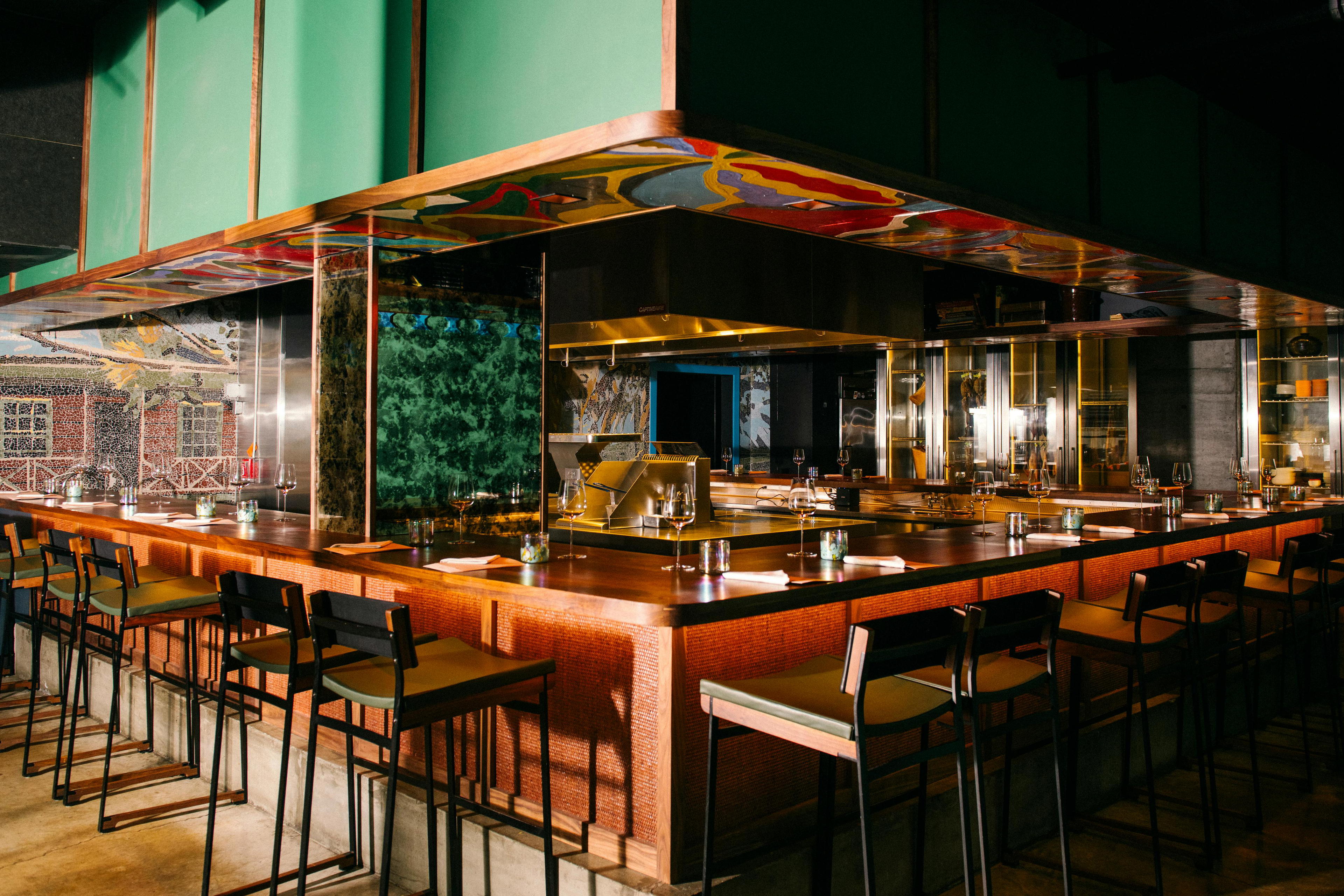
Bars in New York City
Browse all →

Hotels in New York City
Browse all →





At a Glance
- Cozy
- Casual Hangout
- Date Night
- Open Kitchen
Current opening hours
- Monday
- 3–9:30 PM
- Tuesday
- Closed
- Wednesday
- 3–9:30 PM
- Thursday
- 3–9:30 PM
- Friday
- 12–9:30 PM
- Saturday
- 12–9:30 PM
- Sunday
- 12–9:30 PM
Hours can change for holidays and private events. Last verified .
Homey with relaxed pace and moderate noise, evoking a neighborhood Cantonese clay-pot eatery.