
A Michelin Plate-recognised Cantonese address on Xixi Road, Junxihui brings the precision of southern Chinese roasting tradition to Hangzhou's dining scene. Situated in the Xihu district, it occupies the mid-to-upper tier of the city's Chinese restaurant market alongside Michelin-recognised peers..
Pearl is the En Primeur Club membership app — saves, bookings, and concierge access live there. Same editors, same standards.
- Address
- 63V8+XXW, Xixi Rd, Xihu, Hangzhou, Zhejiang, China, 310023
- Phone
- +86 191 0655 2719
- Directions
- Get directions
 Saves & bookings on Pearl
Cantonese Roasting Tradition in a City Better Known for Longjing Tea
Hangzhou's restaurant culture has long been defined by Zhejiang province's own culinary identity: the braised pork belly of Dongpo rou, the freshwater fish pulled from the West Lake, the grassy sweetness of longjing-steamed shrimp. That local tradition runs deep, and the city's most decorated tables, Ru Yuan (Zhejiang) at two Michelin stars, Jin Sha and Xin Rong Ji at one, are overwhelmingly Zhejiang-focused. Against that backdrop, a Cantonese kitchen earning Michelin recognition in Hangzhou is worth examining on its own terms.
Junxihui, on Xixi Road in the Xihu district, holds a 2025 Michelin Plate, the Guide's acknowledgment that a restaurant produces consistently good cooking. In a city where the Cantonese tradition is not the default, that credential carries a specific weight: it implies the kitchen is doing something persuasive enough to earn recognition in a scene not naturally disposed toward its style.
What the Roasting Tradition Actually Demands
Cantonese cuisine's claim to technical authority rests substantially on its roasting arts. Char siu, the lacquered, caramelised strips of pork whose colour comes from a combination of maltose, fermented bean curd, and prolonged Maillard reaction, demands exact temperature control and precise resting. Roast goose, a Guangdong touchstone, requires the skin to be dried, inflated, and then exposed to high, even heat to achieve the crackling that separates a competent kitchen from a serious one. Siu yuk, the crisp-skinned roast pork, depends on salt-drying the rind for hours before roasting at high heat to blister without burning.
These are not dishes that reward shortcuts. The margin between acceptable and correct is narrow, and the signals of quality are legible to anyone who has eaten the tradition at its source in Guangdong. That Junxihui is drawing Michelin attention in Hangzhou suggests the kitchen is operating with that standard as its reference point, not a simplified version of it for an inland audience.
For comparison, Cantonese restaurants earning sustained Michelin recognition at the upper end of the Chinese mainland and Macau circuit, places like Chef Tam's Seasons in Macau and Jade Dragon, also in Macau, anchor their reputations precisely on this roasting precision, alongside dim sum and wok technique. In Hong Kong, Forum has maintained its standing through decades on similar foundations. Junxihui sits in a different tier and a different market, but it is competing within that same tradition of standards.
Where Junxihui Sits in Hangzhou's Recognised Dining Scene
Hangzhou now has a meaningful cluster of Michelin-recognised addresses, and they spread across a range of price points and culinary identities. Ru Yuan operates at ¥¥¥¥ with two stars, placing it at the highest tier of formal Zhejiang cooking. Jin Sha and Xin Rong Ji hold one star each at ¥¥¥. Junxihui's ¥¥¥ positioning puts it in the same price bracket as those one-star peers, which means diners are making a direct comparison when they choose between them. The decision comes down to what cuisine they want, not whether one is more affordable than the other.
Within the Cantonese niche specifically, Junxihui has few direct local competitors at the same recognition level. Fortune Garden and Li' An are among the other Cantonese and Chinese-leaning addresses in the city, and The Yue Hall represents another reference point for formal Chinese dining here. For a different register entirely, Ambré Ciel takes an innovative approach that departs from regional Chinese tradition altogether. Junxihui's Cantonese identity, carrying Michelin recognition, occupies a specific and relatively uncontested position within that spread.
Early strong ratings at this price tier typically reflect a kitchen that knows its audience and is cooking at or above the level that audience expects.
Cantonese Cooking Beyond Guangdong: The Inland Argument
There is a recurring debate in Chinese food writing about whether Cantonese cooking loses something essential when it travels north or inland. The argument rests partly on ingredient access, the proximity of Guangdong's markets to the South China Sea shapes the freshness of seafood, which in turn shapes dim sum, steamed preparations, and whole-fish cookery. That access diminishes as you move up the coast and further inland.
But the roasting tradition, with its reliance on carefully sourced pork, goose, and duck plus controlled technique, is less geographically constrained. The leading char siu in Beijing or Shanghai can hold comparison with Guangdong if the kitchen is sourcing and executing seriously. For reference, Imperial Treasure Fine Chinese Cuisine in Guangzhou and Dai Yuet Heen in Nanjing both demonstrate that Cantonese cooking can anchor itself outside Hong Kong and Guangdong proper. Xin Rong Ji in Beijing and Xin Rong Ji in Chengdu, while focused on Taizhou cuisine rather than Cantonese, similarly demonstrate that rigorous Chinese cooking traditions can transplant into new cities without dilution when the kitchen maintains discipline. 102 House in Shanghai takes yet another angle on premium Chinese dining in a non-native city. Junxihui makes a version of the same argument in Hangzhou.
Planning a Visit
Junxihui is located on Xixi Road in the Xihu district, the part of Hangzhou that encompasses the West Lake and the broader cultural quarter that draws most of the city's higher-end hospitality. The ¥¥¥ price range positions a meal here as a considered evening out rather than an everyday expense, broadly comparable to a one-star-tier dinner elsewhere in the city.
Side-by-Side Snapshot
Comparable venues nearby, for context on price, style, and recognition.
| Venue | Cuisine | Price | Awards | Notes |
|---|---|---|---|---|
| JunxihuiThis venue — the venue you are viewing | Classic Cantonese | $$$ | Michelin Plate | Not listed |
| Wan Li | Modern Zhejiang & Cantonese | $$$ | Michelin Plate | Xiaoshanshi |
| Grand Dragon | Zhejiang & Cantonese Fusion | $$$ | Michelin Plate | Hangzhoushi |
| Tian Lun Inn (Xihu) | Hangzhou Crab Specialist | $$$ | Michelin Plate | Hangzhoushi |
| Lou Wai Lou (Gushan Road) | Traditional Hangzhou Cuisine | $$$ | Michelin Plate | Hangzhoushi |
| 1913 | Modern Hangzhou Cuisine | $$$$ | Michelin Plate | Yuhangxian |
Recognition history
Dated appearances from independent guides and award organizations, with the underlying list record or original source where available.
Michelin Plate
Michelin
At a Glance
- Elegant
- Sophisticated
- Serene
- Special Occasion
- Date Night
- Garden
- Extensive Wine List
- Garden
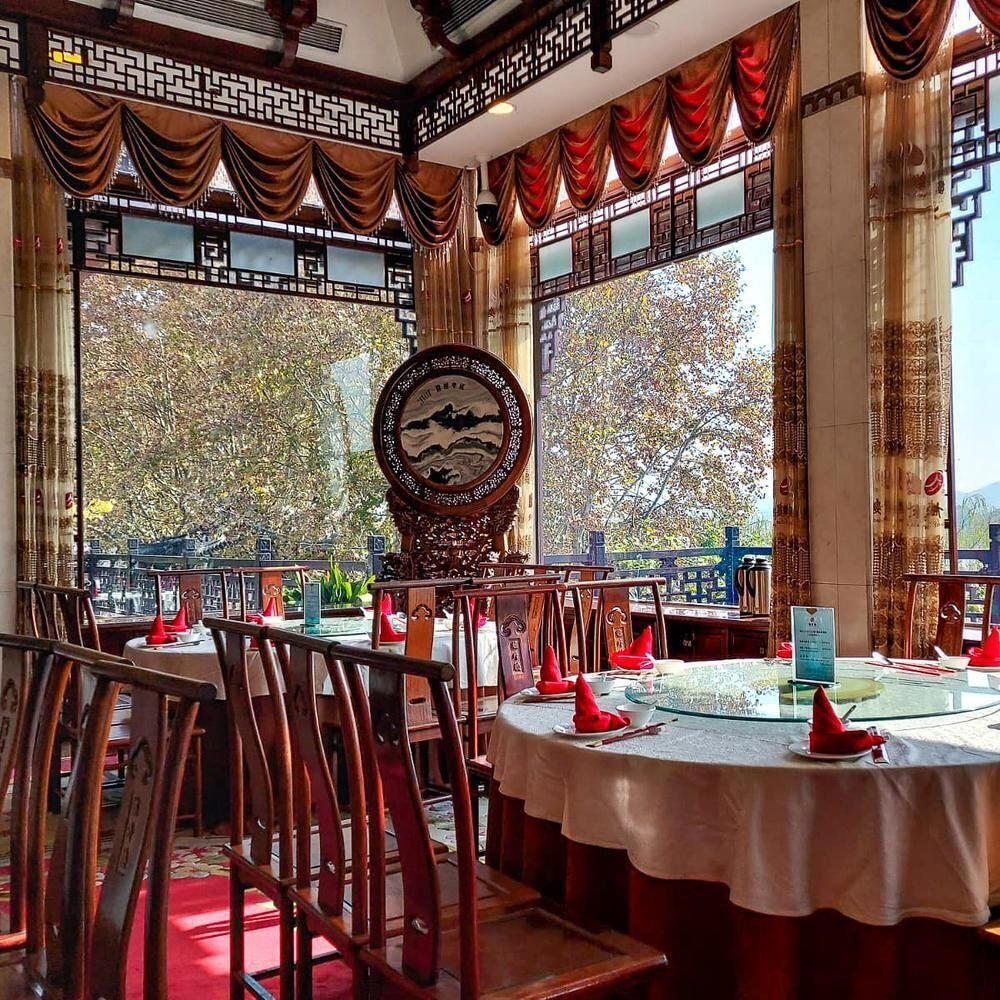
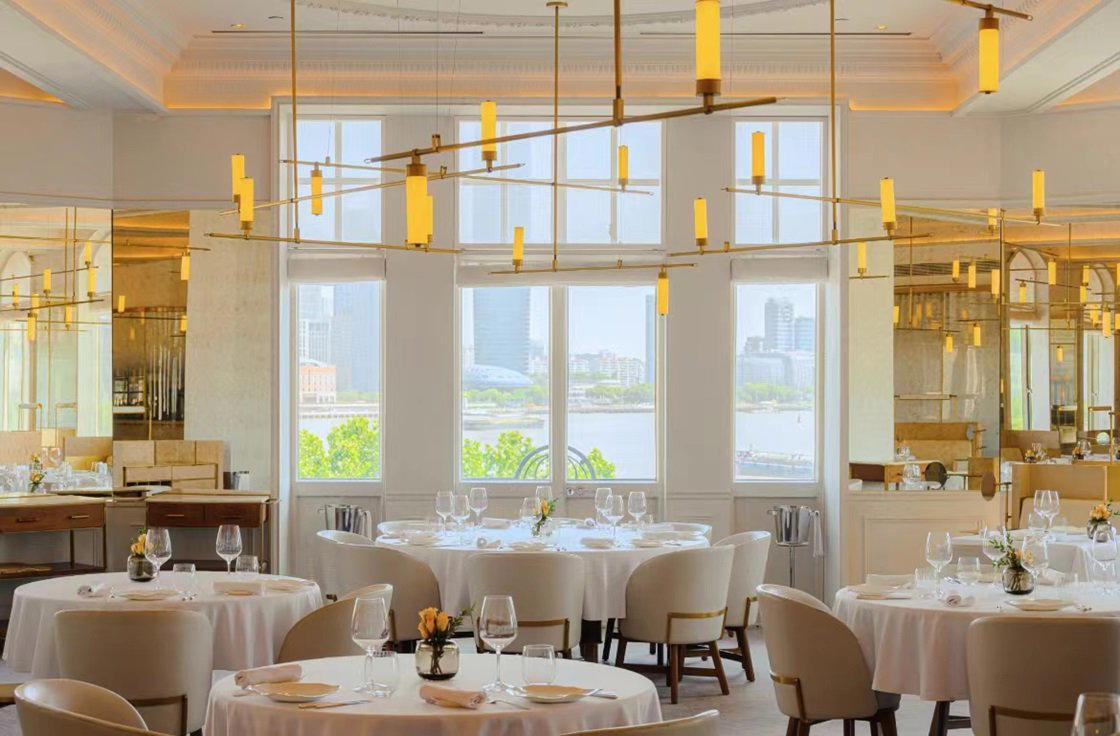
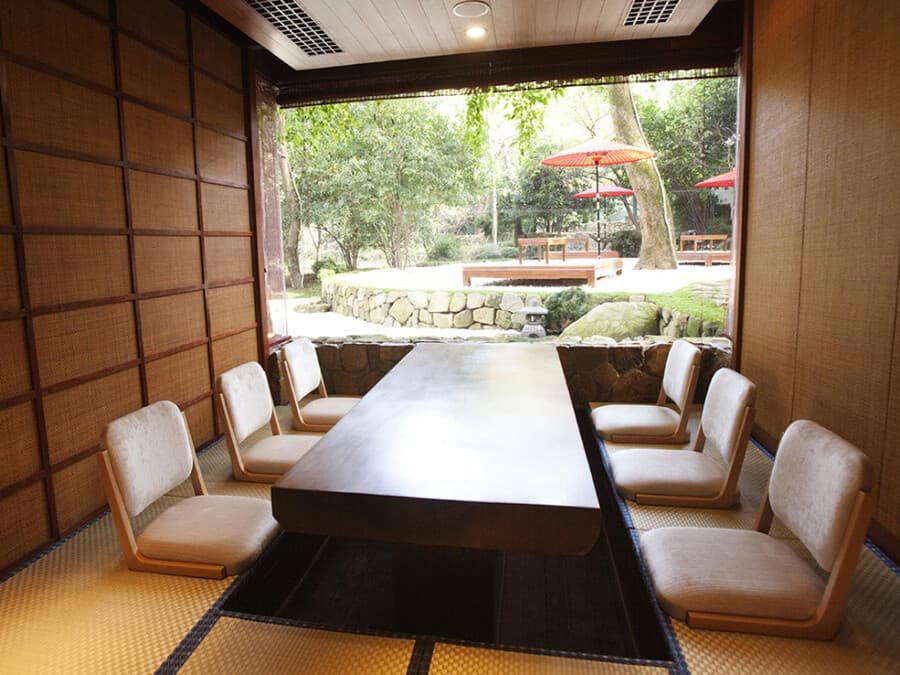
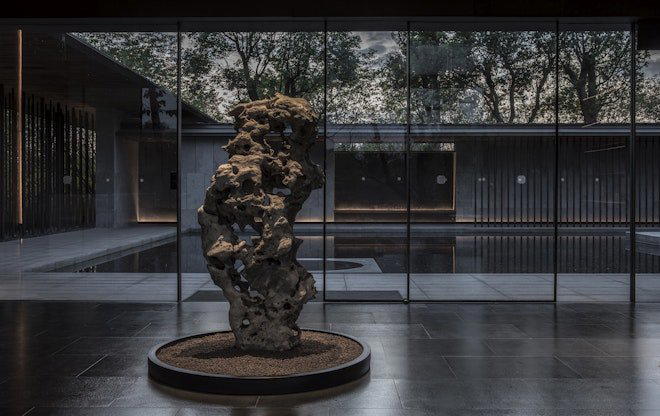
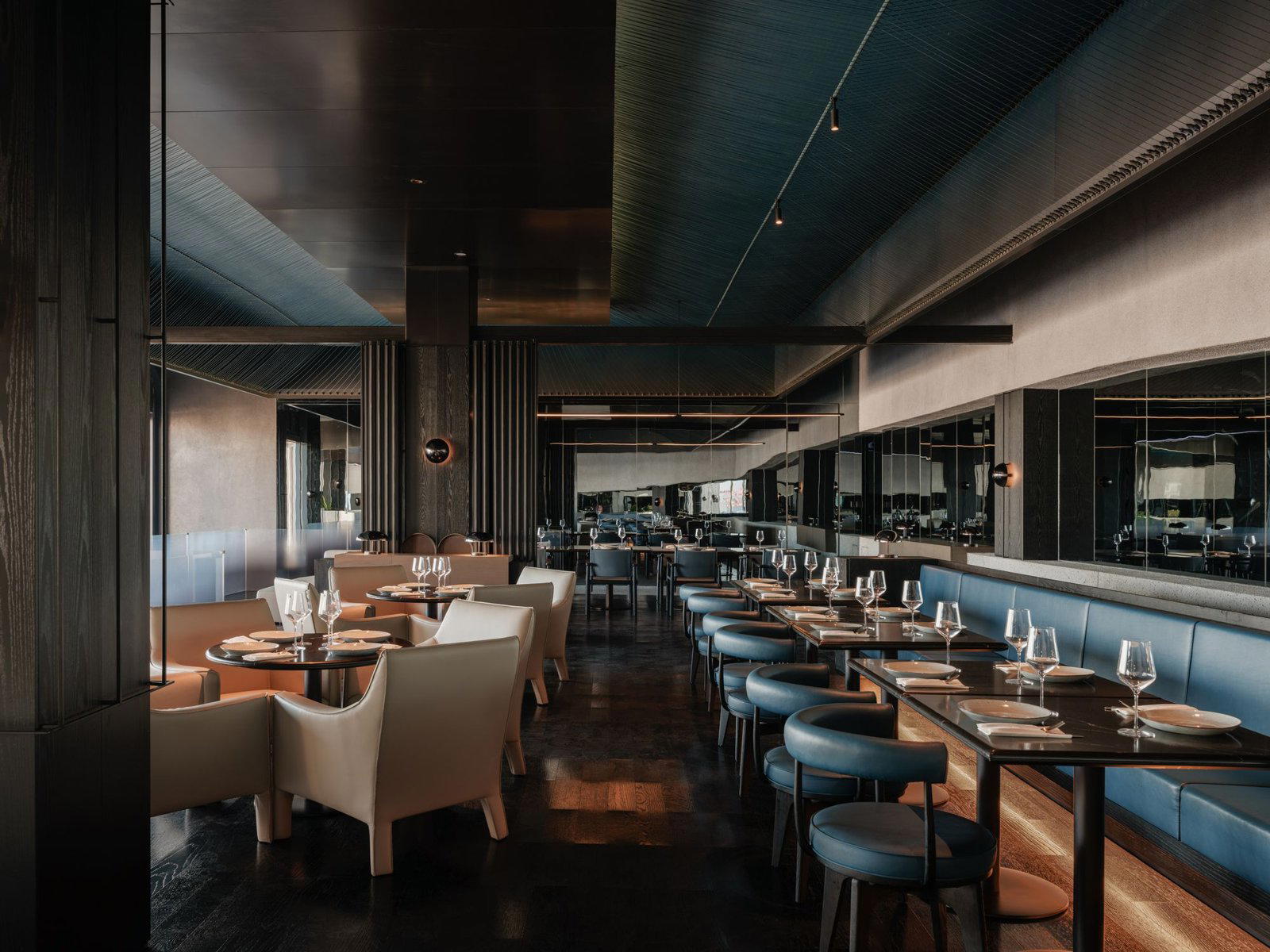
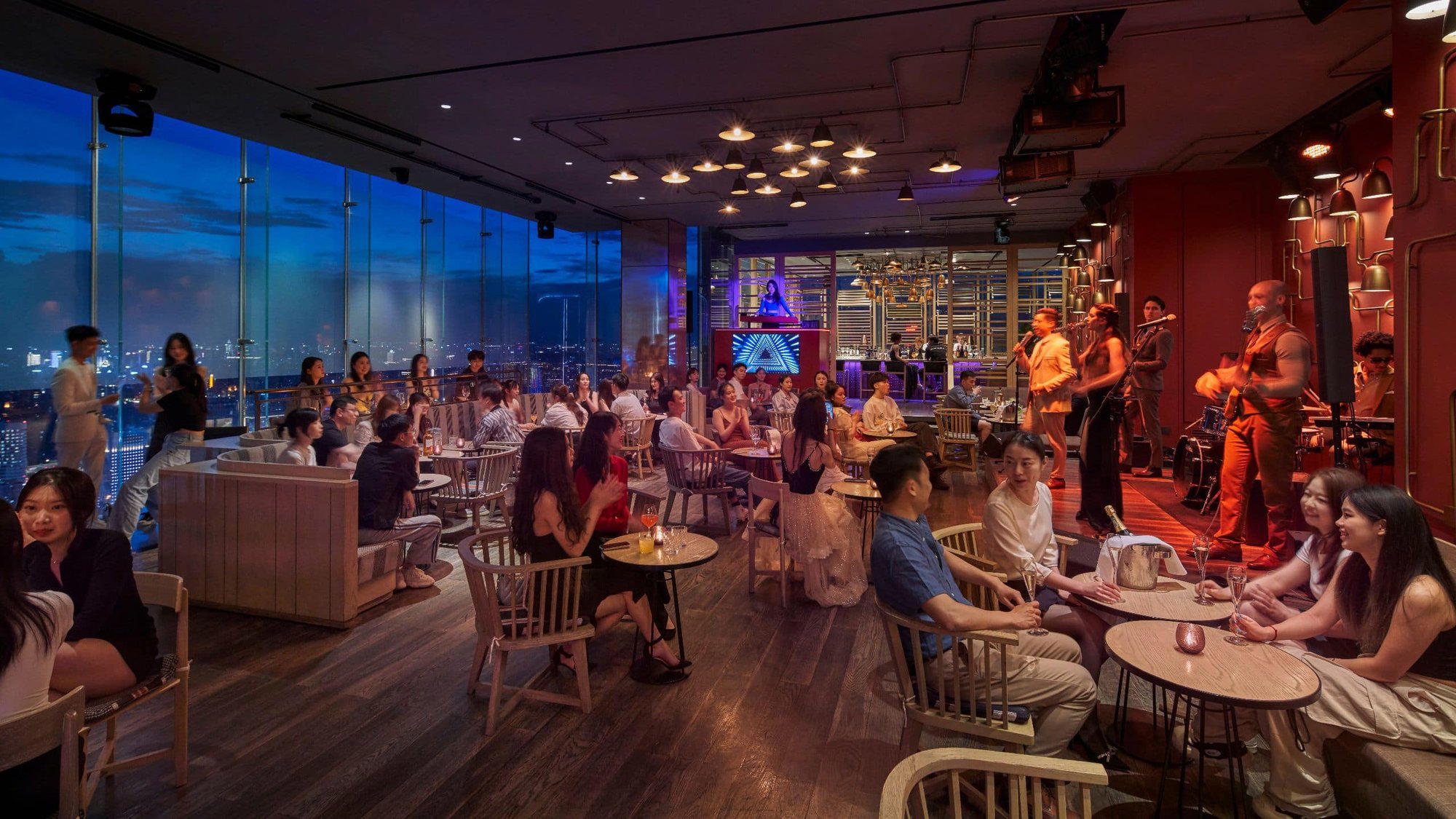
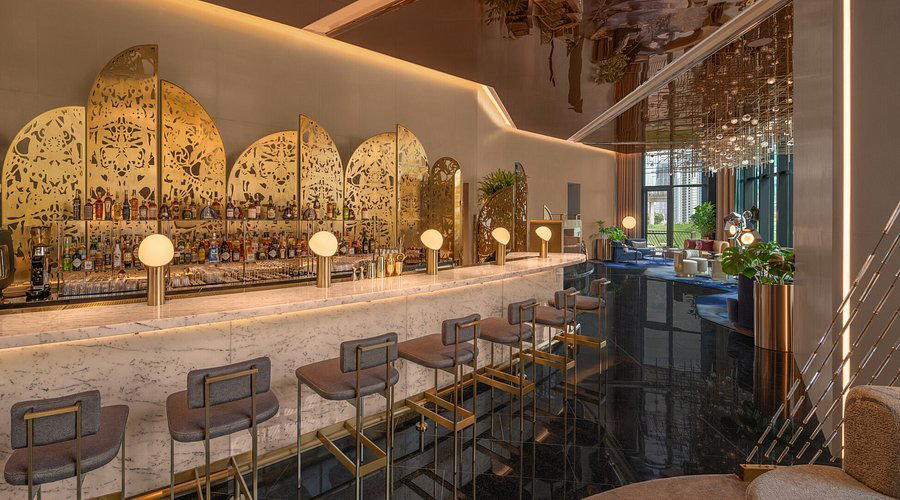
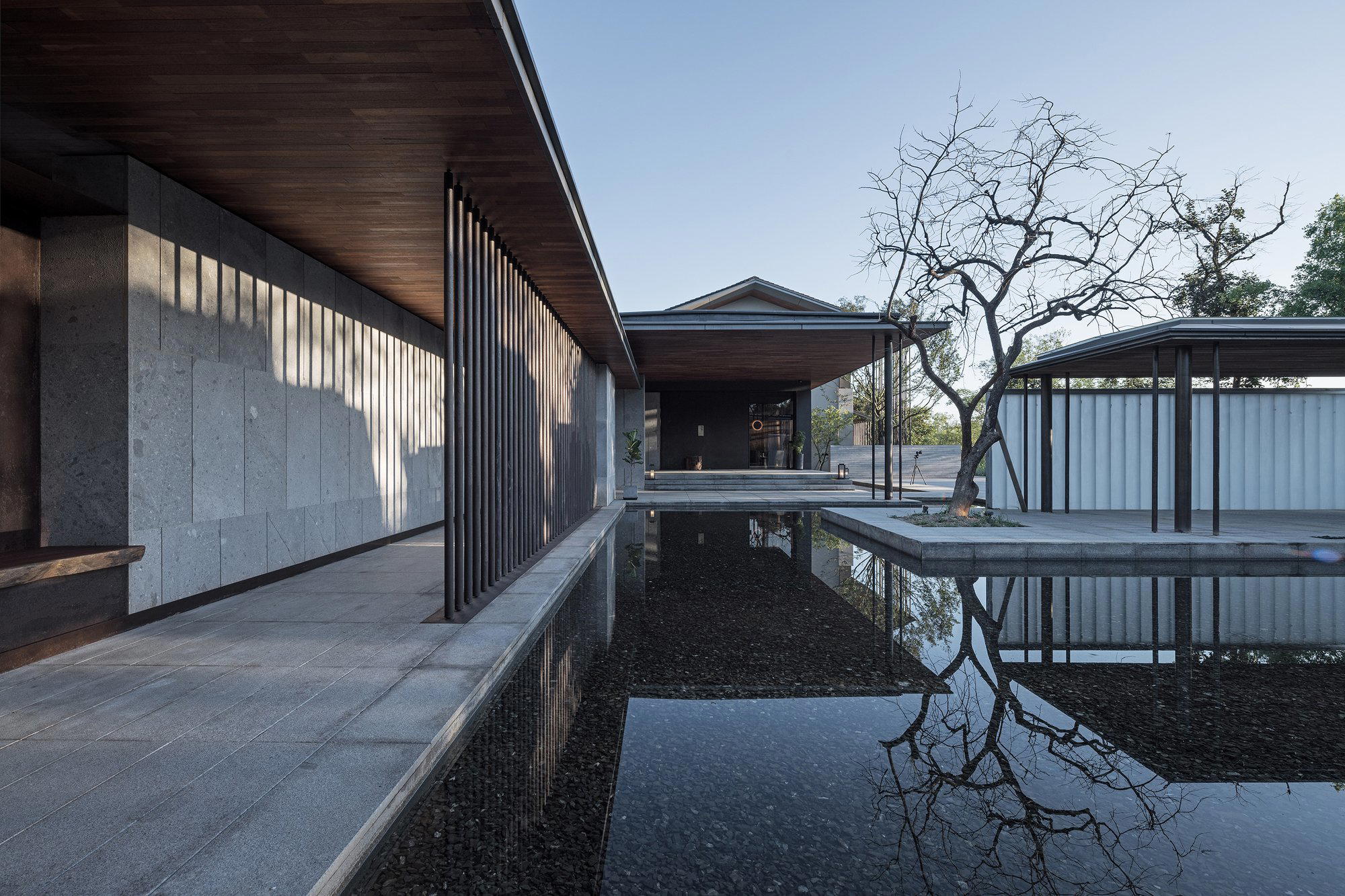
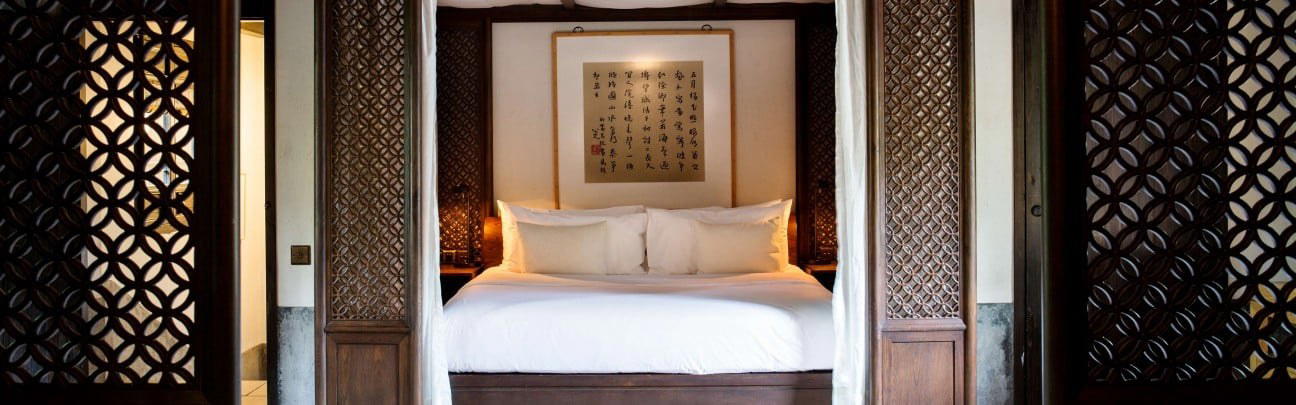
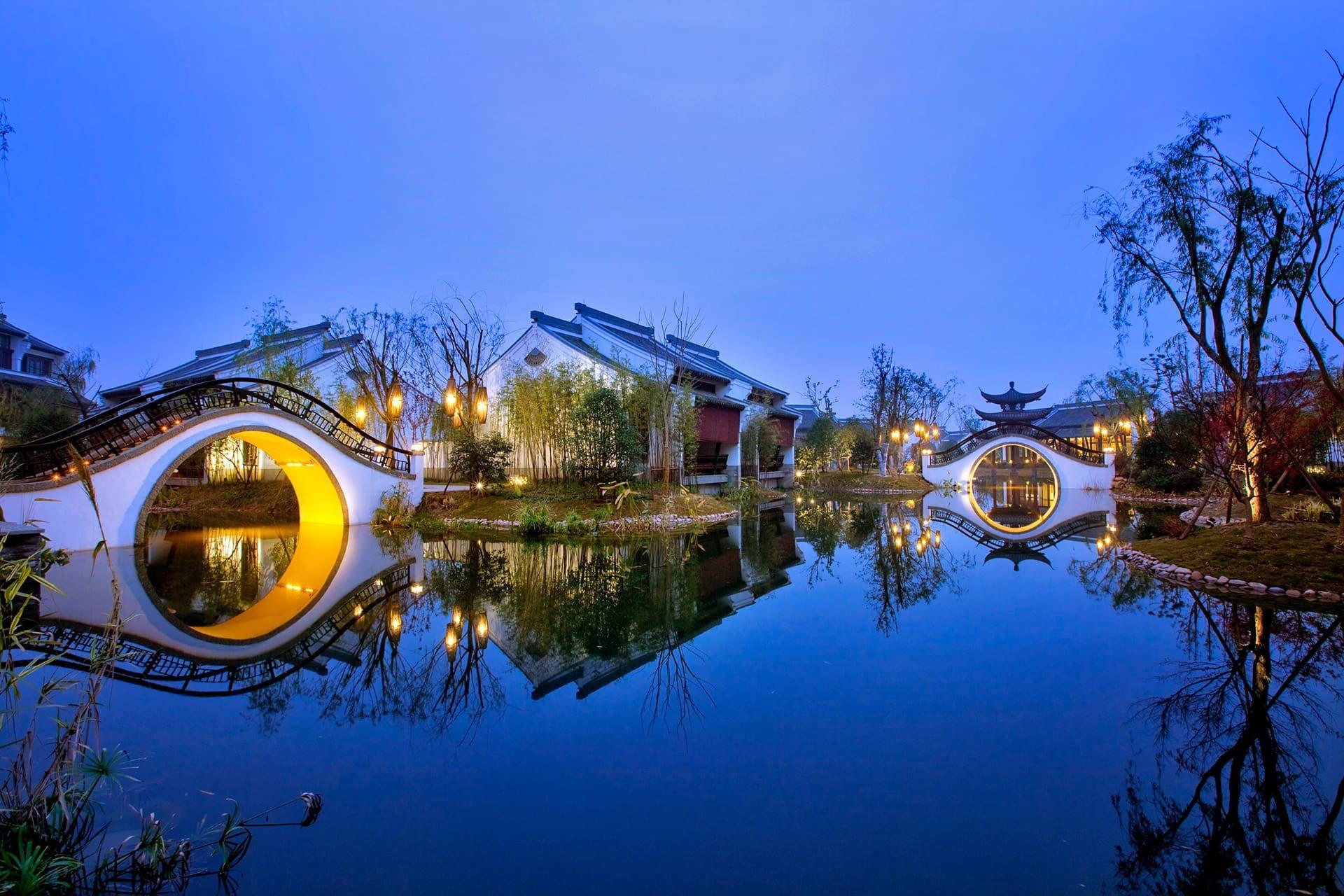
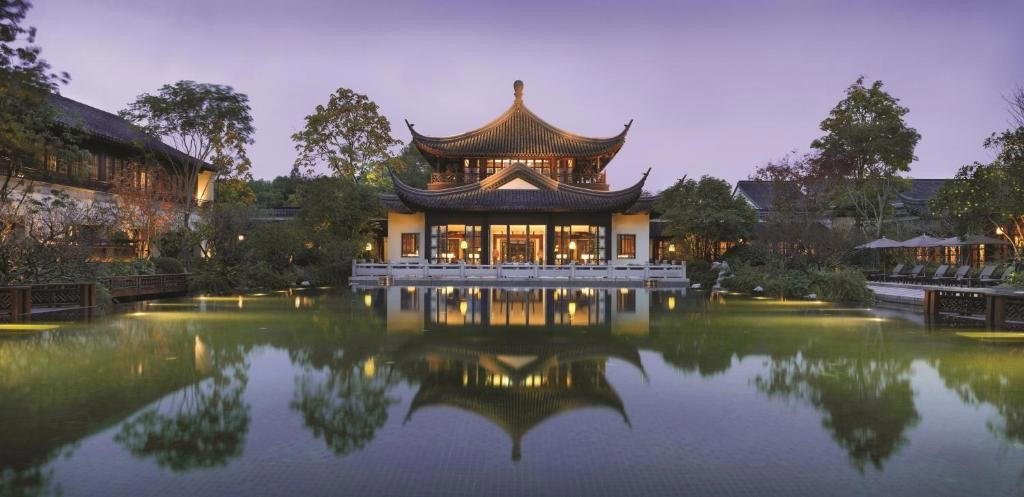
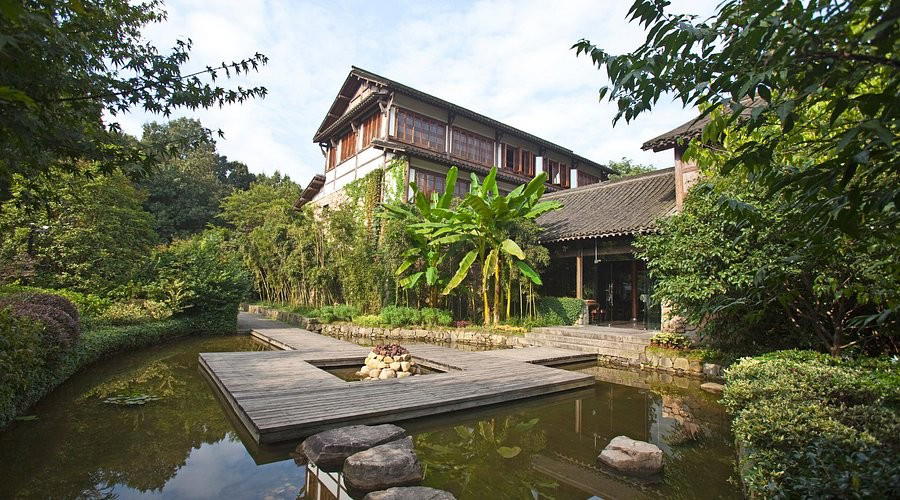
Rooms bathed in chandelier light with chequered floors and olive-green banquettes, creating a serene and elegantly poised atmosphere.