
Tabelog 100 #18
Our verdict
Junshin An sits in Kyoto’s quieter steak-and-yoshoku register: charcoal-grilled black wagyu, abalone, wine, sake and private-room dining rather than spectacle. Its inclusion in Tabelog 100 - Steak / Teppanyaki - WEST - 2025 places it among the region’s serious beef and grill addresses, with a 32-seat layout that keeps the room compact without reducing it to a counter-only format.

Pearl is the En Primeur Club membership app — saves, bookings, and concierge access live there. Same editors, same standards.
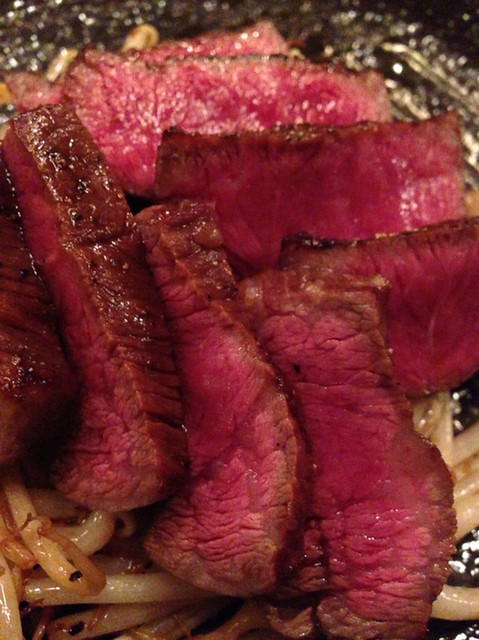
The menu
What to order
- Charcoal-grilled Miyazaki wagyu steak
- Wagyu beef soup
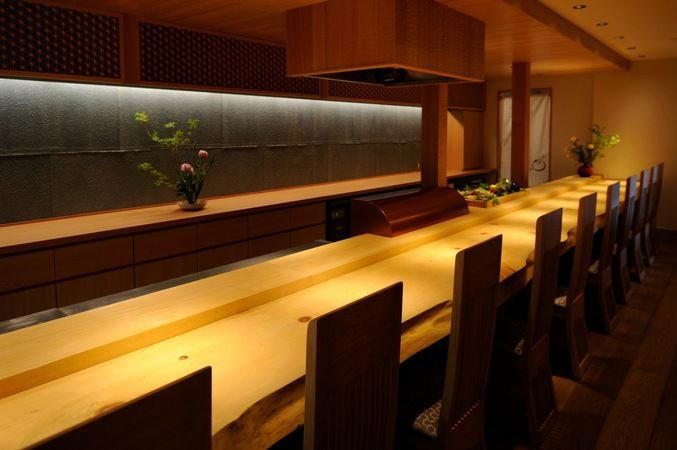
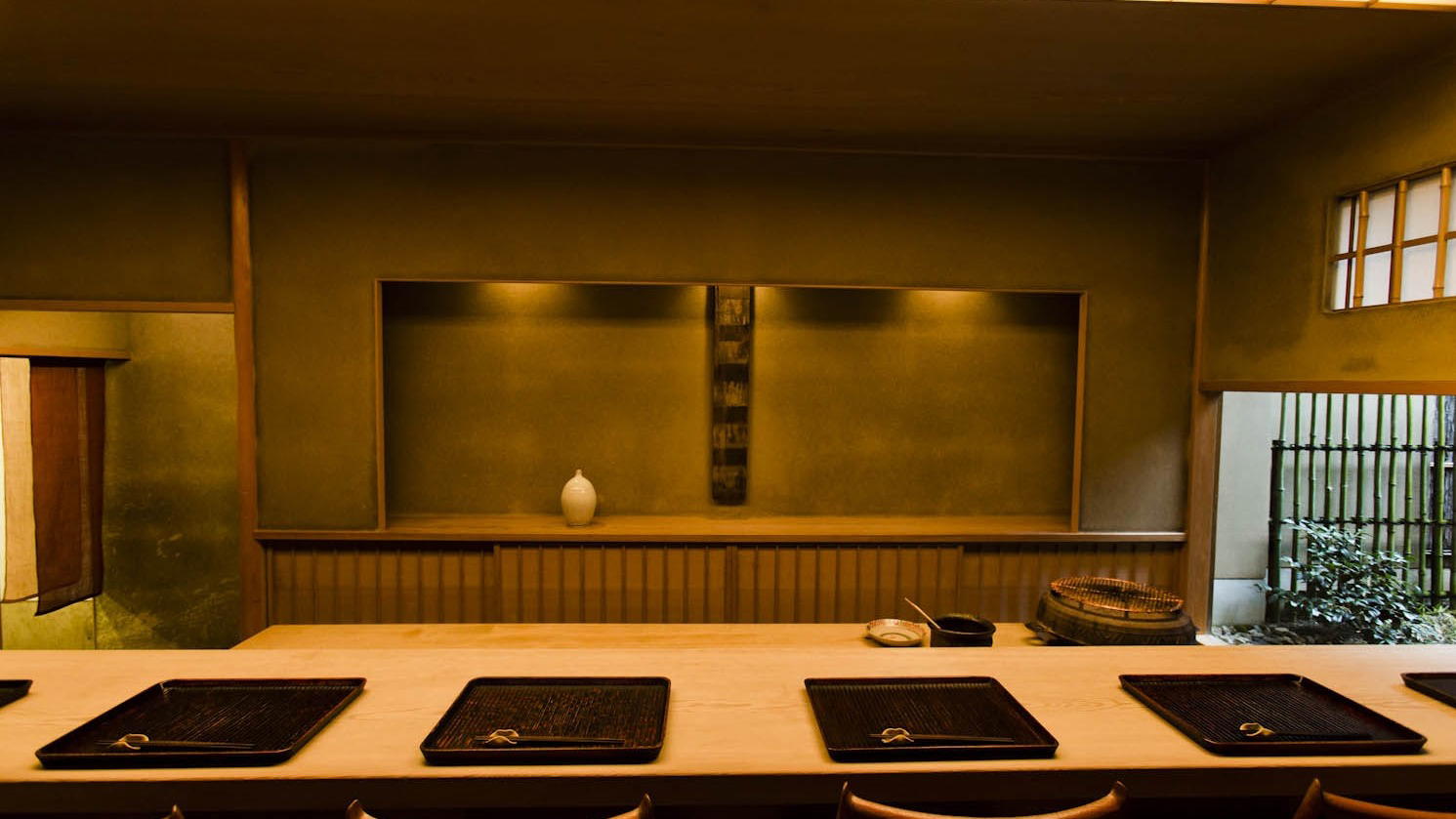
Kyoto’s restaurant rooms often speak before the menu: narrow approaches, low-slung interiors, quiet pacing, and a sense that arrangement matters as much as what arrives on the plate. In Kyoto, Junshin An belongs to that quieter mode: a steak, European and yoshoku address where the format reads as carefully considered rather than showy. The appeal is a measured dining experience, giving it a different rhythm from Kyoto’s many counter-led and seasonal-course rooms.
That format is the point. Kyoto’s premium dining is often framed through kaiseki, sushi and temple-adjacent vegetarian cooking, but the city also has a long appetite for yoshoku, beef restaurants and Western-influenced rooms adapted to Japanese service codes. The category rewards restraint: serious ingredients, controlled heat, quiet pacing and a room suited to conversation and occasion. Junshin An’s Tabelog 100 - Steak / Teppanyaki - WEST - 2025 selection places it in western Japan’s steak and teppanyaki conversation, while its steak, European and yoshoku categories show it is broader than a single-style beef counter.
Beef dining in Kyoto's yoshoku register
Kyoto’s beef rooms can range from spectacle-driven teppanyaki to sukiyaki and shabu-shabu traditions, as well as smaller restaurants closer to yoshoku. Junshin An sits within that broader field. Its public category anchors it around steak, European cooking and yoshoku, which says more than a long menu inventory: this is not simply kaiseki borrowing Western garnish, nor a generic steakhouse using Japanese context as decoration. It is a Kyoto dining room where a Western-influenced register can share space with Japanese service grammar.
The Tabelog score of 3.69 is useful context in Japan, where scoring is conservative and higher numbers cluster among heavily followed specialists. The stronger signal is recognition: selection for the steak and teppanyaki Tabelog 100 in 2025. For travelers comparing Kyoto categories, that separates it from casual yoshoku nostalgia and places it nearer destination beef dining, though not in the same lane as temple cuisine or formal kaiseki.
The steak-and-yoshoku emphasis changes the pace. Teppanyaki can make the cooktop performance central; a quieter steak-and-yoshoku setting shifts attention to timing, heat and the order in which dishes arrive. Available details do not support naming a full course structure, but the categories are clear reference points. That positions the restaurant as ingredient-led, grill-adjacent in spirit and more adult than a casual family steakhouse, while still reading as a room for occasions rather than spectacle alone.
A measured Kyoto room for premium dining
The format is the clearest clue to the experience, even where public details remain limited. Junshin An is best understood through its category and recognition rather than through unsupported specifics about seat count, layout or service choreography. In Kyoto, where many serious restaurants are built around a highly focused sense of occasion, that restraint matters. It lets the restaurant sit across social registers: a dinner for two, a business meal, or a small group looking for something more polished than casual yoshoku.
Kyoto design and hospitality are often less about visible luxury than cleanly separating mood, pace and purpose. A focused dining room creates concentration. Quieter service changes posture and lengthens the meal. Junshin An’s appeal is easiest to read as a premium steak, European and yoshoku address rather than a theatrical room. The result is a restaurant that widens the audience for a refined beef-led format without needing to become a large dining hall.
That matters in Kyoto, where restaurant identity is shaped by visitor traffic, local dining rituals and a strong sense of culinary tradition. The city can punish restaurants relying on atmosphere alone. A serious room has to choose between postcard fantasy and a more grounded urban Kyoto mood. Here, the better reading is the latter. Junshin An is not best approached as a novelty stop, but as a dining room with enough identity to sit within the city’s broader premium dining conversation.
How to place it within a Kyoto itinerary
For travelers building a Kyoto food itinerary, Junshin An is a useful counterweight to kaiseki. A few Kyoto nights can feel repetitive if every serious booking follows the same seasonal-course structure. A steak-and-yoshoku dinner changes the cadence: more emphasis on beef, strong compatibility with Western-influenced dining habits, and a room style that can suit conversation without losing formality. It pairs especially well with a trip that already includes confectionery, casual regional food and contemporary dining. For broader planning, Our full Kyoto restaurants guide gives the wider restaurant frame, while Our full Kyoto hotels guide, Our full Kyoto bars guide, Our full Kyoto wineries guide and Our full Kyoto experiences guide help map the rest of the stay.
The comparison set in Kyoto is broad rather than tidy. Older sweet-shop ritual, Kansai comfort food and other strands of the city’s contemporary dining map all pull an itinerary in different directions. Outside Kyoto, grill-led and casual-Japanese comparisons can be useful only in the broadest sense. These are not interchangeable; Kyoto’s serious dining itinerary benefits from contrast. Junshin An earns its slot when the trip needs steak, yoshoku, wine-friendly pacing and a room that handles conversation as carefully as cooking.
Frequently asked questions
What's the pricing like at Junshin An?
Pricing at Junshin An is listed as JPY 15,000 - JPY 19,999 View spending breakdown.
What are Junshin An's hours?
Current hours for Junshin An are not provided here. Check the venue's official channels for the latest details.
Where exactly is Junshin An?
Kyoto.
What is Junshin An known for?
Junshin An is known for steak, European and yoshoku cooking in Kyoto, with a Tabelog 100 selection for Steak / Teppanyaki WEST 2025.
Do they accommodate allergies at Junshin An?
Those details are not provided here. Check the venue's official channels for the latest details.
Same-City Peers
Comparable venues to place this listing in its category.
| Venue | Cuisine | Price | Awards | Notes |
|---|---|---|---|---|
| Junshin AnThis venue (the venue you are viewing) | Creative Kyoto steakhouse with Japanese-style Western cuisine | $100–150 | Tabelog 100 #18 | Not listed |
| Kyogashi Tsukasa Shojuken | Japanese Traditional Sweets | $10–20 | Tabelog 100 #38 | JPY 1,000 - JPY 1,999 - JPY 999 |
| Konno | Modern Japanese Omakase | $150–200 | Michelin Plate | Not listed |
| SoNoMa by SingleThread | Contemporary Californian Japanese | $300–500 | Not listed | Sonoma-Kyoto terroir-driven |
| Kyo Seika | Seasonal Chinese Fine Dining in Kyoto | Not listed | 1 Michelin Star | Chinese |
| Miyagawacho Hotta | Modern Kaiseki Omakase | $200–300 | Michelin Plate | Japanese |
Recognition history
Dated appearances from independent guides and award organizations, with the underlying list record or original source where available.
Tabelog 100 #18 · No. 18
Tabelog · Tabelog 100 - Steak / Teppanyaki - WEST - 2025
Continue exploring
More in Kyoto
Restaurants in Kyoto
All restaurants in Kyoto →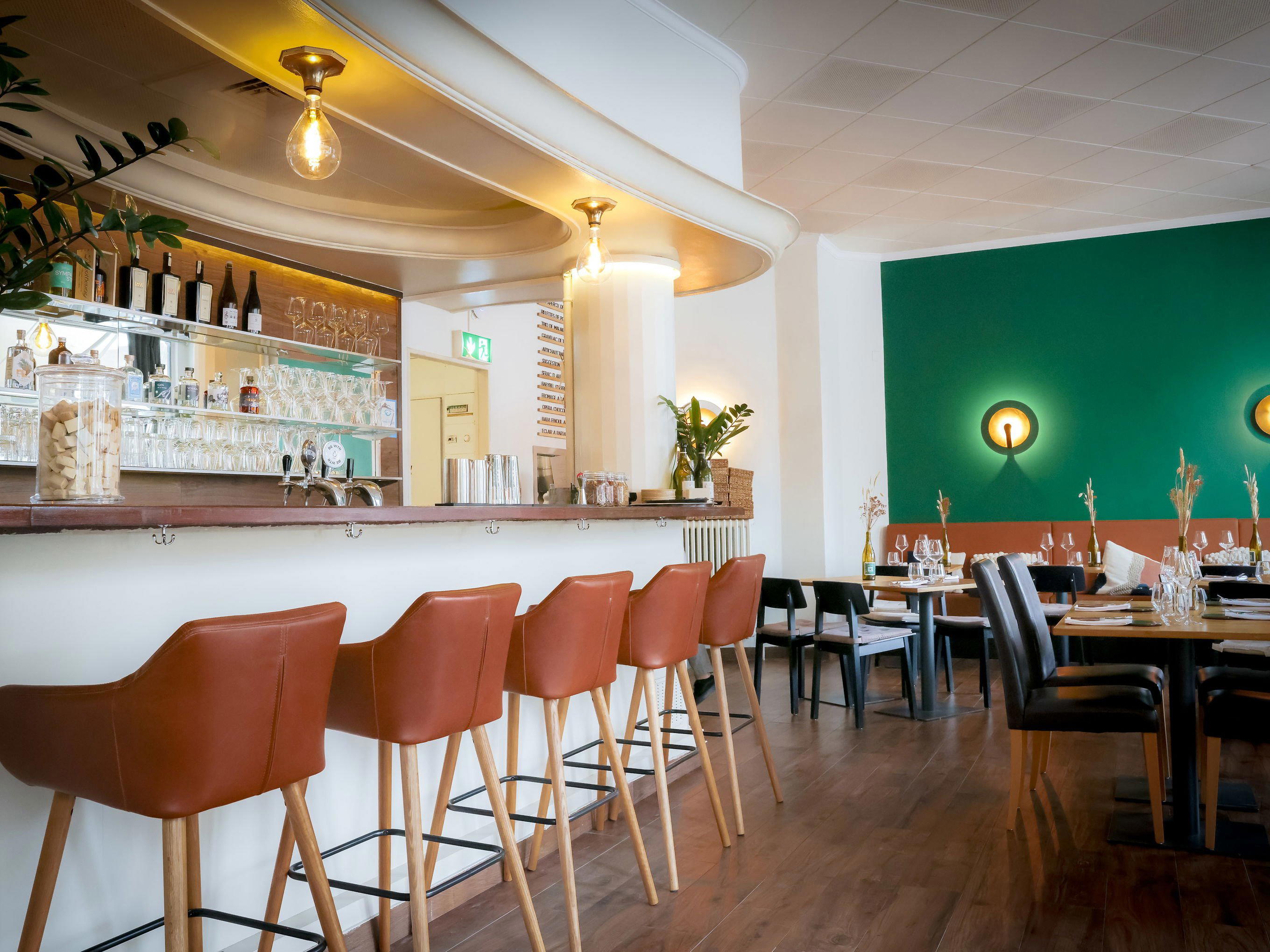
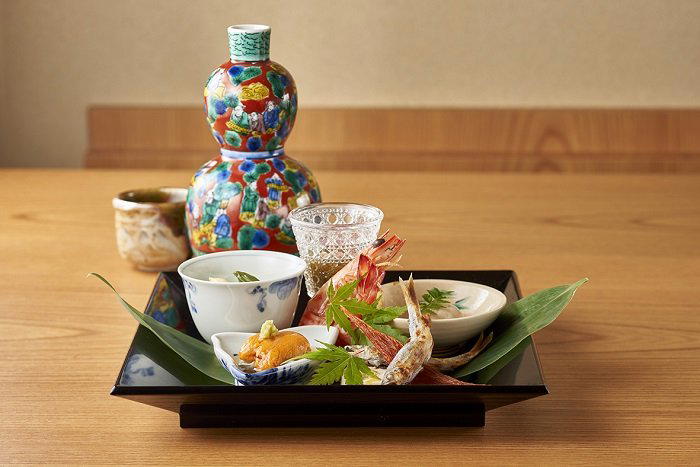
Bars in Kyoto
All bars in Kyoto →
Hotels in Kyoto
All hotels in Kyoto →
Wineries in Kyoto
Browse all →
Junshin An
The wine
- Wine program
- Curated wine list
- Extensive wine list
- Sake program
Details
- Classic
- Cozy
- Intimate
- Date Night
- Business Dinner
- Group Dining
- Special Occasion
- Celebration
- Chefs Counter
- Private Dining
- Standalone
- Extensive Wine List
- Sake Program
- Local Sourcing
- A La Carte
- Set Menu
- Counter Dining
- Wine
- Sake
Current opening hours
- Monday
- 12–2:30 PM, 6–11 PM
- Tuesday
- 12–2:30 PM, 6–11 PM
- Wednesday
- 12–2:30 PM, 6–11 PM
- Thursday
- 12–2:30 PM, 6–11 PM
- Friday
- 12–2:30 PM, 6–11 PM
- Saturday
- 12–2:30 PM, 6–11 PM
- Sunday
- 12–2:30 PM, 6–11 PM
Hours can change for holidays and private events. Last verified .
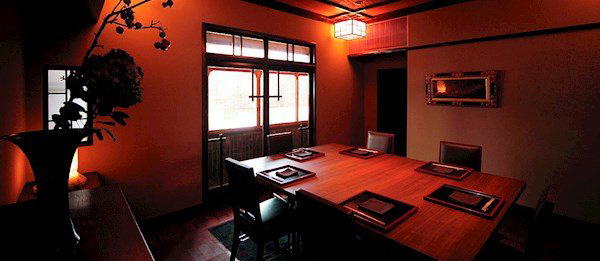
Classic, intimate steakhouse atmosphere in Kyoto’s Gion district, with counter and small private-room seating, relaxed but polished service, and a focus on leisurely enjoyment of food and drink rather than a rushed meal.