
Tabelog 100 #38
Our verdict
Kyoto’s wagashi culture is less about dessert than timing, season, and social ritual. Kyogashi Tsukasa Shojuken belongs to that older grammar: a Higashiyama sweets shop associated with temple and tea-house custom, recognized in Tabelog’s Japanese traditional sweets and sweets selections, and focused on take-out rather than restaurant theatre.

Pearl is the En Primeur Club membership app, where members save venues, book tables and use the concierge.
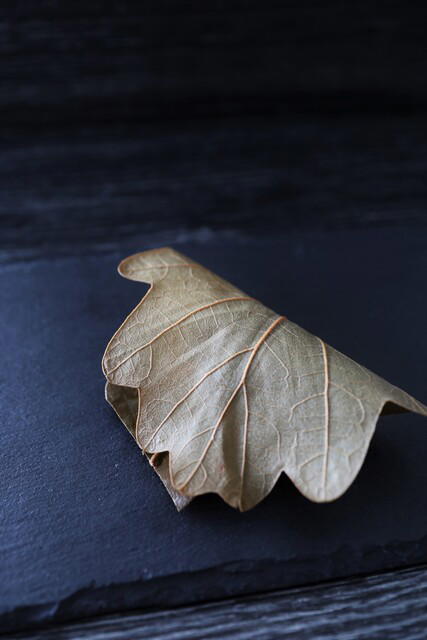
In Kyoto, the sweets trade belongs to the same city as temple gates, narrow streets, tea rooms, and errands carried out with precision. Wagashi here is not an afterthought to a meal. It has its own calendar, etiquette, and pacing: a small sweet before tea, a seasonal gift carried across town, a box collected with intent rather than impulse.
Kyogashi Tsukasa Shojuken sits inside that ritual rather than the modern dessert-shop race for novelty. Its public profile is built around Japanese traditional sweets and dorayaki, but the more useful reading is cultural: this is Kyoto confectionery as a craft of occasion. Tabelog recognition in 2023, with a listed score of 3.68, gives the shop a public credential in the Japanese traditional sweets field. That matters because wagashi reputations in Kyoto tend to accrue through repetition, patronage, and seasonal reliability rather than spectacle.
Wagashi in Kyoto is a matter of timing, not dessert excess
Kyoto’s classical sweets culture grew around tea practice, temple life, and gift exchange. The category rewards restraint: form, season, texture, and the implied conversation between sweet and bitter tea. A Western pastry counter can win attention through abundance; Kyoto wagashi often works in the opposite direction, reducing the gesture until the timing carries the weight.
That distinction explains why a shop such as Kyogashi Tsukasa Shojuken reads differently from Kyoto’s high-ticket dining rooms. Junshin An, for example, sits in a more formal dining lane, while contemporary projects such as SoNoMa by SingleThread frame Kyoto through terroir and cross-cultural fine dining. Wagashi occupies another lane: low in transaction size, high in social meaning. The purchase may be small, but the etiquette around it is not casual in the careless sense.
The shop’s place in Kyoto is best read through the city’s working memory of sweets, tea, and gifting. Its categories are Japanese traditional sweets and dorayaki, which place it within the networks that keep Kyoto confectionery from becoming mere souvenirs. Those associations are the important signal: wagashi here is judged by whether it suits a setting, a guest, a season, or a tea occasion.
The format favors collection, planning, and restraint
The experience is closer to a specialist sweets purchase than a full restaurant occasion. The ground truth around Kyogashi Tsukasa Shojuken points to an accessible budget rather than a luxury dining bill, with dinner listed at JPY 1,000–JPY 1,999 and lunch listed up to JPY 999. That aligns with the logic of the craft: a small transaction can still carry care, intention, and seasonality.
That creates a different rhythm for travelers. Kyoto rewards the visitor who plans food around small appointments rather than large meals alone. A sweets stop in Kyoto can sit between other parts of the day or before tea, but the more serious approach is to decide what the sweet is for: a private tea moment, a gift, or a controlled tasting of Kyoto confectionery outside the restaurant format. This is not primarily about lingering over a long meal; it is a purchase tied to ritual.
Dorayaki gives the address an accessible entry point, because the category is familiar even to travelers who have not studied tea sweets. The broader Japanese traditional sweets classification, however, is where the Kyoto context sharpens. Wagashi is often misunderstood as merely pretty. In the city’s older dining language, it is closer to punctuation: a measured sweetness that marks season, host, and guest relationship.
Kyoto’s dining scene now stretches from casual queues to contemporary fine-dining formats. For a broader map of the city, Our full Kyoto restaurants guide covers the restaurant field, while Our full Kyoto hotels guide, Our full Kyoto bars guide, Our full Kyoto wineries guide, and Our full Kyoto experiences guide place it in the wider travel frame. Nearby and related Kyoto listings range from other traditional sweets stops to casual restaurants, specialty counters, and contemporary dining rooms across the city.
How to read its place in the city
The value of Kyogashi Tsukasa Shojuken is not that it competes with Kyoto’s tasting-menu rooms. It clarifies another tier of the city’s food culture, where a modest purchase can carry the weight of formality because it belongs to tea, temples, and gift etiquette. The Tabelog recognition adds a public credential, but the stronger editorial point is the format itself: a specialist wagashi shop that asks the traveler to slow the meal down to a single sweet and its proper moment.
That makes it a useful counterweight to the way Kyoto is often consumed. The city can turn everyday routes into grazing routes, yet wagashi at this level resists casual snacking. It asks for sequence. Buy with purpose, serve with tea if possible, and treat the sweet as part of Kyoto’s dining ritual rather than a sugar stop between larger reservations.
For readers comparing Japanese food culture across regions, EP Club’s wider restaurant archive includes unnamed examples across Japan and beyond. Against that broader map, Kyoto wagashi remains a category where the smallest format can teach the clearest lesson.
Frequently asked questions
Does Kyogashi Tsukasa Shojuken work for a family meal?
It suits a family stop for Kyoto sweets more than a full sit-down meal. The listed budget is Dinner: JPY 1,000–JPY 1,999; Lunch: up to JPY 999, which keeps it accessible for a Kyoto sweets purchase rather than a full dining bill.
Is Kyogashi Tsukasa Shojuken formal or casual?
It reads as a casual specialty shop, not a formal dining room. The location is Kyoto, and Tabelog recognition in 2023 gives it clear credibility without turning it into a restaurant scene.
What's the pricing like at Kyogashi Tsukasa Shojuken?
Pricing at Kyogashi Tsukasa Shojuken is listed as JPY 1,000 - JPY 1,999 - JPY 999.
What is Kyogashi Tsukasa Shojuken known for?
Kyogashi Tsukasa Shojuken is known for Japanese traditional sweets and dorayaki in Kyoto.
Category Peers
Comparable venues at a glance for context.
| Venue | Cuisine | Price | Awards | Notes |
|---|---|---|---|---|
| Kyogashi Tsukasa ShojukenThis venue (the venue you are viewing) | Japanese Traditional Sweets | $10–20 | Tabelog 100 #38 | Not listed |
| Menya Takakura Nijou | Kyoto ramen and tsukemen shop | $10–20 | Tabelog 100 #66 | Nakagyō |
| Tsukemen Kirari | Kyoto tsukemen & ramen shop | $10–20 | Tabelog 100 #1 | Fushimi |
| Kyo Udon Nama Soba Okakita | Traditional Kyoto udon and soba | $10–20 | Tabelog 100 #46 | Sakyō |
| Gyoza Hohei (ぎょうざ 歩兵) | Gyoza specialty shop | $10–20 | Tabelog 100 #38 | Gion |
| Kansen Do | Traditional Japanese Wagashi & Sweets | $10–20 | Tabelog 100 #83 | Higashiyama |
Recognition history
Dated appearances from independent guides and award organizations, with the underlying list record or original source where available.
Tabelog 100 #38 · No. 38
Tabelog · Tabelog 100 - Japanese traditional sweets / Japanese sweets cafe - WEST - 2023
Continue exploring
More in Kyoto
Restaurants in Kyoto
All restaurants in Kyoto →


Bars in Kyoto
All bars in Kyoto →
Hotels in Kyoto
All hotels in Kyoto →

Wineries in Kyoto
Browse all →
Details
- Classic
- Quiet
- Cozy
- Solo
- Casual Hangout
- Special Occasion
- Standalone
- Historic Building
- A La Carte
- Vegetarian Friendly
Current opening hours
- Monday
- Closed
- Tuesday
- 10 AM–6 PM
- Wednesday
- 10 AM–6 PM
- Thursday
- 9 AM–6 PM
- Friday
- 9 AM–6 PM
- Saturday
- 9 AM–6 PM
- Sunday
- Closed
Hours can change for holidays and private events. Last verified .
A traditional, low-key Japanese confectionery setting with a relaxed, specialist-shop atmosphere that draws wagashi enthusiasts.