
Jinsei Gyoza places Nagoya’s everyday Chinese-raamen-gyoza tradition in a compact Nakagawa Ward room rather than a formal dining frame. Its 2026 Tabelog Chinese EAST 100 selection, 15-seat scale, counter seating, and low price band make it a strong fit for casual milestone meals where the point is shared comfort, not ceremony.
Pearl is the En Primeur Club membership app — saves, bookings, and concierge access live there. Same editors, same standards.
- Address
- Japan, 〒454-0054 Aichi, Nagoya, Nakagawa Ward, Hachikencho, 3 Chome−61
- Phone
- +81 52-352-6118
- Website
- instagram.com
 Saves & bookings on Pearl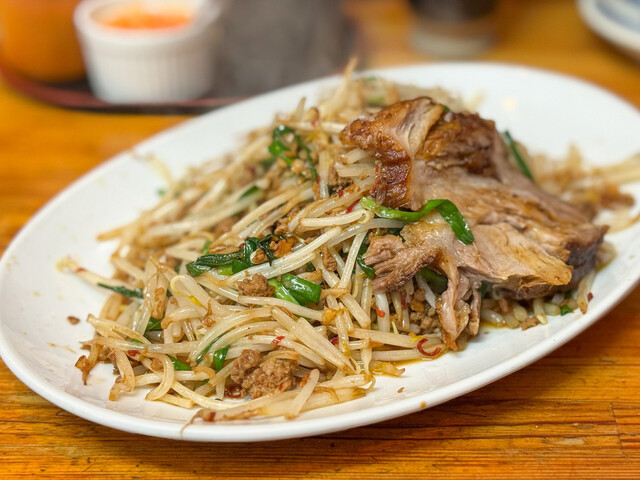
Approaching a house restaurant in Hachikencho feels less like a staged celebration than a local ritual: a small room, counter seats, a ticket-vending machine, and the compressed rhythm of noodles, dumplings, rice dishes, and quick decisions. Nagoya’s serious casual dining often works this way. The meal needs no linen, view, or chef biography; it needs a format that makes a family birthday, school-year finish, or low-key reunion feel grounded in the city’s daily appetite.
Jinsei Gyoza fits that category. Publicly classified across Chinese, ramen, and dumpling cooking, it reflects a Japanese norm: neighborhood Chinese restaurants absorbing noodle-shop logic and family-restaurant utility. The 2026 Tabelog Chinese EAST 100 selection signals value beyond local habit, while the price band stays closer to weekly eating than special-occasion theater. That tension is the point: the room can mark an occasion without making it formal.
Small-room Chinese dining for milestones that do not need ceremony
Nagoya is better known outside Japan for miso katsu, kishimen, and tebasaki, but its working dining culture also depends on compact specialist rooms with narrow menus, fast turns, and loyal neighborhood use. A 15-seat Chinese-ramen-dumpling restaurant is not competing with banquet halls. It competes with places chosen when a group wants comfort, speed, and enough structure to make the meal intentional.
The seating mix matters. Seven counter seats, two tables for two, and one table for four suit small family groups and pairs better than large celebrations. Children are welcome, and the listed occasion guidance points to family and friends, but scale sets the tone. This is for a compact gathering, not a roaming party. In Japan’s casual tier, that is often smarter occasion dining: fewer people, fewer speeches, better focus on the food.
The public rules reveal the operating style. When crowded, additional orders may stop; alcohol is limited to two drinks per person; elementary school-age diners and older are expected to order a noodle or rice dish. These are practical controls in a small room where pacing, soup supply, and seat turnover matter. For a celebration, the meal works when the group accepts the house rhythm instead of stretching the table into a long party.
Where gyoza, ramen, and neighborhood Chinese overlap in Nagoya
Japanese-style Chinese dining is more elastic than the category name suggests. Ramen shops borrow from chuka cooking; gyoza counters double as drinking spots; rice dishes make the format family-friendly. Jinsei Gyoza sits inside that overlap, not a single-lane ramen identity. Compared with Raamen Ajisai and Menya Ierou, both in the same low-price Nagoya band, the draw is not just a bowl. Compared with Ramen Daruma Shokudo or Ramen Aoba, in an even lower posted range, the broader Chinese-dumpling frame gives a small group more ways to share. Tebiki Soba Isshin, at a higher price band, follows a different casual-specialist logic.
That comparison helps travelers because Nagoya rewards category literacy. A noodle address, soba specialist, and gyoza-led Chinese room may all look casual outside, but they solve different dining problems. For a solo meal, the counter is enough. For two friends, a table can carry noodles plus dumplings without turning dinner into a production. For a family occasion, the value is predictability: accessible pricing, a compact menu world, and a room where children are explicitly accepted.
The Tabelog Chinese EAST 100 selection in 2026 adds a second layer, placing the restaurant in a regional Chinese-cuisine conversation rather than a purely neighborhood list. The listed score is 3.66, best read in Japanese review-site context, where casual restaurants with strong local esteem can sit below the inflated-looking scores common on global platforms. The award signal matters more than the decimal: this everyday Chinese cooking has enough consistency and audience support to be noticed outside its immediate ward.
How to use it in a Nagoya itinerary
The Nakagawa Ward location gives the meal a different texture from dining around Nagoya Station or Sakae. The nearest station is Rokuban Cho on the Meiko Subway Line, with the restaurant listed about 15 minutes on foot from the station. Parking is listed in front and in a lot opposite, suiting local families arriving by car. For visitors, this is not the easiest first-night hotel-crawl stop, but it suits a food-focused day beyond central shopping and business districts.
Hours shape the decision. Lunch runs on several days, dinner appears on midweek-to-Saturday patterns, Sunday is lunch only, Monday is closed, and soup service ends once sold out. Late, loose planning is weak strategy. Use it for early lunch or focused dinner, especially with a small group ready to order decisively. Payment is practical: credit cards and electronic money are not accepted, while PayPay is listed. Low-price specialist restaurants in Japan often keep payment simple; do not test assumptions at the till.
For broader planning, pair this with Our full Nagoya restaurants guide, then use Our full Nagoya hotels guide, Our full Nagoya bars guide, Our full Nagoya wineries guide, and Our full Nagoya experiences guide to build the trip. Readers comparing Japan’s casual dining range can also look at 1022, 451, Aaron, Alan., All Day Dining Montmartre, -Grilled beef Sukiyaki- KAMAKURA TANUKIAN 鎌倉 たぬき庵 in Kamakura. 鮪と炭火焼き うお炭 秋葉原店 in Tokyo.cafe in Osaka.know in Kumamoto, (Shoku) Vietnam in Kawasaki, [Curry Senmon Ten] Maruyama Kyoju. in Sapporo, Jōdo Saké Bar in Los Angeles, and Onigiri Time in Pasadena.
The verdict is practical rather than grand. Jinsei Gyoza is for travelers who know a meaningful Nagoya meal can be small, affordable, and tightly run. Bring a compact group, treat the rules as part of the format, and use it for the kind of celebration where shared dumplings and noodles carry more emotional force than a formal tasting menu.
At a Glance
Comparable venues by price and recognition.
| Venue | Cuisine | Price | Notes |
|---|---|---|---|
| Jinsei GyozaThis venue — the venue you are viewing | Not listed | $ | Not listed |
| Manchin Ken | Not listed | $ | Nakamura, Nagoya egg-drop ramen & Chinese |
| Imaike Hanten | Not listed | $ | Chikusa, Casual Chinese fried rice specialist |
| Shisen Sai Hiro | Meitō, Sichuan Chinese | $$ | Not listed |
| Mendokoro Suwa | Atsuta, Niboshi ramen shop | $ | Not listed |
| China Soba Kitagawa | Minami, Ramen & wonton shop | $ | Not listed |
Recognition history
Dated appearances from independent guides and award organizations, with the underlying list record or original source where available.
Tabelog 100 #26 · No. 26
Tabelog · Tabelog 100 - Chinese cuisine - EAST - 2026
Continue exploring
More in Nagoya
Restaurants in Nagoya
Browse all →
At a Glance
- Solo
- Casual Hangout
- Late Night
- Group Dining
- Standalone
- Beer Program
Current opening hours
- Monday
- Closed
- Tuesday
- 11 AM–1:30 AM
- Wednesday
- 11 AM–1:30 PM, 5:30–8:30 PM
- Thursday
- 11 AM–1:30 PM, 5:30–8:30 PM
- Friday
- 11 AM–1:30 PM, 5:30–8:30 PM
- Saturday
- 11 AM–1:30 PM, 5:30–8:30 PM
- Sunday
- 11 AM–1:30 PM
Hours can change for holidays and private events. Last verified .
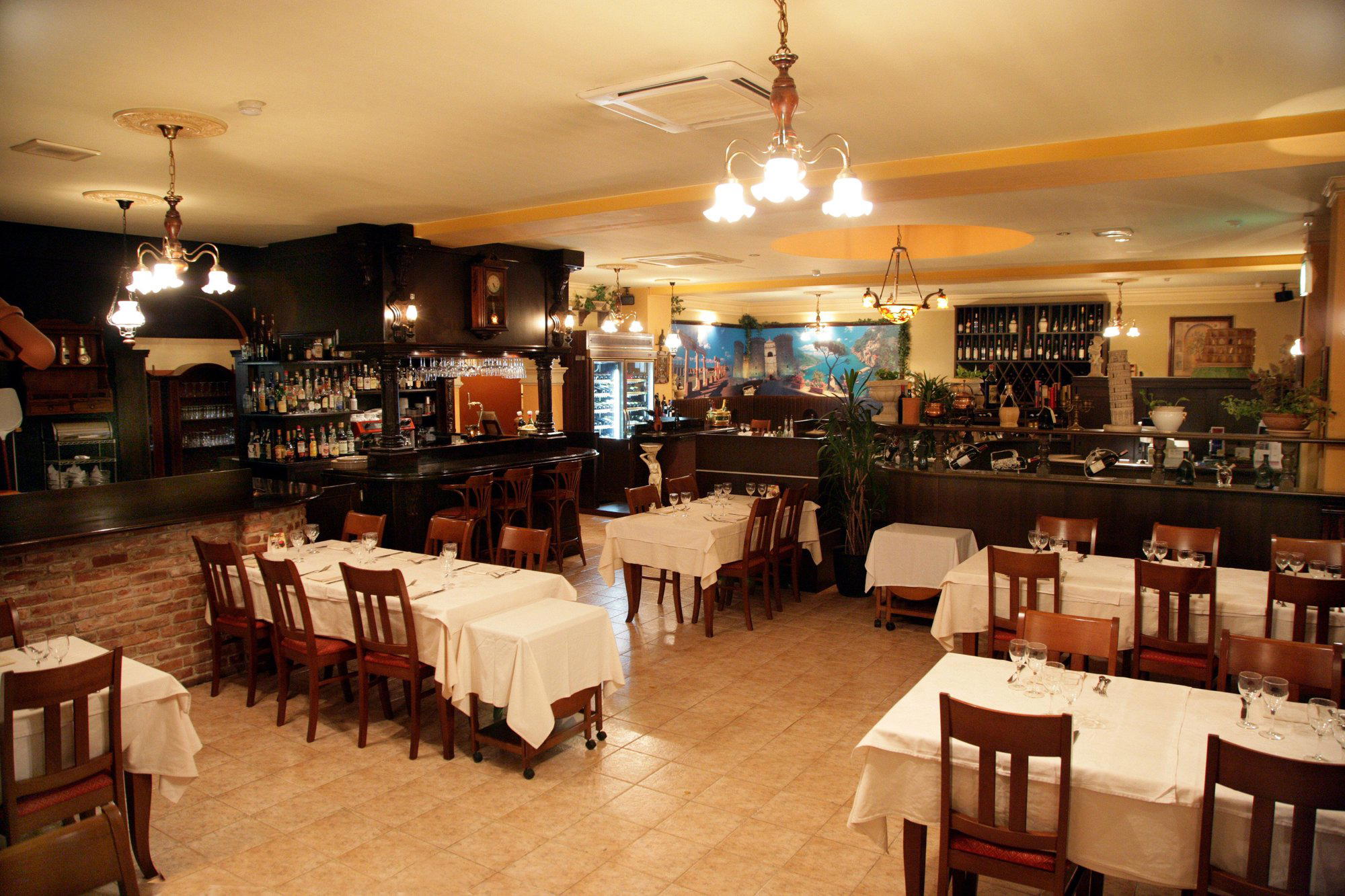
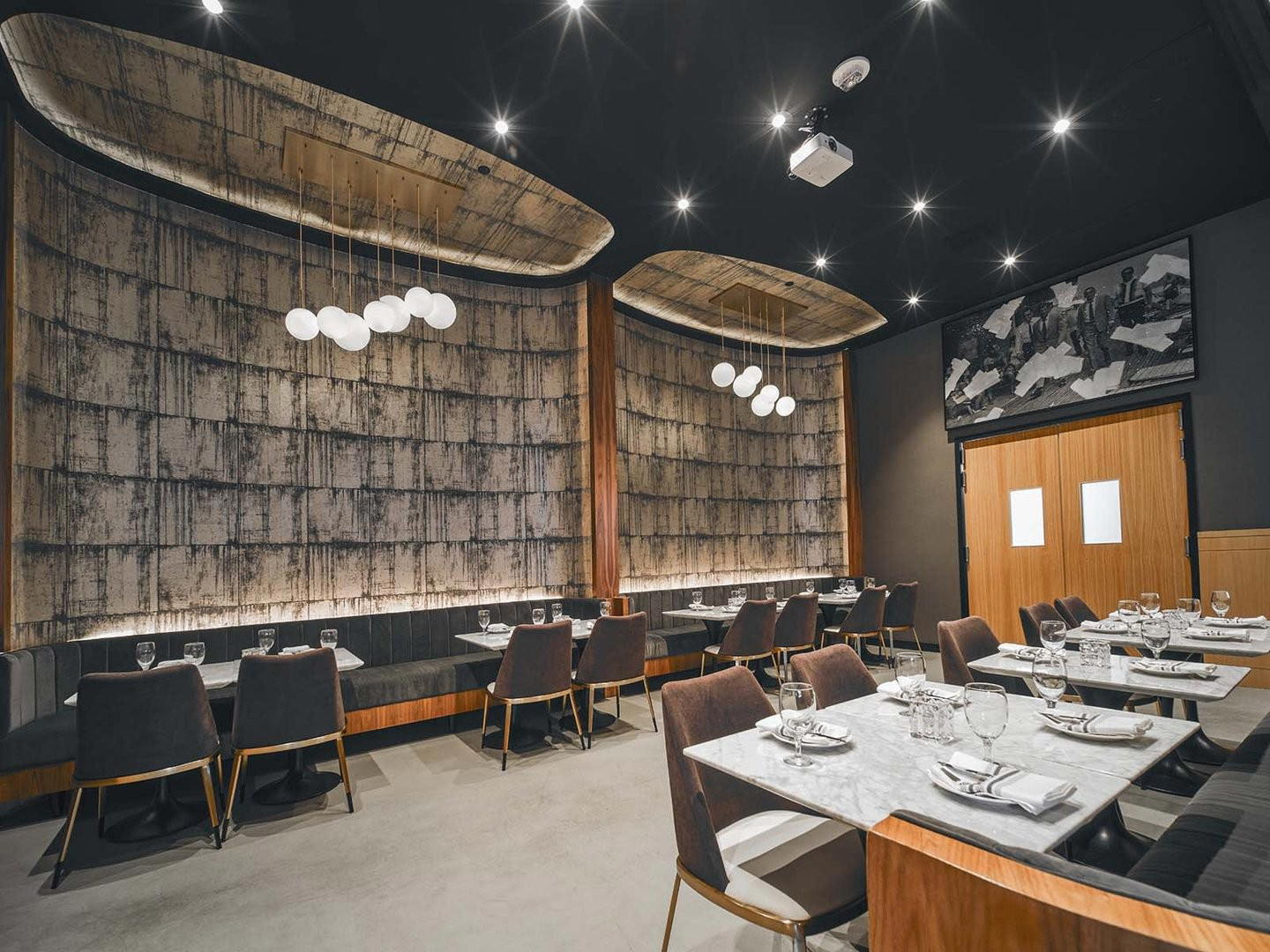
Casual and bustling with a typical local Chinese-ramen shop feel: compact space, bright practical lighting, counter and table seating, and a focus on quick, satisfying meals rather than decor.