
Imaike Hanten gives Nagoya’s Chinese dining scene a compact, counter-led expression rather than a banquet-room one. Its 2026 Tabelog 100 selection for Chinese cuisine in EAST Japan places it in a serious regional conversation, while the room’s small scale keeps the meal closer to everyday neighborhood rhythm than formal tasting-menu theatre.
Pearl is the En Primeur Club membership app — saves, bookings, and concierge access live there. Same editors, same standards.
- Address
- Japan, 〒464-0850 Aichi, Nagoya, Chikusa Ward, Imaike, 1 Chome−6−11 プロスパービル
- Phone
- +81 52-715-6833
- Website
- instagram.com
 Saves & bookings on Pearl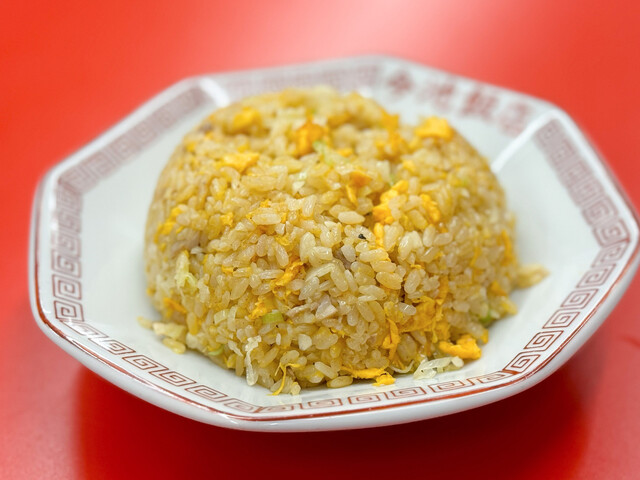
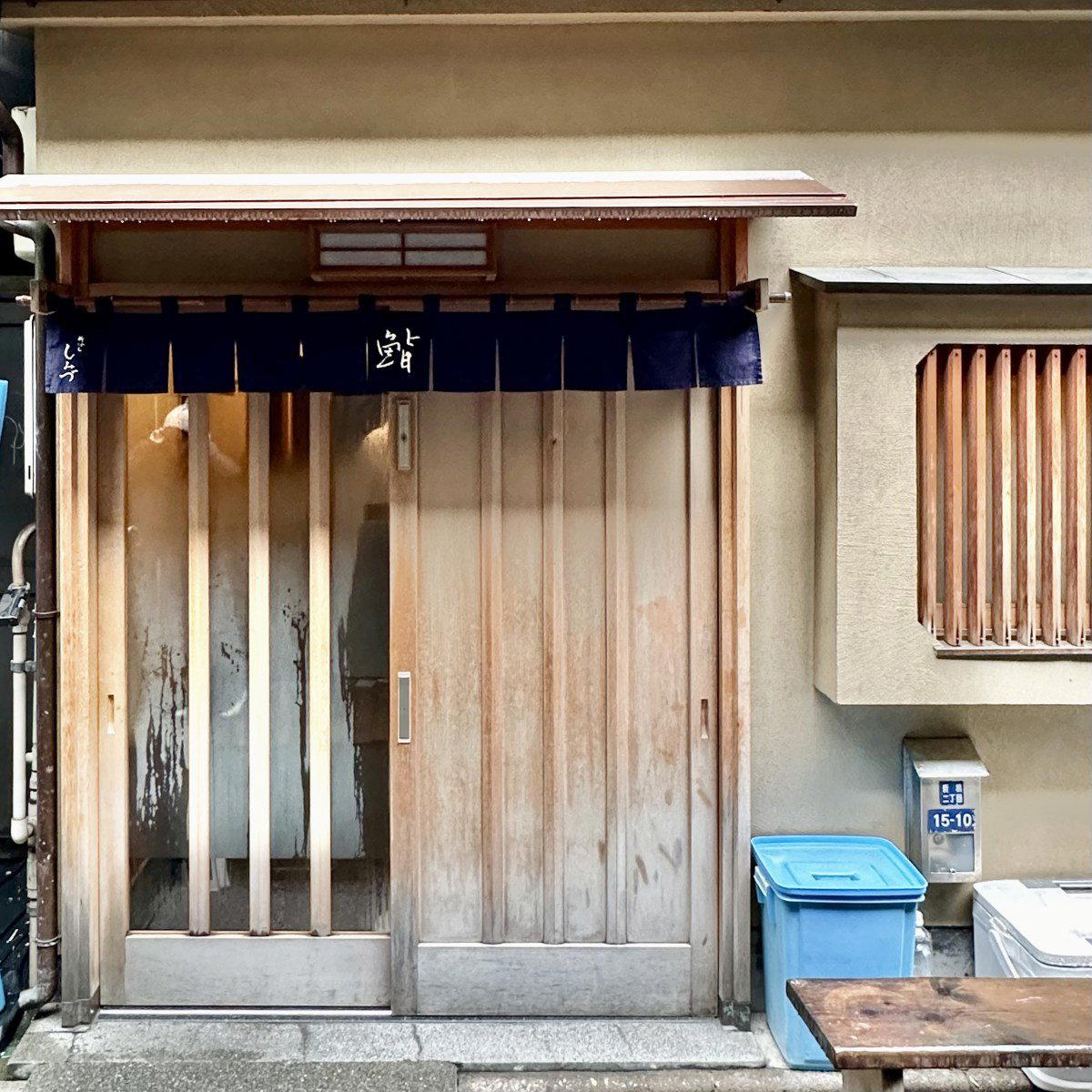
Approaching Imaike, the mood shifts from central Nagoya polish to the practical density of a station district: small restaurants, short walks, late dinners, and rooms for people who know exactly what they came to eat. Imaike Hanten fits that register. It is compact, counter-oriented, non-smoking, and built for immediacy rather than ceremony. In a city visitors often associate with miso katsu, tebasaki, kishimen, and hitsumabushi, it usefully shows that Chinese cooking in Nagoya is not a side note, nor are serious versions confined to hotel dining rooms.
The 2026 Tabelog 100 selection for Chinese cuisine in EAST Japan is the key trust signal. Tabelog’s Hyakumeiten lists tend to reward sustained local traction, not only international name recognition, which matters in Nagoya, where repeat custom often counts more than spectacle. Imaike Hanten sits in a lower-cost band than formal Chinese dining and far below restaurants such as Sushi Tesaku in Nagoya, while staying closer in everyday utility to Hyakurotei Imaike ten. That price-to-recognition tension is the editorial point: this is the kind of address that makes a city’s middle tier more interesting than its headline tables.
Counter-scale Chinese cooking in a city built on repeat meals
Nagoya has a particular appetite for restaurants that work on a weekday as well as a planned night out. Its dining habits are less performative than Tokyo’s trophy-counter culture and less tourism-facing than Kyoto’s heritage circuit. A 17-seat Chinese restaurant in Imaike fits that pattern. The scale creates a different meal progression: not a long formal sequence, but a compact rhythm of ordering, eating, and watching the room turn around the counter.
That format matters because Chinese restaurants in Japan often split into two lanes. One is occasion dining: private rooms, set courses, large-format dishes, wine lists, and hotel-level service. The other is the small-room city restaurant, where craft shows through heat control, timing, rice or noodle satisfaction, and the confidence to serve solo diners as naturally as families. Imaike Hanten belongs to the second lane. The available details point to Chinese cooking, counter seating, shochu as a listed drink option, and a room that welcomes children and solo meals. These are not decorative facts; they define the restaurant’s neighborhood function.
The useful comparison is not luxury Chinese dining, but the way Nagoya’s casual specialists build loyalty through narrow formats. Menya Tamagusuku works in a ramen register; Nakaya Pan occupies the bakery end of daily eating; WARUNG PHUAN sits in a higher-spend Southeast Asian bracket. The restaurant’s recognition inside Chinese cuisine gives it a different critical frame without stripping away its everyday character. That combination is rare enough to warrant attention, but its appeal is structural rather than hype-driven.
The meal's arc is short, direct, and built for momentum
The assigned way to read this restaurant is through progression, but not in the Western tasting-menu sense. In small Japanese Chinese rooms, sequence is usually self-directed: diners build momentum through shared plates, rice or noodle anchors, and drinks that do not slow the table. Without a published chef narrative or named signature dishes, the better editorial lens is format discipline. Counter seating compresses the distance between cooking and eating. A small seat count reduces the margin for long, drifting meals. The room favors pace, heat, and quick decisions.
That is why the Tabelog 100 selection carries more weight here than a long biographical backstory. Recognition in the Chinese EAST list signals that the restaurant has entered a regional benchmark category despite modest scale. A Tabelog score of 3.49 also reads differently in Japan than on a global review platform; scores above the mid-threes can indicate serious local confidence, especially for smaller restaurants with limited international visibility. The number is not a simple global rating, but it places the restaurant in a competitive field where consistency matters.
For travelers, the decision is less about chasing a grand evening than understanding Nagoya through its specialist rooms. A meal here can sit between larger dining plans, especially for visitors using Imaike to see a less polished, more residential side of the city. It also pairs naturally with an itinerary that treats food as neighborhood evidence rather than a checklist of famous names. For that wider map, start with Our full Nagoya restaurants guide, then balance the city through Our full Nagoya hotels guide, Our full Nagoya bars guide, Our full Nagoya wineries guide, and Our full Nagoya experiences guide.
How it fits into a sharper Nagoya shortlist
Nagoya rewards diners who move beyond a single category. The point is not to replace the city’s local staples with Chinese cooking, but to see how Chinese restaurants form part of its everyday grammar. The restaurant’s small footprint, family-friendly status, solo-dining suitability, and award recognition make it a useful counterweight to more formal plans. In editorial terms, it suits travelers who care about local restaurant density more than luxury signaling.
For nearby or comparable Nagoya dining research, EP Club’s city pages can be read alongside individual restaurant notes such as 1022, 451, Aaron, Alan., and All Day Dining Montmartre. Broader Japan planning can stretch the comparison from -Grilled beef Sukiyaki- KAMAKURA TANUKIAN 鎌倉 たぬき庵 in Kamakura and. 鮪と炭火焼き うお炭 秋葉原店 in Tokyo to.cafe in Osaka.know in Kumamoto, (Shoku) Vietnam in Kawasaki, and [Curry Senmon Ten] Maruyama Kyoju. in Sapporo. Overseas Japanese-adjacent reference points such as Jōdo Saké Bar in Los Angeles and Onigiri Time in Pasadena show how tightly focused formats travel outside Japan.
The editorial verdict is restrained but clear: the restaurant is for diners who want Nagoya at counter scale, with enough recognition to justify the detour and enough neighborhood practicality to keep the meal grounded. It is not a grand-room Chinese experience, which is precisely why it belongs on a sharper city itinerary.
Quick Comparison
Comparable venues to calibrate price, style, and recognition.
| Venue | Cuisine | Price | Notes |
|---|---|---|---|
| Imaike HantenThis venue — the venue you are viewing | Casual Chinese fried rice specialist | $ | Not listed |
| Jinsei Gyoza | Casual Chinese Gyoza & Ramen Shop | $ | Nakagawa |
| Tatsumi | Gyoza-focused Chinese Izakaya | $ | Naka |
| China Sichuan Kinsui En | Authentic Sichuan Chinese | $$ | Kita |
| rokuhachikyuujuuba | Modern Sichuan Chinese Tavern | $$ | Higashi |
| Tsutsui Shogetsu | Japanese Traditional Sweets | $ | Higashi |
Recognition history
Dated appearances from independent guides and award organizations, with the underlying list record or original source where available.
Tabelog 100 #25 · No. 25
Tabelog · Tabelog 100 - Chinese cuisine - EAST - 2026
Continue exploring
More in Nagoya
Restaurants in Nagoya
Browse all →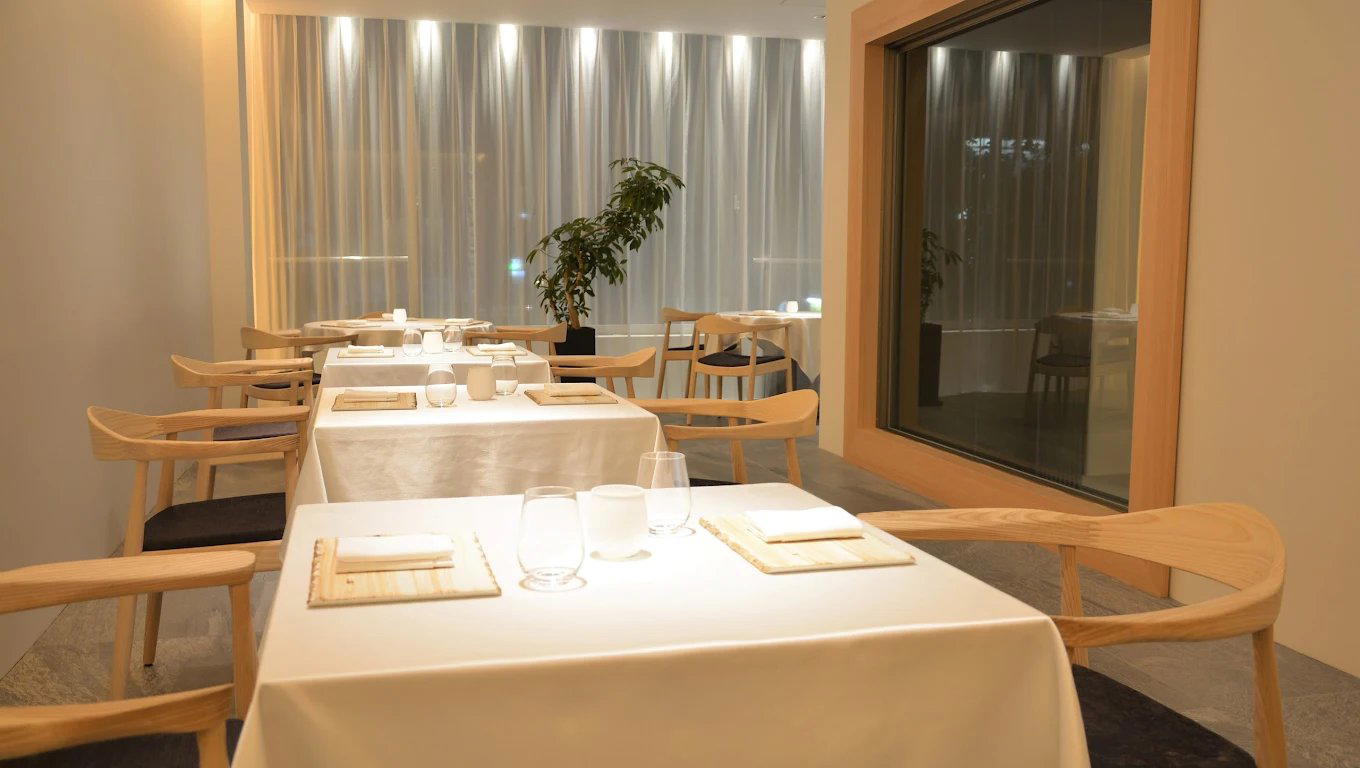
At a Glance
- Solo
- Casual Hangout
- After Work
- Late Night
- Family
- Standalone
Current opening hours
- Monday
- 11:30 AM–2 PM, 6–11 PM
- Tuesday
- 11:30 AM–2 PM, 6–11 PM
- Wednesday
- Closed
- Thursday
- 11:30 AM–2 PM, 6–11 PM
- Friday
- 11:30 AM–2 PM, 6–11 PM
- Saturday
- 11:30 AM–2 PM, 6–11 PM
- Sunday
- Closed
Hours can change for holidays and private events. Last verified .
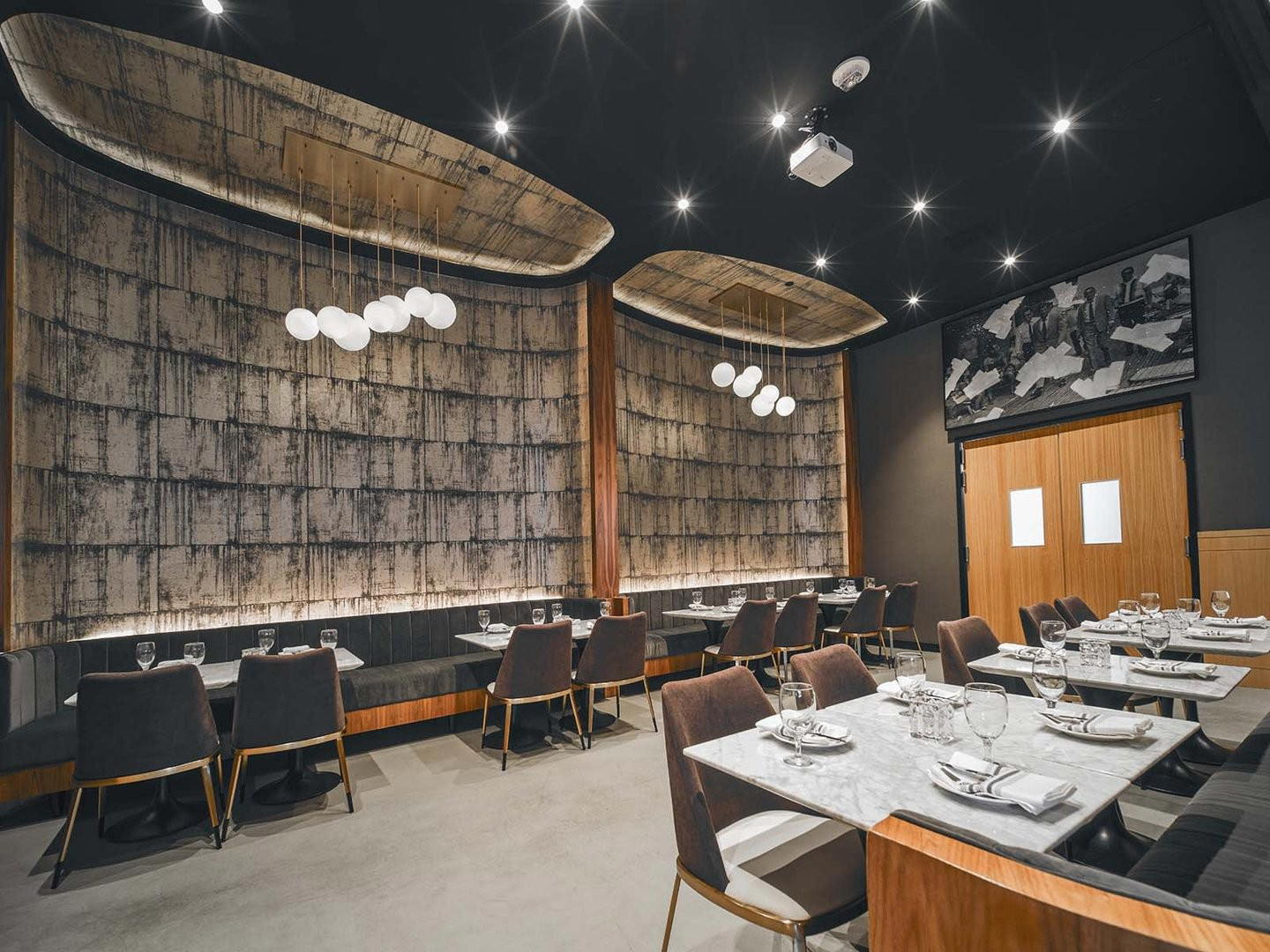
Casual, no-frills neighborhood Chinese spot with a small 17-seat interior that focuses on speed and wok-fired fried rice rather than elaborate decor.