Cross da Fence Noodles Shop occupies a specific tier in Bangkok's street-food continuum, where noodle shops function less as casual pit stops and more as neighbourhood institutions shaped by decades of iteration. Compared to the city's Michelin-starred Thai fine-dining circuit, this is the other end of the spectrum: focused, affordable, and embedded in a local eating culture that fine dining rarely replicates.

Pearl is the En Primeur Club membership app — saves, bookings, and concierge access live there. Same editors, same standards.
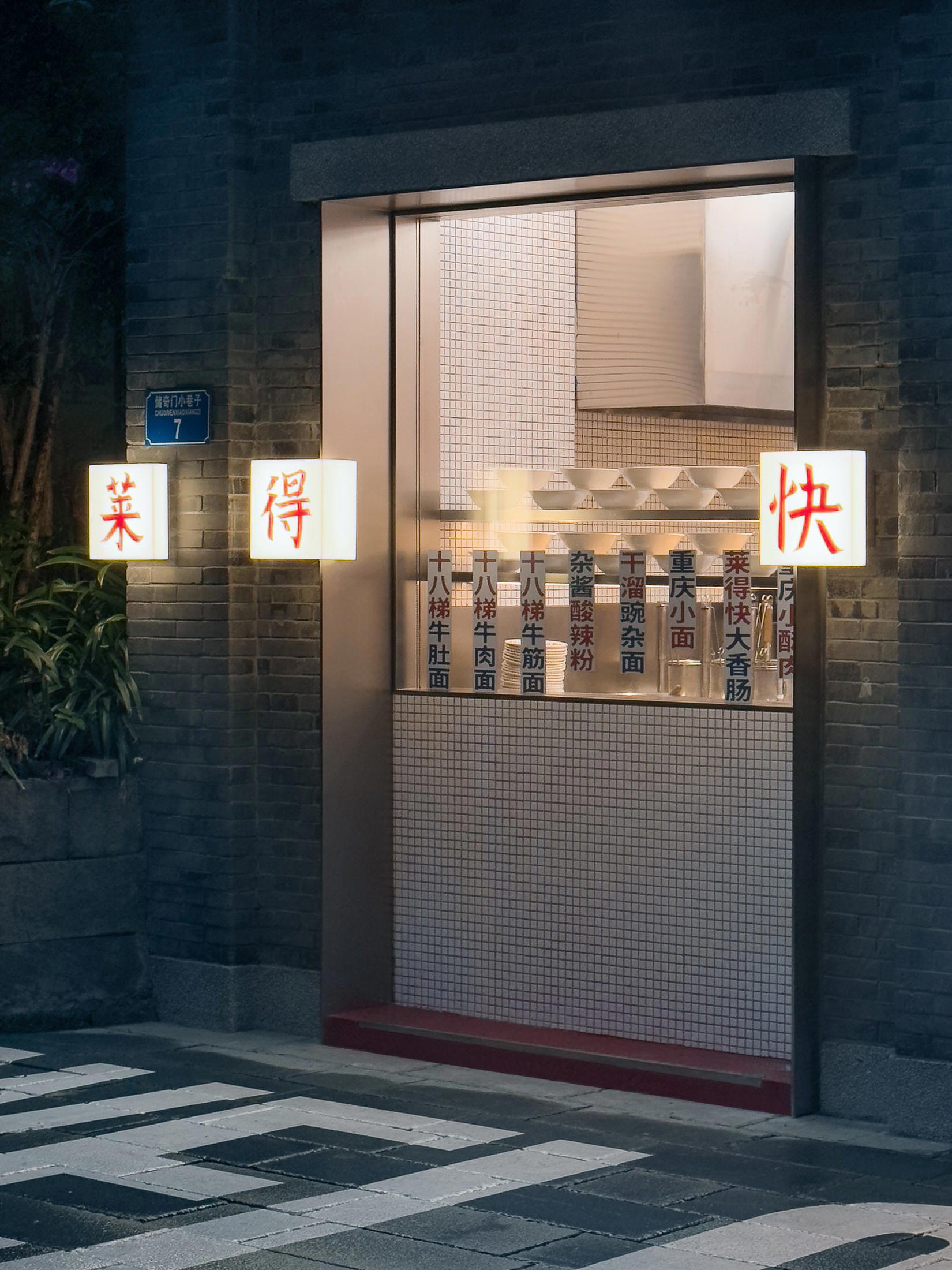
Where Bangkok's Noodle Culture Lives
Bangkok's relationship with noodle shops is not simply about food delivery. It is about a social infrastructure that predates the city's fine-dining boom by generations. The noodle shop, in its Thai iteration, operates as a daily anchor for neighbourhoods, open at hours that suit the working schedule of its regulars, priced for repetition rather than occasion, and refined through customer feedback over years rather than through kitchen experimentation in isolation. Cross da Fence Noodles Shop sits inside this tradition, and understanding what that tradition represents matters more than any individual detail the venue might offer.
The contrast with Bangkok's upper tier is instructive. Restaurants like Sorn (Southern Thai) and Baan Tepa (Thai contemporary) operate at the ฿฿฿฿ level, with tasting menus, reservation windows stretching weeks out, and a dining philosophy oriented toward preservation and elevation of Thai ingredients through a fine-dining lens. Cross da Fence operates on an entirely different axis. Its competitive set is not the Michelin circuit. It is the city's dense ecosystem of specialist noodle shops where consistency, broth depth, and regulars who have been coming for a decade define success.
The Evolution of the Bangkok Noodle Shop
Thai noodle culture has not been static. The hawker-stall format that dominated mid-century Bangkok has gradually bifurcated. One branch has moved upward, absorbed into refined restaurant formats where chefs apply technique borrowed from European or Japanese kitchens to traditional preparations. The other branch has stayed rooted but become more deliberate, with operators who are not simply maintaining recipes but actively refining them, sometimes across multiple generations. Cross da Fence Noodles Shop fits within this second trajectory.
This kind of evolution is quiet but consequential. Shops that began as family operations running from footpaths have, over decades, moved into permanent premises, adjusted their broth ratios in response to changing local tastes, and sometimes narrowed their menus to focus on what they do with most precision. The reinvention is not announced with a rebrand or a chef's tasting menu, but it is visible in the consistency that brings regulars back and in the depth of a bowl that a first-time visitor can taste as the product of accumulated knowledge rather than a recipe followed once.
Bangkok's noodle shop scene has also had to adapt to the city's changing food economy. The arrival of internationally trained chefs and globally recognised restaurants, including names like Gaa (Modern Indian) and Sühring (German), has not displaced street-level eating, but it has changed the context around it. Visitors who arrive in Bangkok with a reservation at Côte by Mauro Colagreco increasingly seek out neighbourhood noodle shops as a counterpoint, understanding that the city's food identity cannot be read through its fine-dining tier alone.
Bangkok's Noodle Shop Tradition in Context
Across Thailand, the noodle shop plays a structurally different role depending on the city. In Chiang Mai, spots like Cherng Doi Roast Chicken and Loet Rot represent the northern Thai approach to casual dining, where regional specificity and locality are the defining qualities. In coastal areas, seafood-adjacent street eating has its own logic, as seen at operations like Hoy Tord Chao Lay in Wattana. Bangkok's noodle shops sit in a more heterogeneous context, drawing from Chinese-Thai, Isan, and central Thai traditions simultaneously, often shaped by the migration history of the neighbourhood in which they operate.
The city's noodle shop ecosystem is also notably resistant to the standardisation that affects other food categories. Where hotel restaurants and international chains have introduced predictable formats, the noodle shop has remained granular and location-specific. A bowl from a shop on one side of a klong can differ materially from one served two streets over, and regulars navigate these micro-distinctions with the same precision that wine-focused diners in other cities apply to appellations. This granularity is part of what makes exploring Bangkok's noodle culture a different kind of discipline than visiting its fine-dining tier. There is no definitive guide, no awards table to consult in the way one might reference the criteria used by programmes that recognise restaurants like PRU in Phuket or AKKEE in Pak Kret.
Planning Your Visit
Bangkok's street-level dining operates on rhythms that differ from the reservation-led model of the city's fine-dining circuit. Noodle shops in this category typically run on walk-in formats, with peak demand during morning and lunchtime hours when local workers and residents eat on schedule rather than at leisure. Arriving outside these windows often means shorter waits and more interaction with the space itself. For visitors placing Cross da Fence within a broader Bangkok itinerary, it pairs logically with neighbourhood exploration rather than as a standalone destination reached by taxi from a hotel in a different district. Bangkok's BTS and MRT networks provide reasonable access across the city's main corridors, though noodle shops this close to street-eating culture are often in areas where foot navigation is more useful than transit mapping.
For those with a specific interest in how other Asian cities structure similar noodle and street-food culture, the approach taken by formats like Atomix in New York City or the precise sourcing logic at Le Bernardin shows how different cities formalise what Bangkok keeps deliberately informal.
A Tight Comparison
Comparable venues nearby, for context on price, style, and recognition.
| Venue | Cuisine | Price | Notes |
|---|---|---|---|
| Cross da Fence Noodles ShopThis venue — the venue you are viewing | Bangkok, Thai Noodle Shop | $ | Not listed |
| Nai Mong Hoi Thod | Not listed | $ | Samphanthawong Khwaeng, Thai Crispy Oyster Omelette |
| Rung Rueng Noodles | Not listed | $ | Klong Toei Khwaeng, Thai Tom Yum Pork Noodles |
| Krua Pa & Ma Restaurant | Not listed | $ | Bom Phrap Satru Pai Khwaeng, Authentic Thai |
| Ongtong Khaosoi | Not listed | $$ | Phaya Thai Khwaeng, Northern Thai Khao Soi |
| Polo Fried Chicken | Suan Lumphini, Thai Street Fried Chicken | $ | Not listed |

At a Glance
- Casual Hangout