
Michelin Plate
Our verdict
A 14-seat omakase counter in Lower Manhattan where fish flown in from Japan meets deep knife technique, potent saucing, and a crowd that drinks whiskey alongside sake. Ito holds a 2024 Michelin Plate and sits in the category of serious nigiri-forward omakase without the reverential silence, bookings fill well before the meal itself.

Pearl is the En Primeur Club membership app, where members save venues, book tables and use the concierge.
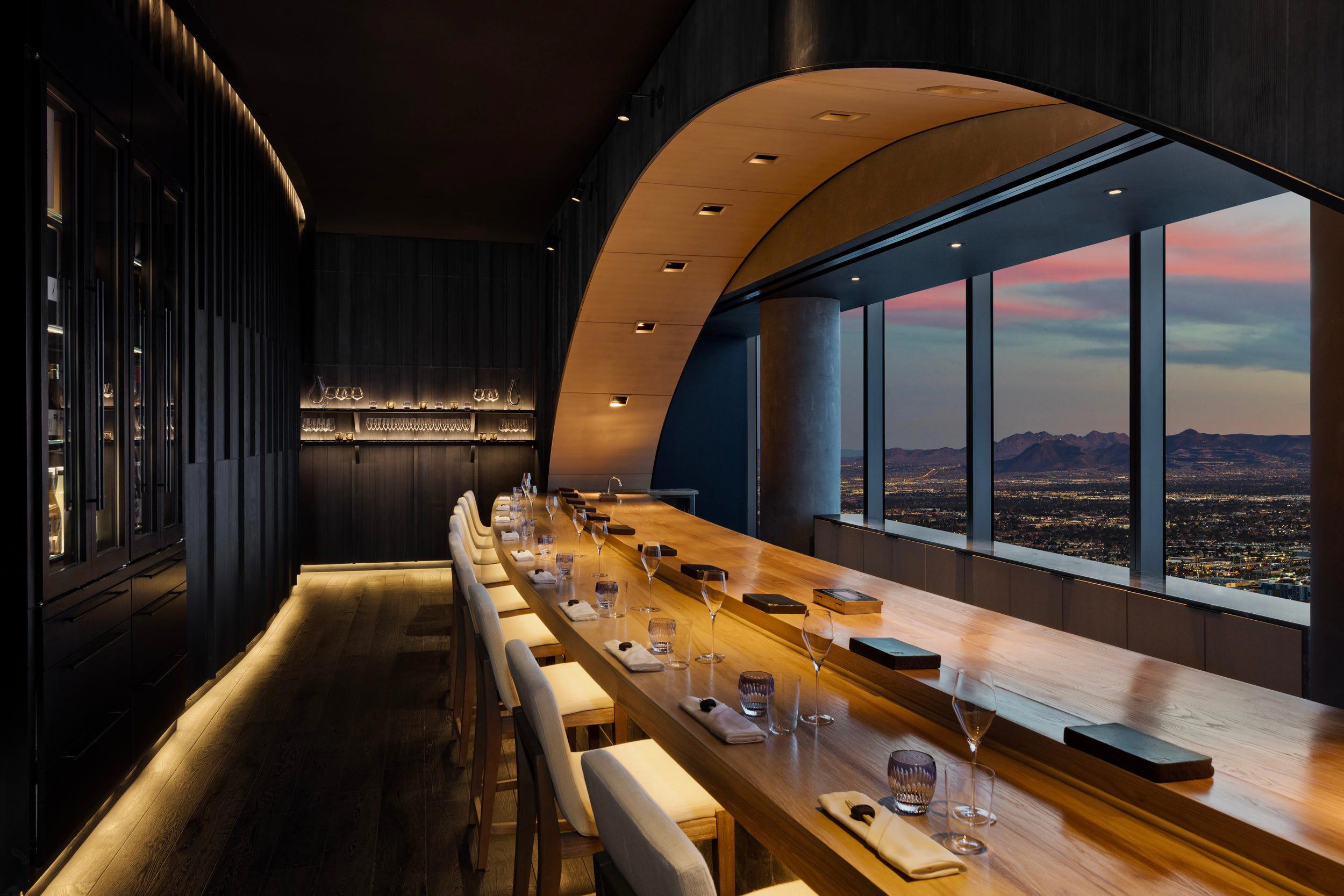
Counter Culture in Lower Manhattan
The stretch of Barclay Street that runs in the shadow of One World Trade is not where most diners expect to find a serious omakase. Downtown Manhattan's dining identity has long tilted toward power lunches and financial-district steakhouses, which makes the 14-seat counter at Ito a meaningful departure from the neighbourhood's default register. New York's premium omakase tier has expanded considerably over the past decade, splitting between reverent, near-silent temples of restraint and counters that treat the format as a platform for energy rather than ceremony. Ito occupies the second category with conviction.
The room is small by design. Fourteen seats means a single seating or two at most, and the compressed space does what intimate counter formats are supposed to do: it collapses the distance between kitchen and guest. The crowd that fills those seats skews younger than the city's three-star Japanese circuit, and the drinks program reflects that, whiskey and sake run in parallel rather than deferring to one another. By the end of a meal here, the atmosphere reads less like a tasting menu event and more like a gathering where the fish happens to be extraordinary.
Tokyo Tradition in Translation: Kanto Technique at the Core
To understand what is happening at the counter, it helps to read the nigiri against Japan's regional sushi divide. Kanto-style sushi, rooted in Tokyo's Edo tradition, emphasises seasoned rice, stronger vinegar presence, and bold saucing, the shari meant to complement rather than recede behind the neta. Kansai-style sushi from the Osaka tradition runs in a different direction: lighter hand, sweeter rice, and a preference for subtlety in seasoning. The fish-forward approach at Ito, with its deep knife cuts and assertive saucing, places the counter firmly in the Kanto lineage, the same tradition that produced the dense, technically precise nigiri associated with Tokyo's leading counters in Ginza and Kojimachi.
That regional framing matters when assessing the sourcing strategy. The fish flown in from Japan connects the counter to a supply chain that Tokyo's competitive omakase scene depends on: the Toyosu market pipeline that feeds Ginza counters, including operations like Myojaku and Azabu Kadowaki in Tokyo. Bringing that sourcing to Lower Manhattan, rather than Midtown where the density of high-end Japanese restaurants concentrates demand, is a deliberate positioning choice. The quality of the ingredient is non-negotiable; the setting around it is deliberately unsolemn.
The Full Arc: Appetizers Through Dessert
One of the structural choices that separates the better omakase counters from the merely competent ones is how seriously the kitchen treats the bookends of the meal. Many nigiri-focused formats treat appetisers as obligatory preamble and dessert as an afterthought, conserving their technical energy for the nigiri progression itself. At Ito, the kampachi with yuzu chive oil signals early that the kitchen has considered the full meal as a sequence rather than a series of pieces with a centrepiece in the middle. Yuzu's citrus acidity plays against the kampachi's fat in a manner that primes the palate for the richer saucing to follow through the nigiri. The strawberry panna cotta that closes the meal is a considered gesture toward balance, cooling and lightly sweet after the intensity of aged and cured fish.
This structural discipline is what earns the 2024 Michelin Plate, a recognition that signals quality ingredients and careful cooking without the full Michelin star apparatus. In New York's Japanese dining tier, the Plate occupies a distinct bracket, below the starred houses like Noda and well above the volume sushi market. Peer counters at a comparable level include Tsukimi, and the broader neighbourhood-crossing Japanese scene also reaches into Chikarashi and Blue Ribbon Sushi Izakaya for those seeking different formats at different price registers. For multi-course Japanese dining with a kaiseki influence rather than nigiri focus, odo occupies a separate tier entirely.
Where Ito Sits in New York's Omakase Field
New York's high-end Japanese counter market is crowded at the leading. Masa, the three-Michelin-star counter on Columbus Circle, operates at a price point that removes it from practical comparison for most diners. The city's two-star and starred Michelin Japanese counters form a second tier, and beneath them sits a substantial group of serious, non-starred or Plate-level operations where some of the most interesting cooking in the format currently happens. Ito is among those.
The comparable operations at the top of the New York market, per the starred Japanese houses and broader tasting-menu circuit that includes Alinea in Chicago, Lazy Bear in San Francisco, Single Thread Farm in Healdsburg, The French Laundry in Napa, Providence in Los Angeles, and Emeril's in New Orleans, all demonstrate that the premium counter or tasting-menu format succeeds when atmosphere and technique operate at the same register. At Ito, those two elements are consistent with one another: the energy of the room matches the directness of the cooking.
Planning Your Visit
Ito is at 75 Barclay Street, New York, NY 10007, a short walk from Fulton Street and Chambers Street subway stations. The price range sits at the top tier ($$$$) in line with the omakase format and the quality of imported fish. Fourteen seats and advance booking demand mean reservations should be secured well ahead of any intended visit; the reporting that guests book their next reservation before the current meal ends is an accurate indicator of how competitive availability is. The counter runs at a premium price consistent with the sourced ingredient quality and intimate format, comparable to peer omakase operations citywide.
Quick reference: 75 Barclay St, New York, NY 10007 | $$$$ | 14-seat omakase counter | Michelin Plate 2024 | Advance reservations required.
For broader planning across the city, see our full New York City restaurants guide, our full New York City hotels guide, our full New York City bars guide, our full New York City wineries guide, and our full New York City experiences guide.
Frequently asked questions
Where is Ito located?
Ito is located at 75 Barclay St, New York, NY 10007, New York City.
What distinctions does Ito have?
Ito has received recognition including: Chef/owners Masashi Ito and Kevin Kim have no interest in a solemn sushi temple, and in the shadow of One World Trade, their 14-seat counter is full-on revelry. Excellent quality fish, much of it flown in from Japan, deep knife cuts and pot….
What dish is Ito famous for?
The nigiri progression is the core of the meal at Ito's 14-seat counter: fish flown in from Japan, deep knife cuts, and assertive saucing set it apart from counters that treat nigiri as a more restrained exercise. The kitchen also invests in the bookends, appetizers such as kampachi with yuzu chive oil and desserts like strawberry panna cotta are taken as seriously as the main sequence, not treated as filler.
How much does it cost to eat at Ito?
Pricing at Ito is listed as $$$$.
Do I need a reservation for Ito?
Yes, and well in advance. At a 14-seat omakase counter priced at the $$$$ tier in New York City, seats are finite and demand is high, the venue's own recognition notes that diners book their next reservation before finishing their current meal. Michelin Plate recognition in 2024 has only added to that pressure, so plan accordingly.
Cuisine and Recognition
A small set of peers for context, based on recorded venue fields.
| Venue | Cuisine | Price | Awards | Notes |
|---|---|---|---|---|
| ItoThis venue (the venue you are viewing) | Modern Japanese Omakase | $200–300 | Michelin Plate | Not listed |
| Le Bernardin | French Seafood Fine Dining | $300–500 | 3 Michelin Stars · World's 50 Best #13 | French, Seafood |
| Atomix | Modern Korean Tasting Menu | $300–500 | 2 Michelin Stars · World's 50 Best #7 | Modern Korean, Korean |
| Masa | Seasonal Hokkaido Tempura Omakase | $150–200 | Tabelog 100 #34 | Sushi, Japanese |
| Per Se | French Fine Dining Tasting Menu | $300–500 | 3 Michelin Stars · World's 50 Best #40 | French, Contemporary |
| Eleven Madison Park | Contemporary Plant-Based Fine Dining | $300–500 | 3 Michelin Stars · World's 50 Best #4 | French, Vegan |
Recognition history
Dated appearances from independent guides and award organizations, with the underlying list record or original source where available.
Michelin Plate
Michelin
Full recognition history (2 entries)
Michelin Plate
Michelin
Ito
Featured Guides
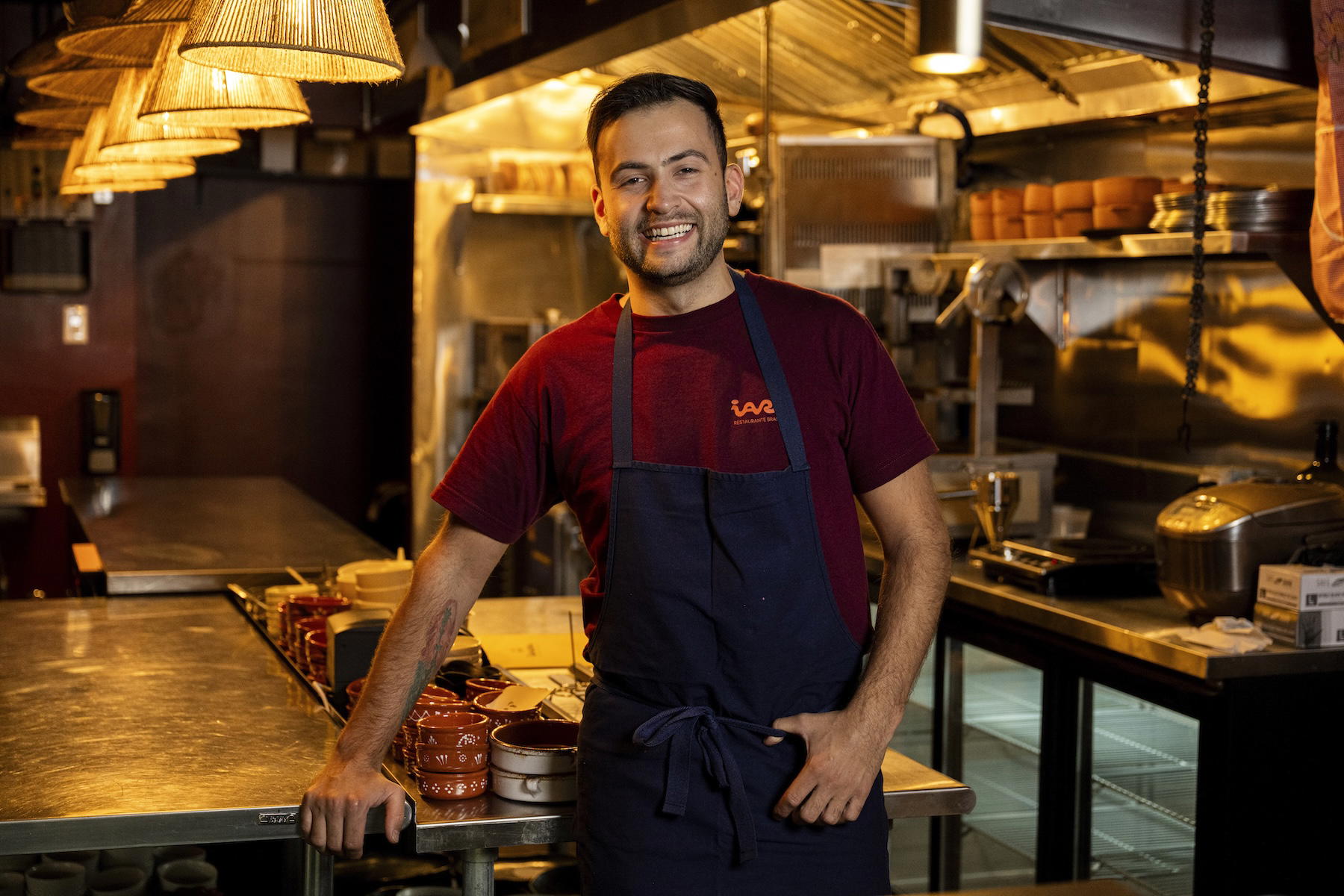
Chef Vitor Mendes Opens Iara Lower East Side
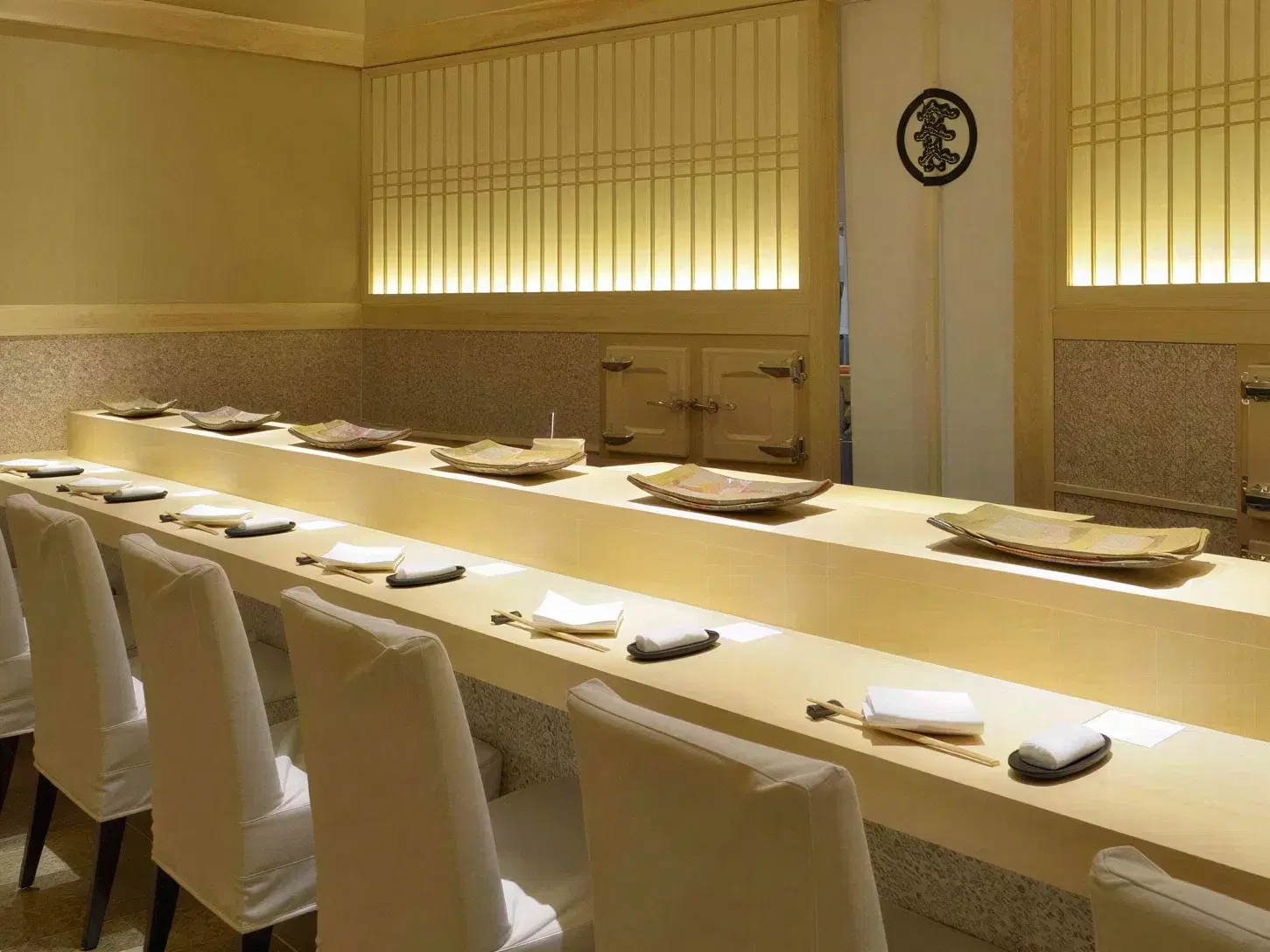
Dining at the Sushi God’s Table: Sushi Saito Tokyo Review 2026 — The World’s Most Exclusive Invite-Only Meal (And How to Get a Reservation)
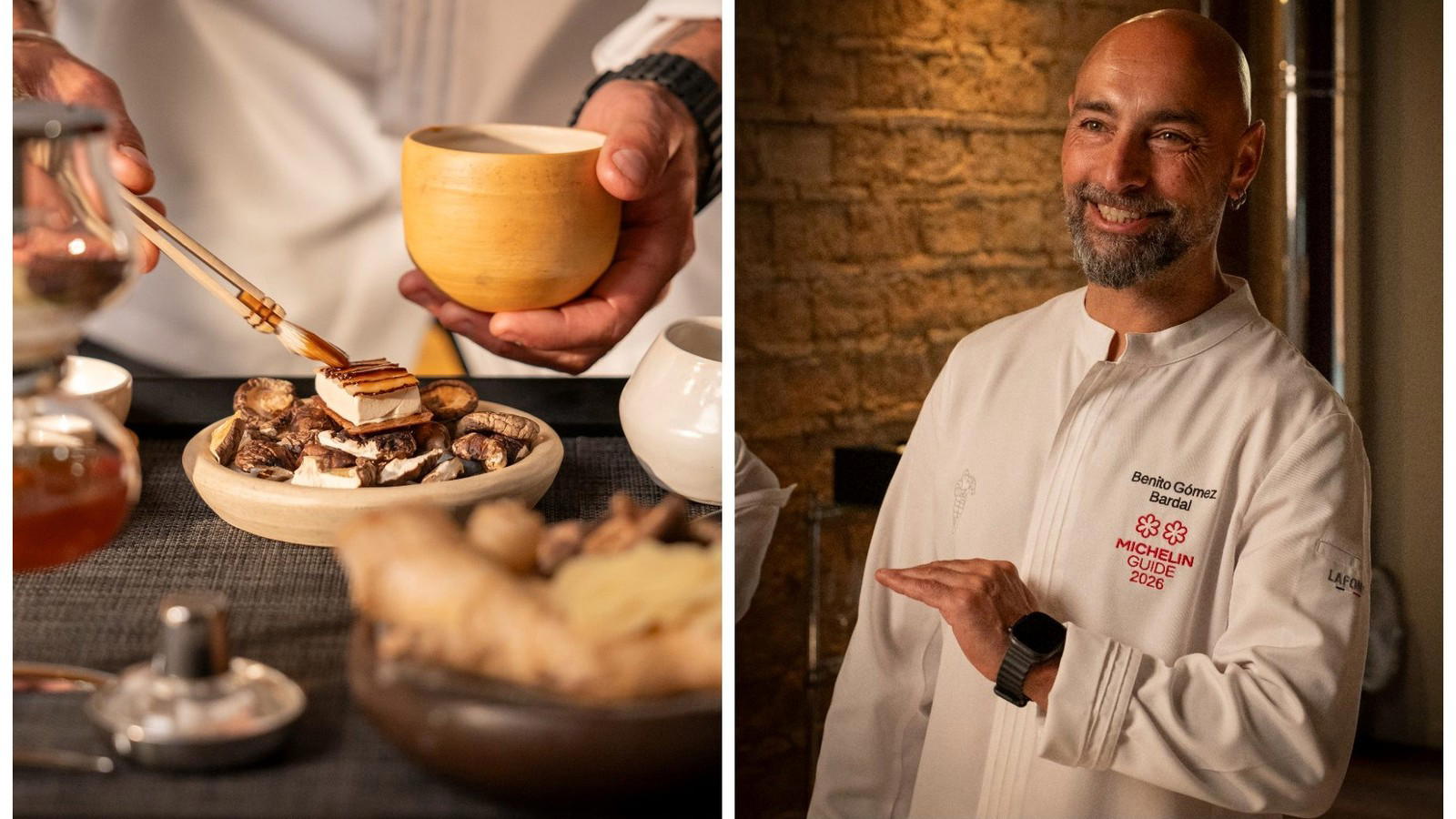
Chef Benito Gómez Opens Ocean Club by Benito Gómez in Phu Quoc
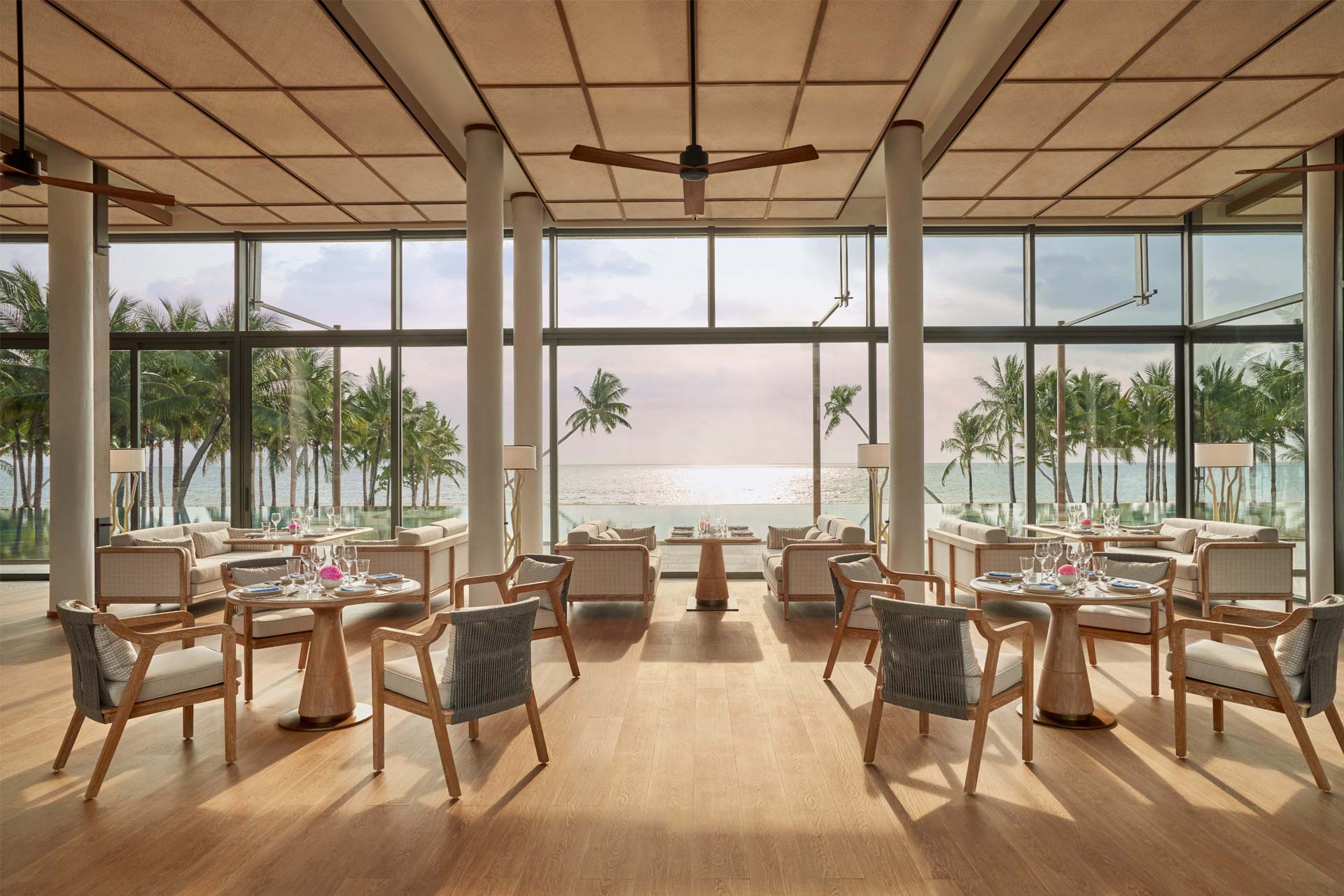
Ocean Club by Benito Gomez Is Coming to Regent Phu Quoc
Continue exploring
More in New York City
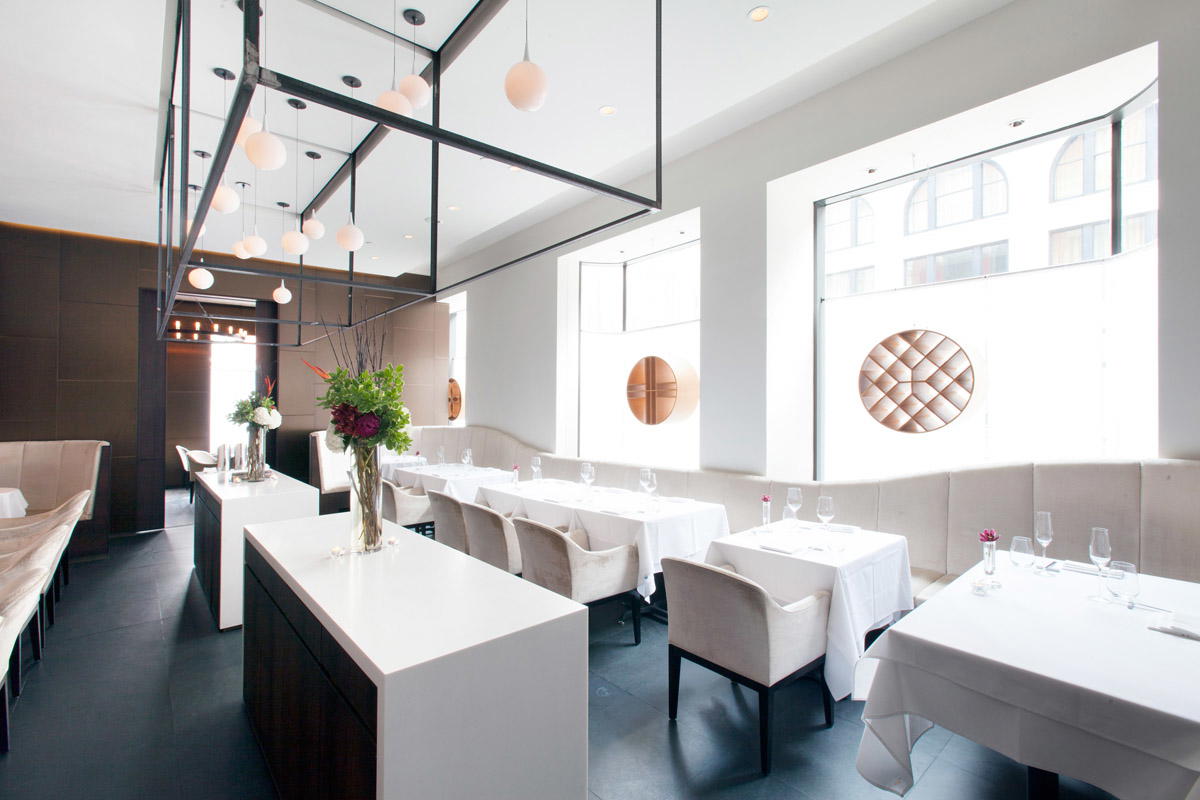
Restaurants in New York City
All restaurants in New York City →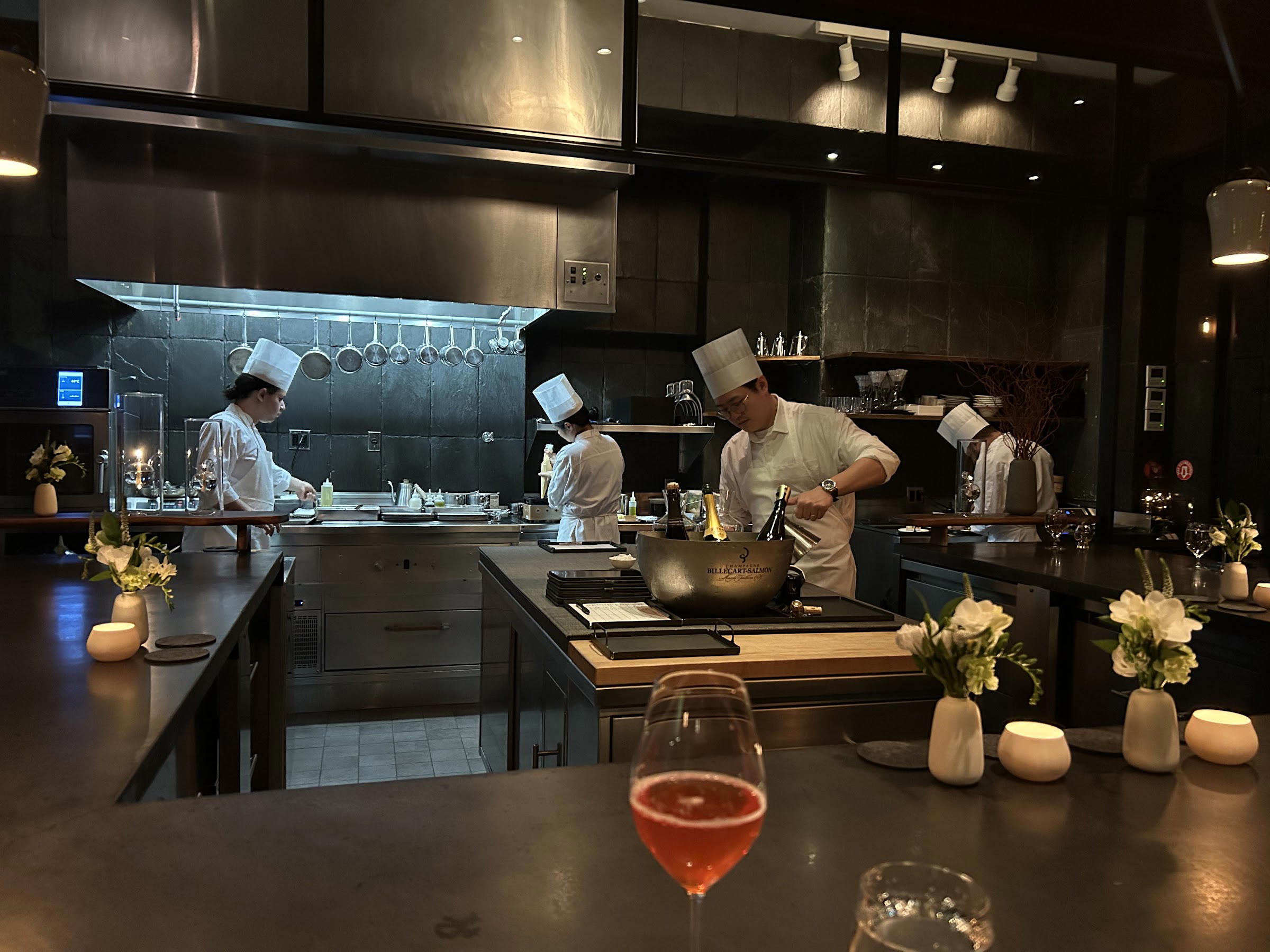
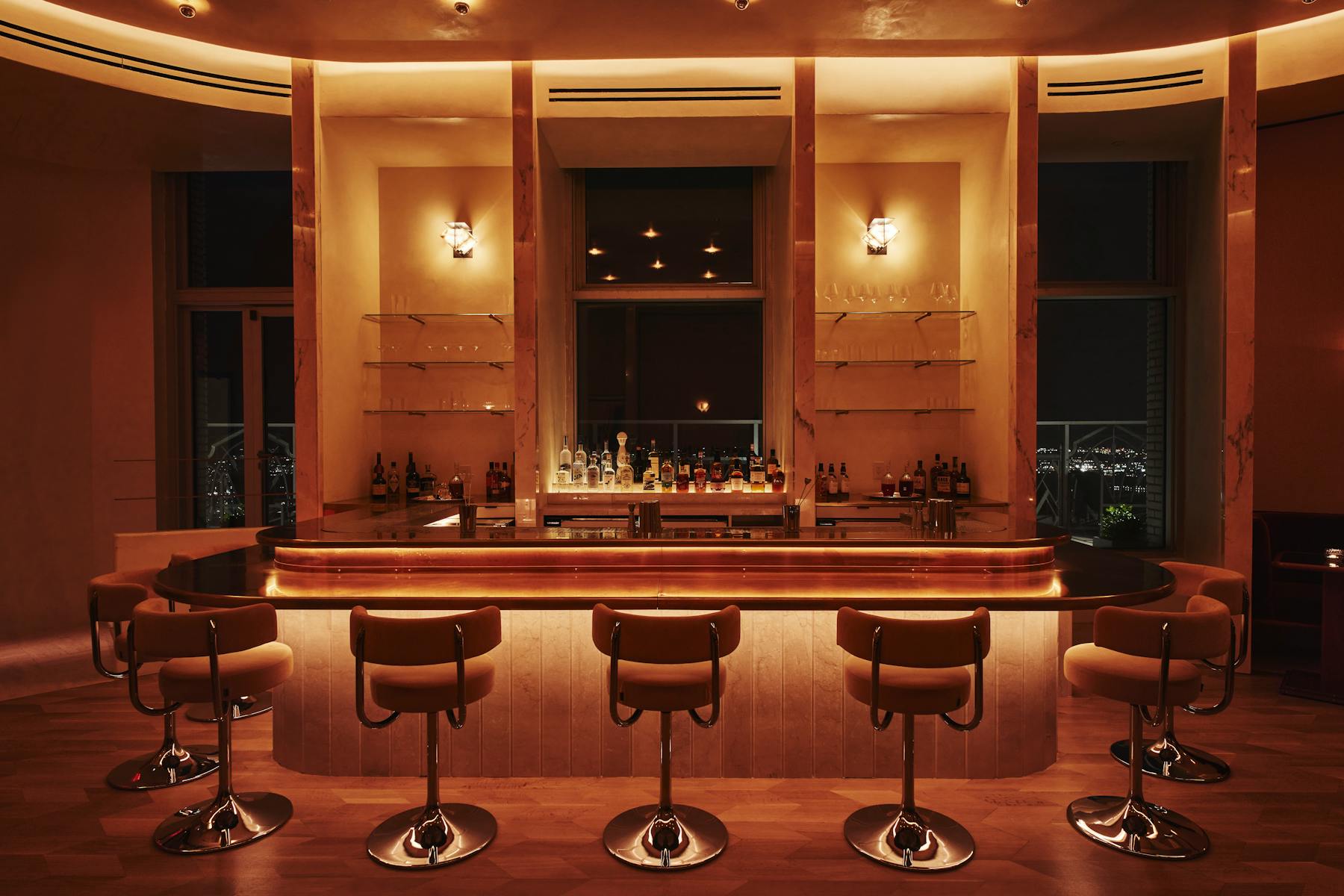
Bars in New York City
All bars in New York City →




Details
- Modern
- Intimate
- Trendy
- Sophisticated
- Date Night
- Special Occasion
- Business Dinner
- Chefs Counter
- Sake Program
- Craft Cocktails
- Omakase
- Counter Dining
- Sake
- Wine
- Gluten Free Options
- Pescatarian Friendly
Current opening hours
- Monday
- Closed
- Tuesday
- 6–11 PM
- Wednesday
- 6–11 PM
- Thursday
- 6–11 PM
- Friday
- 6–11 PM
- Saturday
- 6–11 PM
- Sunday
- Closed
Hours can change for holidays and private events. Hours as of .