The Office of Mr. Moto
.png)
On St. Marks Place in the East Village, The Office of Mr. Moto frames a serious omakase program inside an elaborate conceit drawn from Commodore Perry's 1853 expedition to Japan. Entry arrives via an electronic cipher, the dining room mimics a Victorian-era explorer's office, and the fish selection runs well beyond omakase convention. A 2024 Michelin Plate recognizes both the concept and the kitchen's execution.
 Discover on Pearl
Pearl is the En Primeur Club membership app — saves, bookings, and concierge access live there. Same editors, same standards.
- Address
- 120A St Marks Pl, New York, NY 10009
- Phone
- (646) 360-4065
- Website
- dearmrmoto.com
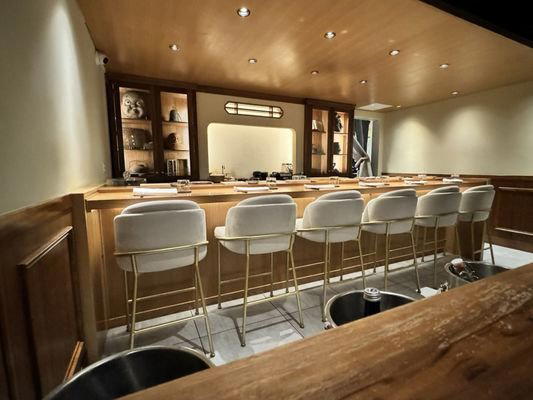
Where East Village Theatre Meets a Serious Omakase Counter
New York's omakase scene has always rewarded lateral thinking. The format arrived from Japan with fairly strict conventions, a counter, a chef, a silent procession of fish, and for years the city's best-regarded rooms kept those conventions intact. Noda, Odo, and Tsukimi built reputations on precision and restraint. But the East Village, which has never shown particular interest in restraint, has produced something that takes the same raw material and wraps it in an entirely different proposition.
The Office of Mr. Moto is an Edomae-style omakase restaurant at 120A St. Marks Place, New York. It has a Google rating of 4.5 and a $$$$ price tier. The restaurant imagines a worldly officer named Mr. Moto who could have sailed with Perry, and the dining room recreates his study: nautical maps, expedition artifacts, the accumulated evidence of a life spent between hemispheres. The concept isn't arbitrary decoration; it gestures, however theatrically, at the actual history of Japanese cuisine reaching Western tables.
The Entry Ritual and What It Says About the Clientele
The people who return to The Office of Mr. Moto repeatedly are not returning despite the cipher-and-coded-letter entry mechanism, they are returning partly because of it. Before arriving, guests receive an electronic letter containing an encoded key needed to gain entry. In a city where premium dining has largely settled into the same rhythm of confirmation emails and reminder texts, the pre-dinner ritual functions as a deliberate act of scene-setting. Regulars have already solved the cipher once; they remember the first time the conceit landed, and they bring guests specifically to watch that moment unfold again.
This is a well-established pattern in New York's theatrically-framed dining tier. Lazy Bear in San Francisco uses a supper-club structure to build the same advance investment; Alinea in Chicago has long understood that the experience begins before anyone sits down. At Mr. Moto, the entry mechanism works precisely because what follows it is substantive enough to justify the theatrics. A cipher that precedes a mediocre meal is an irritant. One that precedes a genuine omakase counter is part of the value proposition.
The Fish Program
The kitchen's fish selection is where the restaurant's credibility sits. Alongside the omakase standards that anchor most Japanese counters in this city, shima aji being the clearest example, a horse mackerel that appears on menus from Midtown to the East Village, the menu extends into less familiar territory. Black throat sea perch (nodoguro in Japanese) and red gurnard represent the kind of sourcing that separates kitchens with genuine import relationships from those working a narrower supply chain. Nodoguro in particular is a fish that appears infrequently outside Japan's leading counters; its high fat content and delicate texture make it a useful benchmark for how far a program is reaching.
This positions Mr. Moto closer to the fish-forward omakase tradition than to the fusion-inflected Japanese formats that have proliferated across Manhattan. Chikarashi and Blue Ribbon Sushi Izakaya operate in adjacent territory but with different register and price points. The $$$$-tier omakase rooms, Masa being the most cited reference, though comparison is difficult without price parity, treat fish sourcing as a primary differentiator. Mr. Moto's sourcing signals suggest it is competing on that axis, not simply relying on its conceptual wrapper to carry the room.
For comparison against Tokyo's omakase tradition, which remains the category's reference point, Myojaku and Azabu Kadowaki illustrate what high-commitment Japanese counter dining looks like in its home market. The distance between Tokyo and New York counters has narrowed over the past decade as sourcing networks have improved; Mr. Moto's nodoguro and gurnard selections are evidence of that narrowing.
After Dinner: The Downstairs Library
The structural logic of the space extends past the meal. A downstairs library functions as a post-dinner room for drinks, a format that premium dining in American cities has adopted at varying levels of conviction. At The French Laundry in Napa or Single Thread Farm in Healdsburg, the architecture of arrival and departure is deliberate and choreographed. Mr. Moto applies the same logic at a downtown-New York scale: the library is not a bar with literary props but a continuation of the narrative the restaurant has been building since the cipher arrived in your inbox.
Regular guests treat the library as the reason to linger. The omakase counter produces a natural endpoint, the last piece of fish, the last piece of tamago, and the question of where to go next is answered before it arises. For a St. Marks Place address, where the street outside offers no shortage of bars with lower price points and considerably less atmosphere, having a destination within the building is a practical advantage and a retention mechanism for the returning crowd.
Michelin Plate Recognition and the East Village Context
Michelin's Plate category signals a kitchen the guide considers worth tracking, food that meets quality standards without yet achieving the consistency or ambition required for a star. For a theatrical-concept restaurant on St. Marks Place, Plate recognition functions as an endorsement of the kitchen's seriousness independent of its conceptual dressing. Michelin doesn't award Plates to rooms that rely on atmosphere alone, and that distinction matters when a dining room's visual identity is this developed.
The East Village placement adds a layer of context. This is not the neighborhood where New York's four-star culture concentrates, that gravitational pull runs from Midtown through the West Village and into Tribeca. Emeril's in New Orleans and Providence in Los Angeles have both demonstrated that serious food programs can anchor in neighborhoods not traditionally associated with fine dining. Mr. Moto follows that same logic downtown: the St. Marks address is a feature, not a concession.
Planning Your Visit
The $$$$-tier pricing aligns Mr. Moto with New York's premium omakase counters rather than its casual Japanese dining options. The experience begins before arrival with the electronic cipher mechanism, so engage with that material in advance rather than attempting to work through it at the door. After dinner, the downstairs library provides a natural continuation, build time into the evening for it rather than treating the meal as a hard stop.
Address: 120A St. Marks Place, New York, NY 10009 | Price tier: $$$$ | Awards: Michelin Plate 2024 | Google rating: 4.5 (186 reviews)
Comparable Options
Comparable venues nearby, for context on price, style, and recognition.
| Venue | Cuisine | Price | Notes |
|---|---|---|---|
| The Office of Mr. MotoThis venue — the venue you are viewing | Edomae-style Omakase | $$$$ | |
| Sushi by Bou | Edomae-Style Omakase | $$$$ | Midtown South-Flatiron-Union Square |
| Moody Tongue Sushi | Modern Sushi with Beer Pairings | $$$$ | West Village |
| Tokyo Record Bar | Modern Izakaya with Vinyl Experience | $$$ | Greenwich Village |
| Nikutei Futago | Osaka-style A5 Wagyu Yakiniku Tasting | $$$$ | SoHo-Little Italy-Hudson Square |
| Nobu 57 | Modern Japanese Fusion with Peruvian Influences | $$$$ | Midtown-Times Square |
Continue exploring
More in New York City
Restaurants in New York City
Browse all →
Bars in New York City
Browse all →
Hotels in New York City
Browse all →


At a Glance
- Intimate
- Hidden Gem
- Sophisticated
- Cozy
- Elegant
- Date Night
- Special Occasion
- Chefs Counter
- Sake Program
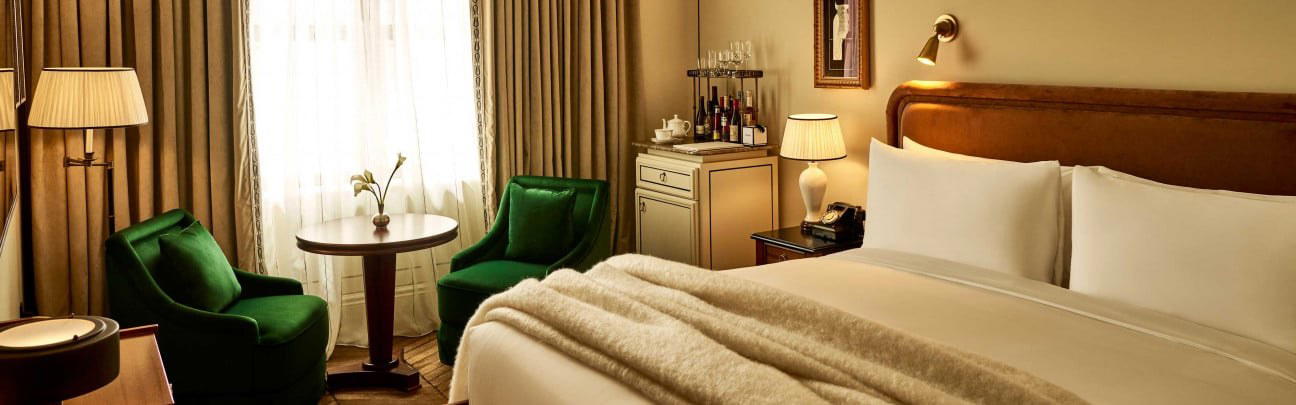
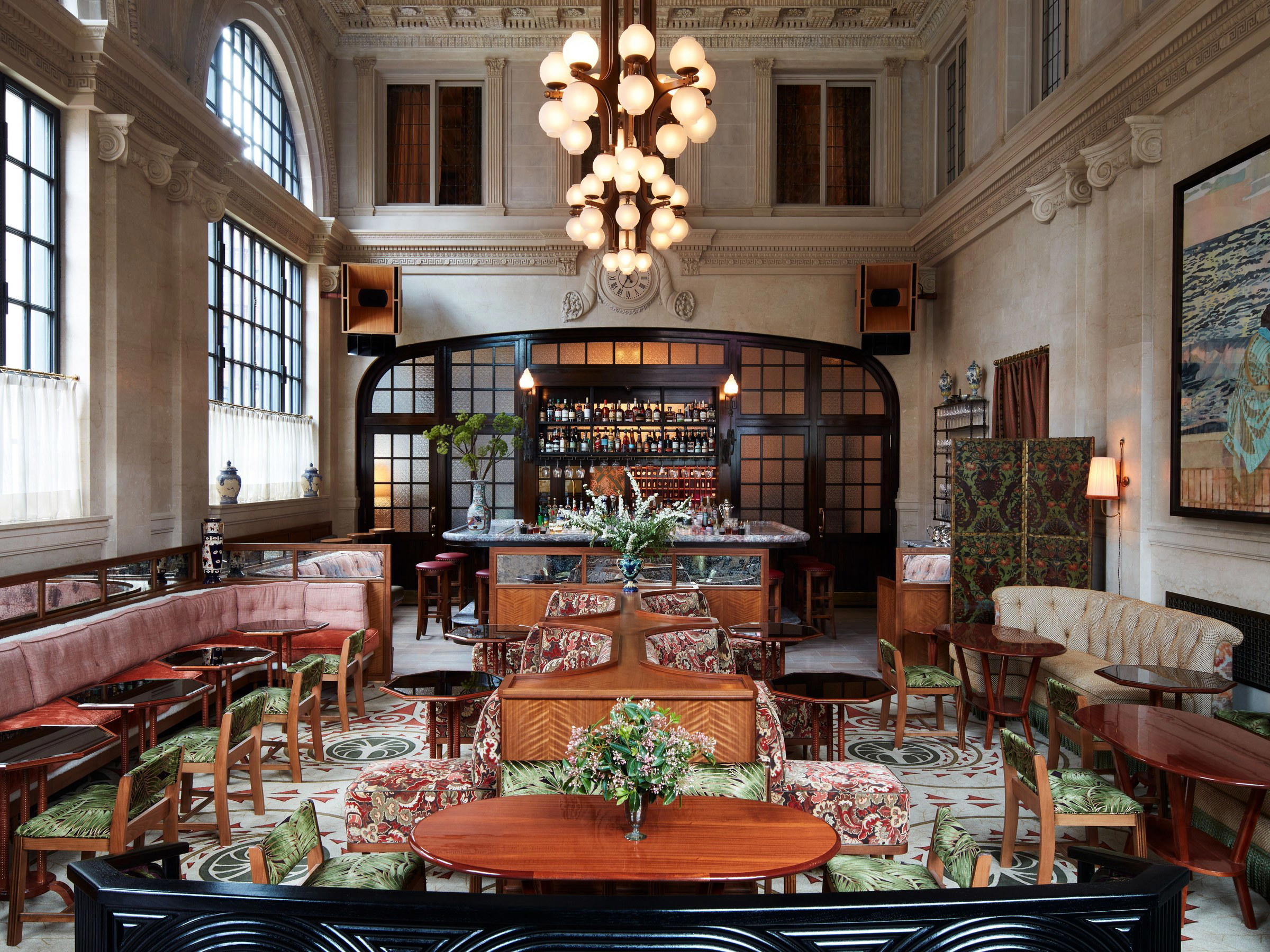
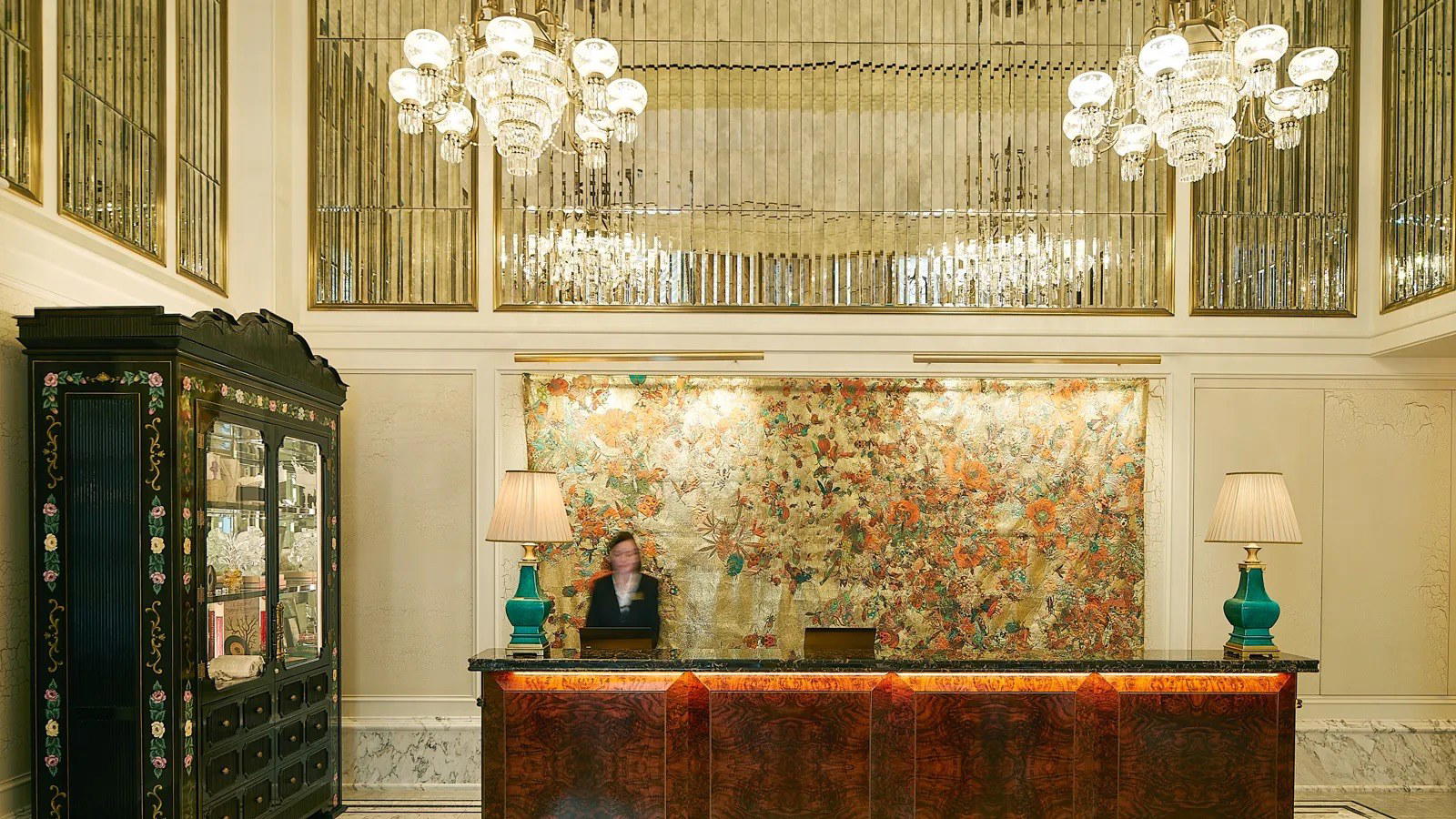
Warm, bright, and welcoming intimate space with walls adorned by historical Japanese artifacts, maps, and pottery, evoking a speakeasy-style private museum.