
Tabelog 100 #39
Our verdict
Ito Ju Kaho Honten gives Hikone’s sweet-shop culture a serious stop, not a dessert afterthought. The draw is wagashi as regional craft: takeaway-focused, family-friendly, and recognised in Tabelog’s 2023 Japanese traditional sweets and sweets cafe WEST 100 selection, with a modest spend compared with the city’s beef and dinner-led dining rooms.

Pearl is the En Primeur Club membership app, where members save venues, book tables and use the concierge.
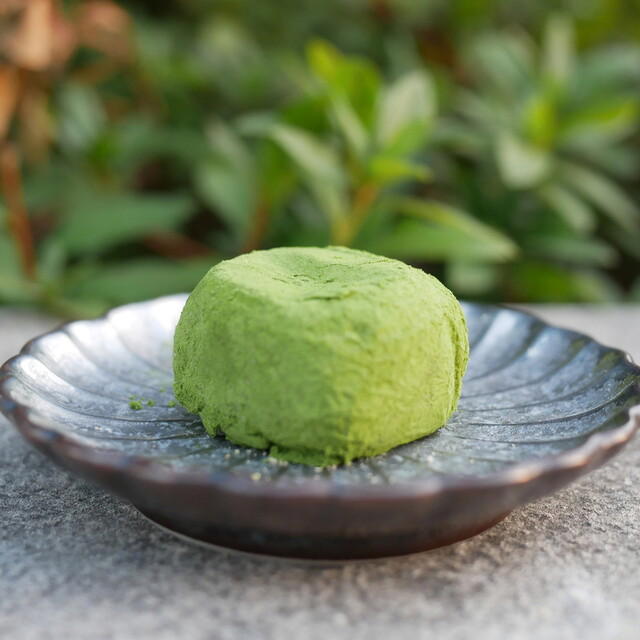
Hikone’s city scale changes the appetite before any order is placed. Around town, food is less about long tasting menus than small, precise purchases: a simple meal before a walk, a planned lunch or dinner, something quick for speed, and wagashi carried away for later. In that rhythm, Ito Ju Kaho Honten belongs to a quieter but serious category: the Japanese traditional sweets shop, where craft is compressed into compact forms rather than announced through a chef’s menu.
That matters in Shiga. The region has a food identity that visitors often read through savoury meals first. A sweets counter forces a slower reading. Wagashi is not a casual add-on; it is a coded craft of texture, sweetness, preservation, and form. Stronger shops keep sweetness in proportion and let the confectionery itself carry the argument. Ito Ju Kaho Honten’s 2023 Tabelog Hyakumeiten recognition, with a listed score of 3.67, places it inside Japan’s competitive traditional-sweets conversation, not just a local souvenir circuit.
Hikone's wagashi stop in a city better known for planned meals and quick lunches
Hikone dining has two visible poles for travellers: restaurants with higher spend and quick local staples closer to everyday budgets. Omi Niku Sennaritei Kyara represents the more destination-led side, while Juuwari Teuchi Soba Dokoro Dodomomo, Ramen Nikkou, and other Hikone dining rooms show how casual stops can anchor a lower-spend day in town. Hinaijidori Hokkoriya adds another meal-format option. Against those categories, wagashi works differently: compact, often bought between meals, and judged by restraint rather than volume.
The useful comparison is not sweets versus dessert menus, but destination dining versus edible memory. Cities across Japan have long turned confectionery into a civic calling card because sweets travel well, suit gift culture, and pair naturally with quiet pauses in the day. A Tabelog Hyakumeiten listing signals craft measured against specialist peers, not merely cafés. For a Hikone day, Ito Ju Kaho Honten becomes a punctuation mark between larger commitments, not a replacement for lunch.
The product question is central. Wagashi depends on materials and techniques that can seem plain until the margin for error narrows: texture, sweetness, shape, and finish all need control. The public category here is Japanese traditional sweets, with its own standard of judgment. It rewards balance, shelf sense, and clarity more than novelty. In a city where larger meals can dominate the itinerary, this is the counterweight: a small-format purchase speaking through confectionery discipline rather than expense.
A specialist-sweets format keeps the focus on craft, not table theatre
Format is part of the editorial point. This is best understood first as a specialist sweets stop, which puts pressure on the product rather than the room. There is no need to treat every food moment as a full reservation project, and wagashi does not require a long service arc to make its point. The decision happens simply; the judgment follows in texture, sweetness, and finish.
Recognition gives the stop its weight. Tabelog’s 2023 Hyakumeiten selection is meaningful because it separates specialist confectionery from the general restaurant field. It also says something about Japan’s sweets map: famous historic centres may dominate international assumptions about wagashi, but credible work is distributed through smaller cities where gift culture, tourism, and local habits sustain serious shops. Hikone is exactly that kind of place.
The atmosphere should be read through that lens. This is not the city’s drawn-out evening meal or a bar built around late-night performance. It is a practical sweets stop with a local rhythm rather than a venue defined by ceremony. For travellers used to chef-counter Japan, the difference is useful. The value is not intimacy with a cook; it is access to a craft category easily missed when an itinerary is built only around restaurants with seats.
For broader planning, the city rewards pairing categories rather than chasing a single meal. The full food map sits in our full Hikone restaurants guide, while stays are covered in our full Hikone hotels guide. Drinking options, wineries, and cultural formats sit separately in our full Hikone bars guide, our full Hikone wineries guide, and our full Hikone experiences guide. Readers building a wider Japan food route can compare specialist formats with other dining rooms, bars, cafés, and casual counters elsewhere, while keeping Ito Ju Kaho Honten in mind as Hikone’s traditional-sweets reference point.
Who should make room for it
The strongest case is for travellers who want Hikone to read as more than sightseeing and main meals. A wagashi stop adds a different register: modest by destination-dining standards, rooted in Japanese gift and sweets culture, and quick enough to fit around a day in town. The category is not a compromise; it keeps the purchase close to the confectionery tradition.
Ito Ju Kaho Honten is also a corrective for itineraries that over-plan Japan around dinner. Many of the country’s sharpest food memories come from counters, bakeries, cafés, food halls, and sweet shops, where craft is compressed into a smaller transaction. In Hikone, this is the specialist sweets address with a recognised 2023 Tabelog credential, enough reason to give wagashi its own slot rather than leaving it to chance after lunch.
Frequently asked questions
Is Ito Ju Kaho Honten good for families?
Ito Ju Kaho Honten is a Japanese traditional sweets stop in Hikone, so it can work well for travellers who want a brief, low-commitment food purchase rather than a long sit-down meal.
What is the atmosphere like at Ito Ju Kaho Honten?
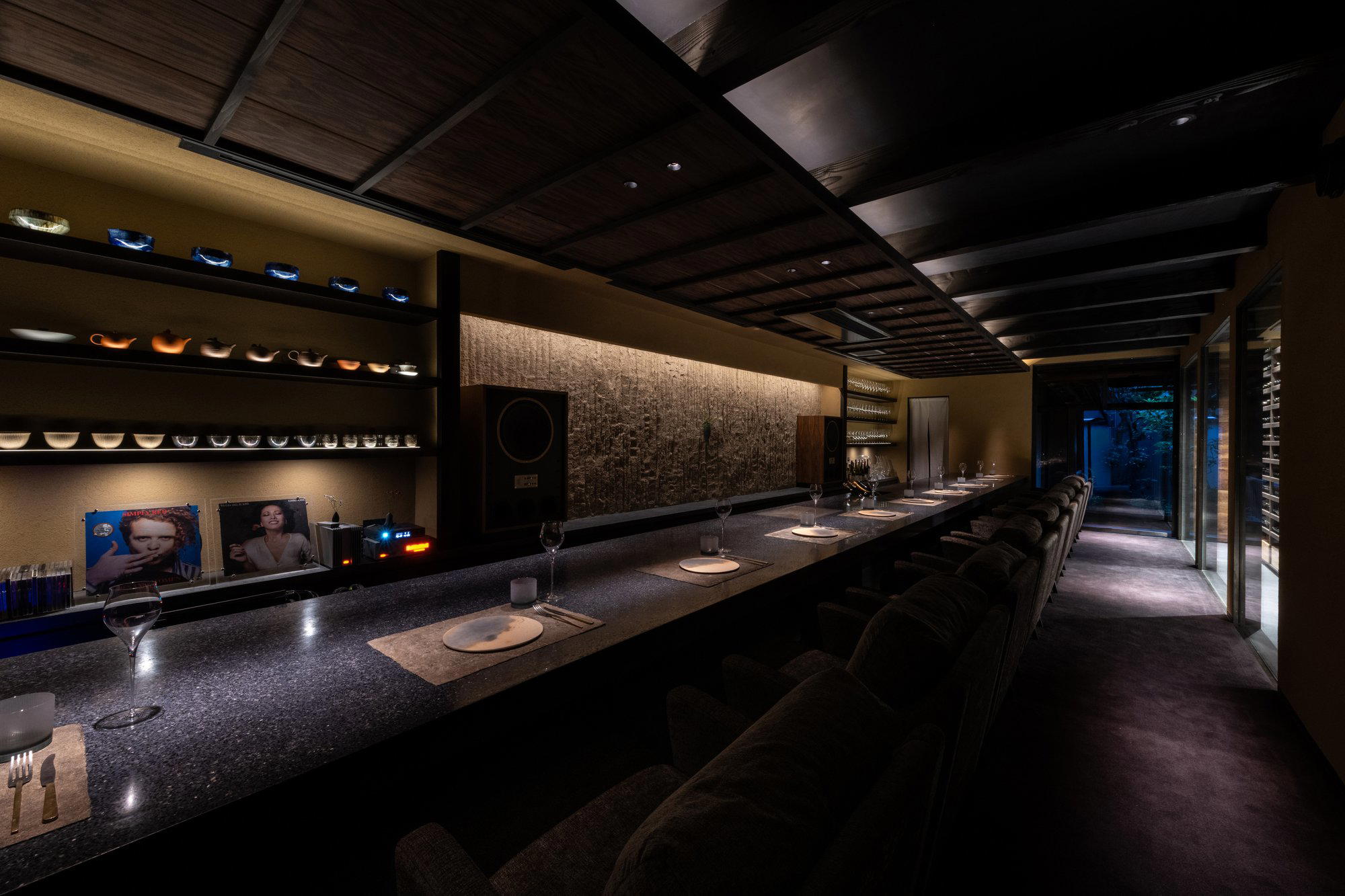
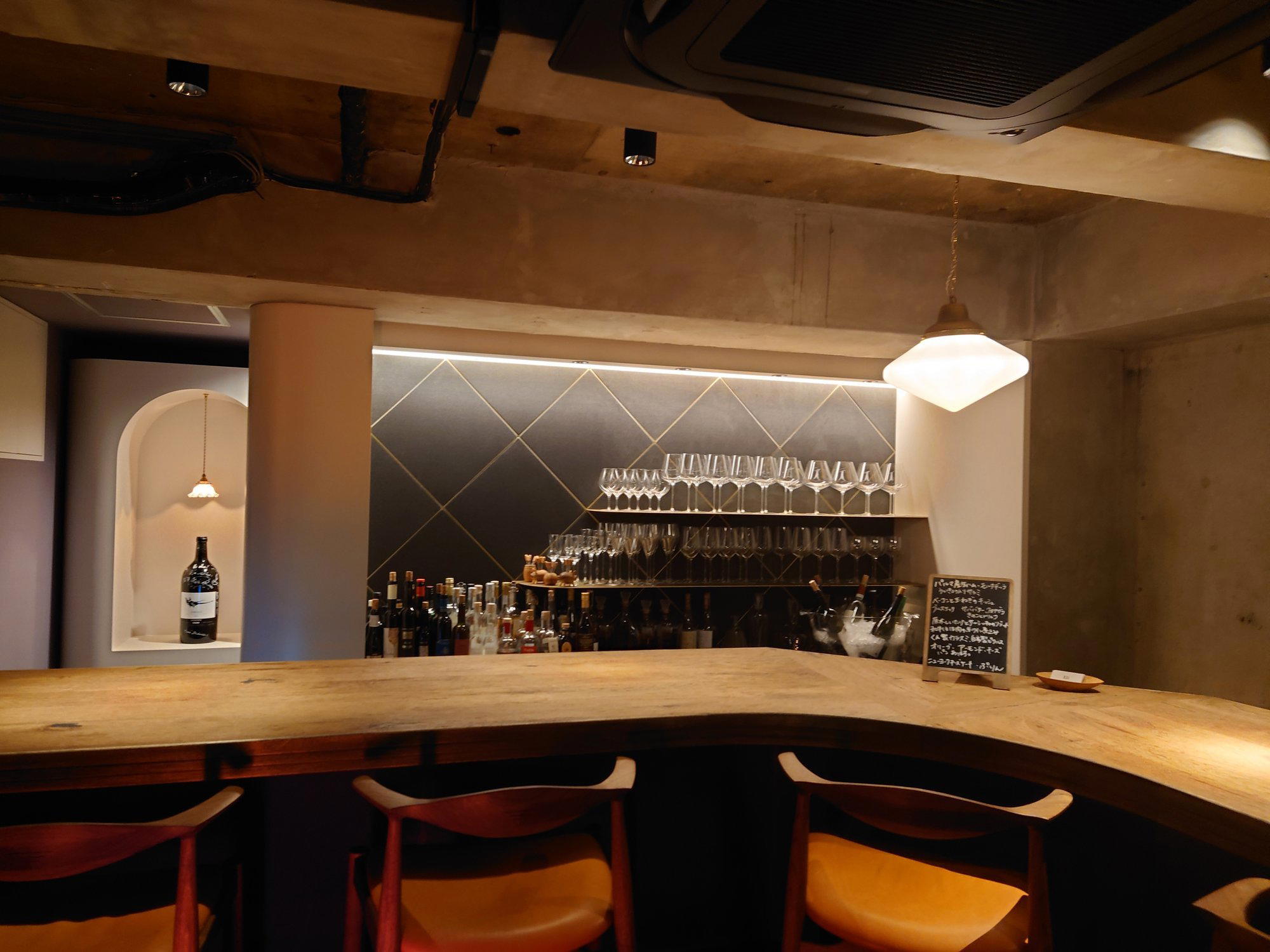
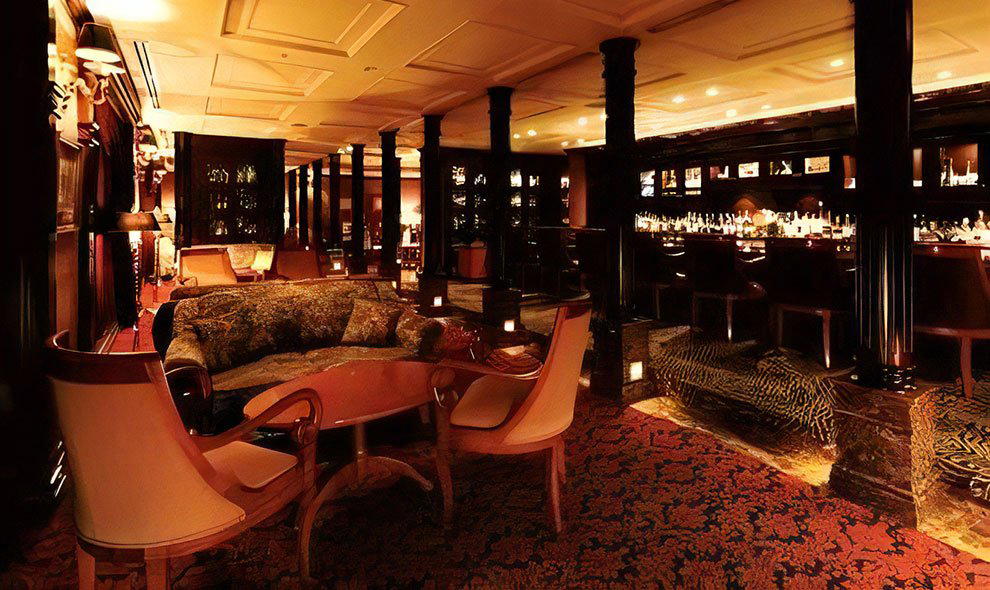
It reads as a modest specialist sweets shop focused on Japanese traditional confectionery, with the emphasis on craft, texture, and balance rather than restaurant theatrics.
What's the pricing like at Ito Ju Kaho Honten?
Pricing at Ito Ju Kaho Honten is listed as JPY 1,000 - JPY 1,999 View spending breakdown.
What days is Ito Ju Kaho Honten closed?
Current opening days and closing days should be checked directly with Ito Ju Kaho Honten before visiting.
Where exactly is Ito Ju Kaho Honten?
Hikone.
What do critics highlight about Ito Ju Kaho Honten?
The clearest signal is its 2023 Tabelog Hyakumeiten recognition in the Japanese traditional sweets category. The listing also gives Ito Ju Kaho Honten a score of 3.67 and a price range of JPY 1,000–JPY 1,999.
Comparison Snapshot
Nearby venues at a similar price tier for orientation.
| Venue | Cuisine | Price | Awards | Notes |
|---|---|---|---|---|
| Ito Ju Kaho HontenThis venue (the venue you are viewing) | Traditional Japanese Wagashi Shop | $10–20 | Tabelog 100 #39 | Not listed |
| Menya Koyoken | Traditional Japanese Ramen & Tsukemen | $10–20 | Tabelog 100 #71 | Hikone |
| Ramen Nikkou | Japanese Ramen | $10–20 | Tabelog 100 #46 | Uocho |
| Hinaijidori Hokkoriya | Japanese Chicken Specialty / Oyako-don | $20–30 | Tabelog 100 #34 | Yume Kyobashi Castle Road |
| Juuwari Teuchi Soba Dokoro Dodomomo | Traditional Juwari Soba in Historic Kominka | Not listed | Tabelog 100 #83 | Toriiimoto, Hikone |
| Omi Niku Sennaritei Kyara | Traditional Omi beef kaiseki & sukiyaki | $50–100 | Tabelog 100 #17 | Yume Kyobashi Castle Road |
Recognition history
Dated appearances from independent guides and award organizations, with the underlying list record or original source where available.
Tabelog 100 #39 · No. 39
Tabelog · Tabelog 100 - Japanese traditional sweets / Japanese sweets cafe - WEST - 2023
Continue exploring
More in Hikone
Restaurants in Hikone
All restaurants in Hikone →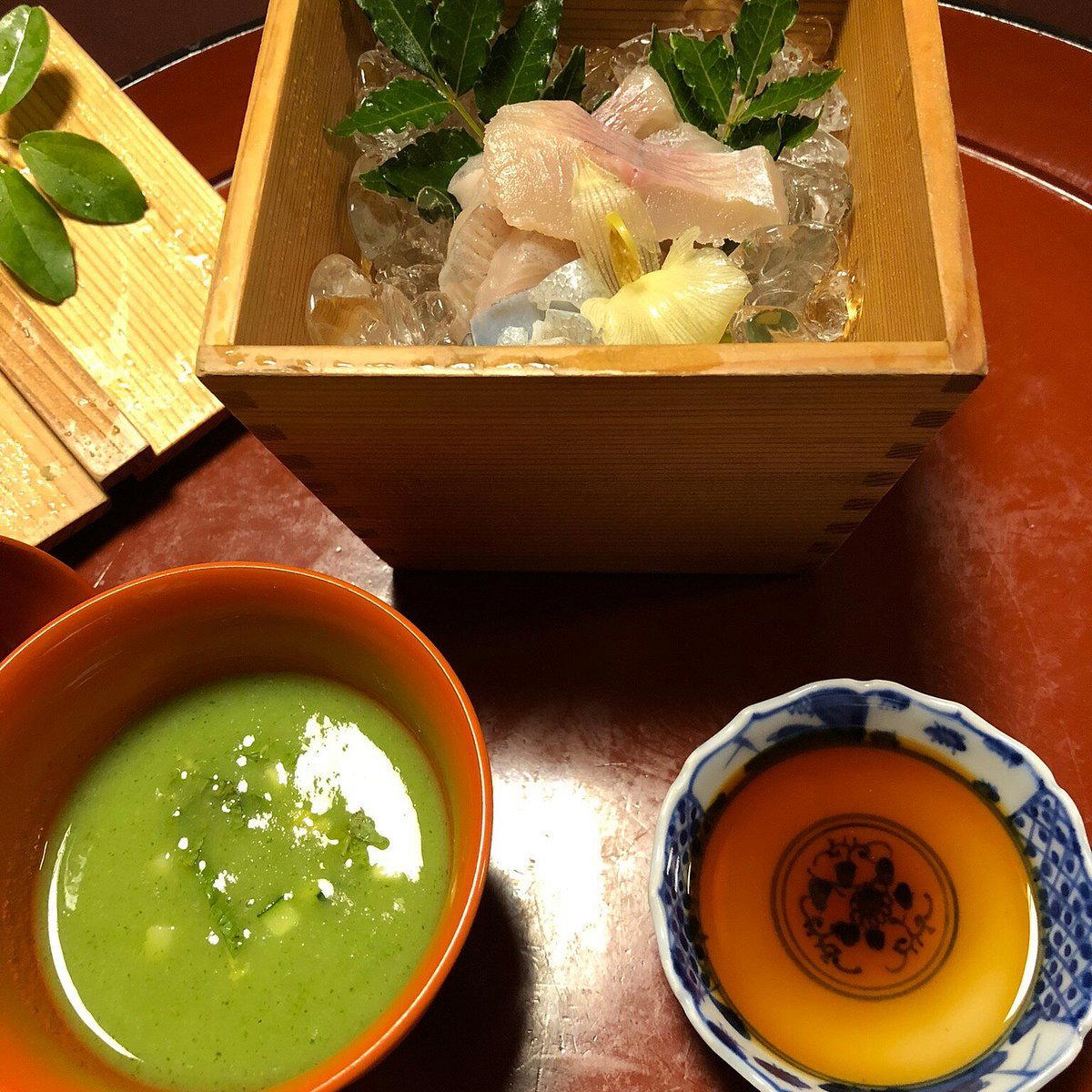
Bars in Hikone
Browse all →
Details
- Classic
- Well Known
- Quiet
- Solo
- Family
- Casual Hangout
- After Work
- Historic Building
- Standalone
- A La Carte
- Counter Dining
Current opening hours
- Monday
- 8:30 AM–6 PM
- Tuesday
- Closed
- Wednesday
- 8:30 AM–6 PM
- Thursday
- 8:30 AM–6 PM
- Friday
- 8:30 AM–6 PM
- Saturday
- 8:30 AM–6 PM
- Sunday
- 8:30 AM–6 PM
Hours can change for holidays and private events. Last verified .
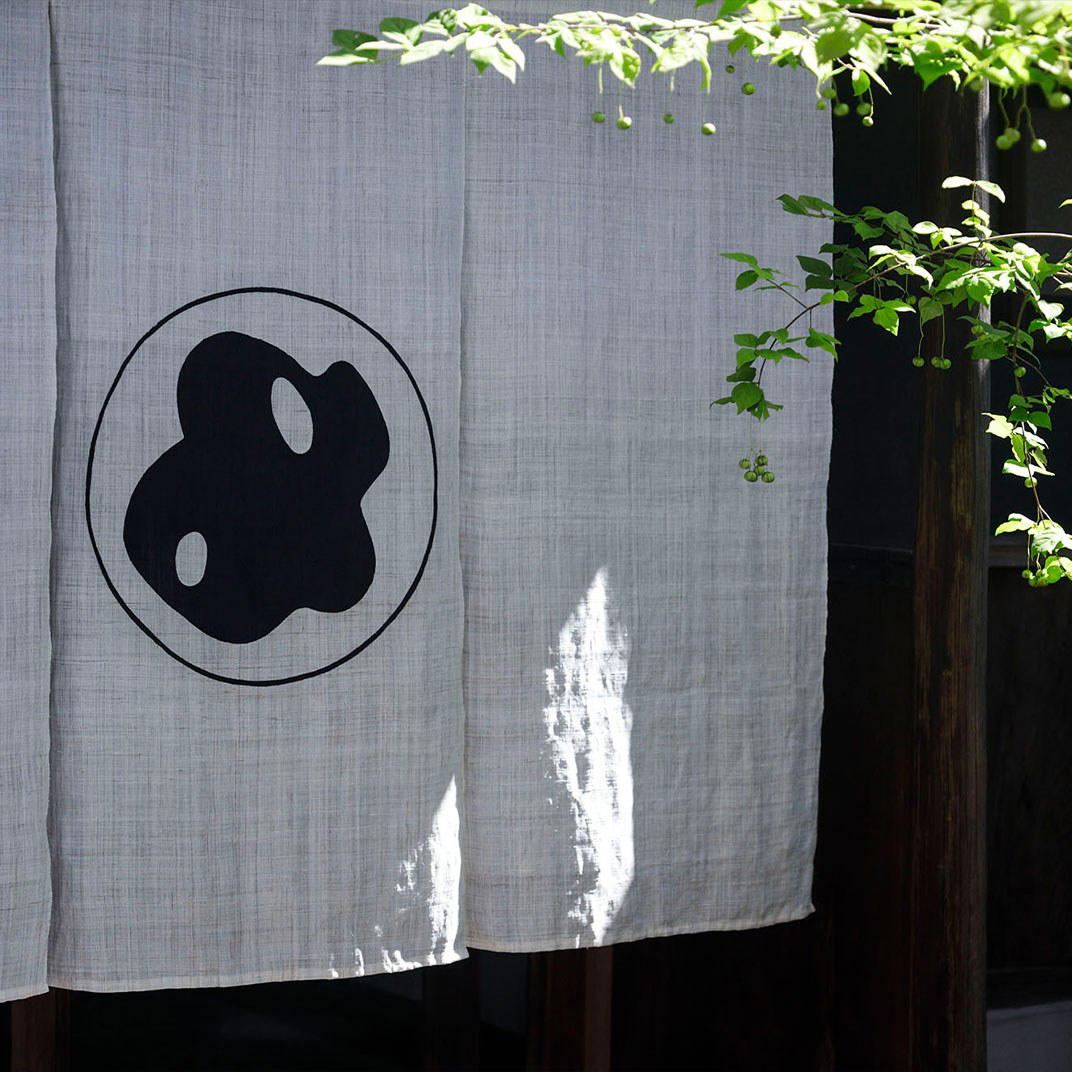
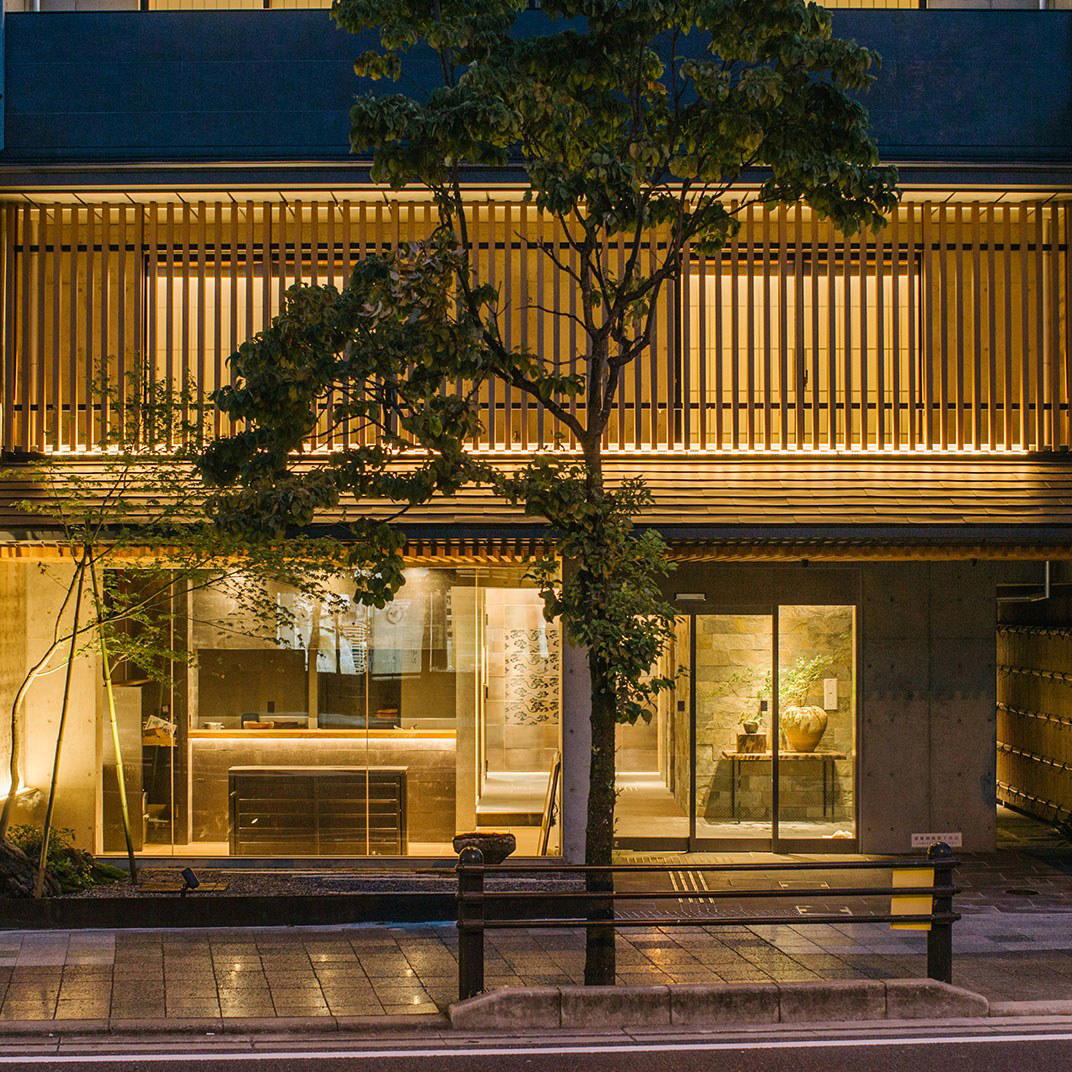
Traditional Japanese sweets shop with a classic, old-town house feel in Hikone’s castle area, focused on takeaway rather than dine‑in, giving a calm, low‑key atmosphere centered on beautifully presented wagashi.