
Tabelog 100 #71
Our verdict
Menya Koyoken places Hikone’s ramen culture in the low-cost, high-discipline category: a small counter-and-table shop recognized in Tabelog Ramen WEST “Tabelog 100” for 2023, 2024, and 2025. Its reputation sits around ramen and tsukemen, with solo dining, family use, take-out, and a compact 15-seat format shaping the experience.

Pearl is the En Primeur Club membership app, where members save venues, book tables and use the concierge.
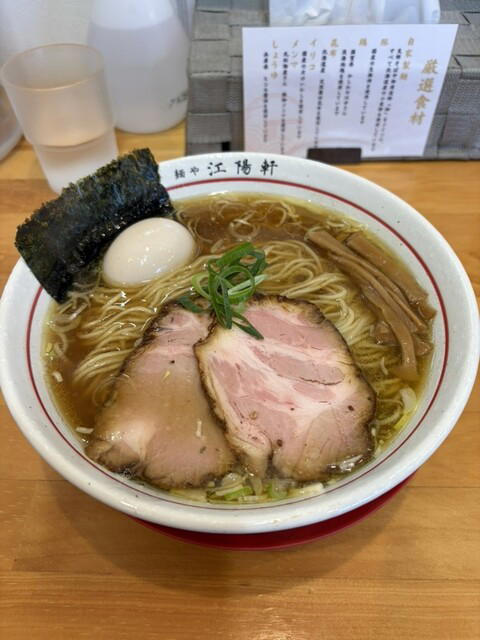
Approaching a serious ramen shop in a smaller Japanese city is unlike entering a destination dining room. The cues are practical: modest frontage, short meal rhythm, counter-led service, and regulars who treat ramen as everyday food with exacting standards. In Hikone, that matters. The city’s dining identity is often read through Omi beef, castle-town sweets, soba, and casual noodle shops, but ramen has its own gravity, compressing price, craft, speed, and repeat business into one bowl.
Menya Koyoken is the kind of ramen shop whose recognition does not rely on luxury signals. It has Tabelog Hyakumeiten recognition for 2025, a useful marker because the listing identifies ramen specialists rather than broad, all-purpose dining rooms. Its listing score is 3.70, and the format is narrow: ramen and tsukemen. In a city where Omi Niku Sennaritei Kyara represents the beef-led end of the spectrum and Ito Ju Kaho Honten speaks to local confectionery tradition, this is the low-price noodle lane.
Ramen and tsukemen as Hikone's everyday precision cooking
Ramen’s importance in Japan comes partly from its refusal to behave like one cuisine. It absorbs regional broths, noodle textures, tare seasoning, fat, toppings, and shop systems, then stays accessible to commuters, students, families, and obsessives. Tsukemen adds another grammar: noodles and dipping broth separated, texture foregrounded, heat and concentration handled differently from soup ramen. A shop working in both is not simply offering variety; it is measuring noodle craft two ways.
That explains why a compact shop can carry more weight than its price bracket suggests. Menya Koyoken’s listed price is - JPY 999 - JPY 999, with both lunch and dinner budgeted at - JPY 999. Those figures put it closer to Ramen Nikkou than to Hikone’s higher-spend restaurants, but the Tabelog recognition places it in a more selective ramen conversation. Price does not signal simplicity; it reflects the Japanese ramen model, where focus competes through repetition, speed, and consistency rather than tasting-menu architecture.
Hikone’s wider table clarifies the role. Hinaijidori Hokkoriya occupies a different occasion tier. Juuwari Teuchi Soba Dokoro Dodomomo points toward handmade buckwheat tradition. Menya Koyoken is leaner and more urban in tempo, even outside a metropolis. It reminds travelers that regional Japan’s food culture is not only heritage cuisine and local beef; it is also everyday counter discipline.
A small-room format where access matters more than ceremony
The room’s scale shapes the meal before any bowl arrives. Menya Koyoken reads as a focused ramen and tsukemen stop rather than a leisurely restaurant appointment. For many visitors, timing matters, patience matters, and the meal is best treated as a purposeful break in the day rather than a long lunch plan.
The location adds another layer. Menya Koyoken is in Hikone, which makes it part of the city’s everyday dining map rather than only a destination restaurant circuit. That is not incidental. Much regional ramen culture in Japan is rooted in local repeat custom, especially outside major urban cores, and the practical feel of a ramen shop often says more about the intended audience than decor.
Operating patterns also belong to ramen culture: many shops work around defined meal windows, limited production, and demand that can concentrate quickly. That rhythm is part logistics, part quality control. Shops working with daily preparation often run on focus rather than endless availability. For travelers building a Hikone day around sightseeing, rail connections, or other meals, treat the stop as time-sensitive and check current details before committing the final edge of a day to it.
Where it fits in a Hikone eating itinerary
For a first pass through the city, Menya Koyoken works as a counterweight to heavier local dining. Omi beef remains the region’s marquee product, but a full beef meal is not always right between sightseeing stops or train segments. Ramen offers a shorter, less formal expression of local eating life, and the recognition gives visitors reason to prioritize it over a random noodle stop. Its ramen-and-tsukemen focus keeps the appeal clear without making it a generic all-purpose restaurant.
The broader Hikone map rewards category thinking. Use Our full Hikone restaurants guide to balance ramen against beef, soba, sweets, and casual dining. For a longer stay, Our full Hikone hotels guide helps anchor the overnight decision, while Our full Hikone bars guide, Our full Hikone wineries guide, and Our full Hikone experiences guide frame the city beyond lunch. Travelers comparing Japanese casual formats beyond Shiga can look to other approachable dining rooms in Japan and abroad for different readings of Japanese food culture at accessible price points.
The editorial case is clear: this is not a luxury detour and should not be judged like one. Menya Koyoken is compelling because it sits where ramen is culturally strongest: tight category focus, low spend, Tabelog recognition, and enough logistical friction to reward planning. In Hikone, that combination gives the dining scene a sharper edge than a beef-and-castle itinerary alone suggests.
Frequently asked questions
What's Menya Koyoken's location?
Hikone.
Is Menya Koyoken expensive?
Pricing at Menya Koyoken is listed as - JPY 999 - JPY 999.
What are the operating hours at Menya Koyoken?
Current operating hours for Menya Koyoken should be checked directly with the venue before visiting.
What has Menya Koyoken built its reputation on?
Its most concrete credential is Tabelog Hyakumeiten recognition in 2025. The restaurant is listed in the ramen and tsukemen categories, so the format is focused rather than sprawling.
What if I have allergies at Menya Koyoken?
The menu centers on ramen and tsukemen, so broth, noodles, and toppings need checking before ordering. Confirm ingredients tied to a specific bowl directly with the venue before dining.
Is Menya Koyoken child-friendly?
The confirmed public details center on its ramen and tsukemen format, Hikone location, Tabelog 2025 recognition, and - JPY 999 - JPY 999 pricing. Check the venue's official channels for the latest suitability details.
A Pricing-First Comparison
Comparable venues by cuisine and price in the same metro.
| Venue | Cuisine | Price | Awards | Notes |
|---|---|---|---|---|
| Menya KoyokenThis venue (the venue you are viewing) | Traditional Japanese Ramen & Tsukemen | $10–20 | Tabelog 100 #71 | Not listed |
| ラーメン にっこう 本店 | Chicken Pottage Ramen | $10–20 | Not listed | 宇尾町, Chicken Pottage Ramen |
| Hinaijidori Hokkoriya | Japanese Chicken Specialty / Oyako-don | $20–30 | Tabelog 100 #34 | Yume Kyobashi Castle Road, Japanese Chicken Specialty / Oyako-don |
| Ito Ju Kaho Honten | Traditional Japanese Wagashi Shop | $10–20 | Tabelog 100 #39 | Hikone, Traditional Japanese Wagashi Shop |
| Omi Niku Sennaritei Kyara | Traditional Omi beef kaiseki & sukiyaki | $50–100 | Tabelog 100 #17 | Yume Kyobashi Castle Road, Traditional Omi beef kaiseki & sukiyaki |
| Juuwari Teuchi Soba Dokoro Dodomomo | Traditional Juwari Soba in Historic Kominka | Not listed | Tabelog 100 #83 | Toriiimoto, Hikone, Traditional Juwari Soba in Historic Kominka |
Recognition history
Dated appearances from independent guides and award organizations, with the underlying list record or original source where available.
Tabelog 100 #71 · No. 71
Tabelog · Tabelog 100 - Ramen - WEST - 2025
Continue exploring
More in Hikone
Restaurants in Hikone
All restaurants in Hikone →
Bars in Hikone
Browse all →
Details
- Solo
- Casual Hangout
- After Work
- Standalone
- A La Carte
- Counter Dining
Current opening hours
- Monday
- 11 AM–3 PM, 6–9 PM
- Tuesday
- 11 AM–3 PM, 6–9 PM
- Wednesday
- 11 AM–3 PM, 6–9 PM
- Thursday
- 11 AM–3 PM, 6–9 PM
- Friday
- 11 AM–3 PM, 6–9 PM
- Saturday
- 11 AM–3 PM, 6–9 PM
- Sunday
- 11 AM–3 PM
Hours can change for holidays and private events. Hours as of .
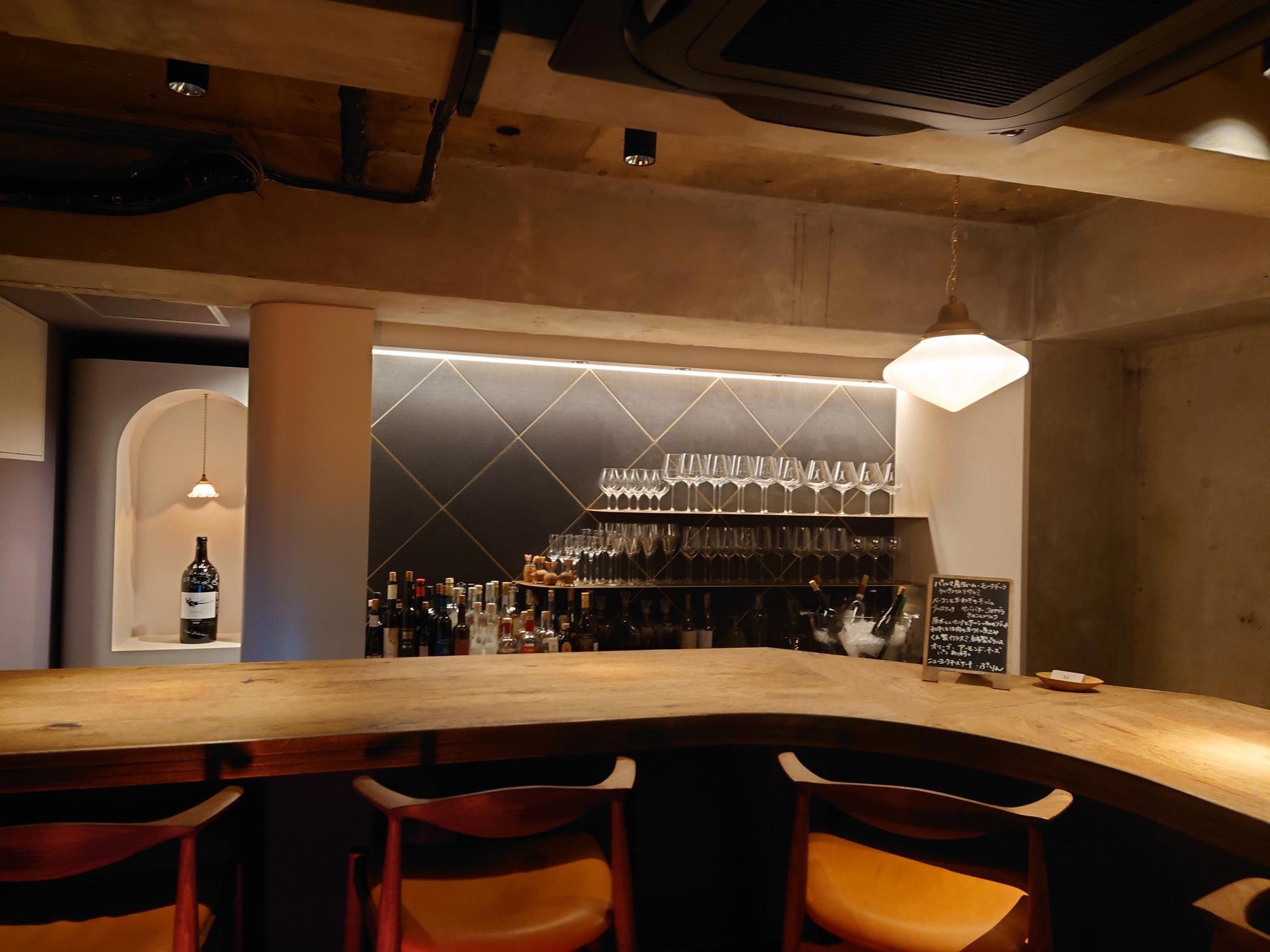
Casual, no‑frills ramen shop atmosphere typical of neighborhood Japanese noodle houses, focused on efficient dining rather than décor or lingering.