Our verdict
Ispal occupies a prominent address on Plaza San Sebastián in central Seville, positioning it within the city's wider conversation about Andalusian ingredient traditions and contemporary technique. The restaurant draws on the produce culture that defines southern Spanish cooking, placing it in a tier of Seville dining that takes sourcing as seriously as execution. For visitors mapping the city's serious restaurants, it belongs on the shortlist alongside the addresses shaping Seville's modern table.

Pearl is the En Primeur Club membership app — saves, bookings, and concierge access live there. Same editors, same standards.

The menu
What to order
- Blue Crab with Chive Emulsion
- Green Tomato Gazpacho
- Salt Cured White Shrimp
Plaza San Sebastián and What It Says About Seville's Dining Geography
Seville's serious restaurants cluster in a loose arc from the historic centre outward, and Plaza San Sebastián sits at a telling intersection: close enough to the tourist circuit to draw passing trade, but positioned on a square with enough civic gravity to anchor a dining room that aims at something more considered. Ispal's address at Pl. San Sebastián, 1 places it in this overlap zone, where the city's working food culture and its visitor economy meet without one completely overwhelming the other. That geography matters because it shapes the kind of kitchen that can sustain here: one that has to satisfy local palates sharpened on generations of Andalusian cooking while remaining legible to a well-travelled international table.
Seville is not a city that has historically chased international culinary validation at the rate of Madrid or San Sebastián. The local dining culture runs deeper on tradition than on novelty, and restaurants that earn long-term respect tend to do so by taking the region's raw material seriously rather than by importing outside frameworks. That is the competitive context in which Ispal operates, and it is a demanding one.
The Sourcing Logic Behind Andalusian Cooking
To understand what a restaurant like Ispal is working with, it helps to understand what Andalusia actually produces. This is one of Spain's most agriculturally diverse regions: olive oil from Jaén, which accounts for a significant share of global production; jamón ibérico from Huelva and the Extremaduran border; Atlantic and Mediterranean seafood arriving through the ports of Cádiz and Huelva; vegetables and citrus from the Guadalquivir valley; and a sherry wine tradition from Jerez that has no structural parallel elsewhere in the world. Any kitchen in Seville that takes its sourcing seriously has access to a supply chain that most European restaurant cities would find difficult to replicate.
The challenge is not access but discipline: knowing which producers to work with, which seasons to follow, and how to present ingredients with enough technique to justify a restaurant setting without erasing what made them worth eating in the first place. This is the tension that defines the better end of Seville's dining scene, and it is the lens through which Ispal's cooking makes most sense.
For comparison, Cañabota has made Atlantic seafood sourcing its entire identity, building a reputation on knowing which fish landed that morning and how little needs doing to it. Abantal, at the creative end of the Seville spectrum, applies modern technique to Andalusian produce and holds Michelin recognition for doing so. Almansa · Pasión & brasas takes a more direct asador approach, where sourcing quality is made legible through fire rather than refinement. Ispal sits within this same sourcing-first tradition, though the specific register it occupies requires a visit to calibrate precisely.
Where Ispal Sits in Seville's Current Restaurant Tier
Seville's mid-to-upper restaurant tier has expanded meaningfully over the past decade. Addresses like Az-Zait and Balbuena y Huertas have added contemporary precision to what was previously a scene more defined by traditional tabernas and tapas culture. This shift reflects a broader pattern visible across Spanish cities: a generation of cooks trained in high-technique environments returning to regional produce with new tools, rather than abandoning their home regions for Madrid or abroad.
Spain's reference points for this kind of cooking are well established at the national level. Aponiente in El Puerto de Santa María has turned Atlantic marine ingredients into one of the world's most closely watched kitchens. El Celler de Can Roca in Girona and Arzak in San Sebastián represent the Catalan and Basque poles of Spanish fine dining, each with a sourcing philosophy that starts with regional specificity. Further along the creative spectrum, Mugaritz in Errenteria, Azurmendi in Larrabetzu, Martin Berasategui in Lasarte-Oria, Quique Dacosta in Dénia, Ricard Camarena in València, Cocina Hermanos Torres in Barcelona, and DiverXO in Madrid define the upper register of Spanish ambition, where technical innovation and sourcing rigour operate simultaneously at high intensity.
Seville has not historically produced a restaurant of that profile, though it has increasingly produced kitchens that approach regional ingredients with comparable seriousness at a more accessible scale. Ispal belongs to that growing cohort: a restaurant that positions itself through what it serves rather than through spectacle or celebrity.
The Physical Setting and What to Expect
The Plaza San Sebastián address gives Ispal a setting with civic weight: the square has the proportions and relative calm of a working Sevillano neighbourhood anchor rather than a tourist flashpoint. Arriving at the restaurant means stepping into a context defined by the city itself, which tends to favour the kind of dining room that doesn't need to manufacture atmosphere artificially.
Seville's dining rhythm runs later than most northern European visitors expect. Lunch service typically begins around 2pm and extends well into the afternoon; dinner rarely gains momentum before 9pm, with tables at serious restaurants often filling between 9:30 and 10:30pm. Visitors operating on an earlier schedule may find the room quieter than its reputation suggests, and the full character of a Sevillano dining room emerges only when the local clientele arrives. Planning around these rhythms, rather than against them, changes the experience considerably.
For a fuller map of where Ispal sits relative to the city's other serious addresses, our full Seville restaurants guide covers the range from traditional tabernas to creative tasting menus across the city's distinct neighbourhoods. Internationally, for readers cross-referencing sourcing-led fine dining in other contexts, Le Bernardin in New York City and Atomix in New York City represent the standard against which ingredient-driven precision dining is measured at the global level.
Planning a Visit
Ispal's address on Plaza San Sebastián places it within walking distance of central Seville's main cultural sites, making it a practical choice for a long lunch after a morning in the Alcázar or the cathedral quarter. The square is accessible by foot from most central hotels, and the surrounding streets are navigable without a vehicle. Booking in advance is the standard approach for Seville's better restaurants, particularly at dinner and on weekend lunchtimes when local demand competes with visitor interest. Contact through direct reservation is advisable rather than assuming walk-in availability, especially during Semana Santa and the spring festival season, when the city operates at full capacity and dining rooms fill well ahead of service.
Frequently asked questions
Where is Ispal in Seville?
Ispal is located at Pl. San Sebastián, 1, 41004 Sevilla, Spain, Seville.
Is Ispal on Plaza San Sebastián a good choice for a long lunch in Seville?
Seville treats the midday meal as the main event, and the Plaza San Sebastián address places Ispal in a part of the city with the civic proportions and relative calm suited to an extended sit-down. The square sits at a practical intersection near the historic centre, close enough to major cultural sites to anchor an afternoon around the meal. For occasion-style lunches in Seville's mid-to-upper tier, this address carries geographic logic as well as atmosphere.
What should I eat at Ispal?
The kitchen at Ispal draws on Andalusia's depth of agricultural output, one of Spain's most productive regions for olive oil, seafood, and cured meats. The most direct approach is to follow whatever reflects the season and what the region is producing at that moment. Seville's position between the Atlantic coast and the interior gives a well-sourced Sevillano menu considerable range.
Do they take walk-ins at Ispal?
Walk-in availability is possible outside peak periods, but Seville's dining culture fills considered rooms quickly, particularly at the main lunch service. Ispal's position on Plaza San Sebastián puts it within reach of significant foot traffic from the historic centre, which increases competition for unreserved seats. Contacting the venue directly before arriving is the more reliable approach.
How It Stacks Up
Comparable venues nearby, for context on price, style, and recognition.
| Venue | Cuisine | Price | Notes |
|---|---|---|---|
| IspalThis venue — the venue you are viewing | Modern Sevillian Tapas | $100–150 | Not listed |
| Casa Manolo León | Modern Andalusian / Mediterranean | $30–50 | San Lorenzo |
| Lalola Taberna Gourmet | Modern Iberian Spanish Tapas | Not listed | Feria |
| Seis l Tapas Sevilla | Modern Spanish Tapas | $30–50 | Arenal |
| La Azotea | Modern Spanish Tapas | $30–50 | Encarnación-Regina |
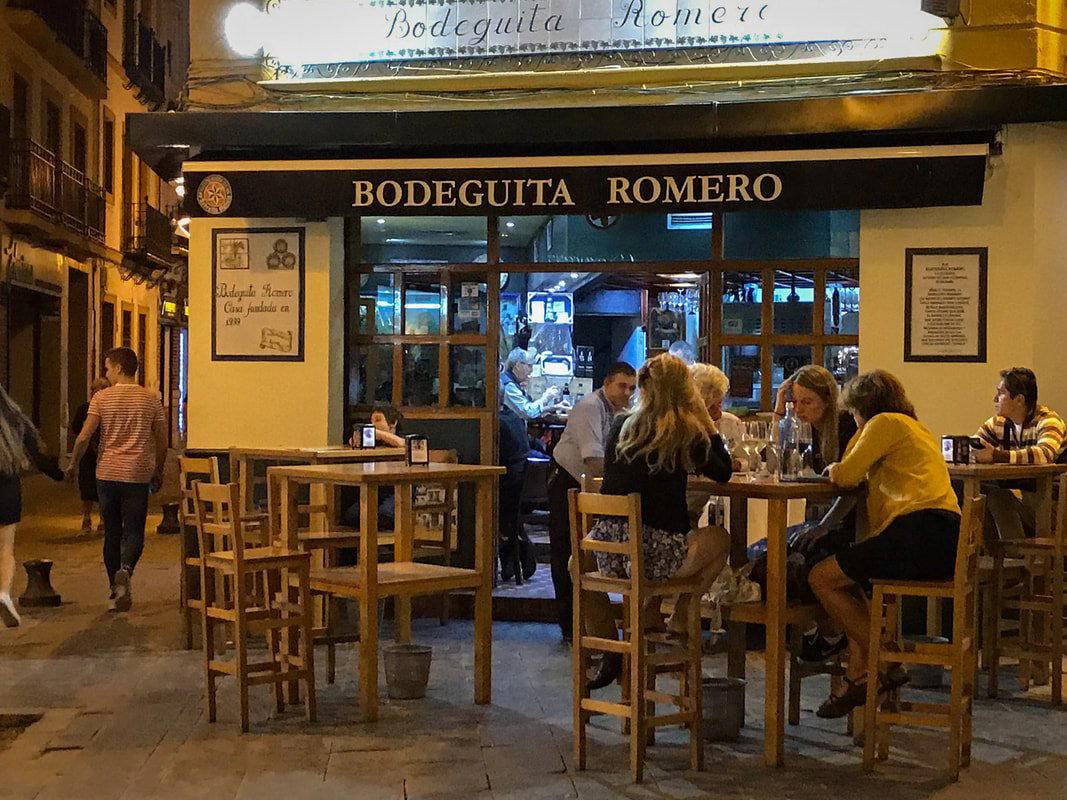
| Bodeguita Romero | Traditional Andalusian Tapas | $20–30 | Arenal |
Continue exploring
More in Seville
Restaurants in Seville
All restaurants in Seville →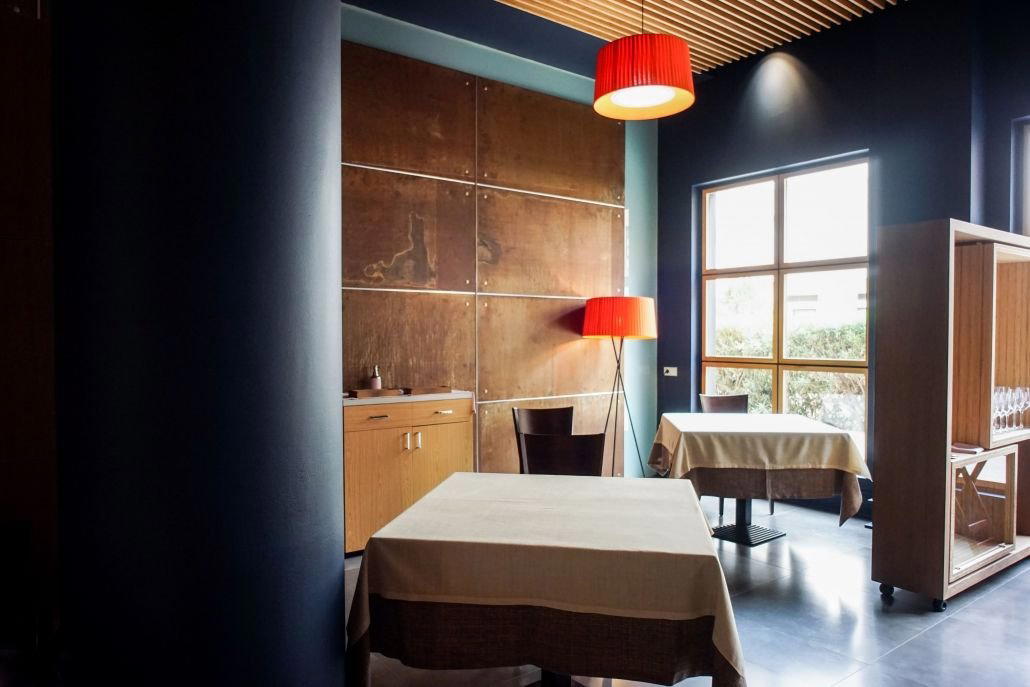
Bars in Seville
All bars in Seville →
Details
- Elegant
- Rustic
- Sophisticated
- Special Occasion
- Date Night
- Terrace
- Extensive Wine List
- Local Sourcing
- Street Scene
- Tasting Menu
- A La Carte
- Small Plates
- Vegetarian Friendly
- Vegan Options
- Gluten Free Options
Current opening hours
- Monday
- Closed
- Tuesday
- Closed
- Wednesday
- 8 PM–12 AM
- Thursday
- 1–5 PM, 8 PM–12 AM
- Friday
- 1–5 PM, 8 PM–12 AM
- Saturday
- 1–5 PM, 8 PM–12 AM
- Sunday
- 1–5 PM, 8 PM–12 AM
Hours can change for holidays and private events. Last verified .
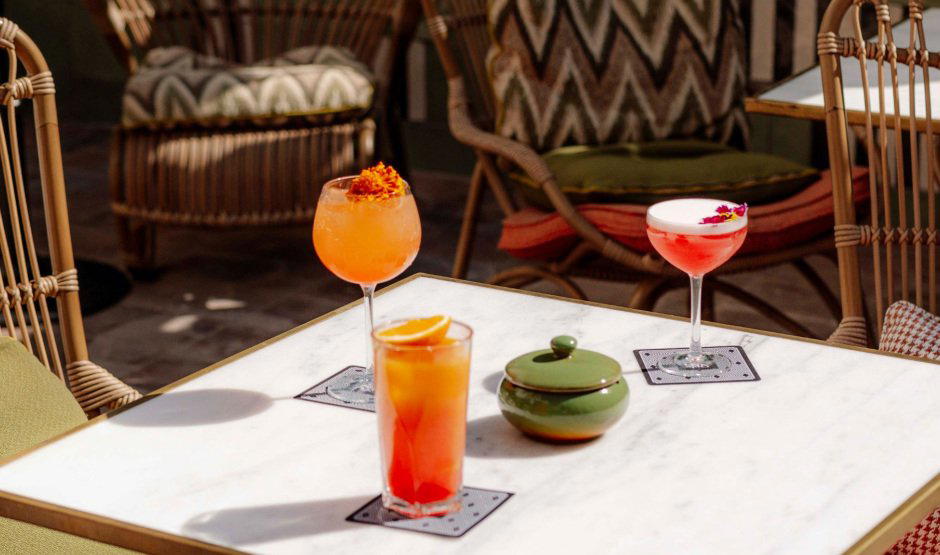
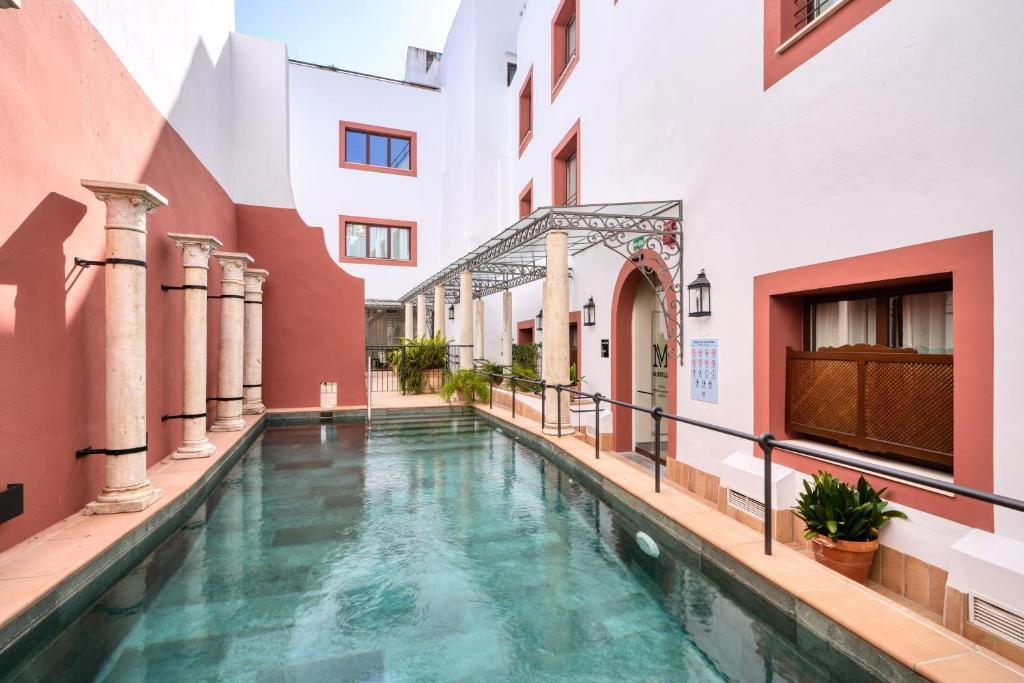
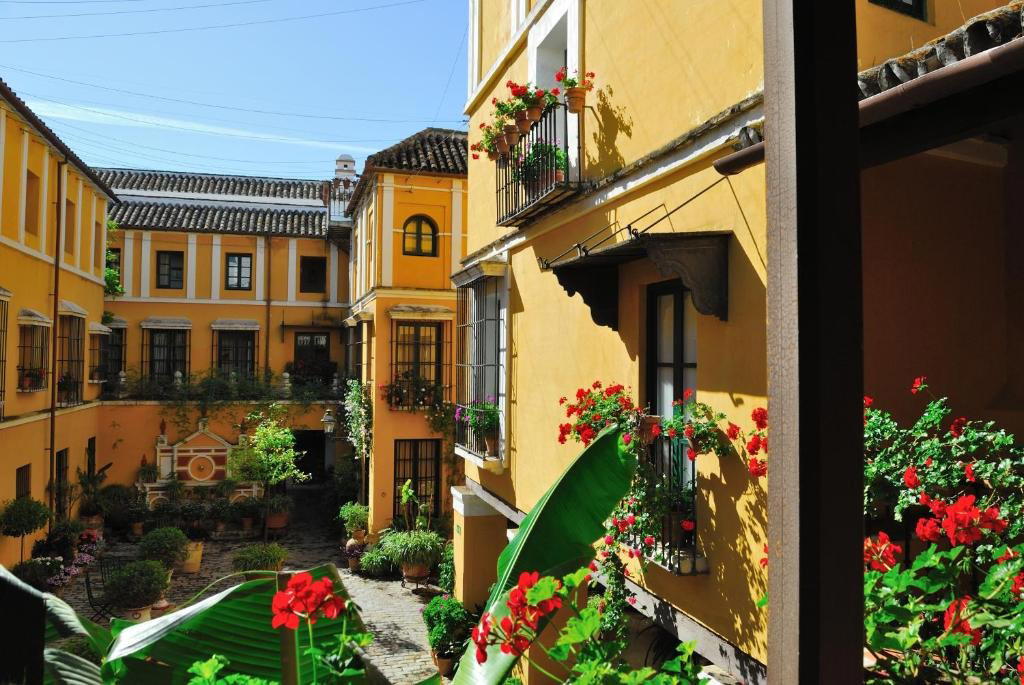
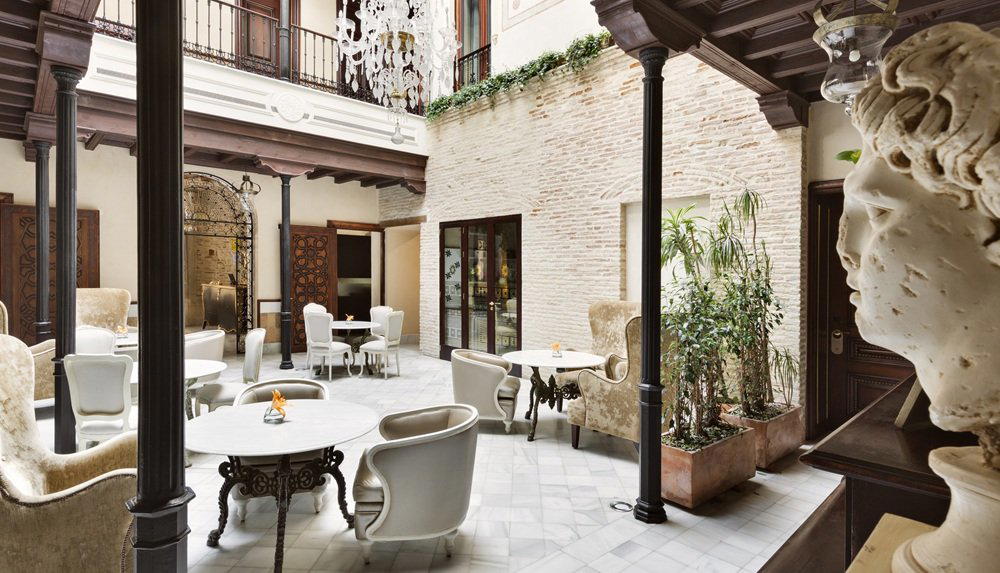
Refined rustic-style dining rooms with linen-draped tables, well-decorated and chic atmosphere.