

Michelin Selected · Mr & Mrs Smith Seal of Approval
A converted 18th-century Sevillian palace on Calle Corral del Rey, in the heart of the Casco Antiguo, this small hotel occupies a former noble residence where Mudéjar tilework and original stonework set the architectural register. The property sits within walking distance of the Cathedral and Real Alcázar, placing it squarely in the most historically layered quarter of the city. For travellers who prefer a boutique, palace-within-a-neighbourhood experience over a large hotel, the address is a considered choice.

Pearl is the En Primeur Club membership app, where members save venues, book tables and use the concierge.
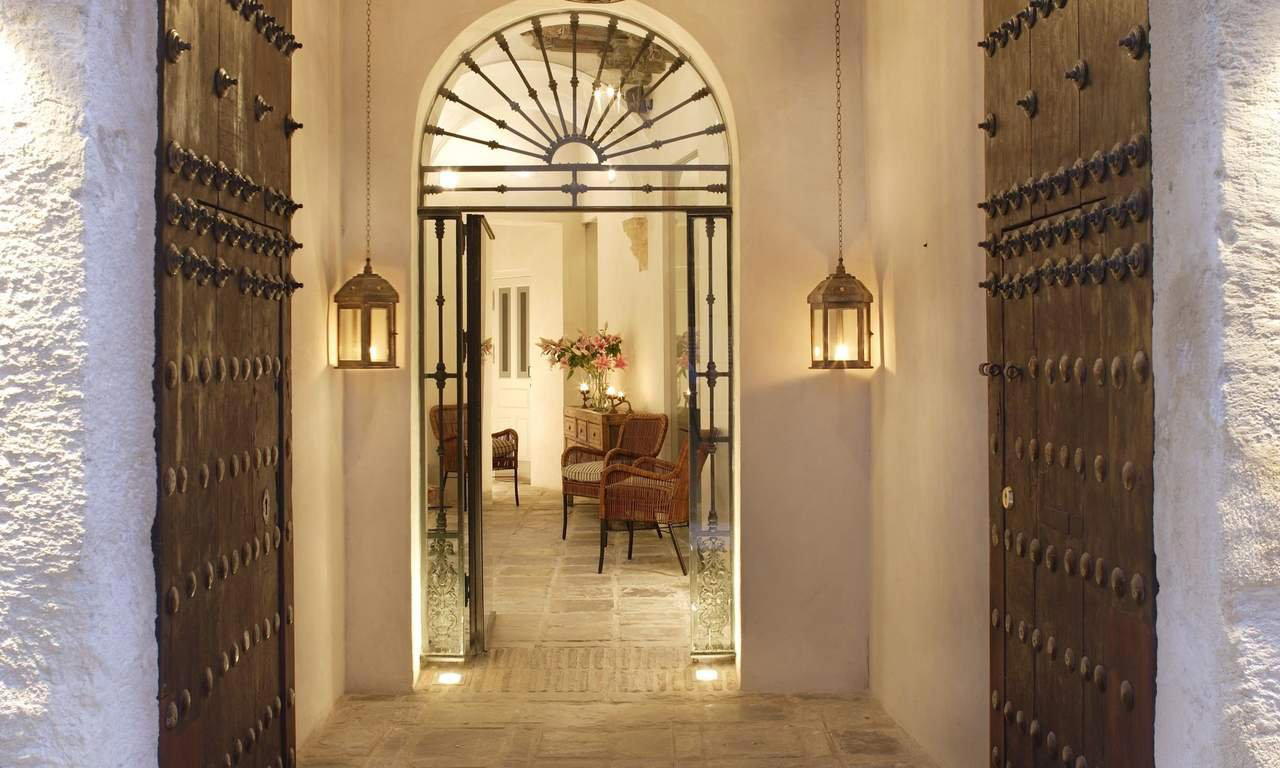
A Casco Antiguo Address and What It Means
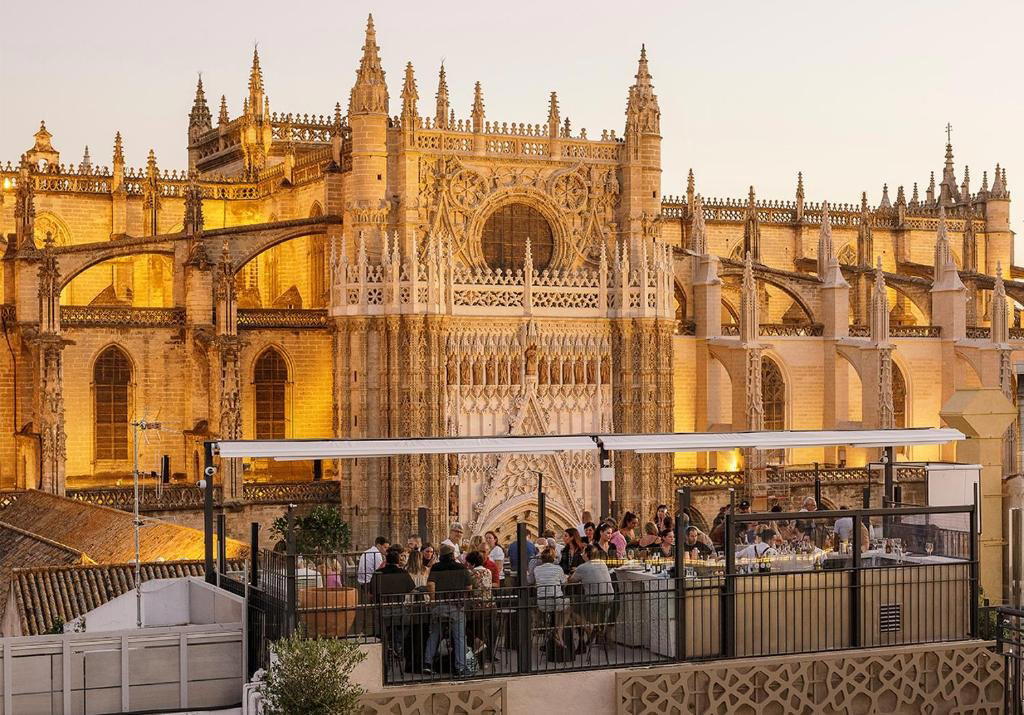
Seville's Casco Antiguo does not give its leading streets away easily. The neighbourhood that surrounds the Cathedral, the Real Alcázar, and the old Judería operates on a pedestrian scale, with lanes narrow enough that morning light arrives at street level only briefly before the whitewashed walls close overhead again. Calle Corral del Rey sits inside that grid, and the property at number 12 takes its name directly from the street: a direct signal that the building belongs to this quarter in a specific, historically grounded way rather than occupying a peripheral location rebranded as central.
For context, Seville's premium accommodation market has split between two formats over the past decade. On one side sit the grand institutional hotels, anchored by properties like Hotel Alfonso XIII, a Luxury Collection Hotel, Seville, which draw on early 20th-century civic architecture and ballroom-scale public spaces. On the other side, a smaller cohort of converted palace properties has emerged, working with the fabric of pre-existing noble or merchant residences and operating at significantly lower key counts. Corral del Rey belongs to this second group, alongside comparators like CoolRooms Palacio Villapanés and Hotel Las Casas de La Judería. The competitive logic in this tier rewards architectural authenticity and location specificity over amenity scale.
The Building's Register
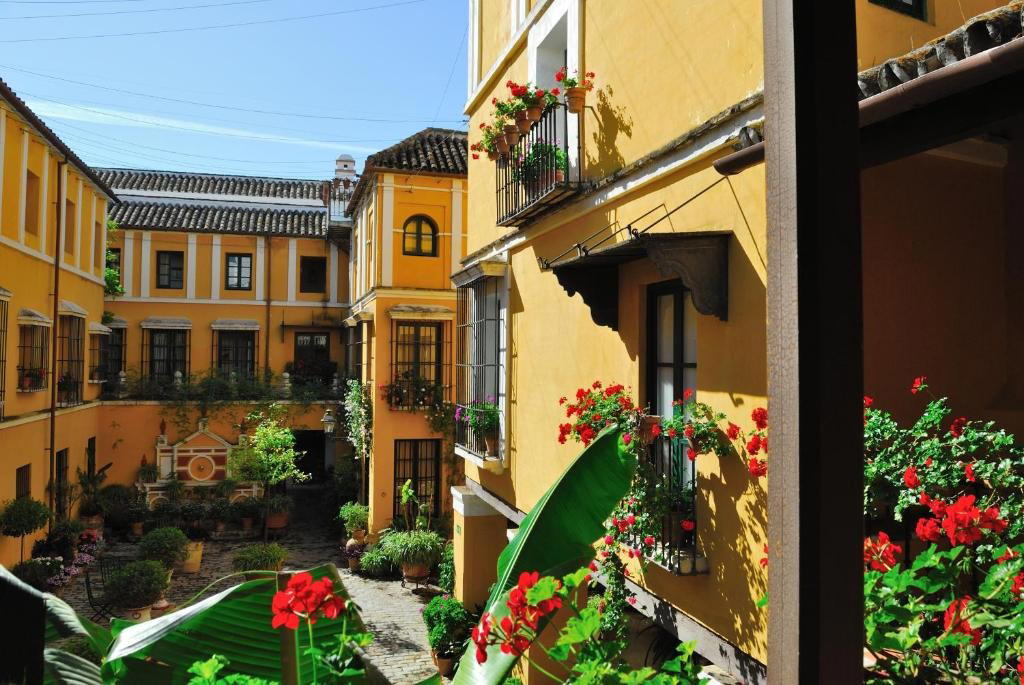
The structure dates to the 18th century and was originally built as a private Sevillian residence, a typology that tends to organise itself around a central courtyard, or patio, with rooms arranged on two or three storeys around the perimeter. This configuration is characteristic of Sevillian domestic architecture at that scale: the patio acts as the social and thermal centre, shading the interior from the southern heat while allowing natural ventilation that passive cooling systems in modern construction still struggle to replicate. The Mudéjar tile tradition, which draws on the city's long Moorish influence and its fusion with later Spanish craft, appears throughout the building's interior surfaces and provides a visual register that no amount of decorative renovation can convincingly fake.
Boutique palace hotels of this type work architecturally in a way that large-format new builds do not: the walls carry actual thickness, the stairways have genuine stone rather than fabricated patina, and the room proportions reflect a domestic logic rather than a hospitality efficiency formula. This comes with trade-offs. Room counts stay low, common spaces are fewer, and the absence of conference facilities or large-group amenities is a feature of the format rather than a gap. Travellers who arrive expecting the infrastructure of a full-service hotel will be recalibrating their expectations; those who arrive knowing the format will find it coherent.
The Neighbourhood as Itinerary
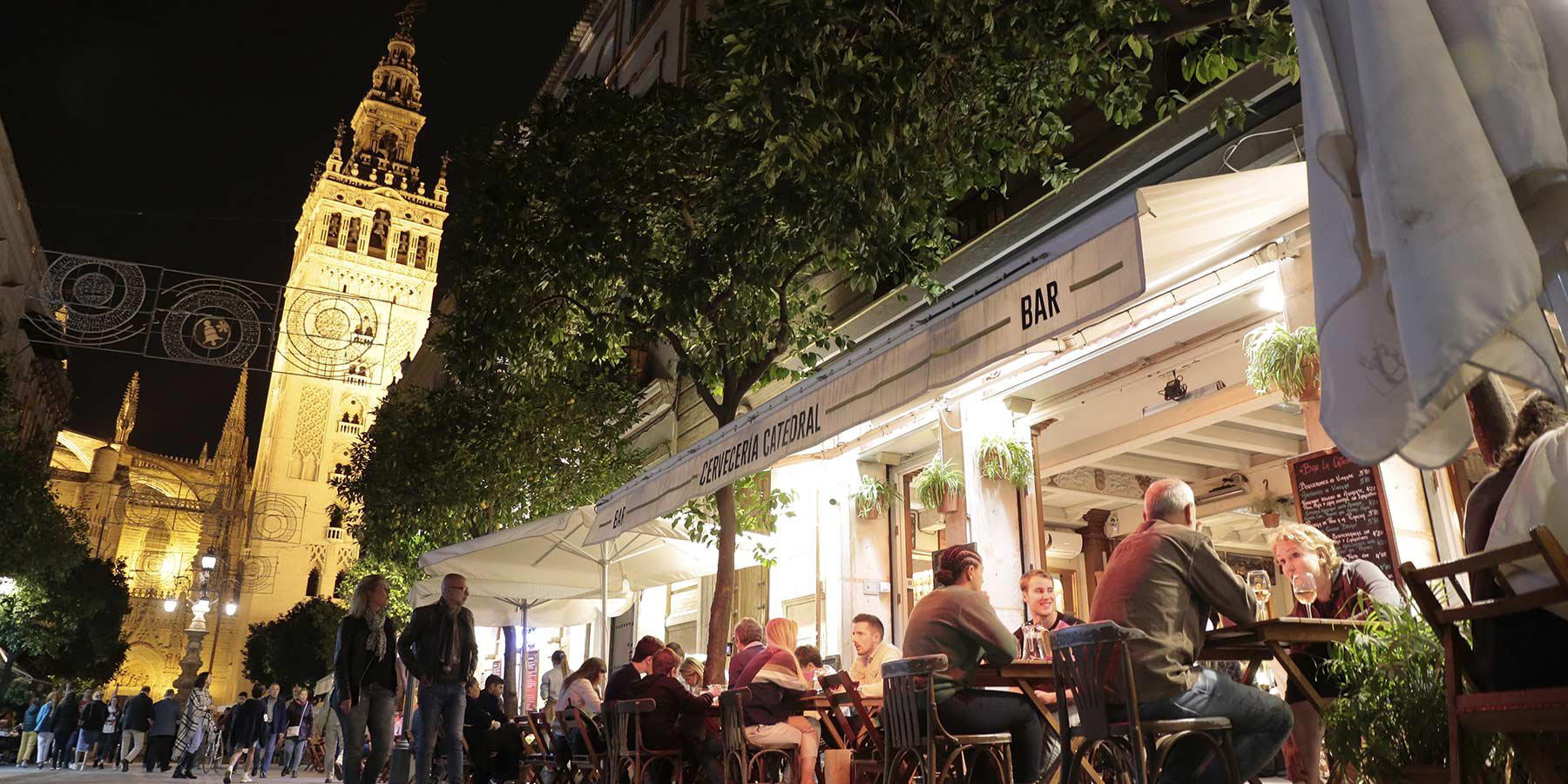
The Casco Antiguo rewards slow movement on foot, and Corral del Rey's position makes that possible without strategic planning. The Cathedral and the Giralda tower are within a few minutes' walk, as is the entrance to the Real Alcázar, whose royal gardens remain one of the most layered historic spaces in Andalusia. The Barrio Santa Cruz, the former Jewish quarter, begins effectively at the door. The covered Mercado de Triana, across the river in the neighbourhood of the same name, requires a longer walk across the Puente de Isabel II, but the route itself passes through the Arenal and along the Paseo de Cristóbal Colón, which is worth the time.
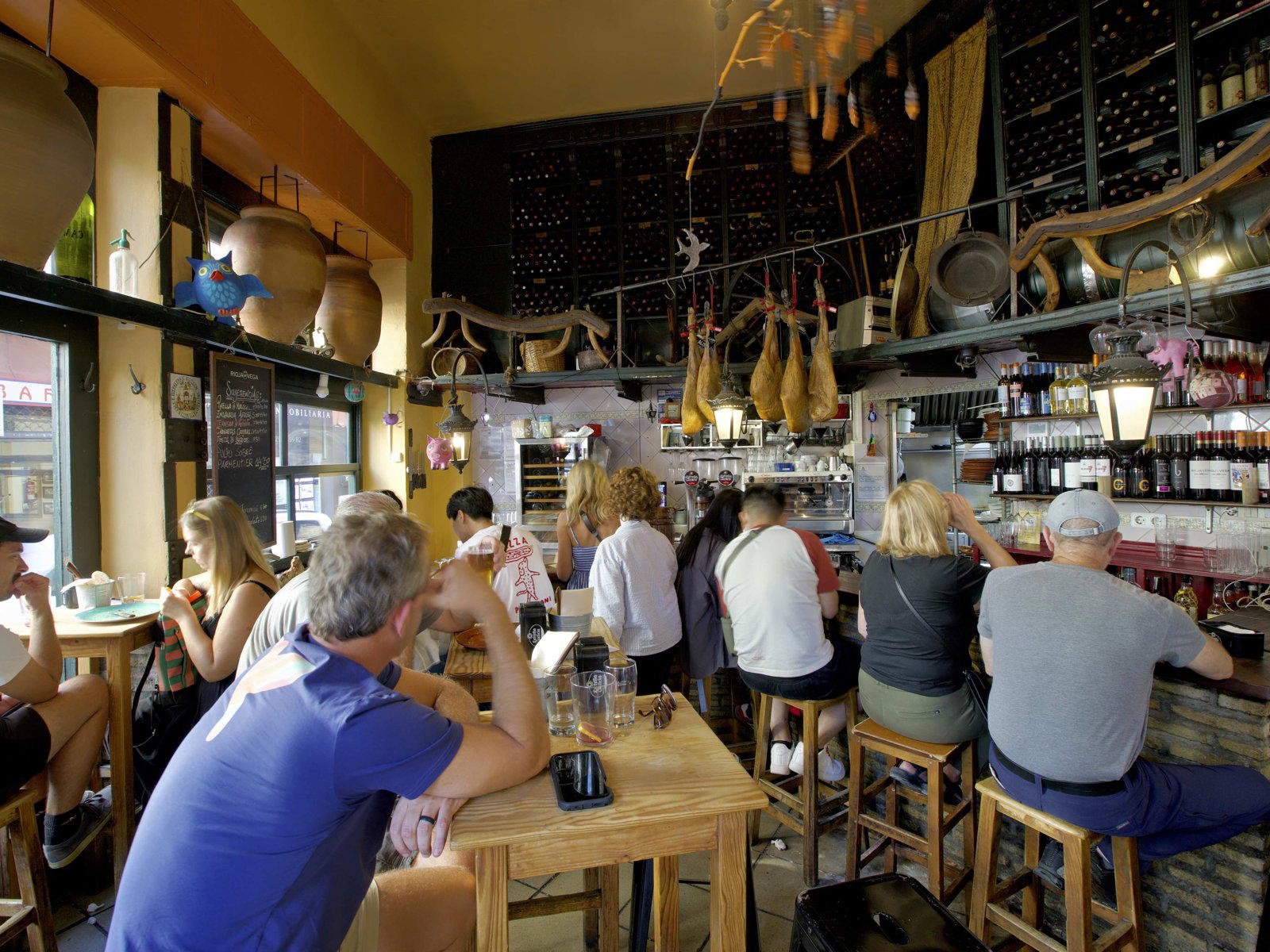
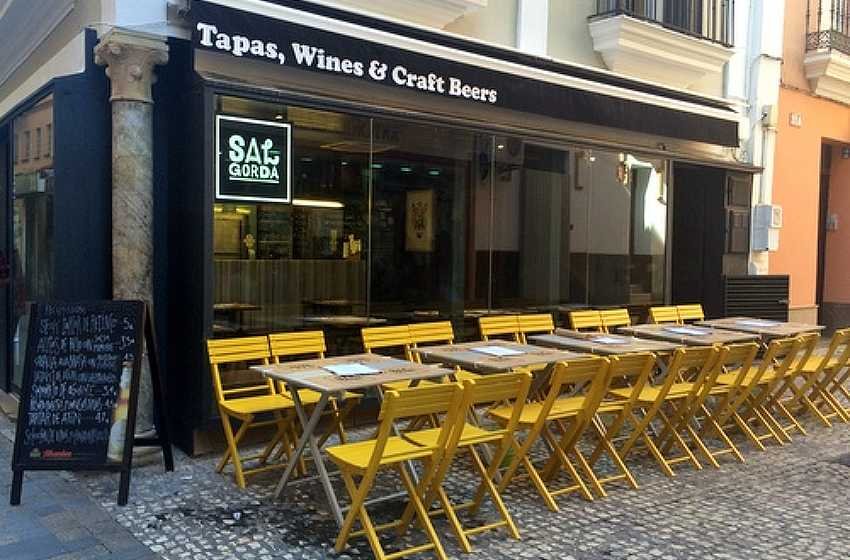
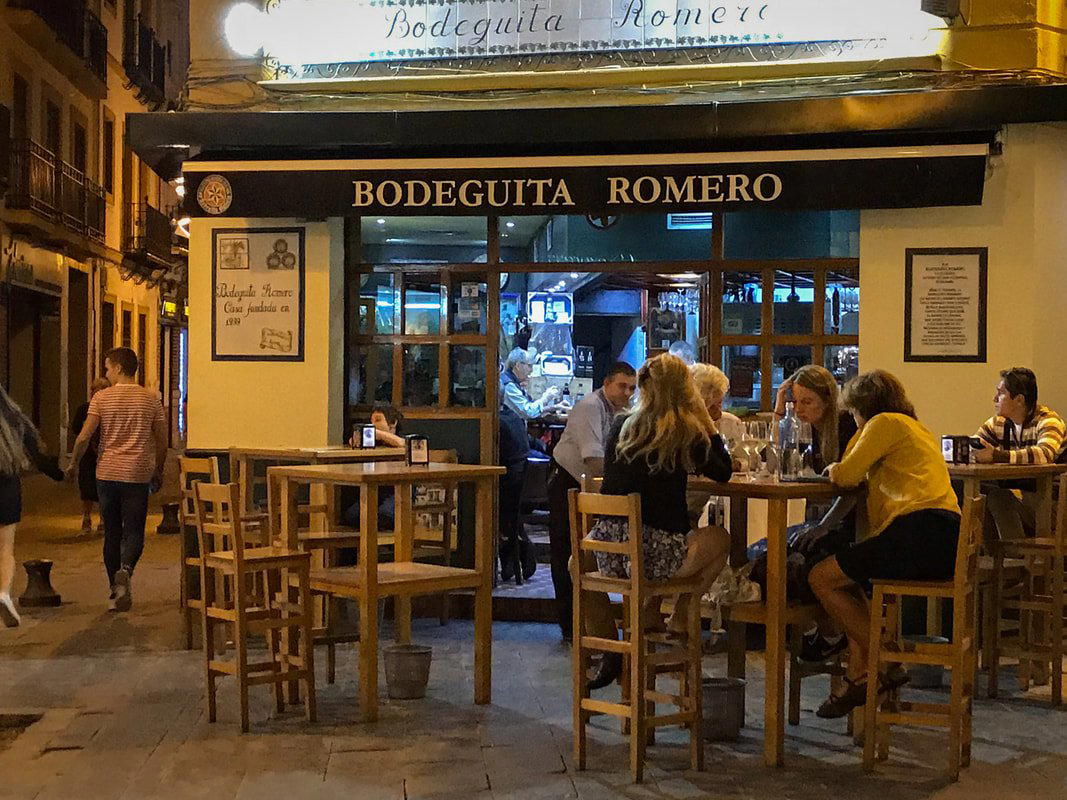
For dining reference points, the area around the Casco Antiguo is densely served, and several of the more serious tapas bars operate within a ten-minute walk. For a broader picture of where to eat in the city, see our full Seville restaurants guide. The property also sits close to the Archivo General de Indias, a UNESCO World Heritage site that shares its plaza with the Cathedral and the Alcázar, giving the immediate surroundings a density of major architectural significance that few urban blocks in Spain can match.
Spain's wider context for this kind of converted heritage property is developed. Properties like Atrio Restaurante Hotel in Cáceres and Abadía Retuerta LeDomaine in Teruel demonstrate how Spanish hospitality has built a serious format around historic structures. In Seville specifically, the pattern is well established, with the palace-hotel model drawing visitors who have already done the large international brand circuit and want a different spatial experience. Hotel Mercer Sevilla and Hospes Las Casas del Rey de Baeza represent adjacent options in this category with their own architectural premises and service propositions.
Timing and Practical Planning
Seville's climate sets the terms for any visit, and the city's famous feria and Semana Santa calendar creates sharp demand spikes in spring. Holy Week, which falls in March or April depending on the year, and the Feria de Abril two weeks later together compress the city's accommodation supply to its absolute limit. Booking for those windows typically needs to happen months in advance, and rate premiums during Semana Santa are substantial across all hotel categories. Conversely, the autumn window from late September through November offers more manageable temperatures than the 40-degree-plus peak of July and August, and availability at boutique properties like Corral del Rey is considerably easier to secure. Summer visits are possible but require preparation for heat at a scale that changes how the city's street life operates: the outdoor culture shifts almost entirely to evening and night hours.
Those planning a multi-city itinerary pairing Seville with Madrid may consider Mandarin Oriental Ritz, Madrid as the capital anchor. For a Spain itinerary that reaches the Mediterranean coast, Mandarin Oriental Barcelona and Mas de Torrent Hotel & Spa in Torrent represent the Catalan tier, while Hotel Can Cera in Palma and La Residencia, A Belmond Hotel, Mallorca cover the Balearic options. For international comparisons in the converted-palace format, Aman Venice operates on a similar architectural premise at a significantly higher price point.
Comparable Spots
| Venue | Price | Awards |
|---|---|---|
| Corral del ReyThis venue (the venue you are viewing) | $100–200 | Michelin Selected · Mr & Mrs Smith Seal of Approval |
| CoolRooms Palacio Villapanés | $300–500 | 1 Michelin Key · Mr & Mrs Smith Seal of Approval |
| Hotel Mercer Sevilla | Not listed | 1 Michelin Key |
| Unuk | $300–500 | 1 Michelin Key |
| Hospes Las Casas del Rey de Baeza | Not listed | Michelin Selected · Design Hotels Member |
| Hotel Alfonso XIII, a Luxury Collection Hotel, Seville | Not listed | 1 Michelin Key · Virtuoso Luxury Hotel Partner |
Recognition history
Dated appearances from independent guides and award organizations, with the underlying list record or original source where available.
Michelin Selected
Michelin
Mr & Mrs Smith Seal of Approval
Mr & Mrs Smith
Continue exploring
More in Seville
Hotels in Seville
All hotels in Seville →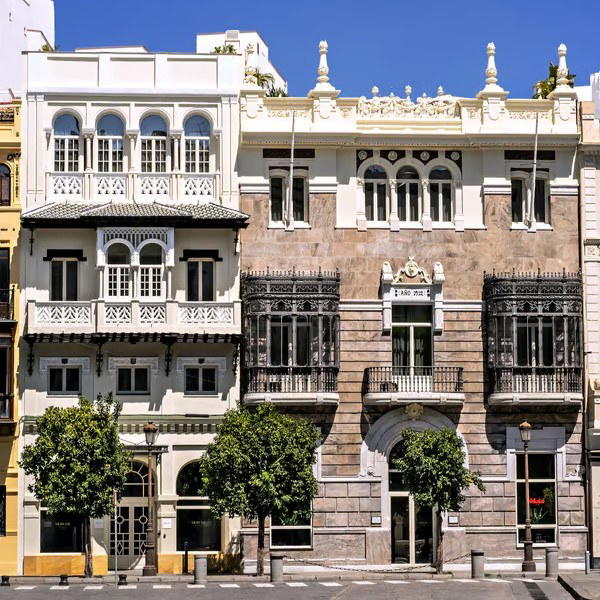

Details
- Romantic
- Elegant
- Intimate
- Historic
- Romantic Getaway
- Honeymoon
- Anniversary
- Historic Building
- Terrace
- Rooftop Pool
- Wi Fi
- Pool
- Concierge
- Room Service
- Spa
- Street Scene
- Wheelchair Accessible
Intimate and elegant atmosphere with preserved historic elements like atrium patios, Roman marble columns, wooden beams, and modern touches creating a charming, character-filled space.