




Seville's most recognised modern Andalusian address, Abantal holds a Michelin star and ranks #213 among Europe's top restaurants by Opinionated About Dining (2025). Chef Julio Fernández translates Andalusian pantry staples into two tasting menus of nine or twelve courses, with a ten-seat chef's table in the kitchen for those who want closer proximity to the process. Narrow service windows make booking ahead essential.
Pearl is the En Primeur Club membership app — saves, bookings, and concierge access live there. Same editors, same standards.
- Address
- C. Alcalde José de la Bandera, 7, y 9, 41003 Sevilla, Spain
- Phone
- +34 954 54 00 00
- Website
- abantalrestaurante.es
- Directions
- Get directions
 Saves & bookings on Pearl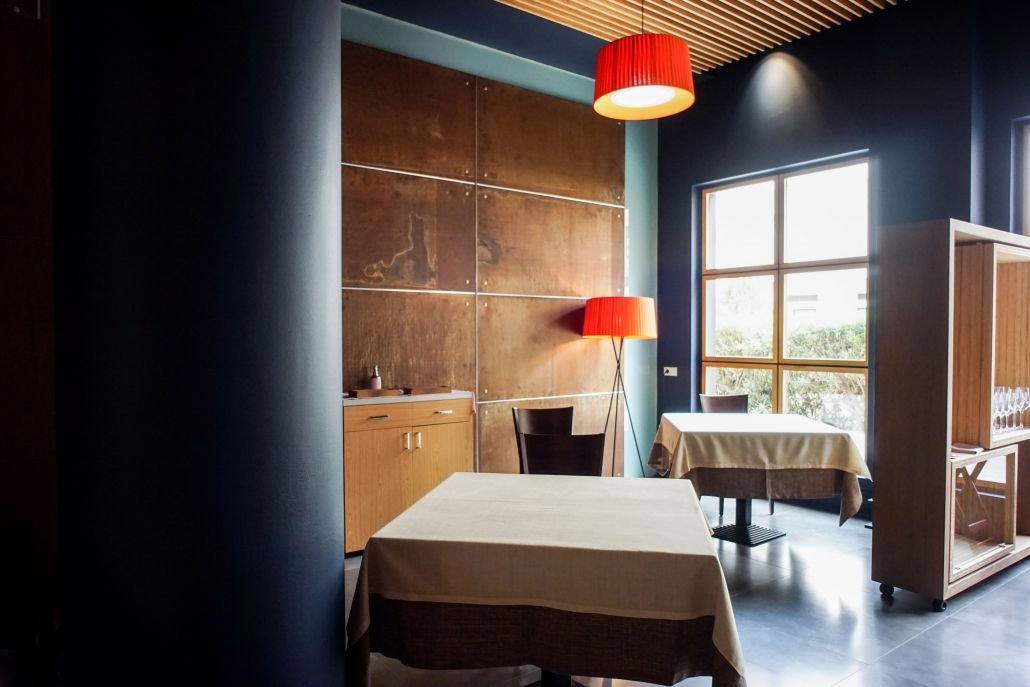
Where Seville's Tasting-Menu Format Meets the Andalusian Larder
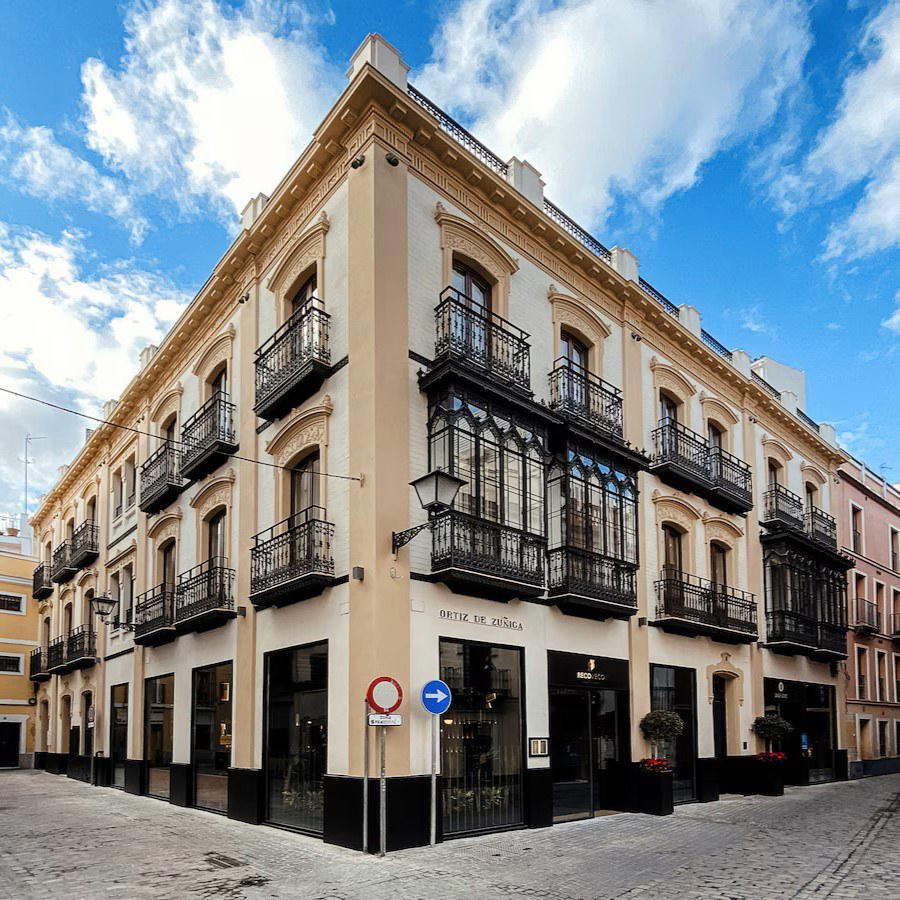
Seville's dining culture has historically organised itself around informality: the tapas bar, the shared plate, the standing lunch. That tradition remains the city's social backbone, and venues like Bar Yebra and Balbuena y Huertas carry it forward with conviction. But over the past two decades, a smaller cohort of Sevillano kitchens has been translating the same Andalusian ingredients into a longer, more structured format: the multi-course tasting menu, where the logic of sharing and sequence replaces the spontaneity of the bar counter. Abantal, a one-Michelin-star restaurant in Seville, sits at the upper end of that cohort. Its address on Calle Alcalde José de la Bandera, in the historic centre, puts it within a few minutes of the Cathedral quarter, but the dining room itself operates at a register that has little to do with the surrounding tourist circuit.
The Dining Room and What It Signals
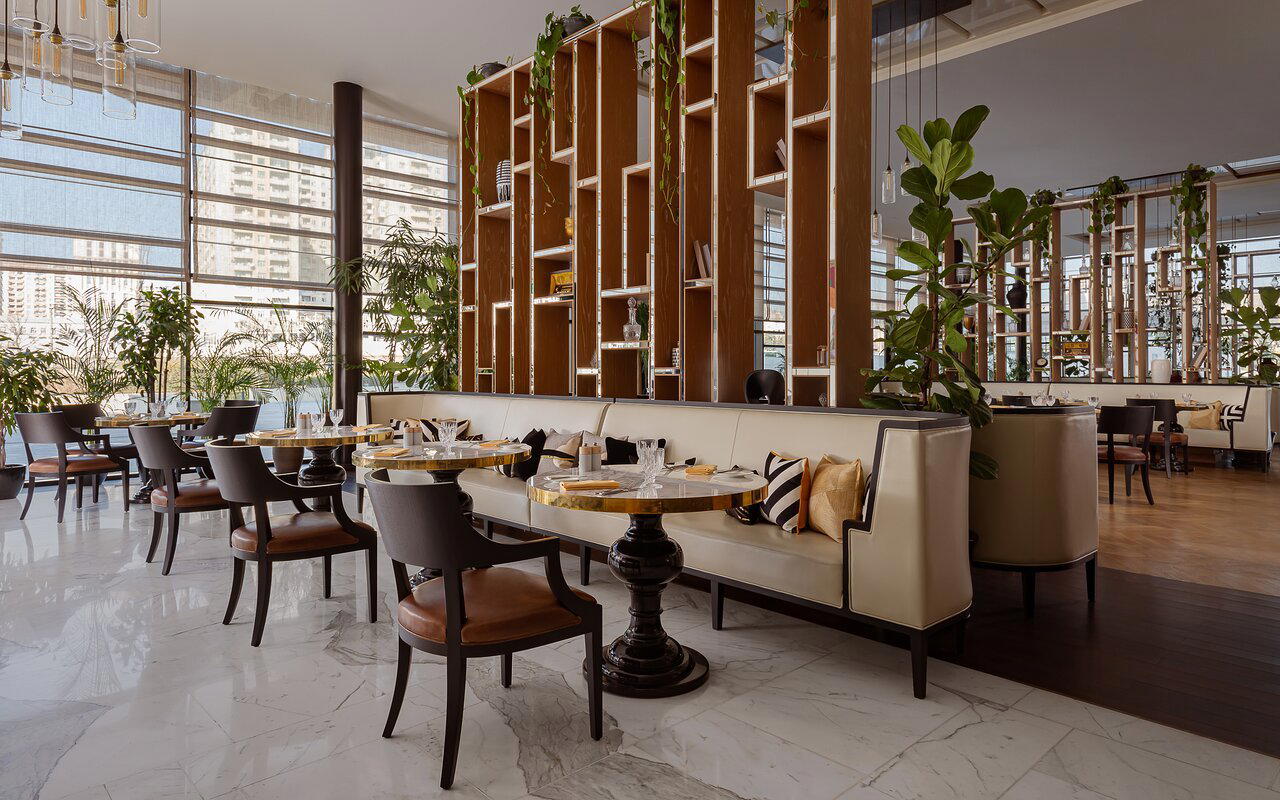
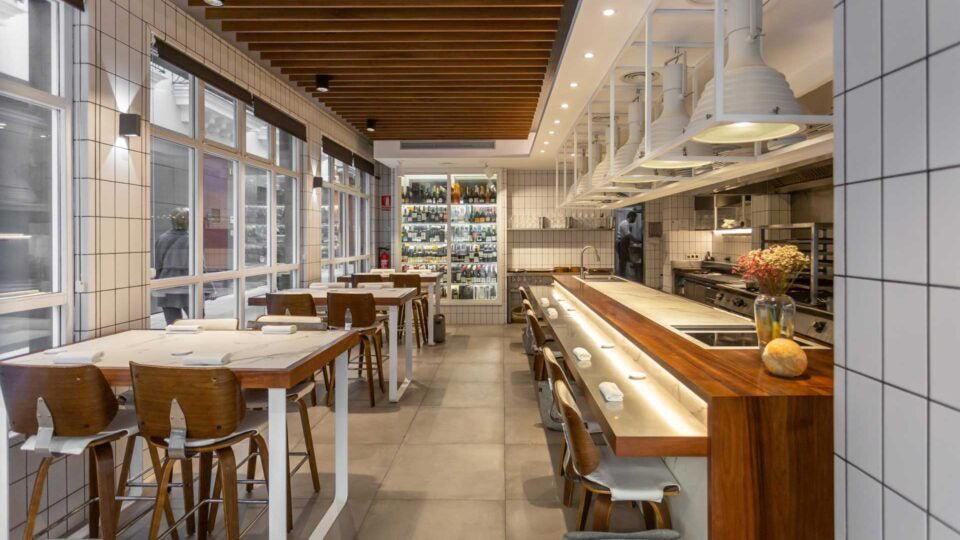
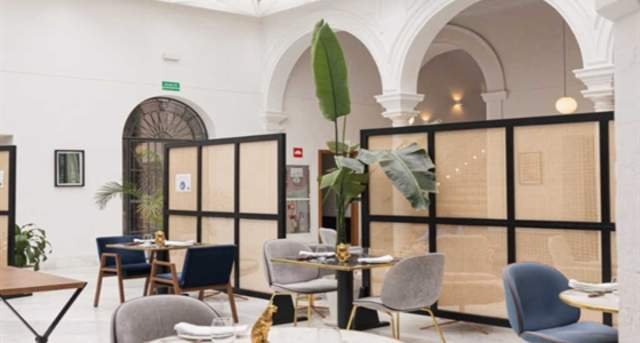
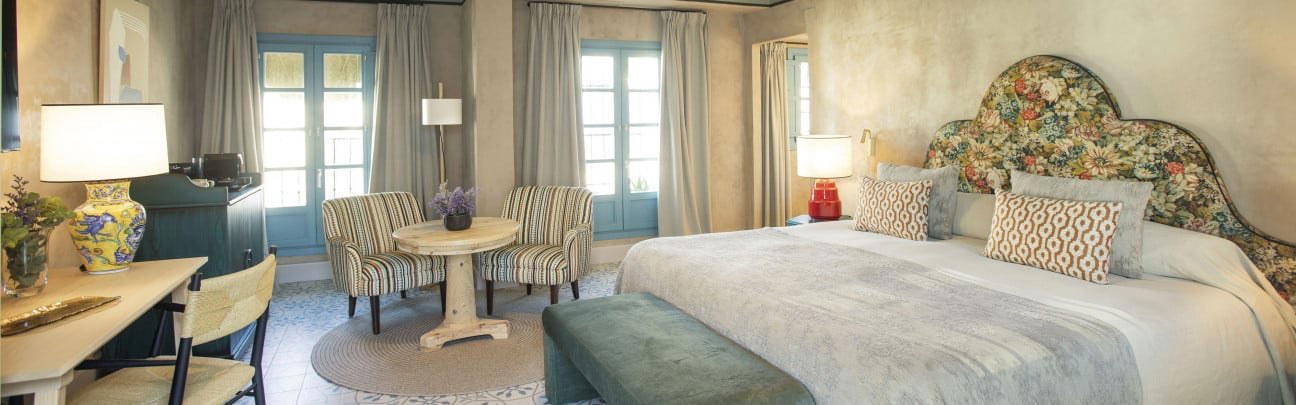
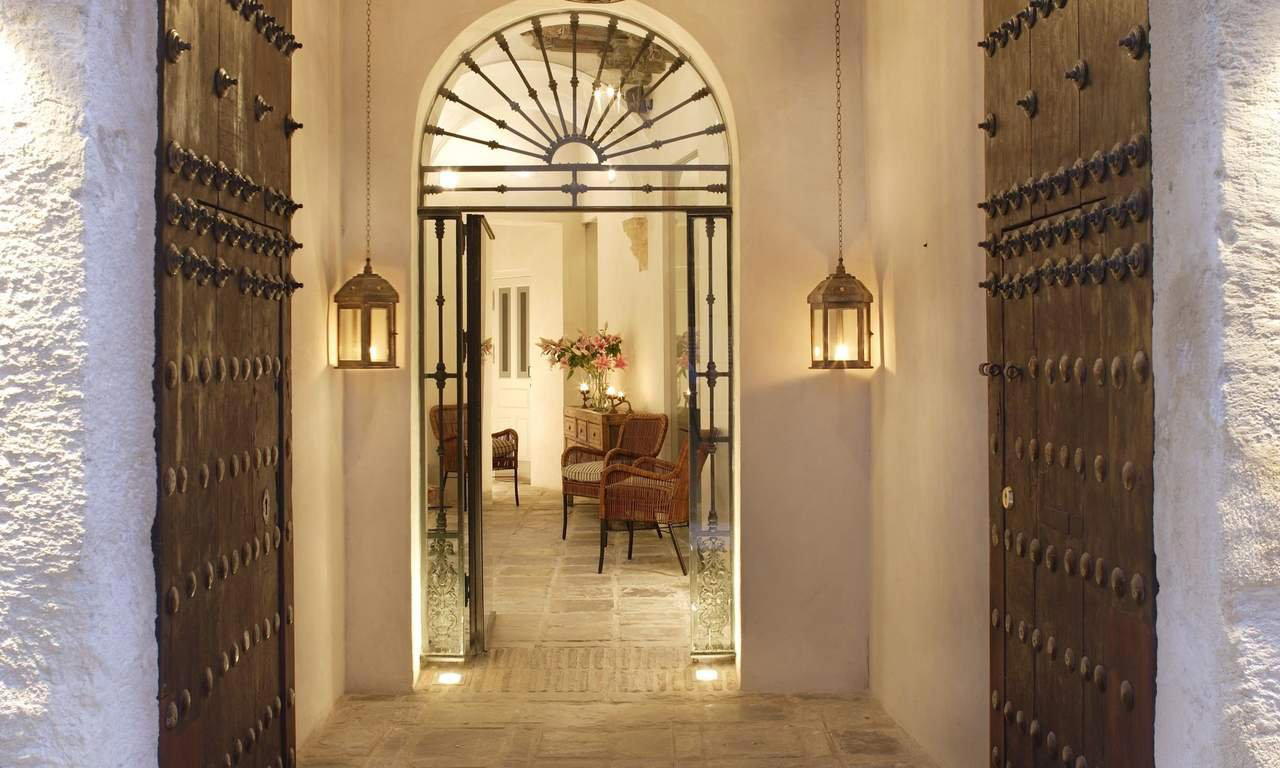
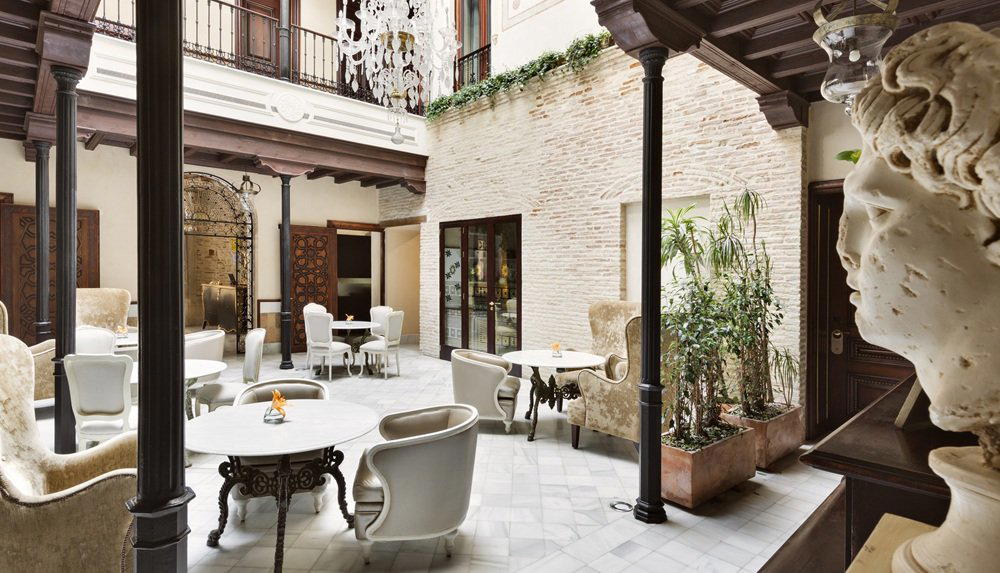
The room has been described as closer to a museum than a conventional restaurant interior, a design choice that says something deliberate about pacing. In Andalusia, where convivencia, the social act of eating together at length, is embedded in daily life, a considered physical environment signals that the meal is not meant to be rushed. The small-plates tradition of the region runs deeper than just portion size; it is an argument for attention, for returning to the table, for staying longer. Abantal's format applies that same argument to a tasting-menu structure: nine courses or twelve, both available with wine pairing, each course arrived at in sequence rather than ordered ad hoc. The kitchen's chef's table, which accommodates ten guests, extends this logic further by collapsing the distance between the cooking process and the eating experience. For the appropriate visitor, that proximity is the point.
Andalusian Ingredients as the Constant
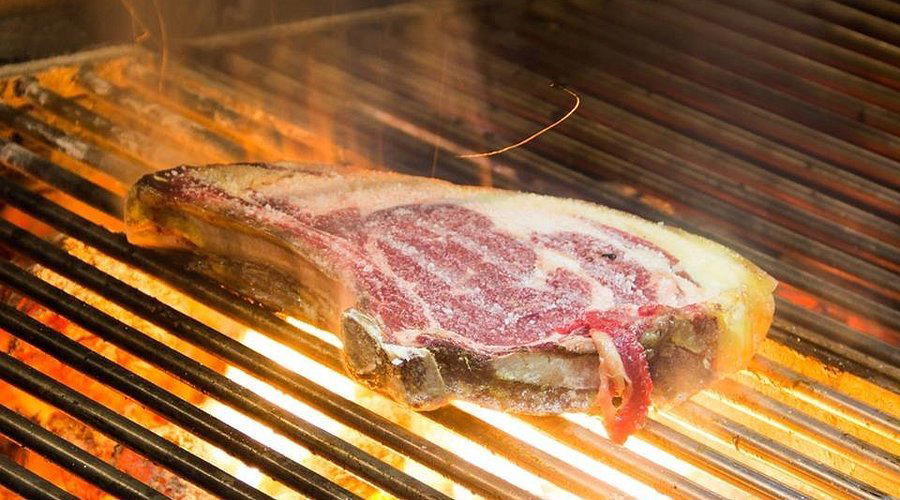
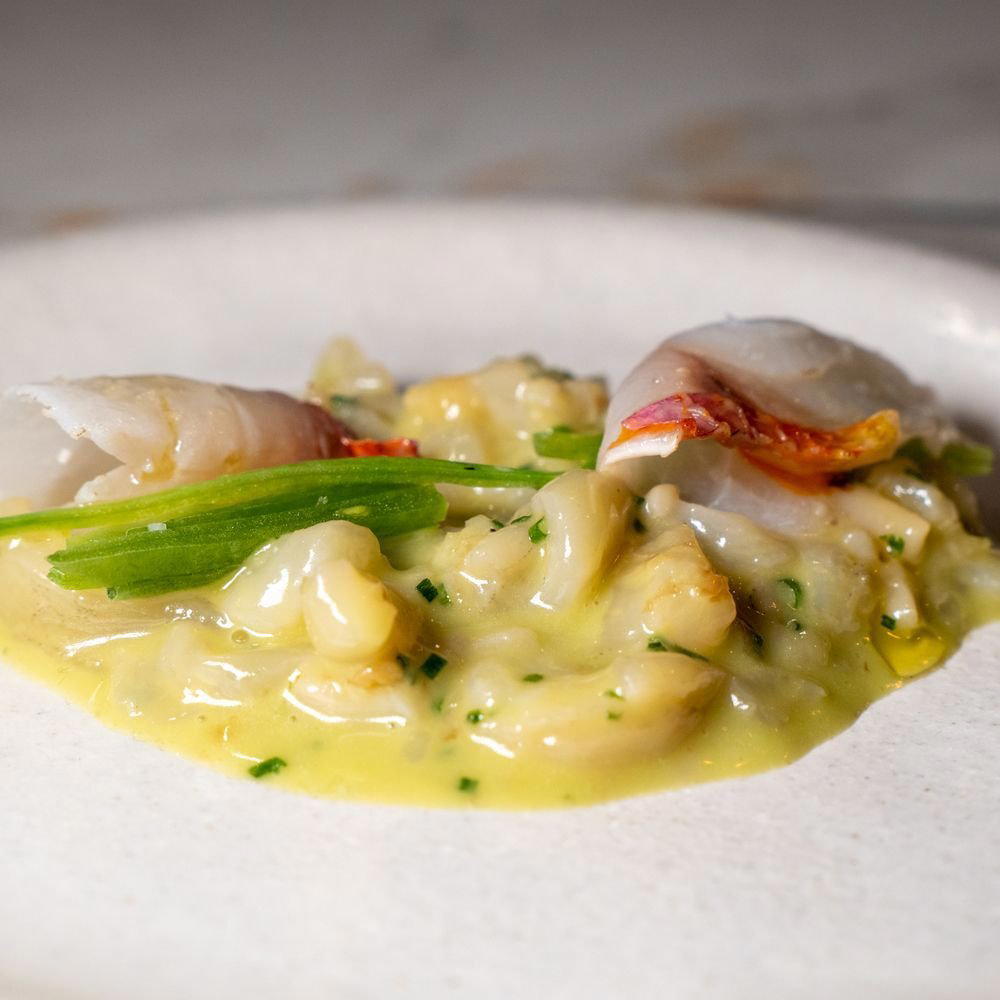
The editorial angle most relevant to understanding Abantal is the kitchen's commitment to Andalusian seasonal produce while pushing the technique applied to those ingredients. The Andalusian pantry is one of Spain's most expressive: Iberian pork from the dehesa, sherry vinegars and wines from the nearby Marco de Jerez, olive oils from Jaén and Córdoba, seafood from the Atlantic and the Bay of Cádiz. These are not decorative references but the working materials of the kitchen. Compared to, say, Cañabota, which concentrates the same sourcing instinct on a seafood-forward menu at a lower price point, Abantal applies it across a broader multi-course canvas at the city's upper price tier.
Seasonality is structural here, not cosmetic. The tasting menu changes with what is available, which is standard practice at this level across Spain, from El Celler de Can Roca in Girona to Ricard Camarena in València. What distinguishes Abantal's approach is the specifically Andalusian register it works within: the cuisine does not attempt to be pan-Spanish or internationally inflected, but to read as a modern expression of the south.
Where Abantal Sits in Spain's Creative Restaurant Tier
Spain's creative restaurant scene is among the more stratified in Europe. At the summit, venues like DiverXO in Madrid, Azurmendi in Larrabetzu, and Arzak in San Sebastián operate with international recognition that draws destination diners. A rung below, restaurants like Cocina Hermanos Torres in Barcelona and Casa Marcial in Arriondas hold significant European standing while remaining more rooted in their regional context. That combination of professional critical recognition and strong public consistency is notable. It suggests the experience holds up not just for critics arriving with expectations but for a wider range of guests eating at a four-tier price point.
The Andalusian south has not historically generated the density of starred restaurants seen in the Basque Country or Catalonia. Aponiente in El Puerto de Santa María, with its three Michelin stars and focus on marine ingredients, represents the highest expression of the regional creative tier. Abantal operates in the same southern tradition at a different scale and price register, making it the more accessible entry point for a visitor wanting to understand what contemporary Andalusian fine dining actually argues.
The Small-Plates Instinct Inside a Tasting-Menu Format
The tapas tradition is essentially an editorial tradition: it forces a kitchen to make a clear argument in a small amount of space, with no padding allowed. A tostada with jamón and tomato either works or it does not; there is nowhere to hide. The leading tasting menus in Andalusia have absorbed this discipline. The choice between a nine-course and twelve-course menu at Abantal is not simply a question of appetite; it is a question of how much of a case the kitchen is allowed to make. The longer menu offers more evidence, more turns of argument. The wine pairing option adds another dimension, particularly in a region where sherry and the wines of the Marco de Jerez offer pairings that go further than the expected Rioja or Albariño. A meal structured around Andalusian wine alongside Andalusian-rooted cooking is a different proposition from the default Spanish fine-dining experience.
Other addresses in Seville approach the contemporary Andalusian question from different angles. Az-Zait works the contemporary side of the city's dining scene, while Almansa · Pasión & brasas approaches Andalusian produce through the asador tradition. For visitors assembling a picture of where Seville's restaurant culture currently sits, these addresses operate in adjacent registers.
Planning Your Visit
Abantal's service windows are deliberately tight: lunch runs from 2 PM to 3 PM and dinner from 8:30 PM to 9:30 PM, Monday, Tuesday, Thursday, and Friday, with Wednesday, Saturday, and Sunday closed. That schedule reflects a kitchen running at considered capacity rather than maximum covers. The restaurant closes on Saturday and Sunday, which runs counter to the instinct of weekend visitors. The chef's table, with its ten-seat capacity, requires advance planning and is the harder reservation to secure.
At-a-Glance Comparison
Comparable venues nearby, for context on price, style, and recognition.
| Venue | Cuisine | Price | Awards | Notes |
|---|---|---|---|---|
| AbantalThis venue — the venue you are viewing | Contemporary Andalusian Fine Dining | $$$$ | Michelin 1 Star | Not listed |
| Cañabota | Modern Grilled Seafood | $$$$ | Michelin 1 Star | Encarnación-Regina |
| Sobretablas | Modern Andalusian | $$$ | Bib Gourmand | El Porvenir |
| Manzil | Modern Andalusian Fine Dining | $$$ | Michelin Plate | Museo |
| Basque Eneko | Modern Basque Fine Dining | $$$$ | Michelin Plate | Alfalfa |
| Lalola de Javi Abascal | Modern Iberian Pork Specialist | $$$ | Bib Gourmand | Feria |
Recognition history
Dated appearances from independent guides and award organizations, with the underlying list record or original source where available.
Falstaff Restaurant - 95 Falstaff Points
Falstaff
Guía Repsol 2 Soles
Guía Repsol
Macarfi 8.7 Food Rating
Macarfi
Michelin 1 Star
Michelin
Opinionated About Dining Top Restaurants in Europe Recommended
Opinionated About Dining
Michelin 1 Star
Michelin
Opinionated About Dining Top Restaurants in Europe Ranked #213
Opinionated About Dining
Michelin 1 Star
Michelin
Opinionated About Dining Top Restaurants in Europe Ranked #189
Opinionated About Dining
Opinionated About Dining Top New Restaurants in Europe Highly Recommended
Opinionated About Dining
At a Glance
- Elegant
- Sophisticated
- Minimalist
- Intimate
- Special Occasion
- Date Night
- Celebration
- Chefs Counter
- Open Kitchen
- Extensive Wine List
- Sommelier Led
- Local Sourcing
Current opening hours
- Monday
- 2–3 PM, 8:30–9:30 PM
- Tuesday
- 2–3 PM, 8:30–9:30 PM
- Wednesday
- Closed
- Thursday
- 2–3 PM, 8:30–9:30 PM
- Friday
- 2–3 PM, 8:30–9:30 PM
- Saturday
- Closed
- Sunday
- Closed
Hours can change for holidays and private events. Last verified .
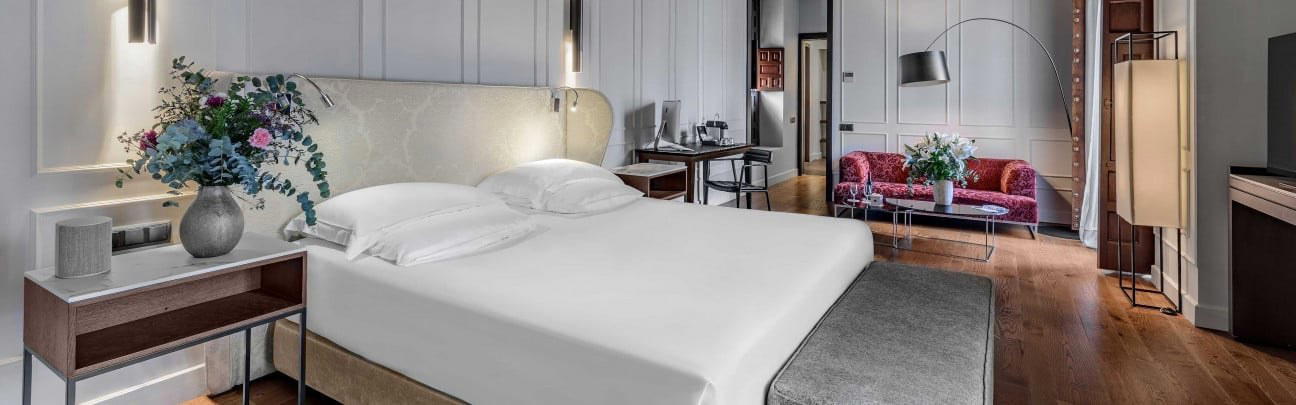
Light, open minimalist style with warm ambiance, clean lines, wood elements, and a serene, sophisticated atmosphere.