


1 Michelin Key · Virtuoso Luxury Hotel Partner · World Travel Awards
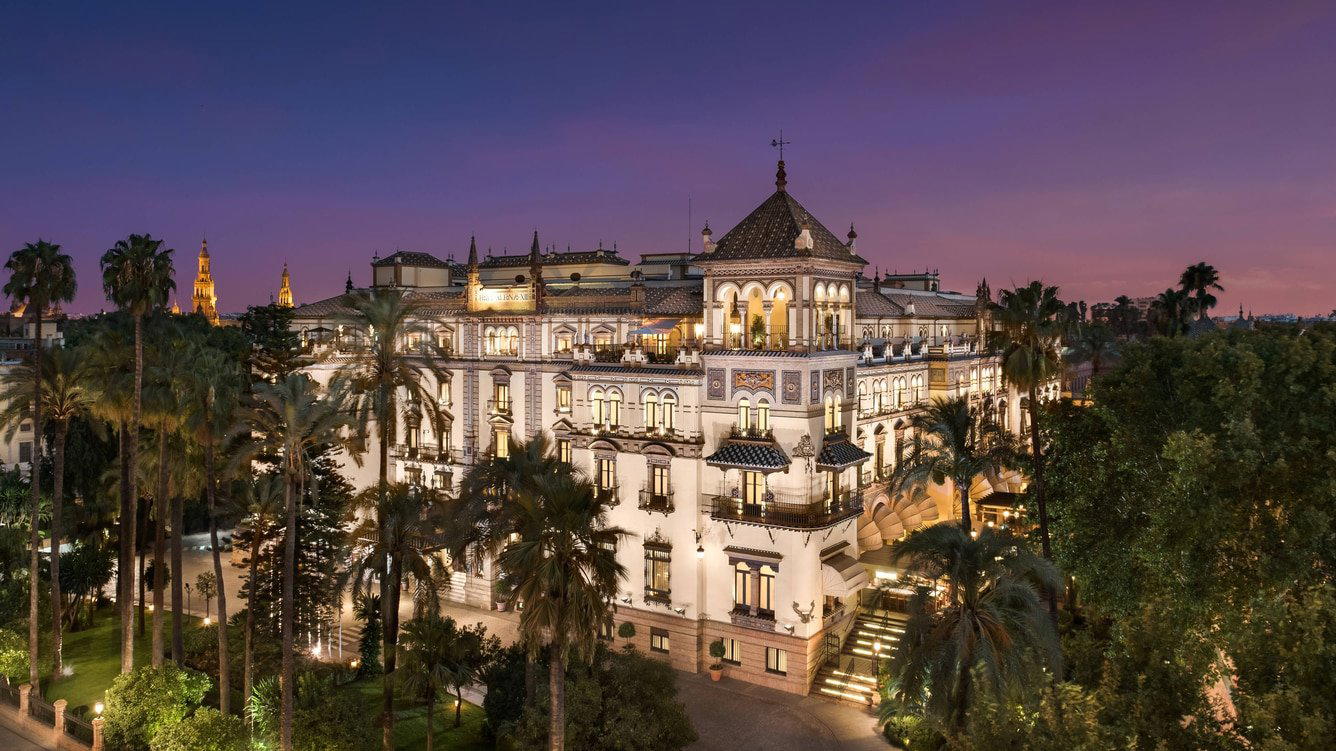
Commissioned by King Alfonso XIII in 1928 to set the standard for European luxury hospitality, this Santa Cruz landmark occupies a purpose-built Mudéjar palace steps from the Reales Alcázares and Seville Cathedral. The hotel's inner courtyard, Moorish tilework, and three distinct dining venues place it at the top of Seville's grande dame hotel tier, recognised as Spain's Leading Luxury Hotel at the 2025 World Travel Awards.

Pearl is the En Primeur Club membership app, where members save venues, book tables and use the concierge.
A Palace Built to a King's Brief
There is a category of European grand hotel whose origins are inseparable from the ambitions of the states that built them. Hotel Alfonso XIII belongs to that category without qualification. Commissioned in the early twentieth century by King Alfonso XIII himself, who reportedly wanted Spain represented by the finest hotel on the continent, the building opened in 1928 as a statement of national prestige timed to coincide with the Ibero-American Exposition of 1929. That origin story is not merely promotional context: it explains the architectural scale, the site selection adjacent to the Reales Alcázares and Seville Cathedral, and the level of craft detail that would have been politically difficult to compromise. Nearly a century later, the building remains at Calle San Fernando 2, in the historic quarter of Santa Cruz, and functions as a member of Marriott's Luxury Collection portfolio.
Seville's luxury hotel tier has diversified considerably since 1928. Smaller, conversion-led properties now occupy their own strong niche in the city: CoolRooms Palacio Villapanés, Hotel Mercer Sevilla, Corral del Rey, and Unuk each offer a more intimate, boutique register. The Alfonso XIII operates in a different register entirely: purpose-built grandeur, institutional scale, and a cultural-landmark status that smaller properties cannot replicate by design. The 2025 World Travel Awards recognised it as Spain's Leading Luxury Hotel, placing it in direct comparison with properties like Mandarin Oriental Ritz, Madrid at the national level.
The Architecture as Primary Material
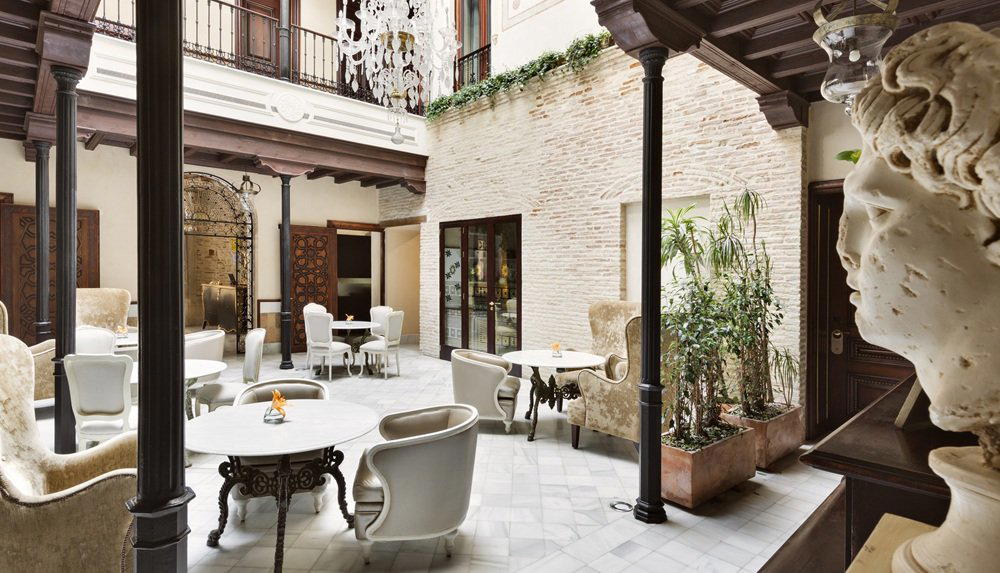
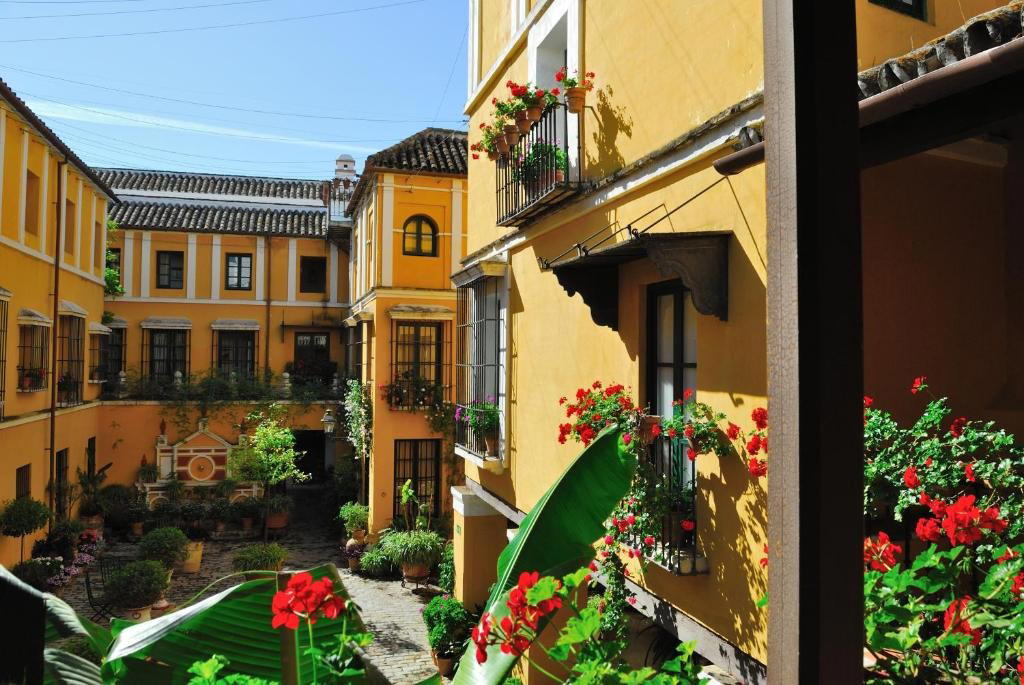
The building's exterior announces its intent before guests cross the threshold. The Mudéjar Revival style, with its horseshoe arches, geometric tilework, and carved stucco surfaces, draws on the same Andalusian heritage visible in the Alcázar directly across the street. That proximity is not coincidental. The hotel was designed to read as part of the monumental fabric of historic Seville rather than as an imported luxury typology. Inside, the central courtyard serves as the hotel's spatial anchor: colonnaded, open to the sky, and tiled in the characteristic Sevillian ceramic that appears throughout the property. The lobby, the corridors, and the guest room bathrooms all carry variants of this material vocabulary, creating a consistency of craft that distinguishes the property from international luxury hotels that apply local references only as surface decoration.
Rooms and suites are configured around three historical design registers: Castilian, Moorish, and Andalusian. The bathrooms feature marble floors and Sevillian ceramic tilework alongside standard luxury amenities including robes, slippers, and dedicated bath products. The breadth of the suite category means that guests with specific architectural preferences can select accordingly, though the Moorish-themed options most directly reflect the building's dominant visual language.
Dining at San Fernando and ENA
The hotel's food and beverage programme runs across three distinct venues, each with a different pitch. Restaurante San Fernando focuses on Andalusian cuisine in a formal dining room setting, providing a destination-appropriate anchor course for guests who want to encounter the region's food traditions without leaving the property. ENA takes a lighter, more social format, with tapas and sharing dishes that align with how Sevillians actually eat rather than with the plated formality of hotel dining rooms in an earlier era. The Bar Americano occupies an Art Deco interior and offers a cocktail programme that references the hotel's inter-war heritage. For guests exploring Seville's broader restaurant scene, our full Seville restaurants guide maps the city's dining options by neighbourhood and format.
The in-room dining service operates around the clock, with a menu designed to accommodate dietary requirements and special requests, which matters practically given the hotel's positioning as a business and leisure property. Seville's dining culture skews late by northern European standards, with dinner rarely beginning before 9pm, so the flexibility of 24-hour room service is not redundant even for guests who engage fully with the city.
The Pool, Gardens, and Year-Round Climate Logic
Seville's climate is one of the hottest in mainland Europe during summer, with July and August temperatures regularly exceeding 40°C. The outdoor swimming pool and garden space read differently depending on when a guest visits. Spring, specifically the weeks around the Feria de Abril and Semana Santa (typically April), represents the city's most atmospheric season, when temperatures sit in the low-to-mid twenties and the hotel's gardens are at their most usable. Autumn, from September through November, offers similar liveability. Summer guests will find the pool essential rather than optional; winter visitors will find the gardens pleasant for morning coffee and little else. The hotel's fitness centre with sauna operates on an all-hours basis, making it accessible to guests working across time zones or with early departures.
Santa Cruz: Position and Practical Access
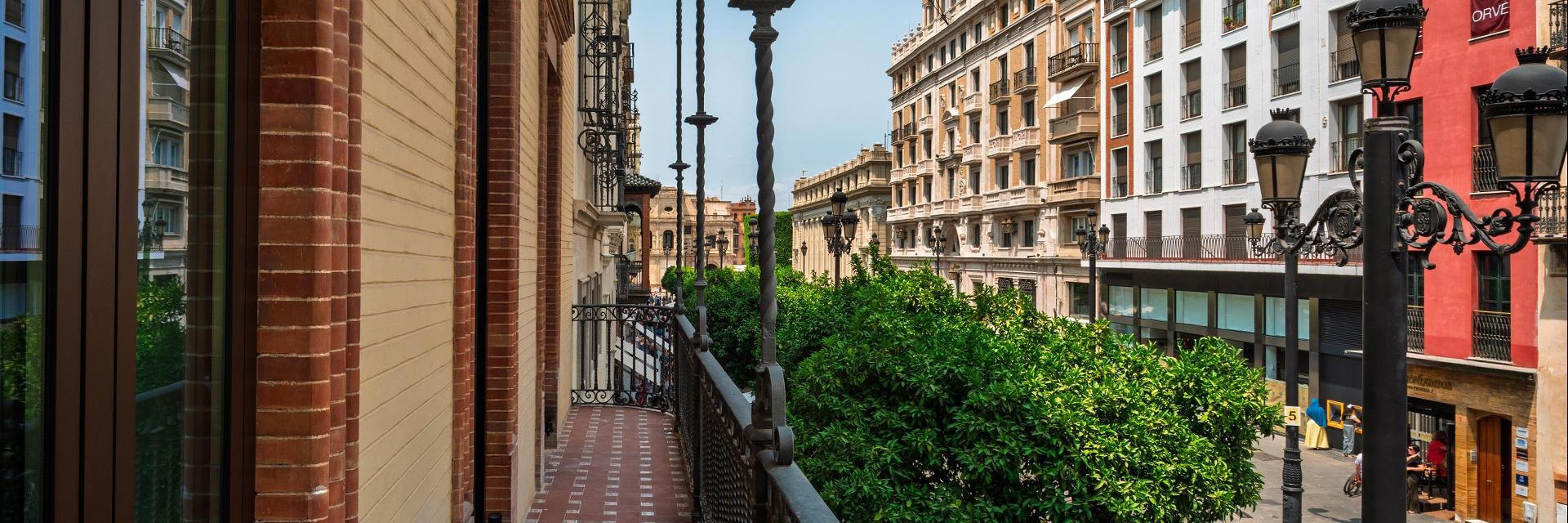
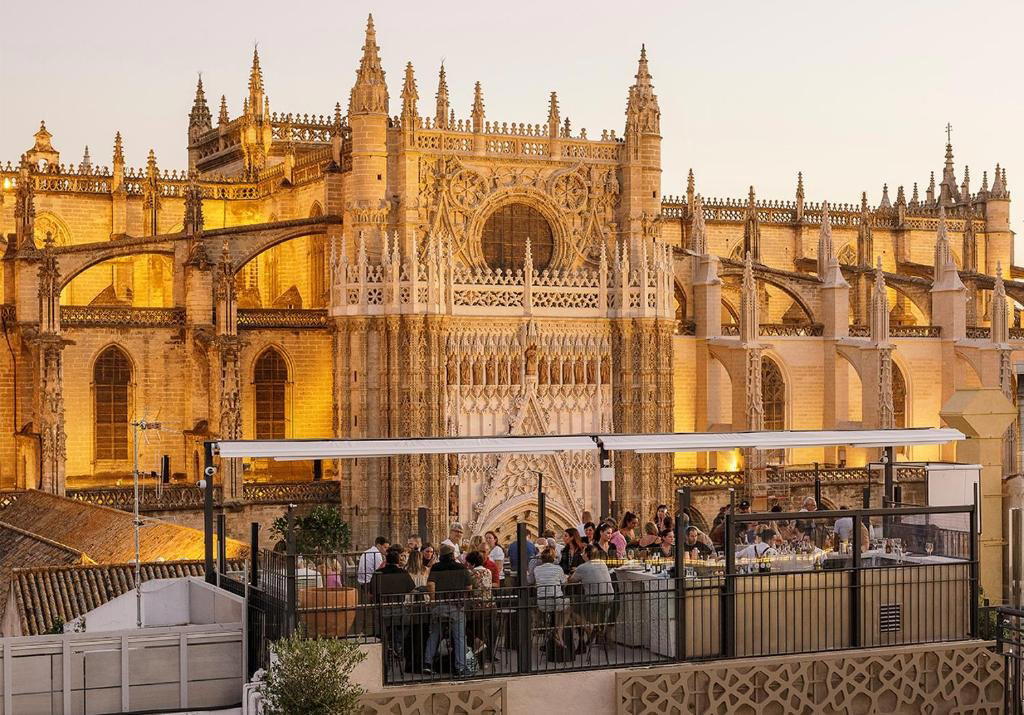
The Santa Cruz quarter is Seville's most visited neighbourhood, and the Alfonso XIII's position on Calle San Fernando places it at the edge of the monumental zone rather than buried within it. The Reales Alcázares and Seville Cathedral are within a few minutes on foot. The hotel's concierge team handles private transfers from Seville's Santa Justa railway station and from airports, and the Luggage Liaison service, standard across the Luxury Collection brand, allows guests to dispatch bags directly rather than carrying them through the city's narrow pedestrian streets. Booking should be timed with awareness of the city's event calendar: Semana Santa and the Feria de Abril generate some of the highest room rates and occupancy levels in Andalusia, and both attract visitors who book months in advance.
Seville sits within reasonable reach of other significant properties across Spain. Guests extending their trip through Extremadura might consider Atrio Restaurante Hotel in Cáceres. Those heading to the Basque Country have Akelarre in San Sebastián as an option at the northern end of the peninsula. For wine-focused detours, Abadía Retuerta LeDomaine and Terra Dominicata in Escaladei represent the country's estate-hotel category at its most developed. Mediterranean island alternatives include Cap Rocat in Cala Blava, La Residencia, A Belmond Hotel, Mallorca, Hotel Can Cera in Palma, and Mas de Torrent Hotel & Spa in Torrent. For those comparing the Alfonso XIII to other grandes dames in southern Spain, Marbella Club Hotel represents the Costa del Sol equivalent of the heritage luxury category.
Within Seville itself, guests considering alternatives in the conversion-boutique tier should look at Hospes Las Casas del Rey de Baeza, Hotel Las Casas de La Judería, EME Catedral Mercer Hotel, and Hotel Colón. These properties share the Santa Cruz adjacency and the heritage architecture brief, but operate at smaller scale and with a different ownership register than a Luxury Collection asset. The choice between the two tiers is largely a question of whether a guest prioritises the gravitas of a purpose-built monument or the texture of a converted Sevillian townhouse.
Same-City Peers
Comparable venues nearby, for context on price, style, and recognition.
| Venue | Cuisine | Price | Awards | Notes |
|---|---|---|---|---|
| Hotel Alfonso XIII, a Luxury Collection Hotel, SevilleThis venue (the venue you are viewing) | Historic luxury palace hotel | Not listed | 1 Michelin Key · Virtuoso Luxury Hotel Partner | Not listed |
| Hospes Las Casas del Rey de Baeza | 18th-century Andalusian manor houses linked around central courtyard | Not listed | Michelin Selected · Design Hotels Member | Santa Catalina |
| EME Catedral Mercer Hotel | Contemporary luxury in a historic 16th-century Andalusian building. | $200–300 | Not listed | Santa Cruz |
| Radisson Collection Hotel, Magdalena Plaza Sevilla | Luxury urban hotel blending modern design with Andalusian elegance | $200–300 | La Liste Top Hotels | Alfalfa |
| Hotel Colón | Historic luxury hotel blending Andalusian heritage with contemporary upscale design, positioned as a leading cultural landmark in Seville. | $300–500 | Virtuoso Luxury Hotel Partner · Leading Hotels of World Member | Museo |
| Hotel Las Casas de La Judería | Interconnected historic Sevillian houses with labyrinthine patios and tunnels | $200–300 | Not listed | San Bartolome |
Recognition history
Dated appearances from independent guides and award organizations, with the underlying list record or original source where available.
Michelin 1 Key
Michelin
Virtuoso Luxury Hotel Partner
Virtuoso
World Travel Awards
World Travel Awards
Full recognition history (4 entries)
Michelin Selected
Michelin
Continue exploring
More in Seville
Hotels in Seville
All hotels in Seville →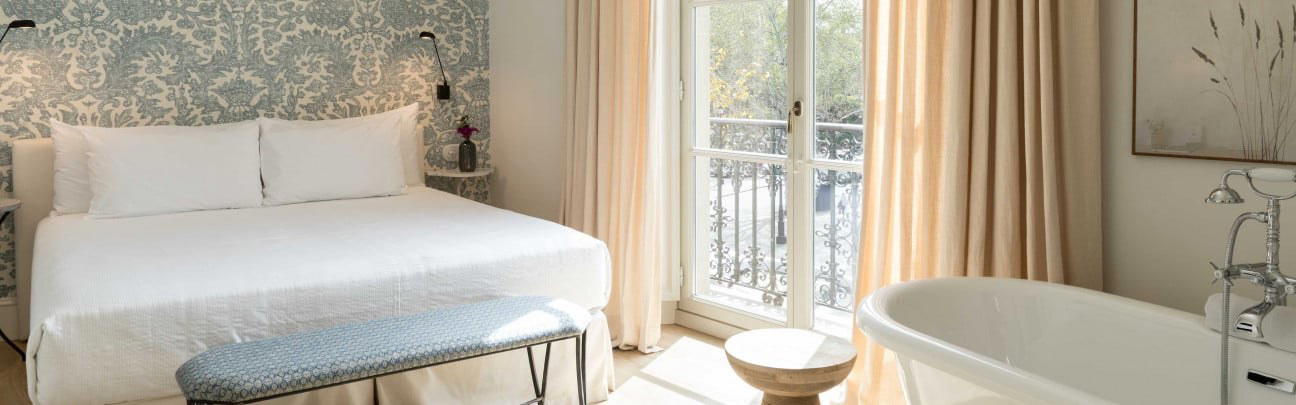
Bars in Seville
All bars in Seville →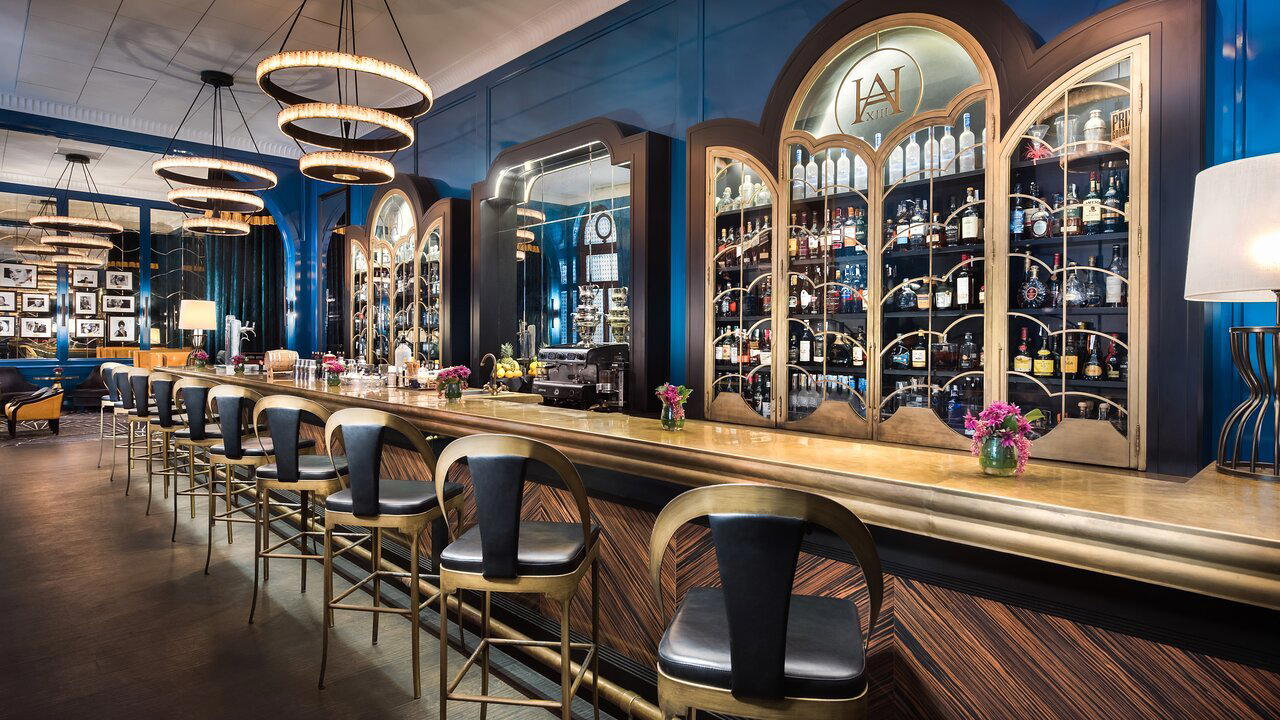
Details
- Elegant
- Classic
- Ornate
- Sophisticated
- Well Known
- Romantic Getaway
- Honeymoon
- Anniversary
- Historic Building
- Terrace
- Garden
- Wi Fi
- Pool
- Spa
- Fitness Center
- Room Service
- Concierge
- Business Center
- Valet Parking
- Garden
- Street Scene
- Wheelchair Accessible
- Elevator
- Step Free Entrance
- Accessible Parking
Timeless elegance with tasteful décor evoking Seville's cultural heritage, enhanced by enchanting gardens and luxurious public spaces.