On Plaza Nueva, one of Seville's most recognisable civic squares, Seis Tapas Sevilla occupies a position that few tapas addresses in the city can match for sheer urban theatre. The address places it directly in the flow of Casco Antiguo life, making it a natural reference point for the city's mid-range tapas tradition — informal enough for a solo glass of fino, considered enough for a deliberate evening in.
Pearl is the En Primeur Club membership app — saves, bookings, and concierge access live there. Same editors, same standards.
- Address
- Pl. Nueva, 7, Casco Antiguo, 41001 Sevilla, Spain
- Phone
- +34 672 34 92 75
- Website
- seistapasbar.es
- Directions
- Get directions
 Saves & bookings on Pearl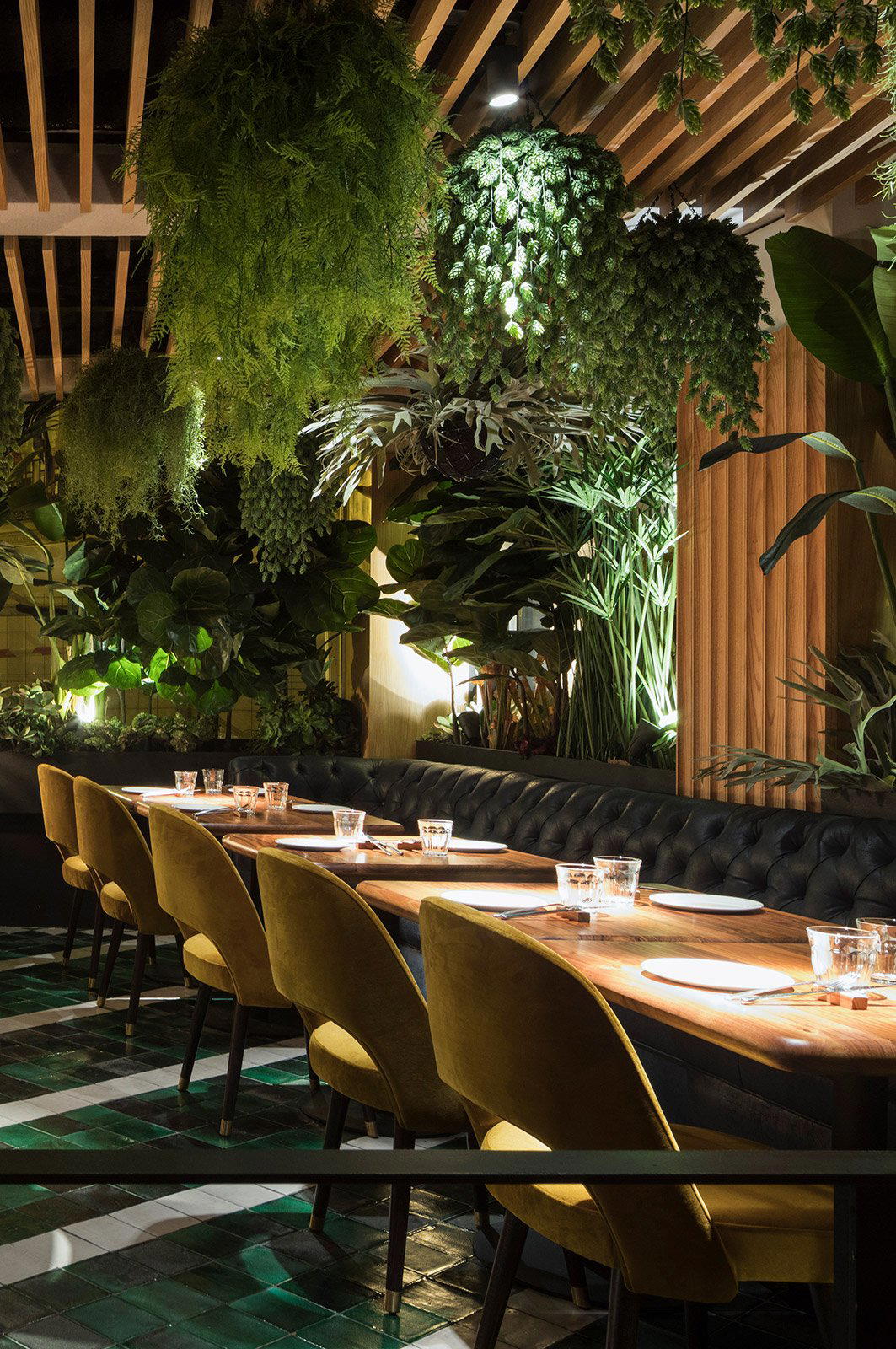
Where the Square Becomes the Setting
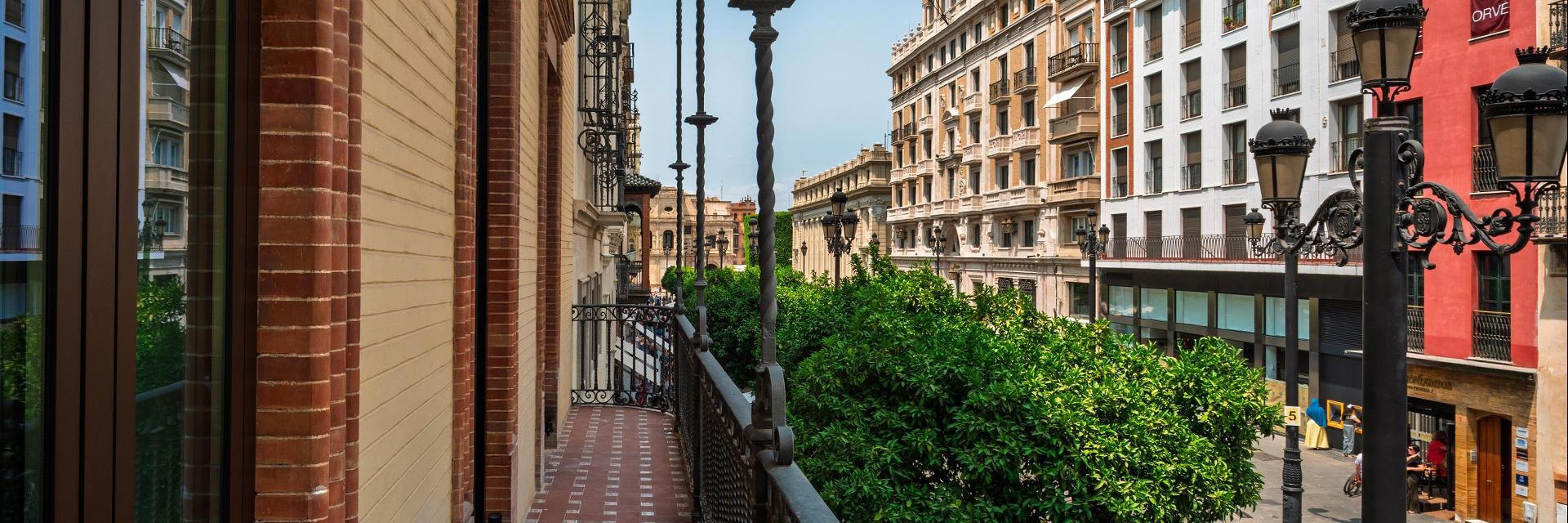
Plaza Nueva operates on a different register to Seville's tighter, more tourist-threaded lanes. The square is broad, civic, and unhurried in the way that Spanish city centres used to be before mass tourism reshaped the rhythm of their streets. In the cooler months — October through April, when Andalusia settles into something closer to its working self — tables along this stretch of the plaza catch the last of the afternoon light without the ferocity of a summer sun. The sound profile is ambient rather than overwhelming: the low percussion of conversation, the occasional clip of shoes on stone, the distant bustle of Calle Sierpes feeding pedestrians toward the centre. Seis Tapas Sevilla at number 7 sits inside that frame, anchored to the square in a way that makes the setting itself part of the proposition.
This matters because in Seville, address is rarely incidental. The city's tapas culture is intensely spatial: certain bars belong to certain hours and certain parts of the city in ways that resist easy substitution. The Casco Antiguo concentration means that within a few minutes' walk you can move from the cathedral quarter's most tourist-facing options to genuinely local-feeling counters, and the transition is often more about knowing where to look than about distance. Plaza Nueva sits at a transitional point in that geography, close enough to the historic core to draw visitors, established enough as a civic space to retain a cross-section of Sevillano life alongside them.
The Tapas Tradition This Address Represents
Andalusian tapas culture is both older and more codified than it appears from the outside. The form has its own internal hierarchy: pinchos and montaditos at the casual end, more composed raciones in the middle tier, and the kind of carefully sourced individual tapas that sit adjacent to formal dining without pretending to be it. Seville tends toward the middle registers of this spectrum more than San Sebastián's pintxos bars or Madrid's more cosmopolitan hybrid formats. The expectation here is that produce speaks plainly, that sherry-region wines appear without ceremony, and that the act of eating is social infrastructure rather than destination activity.
At the higher end of the city's dining register, Abantal runs modern creative tasting menus that draw direct comparisons with what kitchens like Quique Dacosta in Dénia or Arzak in San Sebastián have done for their respective cities, a fine-dining tier that operates on reservation lead times and prix-fixe logic. Cañabota anchors the city's premium seafood end, with sourcing rigour that pushes it toward the seriousness of Aponiente in El Puerto de Santa María. The tapas mid-tier, where approachability and quality are expected to coexist, is the category this address operates in.
Sensory Coordinates: What the Casco Antiguo Delivers
Walking toward Plaza Nueva from the Santa Catalina or Alfalfa neighbourhoods, you pass through one of Europe's more intact medieval urban fabrics. The streets narrow and open with a rhythm that predates grid planning by centuries. By the time the plaza opens up, there is a perceptible shift in scale, the sky widens, the buildings pull back, and the atmosphere becomes something closer to a civic stage than a residential neighbourhood. Arriving at an address on the square in the early evening, when the light in Seville takes on the particular amber quality that makes the city's ochre facades read almost orange, is one of those experiences that requires no embellishment from the restaurant itself to feel charged.
Inside a tapas context, this kind of environmental pressure cuts both ways. The setting does work on the diner's behalf before a single glass is poured. But it also means that the food needs to earn its place alongside the surroundings rather than coasting on them. Seville's more accomplished tapas operations tend to resolve this by staying close to the regional pantry, jamón from the sierra, local olive oils, produce from the Guadalquivir valley, fish from the nearby Atlantic coast, rather than reaching for novelty. The result is a kind of density of flavour that comes from knowing one tradition well rather than sampling several.
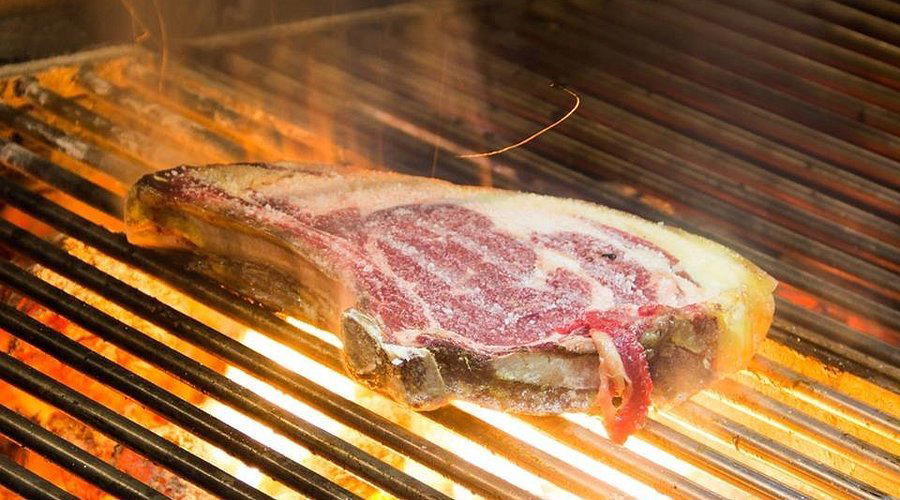
For comparison, Seville's contemporary-leaning tapas addresses like Az-Zait and Balbuena y Huertas both show how the city's mid-market is moving toward more considered plating and sourcing transparency without abandoning the informal pacing that defines the tapas format. Almansa Pasión y Brasas represents the wood-fire asador direction, a different textural register, where smoke and char do the editorial work that sauces might elsewhere. The range indicates a city whose dining scene is diversifying within a coherent identity rather than fragmenting into disconnected trends.
Planning Your Visit
The practical reality of a Plaza Nueva address is that it sits within easy walking distance of most of Seville's Casco Antiguo accommodation and the main visitor infrastructure around the Alcázar and cathedral. Early evening, from around 7pm, following the local tapa-and-wine rhythm, tends to be when the square operates at its most characteristic. The summer months (June through September) bring heat that pushes most serious eating toward late evening, with 9pm or later being the working norm for dinner-format dining. Spring and autumn bring more forgiving temperatures and a Seville that functions at a pace closer to its own internal logic. For a broader map of where this address sits within the city's dining options, the full Seville restaurants guide covers the range from neighbourhood bars to the tasting-menu tier.
Spain's highest-decorated kitchens, El Celler de Can Roca in Girona, Mugaritz in Errenteria, Azurmendi in Larrabetzu, Martin Berasategui in Lasarte-Oria, DiverXO in Madrid, Cocina Hermanos Torres in Barcelona, and Ricard Camarena in València, operate in a different register entirely: long reservation windows, tasting formats, and price points that separate them categorically from the tapas tradition. Internationally, addresses like Le Bernardin in New York City and Lazy Bear in San Francisco share the formal-commitment format. The tapas model is the structural opposite: low commitment, high frequency, the meal as a series of small decisions rather than a single large one. That informality is the format's strength, and Plaza Nueva is one of the more agreeable places in Seville to inhabit it.
How Seis l Tapas Sevilla compares with similar nearby venues.
| Venue | Cuisine |
|---|---|
| Almansa · Pasión & brasas | Asador |
| Bodeguita Romero | Tapas Bar |
At a Glance
- Modern
- Sophisticated
- Lively
- Trendy
- Casual Hangout
- Date Night
- After Work
- Solo
- Hotel Restaurant
- Live Music
- Craft Cocktails
- Street Scene
Current opening hours
- Monday
- 1 PM–12 AM
- Tuesday
- 1 PM–12 AM
- Wednesday
- 1 PM–12 AM
- Thursday
- 1 PM–12 AM
- Friday
- 1 PM–1 AM
- Saturday
- 1 PM–1 AM
- Sunday
- 1 PM–12 AM
Hours can change for holidays and private events. Last verified .
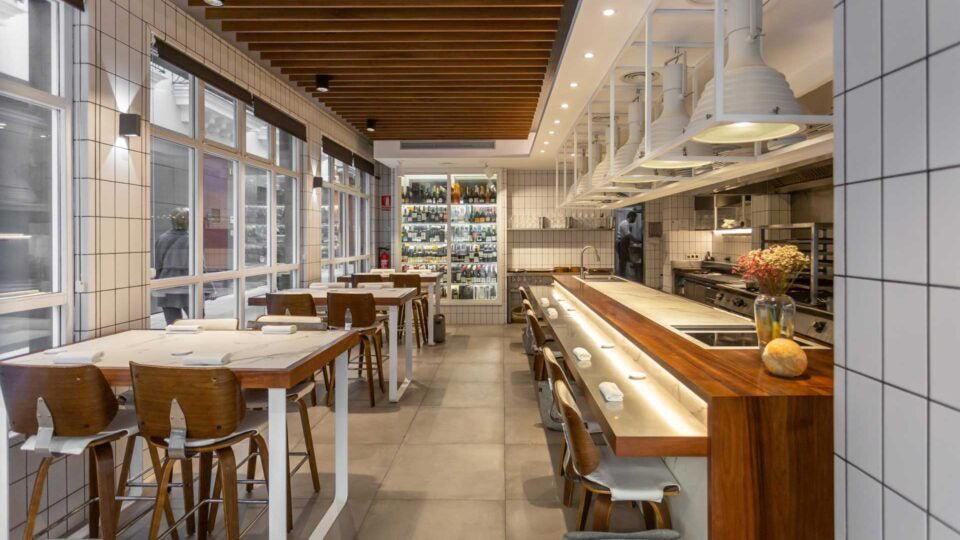
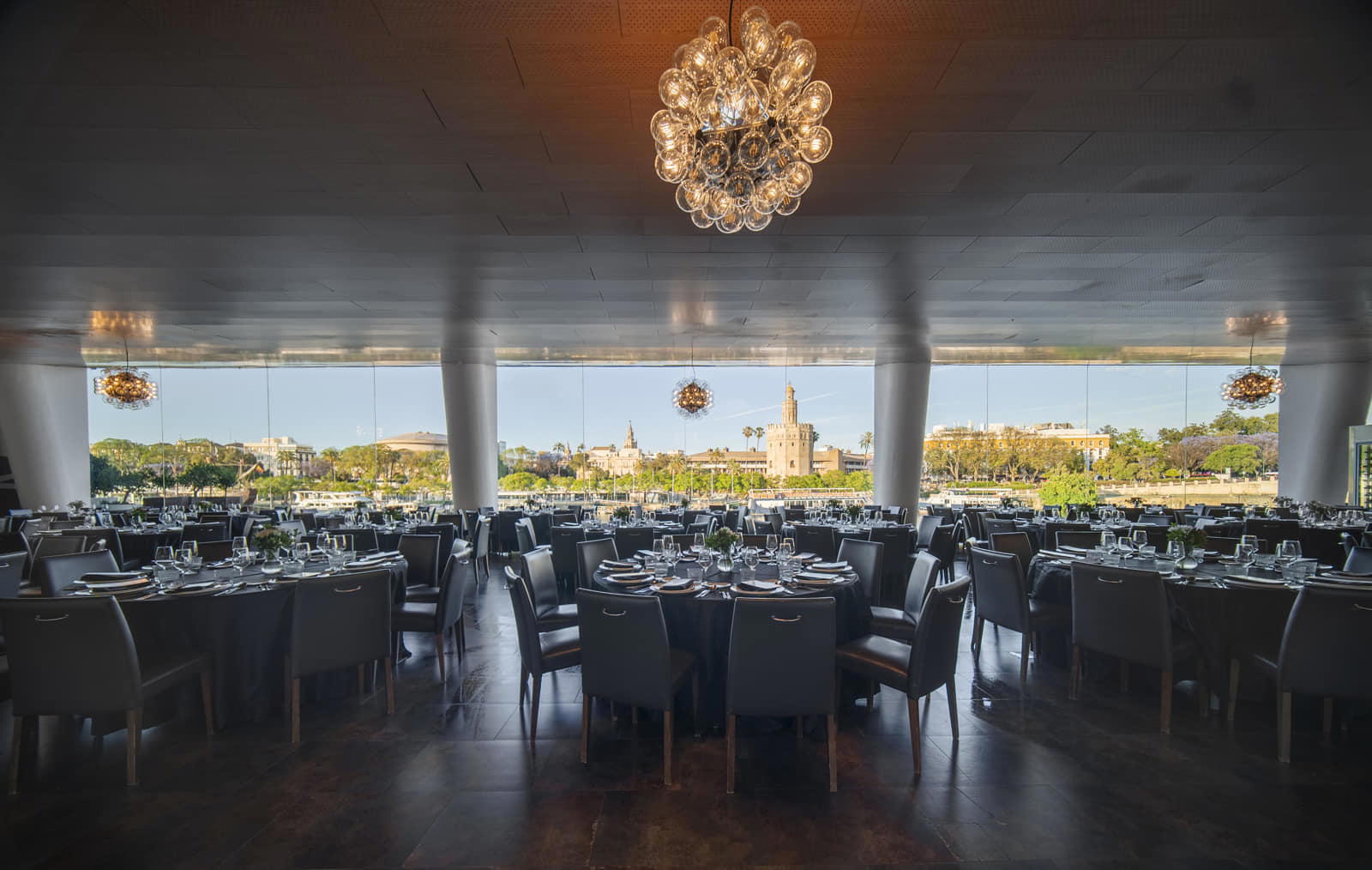
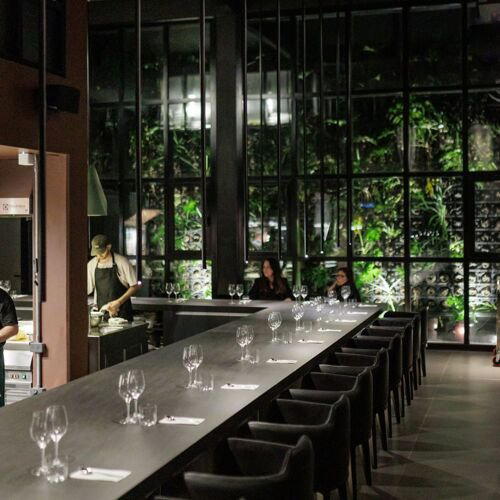
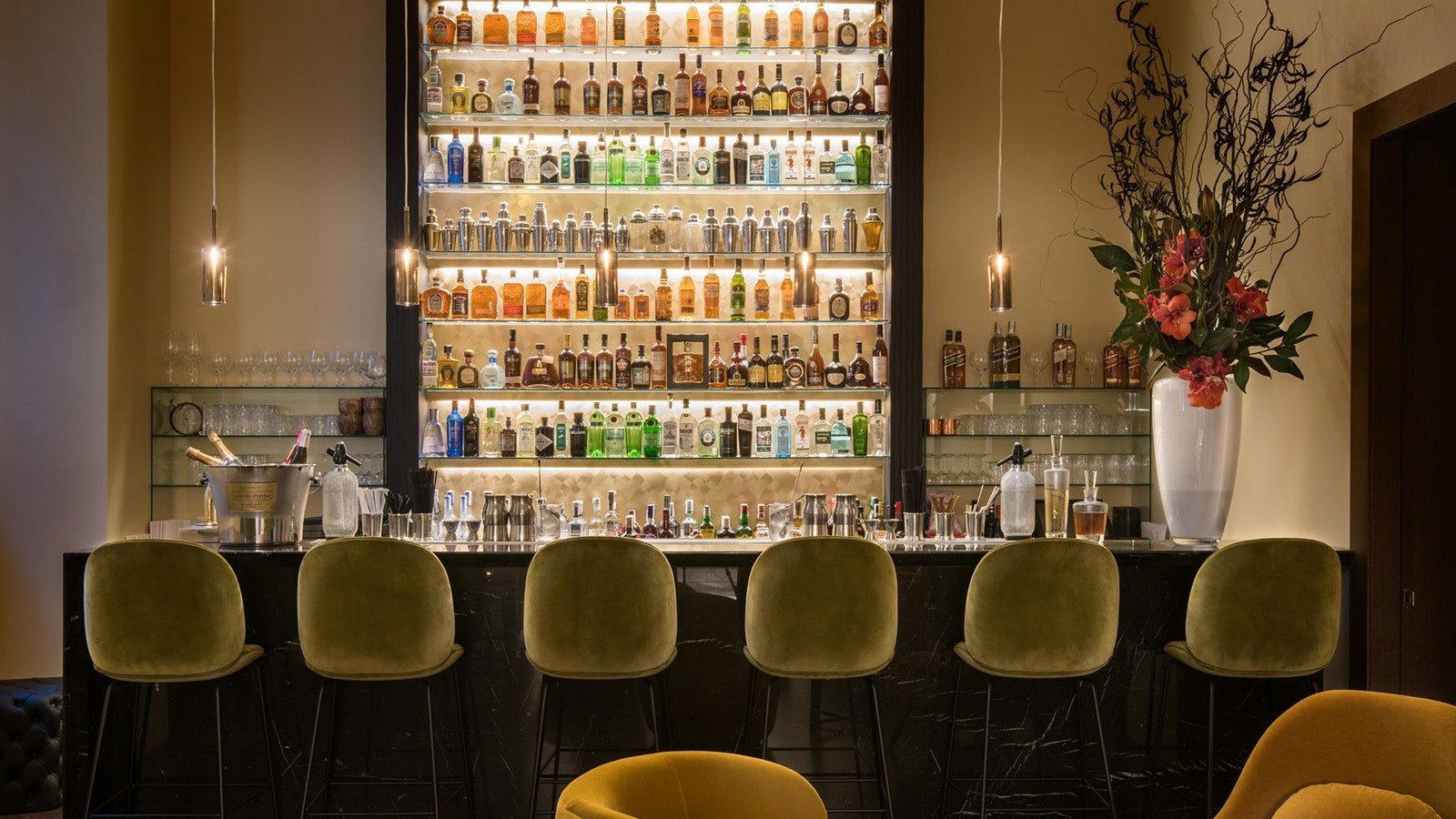
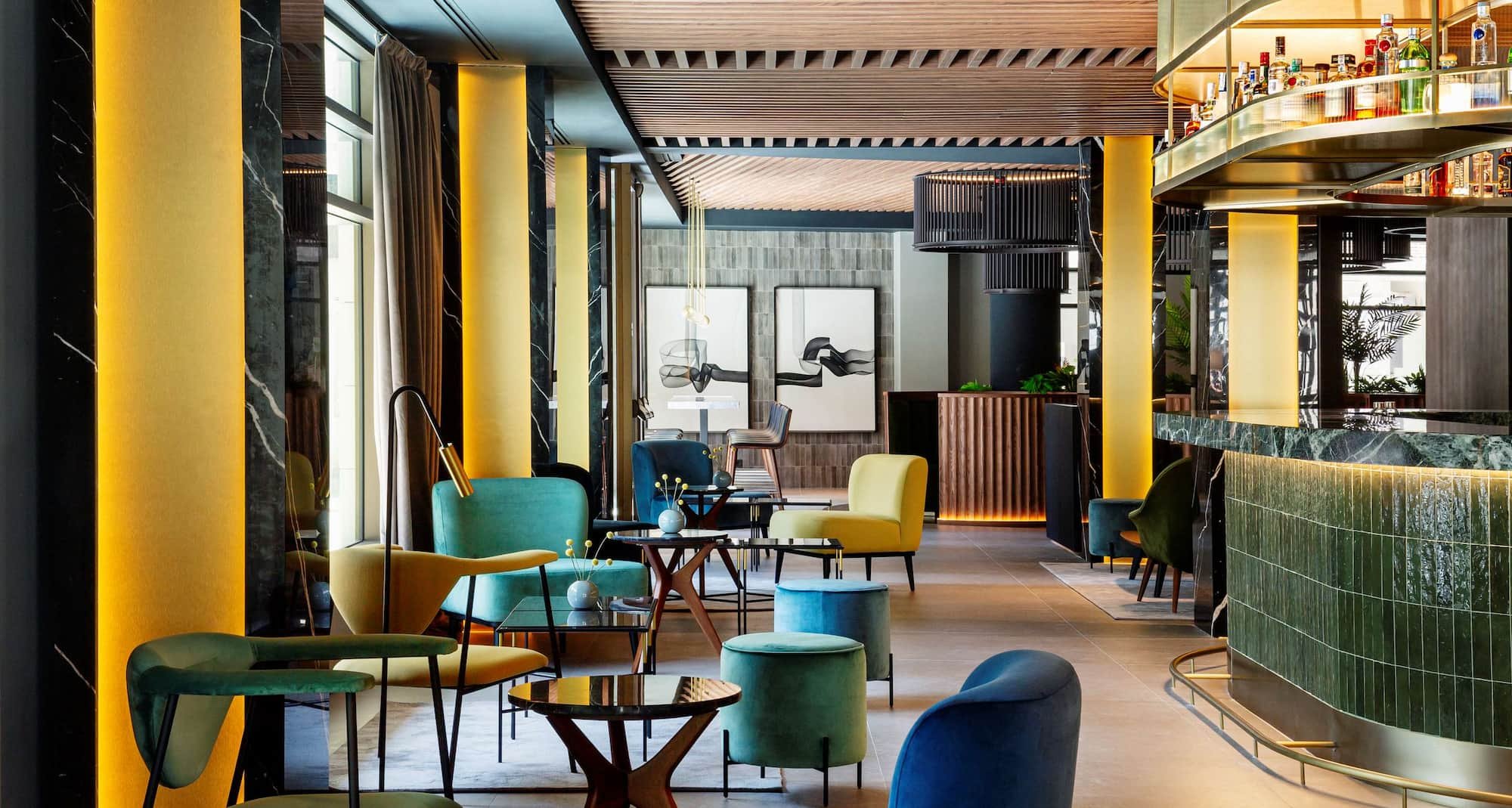
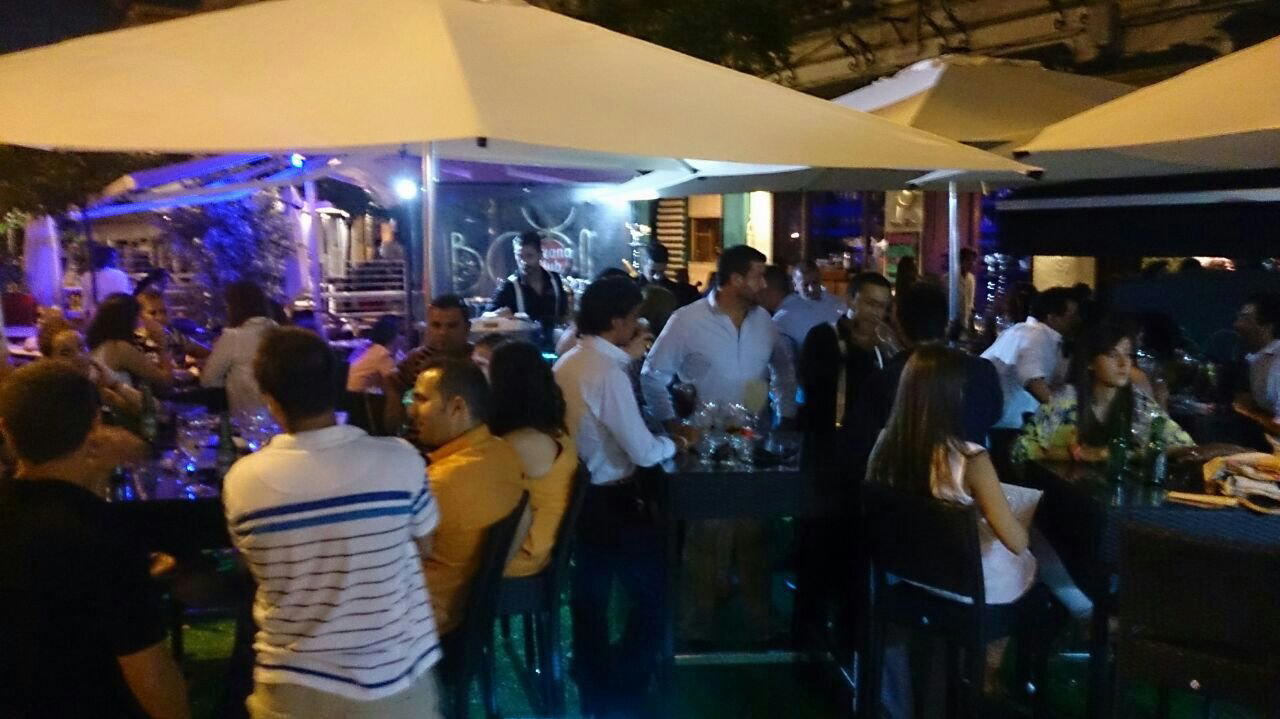
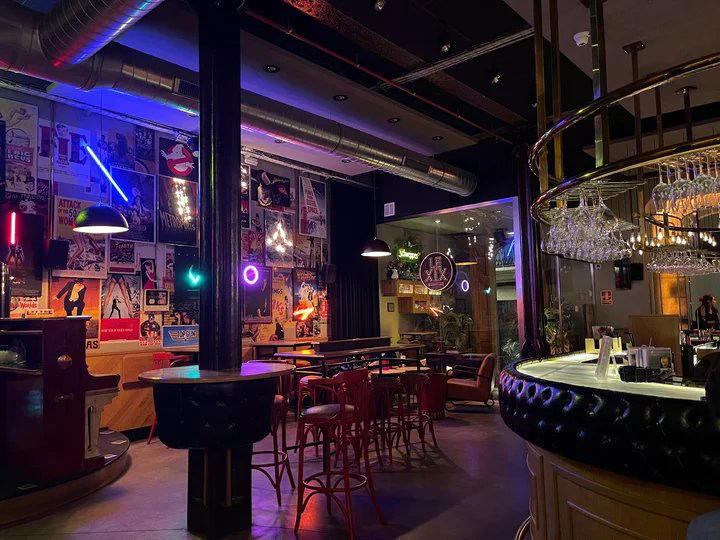
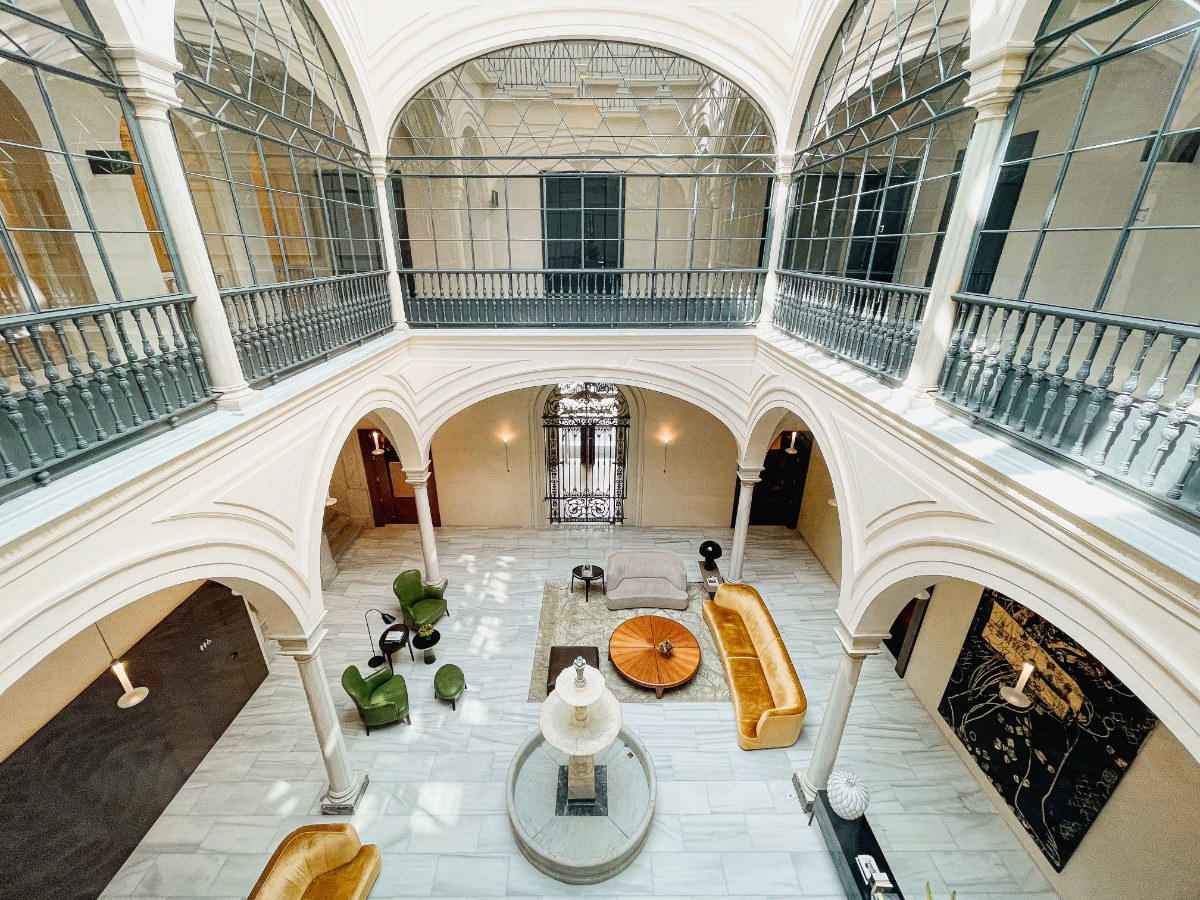
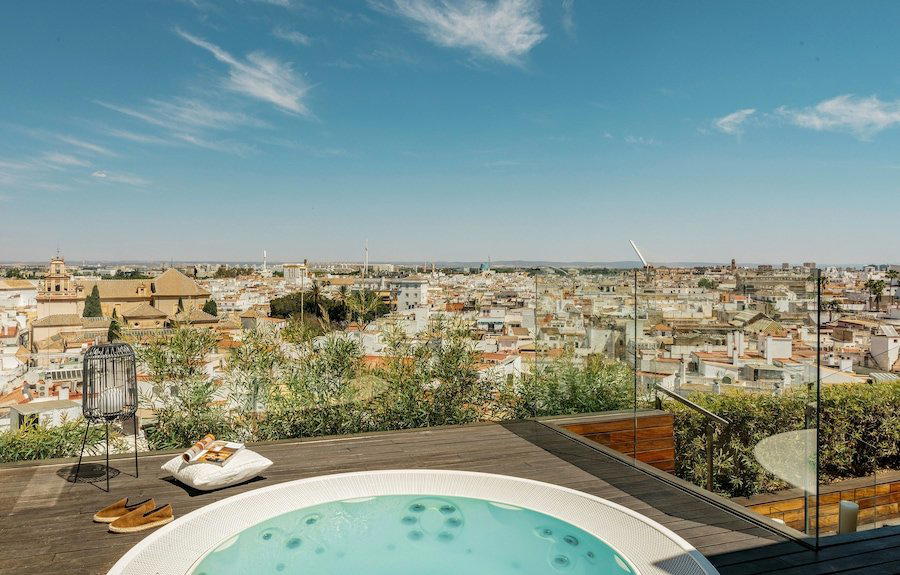
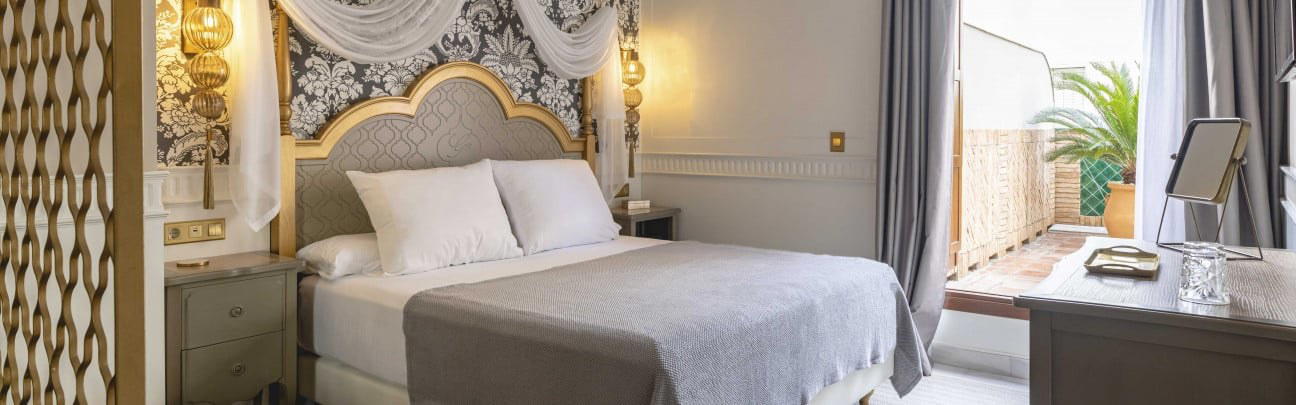
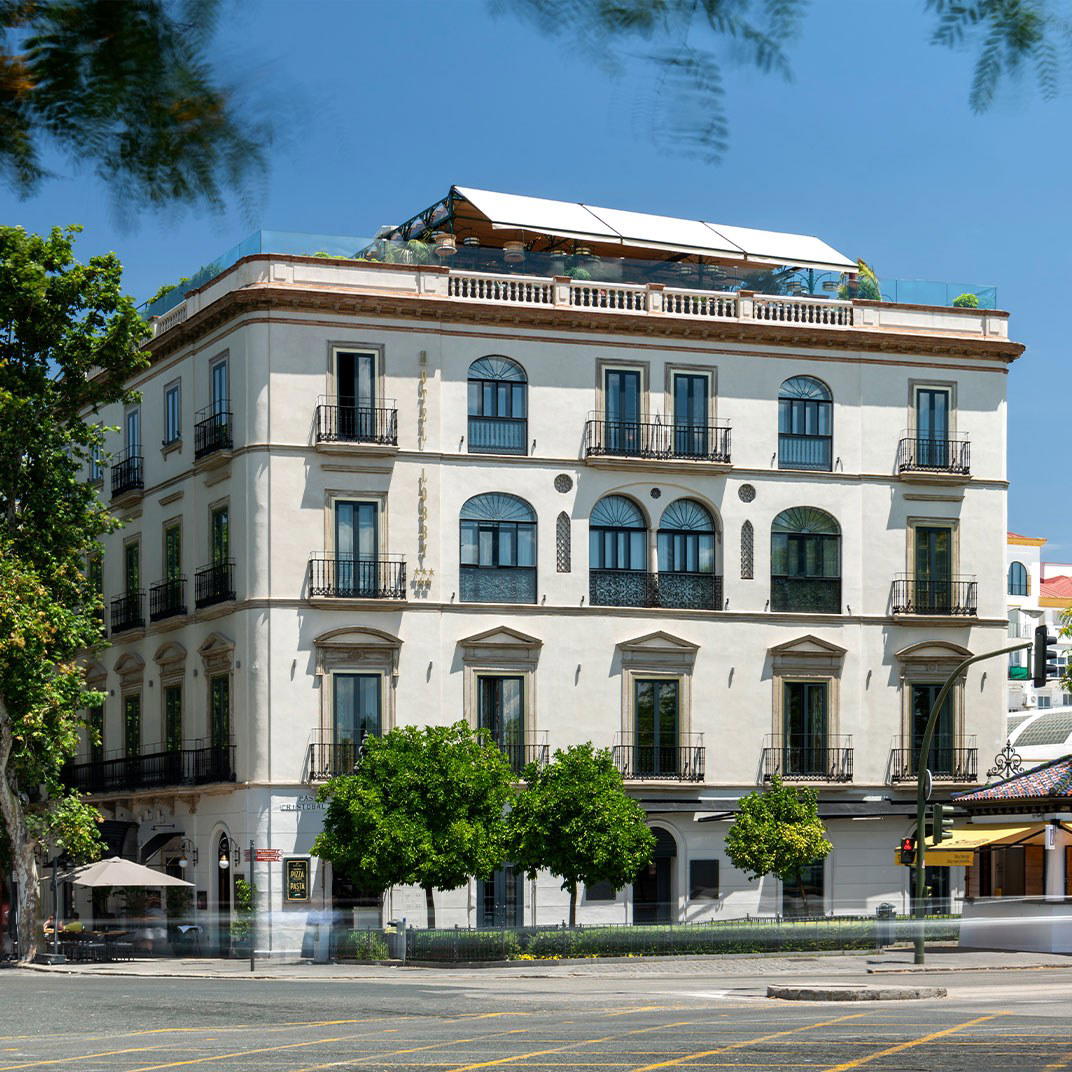
Sophisticated and well-decorated, with an upscale-casual atmosphere and the energy of Plaza Nueva and the Hotel Inglaterra setting.