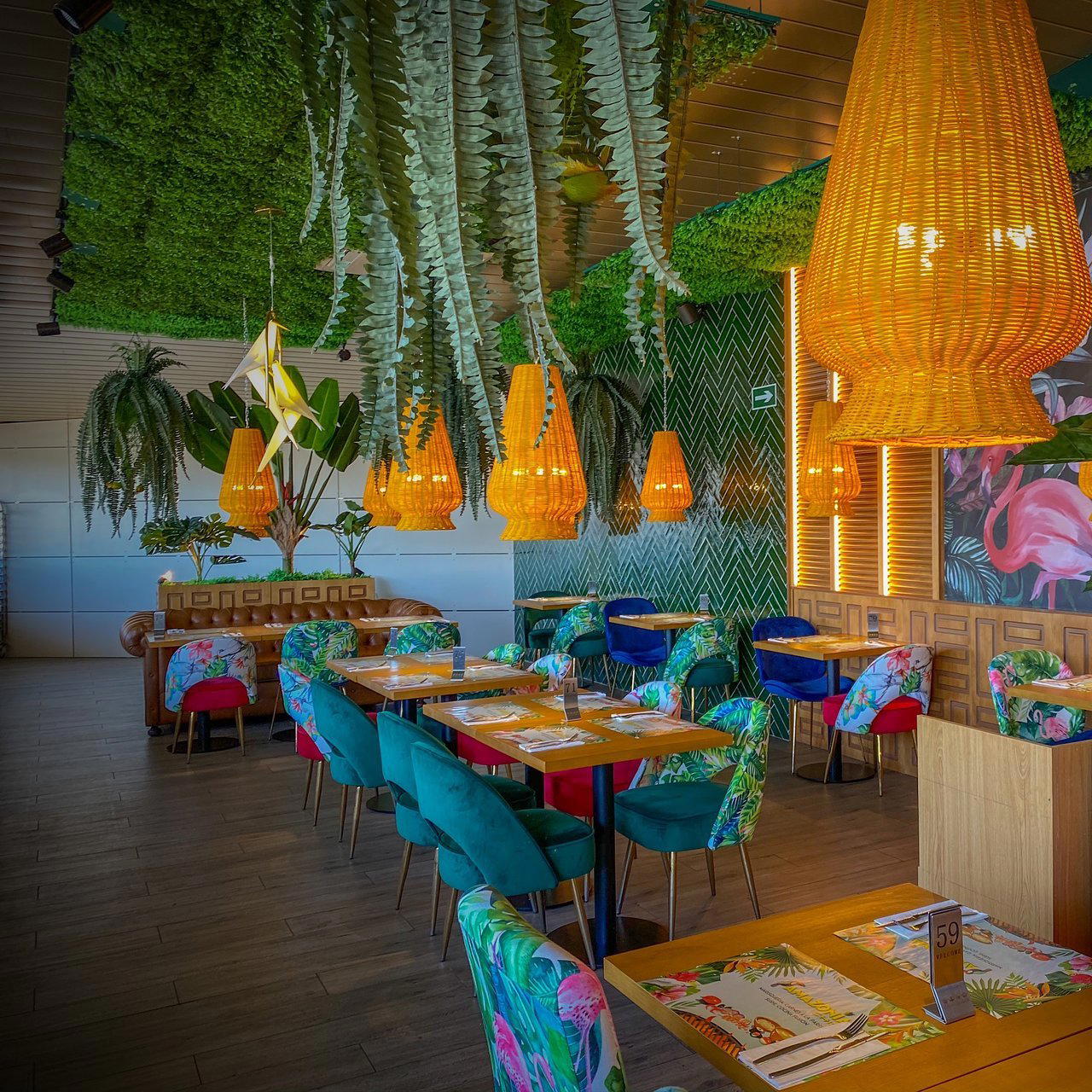
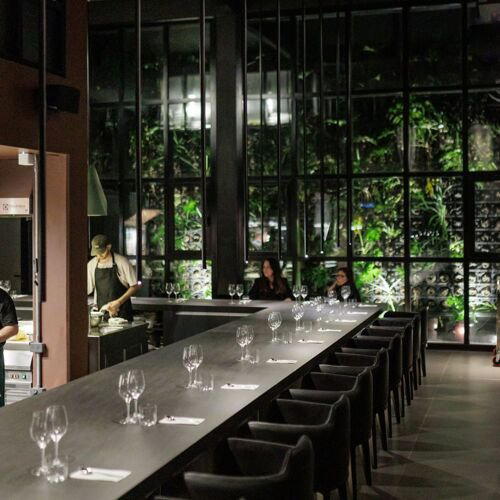
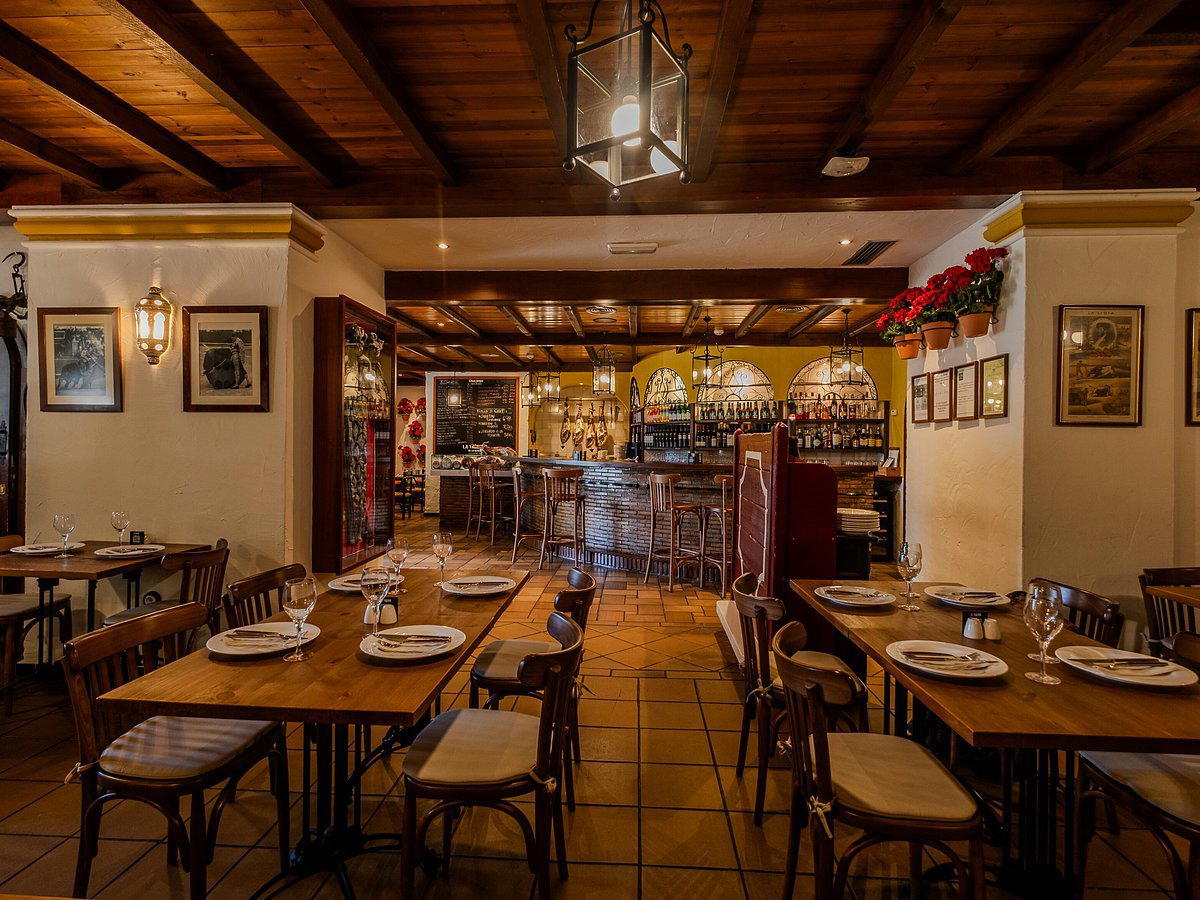
La Azotea occupies a corner of Seville's Casco Antiguo where market-driven cooking meets the city's deep tradition of sharing food at a counter. The kitchen works close to the source, building a menu around Andalusian producers and the daily logic of what arrives fresh. It sits in a mid-tier bracket that takes ingredient quality as seriously as the city's Michelin-decorated rooms.
Pearl is the En Primeur Club membership app — saves, bookings, and concierge access live there. Same editors, same standards.
- Address
- C. Conde de Barajas, 13, Casco Antiguo, 41002 Sevilla, Spain
- Phone
- +34 955 11 67 48
- Website
- arroceriasevilla.com
- Directions
- Get directions
 Saves & bookings on Pearl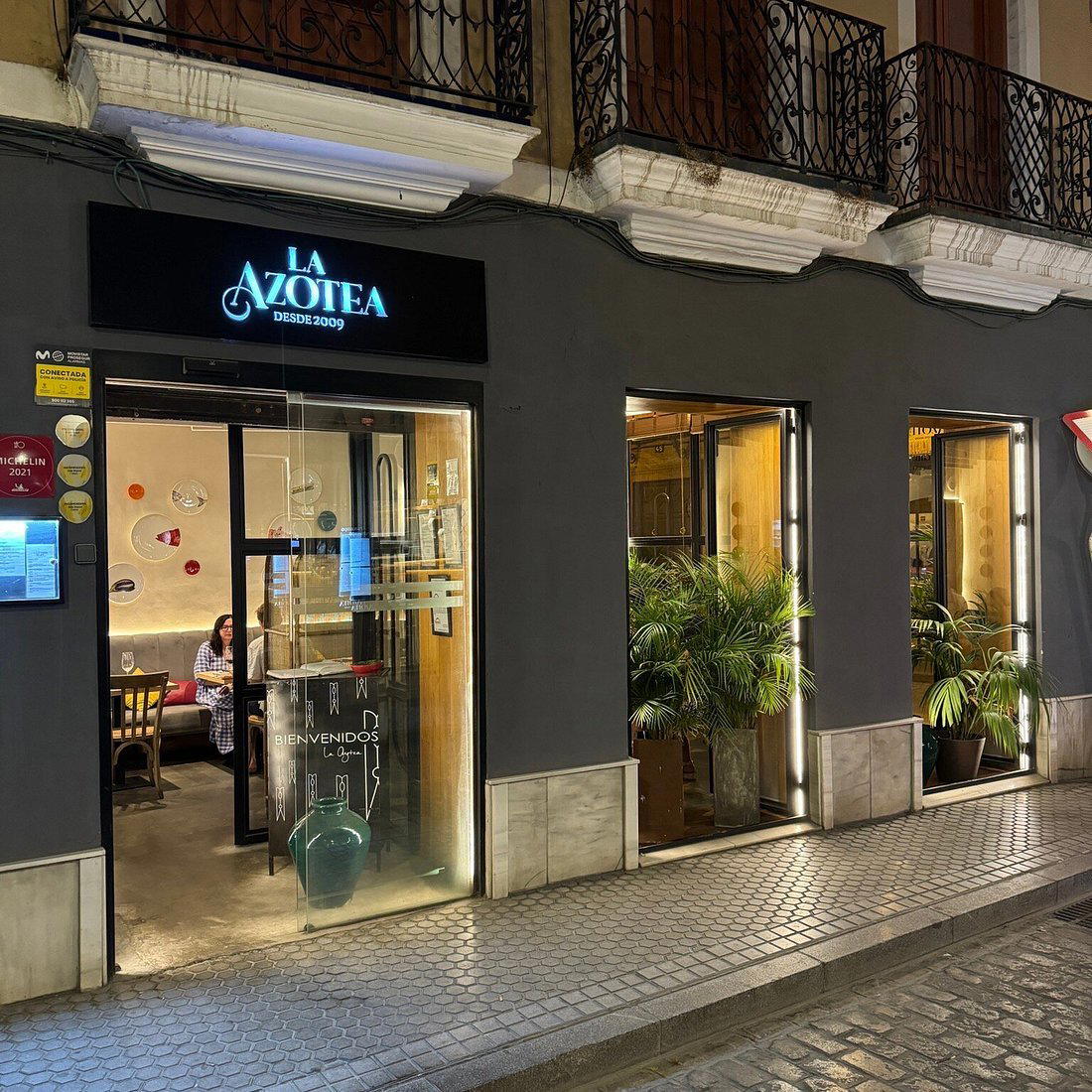
Where Casco Antiguo Meets the Counter
Seville's historic centre is dense with tapas bars operating on decades-old formulas, and then there are the places that use the same informal register but apply a different level of sourcing discipline. La Azotea, on Calle Conde de Barajas in the Casco Antiguo, belongs to the second category. The street itself runs close to the old commercial heart of the city, and the bar draws a crowd that mixes local professionals with visitors who have done enough research to move past the tourist corridor near the Cathedral. The format is familiar: a counter, a short menu that changes with the market, and the expectation that you will eat several small things rather than commit to a single plate.
That format is common across Andalusia, but what separates La Azotea from the broader field is the deliberateness with which sourcing decisions shape what ends up on the pass. In a city where deep-fried fish and cured jamón can carry a menu indefinitely, a kitchen that is actively tracking what arrives from specific producers represents a different operational choice. Seville's dining tier below the Michelin bracket — where Abantal holds a star and Cañabota has built a seafood-focused identity with similar recognition — is increasingly populated by restaurants making that choice. La Azotea is one of the more consistent examples.
The Logic of the Andalusian Larder
Andalusia has one of Spain's most concentrated agricultural and fishing identities. The Atlantic coast from Cádiz to Huelva supplies some of the Iberian Peninsula's most prized seafood; the inland provinces produce jamón ibérico at the highest grades; the Guadalquivir valley grows vegetables under conditions that make seasonality a real variable rather than a marketing phrase. A kitchen that takes those inputs seriously is working with a larder that, at its leading, requires less intervention than more. The cooking philosophy that follows from that, restraint over elaboration, producer credit over technique display, has become one of the more coherent positions in contemporary Spanish dining, from the three-Michelin-star ambition of Aponiente in El Puerto de Santa María down to neighbourhood bars that update their chalkboards twice a week.
La Azotea operates in the lower-formality, higher-frequency part of that continuum. The menu is not an exercise in molecular technique or a showcase for a named chef's personal narrative. It is closer to a well-edited argument for what Andalusian ingredients can do when a kitchen treats sourcing as the primary creative decision. That is a more modest claim than DiverXO in Madrid or El Celler de Can Roca in Girona, but it is also a more honest one at this price point and format.
How La Azotea Sits in Seville's Current Dining Map
Seville's restaurant scene has differentiated meaningfully over the past decade. The city now has a recognisable upper tier anchored by Michelin recognition, a mid-tier of ingredient-conscious modern Spanish rooms, and a base layer of traditional tapas that functions largely on location and habit. The restaurant occupies the mid-tier alongside places like Az-Zait and Balbuena y Huertas, each of which approaches contemporary Andalusian cooking from a slightly different angle. Where Almansa · Pasión & brasas leans into fire and the asador tradition, the restaurant's identity is closer to the counter-dining model, with the kitchen's relationship to its suppliers as the organising principle.
In practical terms, that means the menu is shorter and more specific than a traditional tapas bar, changes more frequently, and rewards repeat visits across different seasons. Spring in Seville brings asparagus from the Guadalquivir delta and early-season shellfish; autumn shifts toward game and the first of the season's ibérico cuts. A kitchen tuned to those rhythms will produce a materially different meal in October than in April, which is a meaningful distinction from the bars running the same laminated card year-round.
For comparison, the sourcing ambition at the level the restaurant operates is more commonly found in cities with larger international dining infrastructure. In New York, restaurants like Le Bernardin and Atomix have built their reputations in part on supply-chain discipline, but at price points and formality levels that are categorically different. The interest of the restaurant is that it applies a similar sourcing logic in an informal, accessible format without the tasting-menu price tag.
Planning Your Visit
The restaurant is located at Calle Conde de Barajas 13, in the Casco Antiguo district of Seville. The Casco Antiguo is walkable from the city's main landmarks, and the bar is positioned in a section of the neighbourhood that sees a mix of local and visitor traffic without being on particularly heavily touristed streets. Because the kitchen's menu responds to market availability, arriving with a fixed idea of what you want to eat will likely lead to disappointment; arriving ready to follow what the kitchen is working with that week is the more productive approach. For the wider Seville dining and hospitality picture, EP Club's [full Seville restaurants guide](), [bars guide](), [hotels guide](), [wineries guide](), and experiences guide cover the full range of options across the city.
How La Azotea Seville compares with similar nearby venues.
| Venue | Cuisine | Price |
|---|---|---|
| Az-Zait | Contemporary | €€ |
| Espacio Eslava | Tapas Bar | Not listed |
| Leartá | Contemporary | €€€ |
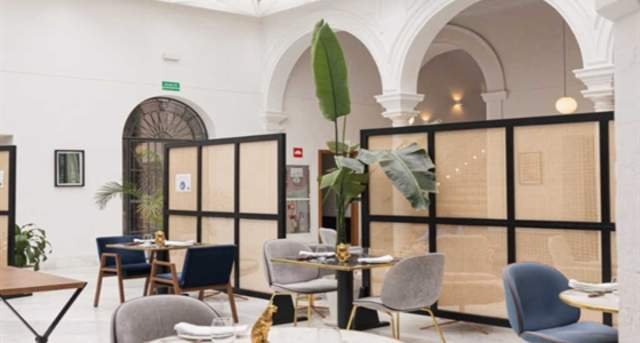
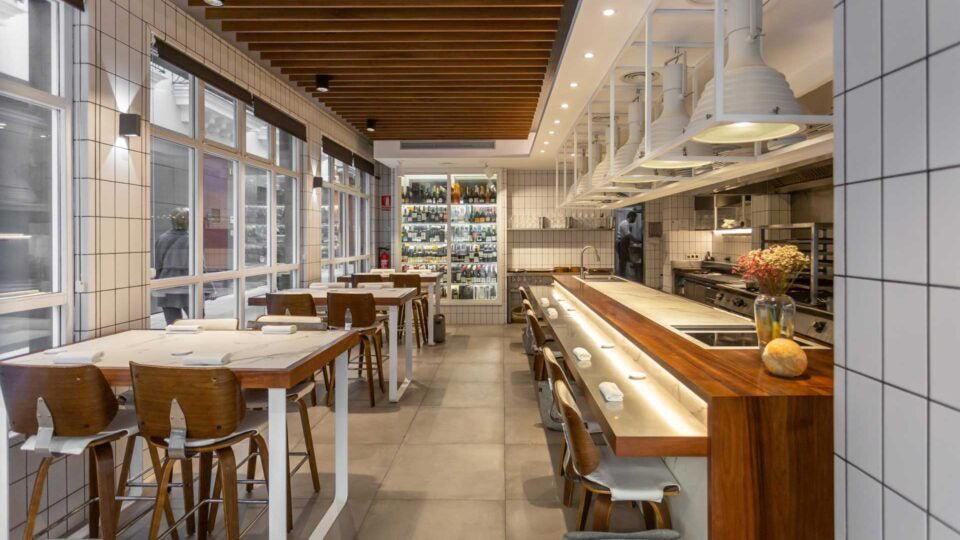
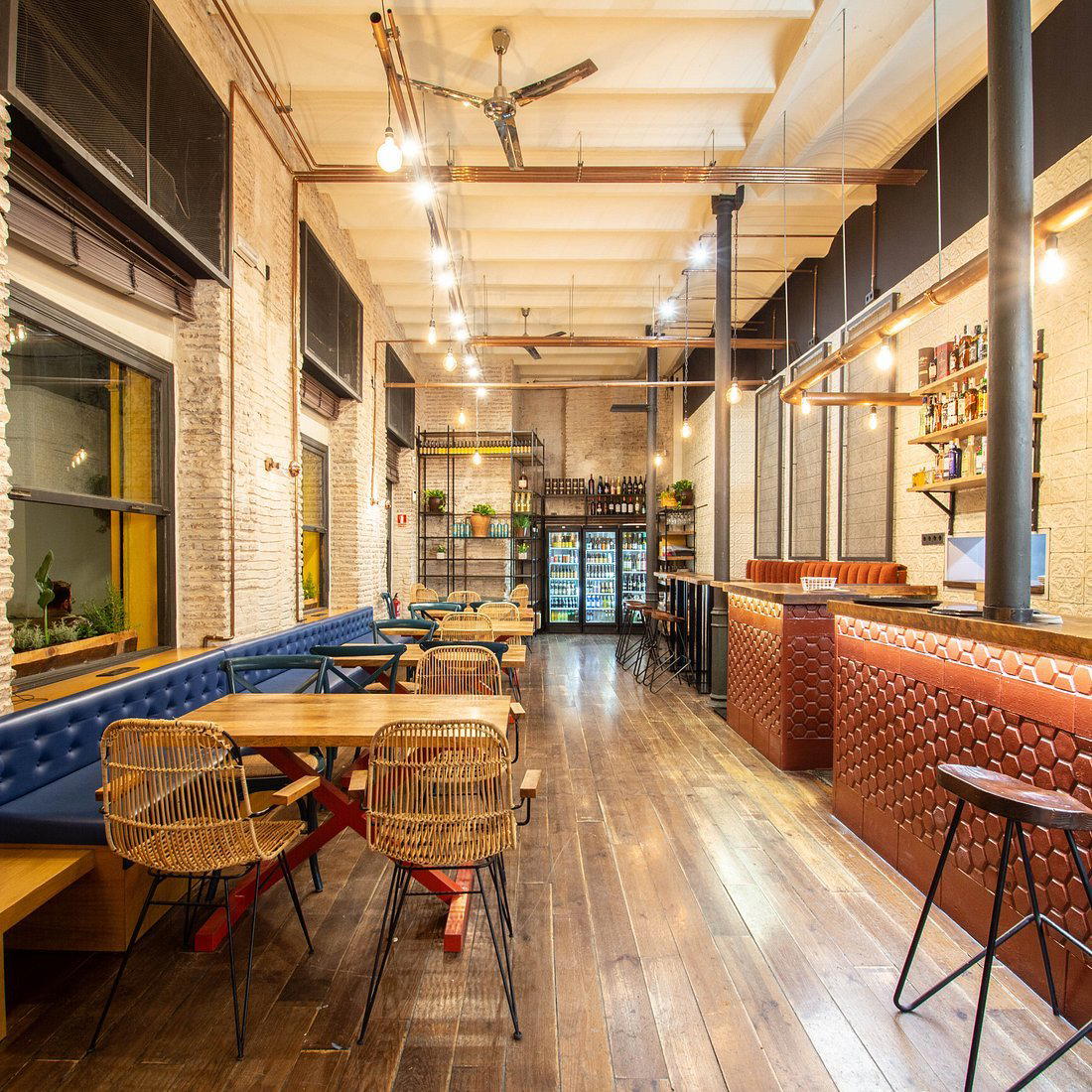
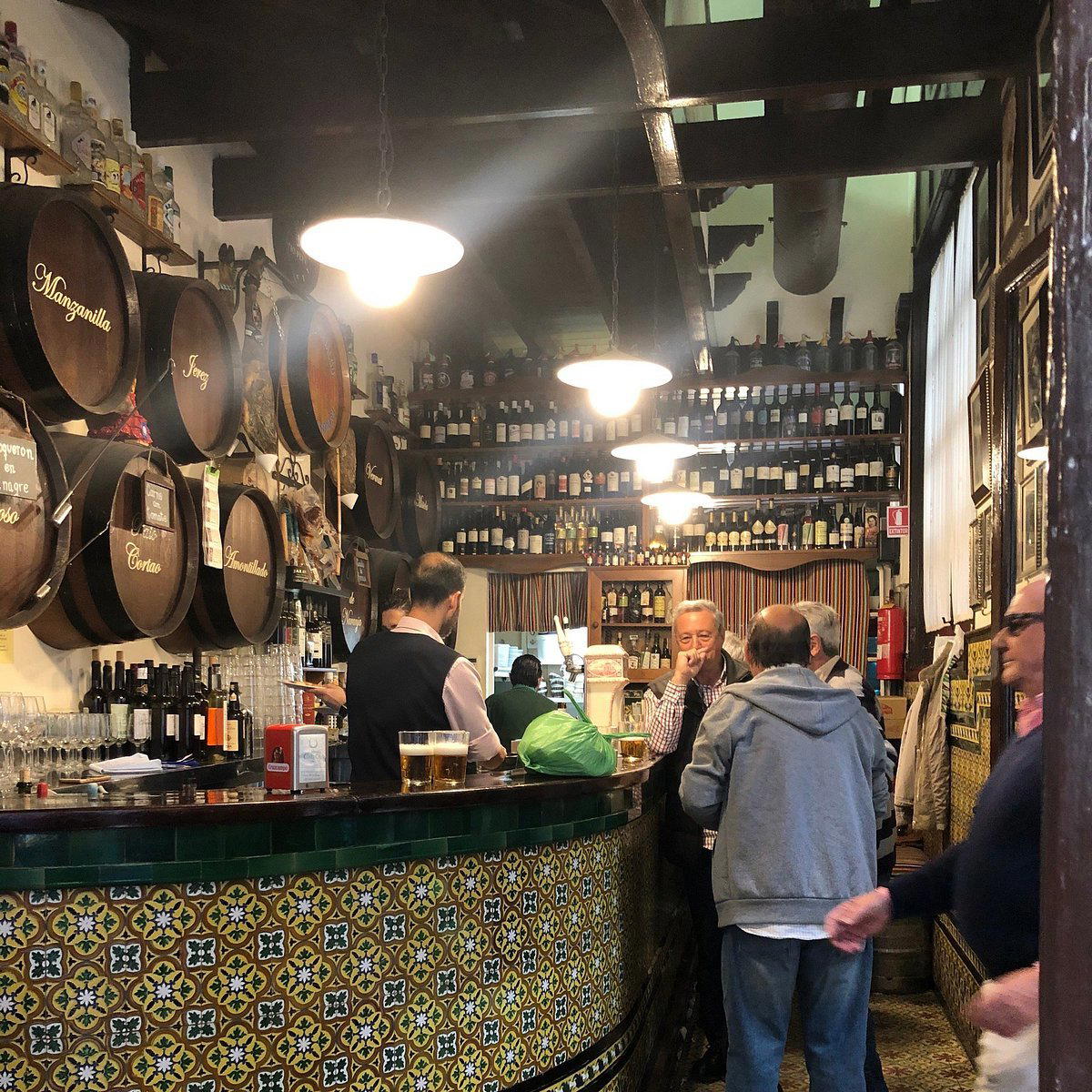
At a Glance
- Elegant
- Sophisticated
- Lively
- Intimate
- Date Night
- Group Dining
- Celebration
- Special Occasion
- Terrace
- Historic Building
- Open Kitchen
- Private Dining
- Extensive Wine List
- Sommelier Led
- Local Sourcing
- Street Scene
Current opening hours
- Monday
- 1:30–4 PM
- Tuesday
- 1:30–4 PM
- Wednesday
- 1:30–4 PM
- Thursday
- 1:30–4 PM
- Friday
- 1:30–4 PM, 8–11:30 PM
- Saturday
- 1:30–4 PM, 8–11:30 PM
- Sunday
- 1:30–4 PM
Hours can change for holidays and private events. Last verified .