



Twenty years into its run, Tribeca has secured a place among Seville's serious dining addresses, built on daily-caught fish from the Gulf of Cádiz and a format that balances two tasting menus with a contemporary à la carte. A Michelin Plate holder and a recurring presence on the Opinionated About Dining European rankings, it sits at the summit of the city's seafood price tier, near the Buhaira Gardens in the Nervión district.
Pearl is the En Primeur Club membership app — saves, bookings, and concierge access live there. Same editors, same standards.
- Address
- C. Chaves Nogales, 3, 41018 Sevilla, Spain
- Phone
- +34 954 42 60 00
- Website
- restaurantetribeca.com
- Directions
- Get directions
 Saves & bookings on Pearl
A Restaurant Shaped by Two Decades and the Gulf of Cádiz
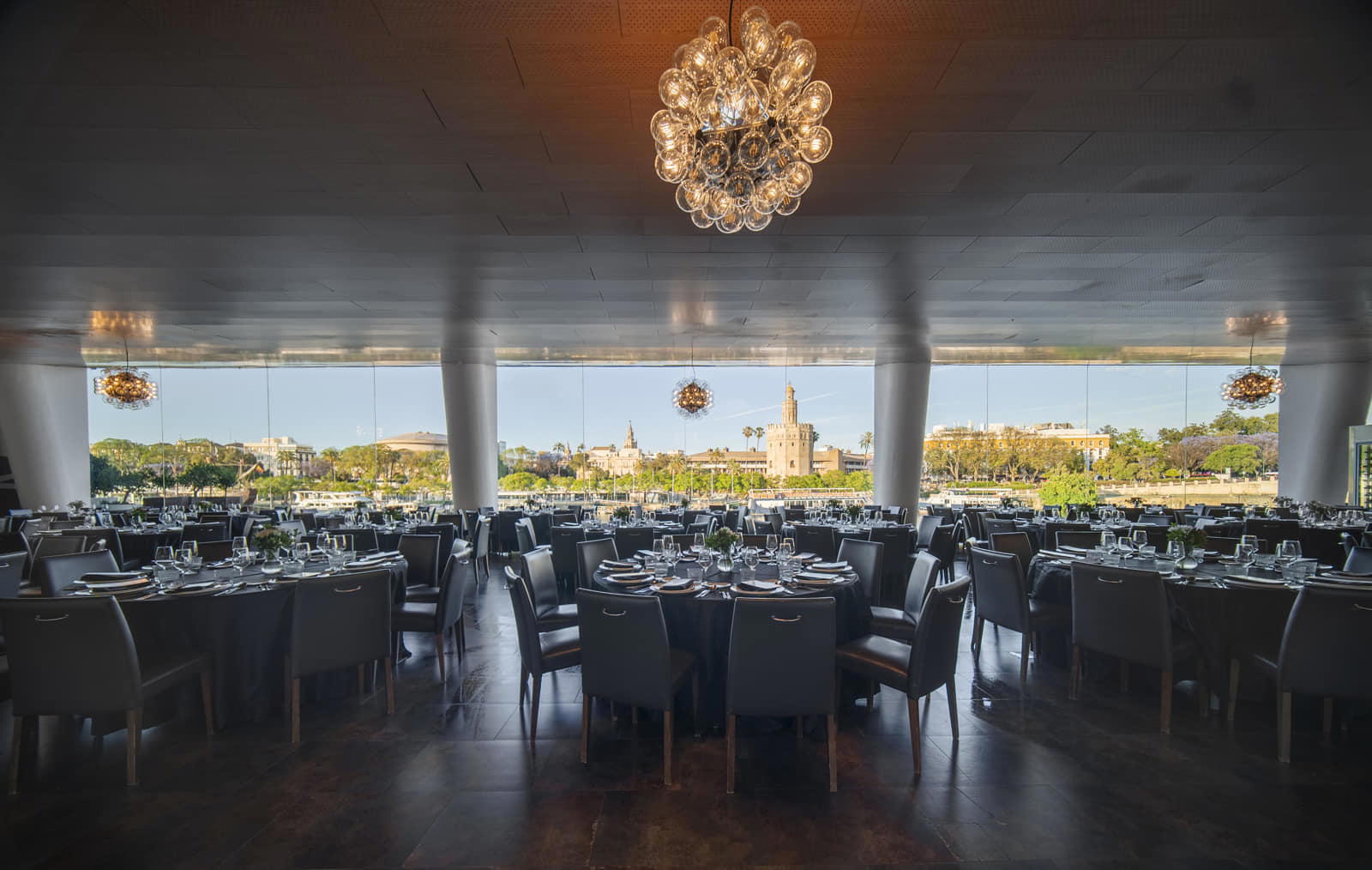
The Nervión district sits east of Seville's tourist core, close enough to the city's historic quarters to draw from them but removed from the density that dominates the centre. On Calle Chaves Nogales, beside the Buhaira Gardens, Tribeca occupies that in-between zone with a composure that comes from twenty years of consistent operation. The gardens lend the approach a quieter register than you might expect from a restaurant at this price point, and that contrast, formal intention set against a neighbourly scale, turns out to be part of the experience itself.
For milestone dinners in Seville, the calculus is particular. The city's special-occasion tier is not as crowded as Madrid's or Barcelona's, but it is genuinely competitive. Abantal (Modern Spanish, Creative) holds a Michelin star and handles celebrations with a degree of theatrical precision. Az-Zait (Contemporary) and Balbuena y Huertas (Contemporary) both occupy the contemporary Spanish bracket at a step below Tribeca's price range. Tribeca, priced at €€€€, holds a different position: it is the address in Seville where the occasion is built around fish rather than around technique for its own sake, and that distinction matters when you are choosing where to mark something important.
Twenty Years and the Weight That Comes with Them
Longevity in restaurant terms is its own credential. The majority of Seville's serious dining openings from the early 2000s have since closed or repositioned. That final entry is worth attention. A restaurant recommended in 2023 as a new discovery and then ranked twice in the full European list suggests a trajectory of recognition, not a static holding pattern.
A placement in the top 600 for a Seville seafood restaurant outside the starred tier is not typical. Cañabota, Seville's other significant seafood address, operates at €€€ and takes a rawer, market-hall approach to the same Gulf of Cádiz supply lines. The two restaurants share a source geography but diverge in register. Tribeca's tasting menu format and higher price bracket place it in a different conversation.
The Menu Structure and What It Signals
Tribeca runs three parallel formats: a 'Corto' tasting menu, a 'Largo' tasting menu, and a traditional à la carte with contemporary inflection. Both tasting menus require prior reservation. The à la carte is available without that advance commitment, though at €€€€ pricing and with the kitchen's focus on daily-caught fish, the reasonable assumption is that walk-ins should book regardless.
The menu's organising principle is seasonal produce, with particular emphasis on fish caught that day and sourced predominantly from the Gulf of Cádiz. Much of the fish is sold by the slice rather than as whole-fish preparations, a format that allows the kitchen to move across species and cuts with flexibility. The Gulf of Cádiz supply chain has given rise to some of Spain's most serious seafood cooking. Aponiente in El Puerto de Santa María, Angel León's three-starred operation, is one decorated expression of that tradition. Tribeca is not operating in the same register as Aponiente, but it draws from the same waters and shares an insistence on daily procurement that defines the upper tier of Andalusian seafood cooking.
The dish details available from verified sources point in a specific direction. Battered grouper with ginger and kumquats positions itself at the intersection of classical Andalusian frying tradition and a citrus-forward brightness that reads as contemporary without announcing its modernity. The dessert built around cherries from Jerte or El Bierzo, amarena, horseradish ice cream, and Giuseppe Giusti balsamic vinegar is a construction of some specificity: the cherries' provenance is named, the ice cream introduces a savoury note, and the Italian balsamic signals the kitchen's willingness to work across regional sourcing when the ingredient earns its place.
Occasion Dining at This Price Point
Special-occasion dining asks more of a restaurant than everyday meals do. The timing, the pacing, the handling of a table that has come to mark something, all of it registers more acutely. At €€€€ in Seville, a diner is paying at or near stronger examples from the city's range. The question that matters is what the format is built to deliver.
Tribeca's structure answers that question through longevity and specificity rather than through spectacle. The tasting menu format, the sourcing discipline, and twenty years of consistent recognition from specialist audiences suggest a room that operates without needing to perform. That is its own kind of occasion quality. Restaurants that have survived and refined over two decades tend to know how to hold the attention of a table for the duration of a significant meal.
Seville's broader dining scene offers further context for placing this kind of meal. The city sits within a culinary region that includes some of Spain's most technically demanding restaurants. Arzak in San Sebastián, DiverXO in Madrid, El Celler de Can Roca in Girona, Quique Dacosta in Dénia, and Azurmendi in Larrabetzu all define a tier of Spanish ambition that Tribeca does not claim to match. Tribeca's argument is different: depth within a single produce tradition rather than range across a national conversation. For the right occasion, that is the more compelling offer.
Mediterranean seafood at this level of sourcing commitment also has parallels elsewhere in Europe. Gambero Rosso in Marina di Gioiosa Ionica and Alici Restaurant on the Amalfi Coast represent the Italian expression of a similar discipline. The common thread is a kitchen organised around what the sea yields that morning rather than around a fixed repertoire.
Planning a Visit
Tribeca is located at Calle Chaves Nogales 3, in Seville's Nervión district, adjacent to the Buhaira Gardens. The tasting menus, Corto and Largo, require advance reservation. The à la carte menu offers a less structured entry point but sits within the same kitchen's priorities.
For Seville's other serious dining options, Almansa · Pasión & brasas represents the asador tradition at the higher end of the city's range.
What It’s Closest To
Comparable venues nearby, for context on price, style, and recognition.
| Venue | Cuisine | Price | Awards | Notes |
|---|---|---|---|---|
| TribecaThis venue — the venue you are viewing | Modern Andalusian Seafood | $$$ | Michelin Plate | Not listed |
| La Barra de Cañabota | Modern Spanish Seafood Tapas | $$$ | Michelin Plate | Encarnación-Regina |
| Az-Zait | Modern Spanish with Moroccan Influences | $$$ | Bib Gourmand | San Vicente |
| Ivantxu Espacio Bistronómico | Modern Spanish Bistro with Basque Influences | $$$ | Michelin Plate | Los Remedios |
| Jaylu | Classic Andalusian Seafood | $$$ | Michelin Plate | Triana Este |
| Leartá | Contemporary Andalusian | $$$$ | Michelin Plate | San Vicente |
Recognition history
Dated appearances from independent guides and award organizations, with the underlying list record or original source where available.
Guía Repsol 1 Sol
Guía Repsol
Macarfi 7.4 Food Rating
Macarfi
Michelin Plate
Michelin
Opinionated About Dining Top Restaurants in Europe Recommended
Opinionated About Dining
Michelin Plate
Michelin
Opinionated About Dining Top Restaurants in Europe Ranked #584
Opinionated About Dining
Opinionated About Dining Top Restaurants in Europe Ranked #553
Opinionated About Dining
Opinionated About Dining Top New Restaurants in Europe Recommended
Opinionated About Dining
At a Glance
- Elegant
- Sophisticated
- Intimate
- Date Night
- Special Occasion
- Business Dinner
- Open Kitchen
- Extensive Wine List
- Sommelier Led
- Local Sourcing
Current opening hours
- Monday
- 1:30–4 PM
- Tuesday
- 1:30–4 PM, 8:30–11:30 PM
- Wednesday
- 1:30–4 PM, 8:30–11:30 PM
- Thursday
- 1:30–4 PM, 8:30–11:30 PM
- Friday
- 1:30–4 PM, 8:30–11:30 PM
- Saturday
- 1:30–4 PM, 8:30–11:30 PM
- Sunday
- Closed
Hours can change for holidays and private events. Last verified .
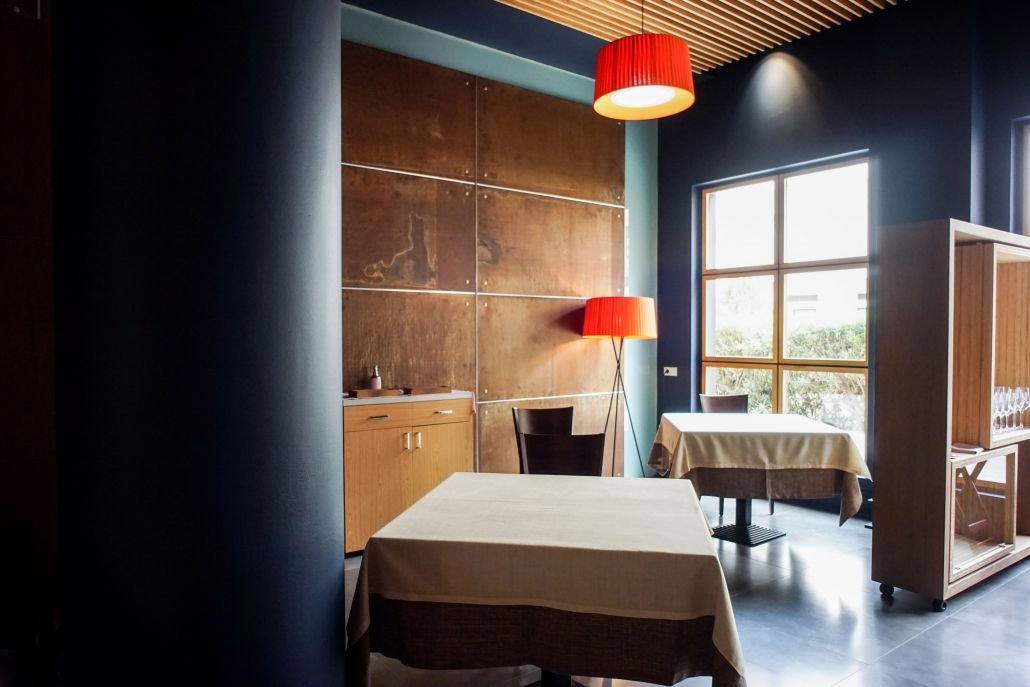
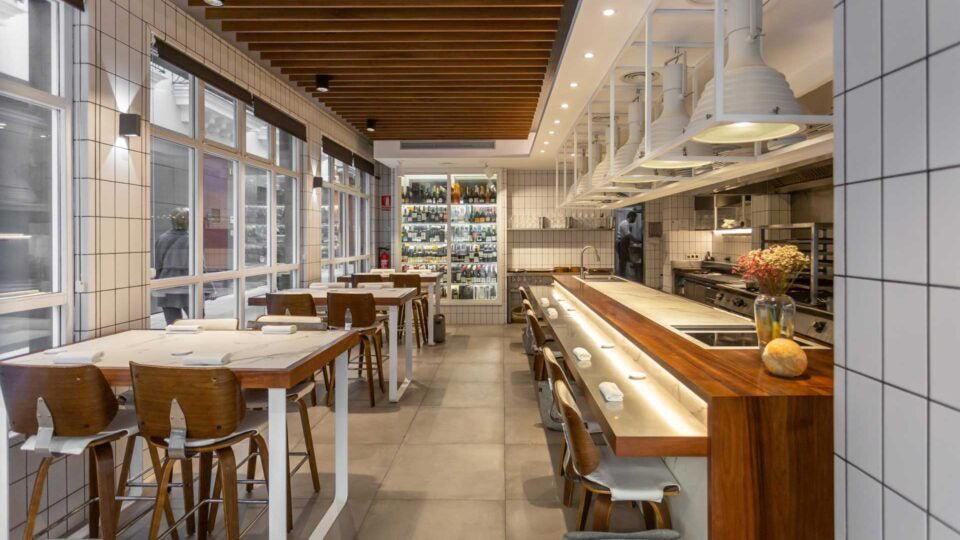
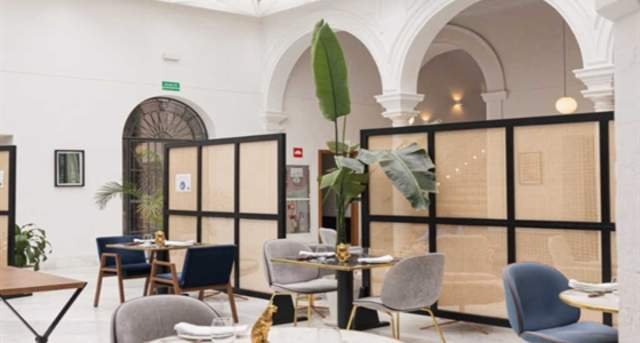
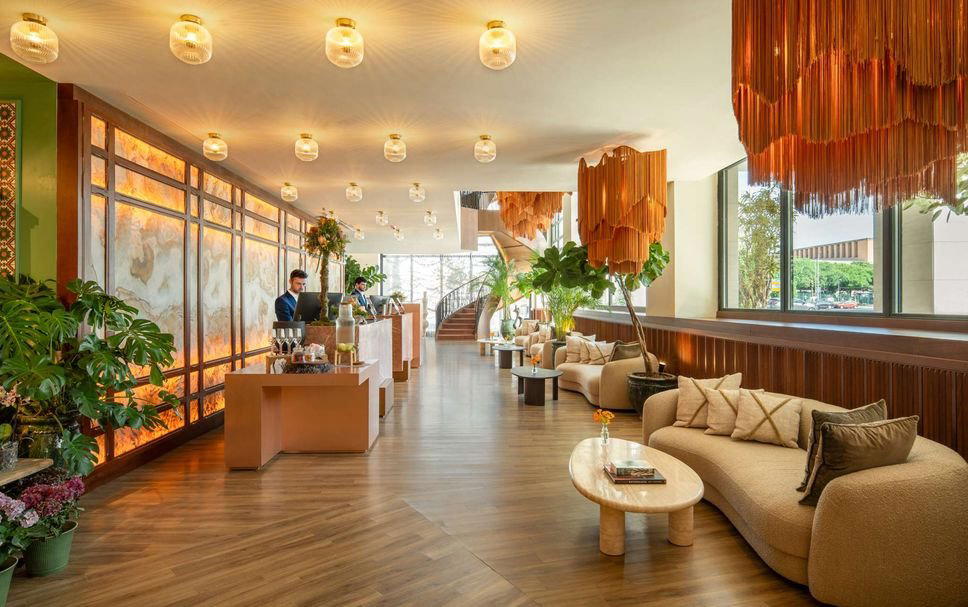
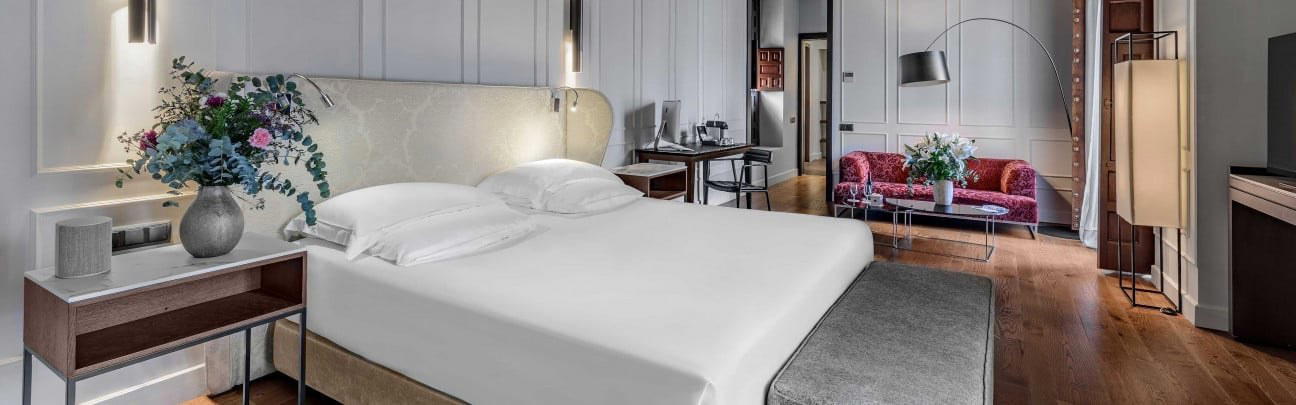
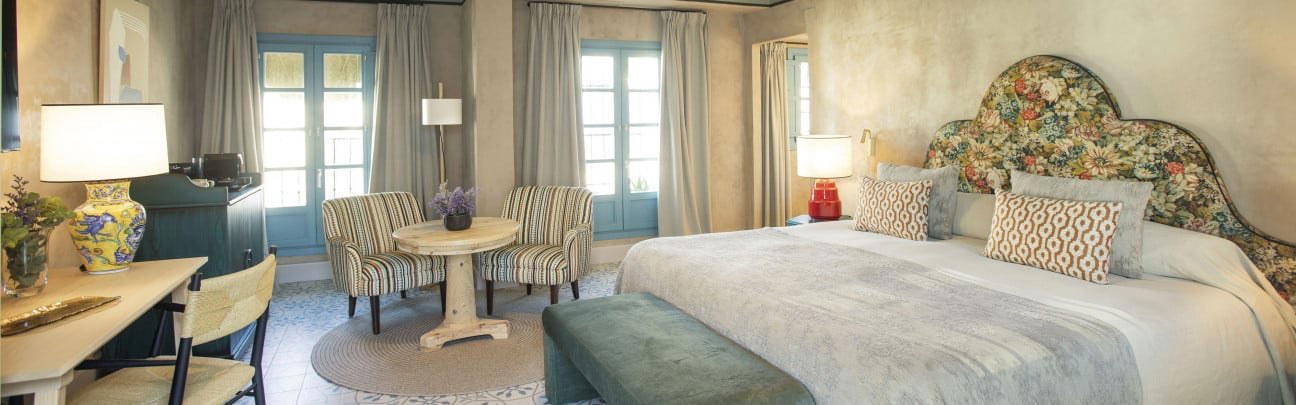
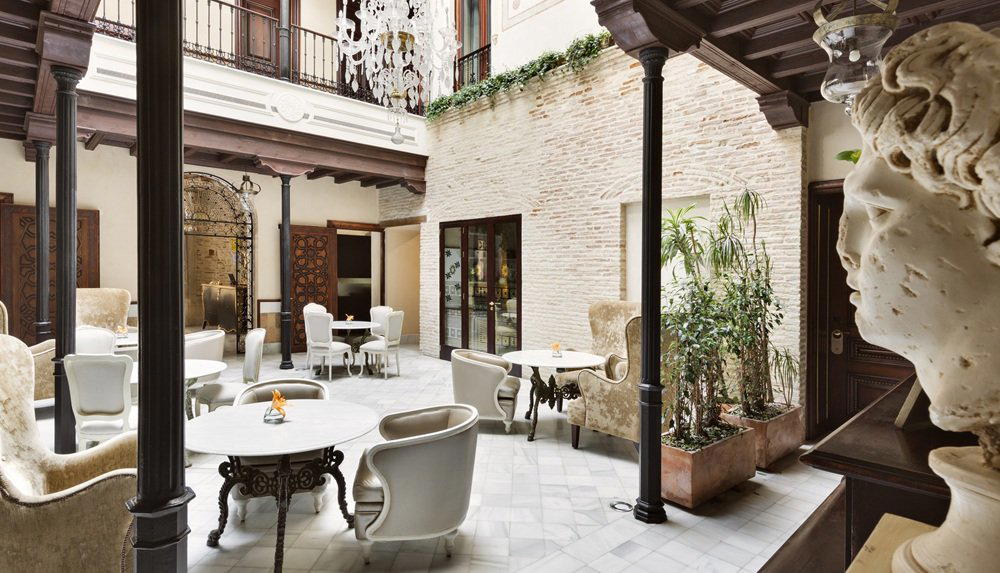
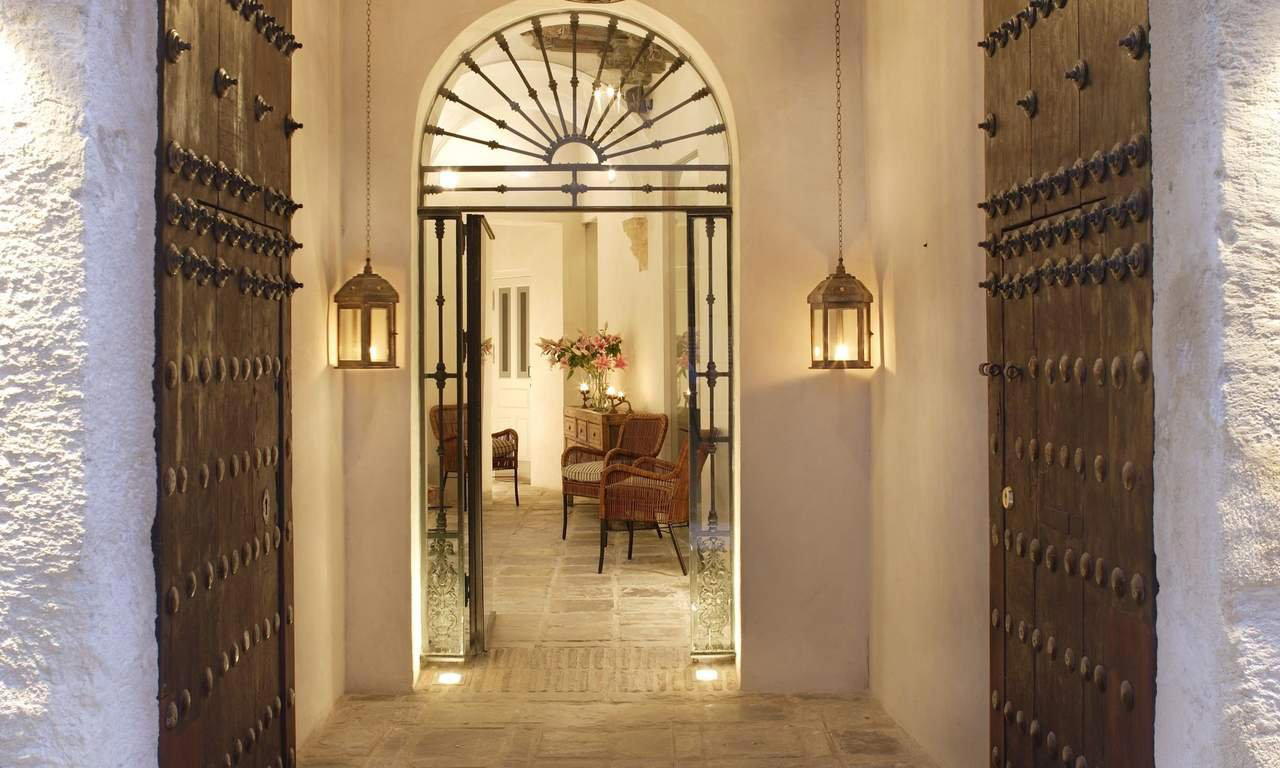
Serene and elegant with modern decor, white table linens, and a refined atmosphere ideal for special dinners.