
Az-Zait sits on Plaza San Lorenzo in Seville's Casco Antiguo, holding consecutive Michelin Bib Gourmand recognition in 2024 and 2025. The kitchen works a concise à la carte alongside three olive-oil-estate-named tasting menus, anchoring contemporary technique in Andalusian ingredient tradition. Two classic dining rooms, trolley service for cheese and digestifs, and a price point at the €€ tier make it one of the stronger value propositions in the city's mid-market contemporary scene.
Pearl is the En Primeur Club membership app — saves, bookings, and concierge access live there. Same editors, same standards.
- Address
- Pl. S. Lorenzo, 1, Casco Antiguo, 41002 Sevilla, Spain
- Phone
- +34 954 90 64 75
- Website
- restaurante.covermanager.com
- Directions
- Get directions
 Saves & bookings on Pearl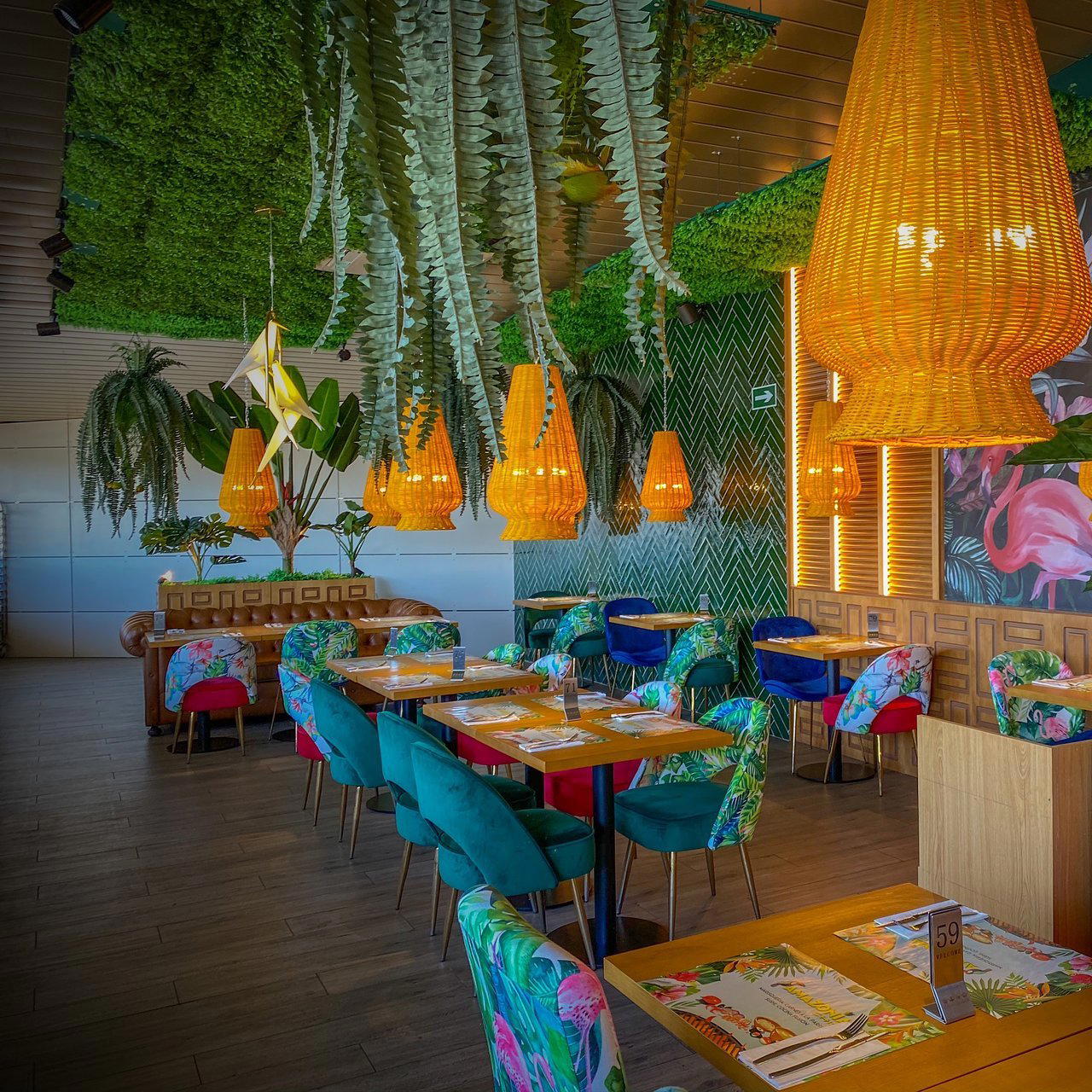
A Dining Room Framed by Olive Culture
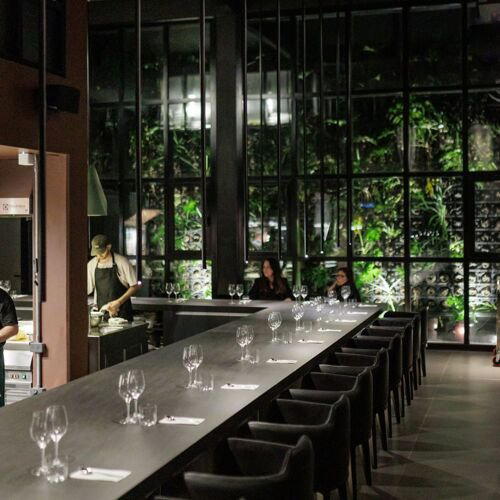
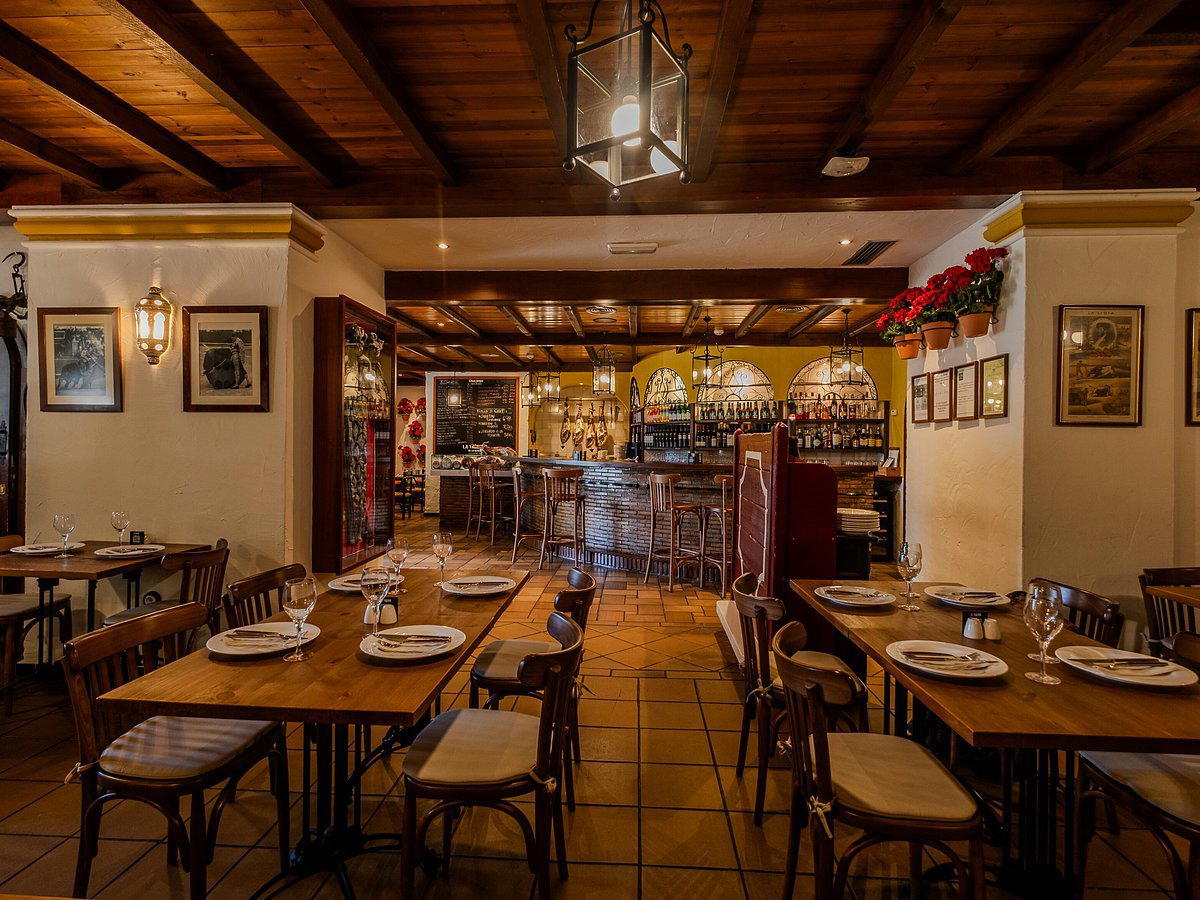
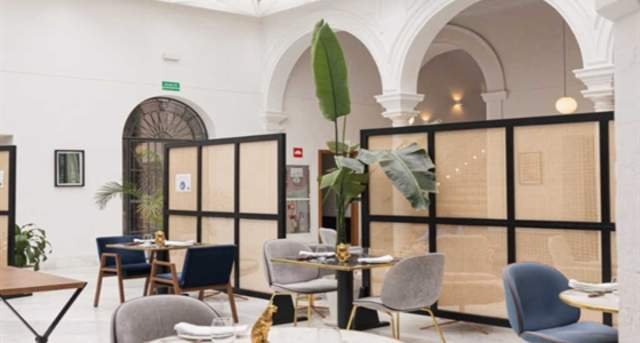
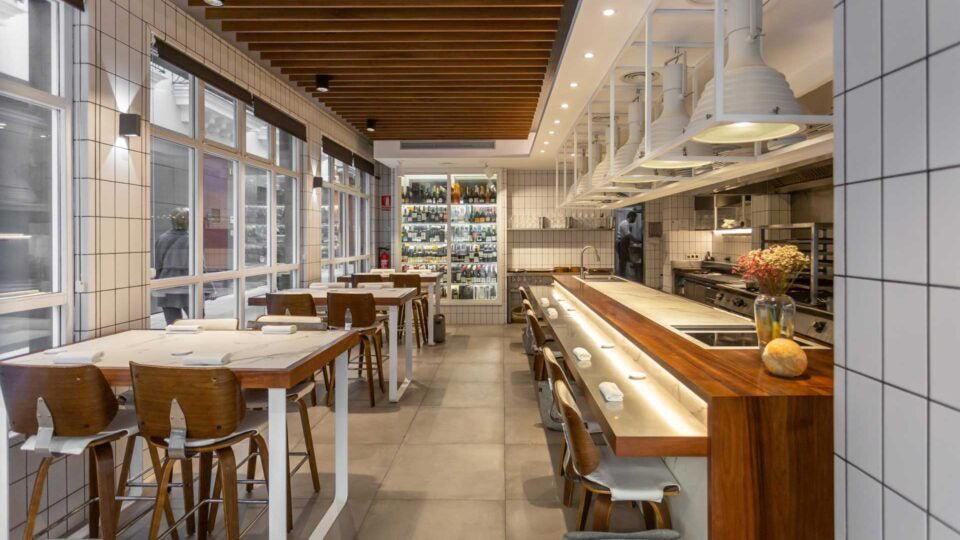
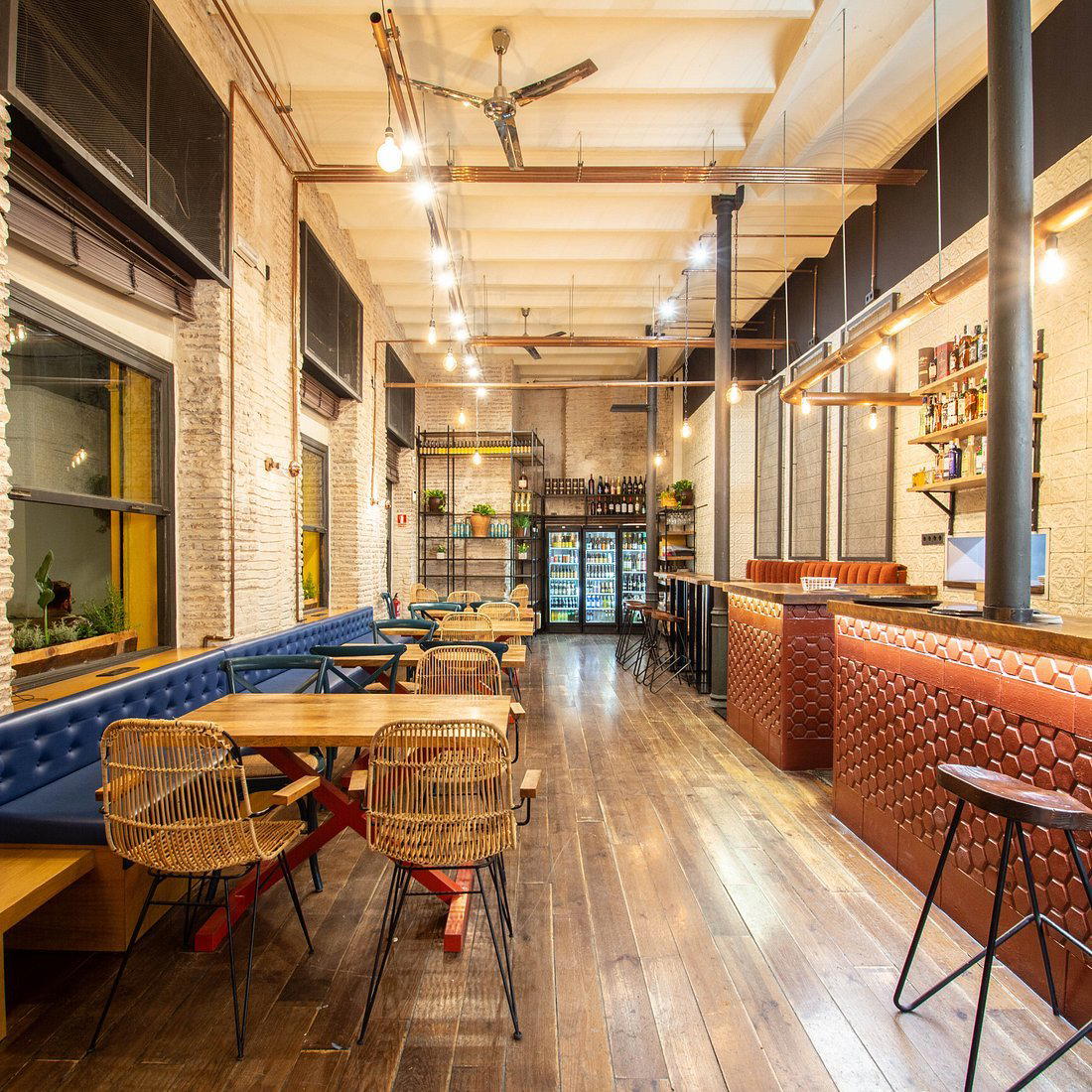
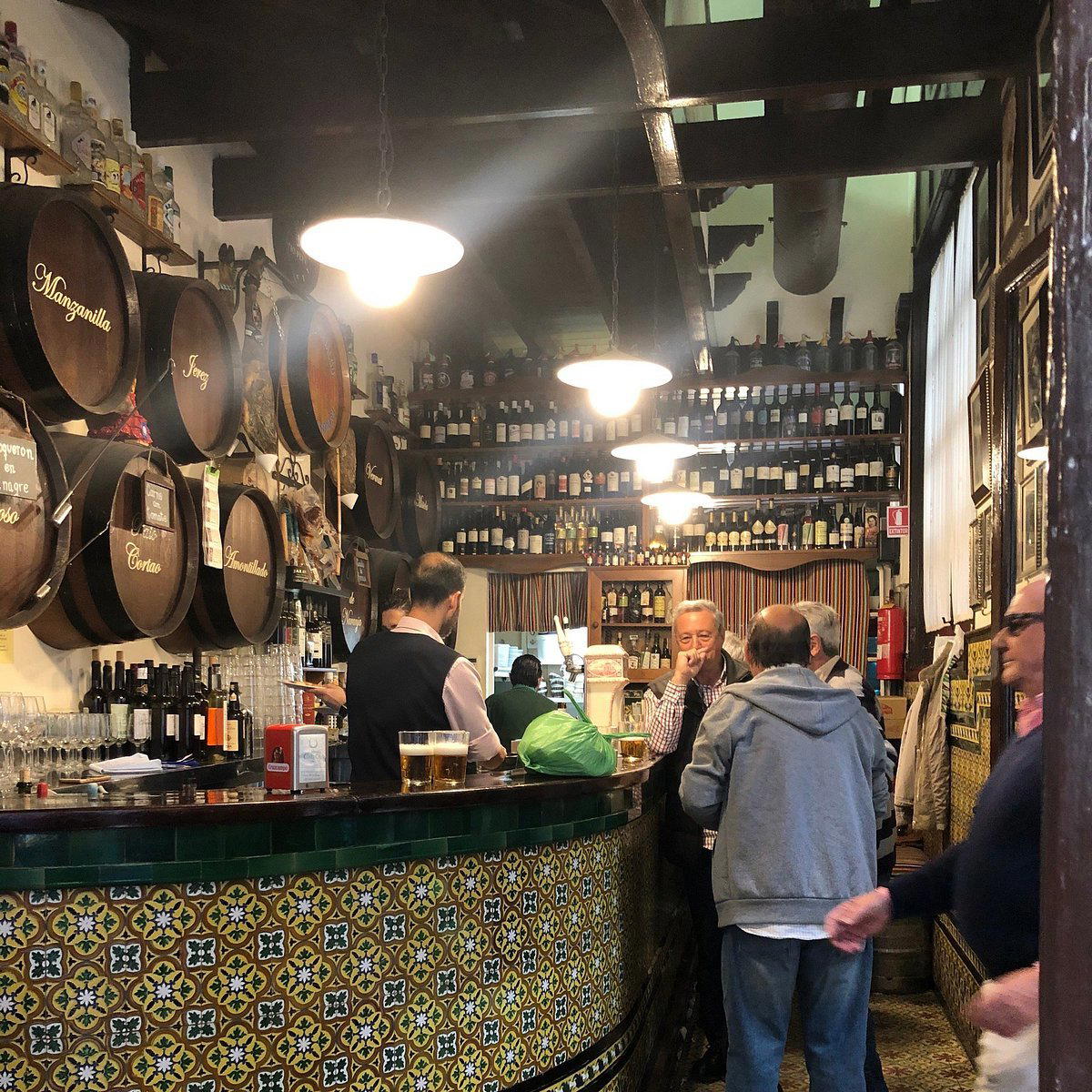
Plaza San Lorenzo sits in the quieter residential pocket of Seville's Casco Antiguo, away from the tourist circuits around the Alcázar and Cathedral. The square is anchored by the Baroque church of San Lorenzo, and the neighbourhood around it runs at a pace closer to daily Sevillano life than to the postcard version of the city. Walking into Az-Zait from that plaza, the transition is deliberate: two classic dining rooms in which the proportions, the service rhythm, and the trolley-based finishing touches signal that the kitchen takes the architecture of a meal seriously.
The name itself frames the culinary programme before you sit down. Az-Zait derives from the Arabic for olive juice, the etymological root of the Spanish aceite, meaning oil. That lineage is not decorative. Andalusia sits at the centre of global olive oil production, and the restaurant's three tasting menus are named after actual olive oil estates: Hacienda el Monje, El Lavadero, and Cerro de los Olivos. In a city where contemporary restaurants occasionally trade on Moorish heritage as atmosphere rather than substance, Az-Zait uses it as a structuring principle.
Where Az-Zait Sits in Seville's Contemporary Dining Tier
Seville's contemporary restaurant scene has a clearer stratification than many Spanish cities of similar size. At the leading sits Abantal (Modern Spanish, Creative), the city's sole Michelin-starred address in the modern Spanish register, operating at the €€€€ price point. Below that, a cluster of mid-market contemporaries, including Balbuena y Huertas, El Disparate, and Ivantxu Espacio Bistronómico, operate in a register that prioritises technical ambition at accessible price points. The restaurant belongs to that tier. The Bib designation, which Michelin assigns to restaurants offering good cooking at moderate prices, is a meaningful signal in a city where the ratio of cover charges to kitchen output can vary considerably.
The €€ price band here aligns with Leartá and similar mid-tier contemporaries. It sits structurally below Cañabota, which operates at €€€ with Michelin star recognition in the seafood register, and well below the starred or multi-course destination format. For a visitor calibrating how much of the dining budget to allocate in Seville versus what to preserve for a trip to, say, Aponiente in El Puerto de Santa María, the restaurant represents the kind of anchor meal that delivers serious cooking without requiring the planning or expenditure of a three-Michelin-star occasion.
The Ritual of the Meal
The structure of a meal at the restaurant follows a format that is becoming less common in contemporary Spanish dining: a proper à la carte running alongside multiple tasting menus, with trolley service as a functional element rather than a theatrical gesture. The cheese trolley and the digestif trolley, the latter described by Michelin's inspectors as extensive and unusual, impose a natural pacing on the final act of the meal. In an era when many kitchens at this price point have moved toward streamlined, set-length experiences, the trolley format asks the kitchen and the front-of-house to sustain engagement across a longer arc.
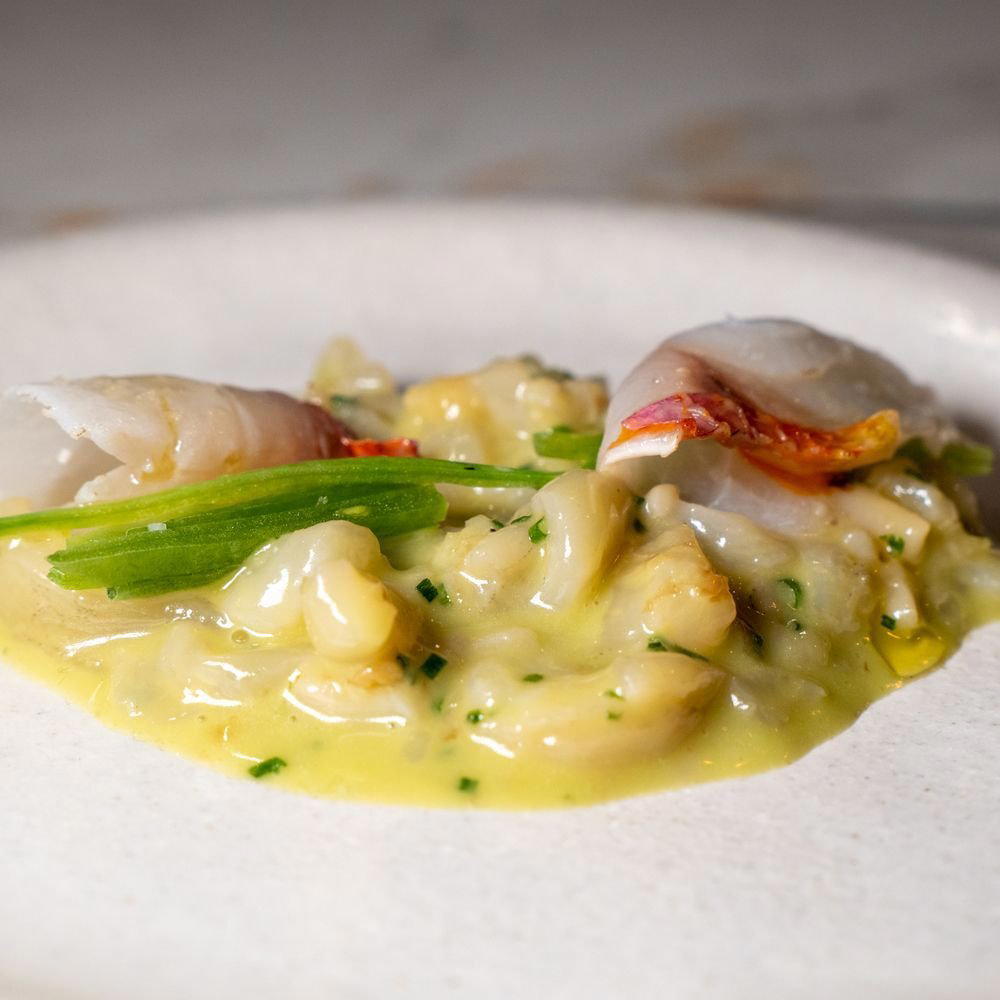
À la carte features traditional and international dishes with what the kitchen describes as modern touches. That phrasing could mean many things in contemporary Spanish dining, from minimal intervention to full technical transformation, but the Michelin Bib citation references both the cooking's consistent development and the conviction behind individual dishes. The inspector note on the foie gras preparation, slivers with olive bread, points toward a kitchen that uses classical ingredient combinations and then refines them through texture and presentation rather than wholesale reconstruction. That sensibility sits closer to the restrained end of the contemporary spectrum, which is coherent with the broader narrative the name and the menu structure establish.
Service described as polished at this price point is worth registering. Seville has strong hospitality instincts rooted in the social architecture of tapas culture, where attentive service is a baseline expectation rather than a premium signal. At the restaurant, the formal dining room setting and the trolley service suggest a more structured front-of-house approach, one that situates the restaurant in a different register from the city's bar-anchored casual dining, without crossing into the white-glove formality of Spain's destination restaurants like Arzak in San Sebastián, El Celler de Can Roca in Girona, or Azurmendi in Larrabetzu.
Contemporary Technique in an Andalusian Framework
The wider context for contemporary dining in Spain's southern cities has shifted over the past decade. What was once a dichotomy between traditional tapas culture and high-modernist avant-garde cooking has opened into a broader middle ground where kitchens apply technical precision to local ingredient traditions without abandoning the flavour logic that defines Andalusian cooking. That shift is visible across the country, from DiverXO in Madrid at the maximalist end to Cocina Hermanos Torres in Barcelona in the more restrained contemporary register. In Seville specifically, the contemporary tier at the €€ price point has expanded to include kitchens that take classical Andalusian ingredients seriously as a starting point rather than a constraint.
The restaurant positions itself within that movement through the naming of its menus after olive oil estates. Olive oil is not merely a cooking medium in Andalusia; it is a product category in which the region has developed genuine complexity, with estate-specific oils carrying flavour profiles as distinct as those associated with wine appellations. Anchoring a tasting menu structure to those estates is a claim about ingredient sourcing and identity, not just nomenclature. Whether the kitchen fully delivers on that claim depends on the individual meal, but the framework itself reflects a mature understanding of what regional contemporary cooking can mean.
Planning Your Visit
The restaurant is located at Plaza San Lorenzo, 1 in the Casco Antiguo, the historic core of Seville. Booking ahead is advisable, particularly at weekends. The combination of a formal dining room, trolley service, and a multi-course tasting menu format means that allowing two to two-and-a-half hours for the full experience is a reasonable plan.
Cuisine Context
Comparable venues nearby, for context on price, style, and recognition.
| Venue | Cuisine | Price | Awards | Notes |
|---|---|---|---|---|
| Az-ZaitThis venue — the venue you are viewing | Modern Spanish with Moroccan Influences | $$$ | Bib Gourmand | Not listed |
| Lalola de Javi Abascal | Modern Iberian Pork Specialist | $$$ | Bib Gourmand | Feria |
| Ivantxu Espacio Bistronómico | Modern Spanish Bistro with Basque Influences | $$$ | Michelin Plate | Los Remedios |
| Leartá | Contemporary Andalusian | $$$$ | Michelin Plate | San Vicente |
| Balbuena y Huertas | Modern Andalusian Tasting Menus | $$$ | Bib Gourmand | Triana Este |
| Puratasca | Modern Creative Spanish Tapas | $$$ | Not listed | Triana Oeste |
Recognition history
Dated appearances from independent guides and award organizations, with the underlying list record or original source where available.
Michelin Bib Gourmand
Michelin
Michelin Bib Gourmand
Michelin
Michelin Bib Gourmand
Michelin
At a Glance
- Elegant
- Sophisticated
- Classic
- Romantic
- Date Night
- Celebration
- Special Occasion
- Private Dining
- Historic Building
- Extensive Wine List
- Sommelier Led
- Local Sourcing
Current opening hours
- Monday
- 1:30–5:30 PM, 8 PM–12 AM
- Tuesday
- 1:30–5:30 PM, 8 PM–12 AM
- Wednesday
- 8 PM–12 AM
- Thursday
- 1:30–5:30 PM, 8 PM–12 AM
- Friday
- 1:30–5:30 PM, 8 PM–12 AM
- Saturday
- 1:30–5:30 PM, 8 PM–12 AM
- Sunday
- Closed
Hours can change for holidays and private events. Last verified .
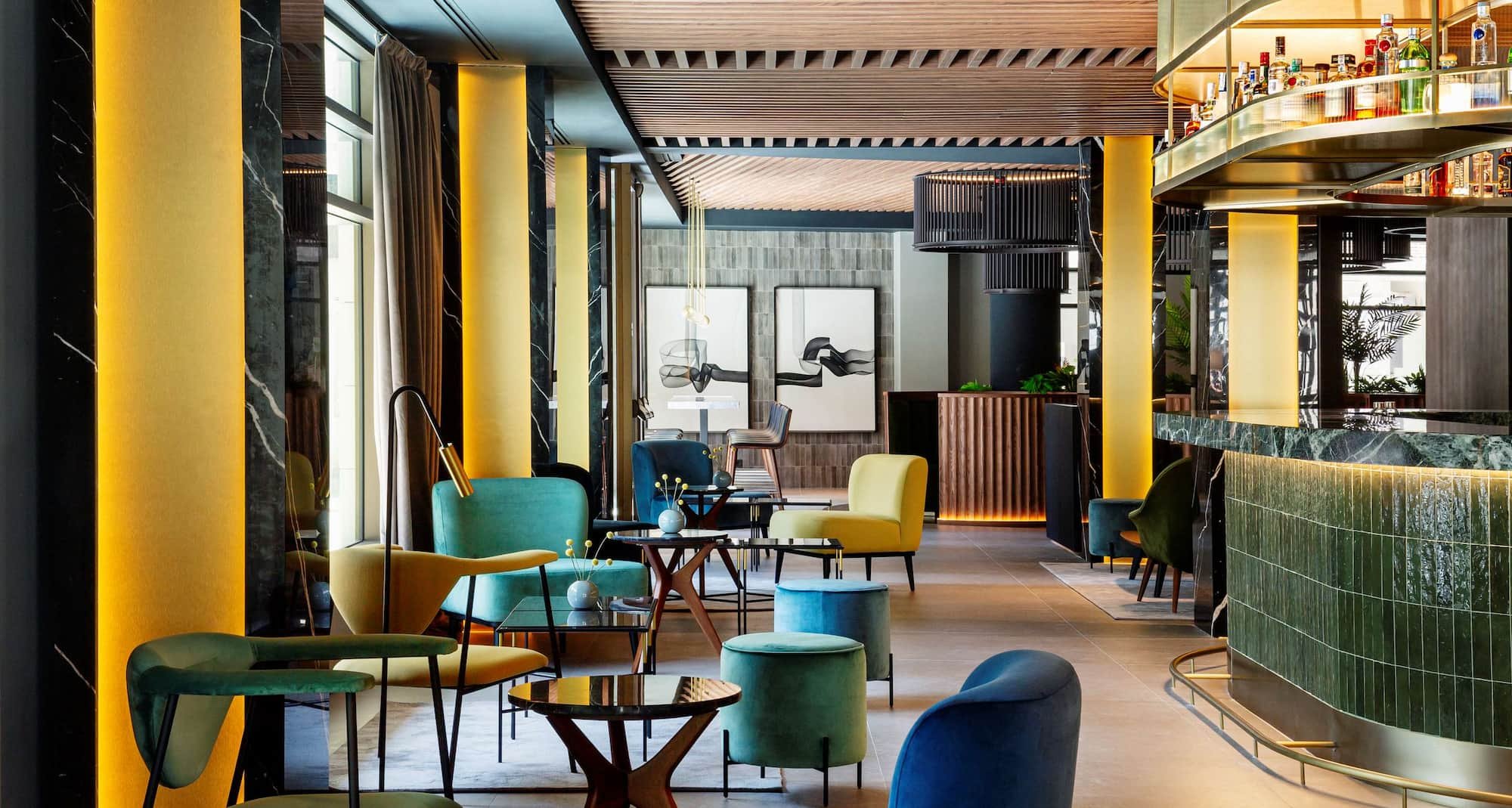
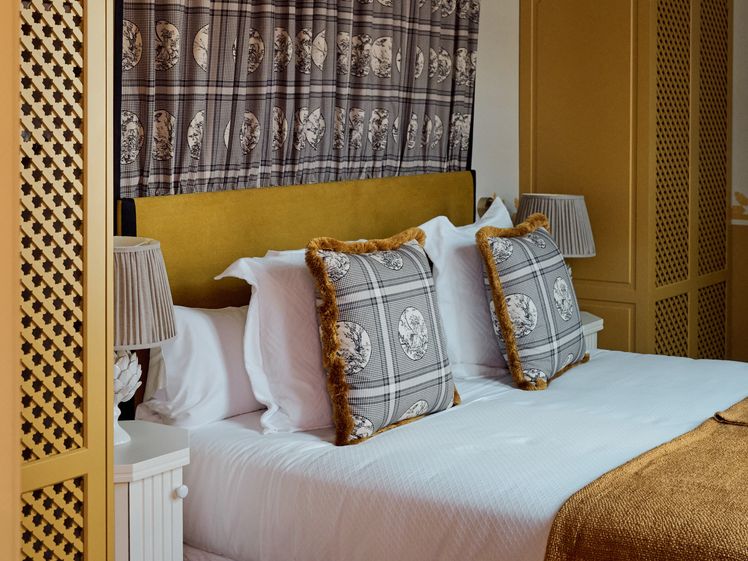
Baroque-style dining rooms with elegant decor, serene and welcoming atmosphere with baroque design elements; some guests note the music can be loud and design somewhat dark.