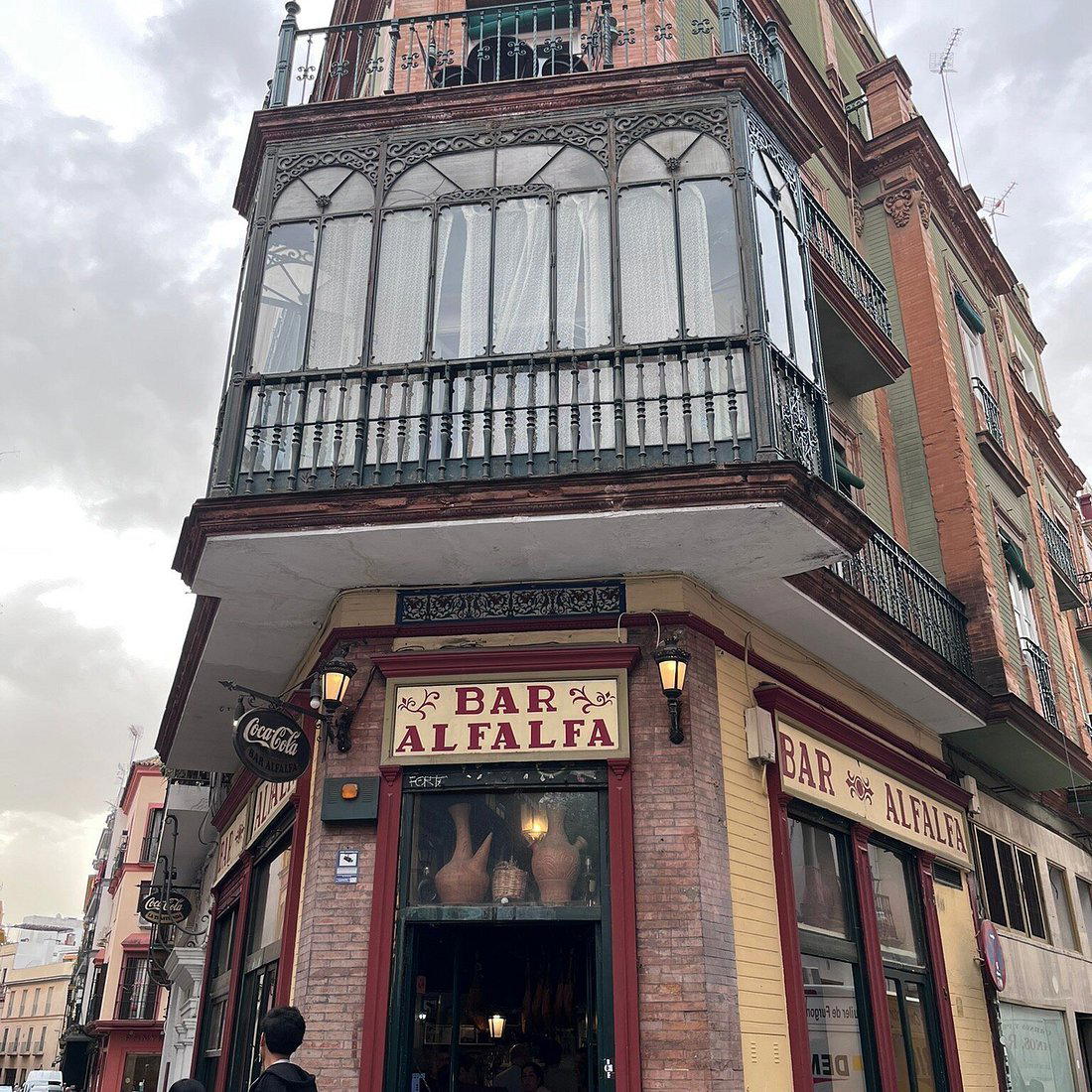
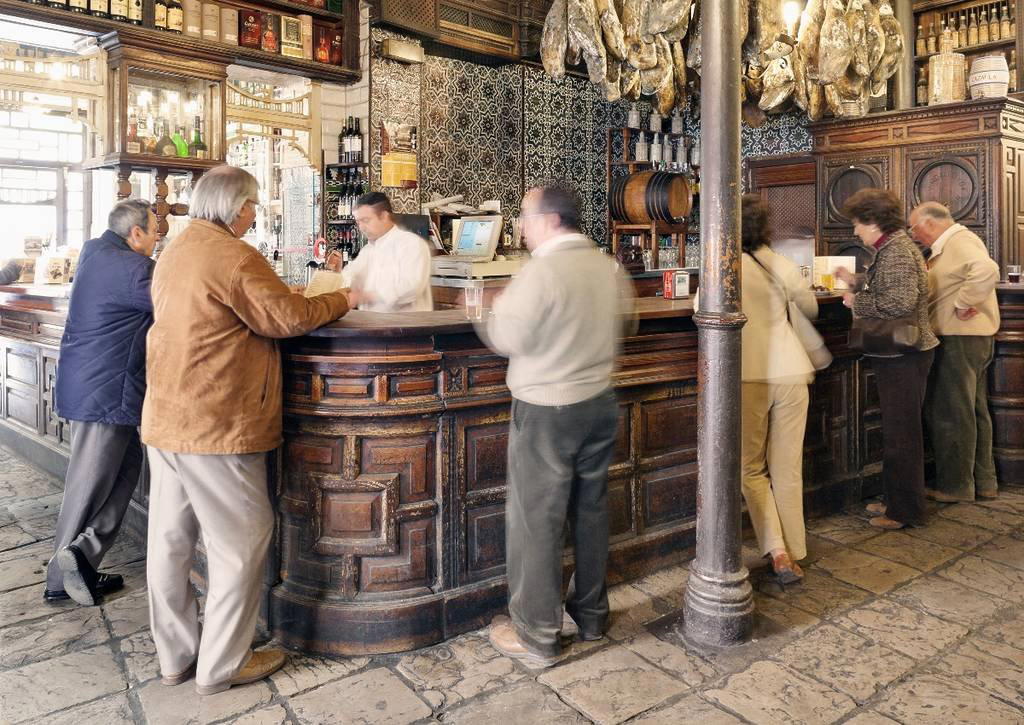
Bar Alfalfa sits in the heart of Seville's Casco Antiguo, on a corner that functions as an unofficial crossroads for the neighbourhood's social life. The bar operates within a deeply traditional Andalusian format where sourcing from local producers and proximity to the market define what lands on the counter. For anyone spending time in the Barrio Santa Cruz area, it is a reliable measure of how the city actually eats and drinks.
 Discover on Pearl
Pearl is the En Primeur Club membership app — saves, bookings, and concierge access live there. Same editors, same standards.
- Address
- C. Candilejo, 1, Casco Antiguo, 41004 Sevilla, Spain
- Phone
- +34 954 22 23 44
The Corner That Holds the Neighbourhood Together
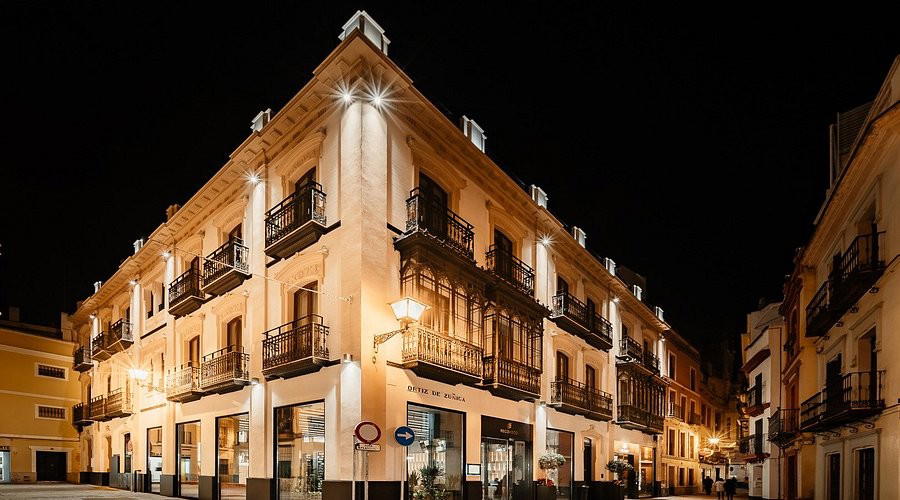
Calle Candilejo meets the Plaza de Alfalfa at an angle that concentrates foot traffic in a way that few other corners in Seville's old city manage. The square itself is one of the Casco Antiguo's most layered public spaces: a former livestock market, later a flea market site, now a daily meeting point for residents who use it the way other cities use a café terrace. Bar Alfalfa occupies this geography deliberately. The physical setting is not incidental to what the bar does, it is the condition that makes its format work. Bars in this position in Seville do not need to advertise; they need to be ready when the neighbourhood arrives.
That readiness, in an Andalusian bar at this price register and in this part of the city, translates directly into the sourcing logic. Seville's Mercado de Feria and Mercado de Triana remain the two most active wholesale-to-retail produce circuits in the city. A bar on Plaza de Alfalfa, this close to both, is close enough to the supply chain that the daily selection can reflect what actually came in that morning rather than what was locked into a printed menu weeks ago. That flexibility is what separates a working neighbourhood bar from a venue performing the idea of one.
What Andalusian Bar Sourcing Actually Means
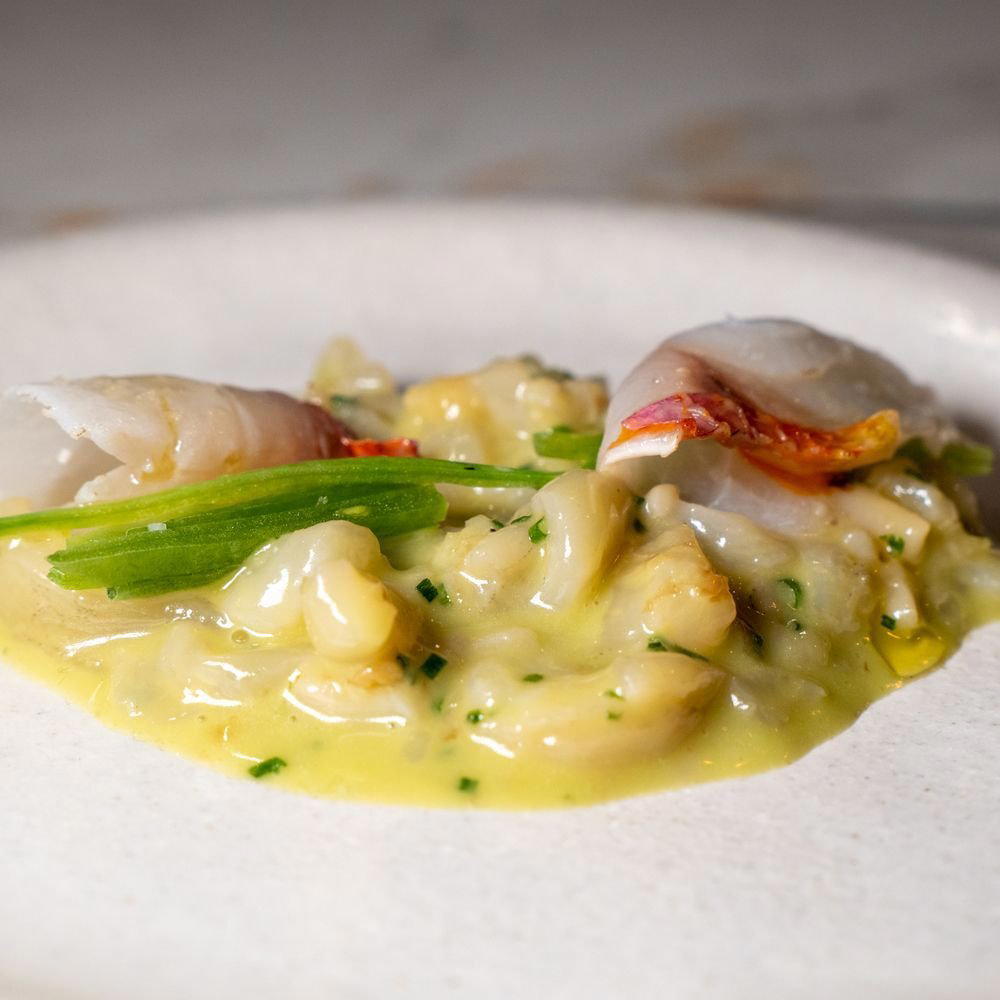
The broader Andalusian bar tradition is, at its structural core, an ingredient-led format. The reason the region developed a culture of small plates, served across marble counters, consumed standing or on low stools, is partly historical and partly agricultural. Andalusia produces olives, jamón ibérico, fresh seafood from the Atlantic coast, and seasonal vegetables at a scale and quality that made elaborate preparation a lower priority than honest presentation. The leading bars in Seville, Granada, and Cádiz have always understood that the sourcing decision is the cooking decision.
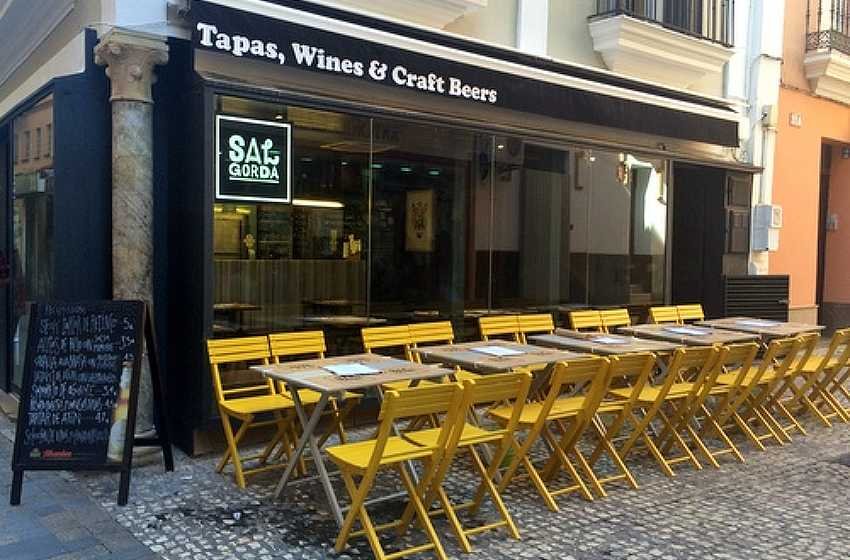
In that context, Bar Gallardo in Granada and Bar Sal Gorda in Seville itself operate within this same tradition, where the integrity of the ingredient on the plate is the primary editorial statement a bar makes about itself. Bars that compete on that basis tend to resist laminated menus and seasonal consistency in favor of something closer to honest daily availability. It is a lower-margin, higher-trust model, and it requires proximity to supply.
Seville's Casco Antiguo neighbourhood supports that model more readily than the tourist-facing strips along the Río Guadalquivir waterfront. Rents are higher near the river; supplier relationships are longer-established in the interior barrios. Bar Alfalfa's address on Calle Candilejo places it inside that interior logic.
The Competitive Context in the Barrio
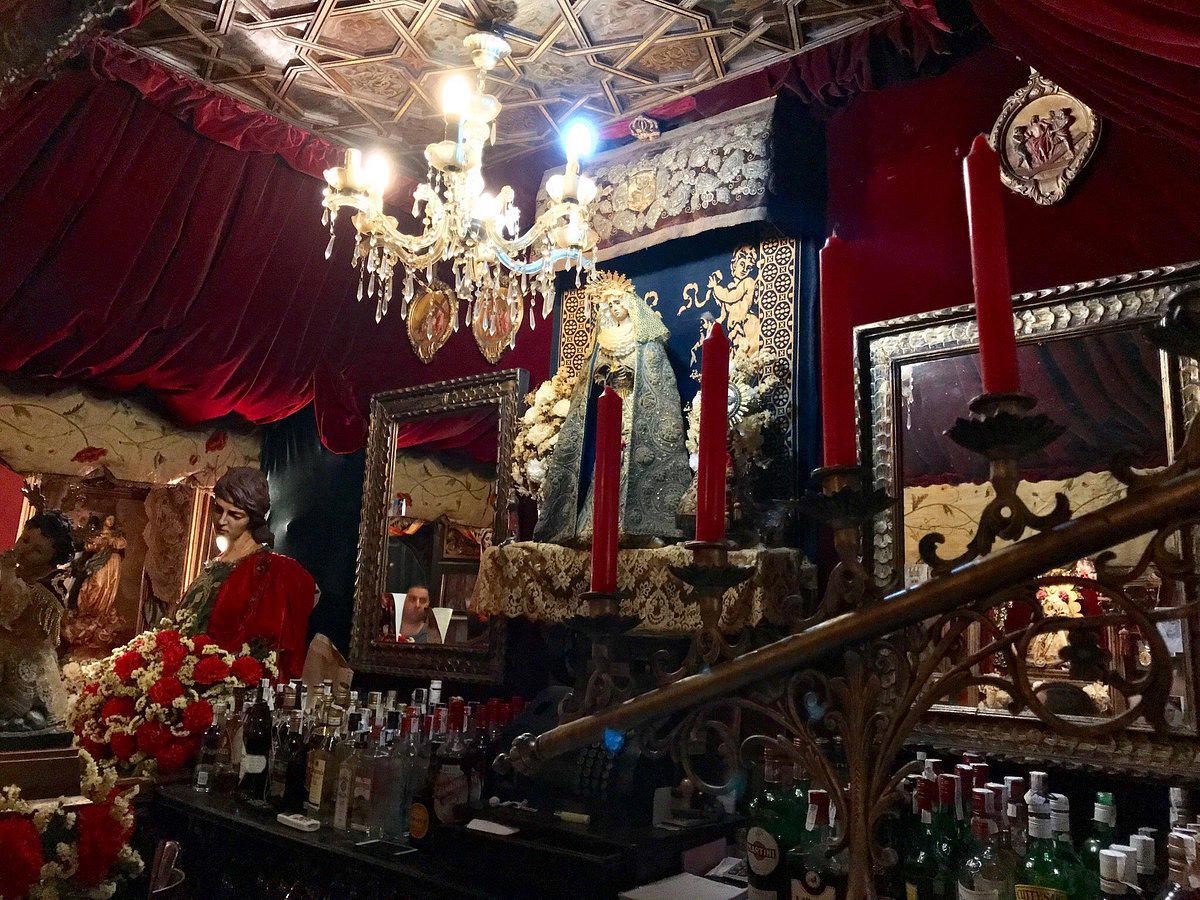
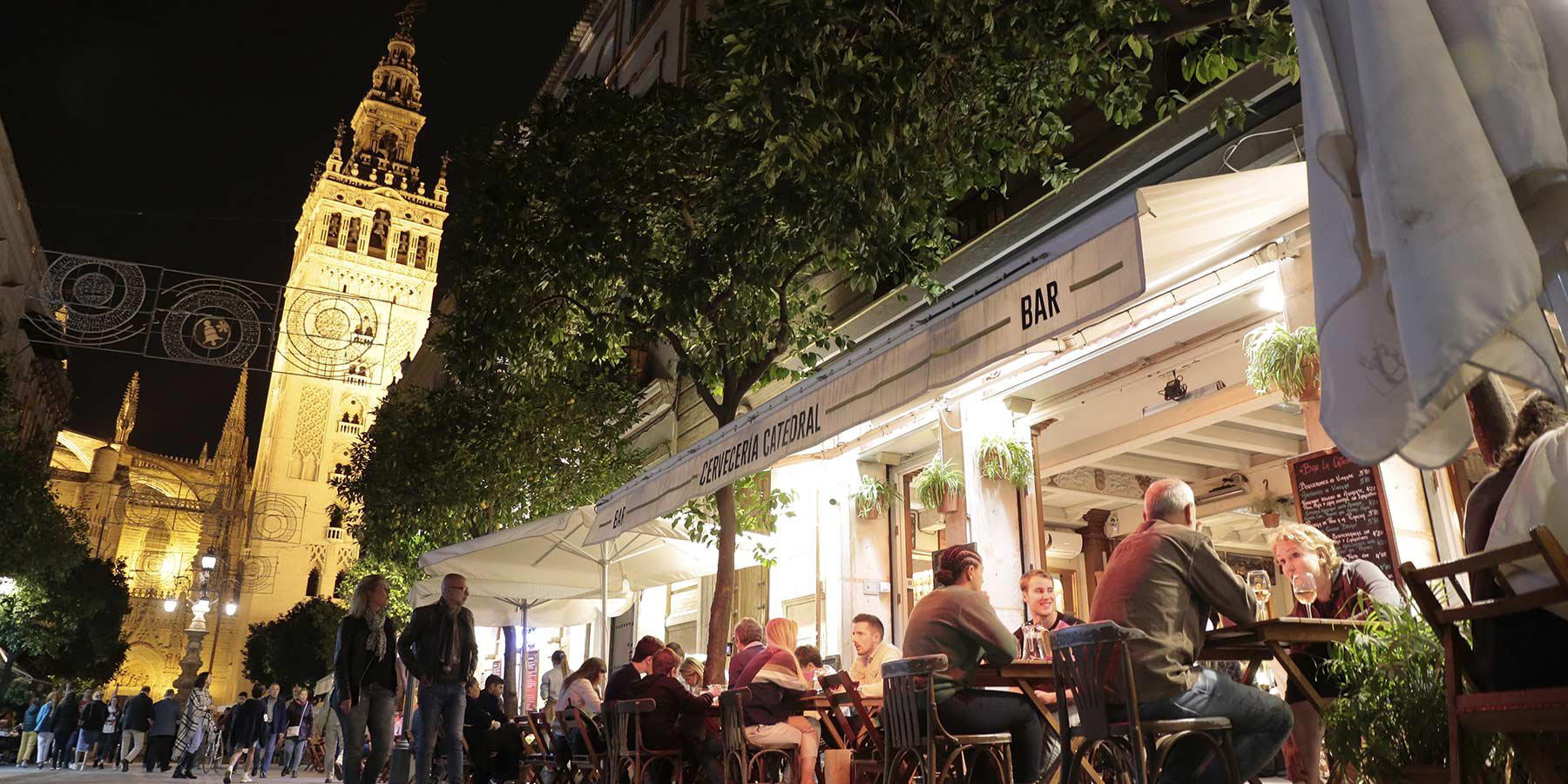
The bar scene around Plaza de Alfalfa and the adjacent Santa Cruz streets is not a monoculture. Several formats coexist within a few minutes of each other, and they are not all doing the same thing. Bar Garlochí, a short walk away, operates with a very different aesthetic register, heavy on Semana Santa imagery and religious iconography, which positions it as a cultural experience as much as a drinking destination. Bar Catedral draws heavily on its proximity to the Cathedral and Giralda tourist circuit. Café Red House runs a slightly more international-facing format.
Bar Alfalfa's position in this field is that of a neighbourhood anchor rather than a destination play. That distinction matters when you are deciding where to spend time. A destination bar rewards a single focused visit; a neighbourhood anchor rewards repeat presence and the slower kind of familiarity where you notice the specials change and the clientele shifts between late morning and early evening. For travellers spending more than two nights in the city, the latter category tends to produce more accurate memories of how Seville actually operates.
Within Spain's broader bar scene, the same split between neighbourhood anchor and destination venue plays out in other cities. Angelita in Madrid occupies the destination tier with its wine program; Boadas in Barcelona is neighbourhood institution through longevity and format discipline. Bar Alfalfa's equivalent credential is its address and its position inside a functional community square.
Planning a Visit
The Plaza de Alfalfa is walkable from most accommodation in the Casco Antiguo and from the Santa Cruz and Arenal neighbourhoods. The square itself is busiest in the late morning and again from early evening, which tracks with standard Andalusian social rhythms: coffee and a tapa before midday, then a return after work and before dinner. For visitors operating on a northern European meal schedule, arriving at 6pm rather than 8pm tends to mean shorter waits and more space at the counter. Seville's dining window compresses late, the city eats dinner after 9pm, which means the bar hour from 7 to 9 is genuinely active and is when the neighbourhood's daily character is most readable. Come on foot, with time to stay for more than one round.
For more context on where Bar Alfalfa sits within Seville's broader drinking and eating scene, see our full Seville restaurants guide. Further afield in the same region, Bar Gallardo in Granada offers a useful point of comparison for how the Andalusian bar format translates across different city contexts. For Spanish bar culture at island pace, La Margarete in Ciutadella and Garden Bar in Calvià represent the Balearic variant of the same neighbourhood-anchor model. And for a point of contrast at the furthest possible remove, Bar Leather Apron in Honolulu shows how the precision-cocktail format operates when geography and supply chain are entirely different propositions. Closer to the Andalusian tradition but operating in a resort register, Garito Cafe in Palma de Mallorca rounds out the Spanish bar spectrum for travellers moving between the mainland and the islands.
At a Glance
- Cozy
- Rustic
- Intimate
- Casual Hangout
- Standalone
- Seated Bar
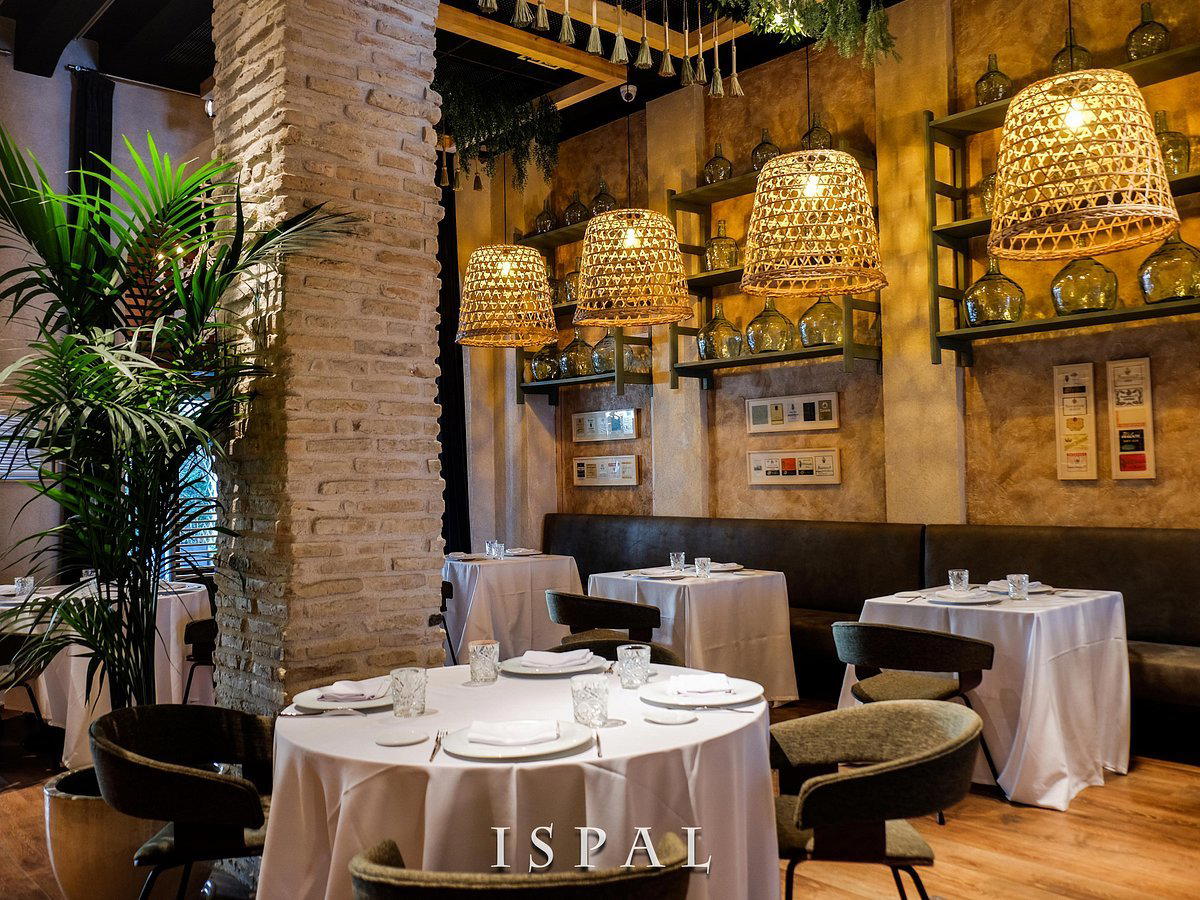
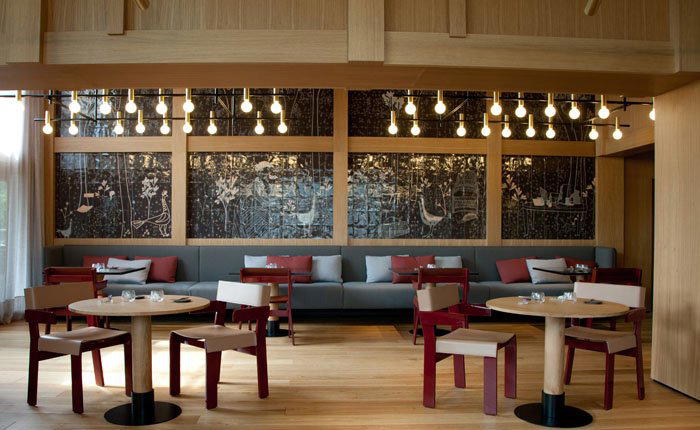
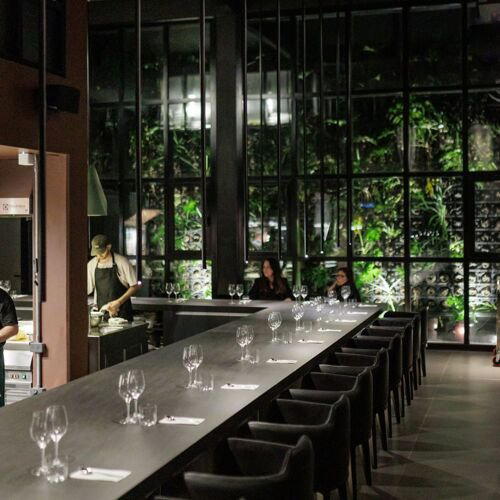
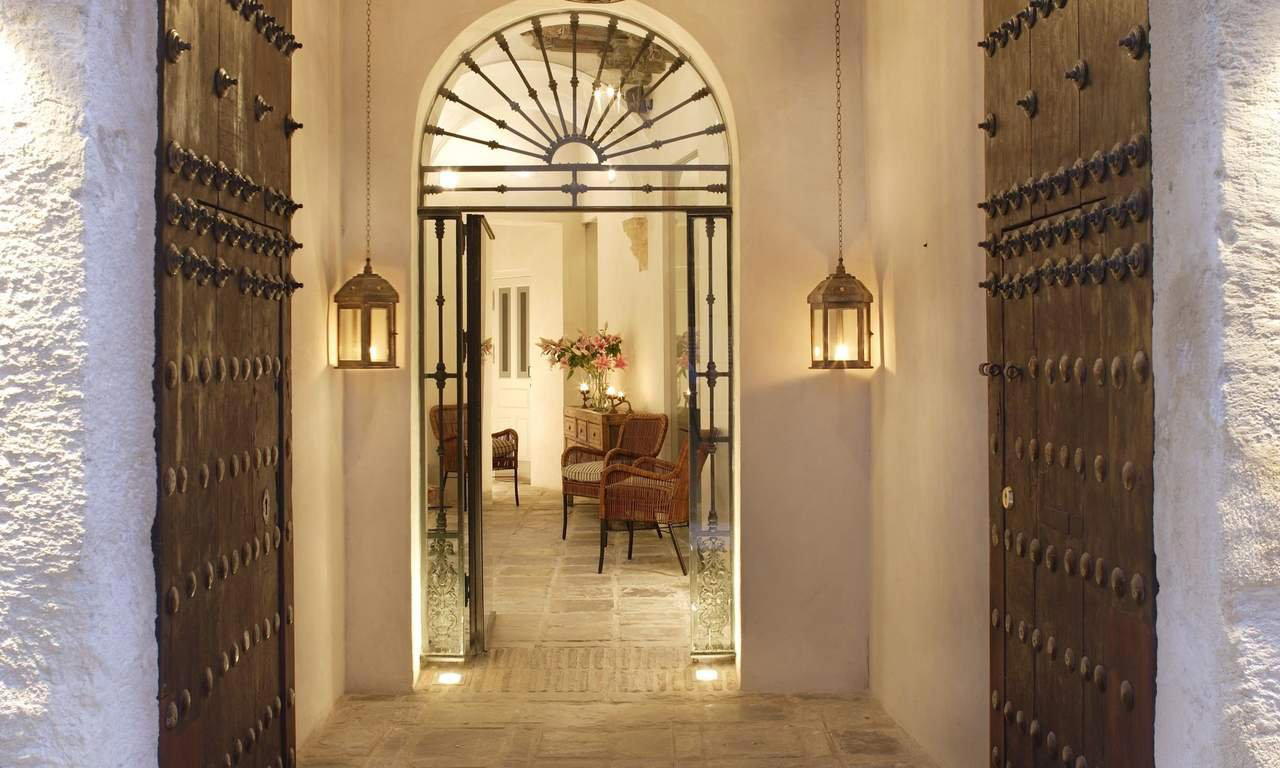
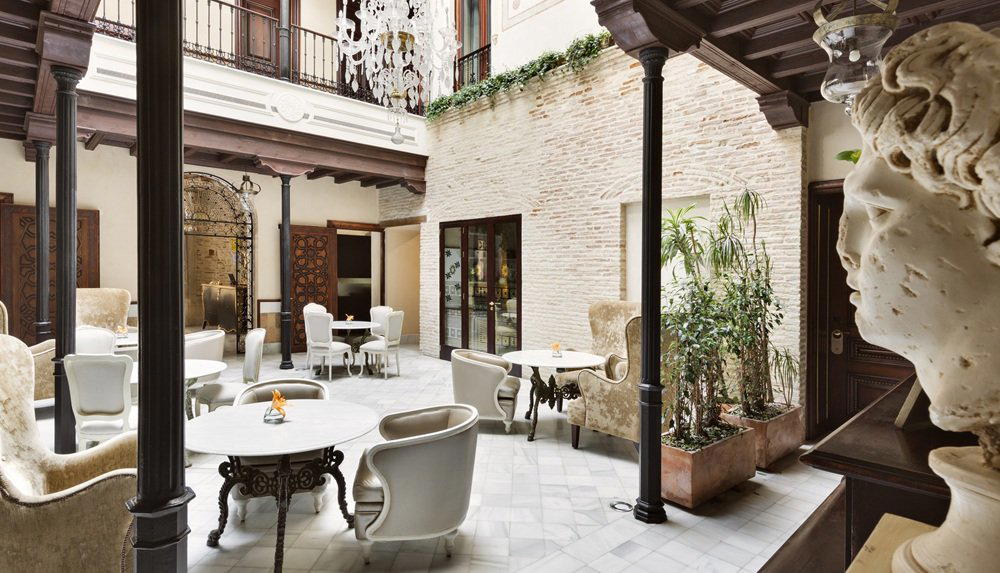
Cozy and intimate with rustic charm, warm lighting, lively chatter, and vibrant Andalusian energy packed shoulder to shoulder.