Michelin Plate
Our verdict
Housed in a refurbished Meiji-era storehouse in Osaka's Chuo Ward, isolata occupies a former dressmaking room whose original ceiling beams set the architectural tone for what follows: a seasonal Italian menu shaped by a chef trained across multiple Italian regions and deeply committed to local culinary technique. The result is a rare meeting point between rigorous Italian tradition and Kansai seasonal thinking.

Pearl is the En Primeur Club membership app, where members save venues, book tables and use the concierge.
A Storehouse, a Finishing School, and the Grammar of Italian Cooking in Osaka
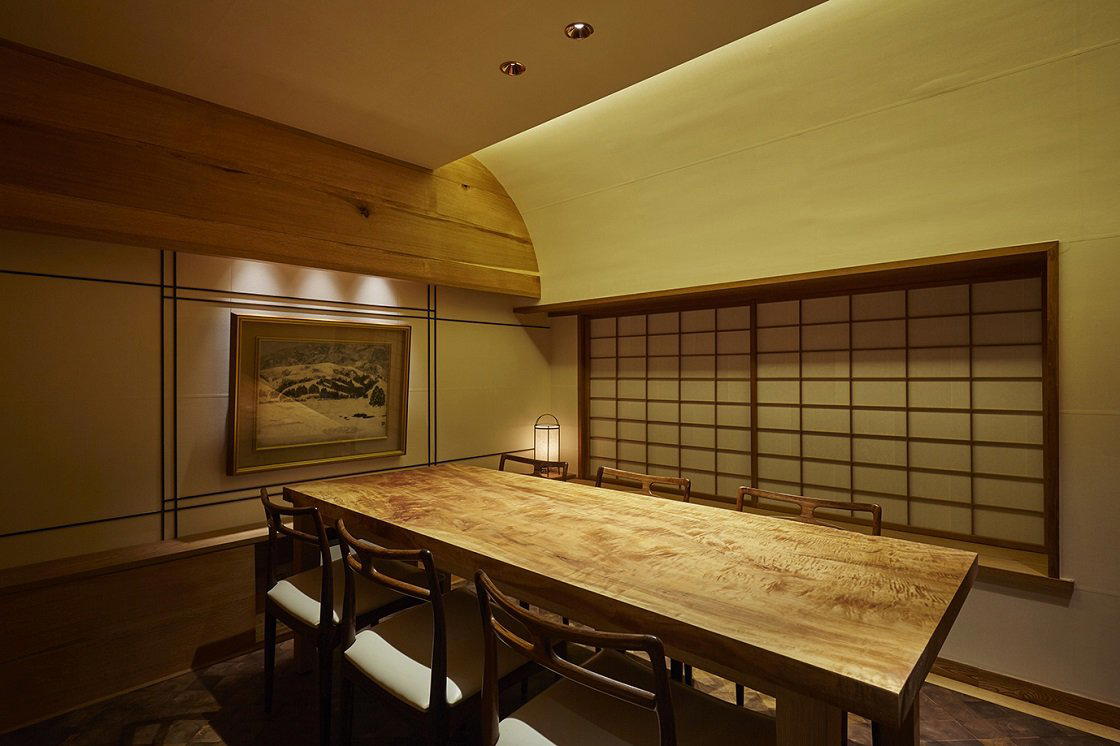
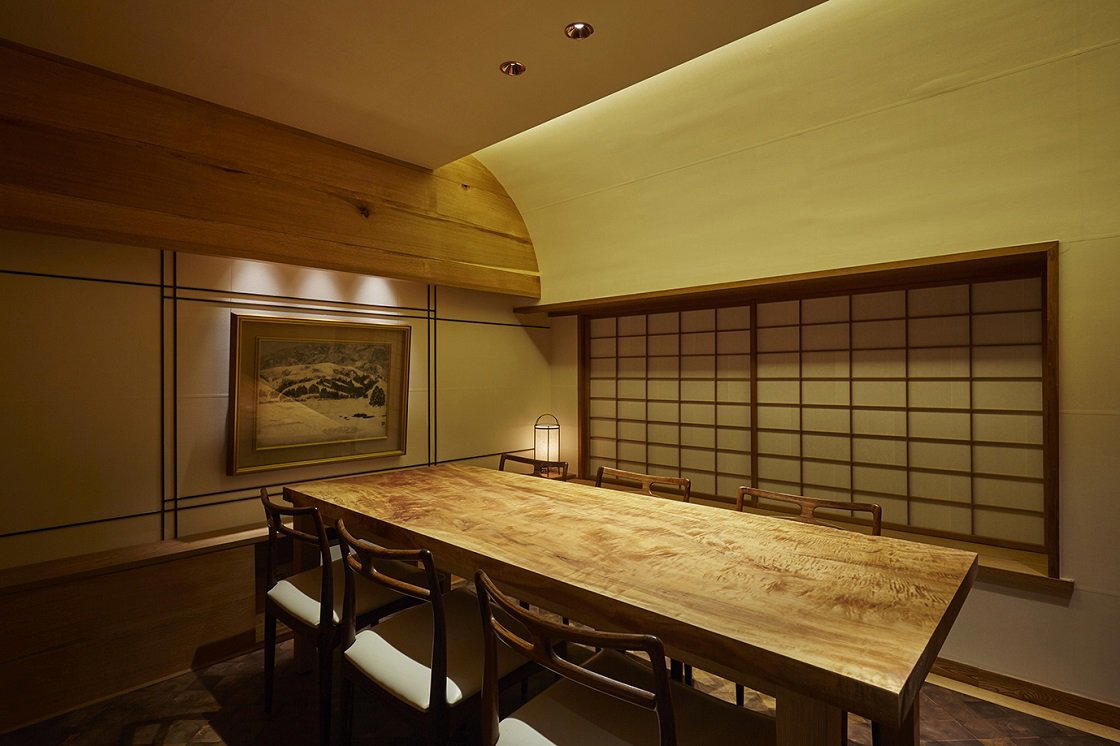
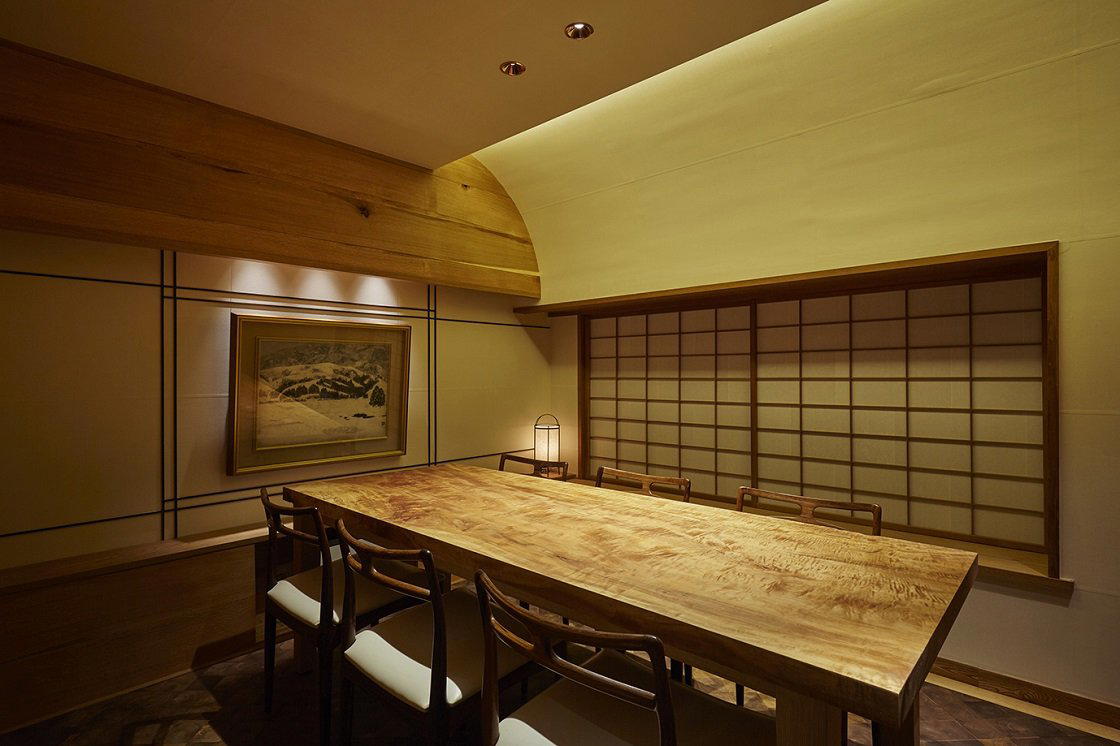
Certain dining rooms communicate their intentions before a menu arrives. The space isolata occupies in Fushimimachi, Chuo Ward, is one of them. The building was once a storehouse appended to a girls' finishing school, and the name itself, drawn from the Italian word for 'outbuilding', makes that structural history explicit. The original ceiling joists and beams remain exposed, lending the room a considered gravity that many restaurants spend large sums trying to manufacture. Here, it arrived with the building.
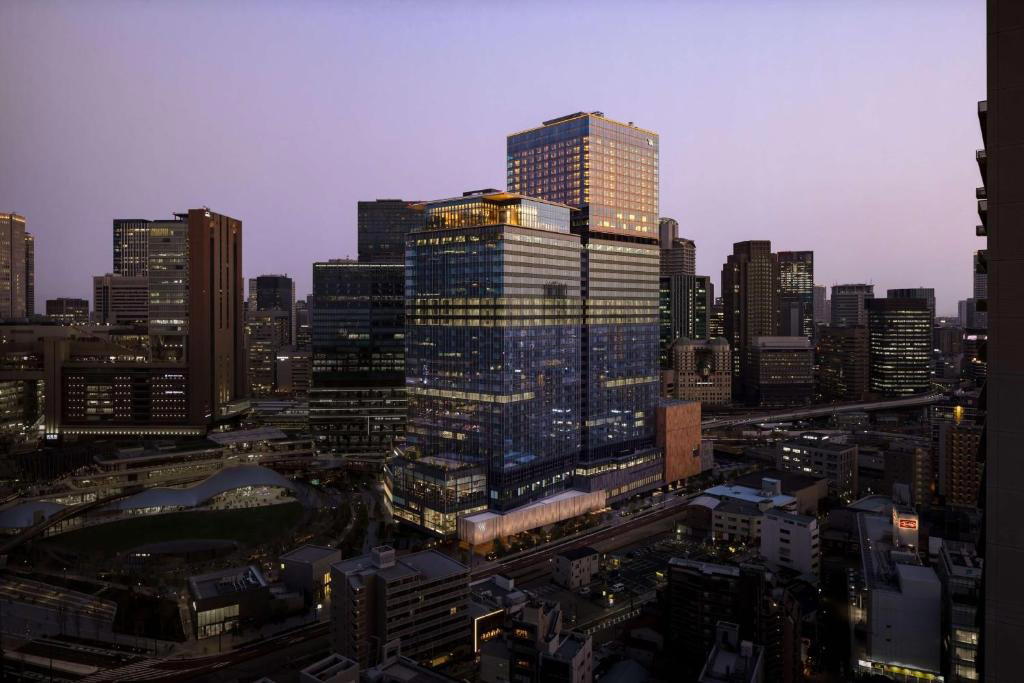
Fushimimachi sits within Osaka's established business and cultural corridor, a part of Chuo Ward where the city's Meiji and Taisho-era commercial architecture survives in fragments alongside glass towers. That physical context matters: isolata is not a restaurant that announces itself through visibility or foot traffic. It operates in a register that rewards prior knowledge over passing curiosity.
Italian Tradition Interpreted Through a Japanese Seasonal Lens
The cultural conversation at the centre of isolata is one that Osaka's serious dining scene has been conducting with increasing depth over the past two decades. The question, how a cuisine defined by specific regional climates, ingredients, and techniques transplants to a city with its own equally specific seasonal logic, has no tidy answer. What the leading practitioners do is resist the temptation to resolve the tension and instead cook inside it.
The chef here trained in several distinct regions of Italy, accumulating what amounts to a practical comparative study of Italian culinary regionalism rather than a single school of thought. That training history matters because Italian cooking is not one tradition but many: the fat structures, the preservation techniques, the relationship between pasta and sauce, the role of preserved fish or aged cheese all shift materially between Piedmont, Emilia-Romagna, Sicily, and Campania. A cook who has worked across several of those regions arrives in Osaka with a wider toolkit, and that breadth shows in the seasonal flexibility the menu reportedly exhibits.
Approach described is one of applying techniques suited to the climate of each season, which in Osaka means a cooking year defined by humid summers, mild winters, and the pronounced ingredient transitions of spring and autumn. This is not so different, structurally, from how a classically trained Italian cook would approach the agricultural calendar in, say, Umbria or Liguria. The logic transfers; the ingredients change. That is where the interpretive work happens.
For context on how this sits within Osaka's broader fine dining ecosystem, the city's highest-profile rooms include HAJIME and Fujiya 1935 at the innovative and French-influenced end, alongside kaiseki specialists like Taian and Kashiwaya Osaka Senriyama. French-Japanese fluency, represented by La Cime, has a well-established critical framework in the city. Italian cooking that takes Kansai seasonality seriously occupies a smaller, less documented niche, which is part of what gives isolata its specific interest.
The Room Itself as Editorial Statement
The physical environment at isolata warrants attention beyond the aesthetic. Dining in a refurbished historic structure creates a particular kind of temporal layering that purpose-built dining rooms cannot replicate. The knowledge that the ceiling above was once part of a working school building, that the beams predate the restaurant by generations, changes the quality of attention a diner brings to the room. It is the same principle that makes eating in a converted Venetian palazzo or a Barcelona industrial warehouse feel different from a contemporary fit-out, regardless of what arrives on the plate.
The decision to name the restaurant after its structural character, 'isolata' as outbuilding, also signals a particular relationship to context over spectacle. The room is not trying to forget what it was. That posture aligns with the cooking philosophy: neither erasing Italian tradition nor forcing it onto Japanese ingredients, but letting the conversation between them remain visible.
Where Isolata Sits in a Broader Japan Context
Cross-referencing isolata against Italy-influenced dining at the serious end of the Japanese market is instructive. akordu in Nara represents a comparable instinct for European technique filtered through deep respect for Japanese regional produce. The northern and western Japan circuits also contain practitioners doing this work: the question of how imported culinary grammar adapts to specific local seasons is one that chefs from Goh in Fukuoka to 1000 in Yokohama approach from different angles.
Internationally, the restaurants that have attracted the most serious attention for this kind of cultural interpretation, places like Atomix in New York City, which applies Korean culinary logic through a fine dining frame, or the precision-driven European tradition at Le Bernardin in New York City, share the underlying principle that technique is portable but ingredients and seasons are local. That alignment of philosophy across different cuisines and geographies is worth noting when situating isolata's approach.
For reference points closer to home, the Kansai region more broadly offers Gion Sasaki in Kyoto as an example of how deep seasonal attunement shapes a serious kitchen, even when the culinary tradition differs entirely. And further afield, Harutaka in Tokyo and 6 in Okinawa illustrate how Japan's regional dining identity extends well beyond any single city or style.
Planning a Visit
Isolata is located at 3 Chome-3-1 Fushimimachi, Chuo Ward, Osaka 541-0044. The Fushimimachi address places it in a part of central Osaka that is straightforwardly accessible from the major subway lines. Given the nature of the room, small-scale, historically housed, with a cooking approach that operates on seasonal logic, advance booking is advisable. No booking window or seat count is confirmed in available data, but the format and profile suggest this is not a walk-in proposition.
Know Before You Go
- Address: 3 Chome-3-1 Fushimimachi, Chuo Ward, Osaka, 541-0044, Japan
- Setting: Refurbished Meiji-era storehouse; original ceiling and beams intact
- Cuisine: Italian, seasonally interpreted through a Kansai lens
- Chef background: Trained across multiple Italian regions
- Booking: Advance reservation recommended; contact details at time of writing
- Price range:
- Dress code: Not confirmed; the room's character suggests smart casual at minimum
For further Osaka planning, see our full Osaka restaurants guide, our full Osaka hotels guide, our full Osaka bars guide, our full Osaka wineries guide, and our full Osaka experiences guide.
Frequently asked questions
Where do I go for isolata?
isolata is located at 3 Chome-3-1 Fushimimachi, Chuo Ward, Osaka, 541-0044, Japan, Osaka.
Is isolata Michelin-listed?
isolata has received recognition including: The restaurant, named after the Italian word for ‘outbuilding’, is housed in a refurbished storehouse, once a dressmaking room at a girls’ finishing school, beside a retro-style building. The original ceiling and beams lend the space a stat….
What's the signature dish at isolata?
Isolata does not publish a fixed menu, and the chef's approach is grounded in seasonal technique drawn from Italian regional traditions interpreted through a Japanese seasonal lens. Specific dishes rotate according to the climate and season rather than a stable signature item. The through-line is the chef's reverence for local Italian culinary lore applied with contemporary method.
Is isolata reservation-only?
Reservation details are not publicly listed for isolata, and the restaurant does not appear to publish phone or online booking information. Given the intimate character of the Fushimimachi storehouse setting and the calibre of the cooking, contacting the venue directly or arriving with a booking is strongly advisable rather than walking in.
What is isolata known for?
Isolata is known for housing its Italian kitchen inside a refurbished storehouse in Osaka's Fushimimachi district, a space that was once a dressmaking room at a girls' finishing school. The chef trained across multiple Italian regions and channels that experience into cooking that shifts with the Japanese season. The original ceiling and beams remain intact, giving the room a structural character that few Italian restaurants in Japan match.
Is isolata allergy-friendly?
No allergy or dietary accommodation policy is documented for isolata. Given the chef-driven, seasonally constructed nature of the menu and the intimate scale of the space, specific dietary requirements are best communicated at the time of reservation rather than assumed.
How does isolata's building history shape the dining experience in Osaka?
Isolata takes its name from the Italian word for 'outbuilding,' a reference that is architectural, not incidental. The refurbished storehouse beside a retro-style building in Fushimimachi, Chuo Ward, retains its original ceiling and beams, and the room's history as a dressmaking space at a girls' finishing school informs a particular stillness that separates it from Osaka's more conventionally fitted Italian rooms. The physical setting functions as context for the chef's Italy-trained, Japan-seasoned approach to cooking.
Cost Snapshot
Comparable venues nearby, for context on price, style, and recognition.
| Venue | Cuisine | Price | Awards | Notes |
|---|---|---|---|---|
| isolataThis venue (the venue you are viewing) | Seasonal Italian in Historic Building | $50–100 | Michelin Plate | Not listed |
| Brasserie RÉGINE | French Brasserie | $50–100 | Michelin Plate | Chūō, French Brasserie |
| Kasane | Oden & Japanese Cuisine | $50–100 | Michelin Plate | Kita, Oden & Japanese Cuisine |
| Jizakeya Iwatsuki | Sake-Paired Japanese Izakaya | $50–100 | Michelin Plate | Kita, Sake-Paired Japanese Izakaya |
| MATO | Modern Shanghai Chinese | Not listed | Michelin Plate · Tabelog 100 #58 | Kita, Modern Shanghai Chinese |
| Momen | Kappo | $100–150 | Tabelog Bronze #289 | Chūō, Kappo |
Recognition history
Dated appearances from independent guides and award organizations, with the underlying list record or original source where available.
Michelin Plate
Michelin