
Toyama’s wagashi culture rewards precision over ceremony: rice, beans, sugar and timing do the work. Ishitani Mochiya Toyama chuo dori honten is a low-cost, take-out-led stop for Japanese sweets and daifuku, recognized in Tabelog’s 2023 Japanese traditional sweets / sweets cafe WEST 100 selection.
Pearl is the En Primeur Club membership app — saves, bookings, and concierge access live there. Same editors, same standards.
- Address
- 富山県富山市中央通り1-5-33
- Phone
- +81764212253
- Website
- ishitani-mochiya.jp
 Saves & bookings on Pearl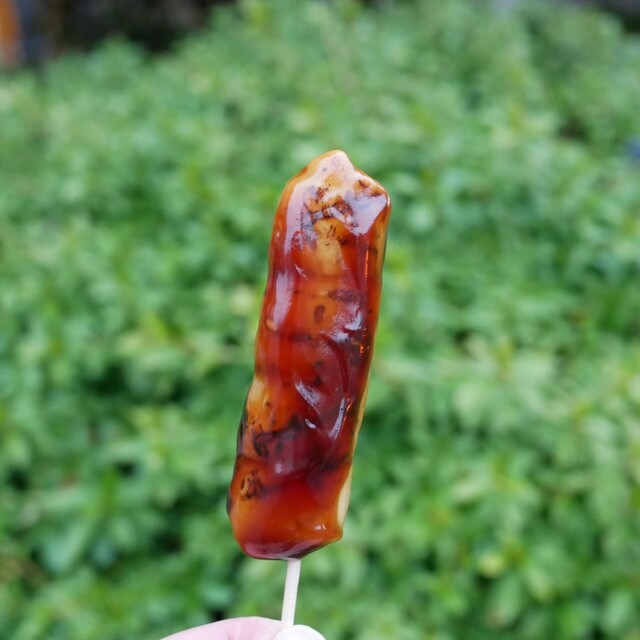
Chuo-dori’s shopping-street rhythm suits wagashi better than a hushed dining room. The format is quick, local and ingredient-led: sweets made for the day, bought across a counter, carried out into the city rather than stretched into a formal sitting. In Toyama, that matters. This is a prefecture where rice is not background starch but a regional identity, and the same attention that shapes sake, onigiri and winter seafood also gives mochi its authority.
Ishitani Mochiya Toyama chuo dori honten belongs to that older register of Japanese food culture: modest in spend, specific in craft, and more revealing than many longer meals. Its Tabelog 100 selection for Japanese traditional sweets / Japanese sweets cafe in WEST 2023 places it in a curated regional bracket, but the deeper point is category discipline. Wagashi does not forgive excess. Texture, sweetness and temperature have narrower margins than travelers often expect.
Mochi as Toyama logic, not dessert decoration
Japanese sweets are sometimes treated by visitors as an afterthought after sushi, ramen or kaiseki. That misses the structure of the tradition. Wagashi is built around agricultural material and seasonality: rice flour, beans, sugar, tea culture, gift etiquette and daily neighborhood habits. Daifuku, the category specifically attached here, is not a luxury signal. It is a test of proportion, where the rice cake wrapper and red bean paste have to meet without one flattening the other.
Toyama gives that category a sharper frame because the prefecture’s food reputation is tied to water, rice and cold-climate produce. The city’s dining conversation can quickly turn toward seafood from Toyama Bay or counter restaurants with higher spends, yet its sweets shops show another side of the same regional logic: freshness, controlled handling and a preference for directness over spectacle. For visitors comparing a snack stop with a longer meal, that difference is useful. A sub-JPY 999 wagashi purchase can say more about everyday Toyama than a polished dining room trying to summarize the prefecture in courses.
The take-out format also changes expectations. This is not the place to look for a chef’s narrative or a composed tasting sequence. It is closer to the Japanese habit of buying something precise, seasonal and portable, then fitting it into the day. That makes it a strong counterpoint to Toyama’s reservation-driven restaurants and a sensible pause between heavier meals.
A low-cost stop with serious category recognition
The 2023 Tabelog 100 recognition matters because wagashi is a crowded field across western Japan, and sweets shops rarely rely on the same international award language as fine dining. A Tabelog score of 3.66 gives another signal: local diner attention rather than imported prestige. The value proposition is unusually clear for a traveler. The spend sits in the lowest listed band, while the category recognition places the shop in a more selective conversation than the price suggests.
That contrast is part of the appeal. Toyama has restaurants where the commitment is measured in time, counter seats and tasting-menu pacing. Wagashi compresses the decision. It is a short stop, not a replacement for dinner, and that makes it easier to fit around the city’s broader dining plan. Travelers building a Toyama day around savory addresses such as Boteyan, Boteyan Tanaka, Cave Yunoki, Daimon or Daruma should treat this as a different kind of eating: concise, local and tied to ingredients rather than occasion.
Compared with higher-spend Toyama dining, the shop’s role is not to compete on ceremony. Tachigui Sushi Jinjin, for example, operates in a far higher listed price band, while Thai Nanraku sits in a mid-to-high dinner range. Wagashi occupies another lane entirely. The assessment should be made against other Japanese sweets counters and cafe-style confectionery specialists, where freshness, handling and turnover are more relevant than menu breadth.
How to place it in a Toyama itinerary
The smartest use is as a daytime food stop in central Toyama, especially when the itinerary already includes heavier regional eating. The nearest station reference is Nishicho, which puts it within the city’s compact tram-and-shopping-street pattern rather than a destination requiring a long detour. The no-smoking listing and take-out service reinforce the practical character: quick, clean, and suited to travelers moving through the center rather than settling in for a long session.
Payment expectations are worth treating seriously in Japan’s smaller specialist shops. Credit cards and electronic money are not listed, while PayPay is accepted. That detail is not glamorous, but it affects the experience more than any adjective. Carry cash when planning sweets stops in regional cities; it keeps the transaction simple and avoids turning a quick purchase into a logistical problem.
For a wider read on the city, use wagashi as a punctuation mark rather than a headline meal. Toyama’s food identity is broader than one category, and the contrast between sweets, seafood, casual counters and destination restaurants is where the city becomes legible. Start with Our full Toyama restaurants guide, then build the rest of the trip through Our full Toyama hotels guide, Our full Toyama bars guide, Our full Toyama wineries guide and Our full Toyama experiences guide.
Readers comparing Japan’s casual and specialist food formats beyond Toyama may also find useful contrasts in -Grilled beef Sukiyaki- KAMAKURA TANUKIAN 鎌倉 たぬき庵 in Kamakura,. 鮪と炭火焼き うお炭 秋葉原店 in Tokyo,.cafe in Osaka,.know in Kumamoto, (Shoku) Vietnam in Kawasaki, [Curry Senmon Ten] Maruyama Kyoju. in Sapporo, Jōdo Saké Bar in Los Angeles and Onigiri Time in Pasadena. The comparison is not about cuisine similarity; it is about how focused formats can carry a city’s food habits with less ceremony than formal dining.
How It Stacks Up
Comparable venues by cuisine and price in the same metro.
| Venue | Cuisine | Price | Awards | Notes |
|---|---|---|---|---|
| Ishitani Mochiya Toyama chuo dori hontenThis venue — the venue you are viewing | Japanese Traditional Sweets Cafe | $ | , | |
| Ito Sho Honten | Traditional Japanese Udon | $ | , | Taromaru Honmachi |
| Boteyan | Okonomiyaki (Japanese Savory Pancake) | $$ | , | Toyama Station area |
| Daruma | Traditional Sushi Counter | $$ | , | .null |
| Gin Gyo | Izakaya Seafood | $$ | , | Shintomicho |
| Tonjinchi Ramen | Toyama Himi Niboshi Ramen | $ | , | Himi |
Continue exploring
More in Toyama
Restaurants in Toyama
Browse all →


At a Glance
- Quiet
- Cozy
- Classic
- Hidden Gem
- Casual Hangout
- Solo
- Family
- Standalone
- Local Sourcing
- Street Scene
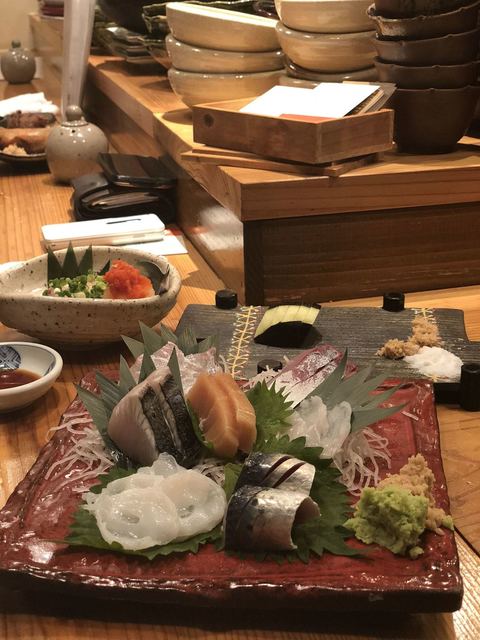
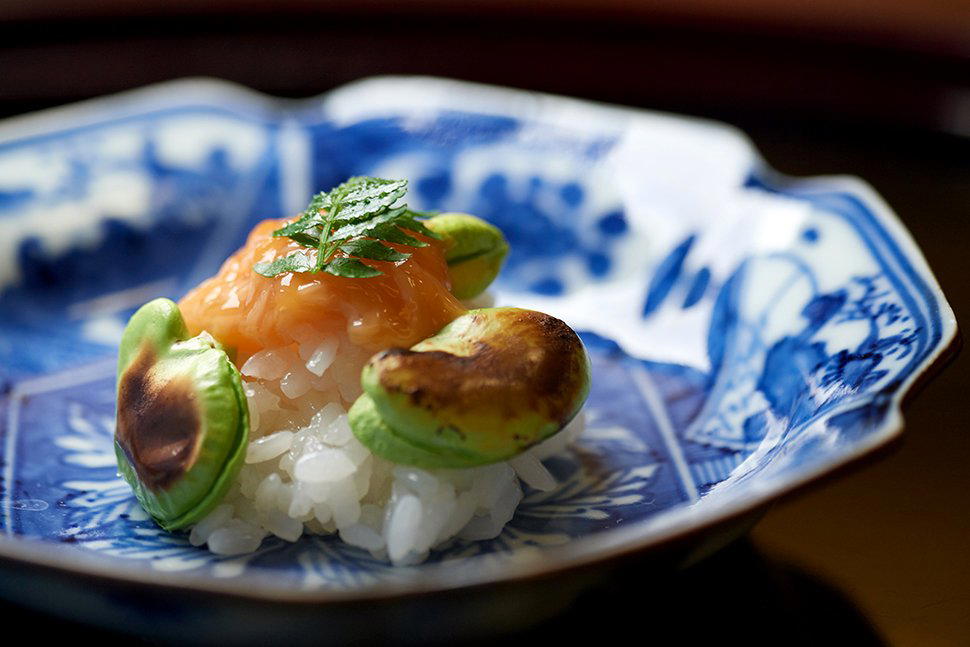
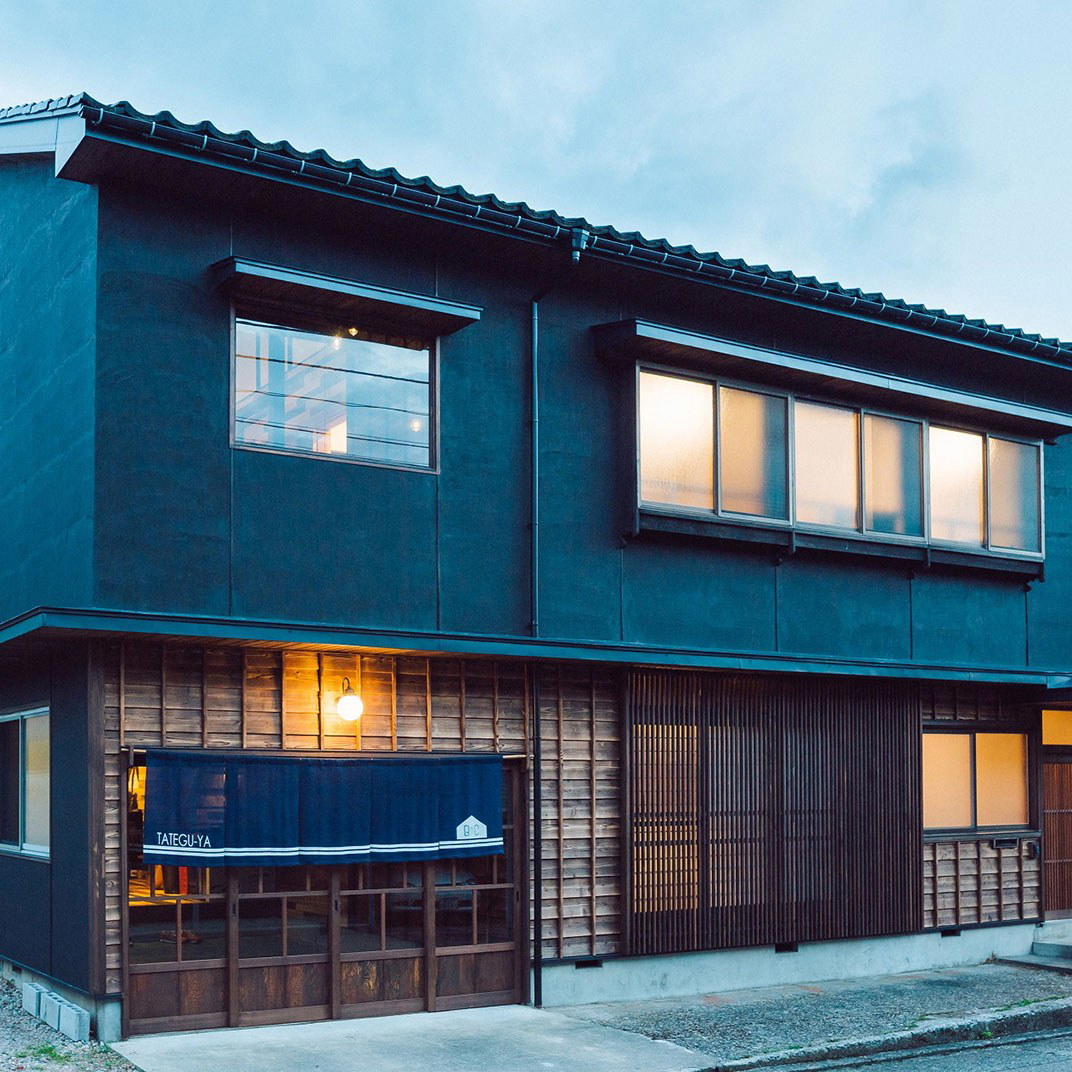
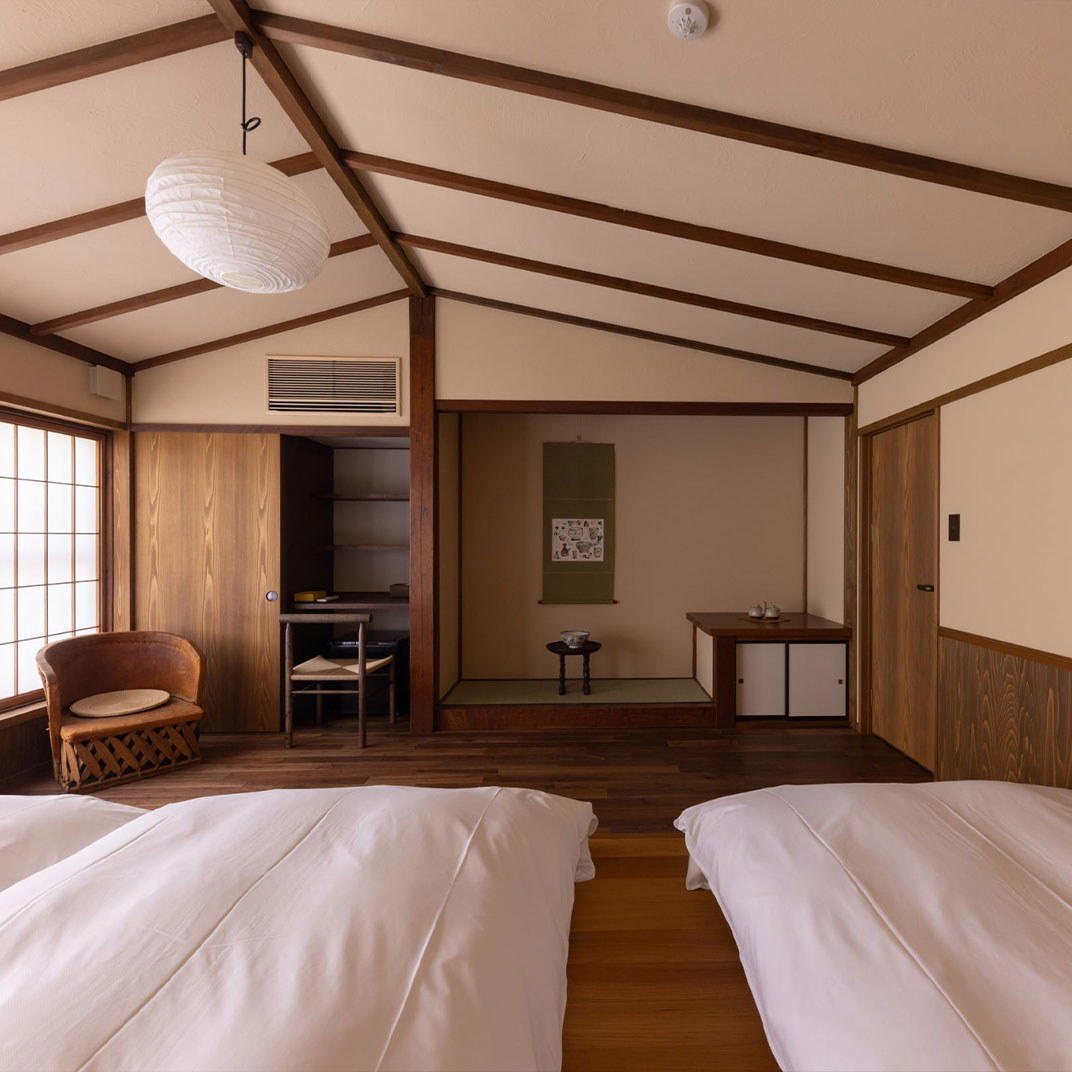
A traditional, understated Japanese sweets shop with a small cafe-like feel and a calm, neighborhood atmosphere.