
Ito Sho Honten places Toyama’s everyday noodle culture in a serious frame: wheat noodles, sake, counter seating and tatami rooms, backed by selection for Tabelog 100 Udon WEST 2024. The appeal is not luxury theatre but regional confidence, the kind of local dining where sourcing, texture and queue discipline matter more than ceremony.
Pearl is the En Primeur Club membership app — saves, bookings, and concierge access live there. Same editors, same standards.
- Address
- 1 Chome-7-6 Taromaruhonmachi, Toyama, 939-8272, Japan
- Phone
- +81 76-425-5581
- Website
- itoshou.com
 Saves & bookings on Pearl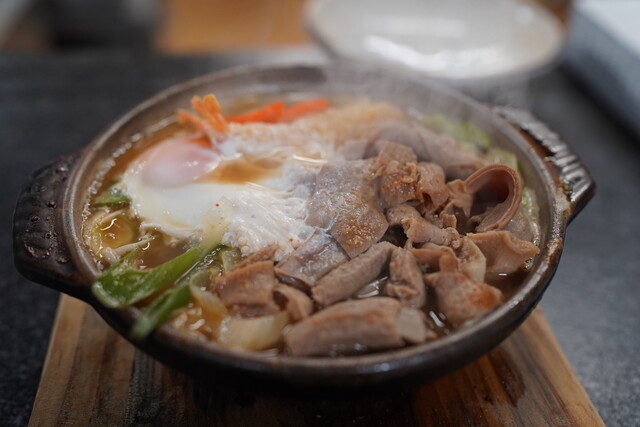
Approaching a house-style udon restaurant in Toyama changes the register of dining. The city is better known to many travellers for sushi, masuzushi and seafood from Toyama Bay, yet its everyday tables also depend on wheat, broth and quick turnover. Ito Sho Honten belongs to that second rhythm: practical, local, and serious enough to be selected for Tabelog 100 Udon WEST 2024.
That matters because udon in Japan is not a single national standard. Sanuki’s firmness, Osaka’s gentler broth culture and regional bowls across Hokuriku all ask different questions of flour, water, seasoning and pace. Toyama’s version sits in a city where cold winters, seafood wealth and rice-country cooking shape expectations. A noodle house here has to serve locals first; tourists only make sense when they understand that context.
Udon as Toyama comfort food, not performance dining
The defining idea is clear: wheat noodles treated as a complete meal rather than a side note. The category listed is udon, and the drink offering includes sake, which places the meal in a familiar Japanese casual-dining frame rather than a tasting-menu frame. Counter seating and tatami rooms signal a hybrid audience: solo diners, families and small groups can all read the room without instruction.
The ingredient story begins with restraint. Udon is a cuisine of few hiding places: flour quality, kneading, resting, broth seasoning and garnish balance do the work. In Toyama, where seafood restaurants often dominate travel itineraries, a serious udon shop shows another local truth. Not every meal in a coastal city needs to chase fish; some of the sharper reads on place come through staple grains, stock and the habits of repeat customers.
Tabelog 100 Udon WEST 2024 selection gives the restaurant a useful external marker without turning the meal into ceremony. Tabelog’s Hyakumeiten lists tend to reward category specialists rather than luxury dining rooms, so inclusion here says more about category credibility than grandeur. Ito Sho Honten also appears in earlier Tabelog udon selections from 2017, 2018, 2019 and 2020, suggesting a pattern of recognition rather than a single-year spike.
For travellers building a Toyama food day, this is the counterweight to sushi-led planning. Sushijin and 寿司栄 華やぎ sit in the city’s seafood conversation; Ogiichi Masuzushi Honpo points to pressed trout sushi, a Toyama staple with a different tempo altogether. Udon fills the gap between those meals. It is quicker, warmer, easier to repeat, and less dependent on occasion.
The room tells you how to eat here
The format is part of the editorial value. A 41-seat setup, split across counter seats, tables and tatami rooms, puts the restaurant in the middle ground between station-area convenience and small specialist shop. That makes it more forgiving than a tiny counter but still focused enough to feel like a noodle destination.
The meal-ticket system sharpens the experience. Diners buy a ticket inside, hand it to staff, then join the queue. That sequence is common in Japan’s casual specialist restaurants because it removes negotiation from service and keeps the kitchen moving. For visitors unfamiliar with the format, it also sets expectations: decide before lingering, follow the line, and treat the pace as part of the meal rather than a service flaw.
Payment is cash-led, with credit cards, electronic money and QR code payments not accepted. That detail changes the planning calculus more than any decorative description could. Toyama rewards travellers who keep small cash on hand, especially when moving between long-established casual restaurants, markets and transport stops.
The room is non-smoking and family friendly, with children welcomed across age groups. That positions the restaurant away from rarefied destination dining and closer to the way Japanese noodle culture actually works: quick lunches, early dinners, family tables, lone regulars and bowls that do not require a reservation vocabulary. Take-out is also listed, which reinforces the restaurant’s practical role in the neighbourhood.
How to place it in a Toyama itinerary
Toyama dining is easy to flatten into a seafood checklist. That is a mistake. The stronger itinerary alternates between the Bay and the city’s everyday specialists: sushi, masuzushi, udon, izakaya cooking, coffee and bars. For a broader sweep of the city’s restaurant scene, use Our full Toyama restaurants guide, then compare casual local institutions with places such as Boteyan, Boteyan Tanaka, Cave Yunoki, Daimon and Daruma.
Visitors staying overnight should treat the city as more than a transit point between Kanazawa, the Tateyama Kurobe Alpine Route and the coast. The supporting guides to Toyama hotels, Toyama bars, Toyama wineries and Toyama experiences help place a bowl of udon inside a wider city rhythm rather than treating it as an isolated stop.
The wider Japan map is useful too. Casual specialist dining can look modest from the outside, but it often carries more regional information than polished rooms aimed at visitors. Compare that logic with -Grilled beef Sukiyaki- KAMAKURA TANUKIAN 鎌倉 たぬき庵 in Kamakura. 鮪と炭火焼き うお炭 秋葉原店 in Tokyo.cafe in Osaka.know in Kumamoto, (Shoku) Vietnam in Kawasaki and [Curry Senmon Ten] Maruyama Kyoju. in Sapporo. Abroad, Japanese casual formats shift again at Jōdo Saké Bar in Los Angeles and Onigiri Time in Pasadena, where the language of sake, rice and quick-service comfort changes under American dining expectations.
The verdict is practical and narrow in the right way. Ito Sho Honten is for travellers who want Toyama beyond seafood and are willing to read a noodle shop on its own terms: queue, ticket, cash, counter, tatami, sake and a bowl built around wheat. Its recognition in the udon category supports the case, but the stronger reason to go is the way it anchors a regional food day between coastal prestige and everyday appetite.
Comparable Spots, Quickly
Comparable venues by cuisine and price in the same metro.
| Venue | Cuisine | Price | Notes |
|---|---|---|---|
| Ito Sho Honten | Traditional Japanese Udon | $ | Taromaru Honmachi |
| Tonjinchi Ramen | Toyama Himi Niboshi Ramen | $ | Himi |
| Ogiichi Masuzushi Honpo | Traditional Toyama Masuzushi Specialty Shop | $$ | Koizumicho |
| Boteyan | Okonomiyaki (Japanese Savory Pancake) | $$ | Toyama Station area |
| Sushi Namba | Traditional Sushi Omakase | $$$ | Kumonmyo |
| å¨ä¹ å± | japanese | Not listed | Toyama |
Recognition history
Dated appearances from independent guides and award organizations, with the underlying list record or original source where available.
Tabelog 100 #66 · No. 66
Tabelog · Tabelog 100 - Udon - WEST - 2024
At a Glance
- Classic
- Cozy
- Well Known
- Solo
- Family
- Casual Hangout
- Standalone
- Beer Program
Current opening hours
- Monday
- Closed
- Tuesday
- Closed
- Wednesday
- Closed
- Thursday
- 11 AM–3 PM, 5–10 PM
- Friday
- 11 AM–3 PM, 5–10 PM
- Saturday
- 11 AM–10 PM
- Sunday
- 11 AM–10 PM
Hours can change for holidays and private events. Last verified .
A no-frills house-style noodle shop with a warm, bustling, and highly local feel built around hot, freshly served udon.