Ironwoods
Ironwoods occupies a distinctive address at 300 Finley Road in San Francisco's Presidio, positioning itself within the city's upper tier of destination dining. The restaurant operates in a scene where collaboration between kitchen, floor, and cellar defines the experience as much as any single dish. For visitors orienting themselves in San Francisco's fine dining circuit, Ironwoods belongs on the same itinerary as the city's most recognized tasting-menu houses.
 Discover on Pearl
Pearl is the En Primeur Club membership app — saves, bookings, and concierge access live there. Same editors, same standards.
- Address
- 300 Finley Rd, San Francisco, CA 94129
- Phone
- +14155614600
- Website
- presidiogolf.com
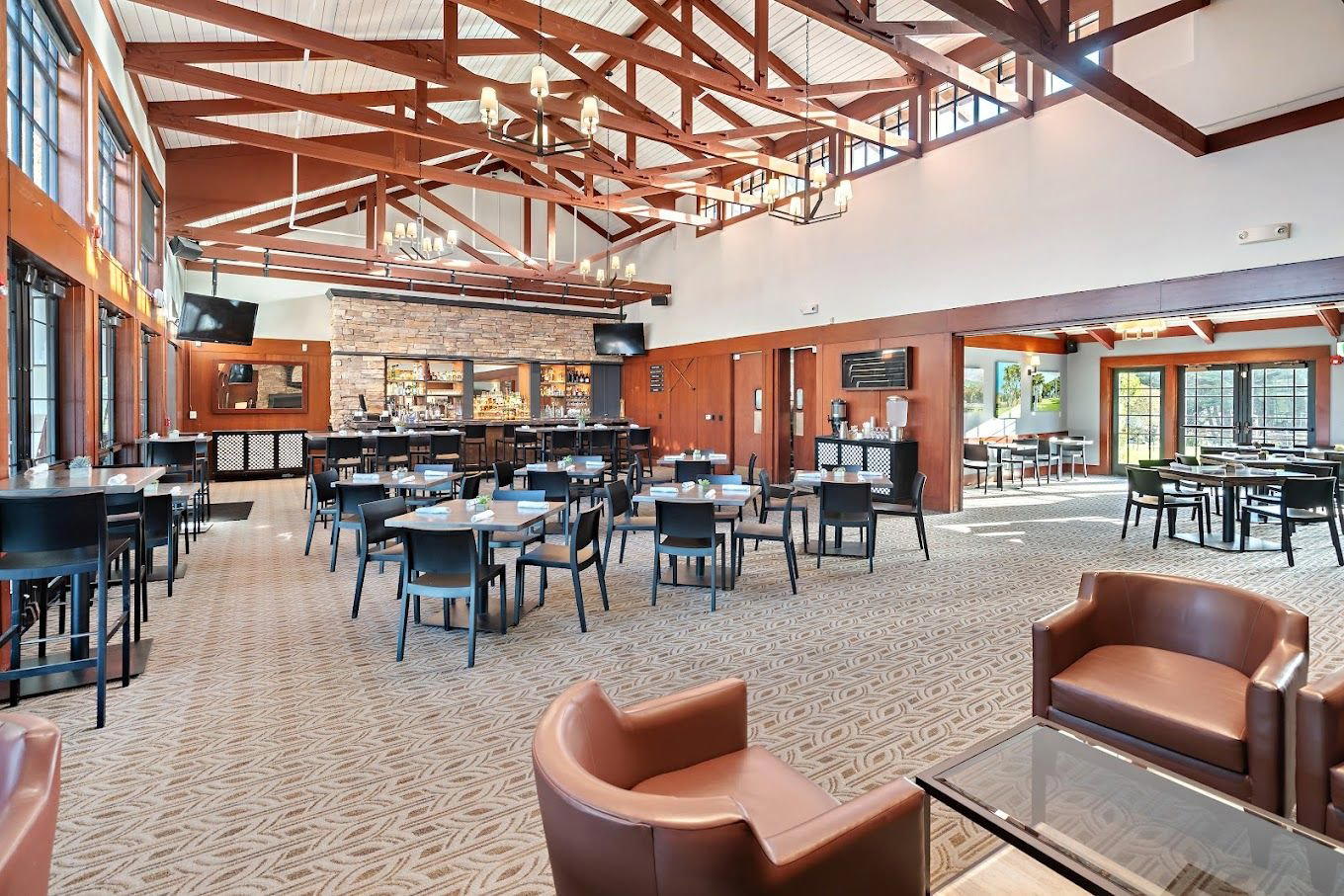
Dining at the Edge of the Presidio
The approach to 300 Finley Road already signals a departure from the density of San Francisco's downtown dining corridors. The Presidio sits at the northwestern edge of the city, where the urban grid loosens into federal parkland and the light shifts with the time of afternoon. Restaurants in this pocket of San Francisco operate in a distinct register from the SoMa or Financial District tasting-room circuit. The setting imposes a certain quietness, and dining rooms in this zone tend to reflect that, focused, unhurried, built around the meal rather than the scene outside.
Ironwoods, addressed at 300 Finley Road, occupies that context deliberately. The Presidio's transformation from military base to cultural and culinary hub has been gradual but consistent, and the dining options that have taken root here tend toward the considered rather than the casual. It is a neighbourhood where the physical environment does some of the editorial work before the first course arrives.
Where the Presidio Sits in San Francisco's Fine Dining Tier
San Francisco's fine dining market clusters in a defined upper bracket. Benu holds three Michelin stars and anchors the French-Chinese fine dining conversation in SoMa. Atelier Crenn operates at the same Michelin tier with a poetic, produce-forward Modern French framework. Lazy Bear runs a ticketed Progressive American format that has become a reference point for the communal tasting experience. Quince and Saison round out the leading price tier, with Italian-contemporary and Californian-progressive approaches respectively.
Each of these addresses occupies its own competitive position, and each has developed a team identity as its primary differentiator. At this level of pricing and ambition, the question is whether the collaboration between kitchen, floor, and cellar produces something coherent enough to justify the commitment. That question applies as much to Ironwoods as to any house in this comparable set.
Nationally, the same dynamic plays out at The French Laundry in Napa, Alinea in Chicago, and Le Bernardin in New York City, where service culture and sommelier programs carry as much critical weight as the menu itself. The strongest rooms at this tier function as ensembles: Single Thread Farm in Healdsburg is perhaps the most cited California example of a property where front-of-house philosophy and kitchen output are genuinely inseparable.
The Team Dynamic as the Dining Room's Architecture
In contemporary fine dining, the most durable reputations belong to rooms where floor and kitchen operate as a single organism rather than parallel departments. The sommelier's role has shifted considerably over the past decade, less gatekeeper of an intimidating cellar, more active co-author of the meal's rhythm and pacing. At the top end of the San Francisco market, wine programs are expected to do editorial work: to extend the kitchen's point of view into the glass, to offer non-obvious pairings that reframe a dish rather than simply accompany it.
Front-of-house has undergone a parallel recalibration. The transactional service model, where staff deliver information and remove plates, has given way to something more conversational in the better rooms. Guests at this price point increasingly expect the floor team to read the table accurately, adjust the pace of service without being prompted, and carry genuine knowledge of provenance, technique, and sourcing without performing it. The distinction between service and hospitality, long discussed in the industry, has become a commercial differentiator.
Ironwoods enters this conversation at an address that already filters for a certain guest. The Presidio location does not attract walk-ins from a busy commercial strip; the decision to dine here is deliberate. That self-selection shapes the room's dynamics and places additional weight on the team to deliver an experience that justifies both the distance and the deliberateness.
California Context and the Region's Influence
California's fine dining tradition has always been defined by its relationship to produce and place, but the expression of that relationship has diverged in interesting ways. Some rooms lean into the farm-to-table vocabulary with almost documentary directness; others absorb the same sourcing ethos but filter it through a more technically ambitious lens. The restaurants that attract sustained national attention tend to be those where regional identity is present in the cooking without being its only argument.
Blue Hill at Stone Barns in Tarrytown and Providence in Los Angeles represent two different California-adjacent models of this tension. Closer to home, Addison in San Diego has demonstrated that regional California ambition can translate into Michelin recognition without replicating the San Francisco template. The broader national scene includes Bacchanalia in Atlanta, Emeril's in New Orleans, The Inn at Little Washington, and Atomix in New York City, each representing a distinct regional identity expressed through a coherent team vision. Internationally, 8 1/2 Otto e Mezzo Bombana in Hong Kong offers a point of reference for how European fine dining sensibility translates into an Asian metropolitan context, a comparison that illuminates how place-specific San Francisco's top tier actually is.
The Presidio's geography places Ironwoods in proximity to the bay and the headlands. Whether that geography becomes active content in the dining experience is a question the kitchen and floor answer through their choices.
Planning Your Visit
Ironwoods is located at 300 Finley Road in the Presidio, a federal park that requires either a car or deliberate transit planning from central San Francisco neighborhoods. The Presidio Go shuttle connects the area to downtown. The address sits within the Presidio's eastern side, accessible via the Lombard Street gate. Reservations are recommended.
Quick Comparison
Comparable venues nearby, for context on price, style, and recognition.
| Venue | Cuisine | Price | Awards | Notes |
|---|---|---|---|---|
| IronwoodsThis venue — the venue you are viewing | New American | $$ | , | |
| The Post Room | American Brasserie with Californian Farm-to-Table | $$ | , | Financial District/South Beach |
| Fish & Farm | Farm-to-Table American Gastropub | $$ | , | Chinatown |
| The Front Porch | Southern & Caribbean Comfort Food | $$ | , | Bernal Heights |
| Street | New American with International Influences | $$ | , | Russian Hill |
| Jones | American Gastropub | $$ | , | Nob Hill |
Continue exploring
More in San Francisco
Restaurants in San Francisco
Browse all →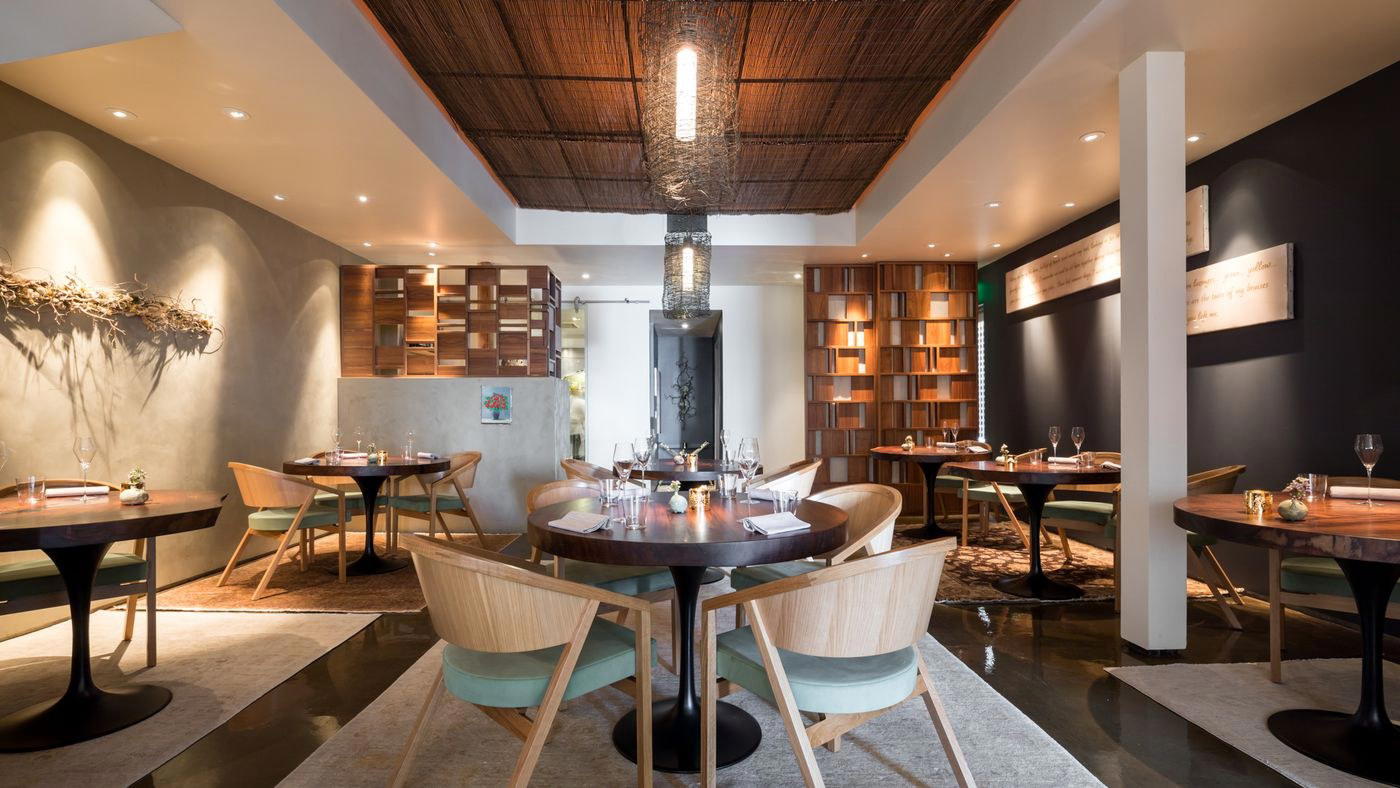
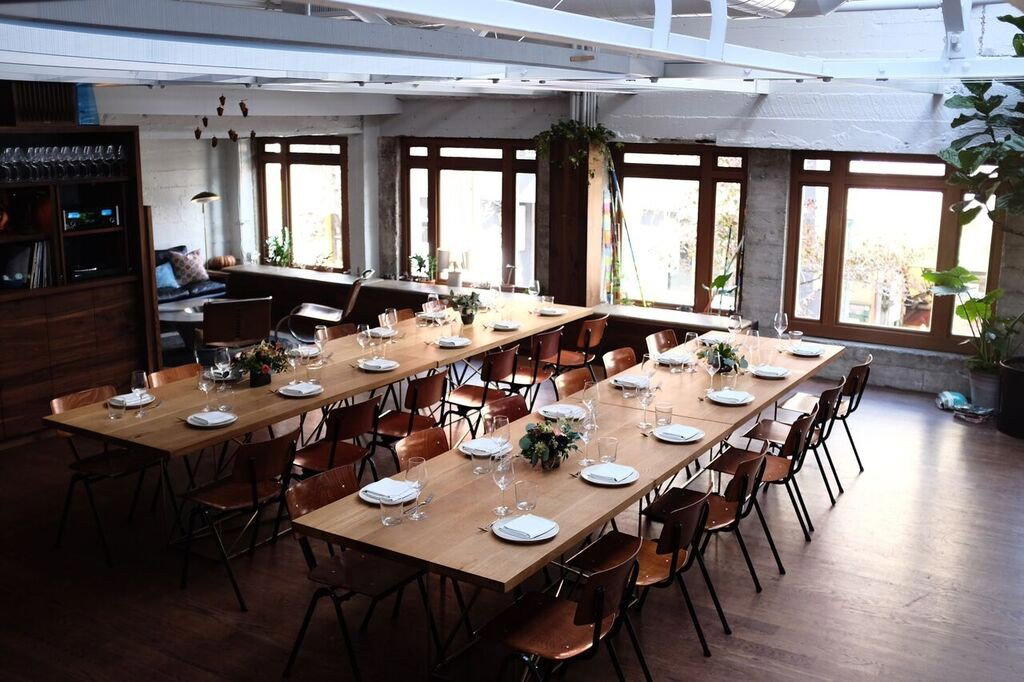
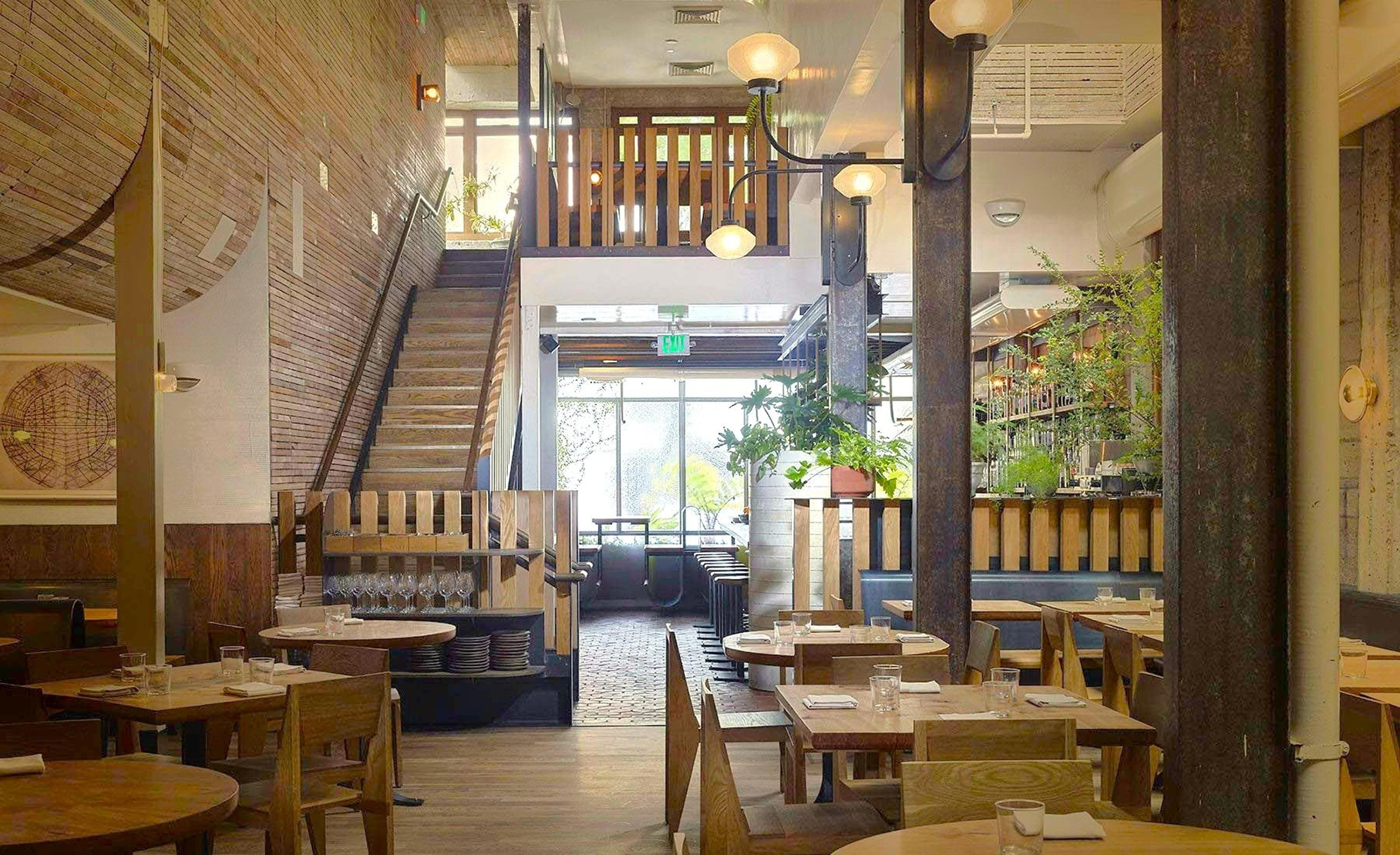
Bars in San Francisco
Browse all →
Hotels in San Francisco
Browse all →
At a Glance
- Cozy
- Lively
- Casual Hangout
- Group Dining
- Brunch
- Terrace
- Open Kitchen
- Beer Program
Bright and open lodge-inspired space featuring a visual centerpiece fireplace, cozy atmosphere, and al fresco terrace dining.