Fish & Farm
On Clay Street in San Francisco's Financial District, Fish & Farm occupies a specific position in the city's farm-to-table conversation, placing sourcing transparency at the center of its offer rather than treating it as a footnote. The name states the premise plainly: the menu draws from local waters and nearby agricultural land, positioning it alongside a broader California movement that has reshaped how the city's mid-to-upper dining tier thinks about provenance and plate.
Pearl is the En Primeur Club membership app — saves, bookings, and concierge access live there. Same editors, same standards.
- Address
- 424 Clay St, San Francisco, CA 94111
- Phone
- +14154743474
- Website
- fishandfarmsf.com
- Directions
- Get directions
 Saves & bookings on Pearl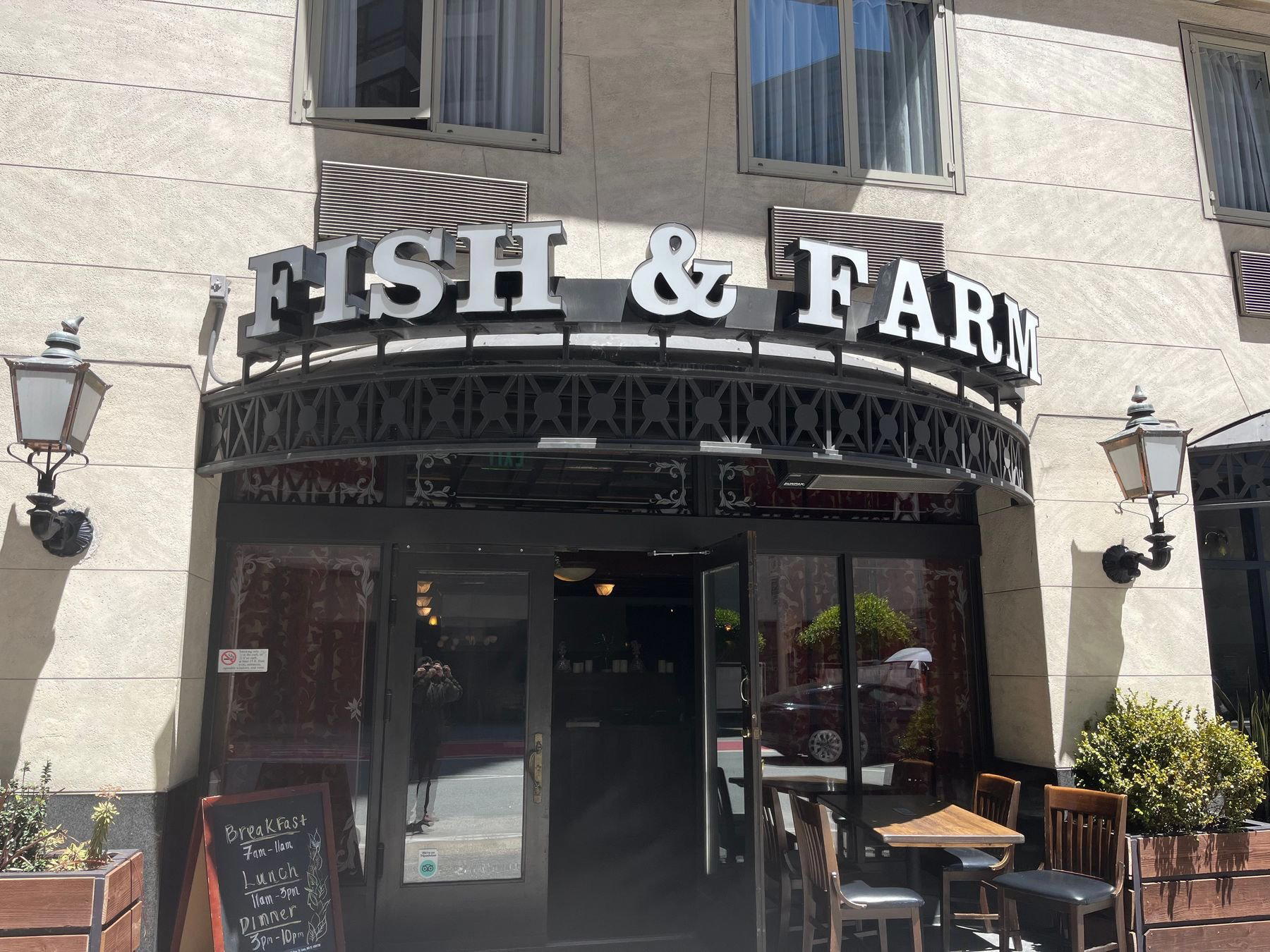
Clay Street and the Sourcing Argument
San Francisco's dining culture has spent the better part of two decades sorting itself into camps on the question of provenance. The loudest debate is not between fine dining and casual, but between restaurants that treat local sourcing as marketing language and those that structure their entire operation around it. Fish & Farm, at 424 Clay St in the Financial District, plants itself clearly in the latter category. The name is a direct declaration: the kitchen draws from the ocean and the farm, and those two supply lines define the boundaries of the menu. In a city where that claim is made frequently, the specificity of the commitment is what distinguishes one operator from another.
The Financial District context matters here. Unlike the Mission or Hayes Valley, where farm-to-table restaurants often operate in a neighbourhood already coded as progressive and food-forward, Clay Street draws a working lunch and post-office dinner crowd alongside the destination diner. That dual audience shapes the room's register: the format has to serve the quick-turn business table and the deliberate weekend guest simultaneously. It is a harder editorial position to hold than operating in a neighbourhood where everyone already agrees on the premise.
The California Farm-to-Table Tier Fish & Farm Sits In
To place Fish & Farm accurately, it helps to map the San Francisco sourcing-led restaurant spectrum. At the pinnacle of the California farm-driven format, you have operations like Saison, where the live-fire, hyper-seasonal approach commands upper-tier pricing and a years-long reputation for sourcing discipline, or Single Thread Farm in Healdsburg, which controls its own agricultural supply chain. Further north in the national conversation, Blue Hill at Stone Barns in Tarrytown has set the benchmark for what full integration between kitchen and farm can look like at a destination-dining scale.
Fish & Farm does not compete at that altitude, and it does not need to. The relevant comparable set is the tier of San Francisco restaurants that take sourcing seriously without treating the dining room as a seminar. That group is larger and, more influential in shaping how the city's general dining population thinks about where food comes from. Lazy Bear, Atelier Crenn, Benu, and Quince each occupy the upper end of the city's contemporary dining bracket at the $$$$ price point, with Michelin recognition anchoring their respective positions. Fish & Farm operates in a different register, one where the sourcing story is the primary credential rather than technique or tasting-menu architecture.
Where the Team Dynamic Comes In
The farm-to-table format, when it works, is not purely a kitchen achievement. It depends on coordination between sourcing, service, and the floor's ability to translate provenance into something meaningful for the guest. A kitchen that sources well but whose front-of-house cannot explain the supply chain, or whose wine program pulls in a different direction, produces a fractured experience. The restaurants that have made the sourcing model durable in California have generally done so by aligning all three departments around the same editorial line.
This dynamic is visible across the category nationally. At Providence in Los Angeles, the seafood sourcing discipline extends from the kitchen through a front-of-house trained to speak precisely about catch origin. At The French Laundry in Napa, the garden-to-table supply chain is as much a service narrative as a culinary one. The pattern holds at the highest levels: Le Bernardin in New York City built its reputation on a similar alignment between sourcing specificity and the team's ability to communicate it. What separates successful sourcing-led restaurants from those that merely claim the identity is whether the collaboration between kitchen, floor, and wine program reads as coherent to the guest sitting in the room.
The Broader American Context
The farm-to-table category has matured considerably since it was a differentiating idea. What was once a counterpoint to industrialized supply chains has become, in cities like San Francisco, a baseline expectation at the mid-to-upper dining tier. The question for restaurants operating under that banner now is not whether they source locally but how transparently and how consistently they can maintain it through seasonal variation and supply disruption. Operations like Addison in San Diego and Bacchanalia in Atlanta have demonstrated that the format can hold across different regional contexts when the team commitment is genuine. The Inn at Little Washington in Washington has maintained sourcing integrity across decades, which is the harder achievement than launching with the premise.
Fish & Farm, by centering both words of its name equally, signals that the ocean-sourcing side of the equation carries as much weight as the agricultural one. That dual focus is less common than it appears. Many farm-driven operations treat their seafood sourcing as secondary; restaurants built around the fish supply tend to let the farm side slide. Holding both with equal rigor requires a supply network that most operators find unwieldy. The premise, if executed consistently, puts the restaurant in a narrow but coherent position in the city's dining map. For the broader national picture of where ambitious American cooking is heading, see peers like Alinea in Chicago, Atomix in New York City, and Emeril's in New Orleans, or consult 8 1/2 Otto e Mezzo Bombana in Hong Kong for the international register of how sourcing narratives translate across markets.
Just the Basics
Comparable venues nearby, for context on price, style, and recognition.
| Venue | Cuisine | Price | Notes |
|---|---|---|---|
| Fish & FarmThis venue — the venue you are viewing | Not listed | $$ | Not listed |
| Pearl's Deluxe Burgers | Nob Hill, American Burgers | $$ | Not listed |
| 302 Broderick St | Not listed | $$ | Hayes Valley, American Rotisserie Chicken |
| The Front Porch | Not listed | $$ | Bernal Heights, Southern & Caribbean Comfort Food |
| Black Bark BBQ | Fillmore, Texas-Style BBQ | $$ | Not listed |
| Luella | Not listed | $$ | Russian Hill, Refined Comfort Food with Mediterranean & Southern Influences |
Continue exploring
More in San Francisco
Restaurants in San Francisco
Browse all →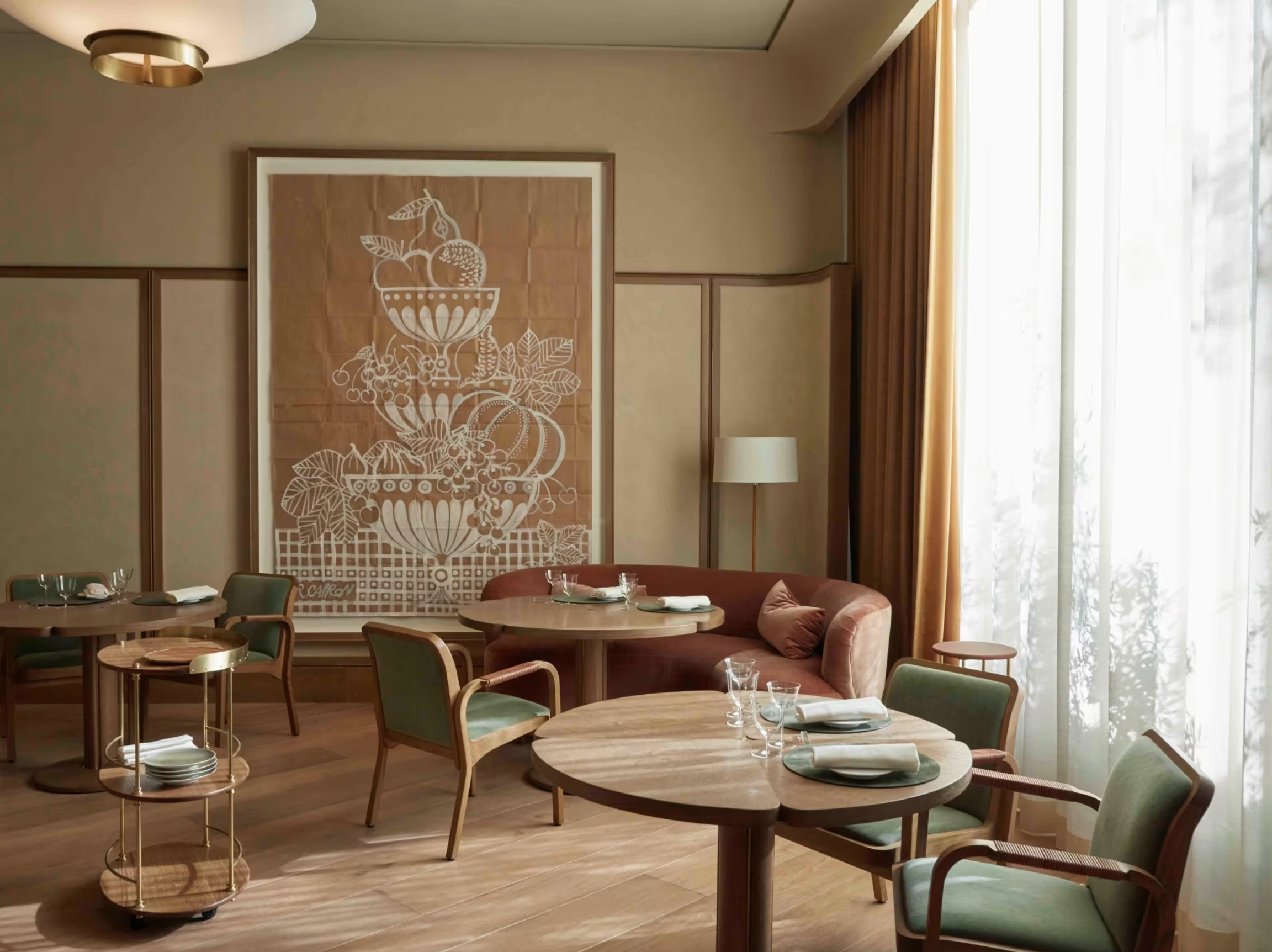

Bars in San Francisco
Browse all →
Hotels in San Francisco
Browse all →


At a Glance
- Classic
- Lively
- Elegant
- Business Dinner
- Casual Hangout
- Group Dining
- After Work
- Brunch
- Private Event
- Hotel Restaurant
- Private Dining
- Open Kitchen
- Extensive Wine List
- Craft Cocktails
- Beer Program
- Farm To Table
- Local Sourcing
- Sustainable Seafood
- Organic
Current opening hours
- Monday
- 6:30 AM–10 PM
- Tuesday
- 6:30 AM–10 PM
- Wednesday
- 6:30 AM–10 PM
- Thursday
- 6:30 AM–10 PM
- Friday
- 6:30 AM–10 PM
- Saturday
- 6:30 AM–10 PM
- Sunday
- 6:30 AM–10 PM
Hours can change for holidays and private events. Last verified .
Spacious two-story venue with great decor and lots of seating; bright and welcoming with a lively bar atmosphere, though some guests noted variable lighting and music levels.